2027 Can a BS in Business Administration Prepare You for a Public Procurement Specialist Role? Skills and Entry Requirements
Audited and Verified:
Our Editorial and Data Verification Process
Research.com uses government datasets, official education statistics and primary institutional information to support its career and degree guides. Our review process checks factual accuracy, occupational definitions, source dates and the requirements associated with the credentials discussed.
How This Article Was Fact-Checked
Our editorial team verifies salary estimates, employment projections, education requirements and program information against original data providers and official organizations. Salary figures are checked against the relevant occupational definitions and reporting periods. Information about licensure, accreditation and required in-person training is reviewed separately.
Fact-checked and verified on:

Co-Founder and Chief Data Scientist
A public procurement specialist buys goods and services with public funds, where a sound purchase must also withstand scrutiny. If you are considering a BS in Business Administration - or already have one - the decision is whether it gives you enough preparation to enter the field and what experience you still need.
This guide connects degree coursework to government purchasing tasks, explains how hiring requirements vary, and compares entry routes, certifications, costs, and pay evidence so you can choose a practical next step.
Key Things You Should Know
- A BS in Business Administration can meet the degree requirement for some public procurement jobs, but it does not replace agency-specific rules training or required purchasing experience.
- For an entry-level application, evidence of bid analysis, contract documentation, spreadsheet work, and ethical judgment is more useful than a general claim of "business skills."
- Use occupation-specific job postings to assess pay: the BLS figure of $82,320 for logisticians in May 2025 describes a related occupation, not the expected salary of a public procurement specialist.
What Does a Public Procurement Specialist Do?
A public procurement specialist helps a government agency or public institution acquire supplies, technology, construction services, or other goods and services. Depending on the position, the specialist may clarify requirements with staff, research suppliers, prepare a solicitation, review bids, document an award, issue a purchase order, or help administer a contract. Work can also involve checking invoices, tracking vendor performance, and maintaining records for audits or public disclosure.
The distinction from private purchasing is accountability for the process as well as the price. Applicable laws and agency policies may govern competition, evaluation criteria, conflicts of interest, accessibility, and how public money can be spent. An apparently cheaper offer may not be eligible for award if it fails the published requirements.
Procurement is also different from staffing: a buyer obtains goods or services, while an HR professional manages employment-related processes. If the people-focused side of public administration interests you more, reviewing what to expect from an HR degree can help distinguish those career paths.
Can a Business Administration Degree Qualify You for Procurement Jobs?
Yes, for some jobs. A BS in Business Administration can provide the accounting, operations, analytics, communication, and management foundation sought in procurement postings. Eligibility still depends on the employer's stated degree fields, experience rules, and classification system. A degree that makes you eligible to apply does not by itself establish that you can run a complex solicitation or manage a major contract.
The best educational route depends on how much procurement depth you need and whether you already have relevant work experience. This comparison separates broad preparation from specialized study.
| Path | Strongest fit | Important limitation |
| BS in Business Administration | Broad business foundation plus procurement electives, projects, or experience | Public purchasing rules may receive little direct coverage |
| Supply chain or operations bachelor's | Purchasing, supplier analysis, and logistics-focused coursework | Public contracting rules still require separate learning |
| Public administration coursework | Government budgets, governance, and accountability | May offer less purchasing and quantitative operations depth |
| Targeted training alongside work | Employees who already meet degree requirements or can enter through experience | May not satisfy a posting that requires a bachelor's degree |
For someone who already has a bachelor's, another full degree may be less direct than agency training and supervised purchasing work. Likewise, organizational leadership degrees with faster completion options may suit a broader management goal, but their leadership focus should not be mistaken for procurement training. Compare actual course lists and job postings rather than degree titles alone.
What Education and Experience Are Required for Public Procurement Specialists?
There is no single national entry requirement for state and local public procurement jobs. An agency may accept a bachelor's in business or a related field, allow an experience substitution, or require prior purchasing work. Federal positions have their own occupational classifications and qualification standards; do not assume a city posting's rules apply to a federal vacancy.
Entry-level purchasing assistant and procurement technician jobs may emphasize records, purchase orders, vendor communication, and policy compliance. Specialist postings are more likely to expect independently prepared solicitations, bid evaluations, contract work, or experience with a particular purchasing system. Some positions require knowledge of construction, information technology, grants, or another purchasing category.
Read each posting for its minimum qualifications and substitution language, then compare them with your transcripts and actual duties. If you are still choosing a degree, what to check before applying for a business administration degree can help you distinguish admission requirements from later job qualifications. Ask the hiring office whether internships, military logistics, private-sector buying, or administrative purchasing count toward a stated experience requirement; do not assume they will.
Course names matter less than what you learn to do. Financial and managerial accounting can help you read budgets and assess costs; statistics and spreadsheet-based analytics support bid comparisons; operations and supply chain courses introduce sourcing, inventory, and supplier performance. Business law, information systems, and professional writing also support contract review, electronic records, and defensible explanations.
Where available, choose assignments that require you to compare offers against stated criteria, calculate total cost rather than price alone, or write a short recommendation with documented assumptions. A classroom exercise can demonstrate your reasoning, but label it as academic work - not an actual government award. Do not use restricted bid or vendor information in a portfolio without authorization.
If procurement is your principal goal, compare the available electives with a specialized supply chain curriculum before committing. Supply chain program tuition, time, and earnings context can inform that comparison, but check whether any program actually teaches public-sector purchasing; private-sector sourcing is not a substitute for agency rules.
Yes, if the program provides the relevant coursework and a workable way to demonstrate applied skills. An online student can build spreadsheets, analyze purchasing cases, write solicitation-style documents, and seek a local agency internship or approved workplace project. Online delivery itself neither weakens a degree nor supplies the government experience an employer requests.
Before enrolling, confirm whether classes are asynchronous, whether presentations or exams require live attendance, and whether an internship, capstone, or campus visit is mandatory. Ask who approves workplace projects and whether career services can help identify public-sector opportunities. These details matter particularly if you are completing a degree while working for an agency.
Comparisons of the fastest online business bachelor's programs in the US can identify formats worth investigating. Treat advertised speed as a starting point: your accepted transfer credits, required-course availability, and weekly study time determine your own completion plan.
A bachelor's degree is commonly planned as four years of full-time undergraduate study, but a transfer student's remaining time depends on how accepted credits apply to general education, business core, electives, and residency requirements. Part-time enrollment or infrequently offered courses can extend the calendar; accelerated terms do not eliminate required work.
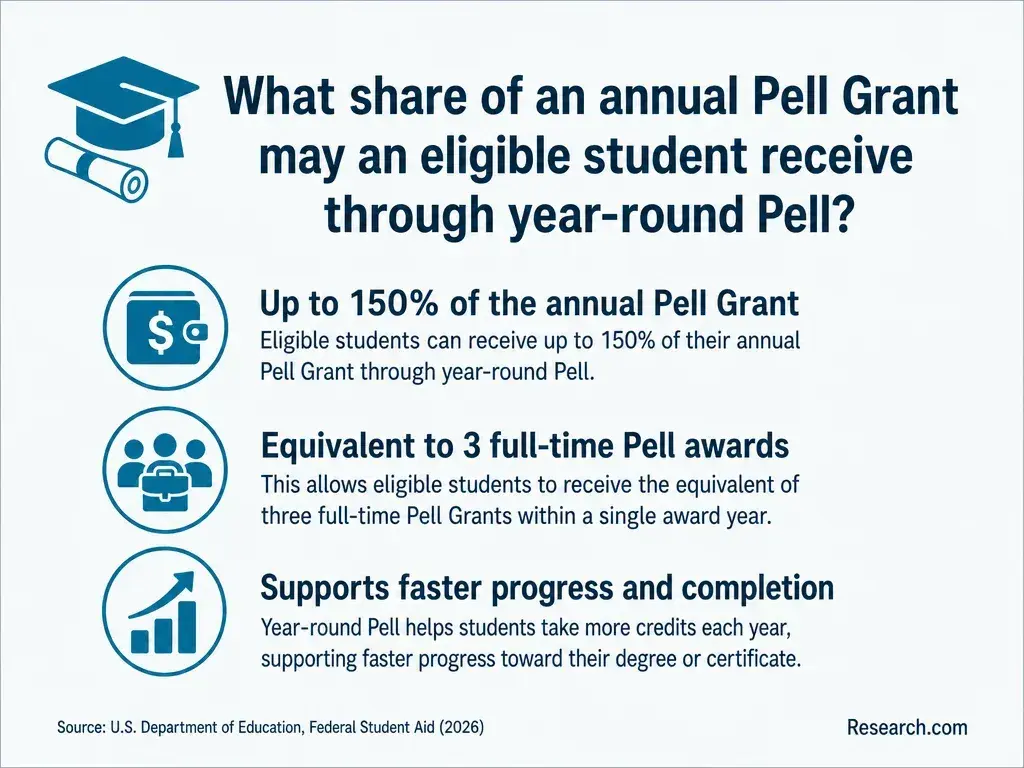
For a useful cost estimate, request a degree audit and calculate tuition for remaining required credits, then add mandatory fees, materials, technology or proctoring charges, and any internship-related travel. Compare that total with available grants, employer education assistance, and borrowing - not just a published per-credit rate. If you already meet the education requirement in target postings, targeted training and experience may cost less than a second bachelor's.
Online business administration program cost-and-time comparisons can help you create a shortlist. Obtain each school's written transfer evaluation and current charges before treating any advertised completion time or price as your own.
The core skill is making a purchasing decision that is both useful to the agency and supported by the record. Specialists need to translate a department's need into clear requirements, compare offers consistently, notice arithmetic or documentation errors, communicate with vendors without giving one an unfair advantage, and keep track of deadlines and approvals.
Good evidence of readiness is specific: a redacted purchase-order workflow you helped maintain, a supervised vendor comparison, or an academic bid-analysis sample that states its evaluation criteria. Explain your contribution and the limits of your authority. A purchasing assistant who accurately maintained records should not describe that work as independently awarding contracts.
If your strengths are employee relations and staffing rather than sourcing and contract records, compare procurement duties with online HR bachelor's programs accepting transfer credits before choosing a completion path. Transfer-friendly delivery is valuable only if the resulting curriculum fits the work you want to do.
Public procurement credentials can help experienced practitioners document specialized knowledge, but they are separate from a business degree and are not universal entry requirements. The Universal Public Procurement Certification Council offers the Certified Public Procurement Officer (CPPO) and Certified Professional Public Buyer (CPPB) credentials. Eligibility depends on the certifying body's current education, experience, and application rules; the credentials serve different levels of responsibility.
Before paying for a course or exam, check the credential's official requirements and your target employer's job postings. An agency may value its own mandatory training more for a new hire, while certification may become useful after substantial purchasing experience. If you lack a bachelor's required for the jobs you want, accelerated online pathways for business students may address that gap; a short course or certification does not automatically replace a degree requirement.
Match your first application to the responsibility you can document. A business graduate without purchasing experience may be more competitive for procurement assistant, purchasing technician, buyer trainee, or contract-support positions than for a specialist job that independently conducts competitive awards. Graduates with relevant internships or buying experience may qualify for more demanding postings, subject to the employer's rules.
The titles below indicate a typical difference in responsibility, not a universal promotion ladder. Public employers define classifications differently.
| Role type | Typical focus | Experience distinction |
| Purchasing or procurement assistant | Records, requisitions, purchase orders, and vendor inquiries | Often a route into supervised procurement work |
| Buyer or procurement specialist | Sourcing, solicitations, evaluations, and contract documentation | May require prior purchasing or category experience |
| Contract administrator | Contract files, amendments, deadlines, and performance records | Requirements depend heavily on contract complexity |
| Procurement manager | Policy oversight, staff supervision, and high-stakes decisions | Typically requires demonstrated leadership and procurement experience |
Search postings across agencies, school districts, universities, and utilities, then note which qualifications recur. If completing a bachelor's is necessary for those roles, comparing inexpensive business administration degree options is sensible - provided the lower-cost program still gives you relevant courses and a feasible route to applied work.
What Are Public Procurement Specialist Salaries and Job Outlook?
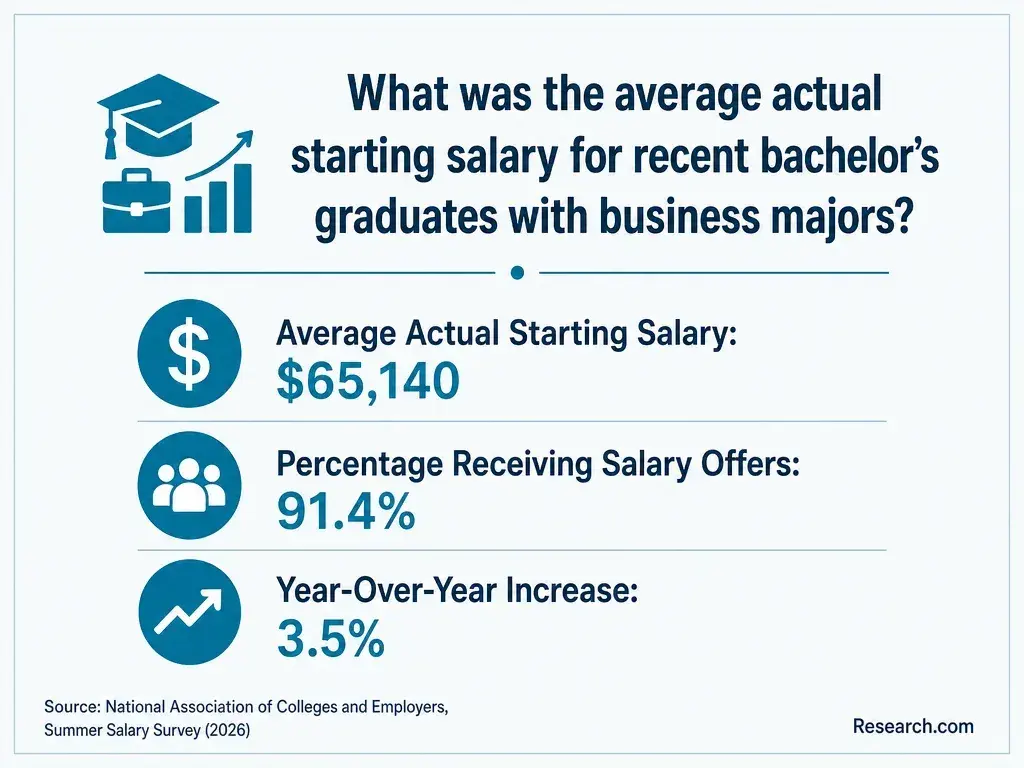
Public procurement specialist is a job title used across employers, not a single nationally standardized wage category. Government postings, pay grades, location, seniority, and purchasing responsibility offer a better estimate of your likely starting pay than a broad business or management median.
For context only, the U.S. Bureau of Labor Statistics reports a May 2025 median annual wage of $82,320 for logisticians and projects 18% employment growth from 2025 to 2035 for that occupation. Logisticians work across supply chains; those figures are not public procurement specialist pay or a forecast for government purchasing vacancies. Use them to understand an adjacent field, then check current salary ranges and advancement rules in the specific agencies where you could work.
When weighing pay against education cost, compare a realistic agency salary range with your remaining tuition and likely borrowing. Information on business administration degree costs after FAFSA-based assistance can help frame the school-cost side, but neither financial aid nor a future procurement salary should be assumed before eligibility and offers are confirmed.
Other Things You Should Know About Business Administration
Not automatically. State and local entities follow their applicable laws and policies, although particular funding arrangements may add requirements. Learn the rules for the employer and purchase at issue.
Yes, it can demonstrate sourcing, vendor analysis, and contract skills. Whether it satisfies a public employer's experience requirement depends on the posting and the hiring authority's evaluation.
Most job seekers should check the individual posting rather than assume one is required. Some positions may require a background check or, for particular federal work, a clearance.
No. A contracting officer has specific delegated authority to enter into or administer contracts on behalf of an organization. A specialist's title or degree alone does not grant that authority.
- Part 15 - Contracting by Negotiation | Acquisition. GOV https://www.acquisition.gov/far/part-15
- Overview of the Federal Procurement Process and Resources | Congress.gov | Library of Congress https://www.congress.gov/crs-product/RS22536
- Procurement and Supply Chain Specialist | Energy.gov https://www.energy.gov/cmei/water/procurement-and-supply-chain-specialist
- Position Description - Commonwealth of Pennsylvania https://careers.employment.pa.gov/pd/PD_NEOGOV.asp
- Overview: Seven Stages of Procurement | ga.gov https://doas.ga.gov/state-purchasing/seven-stages-of-procurement
- Procurement Specialist: Role in Government Contracting | University of Dayton https://udayton.edu/law/government-contracting/articles/understanding-role-government-procurement-specialist.php
- Procurement Specialists: How to Become One | Franklin University https://www.franklin.edu/career-guide/buyers-and-purchasing-agents/how-to-become-procurement-specialists
- Business Administration Degrees (Types, Courses & FAQ) | allbusinessschools.com https://www.allbusinessschools.com/business-administration/degrees/
- Procurement Career Path: Why it's a Good Choice | ascm.org https://www.ascm.org/ascm-insights/procurement-career-path/
- Procurement Specialist: Job Description and Career Outlook | Michigan State University https://www.michiganstateuniversityonline.com/resources/supply-chain/procurement-specialists-in-todays-business-world/