
2027 What Can You Do with a Digital Marketing Degree: Costs & Job Opportunities

Co-Founder and Chief Data Scientist
Choosing a digital marketing degree is really a decision about time, cost, skills, and career flexibility. The field attracts students who want creative work, data-driven strategy, remote-friendly roles, and a career connected to search, social media, content, advertising, analytics, and emerging AI tools. This guide explains what a digital marketing degree covers, how online and campus programs compare, what students may pay, which careers are available, and how to decide whether a degree, certificate, bootcamp, or related program is the better fit.
Quick answer: Is a digital marketing degree useful?
A digital marketing degree can be useful if you want a structured path into marketing roles that require campaign strategy, analytics, SEO, paid advertising, social media, content planning, and customer research. It is especially valuable for students who want a broader business foundation, access to internships, career services, and a credential from an accredited college. However, it is not the only route into the field. Shorter certificates, portfolios, freelance projects, and platform-specific training can also help, particularly for students focused on a narrow skill area.
What are the benefits of getting a digital marketing degree?
- A digital marketing degree can prepare graduates for roles such as pay-per-click (PPC) specialist, search engine optimization (SEO) specialist, digital marketing specialist, content creator, and social media specialist.
- The average wage of a digital marketing specialist in the U.S. is $65,418.
- Online digital marketing programs can make college more manageable for working adults because they often allow students to study from home, keep a flexible schedule, and build skills that support remote-friendly marketing work.
What can I expect from a digital marketing degree?
A digital marketing degree combines business, communication, technology, and analytics. Students learn how organizations attract audiences, build brand awareness, convert leads, measure campaign performance, and retain customers through digital channels.
Common subject areas include:
- Marketing management
- Promotion
- Fundraising
- Public relations
- Market research
- SEO
- Online advertising
- Social media management
Strong programs usually go beyond theory. They ask students to build campaigns, analyze customer behavior, create content, interpret performance metrics, and explain how marketing decisions support business goals. The most career-ready graduates leave with both a credential and a portfolio of work samples.
Where can I work with a digital marketing degree?
Digital marketing graduates can work in nearly any industry that sells products, services, ideas, or experiences online. Employers include small businesses, agencies, nonprofits, healthcare organizations, universities, media companies, retail brands, financial services firms, startups, and large technology companies such as Twitter and Facebook.
Many graduates begin in specialist roles, such as PPC specialist, SEO specialist, digital marketing specialist, or social media specialist. Others enter content marketing, email marketing, analytics, ecommerce, public relations, or brand communications. Some eventually launch freelance practices or digital agencies, although self-employment usually requires strong client management, pricing, sales, and project management skills in addition to marketing expertise.
How much can I make with a digital marketing degree?
Digital marketing salaries vary by role, location, experience, portfolio quality, industry, and employer size. A degree can help candidates qualify for entry-level and advancement opportunities, but it does not guarantee a specific salary. Reported average wages include:
- PPC specialist - $73,276
- SEO specialist - $72,512
- Digital marketing specialist - $65,418
- Content creator - $61,715
- Social media specialist - $79,169
- Best Digital Marketing Degrees for 2027
- How long does a digital marketing degree take?
- Online vs. on-campus digital marketing degree
- Average cost of a digital marketing degree
- Financial aid for digital marketing students
- Admission requirements and skills to prepare
- Common digital marketing courses
- Digital marketing specializations
- Certifications that strengthen a digital marketing degree
- How to choose the right digital marketing degree
- Why accreditation matters
- How interdisciplinary study can help digital marketers
- Further education options
- Digital marketing and communications careers
- Creative writing and digital marketing
- Alternatives to a digital marketing degree
- Creative design skills for marketers
- Is a digital marketing degree worth it?
- Career paths for digital marketing graduates
- Job market for digital marketing graduates
- Current trends in digital marketing
- Benefits of accelerated digital marketing programs
List of the Best Digital Marketing Degrees for 2027
How do we rank schools?
A digital marketing degree can be a major financial commitment, so students need transparent information before comparing programs. Research.com evaluates digital marketing degree options using current and comprehensive U.S. education data from:
- The Integrated Postsecondary Education Data System (IPEDS) database
- Peterson’s database, including its Distance Learning Licensed Data Set
- College Scorecard database
- National Center for Education Statistics
Our ranking review also considers indicators such as graduation rate, student-faculty ratio, and program focus. Details about the ranking process are available on our methodology page.
| School | Program focus | Program length | Cost information | Credits and accreditation |
| Trevecca Nazarene University | B.S in Information Technology with a focus on social media and digital marketing strategies and techniques | 4 years (full-time) | $14,295 + $1,015 per credit hour (taking more than 18 credit hours) | Required Credits to Graduate: N/A; Accreditation: Southern Association of Colleges and Schools Commission on Colleges (SACSCOC) |
| Pace University | Bachelor of Business Administration (BBA) in Digital Marketing; STEM-designated through the Lubin School of Business | 4 years (full-time) | $1,460 per credit | 128 credits; Accreditation: Association to Advance Collegiate Schools of Business (AACSB) International |
| Southwest Baptist University | Digital marketing with coursework in advertising, social media, computer programming, and graphic design | 4 years (full-time) | $28,656 (tuition) | 120 credits; Accreditation: Higher Learning Commission (HLC) |
| Spring Hill College | Bachelor of Science in Digital Marketing with marketing, communication, and advertising preparation | 4 years (full-time) | $438 (summer tuition rate for undergraduate) | 120 credits; Accreditation: SACSCOC |
| The American Women’s College (Bay Path University) | Fully online BS in Business Digital Marketing Management | 3.5 years | $410 per credit | 120 credits; Accreditation: New England Commission of Higher Education (NECHE) |
| Mid-America Christian University | Bachelor of Science in Digital Marketing for roles such as content manager, branding specialist, marketing analyst, and email marketing specialist | 3.5 years | $14,480 (total semester) | 122 credits; Accreditation: HLC of the North Central Association of Colleges and Schools (NCA) |
| Ensign College | Digital Marketing - Bachelor of Applied Science in Communication with real-world experience in strategy, analytics, technology sales, and content creation | N/A | $3,888 (church member tuition), $7,776 (non-church member tuition) | 120 credits; Accreditation: Northwest Commission on Colleges and Universities (NWCCU) |
| Bryant & Stratton College | Bachelor’s degree in Digital Marketing with SEO, social media marketing, web data analysis, online strategy, and business management courses | 40 months | $665 per credit | 90 credits; Accreditation: Middle States Commission on Higher Education (MSCHE) |
| Newberry College | Bachelor of Science degree in Digital Marketing combining Business Administration, Graphic Design, Social Media, and e-commerce | N/A | 15,025 (tuition) | 60 credits; Accreditation: SACSCOC |
| Full Sail University | Business Bachelor of Science in Digital Marketing Concentration focused on content, SEO, analytics, and audience reach | N/A | $67,500 (total tuition) | Required Credits to Graduate: N/A; Accreditation: Accrediting Commission of Career Schools and Colleges (ACCSC) |
What students should look for in a digital marketing program
The best program is not always the one with the lowest tuition or the most recognizable name. Students should compare whether the curriculum includes current platforms, analytics tools, portfolio assignments, internship access, business fundamentals, and faculty experience. For students who want employer mobility, accreditation and transfer credit policies also matter.
Key Findings
- A digital marketing degree can lead to multiple career tracks, including PPC specialist, SEO specialist, digital marketing specialist, content creator, and social media specialist.
- The average wage of a digital marketing specialist in the U.S. is $65,418, while specialized roles such as SEO specialist report an average of $72,512.
- Online study can support flexible schedules and remote-friendly career preparation, which aligns with the reported trend that approximately 56.8% of U.S. workers held remote-friendly jobs.
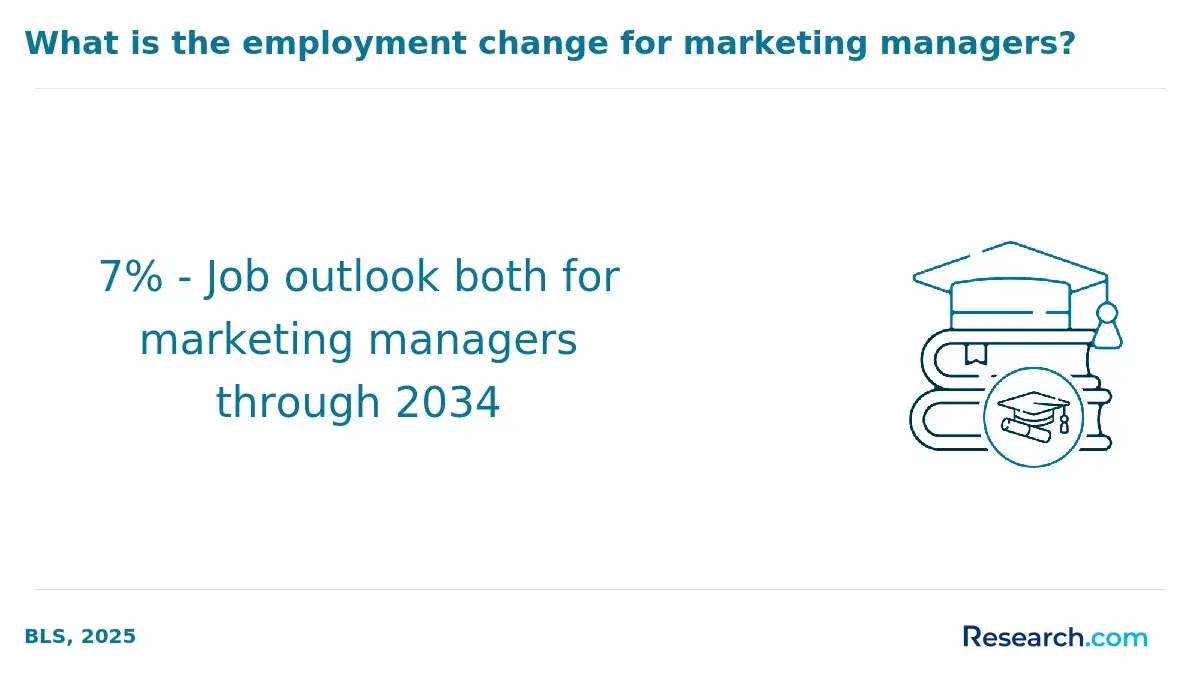
- Digital marketing graduates can work across many industries. In the U.S. alone, there will be 34,300 annual job openings for marketing managers, with a projected 7% job growth through 2034.
- Students can reduce the cost of a digital marketing degree through scholarships, grants, federal financial aid, employer tuition support, and lower-cost certificate or online options.
How long does it take to complete a digital marketing degree?
The timeline depends on the credential level, course load, transfer credits, and whether the program is traditional or accelerated. Typical completion times include:
- Associate degree in Digital Marketing - two years
- Bachelor’s degree in Digital Marketing - four years
- Master’s degree in Digital Marketing - two years
- Doctorate in Digital Marketing - five years
- Certificate course in Digital Marketing - two to four months
- Accelerated programs - 36 months
How does an online digital marketing degree compare to an on-campus program?
Online and campus programs can both prepare students for digital marketing careers, but they fit different learning styles, schedules, and networking goals.
| Factor | Online digital marketing degree | On-campus digital marketing program |
| Best for | Working adults, parents, career changers, remote learners, and students who need schedule flexibility | Students who prefer face-to-face instruction, campus life, in-person networking, and structured class schedules |
| Flexibility | Often allows students to complete coursework from any location and sometimes at their own pace | Usually requires attendance at set times and regular commuting or campus housing |
| Career support | May include virtual advising, online career services, digital portfolio reviews, and remote internship support | May provide stronger access to campus recruiting, local employer events, clubs, and in-person internships |
| Cost and time | Can reduce transportation, housing, and meal costs; certificates and accelerated online degrees may shorten the timeline | Can be more expensive when room, board, transportation, and campus fees are included |
| Learning experience | Requires self-discipline, written communication, and comfort with digital platforms | Provides direct classroom interaction and easier access to labs, events, and peer groups |
Students should not assume that online automatically means lower quality. The more important questions are whether the school is accredited, whether online students receive the same support as campus students, and whether the program includes practical projects tied to current marketing tools.
What is the average cost of a digital marketing degree?
The cost of a digital marketing degree depends on school type, residency status, credential level, delivery format, transfer credits, fees, textbooks, technology requirements, and living expenses. Public colleges may charge different rates for in-state and out-of-state students, while private institutions often use a single tuition structure.
For associate degrees in digital marketing at public institutions, in-state students can expect to pay between $3,122.4 and $12,237 annually. Out-of-state students generally face costs ranging from $6,509.9 to $11,447.1. Private universities charge around $18,630 to $31,000 per year for the same degree level.
Bachelor's degrees in digital marketing at public universities cost between $3,985 and $9,663 annually for in-state students and $11,697 to $17,930 for out-of-state students. Private institutions charge approximately $19,100 to $19,896 per year.
For master's degrees, resident students at state universities can expect to pay between $9,972 and $31,481 annually, while non-residents may pay between $12,708 and $31,481. Private institutions charge approximately $9,000 to $9,720 per year.
Doctorate programs in marketing at state universities typically cost around $13,976 annually for in-state students and $26,460 for out-of-state students. Private institutions charge approximately $56,487 per year. Many doctoral programs provide full-tuition grants, assistantships, stipends, and health insurance, often in exchange for research or teaching responsibilities. Students comparing doctoral programs should review funding guarantees carefully before enrolling.
Online options, including an online marketing bachelor's program with a digital marketing focus, may reduce expenses tied to housing, transportation, and campus-based costs. Students should still compare fees, technology requirements, and whether online tuition differs from campus tuition.
| Cost factor | Why it matters |
| Tuition rate | The posted per-credit or annual rate is only one part of the total cost. |
| Fees | Technology, student services, online course, and graduation fees can change affordability. |
| Transfer credits | Accepted transfer credits can shorten the program and reduce the total bill. |
| Residency status | Public institutions may charge higher tuition to out-of-state students. |
| Living expenses | Housing, food, transportation, and lost work hours can affect total return on investment. |
What are the financial aid options for students enrolling in a digital marketing degree?
Students should build a funding plan before committing to a program. The strongest plan usually combines aid that does not need to be repaid with careful borrowing only when necessary.
- Merit-based scholarships. Colleges may award scholarships for academic achievement, leadership, extracurricular involvement, or marketing-related accomplishments.
- Need-based grants. Students with financial need may qualify for grants that reduce tuition and do not usually require repayment.
- Federal financial aid. Completing the Free Application for Federal Student Aid (FAFSA) helps determine eligibility for federal grants, loans, and work-study programs.
- Institutional aid. Schools may offer scholarships, tuition discounts, assistantships, or work-study opportunities for eligible students.
- Private student loans. Banks and private lenders can help cover remaining costs, but students should compare interest rates, repayment terms, and borrower protections.
- Employer sponsorship. Some employers provide tuition reimbursement or tuition assistance for employees pursuing relevant marketing education.
- Course-based aid. Platforms such as Coursera may provide financial aid for digital marketing courses, which can help students build targeted skills at a lower cost.
- Lower-cost credentials. Certificate programs can provide focused training in less time than a full degree, although they may not replace a bachelor’s degree for jobs that require one.
What are the prerequisites for enrolling in a digital marketing degree?
Admission requirements vary by school and degree level. Undergraduate applicants usually need proof of secondary education, while graduate applicants may need a bachelor’s degree, professional experience, writing samples, or a portfolio.
- Proof of graduation. Schools commonly ask for a high school diploma, general education development (GED) transcript, high school equivalency diploma (HSED), or completion certificate.
- Transcripts. Colleges review prior academic performance and may expect an average grade point average (GPA) often ranging between 3.0 and 3.5.
- Coursework. Associate and bachelor’s programs may expect high school credits in English, mathematics, social science, science, and electives. Graduate prerequisites differ by institution.
- Standardized test score. Some schools allow or request ACT, SAT, TOEFL, or IELTS scores, though many programs do not require them. Typical minimums may range from ACT 21-24, SAT around 1020, TOEFL around 61, and IELTS 5.5.
- Additional materials. Letters of recommendation, essays, letters of intent or purpose, writing samples, and portfolios may be required, especially for master’s and doctoral applicants.
Skills to build before applying
- Writing skills. Digital marketers write ad copy, landing pages, emails, social posts, reports, scripts, and briefs. Strong writing helps students perform well in nearly every course and project.
- Media literacy. Marketers need to evaluate information quality, audience impact, bias, credibility, and platform context. The National Association for Media Literacy Education (NAMLE) emphasizes the importance of accessing, analyzing, and communicating information effectively.
- Technological literacy. Students do not need to be programmers to start, but comfort with digital tools, analytics dashboards, content systems, and editing software such as Adobe or Apple tools can be useful.
- Management skills. Campaign work requires deadlines, budgets, calendars, project planning, and clear coordination among stakeholders.
- Collaboration skills. Digital marketing often involves designers, writers, analysts, sales teams, developers, and clients, so students need to give feedback, receive criticism, and work across teams.
What courses are typically in a digital marketing degree?
Course titles differ by school, but many digital marketing programs cover both general marketing foundations and platform-specific digital skills. Common courses include:
- Search Engine Optimization (SEO). Students learn how search engines evaluate web pages and how marketers improve visibility, technical structure, content quality, and organic traffic.
- Content strategy. This course covers planning, creating, distributing, and measuring content across websites, social media, email, and other channels.
- Campaign development. Students learn how to plan, launch, manage, and evaluate digital marketing campaigns.
- Display advertising. Coursework may explore visual advertising, audience targeting, creative testing, and online placement strategy.
- Statistics. Students build skills for interpreting data, testing results, and making evidence-based marketing decisions.
- Physical science. Some degree plans include general education science coursework that supports broader analytical thinking.
- Cultural studies. Students examine how culture, identity, language, and social context influence consumer behavior.
- Marketing analysis. This course focuses on market trends, audience research, campaign performance, and optimization.
- New media. Students study emerging digital platforms and how media shifts affect marketing strategy.
- Interactive advertising design principles. Coursework may address digital ad design, user engagement, and platform-specific creative standards.
What types of specializations are available in a digital marketing degree?
Specializations help students move from broad marketing knowledge into a more defined career lane. Popular options include:
- Search Engine Optimization (SEO). This path focuses on improving website visibility, search rankings, content performance, and organic traffic.
- Pay-Per-Click (PPC) Advertising. PPC students learn to manage paid campaigns on platforms such as Facebook, Instagram, and Google.
- Social Media Marketing (SMM). This specialization emphasizes platform strategy, audience engagement, brand voice, community management, and campaign reporting.
What types of certifications can enhance a digital marketing degree?
Certifications can make a degree more practical by proving that a student can use specific tools or platforms. They are especially helpful when paired with portfolio projects, internships, or freelance experience.
Common options include Google Analytics, Google Ads, HubSpot Content Marketing, Facebook Blueprint, and Hootsuite Social Marketing. These credentials can support skill development in analytics, social media management, paid advertising, content marketing, and SEO.
Advanced credentials, such as the American Marketing Association’s (AMA) Digital Marketing Certification or Digital Marketing Institute (DMI) credentials such as Digital Marketing Professional, may help experienced students or working professionals signal broader marketing knowledge. Some degree programs include certification preparation in the curriculum, while others expect students to complete certifications independently.
| Credential type | Best use | What to watch for |
| Platform certification | Showing tool-specific skills in advertising, analytics, email, or social media | Platforms change often, so credentials may need renewal or ongoing practice. |
| Professional association credential | Demonstrating broader marketing knowledge and commitment to the field | Some are more useful for experienced marketers than beginners. |
| College certificate | Building a focused skill set without completing a full degree | Students should check whether credits transfer into a degree later. |
How to Choose the Best Digital Marketing Degree
Choosing a digital marketing degree should start with your career goal. A student aiming for analytics may need different coursework than someone interested in social media strategy, copywriting, ecommerce, or paid search.
- Available specializations. Look for options in social media, email, search engine marketing, mobile marketing, content marketing, marketing research, and customer journey analytics.
- Accreditation. Accredited U.S. institutions may be reviewed by organizations such as the Higher Learning Commission, the Accreditation Council for Business Schools and Programs, or the Association to Advance Collegiate Schools of Business.
- Student-to-teacher ratio. Class size can influence access to instructors, feedback, and mentoring. According to the National Center for Education Statistics, smaller ratios typically suggest better teacher availability, and some digital marketing programs enroll 30 students or fewer per class.
- Financial aid options. Compare grants, loans, federal work-study programs, scholarships, military and veterans benefits, FAFSA options, tuition reimbursement, employer assistance, fund disbursement policies, assistantships, and state aid.
Questions to ask before enrolling
- Is the institution accredited, and is the business school or program separately accredited?
- Does the curriculum include SEO, paid media, analytics, content strategy, social media, and campaign measurement?
- Will I graduate with portfolio projects that I can show employers?
- Are internships, capstones, agency projects, or employer partnerships available?
- Can prior college credits, military training, or professional certifications reduce my time to completion?
- What is the total cost after fees, books, technology requirements, and living expenses?
- Do online students receive the same career services as on-campus students?
Is accreditation essential for ensuring quality in digital marketing education?
Accreditation matters because it signals that a college or program has been reviewed against recognized academic standards. It can also affect transfer credits, graduate school eligibility, employer confidence, and access to federal financial aid. Students considering a lower-cost starting point may also compare options such as the best associate degree to get before moving into a bachelor’s program.
How can interdisciplinary studies enhance my digital marketing career?
Digital marketing rewards people who can connect data, culture, storytelling, psychology, design, and business strategy. Courses outside the marketing department can sharpen audience insight and improve campaign creativity. For example, students interested in humanities-based analysis may find useful foundations in the cheapest online liberal arts degree options before pursuing more specialized marketing study.
How can further education enhance my digital marketing expertise?
Graduate study can help marketers move into leadership, communications strategy, brand management, research, or analytics-focused roles. Professionals who want to deepen messaging, stakeholder communication, and strategic planning skills may compare programs such as an online master of communications.
Can a Digital Marketing Degree Boost My Role in Communications?
Yes. Digital marketing skills are highly relevant to communications work because they combine audience analysis, messaging, channel strategy, storytelling, and campaign measurement. Students who want to connect marketing with public relations, media strategy, or corporate communication can explore career options related to bachelor degree in communication jobs.
Can creative writing skills boost digital marketing success?
Creative writing can improve digital marketing by strengthening brand voice, ad copy, storytelling, email campaigns, landing pages, scripts, and long-form content. Students who want to develop stronger writing craft alongside marketing skills may consider an affordable bachelors in creative writing degree as a complementary path.
Are there alternatives to a digital marketing degree?
A degree is not the only way to enter digital marketing. Certificates, bootcamps, apprenticeships, freelance projects, internships, and self-directed portfolio work can also build employable skills. These alternatives may be better for students who already have a degree, need a fast career pivot, or want targeted training in a single channel. Students focused specifically on social platforms may compare the quickest social media marketing degree online.
Can integrating creative design boost digital marketing success?
Design skills can make digital marketing campaigns more effective by improving visual consistency, user experience, ad creative, landing pages, social media assets, and brand storytelling. Students who want to pair marketing strategy with visual communication may benefit from a graphic design program online.
Is a Digital Marketing Degree Worth the Investment?
A digital marketing degree may be worth it if the program is accredited, affordable for your budget, aligned with your target role, and strong enough to help you graduate with practical projects, analytics skills, and career support. It may be less worthwhile if you already have a related degree, only need one technical skill, or would need to borrow heavily for a program with weak employer connections.
Students should compare the degree’s total cost with realistic salary expectations, time out of the workforce, available financial aid, and alternative credentials. The same kind of return-on-investment thinking applies when evaluating other creative or technical paths, such as whether is a game design career worth pursuing.
What career paths are available for graduates of a digital marketing degree?
Digital marketing graduates can move into specialist, analyst, creative, and management roles. Common career paths include:
- Digital marketing director and manager
- Content strategist and manager
- SEO Specialist
- Email marketing specialist
- Social media manager
- PPC Specialist
- Digital Copywriter
- Event manager
- Product Manager
What is the job market for graduates with a digital marketing degree?
The job market for digital marketing graduates is shaped by the growth of online audiences, ecommerce, social media, search, analytics, and digital advertising. Employers increasingly need people who can understand audience behavior, manage campaigns, interpret performance data, and adjust strategy across platforms.
Statista reports that globally, there were 6.04 billion internet users in 2025, comprising 73.2% of the population. Of these, approximately 5.66 billion, or 68.7%, were active on social media. This large digital audience helps explain why employers continue to need marketers who can manage online communities and create measurable campaigns.
There will be a job outlook of 7% for marketing managers. Similarly, marketing specialists will gain a 7% job growth through 2034. This opens 34,300 annual jobs for managerial positions and 87,200 opportunities for specialists and analysts throughout the decade.
What are the current trends in digital marketing?
Digital marketing changes quickly, so students should choose programs that teach adaptable strategy rather than only one platform or tool. Current trends include:
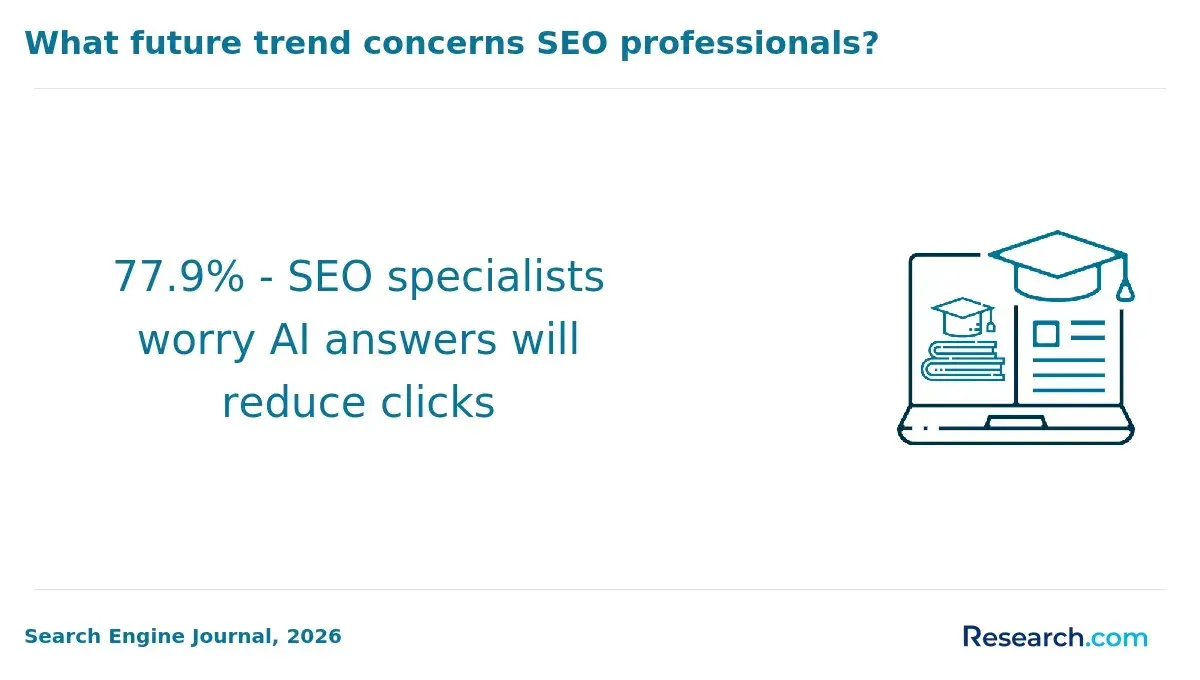
- Artificial Intelligence and Automation. AI tools are increasingly used for customer segmentation, campaign analysis, content support, ad optimization, and workflow automation. Marketers still need judgment, ethics, brand understanding, and data interpretation skills.
- Video Marketing. Short-form video, live streaming, and interactive video formats continue to influence engagement on platforms such as TikTok and Instagram Reels.
- Voice Search Optimization. Voice-enabled search affects how people ask questions online, encouraging marketers to think about conversational language and search intent.
- Influencer Marketing. Brands continue to work with influencers, including micro-influencers with highly engaged audiences.
- Sustainability and Social Responsibility. Consumers often evaluate whether brands communicate social and environmental commitments authentically.
- Personalization. Marketers use customer data to tailor recommendations, messaging, and offers, while also needing to respect privacy expectations and data rules.
What are the benefits of enrolling in an accelerated digital marketing program?
Accelerated digital marketing degree programs online accredited can help students complete a credential faster while still covering core marketing topics. They work best for motivated learners who can handle heavier course loads and consistent deadlines.
- Faster Completion Time. A traditional digital marketing degree often takes four years, while an accelerated program can often be completed in two to three years.
- Cost-Effective. Even when the per-credit price is higher, a shorter timeline may reduce total tuition, fees, and living expenses.
- Focused Curriculum. Accelerated programs often emphasize core areas such as SEO, content marketing, data analytics, and social media marketing.
- Flexibility with Online Formats. Many accelerated options are online, which can help students balance school with work or family responsibilities.
What are the challenges in pursuing a digital marketing degree?
A digital marketing degree can be practical and career-focused, but students should understand the challenges before enrolling.
- Keeping Up with Industry Trends. Platforms, algorithms, advertising tools, AI systems, and consumer behaviors change often. Students need ongoing self-directed learning beyond coursework.
- Navigating Technological Complexity. Tools such as Google Analytics, SEMrush, and Hootsuite can be difficult for beginners. Hands-on practice is essential.
- Balancing Creativity with Analytics. Successful marketers need both compelling ideas and data-based decision-making. Students often need to strengthen whichever side is weaker.
- Managing Costs and Time Commitments. Traditional programs may take four years and require significant financial planning. Students seeking lower-cost, flexible options can compare cheapest online social media marketing degree programs.
- Gaining Practical Experience. A degree alone may not be enough. Students should pursue internships, freelance work, blogs, campus projects, small business campaigns, or portfolio assignments.
- Standing Out in a Competitive Job Market. Graduates can improve their chances by earning certifications, building a portfolio, developing a personal brand, and networking with professionals.
Common mistakes to avoid
- Choosing a program without checking accreditation. Accreditation can affect transfer credits, financial aid, and employer confidence.
- Looking only at tuition. Fees, books, software, housing, transportation, and lost work time can change the real cost.
- Assuming every online program is flexible. Some online courses still require scheduled attendance, group meetings, or fixed deadlines.
- Graduating without a portfolio. Employers often want proof that you can build campaigns, write content, analyze data, and report results.
- Ignoring certifications. Degrees provide breadth, but tool-specific certifications can prove job-ready skills.
- Believing salary averages are guarantees. Pay depends on experience, location, industry, employer size, and measurable performance.
Key Insights
- A digital marketing degree is most valuable when it combines accredited coursework, practical campaign projects, analytics training, career services, and portfolio development.
- Online programs can be a strong option for working students, but quality depends on accreditation, faculty support, curriculum relevance, and access to internships or applied projects.
- Costs vary widely by degree level and institution type, so students should compare total cost, not just tuition.
- Certifications in tools such as Google Analytics, Google Ads, HubSpot Content Marketing, Facebook Blueprint, and Hootsuite Social Marketing can strengthen a degree by showing specific technical skills.
- Students who need a faster or lower-cost route may consider certificates, bootcamps, freelance work, or social media-focused programs instead of a full degree.
- The strongest digital marketing candidates develop both creative and analytical abilities: writing, strategy, audience research, data interpretation, design awareness, and campaign optimization.
References:
- Ma, J., Pender, M., & Hu, X. (2025). Trends in College Pricing and Student Aid 2025. College Board. https://research.collegeboard.org/media/pdf/Trends-in-College-Pricing-and-Student-Aid-2025-final_2.pdf
- Search Engine Journal. (2026). State of SEO 2026: How to Survive. https://www.searchenginejournal.com/state-of-seo
- Statista. (2026, January 28). Number of internet and social media users worldwide 2025. https://www.statista.com/statistics/617136/digital-population-worldwide
- U.S. Bureau of Labor Statistics. (2025, August 28). Occupational projections and worker characteristics. Retrieved March 2026, from https://www.bls.gov/emp/tables/occupational-projections-and-characteristics.htm
- ZipRecruiter. (2026). Digital Marketing Specialist Salary. Retrieved March 2026, from https://www.ziprecruiter.com/Salaries/Digital-Marketing-Specialist-Salary
- ZipRecruiter. (2026). SEO Specialist Salary. Retrieved March 2026, from https://www.ziprecruiter.com/Salaries/Seo-Specialist-Salary
- ZipRecruiter. (2026). Social Media Strategist Salary. Retrieved March 2026, from https://www.ziprecruiter.com/Salaries/Social-Media-Strategist-Salary
Other Things You Should Know About Digital Marketing Degrees
In 2027, digital marketing degree programs typically require students to complete a 120-hour internship in a marketing-related role, providing hands-on experience with digital tools and strategies. These internships are often facilitated by the university's career services department in collaboration with industry partners.
Students in a digital marketing program typically gain proficiency in a range of key tools that are essential for success in the field. These tools may include website analytics platforms like Google Analytics for understanding user behavior, SEO tools such as SEMrush or Moz for optimizing website visibility, social media management tools like Hootsuite or Buffer for scheduling and analyzing social media posts, email marketing platforms such as Mailchimp or Constant Contact for managing email campaigns, and digital advertising platforms like Google Ads or Facebook Ads Manager for creating and managing online ad campaigns. These tools equip students with practical skills for effective digital marketing strategies.
In 2027, a digital marketing degree program emphasizes skills in data analytics, content marketing, SEO, social media strategy, and digital advertising techniques. Proficiency in these areas is essential for roles such as digital marketing specialist, SEO analyst, and social media manager, all critical in the evolving digital landscape.
Google Ads and Google Analytics certification are the most widely recognized entry-level credentials for digital marketing graduates in 2027. HubSpot Academy and Meta Blueprint also help for content, email, and paid social roles. Many employers prefer candidates who can show current platform certification plus internship experience.





