
2027 Best Online Bachelor's Degree in Sports Management Programs

Co-Founder and Chief Data Scientist
Deciding on an online bachelor's degree in sports management can feel overwhelming. As a career planning and education expert, I know firsthand the difficulties individuals face when sifting through conflicting information. A simple search yields endless lists, but details about accreditation, curriculum, cost, and career outcomes are often unclear or contradictory.
This guide is designed to cut through that noise. My goal is to provide clear, actionable insights so you can confidently evaluate the top U.S. online programs, understand what makes a program stand out, and ultimately choose the one that aligns with your professional aspirations.
What are the benefits of getting an online bachelor's degree in sports management?
- Career Advancement: Opens pathways to a wide range of entry and mid-level roles, from athletic program administration and event coordination to marketing and sales for professional teams.
- Earning Potential: With a bachelor's degree, professionals can expect a diverse salary range. Entry-level positions typically fall between $40,000 and $50,000 annually, while mid-level roles and experienced managers can earn upwards of $60,000 to over $80,000.
- Flexible Learning: The online format provides the convenience of studying from anywhere, allowing you to balance advanced education with your current career, internships, and personal commitments.
What can I expect from an online bachelor's degree program in sports management?
- Comprehensive Curriculum: Expect a mix of core business courses and specialized sports management classes, covering topics such as facility operations, sports ethics, and business analytics.
- Practical Experience: Most programs emphasize hands-on learning through internships, practicums, or capstone projects, enabling you to gain real-world experience.
- Interactive Learning: Online delivery methods typically include a combination of recorded lectures, live virtual discussions, and collaborative projects with classmates.
- Faculty Expertise: You will learn from professors with direct experience in the sports industry, offering valuable insights and mentorship.
Where can I work with an online bachelor's degree in sports management?
- Professional Sports Teams & Leagues: Roles in marketing, sales, event coordination, or stadium operations for organizations like the NFL, NBA, or a local team.
- Collegiate Athletics: Positions in athletic departments at universities or colleges, from athletic director and compliance officer to marketing and fundraising.
- Sports Marketing & Sponsorship Agencies: Work for firms that manage brand partnerships, promotions, and media relations for athletes and sports organizations.
- Recreation and Community Sports: Manage programs and facilities for municipal parks and recreation departments, youth sports organizations, or fitness centers.
- Event Management & Hospitality: Organize and run sports tournaments, major games, or other athletic events for a variety of clients.
How much can I make with an online bachelor's degree in sports management?
- Entry-Level Positions: Roles like Athletic Marketing Coordinator or Sales Representative can see average salaries ranging from approximately $40,000 to $50,000.
- Mid-Level Management: With experience, positions such as Athletic Director or Marketing Manager can command salaries in the $60,000 to $80,000 range.
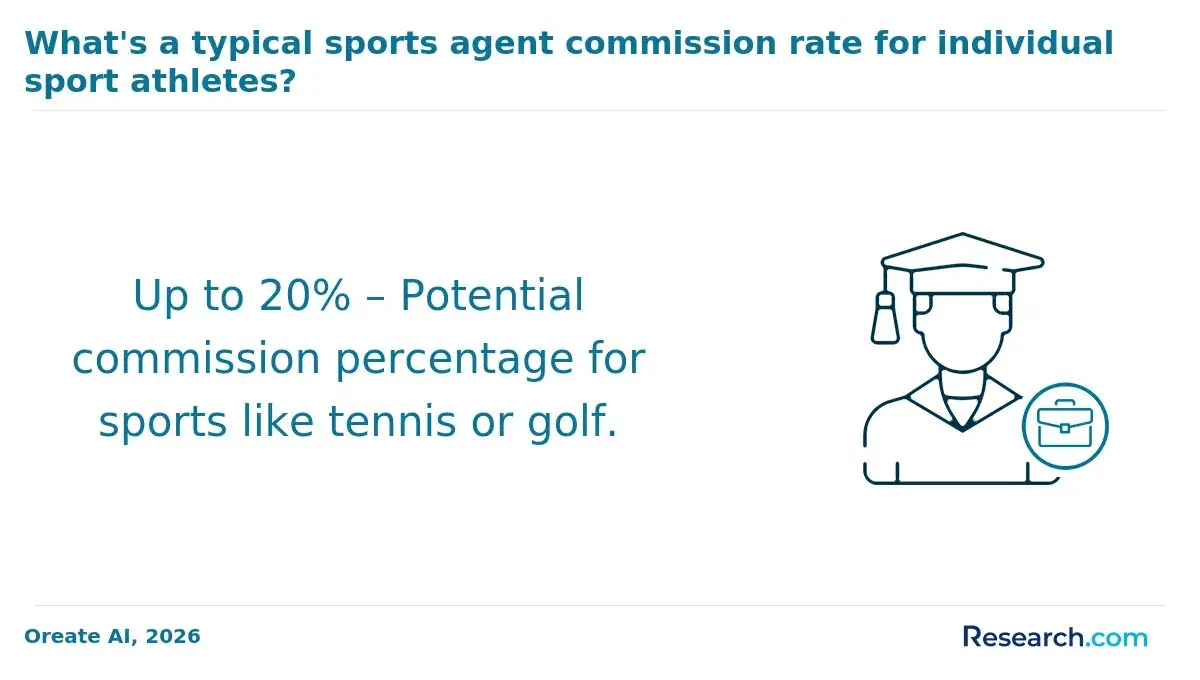
- Senior & Specialized Roles: Experienced professionals in high-level positions like Director of Operations or Sports Agent can earn upwards of $100,000, with top earners reaching well over that, depending on the organization and location.
- Best Online Bachelor's Degree in Sports Management Programs for 2027 List of Programs
- What is the average cost of an online sports management bachelor's degree? Program Cost
- What are the financial aid options for an online sports management bachelor's degree? Financial Aid
- What are the prerequisites for enrolling in an online sports management bachelor's degree program? What are the prerequisites for enrolling in an online sports management bachelor's degree program?
- What courses are typically in an online sports management bachelor's degree program? What courses are typically in an online sports management bachelor's degree program?
- What types of specializations are available for sports management graduates? Specializations
- How do you choose the best online sports management bachelor's degree program? How do you choose the best online sports management bachelor's degree program?
- What career paths are available for graduates of online sports management bachelor's degree programs? Career Paths
- How much can I earn with an online sports management bachelor's degree? Salaries
- What is the job market like for graduates of an online sports management bachelor's degree? Job Market
- Should I Pursue a Graduate Degree After My Online Sports Management Bachelor's? Should I Pursue a Graduate Degree After My Online Sports Management Bachelor's?
- How Do Accreditation and Industry Partnerships Enhance Program Quality? How Do Accreditation and Industry Partnerships Enhance Program Quality?
- What are some current and future trends in sports management? What are some current and future trends in sports management?
Best Online Bachelor's Degree in Sports Management Programs for 2026
Choosing an online bachelor’s degree in sports management is not just a question of finding a school that offers flexible classes. You need a program that fits your career goal, budget, schedule, transfer-credit situation, and need for hands-on experience in a competitive industry. Sports management graduates may work in athletic departments, recreation agencies, professional teams, sports marketing, event operations, facility management, ticket sales, analytics, and community relations.
This guide compares online sports management bachelor’s programs, explains what students usually study, outlines cost and financial aid considerations, and shows how to evaluate career value before enrolling. It is designed for first-time college students, transfer students, working adults, military learners, and career changers who want a practical route into the business side of sports. Students who later want a graduate business credential can also compare this path with online MBA in sports management options.
Quick Answer: Is an Online Bachelor's in Sports Management Worth Considering?
An online bachelor’s degree in sports management can be worth considering if you want a business-focused education tied to athletics, recreation, events, or sport organizations and you are willing to gain real-world experience through internships, volunteer work, or part-time roles. The strongest programs combine business courses, sport-specific coursework, career support, and experiential learning. However, the field can be competitive, and entry-level pay varies widely by role, location, and employer.
| Best fit | May not be the best fit |
| Students interested in sport business, athletics administration, events, recreation, or facility operations | Students who only want athlete-facing coaching roles and do not want business, finance, law, or marketing coursework |
| Working adults who need online flexibility while building experience locally | Students who expect an online degree alone to guarantee work with a professional team |
| Transfer students who can reduce time and cost through accepted credits | Students who have not checked accreditation, internship requirements, or total program cost |
How we rank schools
Because a bachelor’s degree requires a major investment of time and money, our rankings rely on transparent evaluation standards. Research.com’s ranking methodology draws from recognized education and outcome sources, including:
- IPEDS database
- Peterson's database, including the Distance Learning Licensed Data Set
- College Scorecard database
- National Center for Education Statistics
The programs below are useful starting points, but students should still confirm current tuition, transfer policies, internship rules, and online course formats directly with each institution.
| School | Online degree | Credits | Listed tuition | Accreditation |
| American Public University | Bachelor of Science in Sports Management | 120 credits | $350 per credit hour; $250 per credit hour preferred military rate | Higher Learning Commission (HLC) |
| Concordia University Chicago | Bachelor of Arts in Sports Management | 128 credits | $505 per credit hour | Higher Learning Commission (HLC) |
| Indiana Tech | Bachelor of Science in Sport Management | 120 credits | $515 per credit hour | Higher Learning Commission (HLC) |
| Louisiana State University | Bachelor of Science in Sport Administration, Sport Leadership concentration | 120 credits | $445 per credit hour | Commission on Sport Management Accreditation (COSMA) |
| Maryville University of Saint Louis | Bachelor of Science in Rawlings Sport Business Management | 128 credits | $575 per credit | Higher Learning Commission (HLC) |
| Southern New Hampshire University | Bachelor of Science in Sports Management | 120 credits | $342 per credit hour | New England Commission of Higher Education (NECHE) |
| University of Florida | Bachelor of Science in Sport Management | 120 credits | $111.92 per credit hour in-state; $500.00 per credit hour out-of-state | Southern Association of Colleges and Schools Commission on Colleges (SACSCOC) |
| University of Iowa | Bachelor of Science in Sport and Recreation Management | 120 credits | $387.00 per credit hour in-state; $387.00 per credit hour out-of-state for Distance and Online | Higher Learning Commission (HLC) |
| University of Minnesota Crookston | Bachelor of Science in Sport and Recreation Management | 120 credits | $12,148 Full-time (12+ credits) | Higher Learning Commission (HLC) |
| University of Southern Indiana | Bachelor of Science in Sport Management | 120 credits | Indiana Resident $299.19/credit hour; Non-Resident Reciprocity (KY) $299.19/credit hour; Non-Resident $727.23/credit hour; Non-Resident Online Only $349.19/credit hour | Higher Learning Commission (HLC) |
1. American Public University
The online Bachelor of Science in Sports Management at American Public University is built for students who want preparation in coaching, athletic administration, and sport business settings such as high school, community, and collegiate athletics. The program emphasizes coaching theory, sport strategy, marketing, promotion, public relations, and administrative decision-making.
Students also study sport finance, sport law, ethical decision-making, facility operations, and the social and historical role of sport. This makes the degree relevant for learners interested in intercollegiate coaching support, front-office administration, and other sport organization roles where business knowledge matters.
- Program Length: Typically 4 years (full-time)
- Tracks/Concentrations: No formal tracks, but elective options are available
- Tuition Cost: $350 per credit hour (standard), $250 per credit hour (preferred military rate)
- Required Credits to Graduate: 120 credits
- Accreditation: Higher Learning Commission (HLC)
2. Concordia University Chicago
The online Bachelor of Arts in Sports Management at Concordia University Chicago is intended for students pursuing sport administration roles in collegiate, community, or high school environments. Its curriculum combines a business foundation with sport-focused learning in administration, coaching theory, and strategy.
Students take coursework connected to marketing, promotion, public relations, finance, sport law, ethics, and facility operations. The program can be a practical option for students who want a broad sport management degree rather than a highly specialized track.
- Program Length: 4 years (full-time)
- Tracks/Concentrations: None specified
- Tuition Cost: $505 per credit hour
- Required Credits to Graduate: 128 credits
- Accreditation: Higher Learning Commission (HLC)
3. Indiana Tech
The Indiana Institute of Technology, commonly known as Indiana Tech, offers an online Bachelor of Science in Sport Management for students who want to turn an interest in athletics into a career in sport business. The curriculum focuses on real-world sport business applications, strategic planning, and problem-solving.
Faculty with professional and academic experience incorporate principles used by professional sports organizations and the North American Society of Sport Management. Students also complete field experiences and internships, which can be especially important for building a resume before graduation.
- Program Length: Typically 4 years (full-time)
- Tracks/Concentrations: None stated
- Tuition Cost: $515 per credit hour
- Required Credits to Graduate: 120 credits
- Accreditation: Higher Learning Commission (HLC)
4. Louisiana State University
Louisiana State University offers an online Bachelor of Science in Sport Administration with a Sport Leadership concentration. The program is designed for students interested in managing, coaching, motivating, and leading within sport organizations, including professional sport environments.
The curriculum covers sport administration, finance, legal and ethical issues, and leadership. Students complete a practicum requiring 300 hours at an approved facility, and those hours may be completed at a current workplace with departmental approval. This practical requirement is an important factor for students who want structured field experience as part of the degree.
- Program Length: 4 years (full-time)
- Tracks/Concentrations: Sport Leadership
- Tuition Cost: $445 per credit hour
- Required Credits to Graduate: 120 credits
- Accreditation: Commission on Sport Management Accreditation (COSMA)
5. Maryville University of Saint Louis
Maryville University offers an online Bachelor of Science in Rawlings Sport Business Management that stands out because of its partnership with Rawlings Sporting Goods and its connection to the St. Louis sports industry. The program is designed for students who want sport business coursework tied to current market needs.
Students may choose from two concentrations: Results-Centered Sales and Sport Data Analytics. These options are useful for learners who already know whether they want to focus more on revenue generation, sales strategy, or data-informed sport business decisions.
- Program Length: 4 years (full-time)
- Tracks/Concentrations: Results-Centered Sales; Sport Data Analytics
- Tuition Cost: $575 per credit
- Required Credits to Graduate: 128 credits
- Accreditation: Higher Learning Commission (HLC)
6. Southern New Hampshire University
Southern New Hampshire University offers a fully online Bachelor of Science in Sports Management for students who want broad preparation in sport business. The curriculum was developed with input from professionals in the field and includes management, marketing, ethics, business principles, and global influences on sports organizations.
Students may complete either an internship or an experiential learning course. That choice can matter for online learners who need flexibility but still want applied experience to support their job search.
- Program Length: 4 years (full-time)
- Tracks/Concentrations: No formal tracks; electives available in areas like marketing or event management
- Tuition Cost: $342 per credit hour
- Required Credits to Graduate: 120 credits
- Accreditation: New England Commission of Higher Education (NECHE)
7. University of Florida
The University of Florida offers an online Bachelor of Science in Sport Management focused on the management, marketing, finance, and legal dimensions of sport organizations. Students can prepare for opportunities in professional sport franchises, intercollegiate athletics, and other sport-related organizations.
The curriculum includes courses such as Social Issues in Sport and Sport Marketing, along with electives that let students shape the degree around their interests. Students may complete a part-time or full-time internship for applied learning, or they may select a non-internship option to fulfill program requirements.
- Program Length: 4 years (full-time)
- Tracks/Concentrations: No specified tracks; wide choice of electives
- Tuition Cost: $111.92 per credit hour (in-state), $500.00 per credit hour (out-of-state)
- Required Credits to Graduate: 120 credits
- Accreditation: Southern Association of Colleges and Schools Commission on Colleges (SACSCOC)
8. University of Iowa
The University of Iowa offers an online Bachelor of Science in Sport and Recreation Management that prepares students for work in both sport and recreation settings. The program emphasizes leadership, global sport issues, collaboration, and problem-solving in sport culture and business.
Students may participate in guided field experiences, including professor-led opportunities with organizations such as Special Olympics of Iowa, as well as independent field experiences and student-initiated internships. This structure can help online students gain experience while still completing coursework remotely.
- Program Length: 4 years (full-time)
- Tracks/Concentrations: No formal tracks; electives in areas like business or communications
- Tuition Cost: $387.00 per credit hour (in-state), $387.00 per credit hour (out-of-state) for Distance and Online
- Required Credits to Graduate: 120 credits
- Accreditation: Higher Learning Commission (HLC)
9. University of Minnesota Crookston
The University of Minnesota Crookston offers a fully online Bachelor of Science in Sport and Recreation Management with a management-oriented curriculum. Students develop skills in communication, human relations, technology, marketing, finance, and general business practices used in sport and recreation organizations.
The program also emphasizes written and oral communication for the sport and recreation field, along with industry-specific technology and operating procedures. Graduates may pursue work with sport franchises, recreation organizations, athletic apparel companies, and related employers. The university also offers online Sport and Recreation Management minor and certificate programs covering topics such as sport ethics, leadership, and event planning.
- Program Length: 4 years (full-time)
- Tracks/Concentrations: None specified
- Tuition Cost: $12,148 Full-time (12+ credits)
- Required Credits to Graduate: 120 credits
- Accreditation: Higher Learning Commission (HLC)
10. University of Southern Indiana
The University of Southern Indiana offers an online Bachelor of Science in Sport Management that blends business fundamentals with sport-specific applications. Students learn from experienced faculty and may work directly with USI's Division I athletic teams.
The program provides up to 400 hours of internship experience beginning in the freshman year. Students may also attend the Sport Management Summit and other conferences, which can help them build professional awareness and prepare for entry-level or management-track roles in the sports industry.
- Program Length: 4 years (full-time)
- Tracks/Concentrations: None specified
- Tuition Cost: Indiana Resident $299.19/credit hour; Non-Resident Reciprocity (KY) $299.19/credit hour; Non-Resident $727.23/credit hour; Non-Resident Online Only $349.19/credit hour
- Required Credits to Graduate: 120 credits
- Accreditation: Higher Learning Commission (HLC)
If affordability is your main concern and you are also comparing graduate-level options, review Research.com’s guide to affordable online sports management degree programs.
What Is the Average Cost of an Online Sports Management Bachelor's Degree?
The price of an online sports management bachelor’s degree depends on the school, residency rules, credit requirements, fees, transfer credits, and whether the institution is public or private. Tuition alone does not show the full cost, so students should compare total program price, technology fees, textbooks, practicum costs, and any travel required for internships or events.
- Per Credit Hour: Tuition typically ranges from approximately $129 to $600 per credit hour, though some programs may fall outside this range.
- Total Program Cost: The overall cost for a 120-credit bachelor’s degree can range from around $36,000 to over $60,000, depending on the school's per-credit rate.
- In-State vs. Out-of-State: Public universities may charge lower tuition to in-state students, while out-of-state learners may pay higher rates unless the online program has a separate distance-learning price.
- Private Institutions: Private universities often use a single tuition rate for online students, which can simplify planning but may be more expensive than some public in-state options.
| Cost factor | Why it matters | Question to ask |
| Transfer credits | Accepted credits can reduce both completion time and total tuition. | How many prior credits can I transfer into the major and general education requirements? |
| Internship or practicum costs | Some field experiences may require transportation, background checks, uniforms, or scheduling changes. | Can I complete the internship near my home or current workplace? |
| Online fees | Technology, course, and student-service fees can increase the final bill. | What is the total cost per term after all required fees? |
| Residency pricing | Public universities may price online programs differently for in-state and out-of-state students. | Do online-only students pay a separate rate? |
Students comparing education costs across different fields may notice that program value depends heavily on career goals, location, and transfer-credit policies; similar cost-and-workforce comparisons appear in guides to accelerated online urban planning degree programs.
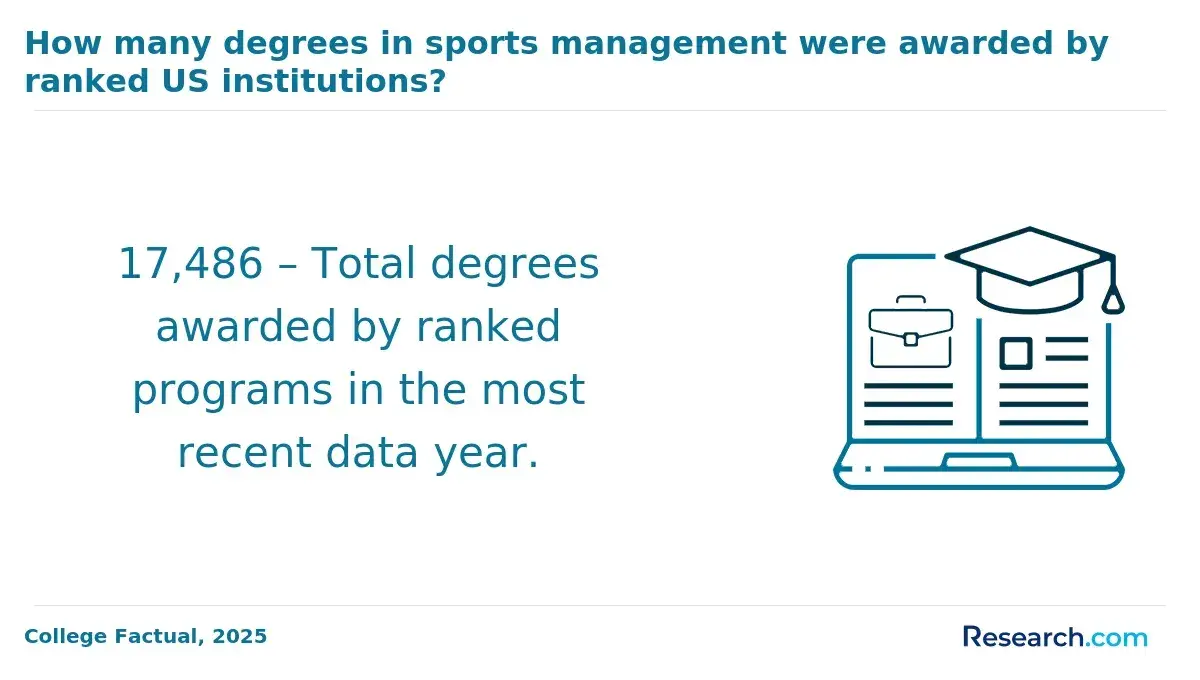
The workforce for sport and fitness management professionals also expanded, with 780,408 people in the field, representing a 5.95% growth. The average age of employees saw a slight increase of 0.597% to 36.1 years old. Even though degree completions declined slightly, the field showed positive movement in average wages and workforce size, suggesting that graduates should focus on both academic preparation and practical experience when evaluating return on investment.
What Financial Aid Options Are Available for an Online Sports Management Bachelor's Degree?
Financial aid can change the real cost of an online sports management degree. Students should begin the process early because scholarship deadlines, FAFSA timelines, employer reimbursement rules, and military benefit requirements may not match the school’s admission deadline.
- Federal Student Aid: Submit the Free Application for Federal Student Aid (FAFSA) to be considered for grants, federal student loans, and work-study eligibility.
- Institutional Scholarships: Ask each school whether online students and sports management majors qualify for university scholarships.
- Private Scholarships: Search for awards from foundations, civic organizations, sport associations, and community groups that consider academic record, need, athletic involvement, or career goals.
- Military Benefits: Active duty service members, veterans, spouses, and dependents may be eligible for tuition assistance, GI Bill benefits, or other military-related aid.
- Employer Tuition Reimbursement: Some employers help pay for degrees related to business, management, recreation, marketing, or leadership.
Before accepting an aid package, compare grants and scholarships separately from loans. Borrowed money lowers the upfront cost but must usually be repaid, so students should estimate monthly payments and realistic early-career earnings before enrolling.
If you are weighing sports management against technology-focused alternatives, you may also compare career training routes such as CompTIA Cloud Plus online training programs. The broader sports market includes media, ticket sales, and merchandise, with major sports such as soccer, football, basketball, baseball, and cricket contributing to industry activity.
What Are the Prerequisites for Enrolling in an Online Sports Management Bachelor's Degree Program?
Admissions requirements vary by institution, but most online bachelor’s programs in sports management expect applicants to show readiness for undergraduate coursework. Transfer applicants may have different requirements than first-year students.
- High School Diploma or GED: Applicants generally need proof of secondary school completion.
- Minimum GPA: Many programs require a minimum high school GPA, often around 2.5 on a 4.0 scale, though some may offer conditional acceptance for lower GPAs.
- Standardized Test Scores: Many online programs are test-optional, but some schools may still review SAT or ACT scores.
- Transfer Credits: Students with previous college coursework may be able to transfer credits and shorten the path to graduation.
- Personal Statement/Essay: Some schools ask for a statement explaining motivation, career interests, and fit with the program.
Read each school’s admissions page carefully rather than assuming requirements are identical. Skill expectations can differ by field as well; for example, applicants researching technology credentials may encounter different preparation standards in online cyberops training bootcamps.
| Applicant type | What to check before applying |
| First-time college student | High school transcript, GPA rules, test policy, online orientation, and general education requirements |
| Transfer student | Maximum transfer credits, course equivalencies, major prerequisites, and residency-credit requirements |
| Working adult | Asynchronous course availability, part-time pacing, internship flexibility, and employer reimbursement rules |
| Military or veteran student | Military tuition rate, benefit certification process, transfer credit for training, and deployment policies |
What Courses Are Typically Included in an Online Sports Management Bachelor's Degree?
Sports management programs usually combine a business core with sport-specific courses. The goal is to prepare students to understand revenue, operations, law, marketing, ethics, leadership, and the social role of sport.
- Introduction to Sport Management: Surveys the structure, history, functions, and career paths of the sport industry.
- Sport Marketing: Covers branding, promotions, fan engagement, sponsorship, and campaign planning for sport teams and events.
- Sport Finance: Examines budgeting, revenue sources, financial planning, and decision-making in sport organizations.
- Sport Law & Ethics: Introduces contracts, liability, intellectual property, compliance issues, and ethical challenges.
- Sport Operations & Facility Management: Focuses on venue operations, event planning, risk management, scheduling, and facility use.
- Sociology of Sport: Explores sport’s connection to society, identity, access, and diversity, equity, and inclusion.
- Business Core Courses: Typically includes accounting, economics, management, communication, and sometimes analytics or leadership coursework.
Students interested in school or college athletic leadership should also review athletic director requirements, because employer expectations can vary by state, institution type, and level of responsibility.
What Specializations Are Available in Sports Management Programs?
Some programs offer formal concentrations, while others let students specialize through electives, internships, certificates, or minors. A specialization is most useful when it supports a clear job target.
| Specialization area | Best for students interested in | Common skill focus |
| Sport Marketing & Sales | Ticket sales, sponsorship, promotions, brand partnerships, fan engagement | Revenue generation, campaign planning, communication, customer relationship management |
| Event & Facility Management | Game-day operations, venue management, tournaments, community sport events | Logistics, scheduling, safety, budgeting, operations |
| Sport Analytics | Business intelligence, fan data, performance data, decision support | Data interpretation, reporting, metrics, technology tools |
| Athletic Administration | School athletics, college athletics, compliance support, department operations | Leadership, budgeting, scheduling, policy, staff coordination |
| Sports Business | General management roles across sport organizations | Finance, management, economics, strategy, communication |
| Esports Management | Competitive gaming events, esports teams, streaming communities, sponsorship | Digital audience development, event production, team operations, marketing |
Do not choose a concentration only because it sounds popular. Look at the courses, internship partners, faculty expertise, and job postings in your target market before deciding.
How Do You Choose the Best Online Sports Management Bachelor's Degree Program?
The best online sports management program is the one that matches your goals, finances, learning style, and need for experience. A highly ranked school may still be a poor fit if it lacks the internship flexibility, transfer-credit policy, or specialization you need.
- Accreditation: Confirm that the institution holds recognized accreditation. Program-specific accreditation can also be a useful quality signal when available.
- Curriculum Fit: Compare required courses with your intended career path, such as marketing, athletic administration, analytics, or facility operations.
- Faculty Background: Review whether instructors have sport industry, business, legal, analytics, or administrative experience.
- Internship Access: Look for structured field experiences, local placement flexibility, and clear requirements for online learners.
- Course Format: Determine whether classes are synchronous, asynchronous, accelerated, full term, part time, or cohort based.
- Total Cost: Compare tuition, fees, transfer credits, aid, military rates, and employer reimbursement instead of focusing only on the advertised per-credit price.
Questions to Ask Before You Enroll
- Is the institution accredited by a recognized accreditor?
- Does the program require an internship, practicum, capstone, or experiential learning course?
- Can online students complete fieldwork in their own city or at a current workplace?
- How many transfer credits will apply to the degree, not just to elective credit?
- Are courses offered asynchronously for working students?
- What careers do recent graduates pursue, and what career support is available online?
- Are there extra costs for technology, proctoring, books, travel, or internship documentation?
Common Mistakes to Avoid
| Mistake | Why it can hurt you | Better approach |
| Choosing a program based only on tuition | A low per-credit rate may not reflect fees, transfer-credit limits, or internship costs. | Request a full cost estimate through graduation. |
| Ignoring accreditation | Accreditation can affect credit transfer, graduate school eligibility, and employer confidence. | Verify accreditation before applying. |
| Assuming online means no fieldwork | Many programs require internships, practica, or experiential learning. | Ask how online students complete hands-on requirements. |
| Relying only on rankings | A ranked school may not match your schedule, specialization, or local career goals. | Use rankings as a shortlist, then compare fit. |
| Expecting guaranteed access to professional teams | High-profile sports jobs are competitive and often require networking and experience. | Build experience through campus athletics, community recreation, minor league teams, events, or volunteer work. |
What Career Paths Are Available for Online Sports Management Bachelor's Graduates?
Graduates can pursue roles in sport organizations, schools, colleges, recreation departments, event companies, venues, marketing agencies, and related entertainment businesses. One important decision is whether your goal aligns more with business operations or administrative leadership; Research.com’s comparison of sports management vs sports administration explains that distinction in more detail.
- Athletic Director: Oversees athletic programs, budgets, schedules, staff, compliance responsibilities, and department operations.
- Sports Marketing Coordinator: Supports campaigns that promote teams, events, athletes, sponsors, or sport brands.
- Sports Event Coordinator: Plans and manages sporting events, including logistics, staffing, scheduling, and vendor coordination.
- Sports Facility Manager: Handles daily operations, maintenance, scheduling, safety, and customer experience at sport venues.
- Sports Agent Assistant: Helps with client communication, contracts, endorsement research, and administrative support.
- Community Relations Coordinator: Builds outreach programs connecting teams or organizations with local communities.
- Ticket Sales Representative: Generates revenue through season tickets, group sales, premium seating, and customer relationships.
- Sports Public Relations Specialist: Manages media communication, public image, press materials, and organization messaging.
| Career goal | Helpful courses or experience | Good entry point |
| Athletic administration | Sport law, budgeting, leadership, compliance, facility operations | Athletics assistant, operations assistant, recreation coordinator |
| Sport marketing | Marketing, public relations, sales, social media, sponsorship | Marketing assistant, ticket sales representative, promotions assistant |
| Event and venue operations | Event planning, risk management, facility management, logistics | Event assistant, game-day operations staff, facility coordinator |
| Analytics-oriented sport business | Statistics, business analytics, sport data, reporting tools | Data assistant, business operations assistant, research coordinator |
Salary levels vary by state. Florida and West Virginia have the lowest salaries for sports management, at $36,166 and $37,467, respectively, followed by Arkansas at $40,019. The next two lowest paying states are Georgia, with a salary of $40,865, and Louisiana at $41,385.
The highest salaries appear in Washington at $54,814 and the District of Columbia at $54,689. Other higher-paying states include New York, where salaries are $52,947, Massachusetts at $52,855, and Alaska with an annual salary of $52,120. These figures show that location can strongly influence pay, with states in the Northeast and on the West Coast generally reporting higher compensation than states in the Southeastern United States.
How Much Can You Earn With an Online Sports Management Bachelor's Degree?
Sports management salaries differ substantially by role, employer, market size, experience, and whether the job is in school athletics, professional sports, recreation, marketing, sales, operations, or executive leadership. Students should treat salary data as a planning tool, not a guarantee.
- Entry-Level Roles: Positions such as Sports Marketing Coordinator or Ticket Sales Representative typically earn $40,000–$50,000 annually.
- Mid-Level Management: Athletic Directors at smaller schools or Marketing Managers may earn between $60,000 and $80,000.
- Specialized Roles: Sports Data Analysts or Facility Managers can expect salaries starting at $60,000 to $75,000. Students comparing adjacent sport-related fields may also review sports psychologist salary information.
- Senior & Executive Positions: High-level executives in professional sports organizations can earn well over $100,000, with some surpassing $200,000 annually.
The overall salary landscape for sports management professionals in the US shows a broad range of earning potential, with the 10th percentile at $43,565 and the 50th percentile, or median salary, at $62,355. Many entry-level and coordinator roles fall near the lower end: an account coordinator earns an average of $40,903, and a sports information director earns $41,055.
Other roles in this range include a social media coordinator at $42,609, an event coordinator at $42,662, and a marketing coordinator making $46,330. Pay tends to rise as professionals move into roles with more responsibility; for example, a recruiter averages $51,084, an account manager makes $54,571, and an operations manager earns $61,483.
Senior and executive positions offer the highest earning potential. An athletic director at a larger institution can earn between $86,490 and $132,277, and a director of operations can exceed $100,000, with top earners reaching $108,500.
A sports marketing director commands an average of $144,579, while a vice president of sports management averages $157,532. These figures show why experience, specialization, leadership responsibility, and employer type are major drivers of compensation.
For most graduates, the realistic path is gradual: start in coordinator, sales, assistant, operations, or event roles; build a portfolio of measurable results; then move toward management or director-level positions.
What Is the Job Market Like for Online Sports Management Graduates?
The sports management job market offers many possible directions, but it is not an automatic route into professional-team leadership. Graduates who combine a relevant degree with internships, volunteer experience, networking, and technical skills tend to be more competitive.
- Industry Growth: Expanding audiences, digital media, analytics, and technology are changing how sport organizations operate.
- Diverse Opportunities: Graduates may work in professional leagues, college athletics, recreation departments, event planning, esports, marketing, sales, or facilities.
- Experience Matters: Internships, practicums, game-day work, and projects can be decisive for first jobs.
- Networking Is Important: Relationships with faculty, alumni, supervisors, and industry professionals can open doors in a relationship-driven field.
- Competition Is Real: High-profile roles often attract many applicants, so students should be ready to start in support, sales, operations, or coordinator positions.
Should You Pursue a Graduate Degree After an Online Sports Management Bachelor's?
A bachelor’s degree can qualify graduates for many entry-level roles, but a graduate degree may help professionals who want advanced leadership, analytics, finance, marketing, or executive responsibilities. The right timing depends on your experience level and career target. Some students benefit from working first, then returning to graduate school with a clearer sense of specialization.
If you want broader business training, compare sport-specific master’s programs with MBA routes such as affordable online MBA programs. Students seeking a more traditional graduate business credential can also review accredited online MBA programs and decide whether a general MBA, sport management MBA, or specialized master’s degree fits their goals.
| Graduate path | When it may make sense |
| Master’s in Sports Management | You want deeper preparation for sport administration, event leadership, facility operations, or sport business strategy. |
| MBA with sports focus | You want broad management, finance, and leadership training that can apply inside or outside sports. |
| Data analytics degree or certificate | You want to strengthen analytical skills for sport business intelligence, fan engagement, or performance-related roles. |
| No immediate graduate degree | You need work experience first or want to avoid additional debt until your career direction is clearer. |
How Do Accreditation and Industry Partnerships Affect Program Quality?
Accreditation is one of the first quality checks students should make. Institutional accreditation helps indicate that a school meets recognized academic standards, and it may affect credit transfer, graduate school eligibility, and access to financial aid. Program-level accreditation, when available, can provide an additional signal that the curriculum is aligned with expectations in the sport management field.
Industry partnerships can also matter, but students should look beyond the name of the partner. Ask whether partnerships lead to internships, guest speakers, applied projects, job shadowing, mentorship, or hiring pipelines. A partnership is most valuable when it gives online students practical access to professional learning opportunities.
What Current and Future Trends Are Shaping Sports Management?
Sports management is being reshaped by technology, data, new media, changing fan behavior, and the expansion of different sport markets. Students entering the field should build adaptable business skills and remain comfortable with digital tools.
- Esports Growth: Competitive gaming is creating roles in events, team operations, sponsorship, marketing, and digital community management.
- Data Analytics & AI: Sport organizations increasingly use data and AI for performance tracking, ticketing strategy, fan engagement, and planning. Students drawn to this side of the field may compare sports management with an online data analytics degree.
- Personalized Fan Experiences: Teams and venues are using technology to create more customized in-person and digital interactions.
- Sustainable Event Management: Sport organizations are paying more attention to waste reduction, energy use, travel impact, and responsible event operations.
- Wearable Technology: GPS trackers and performance monitors support athlete training, health monitoring, and injury prevention strategies.
- Women’s Sports Expansion: Growth in women’s sports leagues and sponsorship activity is creating additional leadership and management opportunities.
- Globalization of Sports: International events, audiences, sponsorships, and media rights create demand for professionals with global business awareness.
The global sports analytics market was valued at USD 5.68 billion in 2025 and is projected to reach USD 23.15 billion by 2033, with a compound annual growth rate (CAGR) of 18.5%. Growth is being driven by wearable technology and the increasing use of AI for real-time data analysis, which can support insights into player performance, health metrics, and strategic planning.
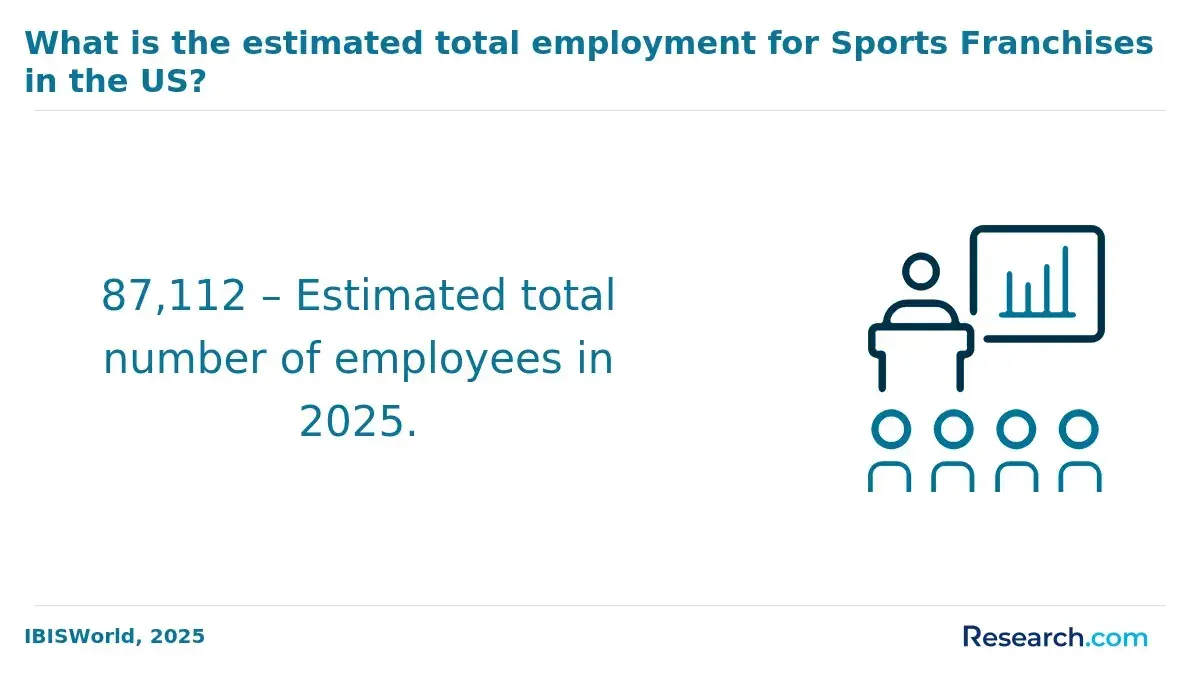
The market is also supported by more affordable high-performance computing solutions and demand for advanced streaming analytics tied to fan engagement. Football holds a significant 22% market share within the sports analytics sector, while analytics is also used in recruiting and scouting through both basic and advanced metrics. For students, this trend means that comfort with data, reporting, and technology can strengthen career options across both on-field and off-field operations.
Online vs. Campus Sports Management Degrees: Which Format Should You Choose?
| Format | Advantages | Trade-offs | Best for |
| Online | Flexible scheduling, ability to work while studying, access to programs outside your local area | Requires self-discipline and may require extra effort to build local industry connections | Working adults, transfer students, military learners, and students with local sport or recreation experience |
| Campus | Direct access to campus athletics, in-person networking, student organizations, and local events | Less flexible and may require relocation or commuting | Students who want a traditional college experience and frequent in-person involvement |
| Hybrid | Combines online coursework with some in-person learning or networking | May still require travel or fixed meeting times | Students near campus who want flexibility without giving up all in-person access |
Practical Steps Before Applying
- Define your target role. Decide whether you are most interested in marketing, sales, athletics administration, recreation, analytics, facility management, or events.
- Check accreditation. Confirm institutional accreditation and any sport management program accreditation listed by the school.
- Compare total cost. Include tuition, fees, books, transfer credits, internship expenses, and the time it will take to graduate.
- Ask about online student support. Look for advising, tutoring, career coaching, internship help, library access, and technical support.
- Evaluate field experience. Choose programs that explain how online students complete internships or experiential learning.
- Review course delivery. Confirm whether classes are asynchronous, synchronous, accelerated, or offered only in certain terms.
- Start building experience now. Volunteer at events, work with local recreation departments, support school athletics, or seek part-time sport business roles.
What Graduates Say About Their Bachelor's Degree in Sports Management
- Anya: "The online format helped me keep my part-time job at a local recreation department while finishing my classes. My instructors brought real industry examples into the coursework, which made topics like event logistics and marketing easier to understand. The flexibility and applied focus made the degree a strong fit for my goals."
- Kaelan: "I expected online learning to feel limited, but the program gave me a serious foundation in sport law, finance, and business operations. The coursework was demanding, and the classmates I met from different regions became a useful professional network."
- Fionna: "Studying online gave me room to complete an internship with a minor league baseball team. I was able to connect classroom concepts to real situations, and that experience helped me feel ready to apply for full-time roles after graduation."
References
- Data USA. (2025). Sport & fitness management. Data USA.
- PayScale. (2025). Bachelor of Science (BS / BSc), Sports Management salary (page 5). PayScale.
- Statista. (2024, August). Sports: market data & analysis [Market report]. Statista.
- U.S. Bureau of Labor Statistics. (2024, March 29). Occupational employment and wages, May 2023: Advertising and promotions managers (13-1011). U.S. Bureau of Labor Statistics.
- Yahoo Finance. (2024, March 7). Sports analytics market size worth US$ 20.48 billion by 2032 with a CAGR of 27.3%: Precedence Research. Yahoo Finance.
- ZipRecruiter. (2025). Vice president sport management salary. ZipRecruiter.
- ZipRecruiter. (2025). Director of sports marketing salary. ZipRecruiter.
- ZipRecruiter. (2025). What is the average sport management salary by state? ZipRecruiter.
Key Insights
- An online bachelor’s in sports management is strongest when it combines business fundamentals, sport-specific coursework, and hands-on experience through internships, practicums, or experiential learning.
- Cost varies widely. Per-credit tuition typically ranges from approximately $129 to $600, and a 120-credit bachelor’s degree can range from around $36,000 to over $60,000 depending on the school’s rate.
- Accreditation, transfer-credit policy, internship flexibility, and total program cost should matter more than brand recognition alone.
- Career outcomes are broad but competitive. Graduates often start in marketing, ticket sales, events, operations, recreation, facility support, or athletics administration before advancing.
- Salary depends heavily on role and location. The median salary figure cited is $62,355, while senior roles such as sports marketing director and vice president of sports management report much higher averages.
- Students interested in future-facing roles should build skills in analytics, digital fan engagement, AI-supported decision-making, sponsorship, and event technology.
- The best next step is to shortlist accredited programs, request full cost estimates, ask how online internships work, and compare each curriculum against your intended career path.
Other Things You Should Know About Online Sports Management Bachelor's Degrees
Many online sports management bachelor's programs require a supervised internship or practicum before graduation. A common minimum is 120 to 240 hours, completed with a sports organization, athletic department, or event venue. Programs usually set site approval, faculty supervision, and a final evaluation.
Admission requirements typically include a high school diploma or equivalent, a minimum GPA, and completed application forms. Some programs may also require standardized test scores like the SAT or ACT, and letters of recommendation for the 2027 intake.


