2027 What Is a Master’s Degree? Guide To Costs, Requirements & Job Opportunities

Co-Founder and Chief Data Scientist
If you are deciding whether a master’s degree is worth the time, money, and effort, you are asking the right question. A graduate degree can open doors to promotions, licensure, specialized roles, and higher pay, but it is not automatically the best choice for every career path. The value depends on your field, the program’s accreditation, how you plan to pay for it, and whether the credential matches your long-term goals.
This guide explains what a master’s degree is, how much it can cost, what kinds of jobs it may support, which admission requirements to expect, and how to compare programs before you apply. It also covers current trends such as online learning, accelerated formats, and employer tuition assistance so you can make a practical decision instead of relying on general advice.
Graduate enrollment has continued to move differently from overall college enrollment, which makes it even more important to evaluate programs carefully and choose one that fits your goals and budget. If you want a clear, decision-focused overview of master’s degrees, this guide walks you through the main factors to consider.
What Is a Master’s Degree? Guide Contents
- What Is a Master’s Degree?
- How Much Does a Master’s Degree Cost?
- What Jobs Can You Get With a Master’s Degree?
- Common Types of Master’s Degrees
- Admission and Skill Requirements
- How to Choose the Right Program
- Current Trends in Master’s Degree Programs
- Is a Master’s Degree Worth the Cost?
- Are Online Dual Degree Programs a Smart Option?
- Can a Master’s Degree Lead to Doctoral Study?
- Can an Accelerated Bachelor’s Degree Help You Reach a Master’s Faster?
- Is a Quick Degree a Real Alternative?
- Is an Accelerated Master’s Program a Good Fit?
- Are Accelerated Degree Programs a Real Alternative to a Master’s?
- Related Majors and Fields
- Common Challenges of Graduate School
- How to Lower the Cost of a Master’s Degree
- How to Choose the Right Master’s Program
What Is a Master’s Degree?
A master’s degree is a graduate degree earned after a bachelor’s degree. It shows that a student has completed advanced study in a specific field and developed deeper knowledge than is usually expected at the undergraduate level. Depending on the discipline, the program may focus on theory, research, applied practice, or a mix of all three.
Most programs build directly on undergraduate study, so a bachelor’s degree is usually required before admission. Many master’s degrees also include a capstone project, internship, thesis, practicum, or comprehensive exam. The exact format depends on the school and subject area.
These programs are often designed for working adults, which is why many schools offer part-time, evening, online, or hybrid options. That flexibility can make graduate study more manageable for people who want to keep working while they advance their credentials.
The National Center for Education Statistics reports that more than 833,000 master’s degrees were conferred in the last couple of years. That number reflects the continued demand for advanced credentials across many fields.
As for spelling, the correct form is “master’s degree,” with an apostrophe. If you are wondering how many master’s degrees a person can earn, there is no formal limit; the better question is whether each additional degree supports a clear career or academic purpose.
What Can You Do With a Master’s Degree?
A master’s degree can help you qualify for specialized, supervisory, leadership, or research-oriented roles. In some fields, it can also be required for licensure, certification, or entry into the profession. In others, it is optional but useful for advancement.
For example, educators who want to move into school administration often need graduate study before they can qualify. In other professions, such as librarianship or archival work, a master’s degree may be required for entry-level employment.
The real answer to “what can you do with it?” depends on your field. The degree is most valuable when it aligns with a specific job target, licensure requirement, or advancement path rather than being pursued without a clear plan.
How Much Does a Master’s Degree Cost?
The cost of a master’s degree varies widely by school, subject, format, and location. A program may take about two years to complete, but the final price depends on tuition, fees, housing, commuting, books, and whether you reduce your work hours while enrolled.
What Does a Master’s Degree Usually Cost?
Financial aid experts estimate that graduate study may cost anywhere from $30,000 to $120,000. That range is broad because tuition structures differ significantly across institutions and disciplines.
Program type also matters. A master’s degree in English may cost less than a graduate program in a laboratory-heavy STEM field such as computer science, where equipment, technical support, and specialized resources can increase the price.
School type can also affect the bill. Public institutions generally charge less than private colleges and universities, though the total cost still depends on how many credits you need and whether you live on campus.
When Is a Master’s Degree Worth the Money?
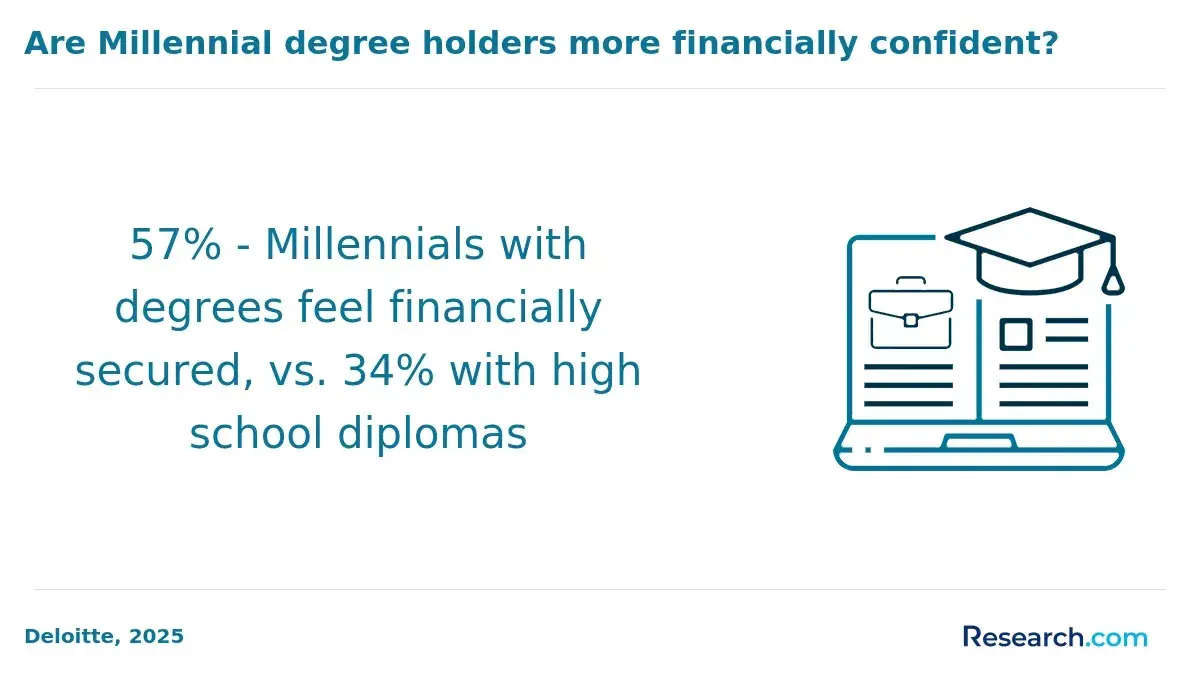
The value of a master’s degree is easier to justify when the credential leads to a specific return: a higher-level role, a licensure requirement, a salary increase, or entry into a profession with stronger long-term prospects. In Sallie Mae’s “How America Pays for Graduate School” report, nine out of 10 graduate students said graduate school is an investment in their future. The same report found that two-thirds believe a graduate degree is the new standard for professionals.
BLS data also show lower unemployment rates for people with graduate degrees compared with those who hold only a bachelor’s degree. Still, the return depends on the field, the amount borrowed, and how much income you may give up while studying.
In short, the degree is most likely to pay off when the program is aligned with a career move you are already ready to make.
What Jobs Can You Get With a Master’s Degree?
Master’s degree holders often compete for roles that require deeper specialization, leadership ability, or professional licensure. In many fields, graduate education is tied to better job mobility, while in others it is a direct hiring requirement.
Is There Strong Demand for Master’s Degree Jobs?
According to the U.S. Bureau of Labor Statistics, occupations that require a master’s degree are among the fastest-growing groups. Jobs that require a master’s degree or higher are expected to grow by 17% through 2034 (US Bureau of Labor Statistics, 2025).
The BLS also projects about 42,000 openings per year for school and career counselors and advisors by 2033 (US Bureau of Labor Statistics, 2024). Those numbers suggest continued demand in several graduate-level occupations, though outcomes vary by field and region.
Common Careers That May Require or Benefit From a Master’s Degree
- Mechanical engineer: These professionals design, test, and oversee mechanical and thermal systems. Graduate study can help prepare for work in aerospace, transportation, manufacturing, and related industries.
- Advanced practice registered nurse (APRN): APRNs may specialize in areas such as nurse anesthesia, nurse midwifery, or other advanced clinical roles. Their graduate training usually includes advanced physiology, pharmacology, and health policy.
- Computer or information systems manager: A software engineering degree can lead to development roles, while graduate study may support the move into management, planning, and IT leadership.
- Financial manager: These professionals help guide budgeting, forecasting, analysis, and risk strategy. Employers often prefer applicants with a master’s degree in finance, business, or a related field.
- Librarian: Librarians help people locate information, evaluate sources, and support research. In many settings, a master’s degree in library science is required for entry into the profession.
What Salary Can You Expect?
Salary varies by field, region, years of experience, employer, and licensure. In general, people with post-baccalaureate degrees tend to earn more than workers with only a bachelor’s degree, according to BLS earnings data.
One example from National Association of Colleges and Employers data shows that a graduate with a bachelor’s degree in business administration can expect a starting salary of approximately $57,133, while a graduate with an MBA may start at $84,580. That gap illustrates why some students pursue graduate study, though individual results are never guaranteed.
Common Types of Master’s Degrees
Master’s degrees come in many formats, but several major types appear frequently across universities. The best option depends on your career goal, how much theory versus practice you want, and whether the degree is tied to a credential or license.
1. Master of Business Administration (MBA)
Average time to complete: 1 to 2 years
An MBA is one of the most widely recognized graduate business degrees. It is designed to strengthen knowledge in management, finance, leadership, strategy, and operations. Common courses include accounting, marketing, business law, and relationship management. Many schools also offer specialized MBAs in areas such as healthcare management or entrepreneurship. See our list of best online MBA programs with affordable tuition fees.
MBAs are especially useful for professionals seeking management roles or broader business responsibilities. They can also be valuable for people in other industries who want stronger leadership and decision-making skills.
High-level jobs: chief executive officer, chief financial officer, market research analyst
2. Master of Education (M.Ed.)
Average time to complete: 1 to 2 years
An M.Ed. is built for educators and education professionals who want to deepen their expertise in teaching, curriculum design, school leadership, or specialized student services. Many programs offer concentrations such as special education, school counseling, adult education, or educational technology.
This degree is often useful for teachers who want to move into administration, curriculum development, or other advanced education roles. In some states and settings, graduate study also supports licensure renewal or advancement.
High-level jobs: curriculum designer, school principal or superintendent, program director
3. Master of Accounting (MAcc)
Average time to complete: 1 to 1.5 years
An MAcc provides advanced training in accounting theory and practice. Students may specialize in areas such as auditing, taxation, forensic accounting, or corporate accounting depending on the school.
Many accounting students pursue this degree because it can help them meet CPA education requirements. To sit for the CPA exam and become licensed, candidates must complete at least 150 credit hours, and a bachelor’s degree alone often provides only 120. A master’s degree can therefore help close the gap.
Entry-level jobs: senior accountant, risk manager, hedge fund manager
4. Master of Public Health (MPH)
Average time to complete: 1 to 2 years
An MPH focuses on public health practice, community health, prevention, and population-level health improvement. Coursework often includes biostatistics, epidemiology, public health nutrition, and health policy and management.
Students in many MPH programs also complete training in grant writing, community assessment, and applied public health problem-solving. Some programs require a capstone or internship, and many ask students to complete 42 to 45 credits.
Entry-level jobs: dietitian, epidemiologist, healthcare administrator, community services manager
5. Master of Engineering (M.Eng.)
Average time to complete: 1 to 2 years
An M.Eng. is typically more applied than a research-oriented engineering degree. It often emphasizes professional practice, project management, and leadership alongside technical depth.
Depending on the school, students may choose from several concentrations. The University of Connecticut, for example, offers concentrations such as advanced systems engineering, data science, manufacturing, and global entrepreneurship (University of Connecticut, n.d.).
Because this degree is often practice-based, many programs include a capstone or applied project rather than a thesis.
Entry-level jobs: senior electrical engineer, construction project manager, petroleum engineer
Admission and Skill Requirements
Admission rules vary by program, but most graduate schools want to see evidence that you can handle advanced coursework. Some fields are open to students from many backgrounds, while others require a related undergraduate major or specific prerequisite courses. For example, online MFA programs may have different expectations than business, health, or engineering programs.
Common Admission Requirements
Proof of prior graduation and transcripts
Most master’s programs require proof of a completed bachelor’s degree and official transcripts from previous colleges or universities. Some programs also expect the bachelor’s degree to be in a related subject, especially for technical or professional fields.
Standardized admission tests
Many programs ask for GRE or GMAT scores. The GRE measures readiness for graduate study through quantitative reasoning, verbal reasoning, and analytical writing (Educational Testing Service, n.d.). The GMAT is more specific to business and management programs such as MBAs.
If your program uses test scores, a stronger score can help support your application, but minimum requirements vary by school and field. The table below shows average GRE scores for different intended fields of study from the ETS Worldwide Test Taker Snapshot.
| Intended Field | Typical GRE Snapshot | What It Means | How Applicants Can Use It |
| Business | Varies by program | Often tied to MBA or management admissions | Check whether the school requires the GRE, GMAT, or test waivers |
| Engineering | Varies by program | Often expected for technical preparation | Review prerequisites in math, programming, or science |
| Education | Varies by program | May focus more on experience and transcripts | Look for licensure and state approval requirements |
| Public health | Varies by program | May require quantitative readiness | Check for internship or practicum expectations |
| Humanities and social sciences | Varies by program | May emphasize writing and research readiness | Strengthen your statement of purpose and writing sample if required |
Additional materials
Many schools also ask for letters of recommendation, a résumé, a personal statement, or a statement of purpose. For example, the Master of Public Health program at Brown University requires three letters of recommendation (Brown University School of Public Health, n.d.).
International applicants may need English language test scores such as TOEFL or IELTS, depending on the university’s policy.
Skills That Help You Succeed
Strong graduate students usually need more than subject knowledge. They also benefit from time management, academic writing, research ability, and organization. These skills matter because graduate work is often more self-directed and more demanding than undergraduate study.
How to Choose the Right Master’s Program
Choosing a master’s program is not just about picking a school with a familiar name. It is about finding a degree that fits your career plan, budget, schedule, and licensing needs. With approximately 4,000 degree-granting institutions in the U.S., the choice can feel overwhelming unless you narrow it by purpose.
1. Match the Program to Your Career Goal
Start by asking what the degree is supposed to do for you. If you want to move into leadership, an MBA may be a stronger fit. If you want to work in student services, administration, or teaching, an education-focused program may make more sense. If you need a credential for practice, make sure the degree meets licensure rules in your state or profession.
2. Review Specializations Carefully
Many programs offer concentrations that change the value of the degree. The Master of Public Administration program at Syracuse University, for example, includes options such as Data Analytics for Public Policy, Social Policy, International and Development Administration, State and Local Government Financial Analysis and Management, Public and Nonprofit Management, and Environmental Policy and Administration.
A specialization matters when it helps you target a job you actually want. Do not choose one just because it sounds broad or impressive.
3. Check Accreditation Before You Apply
Accreditation is one of the most important filters when evaluating graduate programs. Regional accreditation is the main institutional standard in the United States, and it can affect financial aid eligibility, transferability, and employer recognition.
You should also check for programmatic or professional accreditation when your field requires it. This is especially important in healthcare, education, business, and engineering, where specific credentials may be needed for licensure or certification.
4. Compare Schedule and Delivery Format
Graduate study often works best when it fits real life. Online, hybrid, evening, and part-time formats can help working adults stay enrolled without leaving their jobs. Still, a flexible schedule only helps if you can manage the workload consistently.
Part-time students should also check how long they are allowed to finish the degree, since some schools impose a maximum time limit for completion.
5. Estimate the Real Cost
Tuition is only part of the total price. Add books, technology fees, commuting, housing, lost income, and any required travel or residency periods. A cheaper tuition rate can still result in a more expensive total cost if the program requires relocation or reduces your ability to work.
6. Look at Financial Aid and Employer Support
Graduate students may be eligible for federal aid, institutional scholarships, fellowships, or employer tuition assistance. Many companies now offer reimbursement or sponsorship benefits for employees pursuing advanced study. Deloitte, for example, offers a Graduate School Assistance Program for eligible employees.
Current Trends in Master’s Degree Programs
Master’s programs are changing in response to labor market demand, technology, and student expectations. If you are choosing a program now, these trends matter because they affect format, curriculum, and outcomes.
More specialized degrees: Schools are creating focused programs in areas like data analytics, cybersecurity, healthcare management, and environmental leadership. These are often designed to match current hiring needs rather than broad academic study.
Online and hybrid delivery: Flexible formats continue to grow because they help working adults complete graduate study without stepping away from their careers. Accelerated options such as one year masters programs online can be attractive for students who want a shorter timeline.
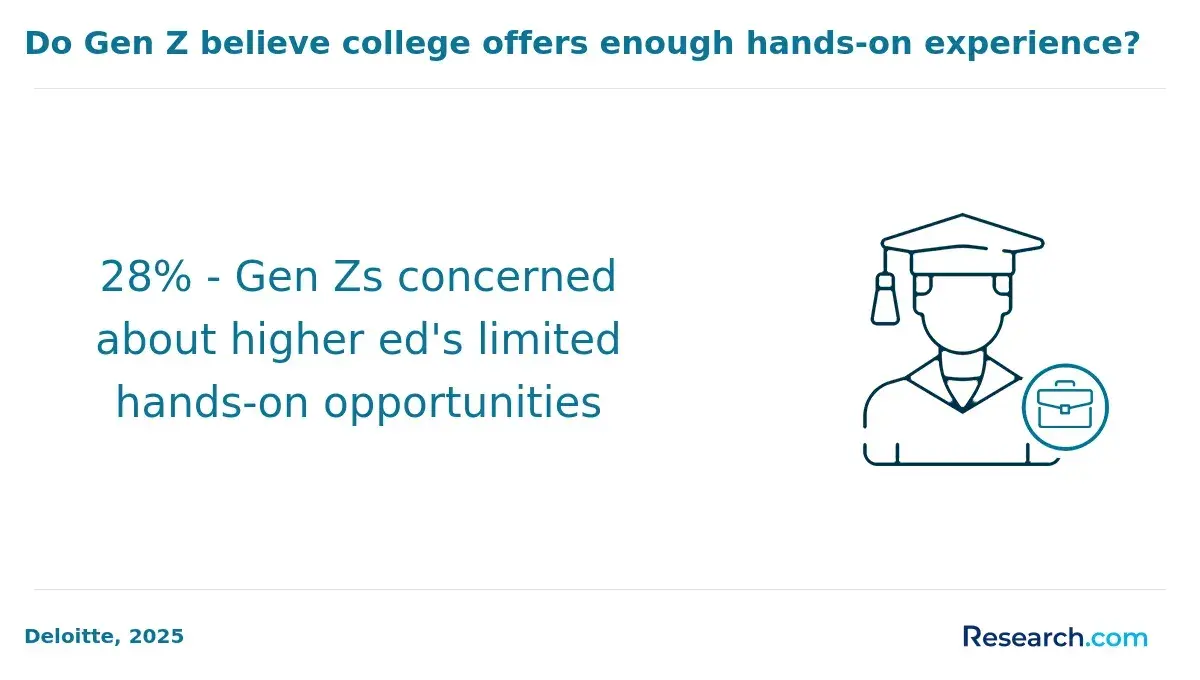
More hands-on learning: Many schools now include internships, residencies, capstones, and applied projects to help students show practical ability, not just classroom knowledge.
Technology-focused coursework: AI, data analysis, automation, blockchain, and sustainability are increasingly appearing in graduate curricula, especially in business, engineering, public policy, and health-related fields.
These trends do not mean every new program is better. They do mean students should ask whether the curriculum reflects what employers in their field currently expect.
Is a Master’s Degree Worth the Cost?
The answer depends on your goal, your field, and the price you pay to get there. A master’s degree can be a strong investment when it is required for licensure, needed for advancement, or linked to a pay increase that reasonably offsets tuition and lost earnings.
It is less attractive if the program is expensive, the field has weak demand, or the degree does not meaningfully improve your job prospects. Before enrolling, compare expected earnings with total cost, including debt, not just tuition.
If affordability is a major concern, it may be useful to compare options such as the best online colleges for working adults or schools with strong employer partnerships and tuition discounts.
A simple rule: the degree is easier to justify when it clearly moves you toward a specific role, a credential, or a salary range that makes the investment realistic.
Are Online Dual Degree Programs a Smart Option?
Online dual degree programs can be helpful if you want two credentials that support the same career direction, such as business plus public administration or healthcare plus management. They may reduce total time by combining overlapping coursework and can strengthen your profile for interdisciplinary roles.
They are not ideal for everyone. Dual degrees usually demand strong time management, and the workload can be heavier than a single degree path. They make the most sense when both credentials clearly support the same career plan. Learn more about online dual degree programs.
Can a Master’s Degree Lead to Doctoral Study?
Yes. For many students, a master’s degree is a logical bridge to doctoral work. It can strengthen research skills, clarify academic interests, and make the transition into a Ph.D. or professional doctorate more manageable.
Some institutions also offer pathways that streamline the move into doctoral study, especially for students who already completed master’s-level coursework with strong results. In some cases, accelerated doctoral options can reduce duplicated coursework and shorten the timeline. See examples of accelerated doctoral programs.
Can an Online Accelerated Bachelor’s Degree Help You Reach a Master’s Faster?
An online accelerated bachelor’s degree can shorten the path to graduate school if you are still completing your undergraduate education. These programs compress the bachelor’s timeline, which may help you enter the workforce or apply to a master’s program sooner.
They can also build discipline and academic readiness, but the pace is demanding. This route makes the most sense for students who can handle intensive coursework and want to reduce the overall time before graduate study begins.
Is a Quick Degree a Real Alternative?
Sometimes, yes. If your goal is to build job-ready skills quickly rather than earn a broad academic credential, a shorter program may be more practical. Options such as quick degrees online that pay well can be useful in fields where employers value targeted training and experience.
That said, quick programs are not a replacement for a master’s degree when the job requires graduate-level preparation, licensure, or deeper specialization. Before choosing one, confirm that it is accredited and respected by employers in your field.
Is an Accelerated Master’s Program a Good Fit?
Accelerated master’s programs compress the usual timeline by reducing breaks, increasing course intensity, or trimming elective space. They can save time and potentially lower total cost, but they are best suited to students who can manage a demanding pace.
You should consider this option if you already have a strong academic foundation, can maintain consistent study habits, and want to complete the degree quickly for a career move or promotion. Explore fast track college programs if you want to compare shorter-degree formats.
Are Accelerated Degree Programs a Real Alternative to a Master’s?
Accelerated degree programs can be practical for students who want focused training without a long enrollment period. They may work well for career changers, working adults, or students who want a lower-cost entry into a specific field.
But they are not automatically better than a master’s degree. They usually offer less depth, fewer leadership opportunities, and less access to advanced licensing or academic pathways. If you are considering one, compare outcomes, accreditation, and employer recognition before deciding. You can also review best 6-month associate degree online programs to see how short-format training fits into your goals.
Related Majors and Fields
Common Challenges of Pursuing a Master’s Degree
Graduate school can be rewarding, but it also comes with practical obstacles that should be part of your decision.
- High cost: The estimated price range of $30,000 to $120,000 can be difficult to manage, especially if you are already paying down undergraduate debt.
- Time pressure: Balancing classes, work, family, and other responsibilities can make it hard to stay consistent over one or two years.
- Selective admissions: Strong GPAs, test scores, prerequisite courses, and recommendations can make top programs competitive.
- Choosing a specialization: Some students struggle to pick a concentration because they do not yet know which area fits their long-term career plans.
The best way to handle these challenges is to plan early. That means checking admissions requirements, estimating total cost, and deciding whether the degree has a clear role in your career path.
How to Make a Master’s Degree More Affordable
You do not have to accept the full sticker price of graduate school. Several strategies can reduce the financial burden if you start planning before you apply.
- Compare lower-cost programs: Look beyond brand names and compare tuition, fees, and total cost. Some schools offer affordable masters degrees that still provide strong academic value.
- Consider online or hybrid study: These formats can reduce commuting, housing, and relocation expenses, especially if you can keep working while enrolled.
- Apply for scholarships, grants, and fellowships: These forms of aid do not need to be repaid and can significantly lower the amount you borrow.
- Check employer tuition assistance: Some employers reimburse graduate tuition if the program supports your role or future responsibilities.
- Submit the FAFSA: Graduate students may qualify for federal loans and, in some cases, additional aid through the Free Application for Federal Student Aid.
- Choose an accelerated timeline only if you can handle it: Shorter programs can reduce the total number of terms and may lower overall costs.
- Look for discounts and partnerships: Alumni, military, and employer-affiliated discounts can make a meaningful difference.
- Control living costs: Housing, transportation, and relocation can be major budget items, especially in campus-based programs.
How to Choose the Right Master’s Degree Program for Your Career Goals
The best program is the one that fits your target job, your budget, and your schedule. Start with the outcome you want, then work backward.
If your goal is management or executive work, an MBA may be the strongest option. If you want to move into education leadership, curriculum design, or teaching-related administration, an M.Ed. may be more relevant. If you are preparing for public health, accounting, engineering, or another licensed field, make sure the program matches professional requirements.
You should also consider delivery format. Online and part-time programs can be a practical choice for working adults, while campus-based programs may offer more direct access to faculty, labs, and networking. For some students, flexibility matters more than prestige. For others, research access, licensing alignment, or employer recognition matters most.
If you are exploring a faster route, the easiest master’s degree is not necessarily the best one. Easier is not always better. The stronger choice is usually the one that matches your ability, timeline, and career direction.
Should You Pursue a Master’s Degree?
A master’s degree makes the most sense when it serves a specific purpose: advancing in your current field, entering a profession that expects graduate study, meeting licensure requirements, or building expertise that employers value. It can be especially useful in education, business, public health, engineering, and other fields where specialization matters.
If your goal is senior leadership, a graduate business credential may support your path. If your goal is a role that requires a specialized license or credential, the degree may be necessary. If your field does not reward graduate study with better job opportunities or pay, a master’s degree may not be the best use of your time and money.
The best decision is not based on prestige alone. It is based on fit, cost, accreditation, and the real career outcome you expect to achieve.
Key Insights
- A master’s degree is most valuable when it solves a specific career problem. It can support promotion, licensure, or entry into specialized roles, but it is not automatically worth it for every student.
- Costs vary widely. Graduate school may cost anywhere from $30,000 to $120,000, so tuition, fees, and lost income all need to be part of the calculation.
- Accreditation matters. Regional and programmatic accreditation can affect financial aid, licensure, transferability, and employer recognition.
- Program format should match your life. Online, hybrid, part-time, and accelerated options can help working adults, but only if the workload is realistic.
- Not all master’s degrees serve the same purpose. An MBA, M.Ed., MAcc, MPH, or M.Eng. each supports different careers and professional requirements.
- ROI depends on your field and goals. A master’s degree is easier to justify when it leads to a clear salary increase, advancement opportunity, or required credential.
- Financial aid and employer support can make a major difference. Scholarships, federal aid, and tuition reimbursement can lower the actual cost of graduate study.
- The smartest choice is the one that aligns with your next step. Pick the program that matches the role, industry, and timeline you actually want.
References:
- College of William and Mary. (2025). Master of accounting. College of William & Mary
- Deloitte. (2025). Graduate school assistance program. Deloitte United States
- Educational Testing Service. (n.d.). About the GRE general test (For test takers). ETS
- FindaMasters. (n.d.). Masters degree entry requirements. FindaMasters
- Syracuse University. (2025). Master of Public Administration (MPA). Syracuse University
- University of Connecticut. (2025). Master of Engineering. University of Connecticut
Other Things You Should Know About Master's Degrees
Yes, many universities offer part-time master's degree programs to accommodate working professionals. This flexible option allows students to balance work and study, typically extending the program duration to about 2-4 years, depending on the course intensity and individual schedule.
A master’s degree typically takes about two years to complete. However, the duration can vary depending on whether the program is full-time, part-time, or accelerated.
The cost of a master’s degree can range from $30,000 to $120,000, depending on factors such as the field of study, institution, and additional fees like housing and materials.
Admission requirements typically include proof of a bachelor’s degree, transcripts, a minimum GPA (often 3.0 or 3.3), standardized test scores (like the GRE or GMAT), letters of recommendation, and personal statements. Some programs may have additional requirements such as a portfolio or specific coursework.
Many universities waive the GRE or GMAT, but some programs still require them. Business schools often ask for the GMAT, while some STEM and social science programs may request the GRE. Check each department’s admissions page for score minimums, waiver rules, and test deadlines.
In 2027, most master's degree programs typically require 30 to 60 credit hours, depending on the field of study. Specific programs like MBA may vary, so it's crucial to check with individual institutions for precise credit hour requirements and any additional experiential or thesis components.