2027 How Employers Are Changing Hiring Criteria for Leadership Graduates in the AI Era

Co-Founder and Chief Data Scientist
A recent leadership graduate begins job hunting, expecting a degree to open doors as it once did. Instead, the rise of AI tools has shifted employer priorities, emphasizing not only formal education but also AI-related skills and adaptability. According to the World Economic Forum's 2024 Future of Jobs report, 60% of employers now prioritize candidates with AI literacy and problem-solving abilities over traditional qualifications alone. This shift challenges graduates to rethink their skillsets in an AI-driven labor market.
Employers increasingly seek leadership candidates capable of integrating technology with strategic decision-making and human insight. Transferable skills such as critical thinking, emotional intelligence, and technological fluency have become essential. This article examines how hiring criteria for leadership graduates are evolving, highlighting the growing importance of AI literacy and transferable skills, along with strategies students can use to remain competitive in the AI era.
Key Things to Know About the Changing Hiring Criteria for Leadership Graduates in the AI Era
- AI integration is shifting employer emphasis toward candidates who can interpret and apply complex AI outputs rather than solely generating them, demanding deeper strategic acumen from leadership graduates.
- With 72% of firms prioritizing AI literacy in 2024, leadership graduates who combine data fluency with adaptive problem-solving exhibit higher employability in tech-driven roles.
- Employers now value transferable skills like emotional intelligence and change management alongside AI knowledge, reflecting a preference for leaders who can navigate both technological and human dimensions.
- Key Things to Know About the Changing Hiring Criteria for Leadership Graduates in the AI Era Key Things to Know About the Changing Hiring Criteria for Leadership Graduates in the AI Era
- How Is AI Changing What Employers Look for in Leadership Graduates? How Is AI Changing What Employers Look for in Leadership Graduates?
- Which AI Skills Are Employers Expecting Leadership Graduates to Have? AI Skills
- Which Human Skills Are Employers Looking for in Leadership Graduates? Human Skills
- How Are AI Tools Changing Daily Work in Leadership Careers? AI Workplace Tools
- How Are Employers Evaluating Leadership Candidates Beyond Academic Credentials? Hiring Criteria
- How Are Leadership Degree Programs Adapting to AI? AI Curriculum
- Which Industries Are Changing Hiring Expectations Most for Leadership Graduates? AI and Industry Expectations
- How Is AI Changing Career Growth for Leadership Professionals? AI and Career Growth
- How Should Leadership Students Prepare for AI-Driven Hiring? Career Preparation
- How Should Students Choose a Leadership Program for the AI Era? How Should Students Choose a Leadership Program for the AI Era?
How Is AI Changing What Employers Look for in Leadership Graduates?
Employers now expect leadership graduates to do more than possess traditional managerial skills; they must effectively collaborate with AI technologies to enhance decision-making and strategic outcomes. Rather than focusing solely on routine technical tasks, organizations prioritize candidates who can interpret AI-driven insights and integrate them into human-centered team workflows.
Data from the World Economic Forum in 2024 shows that over 75% of HR leaders seek graduates who understand AI tools and the ethical challenges surrounding their use, marking a significant shift in hiring criteria. This means leadership graduates must develop a hybrid skill set combining analytical fluency with emotional intelligence to navigate increasingly complex workplace environments.
The impact of AI on leadership hiring criteria also reshapes the competencies employers value, emphasizing adaptability and continuous learning. According to the U.S. Bureau of Labor Statistics, demand for leaders fluent in AI applications has surged by nearly 30% since 2023, underscoring the necessity for graduates to stay ahead of evolving technologies.
For instance, a leadership graduate able to manage cross-functional AI initiatives can free team members from repetitive tasks, redirecting human creativity toward innovation-an approach shown to increase interview success by 40%, according to LinkedIn Talent Solutions. These trends reveal that while AI automates certain functions, it elevates the importance of uniquely human capabilities such as ethical judgment and collaborative problem-solving.
Employers also increasingly require leadership graduates to demonstrate awareness of AI's societal impacts and the ethical frameworks guiding its use. Universities and organizations now emphasize transparency and bias mitigation as foundational leadership competencies for the AI era. Prospective students should consider programs that blend leadership theory with technical proficiency, such as specialized BCBA programs, to build a portfolio aligned with these expectations. Maintaining this balance ensures graduates are not only technically equipped but also prepared to lead responsibly and innovate within AI-augmented workplaces.
Which AI Skills Are Employers Expecting Leadership Graduates to Have?
Artificial intelligence is reshaping workplace expectations, especially for those entering leadership roles. Employers no longer seek graduates who excel solely in traditional management but also demonstrate practical AI competencies that enhance decision-making and strategic execution. As AI tools become embedded in operations, leadership graduates must bridge technology and human factors, ensuring smooth integration and ethical oversight. The U.S. Bureau of Labor Statistics indicates that leadership roles with AI literacy have seen wage growth surpassing inflation by 3-4% annually, reflecting these evolving demands.
Below are five critical AI skills employers expect leadership graduates to have.
- AI Literacy and Technical Fluency: Competence in core AI concepts like machine learning and natural language processing is essential for interpreting AI-driven insights. Employers expect leaders to grasp these technologies enough to translate outputs into actionable strategies. Students can strengthen this skill through targeted coursework, workshops, or hands-on projects that teach AI fundamentals relevant to their industry.
- Ethical AI Governance: Managing bias, privacy, and compliance issues is increasingly vital as organizations adopt AI. Graduates must be prepared to lead governance frameworks that ensure responsible AI use, reflecting both legal requirements and organizational values. Engaging with case studies on AI ethics and regulatory guidelines fosters this awareness.
- Change Management in AI Integration: Leading cultural and operational shifts necessitates skills in guiding teams through AI adoption. Employers look for leaders who can address resistance, facilitate collaboration between technical and non-technical staff, and embed AI-driven workflows. Practicum experiences or internships involving digital transformation initiatives build practical expertise here.
- Strategic Foresight and Innovation: As AI evolves rapidly, leaders need the agility to anticipate technological trends and adapt strategies accordingly. This skill requires continuous learning habits and the ability to foster innovation within teams to stay ahead of disruption. Developing a mindset of ongoing professional development and scenario planning helps cultivate foresight.
- Data-Driven Decision Making: Using AI-generated data effectively to inform leadership decisions is a distinguishing skill. Graduates must analyze analytics outputs critically, understanding limitations while leveraging insights to optimize resource allocation and performance metrics. Coursework in data analytics combined with leadership simulations can enhance these decision-making capabilities.
For students interested in broadening their expertise with practical AI skills relevant to management and operations, exploring online construction management courses can provide valuable exposure to AI applications in industry settings.
Which Human Skills Are Employers Looking for in Leadership Graduates?
Artificial intelligence is automating countless routine tasks, shifting employer focus toward capabilities that AI cannot replicate. As machines excel at data processing and pattern recognition, leadership roles increasingly demand skills that blend human insight with technology. This change elevates the value of skills centered on emotional connection, ethical perspectives, and adaptive thinking, especially in complex, unpredictable work environments.
The following human skills highlight where leadership graduates can differentiate themselves and add unique value alongside AI.
- Emotional Intelligence: Managing relationships, demonstrating empathy, and communicating effectively are vital in an AI-driven workplace. As AI handles repetitive analytics, leaders who can interpret team emotions and foster trust create cohesion, particularly in hybrid or global teams. Graduates should engage in group projects and real-world interactions to refine these abilities.
- Adaptability: With technological advancements accelerating, the capacity to pivot strategies swiftly is crucial. The National Association of Colleges and Employers notes that 72% of employers emphasize this skill. Leadership students can build adaptability by seeking varied experiences and embracing change initiatives during their studies.
- Critical Thinking: AI generates vast insights, but human judgment is essential to evaluate these within broader social and organizational contexts. Developing this skill involves analyzing case studies and practicing decision-making that weighs ethical and practical factors beyond data outputs.
- Ethical Judgment: Leaders are expected to ensure fairness, transparency, and accountability, particularly in AI implementation. Understanding frameworks from institutions like the OECD can guide graduates to advocate for responsible technology use. Ethics courses and discussions on AI-related dilemmas bolster this competence.
- Complex Problem Solving: Human-led analysis remains necessary to unravel multifaceted challenges that extend beyond algorithmic solutions. Leadership students should seek interdisciplinary learning to enhance their ability to approach problems from multiple angles and address unintended consequences.
A recent graduate recalled facing a scenario where their team needed to adjust product goals rapidly after an AI tool flagged potential bias in user data. Initially uncertain how to proceed, the graduate relied on emotional intelligence to navigate team concerns and adaptability to revise plans under time pressure. They engaged ethical judgment to prioritize fairness over speed, ultimately presenting a transparent update to stakeholders. This experience underscored how deeply intertwined human skills and AI partnership have become in practical leadership settings.
How Are AI Tools Changing Daily Work in Leadership Careers?
Artificial intelligence is reshaping daily workflows for leadership professionals by automating routine processes such as data compilation, meeting scheduling, and report generation. According to the World Economic Forum's 2024 report, more than 70% of leadership roles now incorporate AI-driven analytics to interpret complex datasets swiftly, shifting the focus away from manual number crunching to strategic prioritization. For example, a team leader using AI-enabled platforms can quickly identify project bottlenecks and allocate resources proactively, freeing time to concentrate on team development and innovative problem-solving.
Beyond automation, AI tools improve communication by analyzing employee sentiment and client feedback in real time, enhancing leaders' awareness of organizational dynamics. The U.S. Bureau of Labor Statistics highlights that leadership positions increasingly demand digital fluency alongside traditional interpersonal skills, emphasizing the need to evaluate and guide AI outputs responsibly. As AI handles more transactional tasks, leaders' roles pivot toward higher-value functions, including ethical oversight, critical judgment, and fostering collaboration within remote or hybrid teams.
Workforce insights from McKinsey's 2024 report underline significant productivity improvements for leaders adopting AI-powered project management and real-time performance tracking tools. These technologies facilitate agile decision-making and more effective supervision of dispersed teams, marking a substantial evolution in leadership practice. Consequently, employers now expect emerging leaders to blend emotional intelligence with technological adeptness, reflecting a fundamental transformation in the competencies required to navigate the modern workplace landscape.
How Are Employers Evaluating Leadership Candidates Beyond Academic Credentials?
Employers are shifting how they evaluate leadership candidates, placing greater importance on practical skills such as communication, adaptability, teamwork, and AI literacy rather than relying solely on academic credentials like GPA or alma mater. A 2024 report by the World Economic Forum reveals that 68% of hiring managers prioritize emotional intelligence and digital fluency when assessing leadership candidates. This evolving approach reflects a growing recognition that technical knowledge must be balanced with soft skills and the ability to apply learning in real-world contexts, especially as AI technologies automate routine tasks and reshape organizational dynamics.
In practice, companies are deploying AI-powered recruitment tools to simulate workplace challenges and analyze candidates on problem-solving ability, collaboration, and decision-making under pressure. For example, a candidate who has developed a portfolio of projects, completed internships, or earned certifications in AI-related skills is often viewed more favorably than one with solely strong academic records.
This trend aligns with data from the U.S. Bureau of Labor Statistics showing an increased use of competency-based interviews that evaluate leadership through demonstrated capabilities. Such holistic hiring processes reflect how employers assess leadership candidates with AI skills in ways that better predict success in dynamic work environments.
As the workforce demands key non-academic qualities for leadership hires in the AI era, graduates are encouraged to pursue experiential learning opportunities and build tangible evidence of practical leadership. Engaging in cross-functional projects or internships enhances interpersonal skills and adaptability, which are difficult to capture through transcripts alone.
Prospective students aiming to complement their academic foundation might consider a business administration online degree that integrates these essential competencies with foundational knowledge. Continuous learning and technological fluency remain crucial, enabling emerging leaders to navigate the complexities of digital transformation successfully.
How Are Leadership Degree Programs Adapting to AI?
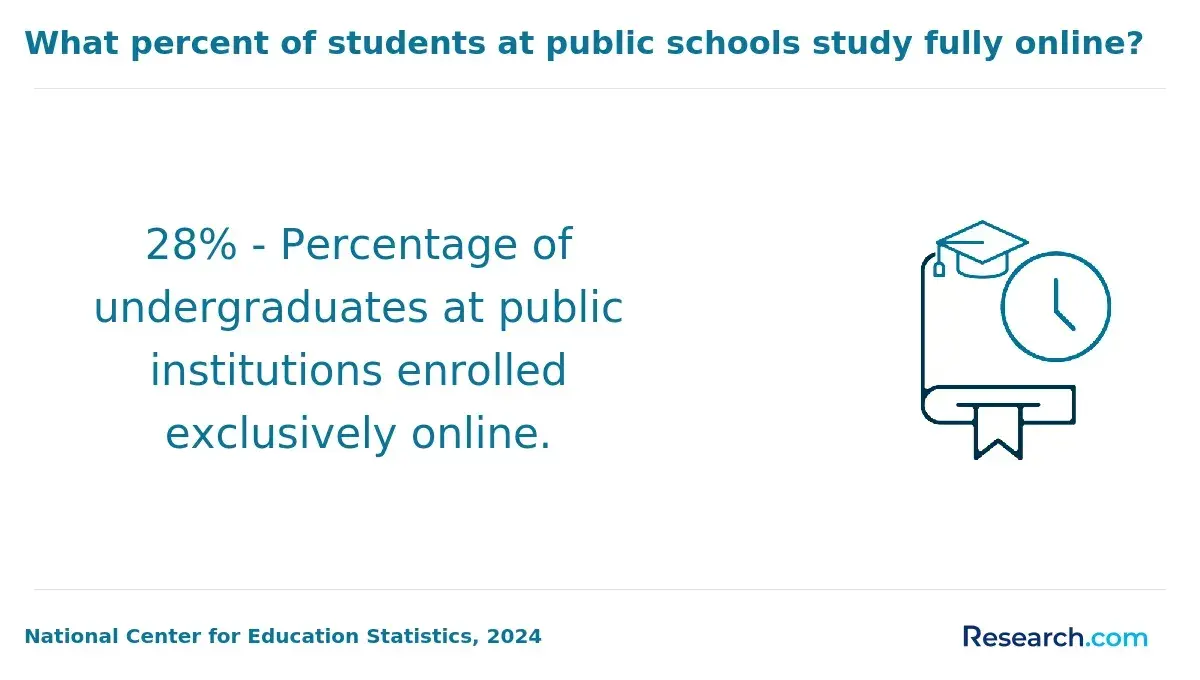
Leadership degree programs have begun integrating artificial intelligence concepts not as standalone technical skills but as essential complements to traditional leadership training. Recent data from the National Center for Education Statistics reveals that over 62% of universities offering leadership studies included AI-related content in 2024, up sharply from 41% in 2021. These programs blend AI literacy with core leadership abilities like emotional intelligence and strategic decision-making, often incorporating AI-powered simulations where students evaluate predictive workforce analytics or the fairness of algorithmic decisions in organizational settings. This approach acknowledges that effective leadership now requires interpreting complex AI outputs while maintaining critical human judgment.
Institutions are evolving curricula to balance technological fluency with human-centric ethics and adaptability. Some universities have introduced interdisciplinary options linking leadership studies with AI governance, data ethics, and collaboration frameworks that emphasize responsible AI deployment. Experiential learning and partnerships with industry further deepen this integration, allowing students to confront real-world challenges where leadership intersects with AI-driven change. A notable practical example involves managing AI-enabled workforce scheduling tools in tech firms, where leaders must navigate tradeoffs between efficiency gains and employee well-being.
The emphasis on ethical AI use and lifelong learning underscores that graduating with theoretical knowledge is insufficient. The 2024 Pew Research Center highlights that 78% of employers seek candidates demonstrating applied AI problem-solving in complex scenarios rather than just concept familiarity. Consequently, leadership programs encourage development of hybrid competencies that combine technological agility with cultural sensitivity and continuous adaptability. Graduates prepared in this manner are better equipped to lead through uncertainty and rapid transformation driven by AI innovations, responding thoughtfully to evolving workplace dynamics.
Which Industries Are Changing Hiring Expectations Most for Leadership Graduates?
The pace of AI integration differs significantly across sectors, influencing how employers adjust their hiring expectations for leadership graduates. Some industries face rapid digital disruption, requiring leaders to quickly acquire AI fluency and manage tech-driven change, while others evolve more gradually, emphasizing traditional skills alongside new competencies.
For example, a recent graduate comparing roles in healthcare versus manufacturing might find that one demands deep knowledge of AI ethics and regulatory compliance, whereas the other prioritizes operational digitization expertise. Understanding these nuanced demands allows emerging leaders to tailor their skill development appropriately.
The following highlights five industries where hiring criteria are shifting most noticeably.
- Technology: More than 70% of IT companies now expect leadership candidates to be proficient with AI tools and strategic deployment, reflecting the sector's front-line role in AI adoption. Leaders must balance innovation management with ethical AI practices and foster teams oriented toward continuous learning to stay competitive.
- Healthcare: AI's growing role in diagnostics and personalized care requires leaders to navigate complex governance and integrate interdisciplinary teams effectively. Rising demand for AI literacy in leadership stems from the need to optimize patient outcomes while maintaining compliance with evolving regulations.
- Finance: Leaders are increasingly valued for expertise in AI-enhanced risk assessment and predictive analytics. Firms emphasize skills that enable rapid identification of market trends and risk factors through machine learning, which offers a clear advantage in fast-changing financial environments.
- Manufacturing: AI-driven supply chain management and predictive maintenance are reshaping operational models. Leadership roles now often include responsibilities for driving digital transformation strategies while ensuring seamless production oversight.
- Energy: Though less highlighted, energy sectors are intensifying efforts to adopt AI for efficiency and sustainability goals. Leadership expectations combine technical knowledge of AI applications with strategic vision to guide long-term infrastructure investments and regulatory adherence.
After weighing offers from both a healthcare provider and a manufacturing firm, a recent leadership graduate recognized the stark differences in employer priorities. The healthcare opportunity demanded comfort with AI-driven patient data analytics and regulatory navigation, causing initial hesitation due to unfamiliarity with compliance complexities.
Meanwhile, the manufacturing role prioritized digital innovation management and operational efficiency, aligning closer with the graduate's prior experience. This contrast underscored the importance of targeting industries where evolving AI demands match one's existing strengths and willingness to adapt, influencing the graduate's choice to pursue targeted certifications in AI ethics and digital transformation before committing to a sector.
How Is AI Changing Career Growth for Leadership Professionals?
The adoption of artificial intelligence varies significantly by industry, influencing how employers adjust hiring expectations for leadership graduates. Sectors with rapid digital transformation require leaders to possess not only foundational managerial skills but also deep competency in AI integration, data interpretation, and ethical decision-making within technologically complex environments. Meanwhile, industries slower to adopt AI maintain more traditional leadership requirements but increasingly value adaptability and tech fluency as competitive advantages. This uneven pace creates distinct challenges and opportunities for leadership professionals.
Below are five industries reshaping hiring criteria most dramatically in response to AI advancements.
- Technology: This sector demands leadership graduates with proficiency in AI-driven innovation and agile project management. Leaders must navigate rapidly evolving platforms, ensuring alignment between technical teams and strategic business goals while fostering continuous learning.
- Healthcare: AI's role in diagnostics and patient data management elevates expectations for leaders who can oversee ethical AI implementation and regulatory compliance. Leadership graduates must combine empathy with analytical rigor to manage AI-assisted care teams effectively.
- Financial Services: Automation and predictive analytics reshape risk assessment and customer strategies. Employers seek leaders fluent in digital transformation initiatives who can balance data-driven insights with fiduciary responsibility, enhancing client trust and regulatory adherence.
- Manufacturing: Smart factories integrate AI to optimize production and supply chains. Leadership professionals are expected to guide workforce transitions, managing both technological integration and employee upskilling to maintain operational resilience.
- Education: Edtech expansion requires leaders skilled in digital strategy and ethical AI use. Leadership graduates must prioritize human-centered approaches to technology adoption, ensuring inclusivity and effectiveness in evolving learning environments.
Leadership professionals navigating this shifting landscape benefit from continuous skill development and an ability to translate AI capabilities into sustainable organizational value. For early-career aspirants, engaging in specialized programs-such as a masters in history with leadership components-can broaden analytical perspectives essential for complex AI-augmented decision-making. This mindful approach to skill acquisition addresses the underlying currents of AI impact on leadership career growth and sustains competitive positioning amid evolving employer demands.
How Should Leadership Students Prepare for AI-Driven Hiring?
Preparing for AI-driven hiring involves far more than simply earning a leadership degree. Employers now demand a hybrid of technical skills, digital fluency, and core human-centered capabilities such as emotional intelligence and ethical judgment. Data from the World Economic Forum's 2024 Future of Jobs Report reveals that half of all employees will require reskilling by 2025 to remain competitive amid AI adoption. Leadership students face the challenge of bridging the gap between artificial intelligence proficiency and interpersonal skills that machines cannot replicate.
These five strategies highlight practical ways to navigate this evolving job market.
- Build Digital Literacy: Develop familiarity with AI tools and data analytics specific to your industry. Mastering software that supports decision-making and project management equips students with a competitive edge in environments increasingly influenced by AI technology.
- Develop Emotional Intelligence: Strengthen skills in empathy, communication, and conflict resolution. As AI handles routine tasks, leadership roles emphasize human connection and ethical decision-making, areas where adaptability and creative problem-solving are critical.
- Gain Practical Experience: Seek internships or mentorships in organizations pioneering AI integration. Hands-on exposure to AI-powered analytics and collaboration platforms deepens understanding far beyond theoretical study, aligning with employer priorities for ready-to-contribute graduates.
- Adopt Continuous Learning: Embrace a growth mindset to stay current with rapid AI advancements. Regularly update skills through workshops, online courses, or certification programs to address new challenges and seize emerging opportunities.
- Engage With AI Career Pathways: Explore roles such as how to become an AI trainer to understand the intersection of leadership and AI expertise. Targeted career exploration offers insight into specialized positions where leadership and AI skills intersect, helping refine personalized development plans.
The integration of these approaches reflects a nuanced response to preparing leadership graduates for AI-driven hiring, blending technical readiness with essential interpersonal acumen highlighted by a 2024 Pew Research Center study showing 68% of employers prioritize adaptability and creativity alongside technical expertise.
How Should Students Choose a Leadership Program for the AI Era?
Choosing a leadership program today demands more than weighing traditional factors like reputation or cost. The rapid integration of AI into business decisions means curricula must equally prepare students for the technical and human dimensions of leadership. According to the National Center for Education Statistics (NCES, 2024), over 60% of leading programs now embed AI ethics, data analytics, and AI-driven decision-making. This shift reflects employers' preference for leaders who balance AI literacy with interpersonal skills. Evaluating programs through this lens is vital. Consider these five key factors:
- Curriculum Integration of AI: A robust program weaves AI concepts such as ethics and analytics into leadership content, ensuring students understand technology's impact on decision-making and team dynamics.
- Interdisciplinary Learning: Combining AI, data science, and behavioral studies fosters adaptability and critical thinking, traits prioritized by employers navigating complex environments.
- Experiential Opportunities: Practical internships or project-based challenges with industry partners develop real-world skills and demonstrate the ability to apply AI in leadership roles.
- Faculty Expertise: Educators actively engaged with AI advancements bring current knowledge and perspectives, crucial for relevant, forward-looking instruction.
- Transparency About AI Updates: Programs that clearly communicate ongoing curriculum revisions reflect responsiveness to evolving technologies, preparing students for future workforce demands.
References
- Recruiting Artificial Intelligence: The Complete Guide for Hiring Leaders (May 2026) https://www.paraform.com/blog/recruiting-artificial-intelligence-guide
- What AI Cannot Replace- The 5 Human Skills Every Future Leader Must Cultivate https://www.imia.edu.au/what-ai-cannot-replace-the-5-human-skills-every-future-leader-must-cultivate/
- Related Posts https://agileseekers.com/blog/the-link-between-ai-skills-and-career-growth-in-agile-leadership
- Top human skills to succeed in the age of AI | edX https://www.edx.org/resources/human-skills-for-ai
- Best AI Leadership Courses for Nontech Leaders - Emeritus Online Courses https://emeritus.org/blog/b-best-ai-leadership-courses/
- The Future of Leadership Hiring in the AI-Driven Tech Industry https://www.taplowgroup.com/insights/blogs/the-future-of-leadership-hiring-in-the-ai-driven-tech-industry
- Research: AI Is Changing What Employers Want from New Hires https://hbr.org/2026/07/research-ai-is-changing-what-employers-want-from-new-hires
- How to use AI in recruitment and leadership | Future Solve https://futuresolve.com/ai-in-business-how-to-use-it-in-recruitment-and-leadership/
- Beyond Academic Credentials—Toward Competency-Informed Hiring | Report | WES https://knowledge.wes.org/canada-report-beyond-academic-credentials-toward-competency-informed-hiring.html
- AI Recruiting in 2026: The Definitive Guide https://www.phenom.com/blog/recruiting-ai-guide
Other Things You Should Know About Leadership
Employers increasingly value candidates who can demonstrate practical experience integrating AI tools into leadership contexts, but this does not entirely replace the value of traditional internships focused on classic leadership challenges. Graduates should prioritize opportunities that blend both, as employers expect leaders who can navigate AI-enhanced decision-making while maintaining foundational people management and strategic skills. Focusing exclusively on one risks an imbalance that may not align with all employer preferences.
Ethical management of AI outputs is emerging as a critical competency, with employers seeking leaders who can balance technical possibilities and human values. Candidates should prioritize understanding the organizational impact of AI biases and decision transparency rather than trying to master AI technology itself. Demonstrating nuanced judgment in ethical scenarios related to AI will differentiate candidates more effectively than technical fluency alone.
Investment in deep AI technical skills can quickly become obsolete, whereas strategic agility-the ability to adapt leadership approaches as AI tools evolve-is more durable. Graduates should primarily develop metaskills like adaptive thinking, interdisciplinary collaboration, and data-informed intuition, which complement technical knowledge without requiring specialist expertise. This approach aligns better with employer expectations for leaders who can navigate rapid technological change without losing sight of broader organizational goals.
Graduates need to be selective and strategic, focusing first on industries and companies with mature AI integration where their hybrid leadership-AI skills offer immediate relevance. Simultaneously, maintaining peripheral awareness of sectors slower to adopt AI can provide alternative pathways less saturated with AI-specific demands. Prioritizing sectors helps manage workload and skill mismatch risks, as employers in different fields vary widely in readiness to reevaluate traditional leadership hiring criteria.