2027 Journalism Tuition Inflation Report: How Fast Are Program Costs Rising?

Co-Founder and Chief Data Scientist
Tuition inflation in journalism programs reflects distinct pressures unlike many other disciplines. The rapid evolution of digital media demands costly investments in technology infrastructure and specialized faculty skilled in multimedia storytelling and data journalism. Accreditation bodies increasingly require industry partnerships and experiential learning opportunities that elevate operational costs. Meanwhile, enrollment shifts, including a rise in nontraditional and graduate students, influence program delivery models and resource allocation.
According to a 2024 report by the Accrediting Council on Education in Journalism and Mass Communications, journalism enrollments have grown modestly, but program expenses have risen faster, suggesting structural cost drivers. This trend signals a field adapting to changing workforce expectations while grappling with educational accessibility and professional skill development.
Key Things to Know About Journalism Tuition Inflation
- Tuition inflation in journalism programs has outpaced general higher education costs by 15% since 2020, increasing financial barriers and prompting prospective students to weigh degree value against growing debt loads.
- Employers increasingly favor multimedia and data skills, a shift not fully matched by traditional journalism curricula, meaning tuition hikes may reflect outdated training, complicating graduate employability assessments.
- Rising costs extend program durations for some students juggling work and study, delaying workforce entry and affecting career trajectory timing as immediate practical experience often outweighs longer academic investments.
- Key Things to Know About Journalism Tuition Inflation Key Things to Know About Journalism Tuition Inflation
- How Much Has Journalism Tuition Increased Over the Past Decade? How Much Has Journalism Tuition Increased Over the Past Decade?
- How Does Journalism Tuition Inflation Compare to Overall Inflation? How Does Journalism Tuition Inflation Compare to Overall Inflation?
- Which Types of Schools Have Experienced the Fastest Journalism Tuition Growth? Tuition Growth by School Type
- What Factors Are Driving Rising Costs in Journalism Degree Programs? Tuition Cost Drivers
- How Does Journalism Tuition Growth Vary by State and Region? Tuition Growth by State
- Are Online Journalism Programs Becoming More Affordable Than Campus-Based Programs? Online Program Affordability
- How Have Financial Aid and Scholarships Changed as Journalism Tuition Has Increased? Impact on Financial Aid and Scholarships
- How Does Rising Journalism Tuition Affect Student Debt After Graduation? Impact on Student Debt
- Do Higher-Cost Journalism Programs Deliver Better Career Outcomes or Earnings? Impact on Career Outcomes
- What Do Current Tuition Trends Suggest About the Future Cost of a Journalism Degree? What Do Current Tuition Trends Suggest About the Future Cost of a Journalism Degree?
How Much Has Journalism Tuition Increased Over the Past Decade?
Tuition for journalism degree programs in the United States has surged significantly over the last decade, with public universities seeing increases of roughly 45-55% for in-state students, based on recent data from the National Center for Education Statistics and the College Board. Private institutions have experienced even sharper hikes, often between 50-65%, outpacing inflation by more than double. This trend in journalism tuition cost increases in the United States over the past decade reflects broader pricing patterns but also highlights the distinct pressures within this field, where program-specific investments affect overall expenses and student financial commitments.
These rising costs stem from multiple factors including diminished state appropriations for public universities, compelling them to shift more expenses onto students. Private colleges face similar pressures but often raise sticker prices to balance limited financial aid pools. Investment in digital media infrastructure, such as technology labs designed to meet contemporary industry demands, contributes to operational cost growth. Furthermore, shifting enrollment patterns and competitive academic offerings aimed at attracting students with multimedia skillsets drive institutions to allocate resources in ways that push tuition upward, complicating choices for those weighing the value of attending journalism programs compared to alternatives.
The steep tuition increases have practical consequences for affordability and student debt, as many journalism graduates confront stagnant entry-level earnings in relation to their education costs. This gap urges prospective students and their families to carefully analyze program return on investment and explore viable options, including scholarships or other online courses that might deliver comparable competencies at lower expense. The evolving landscape of journalism education demands attention to how cost structures influence access, career preparedness, and long-term financial outcomes, underscoring the importance of strategic enrollment decisions amid persistent increases in tuition.
How Does Journalism Tuition Inflation Compare to Overall Inflation?
Over recent years, tuition inflation for journalism programs has consistently outpaced the broader rate of overall inflation in the United States. Data from the National Center for Education Statistics and the College Board indicate that journalism tuition and fees have increased annually by approximately 3.5% to 4%, nearly double the Consumer Price Index growth reported by the U.S. Bureau of Labor Statistics, which averages around 2% per year. This disproportionate rise reflects persistent financial pressures in higher education distinct from general economic trends, underscoring a widening gap between costs faced by students and general consumer expenses. Such a trend complicates affordability, particularly for those navigating journalism education amid changing industry demands and program structures.
The underlying causes for this divergence are multifaceted and tied to structural shifts in how higher education is funded and operated. Reduced public subsidies have compelled institutions to compensate for funding shortfalls through increased tuition, while administrative expenses and expanded student services continue to climb, especially in programs emphasizing multimedia skills and digital competencies critical to modern journalism. Additionally, investments in specialized technology, updated infrastructure, and faculty expertise aimed at meeting employer expectations further elevate operational costs. These pressures result in tuition inflation that far exceeds standard consumer inflation, reflecting broader systemic dynamics in the funding and delivery of journalism education.
For students and families, the gap between journalism tuition inflation and overall inflation means heightened financial barriers and a growing reliance on borrowing, intensifying long-term debt burdens. This financial strain influences decisions about program selection, with cost often weighing heavily against perceived educational value and career outcomes in the journalism sector. Those weighing their options may also consider alternatives that maintain quality while managing expense, such as programs compared in affordability like the cheapest online psychology bachelor degree. Ultimately, understanding these nuanced cost dynamics is critical for making informed choices in an evolving higher education market where tuition growth regularly outpaces broader economic inflation.
Which Types of Schools Have Experienced the Fastest Journalism Tuition Growth?
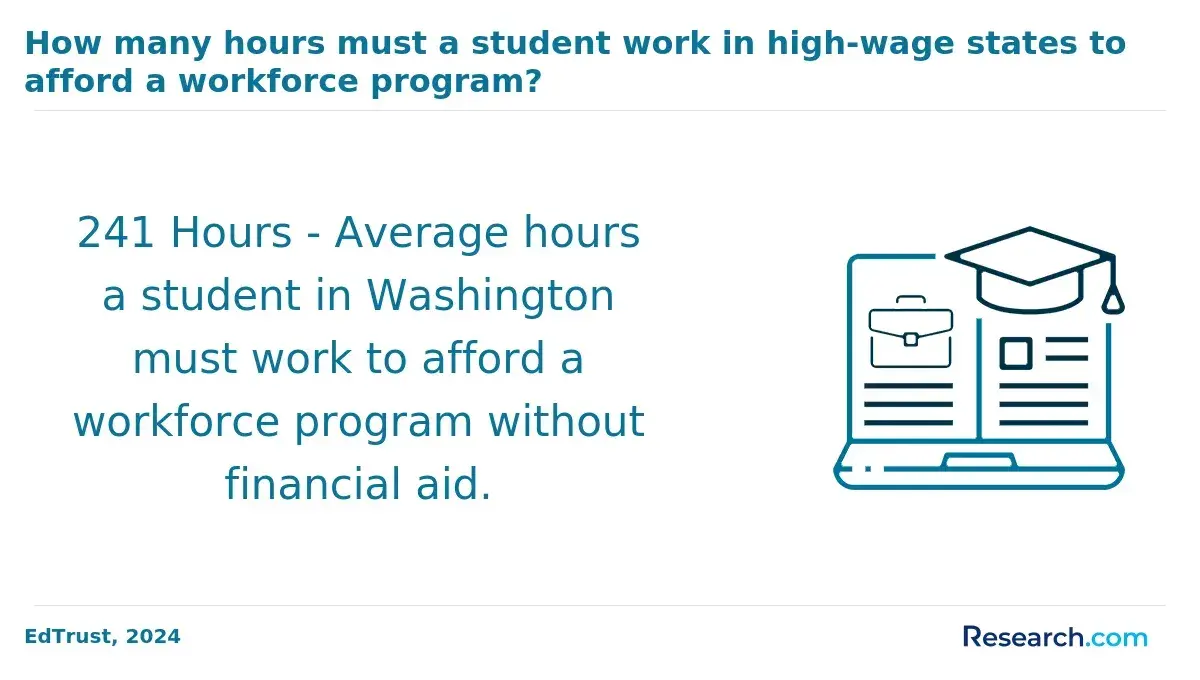
Tuition increases for journalism programs display marked variation tied closely to institutional type, funding sources, and delivery approaches. These distinctions reflect underlying economic models and strategic priorities that shape how colleges price their programs. Grasping these divergent trends is crucial for assessing cost trajectories and weighing the long-term value of journalism degrees across different schools.
- Private Nonprofit Universities: These institutions often see the steepest tuition growth, averaging annual increases above 5%. Their reliance on tuition revenues to offset limited state funding, combined with significant investment in specialized facilities, faculty expertise, and internship partnerships, drives up costs. Moreover, the perceived prestige and networking benefits allow them to maintain higher price points despite affordability concerns.
- Public Universities: While presenting more moderate tuition hikes around 3% annually, public schools are constrained by state budget allocations and political pressures that temper fee increases. However, declining state appropriations for higher education compel many to shift funding burdens onto students, gradually eroding the historic affordability advantage of these programs.
- Community Colleges: Demonstrating the slowest tuition growth, often below 2%, community colleges provide more accessible pathways for journalism learners with cost-conscious approaches. Limited program specialization and fewer ancillary services contribute to restrained price inflation, although trade-offs include reduced career placement support and smaller alumni networks.
- Research-Intensive Universities: These universities typically embed journalism programs within larger multidisciplinary frameworks, incorporating cutting-edge technology and extensive faculty research commitments. Such resource intensity increases operational costs, reflected in tuition, but may also provide distinct educational advantages linked to innovation and academic rigor.
- For-Profit Institutions: For-profit schools tend to rely heavily on tuition revenues without substantial public support, which can drive aggressive pricing strategies and rapid tuition escalation. However, regulatory scrutiny and fluctuating enrollment have recently impacted their market position and pricing stability.
According to 2024 data from the Education Data Initiative, private nonprofit universities lead in tuition growth rates, whereas community colleges maintain more restrained increases, underscoring the tension between institutional funding imperatives and learner affordability within the evolving journalism education landscape.
What Factors Are Driving Rising Costs in Journalism Degree Programs?
Rising costs in journalism degree programs stem from a complex interaction of institutional funding shifts and economic pressures rather than any single factor. Public universities, facing diminished state appropriations, increasingly depend on tuition revenue, creating upward pressure on prices. At the same time, programs must adapt to evolving industry standards that emphasize digital media skills, necessitating investments in specialized technology and software. These layers combine with broader administrative and compliance demands, which have expanded staffing and operational budgets, creating a multifaceted cost structure. This systemic dynamic means journalism program expenses reflect deeper patterns of resource allocation and institutional finance rather than isolated tuition hikes.
Key cost drivers include rising faculty salaries, particularly for professionals with both academic credentials and practical industry expertise, which institutions compete to attract. Investments in digital infrastructure-such as multimedia labs, licensing for storytelling tools, and IT support-have grown notably, with recent education data showing technology expenditures increasing by over 12% in just three years. Administrative growth demands also rise, encompassing student services critical to career placement, accreditation compliance, and marketing efforts curved toward a competitive student market. Combined, these elements produce a tuition trajectory that outpaces general inflation, underscoring the challenges universities face balancing quality education delivery with the economic realities of maintaining relevant, hands-on journalism training.
A recent journalism graduate shared how the extended, rolling admissions process influenced their decision-making under these financial pressures. Initially hesitant, they delayed applying comprehensively while weighing offers due to uncertainty over scholarship awards and the timing of financial aid packages. The unpredictable pacing created anxiety about locking in tuition costs amidst rising program fees and left them navigating late application windows with diminishing options. Their experience highlights the practical impact of not only mounting program costs but also how admissions counseling and timing can critically alter access and affordability for prospective students.
How Does Journalism Tuition Growth Vary by State and Region?
Tuition growth rates for journalism degree programs vary markedly across U.S. states and regions, shaped by complex interplays of state funding policies, institutional types, and local economic conditions. These variations reflect more than geographic distinctions; they are rooted in how public universities are financed, the cost structures of private versus public institutions, and differences in regional demand for journalism skills. For example, states with well-funded public university systems typically see slower tuition increases, while regions experiencing sharp declines in state appropriations often face more rapid tuition inflation. Such disparities underscore the importance of considering nuanced regional education economics rather than simple cost comparisons when evaluating accessibility and affordability.
Key drivers of these differing inflation patterns include the scale and stability of state appropriations to higher education, which directly affect public institutions' reliance on tuition revenue. Regions like the South and Midwest, where cuts to public funding have been more severe, have witnessed journalism tuition climbing at annual rates exceeding 5%, outpacing the national average. By contrast, Northeast states benefit from more robust state support, keeping tuition growth near or below 3%, albeit from a higher starting point. Additional factors such as local cost-of-living differences, concentration of research universities or private institutions with distinct pricing strategies, and regional labor market demands for journalism graduates further shape tuition trends. These structural influences create an uneven landscape, as institutions balance revenue needs against competitive positioning and workforce realities. This dynamic also extends to the rising interest in lower-cost alternatives, including community colleges and online programs, such as accessible online PsyD programs, which illustrate broader shifts toward practical, cost-conscious education models.
These regional disparities in journalism tuition growth have broader implications for student mobility, affordability, and long-term return on investment. Rapid tuition hikes in certain states can limit access for lower- and middle-income students, affecting the demographic diversity of applicants and potentially narrowing the range of perspectives entering the field. Meanwhile, students may increasingly opt for programs better aligned with labor market demands that also maintain manageable costs, influencing enrollment patterns and career trajectories. Recognizing how funding structures, state policies, and institutional strategies drive these regional tuition differences helps prospective students, parents, and researchers to make more informed decisions in weighing the financial and professional tradeoffs inherent in pursuing a journalism degree.
Are Online Journalism Programs Becoming More Affordable Than Campus-Based Programs?
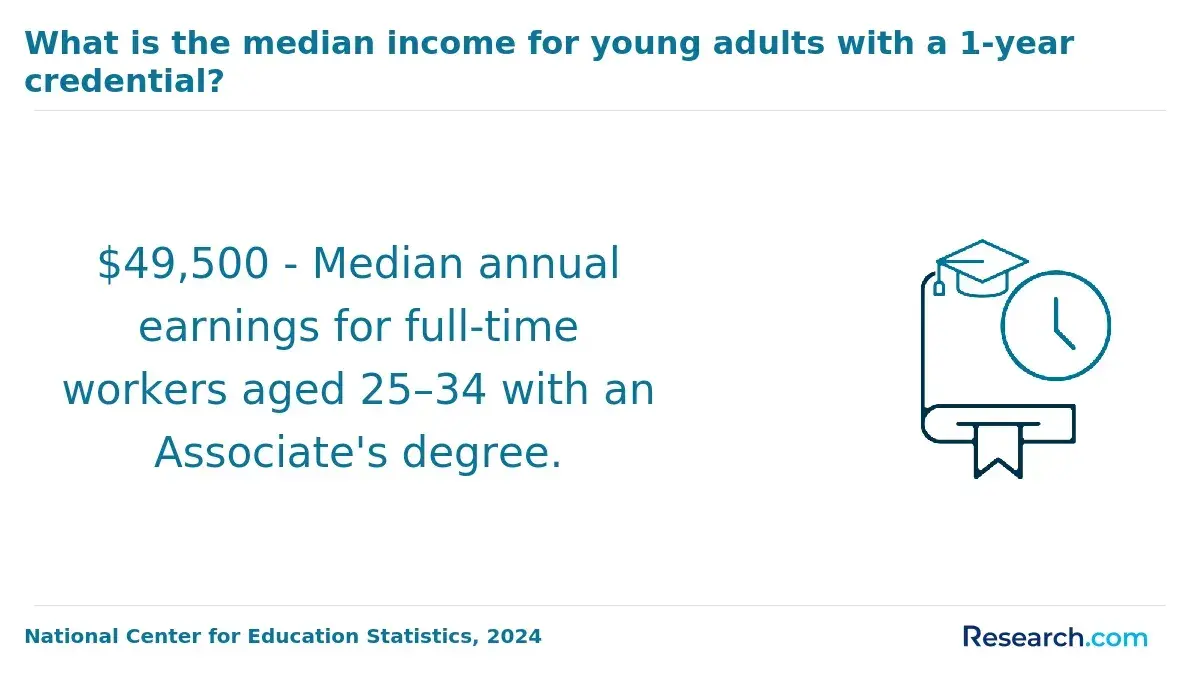
Tuition trends between online and campus-based journalism programs reveal a complex landscape shaped by distinct institutional pricing frameworks and delivery costs. Data from the National Center for Education Statistics and the Georgetown University Center on Education and the Workforce show that from 2022 to 2024, traditional journalism programs on campus experienced annual tuition increases of approximately 4-5%, while many online programs' tuition grew at a slower rate of 2-3%. This divergence partly reflects differing cost structures rather than straightforward affordability gaps. Campus tuition often embeds expenses related to maintaining physical facilities, student amenities, and in-person faculty engagement, whereas online programs rely on digital platforms and remote instruction models, influencing their pricing strategies and potential scalability.
The relative affordability of online journalism programs depends on several institutional and operational factors. Traditional programs bear significant overhead in campus maintenance, utilities, and space usage, which are less prominent in online offerings. However, online programs require ongoing investments in technology infrastructure, course design tailored for virtual delivery, and robust remote student support services, which can offset some savings. Additionally, faculty workload models differ: online instruction may employ asynchronous formats or larger class sizes, balancing costs but sometimes affecting instructional quality and interaction. These dynamics mean that affordability is not solely a function of sticker price but reflects deeper choices in how institutions allocate resources to sustain educational quality and student engagement across modalities.
While headline tuition rates suggest increasing cost-efficiency in online journalism education, the permanent nature of these affordability differences depends on institutional strategy and technological innovation within higher education. For prospective students, understanding these subtleties is critical, as online programs' pricing benefits may coexist with trade-offs in experiential learning opportunities and professional networking integral to journalism careers.
A recent online journalism graduate recalls navigating a rolling admissions cycle marked by periodic delays in application decisions, which complicated timely enrollment planning. Facing uncertainty about acceptance timing, they hesitated to finalize financial aid arrangements and technology purchases, concerned that rapid tuition changes or technology requirements might arise before starting. Ultimately, the candidate chose to persist with the online route, valuing the marginal tuition savings despite the logistical challenges, illustrating how real-world decision-making around affordability also involves managing timing and institutional responsiveness during admissions.
How Have Financial Aid and Scholarships Changed as Journalism Tuition Has Increased?
Financial aid and scholarships for journalism programs have expanded in dollar terms but often fall short of matching rising tuition inflation, limiting their ability to fully offset growing costs. Some institutions have increased merit-based awards to attract top applicants amid competitive enrollment pressures, while others rely on selective tuition discounting that narrows aid accessibility rather than broadening support. Federal sources like Pell Grants have seen only incremental maximum award growth, which struggles to keep pace with escalating tuition, making loan reliance more common among students. Meanwhile, need-based aid availability varies widely, with public universities generally offering stronger packages than many private institutions, reflecting differing endowment levels and funding priorities.
The interplay between tuition increases and financial aid adjustments is influenced by multiple factors, including intensified competition among journalism programs for qualified students and shifting federal and state aid policies that do not fully align with cost inflation. Institutions often prioritize merit scholarships as recruitment tools, imposing rigorous requirements such as high GPA thresholds or leadership criteria that exclude many applicants from benefits. Tuition discounting strategies, while intended to manage sticker prices, frequently target specific cohorts rather than addressing broad affordability, resulting in uneven net price impacts. At the federal level, stagnant Pell Grant limits and the growing dependence on loan borrowing highlight systemic challenges in balancing aid adequacy with cost escalation.
These evolving aid dynamics have material consequences for journalism students' net costs and debt trajectories. Although nominal scholarship dollars grow, their insufficient scale relative to tuition inflation drives up out-of-pocket expenses and increases loan burdens, potentially influencing program choice and career timelines. The uneven distribution of need-based aid complicates informed decision-making, especially for lower-income students navigating opaque aid packages. Consequently, transparent communication of expected net prices and realistic funding scenarios remains essential to understand true affordability and mitigate long-term financial risks associated with journalism education.
How Does Rising Journalism Tuition Affect Student Debt After Graduation?
Rising journalism tuition substantially increases the amount students must borrow to complete their degrees, directly elevating student debt levels at graduation. As the costs of journalism programs outpace inflation and wage growth, many students depend more heavily on loans to fill financial gaps, resulting in average debts surpassing $30,000 according to 2024 data from government financial aid analyses. This trend reflects a growing divergence between tuition inflation and available grant aid, pushing borrowers to take on larger loans with accumulated interest even before entering repayment. The impact of this rising journalism tuition on student loan debt is particularly pronounced given the moderate salaries journalism graduates typically earn, creating a challenging debt-to-income ratio upon workforce entry.
Several factors magnify these debt trends beyond mere tuition increases. Differences in pricing between public and private journalism programs contribute to varied borrowing behaviors, where private institution attendees often incur heavier debt burdens. Additionally, the lack of proportional increases in financial aid means that students shoulder more up-front costs, with interest accumulating throughout their studies. This interplay of cost, borrowing, and repayment compels many graduates to rely on income-driven repayment plans or deferments, reflecting systemic financial strain. Variation in post-graduation income within journalism fields further complicates repayment capacity, influencing long-term credit health and strategic career planning as students face elevated debt service relative to their earnings.
The broader repercussions include heightened repayment stress and shifts in program selection motivated by cost concerns and expected return on investment. Rising debt levels can deter enrollment or cause students to forgo advanced education or entrepreneurial risks within journalism, while also prompting consideration of alternative credentials or career paths. Income-driven repayment options and loan forgiveness programs provide some relief but do not fully offset the financial pressures associated with higher borrowing levels. Adult learners, who balance family and work alongside education, experience these challenges differently, often with more constrained financial flexibility. Prospective students seeking to understand these dynamics alongside outcomes in related fields may explore options such as what can I do with a masters in forensic psychology to assess broader career implications within evolving workforce needs.
Do Higher-Cost Journalism Programs Deliver Better Career Outcomes or Earnings?
Higher-cost journalism programs often prompt the question of whether increased tuition translates into better career outcomes or earnings. Evidence indicates that tuition expenses alone do not guarantee superior employment results. According to a 2024 report by the National Center for Education Statistics, graduates from private, high-tuition journalism schools tend to have starting salaries that are approximately 8-12% higher on average than those from public or more affordable programs. However, within five years the salary advantage typically diminishes, suggesting that long-term earnings potential is less dependent on program cost and more influenced by individual skills, industry shifts, and networking.
The impact of journalism tuition inflation on earnings reflects several nuanced factors beyond price. Institutional prestige, access to robust internship and employer networks, program specialization, and geographic location play central roles in shaping career outcomes. Many employers weigh practical experience, adaptability in digital media, and demonstrated skills more heavily than the cost or brand of the degree. Additionally, alumni connections and regional media market density can enhance or limit employment opportunities, often independently of tuition levels.
Prospective journalism students must carefully assess the return on investment by balancing program costs against tangible career benefits. Higher debt loads from expensive programs may introduce financial stress that counterbalances marginal gains in earnings. Targeted skill-building, strategic internships, and real-world experience frequently offer stronger employment leverage than tuition price alone. For tailored educational pathways in fields like marketing, exploring options such as a master's degree in marketing can also provide useful comparators when considering broader media and communications career strategies.
What Do Current Tuition Trends Suggest About the Future Cost of a Journalism Degree?
Current tuition trends reveal an accelerating cost trajectory for Journalism degree programs that outpaces general higher education inflation. Data from the National Center for Education Statistics indicates a 4.5% increase in average tuition and fees at public four-year institutions in 2024, exceeding the 3.2% rise in the Consumer Price Index for education. This persistent differential highlights how Journalism programs, often part of public universities, are experiencing steeper real-cost growth compared to broader higher education. Historical patterns suggest these increases are unlikely to revert to lower inflationary rates soon, reflecting entrenched institutional cost pressures that compound over time.
Key drivers of future tuition costs include constrained institutional funding combined with rising demand for specialized digital journalism skills, which necessitates investment in advanced technology, multimedia facilities, and faculty expertise. The expansion of online and hybrid education models also influences pricing, as institutions balance economies of scale with the upfront costs of maintaining robust digital infrastructure and student support services. Additionally, shifting enrollment patterns may lead schools to prioritize modular, career-focused offerings, potentially altering cost structures but not necessarily reducing overall student expenses.
These factors collectively suggest increasing financial challenges for prospective Journalism students, with affordability likely to decline and borrowing burdens to intensify. As a result, students should carefully evaluate program length, modality, and institutional funding background when interpreting tuition projections. Understanding the interplay between demand-driven investments and funding limitations is essential for anticipating long-term costs and making informed decisions about educational pathways.
References
- The cost vs. value paradox: what Americans really think about college https://www.luminafoundation.org/news-and-views/the-cost-vs-value-paradox-what-americans-really-think-about-college/
- How Much Has College Tuition Outpaced Inflation? | SoFi https://www.sofi.com/learn/content/college-tuition-inflation/
- Tuition and Fee Charges Versus Inflation at Public and Private Four-Year Colleges (1987 to 2025) https://educationalpolicy.org/epigraph-260505/
- 2025 Most Affordable Online Journalism Degrees https://www.onlineu.com/most-affordable-colleges/journalism-degrees
- College Costs Are Rising 5X Faster Than Inflation https://duncangrp.com/college-costs-are-rising-5x-faster-than-inflation/
- Slide Image https://am.jpmorgan.com/us/en/asset-management/adv/investment-strategies/college-planning-essentials/viewer/college-costs/cpe-ccinflation/
- Cost of Online College vs. In-Person | Touro University Worldwide https://www.tuw.edu/school-news/cost-of-online-college-vs-in-person/
- Average Cost of College [2025]: Yearly Tuition + Expenses https://educationdata.org/average-cost-of-college
- The State of American Journalism Education https://knightfoundation.org/features/je-the-state-of-american-journalism-education/
- Yes, Aid Fuels Tuition Inflation | Cato at Liberty Blog https://www.cato.org/blog/yes-aid-fuels-tuition-inflation
Other Things You Should Know About Journalism
Rising tuition often reflects program investments in technology, specialized courses, and faculty expertise aligned with industry shifts. However, students must critically assess whether these changes translate into tangible skill sets valued by current employers, such as data journalism or multimedia storytelling. Prioritizing programs that balance cost with targeted, outcome-driven curricula can enhance employability despite tuition inflation.
Higher tuition rarely correlates with reduced academic intensity or workload in journalism programs. In fact, more expensive institutions may demand rigorous hands-on projects, internships, and portfolio development that require significant time investment. Students should anticipate that costlier programs might intensify short-term effort, which can pay off if it results in stronger professional readiness but may not ease immediate workload pressures.
Students operating within tight financial limits should weigh tradeoffs between program prestige and practical skills acquisition. Opting for less costly programs might limit access to certain networks or advanced resources but can reduce debt burdens and enable greater focus on skill mastery through alternative means like internships or freelance work. Prioritizing affordability alongside strategic experiential learning can offer a more sustainable path without sacrificing employability.
Tuition inflation increasingly incentivizes working adults to consider part-time, evening, or accelerated program options that balance cost with income continuity. While these formats may extend time to degree completion, they reduce lost wages and allow simultaneous skill application in the workplace. Decision-makers should evaluate whether longer-duration, flexible programs provide better long-term return compared to full-time, higher-cost tracks.