2027 Journalism Degree Outlook Through 2030: Enrollment, Salary, and Hiring Projections

Co-Founder and Chief Data Scientist
Choosing to pursue or continue a journalism degree requires balancing multiple factors beyond headline figures. Although enrollment in journalism programs saw a modest 3% rise nationwide in 2023, this growth contrasts sharply with a 5% projected decline in traditional print reporting jobs through 2030. Relying solely on enrollment or employment trends obscures challenges such as increased competition from graduates, shifts toward digital media roles, and geographic variations in opportunity.
Additionally, evolving employer expectations now emphasize multimedia skills and adaptability, complicating conventional salary trajectories. This article analyzes journalism enrollment, salary patterns, hiring projections, industry demand, geographic opportunity, and emerging workforce changes through 2030 to inform better education and career decisions.
Key Things to Know About the Journalism Degree Outlook Through 2030
- Journalism enrollment has declined by 12% since 2020, reflecting a tradeoff where increasing digital media alternatives reduce traditional program attractiveness, signaling cautious investment in degrees tied to legacy media models.
- Employers prioritize multi-skilled graduates proficient in digital content and data analytics; this shift pressures programs to adapt curricula or risk producing less employable candidates in a highly competitive job market.
- Regional hiring growth favors urban centers with established media hubs, heightening cost and access barriers for rural students, which may exacerbate workforce geographic imbalances and influence career location decisions.
- Key Things to Know About the Journalism Degree Outlook Through 2030 Key Things to Know About the Journalism Degree Outlook Through 2030
- How is Journalism Degree Enrollment Expected to Change Through 2030? Enrollment Trends Through 2030
- How Many Journalism Graduates Will Enter the Workforce by 2030? Graduate Workforce Entry Projections
- What Are the Hiring Projections for Journalism Graduates Through 2030? Hiring Projections Through 2030
- Which Journalism Careers Will Experience the Most Job Growth? Fastest-Growing Career Paths
- What Is the Salary Outlook for Journalism Graduates Through 2030? Salary Outlook Through 2030
- Which Industries Will Hire the Most Journalism Graduates by 2030? Top Hiring Industries
- Where Will Demand for Journalism Graduates Be Strongest? Strongest Geographic Demand
- Which Journalism Specializations Will Be Most in Demand by 2030? Which Journalism Specializations Will Be Most in Demand by 2030?
- How Will AI and Technology Affect Journalism Careers Through 2030? How Will AI and Technology Affect Journalism Careers Through 2030?
- Is a Journalism Degree Worth Pursuing Based on 2030 Projections? Degree Value Through 2030
How is Journalism Degree Enrollment Expected to Change Through 2030?
Projected changes in journalism program enrollment rates through 2030 reflect a complex interplay between labor-market realities and evolving student preferences. Demand for graduates who blend traditional reporting skills with digital fluency and strategic communication is reshaping program appeal, leading many institutions to shrink or restructure pure journalism offerings. This contraction risks reducing class sizes and specialization options, particularly in legacy newsroom-focused curricula, which may intensify admission competition at innovative programs that emphasize data journalism and multimedia storytelling. Prospective students should weigh these shifts carefully, as declining enrollment in conventional tracks may limit available seats and increase pressure for curricula to align closely with dynamic employer expectations.
Demographic change and online program expansion also factor into the declining overall enrollments in journalism degrees, even as specific subfields related to social justice and digital media storytelling show localized growth. From a workforce perspective, a stable but potentially smaller pipeline of graduates may emerge, mitigating concerns of oversaturation but heightening competition for roles demanding interdisciplinary skills. Tuition pressures and institutional capacity constraints further complicate this outlook, influencing program availability and graduate outcomes. For those evaluating a healthcare management degree or similar career paths, understanding these enrollment trends in the US through 2030 underscores the importance of choosing adaptable, forward-looking fields aligned with labor-market demand.
How Many Journalism Graduates Will Enter the Workforce by 2030?
The number of journalism graduates alone does not dictate workforce opportunities, as entry into relevant roles depends heavily on shifting industry demands and evolving skill expectations. While degree completions hover around 15,000 annually, many graduates pursue further education, delay employment, or pivot to related fields such as communications or digital media, reducing immediate direct workforce entry. Additionally, employers increasingly favor candidates who combine journalistic knowledge with digital, analytical, or technical skills, meaning that graduates without cross-disciplinary expertise often face longer job searches or must accept adjacent roles. This dynamic underscores how enrollment trends and completions offer an incomplete picture; workforce absorption is constrained by modest job growth projections and competitive hiring environments through 2030.
Enrollment in journalism-related programs shows signs of slight contraction or stabilization, shaping an estimated 140,000 to 160,000 new graduates entering the labor market by decade's end, according to data from the National Center for Education Statistics. However, the Bureau of Labor Statistics projects only about 4% employment growth for reporters and correspondents over the coming decade, reflecting a tempered demand that contrasts with the supply of qualified candidates. This imbalance means many will need strategic career planning, focusing on internships and portfolio development to enhance employability amid heightened competition and evolving platform demands. Graduates should weigh these realities alongside personal resources and long-term career ambitions to navigate the narrowing margin between degree attainment and relevant job acquisition.
One recent journalism graduate describes feeling cautious entering the job market in 2024, noting that the surge in peer graduations has intensified competition within traditional newsrooms. Despite a solid portfolio and digital skills, she observed that many openings favored candidates with specialized multimedia competencies or experience in niche communication sectors. She decided to supplement her experience with targeted certifications while pursuing roles beyond conventional journalism, illustrating a pragmatic response to a crowded field. Her experience reflects a broader trend where graduates must balance optimism with calculated career adjustments to find sustainable employment as the decade progresses.
What Are the Hiring Projections for Journalism Graduates Through 2030?
Employer demand for journalism graduates through 2030 is positioned between moderate and constrained, shaped by sector-specific declines and selective growth rather than broad expansion. While traditional roles such as print journalists are expected to shrink, digital and multimedia journalism niches maintain relatively stable or slightly increasing openings, reflecting an ongoing shift toward versatile, tech-savvy candidates. However, hiring volume largely depends on replacement needs tied to retirements and career changes, suggesting that entry-level competition remains intense and stability is uneven across geographies and specialties.
For example, a graduate targeting broadcast news analyst positions in a smaller metropolitan market may face limited opportunities despite national estimates projecting about 7,000 combined annual openings for reporters and related roles. This data, compiled by the U.S. Bureau of Labor Statistics, underscores that job growth rates ignore important nuances like employer preferences for cross-platform skills or data journalism competencies. Graduates lacking these proficiencies-or without internships and real-world multimedia experience-are at a disadvantage, particularly outside major media hubs where demand and digital infrastructure are concentrated.
Therefore, evaluating journalism degree prospects requires critical attention to evolving industry expectations and regional hiring patterns rather than relying solely on aggregate figures. While adaptation to AI tools and digital storytelling skills can improve employment prospects, graduates should weigh these realities alongside local labor markets and consider alternative pathways such as freelance or content creation roles. Recognizing that projected growth does not automatically translate into accessible or lucrative positions helps align educational commitments with realistic career outcomes.
Which Journalism Careers Will Experience the Most Job Growth?
Digital content creation roles-such as multimedia journalists, digital reporters, and content strategists-represent the journalism careers with highest job growth in the US through 2030, driven by the surge in online news consumption and social media reliance. These positions generally require a hybrid skill set combining traditional reporting with technical competencies in SEO, video editing, and data visualization, areas often underemphasized in conventional curricula. A prospective student focusing solely on print or broadcast journalism might encounter fewer job openings and face steeper competition, as legacy media contracts while digital platforms expand. Industry data suggest that growth rates for these digital roles outpace many traditional beats, though total job volume in investigative or specialized journalism remains vital for audience trust and institutional credibility, reflecting a nuanced landscape rather than uniform opportunity.
Regional and sectoral variations matter as well; for example, health or science beat reporters maintain steady demand but often require deeper subject expertise and long-term specialization. Candidates who blend journalism with data analytics or communications skills will find better hiring prospects, especially within emerging digital newsrooms or independent outlets. It's important to note that rapid growth in niche areas does not guarantee high salaries or job security, as illustrated for instance in other fields with growing roles, such as for a certified medical coder salary rising amid increasing demand across healthcare systems. Overall, aligning educational choices with digital and multimedia storytelling capabilities remains the most practical pathway to leverage projected hiring trends without overestimating growth based solely on percentage increases.
What Is the Salary Outlook for Journalism Graduates Through 2030?
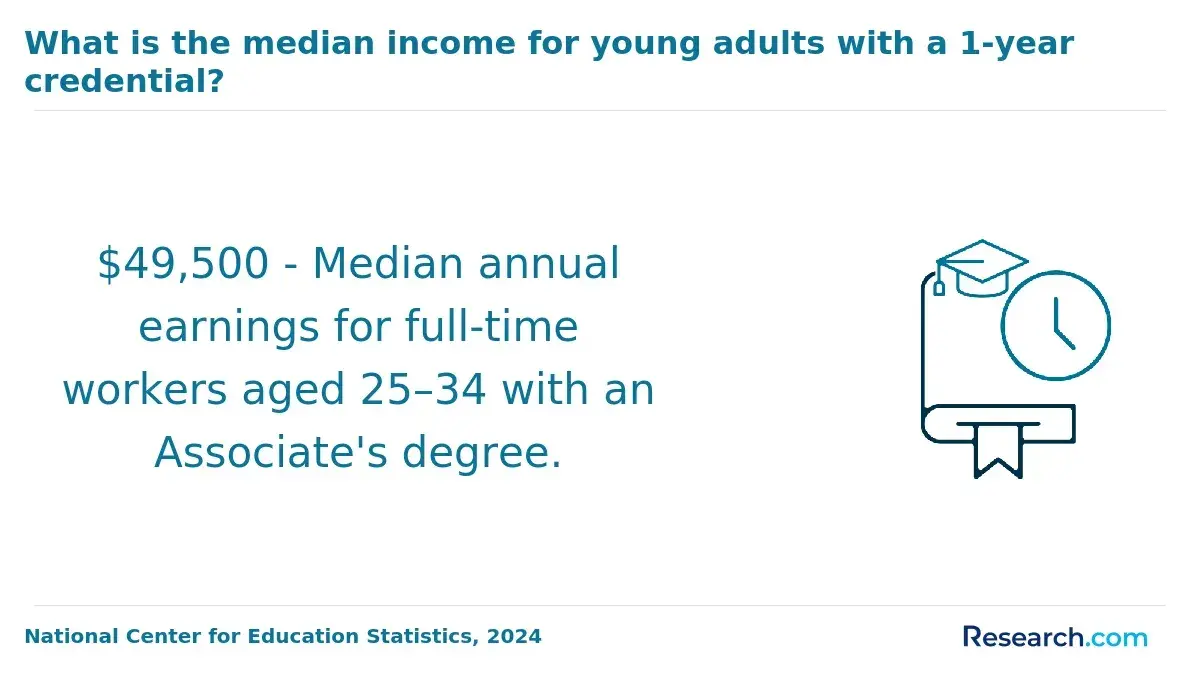
Salary projections for journalism graduates through 2030 must be considered in the context of inflation, shifting labor market demand, evolving credential expectations, and ongoing technological disruption within media industries. Real wage growth remains constrained as traditional revenue streams decline and digital content roles increasingly require technical versatility. Recent government data from 2024 reveals median earnings near $49,300 for core reporting roles, with limited nominal increases projected. Below are key influences shaping compensation dynamics for journalism undergraduates in coming years.
- Digital Skill Premium: Journalists proficient in data analysis, multimedia production, or social media management often command 10% to 20% higher pay than peers focused solely on conventional reporting, reflecting employer demand for cross-platform storytelling and audience engagement expertise.
- Geographic Variability: Salaries vary markedly by location, with urban centers and regions hosting major media hubs offering elevated pay bands. Graduates in smaller markets or rural areas typically face lower starting wages and slower growth trajectories.
- Specialization Effects: Niche expertise in investigative, environmental, health, or technology reporting can yield enhanced compensation, particularly where journalistic knowledge intersects with complex subject matter requiring advanced research and analytic skills.
- Experience and Advancement: Mid-career professionals often reach $60,000 to $75,000, but progression to senior editorial or managerial positions exceeding $90,000 is limited, competitive, and contingent on leadership competencies and network influence.
- Industry Segment Differences: Compensation differs across print, broadcast, digital media, nonprofits, and freelance sectors, with freelance journalists facing income volatility and fewer benefits despite potential for diverse assignments.
- Evolving Employer Expectations: Employers increasingly prioritize adaptability to fast-changing multimedia workflows and entrepreneurial content creation, rewarding those who can integrate emerging technologies and audience analytics into their work.
- Inflation vs. Wage Growth: Despite nominal salary increases, real earnings for journalism graduates may stagnate or decline when adjusted for inflation, forcing many early-career workers to manage tighter financial margins than previous generations.
One recent graduate shared a pragmatic view on entering this environment: After receiving an entry-level offer near $38,000 in a midsize city, they found limited room for negotiation due to market saturation and budget constraints at the hiring outlet. Recognizing the trade-off between immediate income and building a diverse portfolio, they accepted the offer with cautious optimism, planning to develop specialized digital skills to improve future salary prospects. This scenario illustrates the nuanced balance between starting pay realities and strategic skill acquisition critical to long-term financial stability in journalism careers.
Which Industries Will Hire the Most Journalism Graduates by 2030?
By 2030, the industries hiring the most journalism graduates in the United States will be shaped by a mix of technological innovation, shifting content consumption patterns, and evolving organizational priorities. Workforce replacement needs in traditional sectors coexist with robust expansion in digital realms, requiring graduates to adapt rapidly. Entry-level roles may demand multimedia agility, while mid-career opportunities favor strategic communication and data literacy. Understanding these dynamics is crucial for prospective students and current degree holders positioning themselves amid changing labor demands. Below are key sectors projecting the strongest hiring demand for journalism degree holders in North America through 2030.
- Digital Media Platforms: Accelerated growth of online news outlets, streaming services, and social media channels creates high demand for journalists skilled in multimedia storytelling, data journalism, and investigative techniques. Advanced digital literacy and cross-platform adaptability improve prospects.
- Public Relations Agencies: As companies seek to influence public perception, journalism graduates with skills in strategic messaging, audience engagement, and brand communication find expanding roles. Experience with content management systems and analytics is often preferred.
- Corporate Communications: Businesses increasingly value professionals who can combine journalistic rigor with marketing insights to craft transparent, persuasive narratives. Internal communications, crisis response, and thought leadership writing offer viable career paths.
- Broadcast Media: Radio and television maintain steady but modest growth, requiring journalists who can blend traditional reporting with digital content production. Skills in live reporting and multimedia editing enhance employability.
- Specialized Content Creation: Sectors such as health and science media will need journalists able to translate complex information clearly, often requiring domain-specific knowledge or certifications. These roles may intersect with opportunities related to salary dynamics in allied health fields such as the nurse practitioner salary sector.
Hiring projections reflect the realities of AI-driven automation and media consolidation, underscoring the value of adaptability and continual upskilling for journalism graduates. This nuanced landscape informs which top sectors hiring journalism degree holders in North America through 2030 will offer not just volume but meaningful, sustainable job opportunities.
Where Will Demand for Journalism Graduates Be Strongest?
Demand for journalism graduates through 2030 will hinge largely on geographic and sector-specific factors rather than uniform national trends. Metropolitan areas with established media hubs-such as New York, Washington D.C., Chicago, and Los Angeles-will concentrate the highest hiring activity due to dense networks of legacy news organizations, public relations firms, and nonprofit communications departments. Yet, these markets often come with intense competition, higher costs of living, and employer expectations for specialized skills in multimedia storytelling and data analysis. Conversely, emerging tech centers and regional startups offer expanding but smaller-scale opportunities where versatile journalists can leverage cross-disciplinary capabilities, though wage premiums and credential expectations may differ significantly from large urban centers.
The structural contraction in traditional newsroom employment obscures growth pockets in digital media, data journalism, and corporate communications. Employers increasingly seek candidates who can integrate investigative reporting with technical proficiencies such as analytics and social media strategy, reflecting an industry pivot toward fact-based, multimedia-driven content. Public relations and branded storytelling roles within government and private sectors also represent durable alternatives to conventional reporting, typically offering higher salary ceilings and more stable career trajectories. However, prospective graduates must weigh the tradeoffs between entry-level newsroom roles that remain widely accessible but lower paying and specialized positions demanding advanced skill sets less attainable without significant upskilling or practical experience.
Employability outcomes for journalism graduates vary widely by region and role focus, emphasizing the importance of aligning educational pathways with local labor market dynamics. For example, a graduate aiming for investigative journalism in a major metropolitan newsroom faces a highly competitive job market shaped by employer demand for both digital fluency and niche expertise. In contrast, professionals targeting communications positions within corporate or nonprofit sectors in smaller cities might find steadier opportunities but with different credential expectations and salary ranges. Understanding these nuanced labor market conditions is crucial for making informed decisions about enrollment, training investments, and career planning in journalism moving forward.
Which Journalism Specializations Will Be Most in Demand by 2030?
Employment projections through 2030 indicate a clear shift within journalism toward specialties that blend traditional reporting with advanced technical capabilities. Prospective students must weigh not only which fields show growth but how the required skill sets align with their long-term adaptability and market realities. For instance, choosing between data journalism and multimedia storytelling involves contrasting demands: one prioritizes strong analytical and coding skills, the other emphasizes creative production and platform fluency. Labor statistics from the U.S. Bureau of Labor Statistics and Lightcast analyses underscore rising employer preference for hybrid professionals who can navigate digital ecosystems alongside specialized subject matter expertise. Below are key journalism specializations poised for stronger employer demand by 2030.
- Data Journalism: Combining data analysis and visualization with reporting, this specialization addresses the growing need to interpret large datasets for informed storytelling. Employers across sectors value proficiency in statistical tools and programming languages to translate complex trends into accessible narratives.
- Digital and Multimedia Journalism: Expertise in video production, podcasting, and interactive content development is increasingly pivotal as consumer attention fragments across digital platforms. Mastery of editing software, social media algorithms, and narrative design enhances employability.
- Health and Science Journalism: Persistent global health challenges demand accurate communication of scientific findings. Journalists with a background or clear understanding of medical and scientific terminology find expanding opportunities, especially in health systems and research reporting.
- Investigative Journalism: Although resource constraints limit traditional outlets, investigative professionals remain vital for accountability reporting. Skills in public records analysis, legal frameworks, and data sourcing bolster candidates' value despite narrower hiring pools.
- Business and Financial Journalism: Economic complexity drives demand for journalists who can decode market trends, corporate strategies, and financial regulations. Familiarity with economic data and financial reporting standards strengthens career prospects.
These trends stress the importance of strategic specialization choices. For example, a student aiming for geographic flexibility might prefer digital and multimedia journalism due to wider applicability across industries, while another focused on sector depth might prioritize health and science journalism, accepting narrower but more stable demand. Aligning specialization with both skill acquisition and realistic job market patterns is essential for sustainable career outcomes.
How Will AI and Technology Affect Journalism Careers Through 2030?
Artificial intelligence and automation are set to augment rather than fully automate journalism responsibilities, particularly by displacing routine reporting functions while elevating roles requiring critical judgment, creativity, and ethical oversight. Entry-level tasks like basic news writing and data-driven reporting increasingly rely on AI-generated summaries and fact checks, which compels aspiring journalists to acquire skills in multimedia storytelling, digital literacy, and data analysis to remain employable. One likely scenario involves hybrid roles where journalists must combine editorial expertise with AI-driven content management systems, reflecting a shift in employer demand toward candidates who can navigate both content creation and technological tools effectively. This evolving landscape underscores the practical necessity for students and professionals to assess programs and certifications that integrate emerging technologies with foundational news competencies, rather than pursuing outdated curricula that overlook these critical transitions in the field.
The impact of AI technologies on journalism careers in the United States is evidenced by hiring projections that emphasize nuanced investigative reporting over routine assignments susceptible to automation. Wage growth disparities are expected to widen, with higher salaries going to journalists proficient in AI integration and capable of analyzing complex social and political issues, while lower-skilled roles may face stagnation or decline. Consequently, workforce entrants must prioritize adaptability and continuous upskilling in AI tool usage alongside traditional ethics and trustworthiness to secure long-term career viability. Prospective journalism students should carefully evaluate how well educational pathways prepare them for these hybrid demands, considering applied projects and ongoing professional development in technologically enriched contexts. Relatedly, those exploring accelerated educational options might consult resources such as the 12-month FNP program online for insight into intensive program structures emphasizing practical outcomes aligned with labor market needs.
Is a Journalism Degree Worth Pursuing Based on 2030 Projections?
The career outlook for journalism degree holders through 2030 is challenging due to an anticipated 14% decline in employment for reporters and correspondents according to the U.S. Bureau of Labor Statistics. This contraction, driven by shifts toward digital media, automation, and changing consumer habits, suggests fewer entry-level job openings and greater competition. Prospective students must carefully consider whether the time and tuition investment will yield sufficient returns, especially given stagnant starting salaries and a modest median wage near $49,300. Graduates should also evaluate specialty areas and geographic markets, as metropolitan regions offer relatively better opportunities than smaller locales.
For those pursuing journalism degrees, combining traditional studies with strong digital, multimedia, and technical skills is increasingly necessary to remain employable in evolving media landscapes. Internships and supplemental certifications can improve job prospects, but the field remains at risk for oversupply and underemployment, impacting long-term career flexibility. A practical comparison can be drawn to fields like communication sciences and disorders programs, which often have more stable and expanding demand across healthcare systems, illustrating the importance of aligning credentials with market needs. Ultimately, weighing the realistic career trajectories against tuition costs and credential expectations will help determine if a journalism degree fits individual goals.
Those motivated by storytelling and adaptable to technological change may still find value in a journalism education, but financial return and job stability are not assured. Awareness of the future job prospects for journalism graduates can guide strategic career planning in an uncertain workforce environment through 2030.
For additional context on evaluating degree costs in related fields, resources like how much does an online speech pathology degree cost can provide comparative insight into educational expenses within specialized program areas.
References
- Learn more about a guide to in-demand specializations 2030 https://studyfans.com/en/blogs/789
- Journalism Career Options in 2026: Digital, Broadcast, Content https://aaft.com/blog/mass-communication/journalism-career-options-jobs-scope-and-opportunities/
- Top 5 Journalism Careers That Will Explode by 2030 https://journalijmrr.com/top-journalism-careers-that-will-explode-by-2030/
- The State of American Journalism Education https://knightfoundation.org/features/je-the-state-of-american-journalism-education/
- There are jobs in journalism, just not traditional ones https://theconversation.com/there-are-jobs-in-journalism-just-not-traditional-ones-77622
- New Journalism Grads Are Abandoning the Field: Here’s What They Want to Do Instead - Indeed Hiring Lab https://www.hiringlab.org/2016/06/16/jobs-data-insights-future-of-journalism/
- Journalism Employment and the Value of 850 Comms Programs https://www.luminafoundation.org/resource/stop-the-presses/
- How will Artificial Intelligence Affect Jobs 2025-2030 | Nexford University https://www.nexford.edu/insights/how-will-ai-affect-jobs
- Artificial Intelligence in Journalism https://cnti.org/issue-primers/artificial-intelligence-in-journalism/
- Careers & Degrees In Journalism | How To Become A Journalist https://www.learnhowtobecome.org/arts-humanities-careers/journalism/
Other Things You Should Know About Journalism
Highly selective programs may carry prestige but don't always guarantee superior practical training or employer connections. Prospective students should prioritize programs with robust internships, access to real newsroom environments, and multimedia skill development, as these elements more directly impact employability. While selectivity can indicate academic rigor, hands-on experience often outweighs it in hiring decisions, especially in industries that value demonstrated digital storytelling and adaptability.
Traditional journalism degrees typically focus on core reporting, ethics, and writing skills but may lag in covering emerging digital tools and platforms. Conversely, communications or digital media programs often emphasize content strategy, analytics, and multimedia production, which align with current employer demands. Students must consider whether they want to develop foundational journalism rigor or broader digital content competencies, as this choice directly affects their readiness for different roles and sectors within the evolving media landscape.
Geographic location remains a critical factor, as concentrations of media outlets and digital news startups tend to cluster in urban hubs, leading to higher salaries and more robust hiring than in rural or less media-saturated regions. Graduates opting for programs or jobs in smaller markets may face fewer opportunities and lower initial compensation but can benefit from quicker advancement in understaffed organizations. Those prioritizing salary and diverse work experience should consider relocating to metropolitan areas despite higher living costs and competitive job markets.
While immediate placement rates provide a snapshot of a program's short-term effectiveness, they may not fully capture how well graduates adapt to evolving journalism careers over a decade or more. Programs that integrate ongoing professional development, alumni mentoring, and emergent skill training often better prepare students to navigate industry shifts and achieve sustainable career growth. Therefore, students aiming for long-term stability should balance initial job outcomes with program features that foster adaptability and continuing education.