2027 Journalism Degree Oversupply or Undersupply? Student Volume vs Employer Demand

Co-Founder and Chief Data Scientist
Choosing to pursue a journalism degree raises practical concerns about workforce absorption versus graduate output. In 2024, U. S. colleges produced over 21,000 journalism graduates, yet Bureau of Labor Statistics data projects only a 3% growth in related media jobs through 2032. This disparity hints at possible oversupply, intensifying competition and raising underemployment risks for new entrants. Regional media markets vary widely, with dense urban areas offering more reporting roles but greater credential demands, while smaller markets provide fewer openings but different skill expectations. Misalignment between graduate skills and evolving employer requirements further complicates hiring dynamics, affecting long-term career sustainability.
This article compares journalism student volume with employer demand, job growth, industry needs, regional conditions, and skill gaps to help readers judge whether the field offers sustainable opportunities or rising competition.
Key Things to Know About Journalism Graduate Supply and Employer Demand
- Despite a 5% decline in journalism degree completions since 2023, entry-level job openings remain stable, creating heightened competition that forces candidates toward niche specializations for differentiation.
- Employers increasingly prioritize multimedia and data skills, reflecting a growing skill mismatch where traditional graduates struggle to meet digital-first newsroom demands, impacting employability despite steady demand.
- Regional concentration of journalism roles in major metropolitan areas contrasts with growing graduate outputs nationwide, causing access challenges and longer job search timelines for graduates outside key media hubs.
- Key Things to Know About Journalism Graduate Supply and Employer Demand Key Things to Know About Journalism Graduate Supply and Employer Demand
- Is There an Oversupply or Undersupply of Journalism Graduates? Graduate Oversupply or Shortage
- How is Journalism Degree Enrollment Changing? Degree Enrollment Trends
- How Many Journalism Graduates Enter the Workforce Each Year? Annual Graduate Workforce Entry
- Does Job Growth Support the Rising Supply of Journalism Graduates? Job Growth Versus Supply
- How Competitive is the Entry-Level Market for Journalism Graduates? Entry-Level Market Competition
- Which Industries Have the Greatest Demand for Journalism Graduates? Top Hiring Industries
- Where are Journalism Graduates Most in Demand? Top Geographic Demand
- Which Journalism Specializations and Degree Levels Face the Strongest Demand? Which Journalism Specializations and Degree Levels Face the Strongest Demand?
- Are Employer Skill Gaps Affecting Demand for Journalism Graduates? Are Employer Skill Gaps Affecting Demand for Journalism Graduates?
- What is the Future Supply-and-Demand Outlook for Journalism Graduates? Future Supply-Demand Outlook
Is There an Oversupply or Undersupply of Journalism Graduates?
The current volume of journalism graduates in the United States generally aligns unevenly with employer demand, revealing a nuanced balance rather than a straightforward oversupply or undersupply. While national data shows approximately 10,000 to 12,000 bachelor's degrees awarded annually, this output exceeds openings in traditional newsrooms, where hiring is often flat or declining.
Consequently, graduates face steep competition for entry-level roles in newspapers and broadcast media, creating localized oversupply, especially in smaller or rural markets. Yet, this dynamic shifts when considering growing sectors like digital media, corporate communication, and specialized reporting, where demand for candidates with interdisciplinary skills and digital competency often outpaces supply.
Geographic and sectoral factors heavily influence how the supply-demand balance plays out in practice. Urban centers with dense media ecosystems, such as New York and Washington, D.C., tend to have tighter labor markets that more closely balance graduate output with job availability, while many other regions experience sharper oversupply. Additionally, the evolving recruitment landscape blurs supply figures because many journalism graduates compete for broader communications roles, reflecting a diversification of employment opportunities beyond traditional journalism positions.
This means that when evaluating the balancing journalism graduate output with employer demand trends, it is critical to consider specialization, geographic location, and the growing importance of digital skills rather than relying solely on aggregate degree production numbers.
Prospective students and career advisors should also factor in that enrollment growth does not always translate into proportional job growth due to credential mismatches and increasing expectations for experience and digital expertise. The supply pipeline can appear inflated compared to straightforward replacement demand and occupational expansion, yet targeted niches such as data journalism or public relations may still have shortages relative to qualified applicants. Those seeking to optimize outcomes may explore credential acceleration paths, such as 2 year accelerated bachelor degrees, allowing quicker entry into competitive fields where timing and adaptability matter significantly.
How is Journalism Degree Enrollment Changing?
Recent trends in journalism degree enrollment reveal a nuanced shift rather than a simple oversupply or shortage of graduates. While completion rates declined throughout the late 2010s, preliminary data from 2023 and 2024 point to emerging stabilization, partly due to increased online and hybrid program availability, which now encompass about 25-30% of enrollments in public institutions according to the National Center for Education Statistics.
This expansion in digital formats broadens access but also introduces concerns about whether graduates gain sufficient hands-on experience, potentially affecting their immediate employability in a media landscape that values practical skills alongside credentials. Meanwhile, enrollment growth among underrepresented groups contrasts with continued dominance by White and Asian students, especially in selective private schools that maintain strong industry connections, thereby shaping the competitive dynamics and diversity of future talent pools.
The decline in associate-level journalism education contrasts with rising master's degree participation, reflecting shifts toward advanced degrees possibly driven by employer preferences for higher qualifications in competitive job markets. However, this does not uniformly translate into better employment outcomes, as salary premiums and regional demand vary significantly within media sectors.
Employers in local or specialized markets may experience imbalances between graduate volume and openings, underscoring the risk of relying on national enrollment data without considering regional labor conditions and specialization saturation. Misinterpreting these enrollment changes can lead stakeholders to either underestimate competition for journalism jobs or overlook opportunities for curricular innovation that align with evolving industry demands.
A current journalism student recently observed that their program's cohort size nearly doubled over two years, mainly fueled by new online courses attracting students from diverse backgrounds. They noted uncertainty whether this growth reflected stronger career prospects or impending oversupply, causing mixed feelings. The student appreciated expanded course access but worried about losing direct mentorship and networking opportunities critical for breaking into local news markets where personal connections remain key. This experience highlights how enrollment shifts influence individual decisions and perceptions about the value and risks associated with pursuing journalism degrees today.
How Many Journalism Graduates Enter the Workforce Each Year?
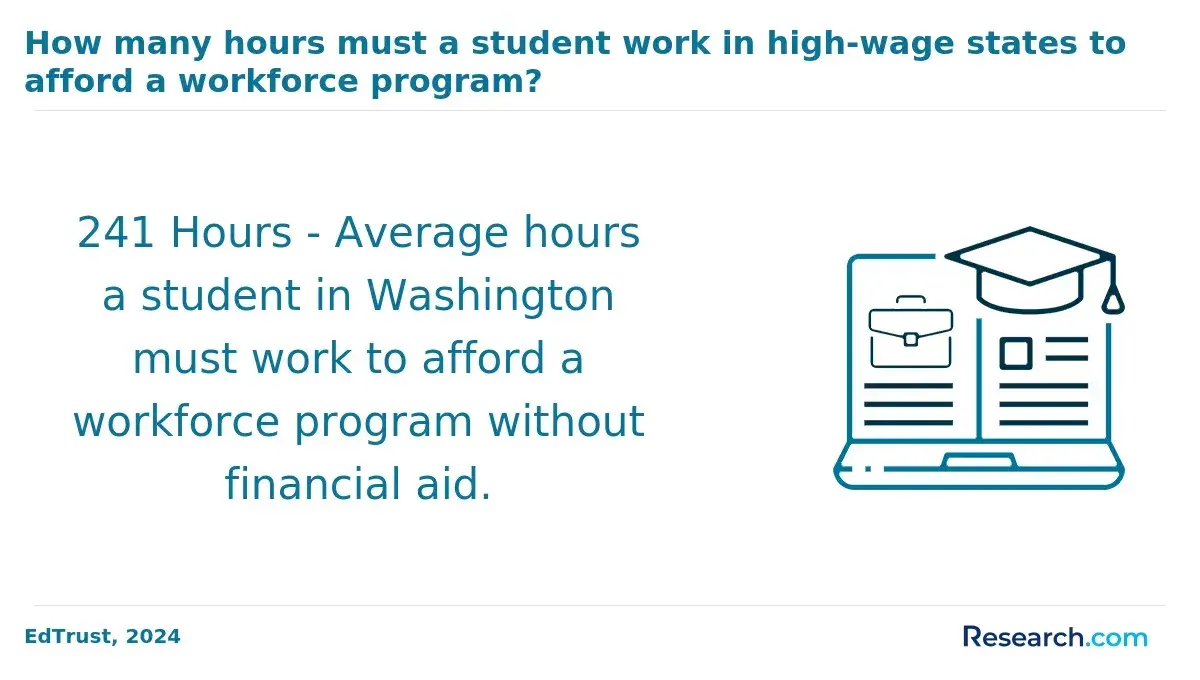
Annual graduate counts alone do not provide a definitive measure of workforce supply in journalism due to varied pathways and timing of labor market entry. Data from the National Center for Education Statistics indicates roughly 10,000 to 12,000 journalism degrees are awarded each year across undergraduate and graduate levels, including programs blending traditional journalism with integrated media studies. However, a significant portion-estimated at 30 to 40% according to labor market studies-pursues related communications roles rather than direct journalism positions, complicating straightforward supply-demand analysis.
Employment demand for journalism-specific roles tends to lag behind total graduate output, partly because job openings remain limited and highly competitive; for example, digital media transformation has shifted many jobs toward cross-functional content creation and PR rather than conventional newsroom positions. Regional variations and the prevalence of freelance or contract work further fragment the labor market, meaning not all graduates actively compete for the same roles simultaneously. Policymakers and educators should therefore interpret enrollment and completion metrics alongside workforce data that distinguish job functions, hiring patterns, and skill flexibility to accurately assess whether the field faces oversupply or unmet employer needs.
Does Job Growth Support the Rising Supply of Journalism Graduates?
Employment projections indicate that traditional roles for reporters and broadcast news analysts are contracting, but this decline masks the complex realities behind journalism job growth and graduate supply in the US. While overall openings decline by about 10% through 2032, many positions arise primarily from replacement demand rather than net expansion, intensifying competition among an increasing number of graduates. A recent example might be a recent journalism graduate struggling to secure a full-time role due to employers prioritizing candidates with extensive multimedia skills and practical experience, forcing many into freelance or contract positions with less stability and pay.
The growing volume of journalism degree holders contrasts sharply with the uneven employer demand trends for US journalism graduates, shaped by digital media shifts and geographic disparities. Niche areas like data journalism and digital content creation are absorbing some surplus talent but require advanced technical competence beyond traditional reporting skills. Graduates without these specialized capabilities may face underemployment or the necessity to pivot their career paths. Navigating these dynamics demands realistic career strategies that account for skill diversification and labor market limitations. For those seeking to expand their qualifications effectively, programs such as EdD leadership can offer structured pathways to develop relevant leadership and adaptability traits necessary in evolving newsroom environments.
How Competitive is the Entry-Level Market for Journalism Graduates?
The entry-level job market for journalism graduates in 2024 remains distinctly competitive, driven by a complex mix of factors rather than a simple overproduction of graduates. Although journalism degree holders maintain steady graduation rates, the corresponding growth in entry-level roles has not kept pace, leading to a congested applicant pool. Employers increasingly prioritize candidates with diversified experience, especially in digital and multimedia skills, making the market challenging even for well-prepared graduates. This dynamic reflects a confluence of limited job creation in traditional media, shifting employer expectations, and uneven demand by region and specialization. Several key factors influence how competitive the early-career landscape is for journalism graduates:
- High Applicant Volume: Many entry-level postings attract over ten candidates per opening, intensifying competition. Graduates should assess applicant density to set realistic application strategies and timeframes.
- Experience Expectations: Employers often require more than internships, including freelance work or digital content creation, raising the bar beyond academic accomplishments. This demands proactive skill-building before job search.
- Industry Demand Variability: Traditional newsroom roles are contracting, while related fields like content marketing or communications present partial alternatives. Graduates must evaluate sector stability and growth prospects.
- Geographic Concentration: Major media hubs cluster most opportunities but also concentrate competition, disadvantaging candidates from less-accessible regions unless remote roles apply.
- Specialized Skillsets: Demand grows for data journalism, social media strategy, and multimedia production abilities, requiring targeted expertise that shapes hiring preference.
- Remote Competition: Increasing remote work options expand applicant pools further by removing geographic barriers, intensifying national and international competition.
- Demonstrated Digital Proficiency: Practical skills in digital storytelling tools and platforms frequently serve as initial screening filters, making portfolio quality critical to standing out.
A recent journalism graduate described applying to dozens of entry-level roles in large media markets only to face repeated rejections citing "lack of sufficient multimedia experience." After shifting focus to smaller markets and communications firms with moderate digital skill requirements, they found more interview opportunities but continued to weigh the tradeoff between specialization depth and job availability. This experience highlights the nuanced challenges graduates face balancing competitive skillsets, geographic constraints, and evolving employer expectations in a tightly contested job landscape.
Which Industries Have the Greatest Demand for Journalism Graduates?
Demand for journalism graduates in the United States is concentrated where economic, technological, and communication needs intersect, rather than distributed evenly by volume of graduates. Media industries still dominate but face intense graduate competition and shifts stemming from digital transformation. Graduates evaluating career options should weigh hiring odds, skill requirements, and long-term role stability. For instance, while entry-level broadcasting offers visibility, growth may plateau compared to corporate communications roles where strategic storytelling and content analytics increasingly define advancement. Understanding these dynamics is crucial for aligning career expectations with the realities of journalism graduate employment industries in the United States. Key industries with the highest hiring demand for journalism graduates by sector include:
- Broadcasting and Digital Media:The legacy media sector is adapting under economic pressures and digital disruption. Positions range from reporter to multimedia content producer, with employers favoring candidates skilled in social media and data journalism. Job growth is moderate but competition is intense due to steady graduate inflow.
- Corporate Communications:Organizations in finance, healthcare, technology, and government increasingly require journalism-trained professionals for reputation management and internal communications. Strong writing and strategic narrative skills are essential, and advanced roles often demand familiarity with corporate messaging and compliance standards.
- Content Marketing and Digital Consulting:Advertising and marketing firms recruit journalism graduates who bring research and audience engagement expertise. Additional competencies in SEO, analytics, and multimedia production enhance employability and pay, reflecting an industry-driven premium on hybrid skill sets.
- Nonprofit and Advocacy Organizations:Though smaller in volume, these sectors hire journalism graduates for public education and grant communications. Job availability may be limited but can offer meaningful alignment with personal values and long-term career satisfaction.
- Streaming Platforms and Online News Outlets:Emerging digital channels provide new content roles with an emphasis on multimedia storytelling and adaptability. Demand is growing but often constrained by the competitive landscape and the rapid evolution of digital content formats.
Graduates must realistically assess how job openings match their skill portfolios and career ambitions. Some may opt for supplemental training or consider related fields such as social work, where programs like the top MSW online programs offer alternative pathways intersecting with communication expertise.
Where are Journalism Graduates Most in Demand?
National statistics on journalism employment tend to mask significant regional disparities that directly impact graduate prospects. For instance, hubs like New York City and Washington D.C. concentrate numerous media outlets and government communication roles, attracting substantial employer demand but also intensifying competition and inflating living costs. Graduates opting to stay in these metros face denser applicant pools and higher salary expectations to offset expenses, making relocation a critical consideration. In contrast, mid-sized markets with fewer journalism graduates, such as Atlanta or Chicago, often have more accessible openings, though these may demand broader skill sets like corporate communications or content strategy to align with local industry blends.
The density and diversity of employers significantly shape practical opportunities beyond raw job counts. Coastal metros with strong news ecosystems draw many graduates but can saturate the supply side, while states like Texas and Pennsylvania reflect sustained hiring growth paired with comparatively lower cost of living, offering a different value proposition. Additionally, remote work is expanding but unevenly across journalism's subfields, often favoring digital media and PR roles over traditional reporting positions. Understanding how localized education pipelines, industry concentration, and role specialization intersect helps graduates assess where realistic employment prospects exist rather than relying on generalized demand figures.
Data from Lightcast's 2024 labor market reports indicate that demand is broadening from pure reporting into communications and strategy functions, which can advantage candidates with versatile credentials in less congested markets. However, such shifts require graduates to evaluate if their skills match these evolving employer expectations and to balance this against geographic and living cost tradeoffs. Ultimately, securing sustainable employment in journalism-related fields demands nuanced consideration of supply-demand imbalances at the regional level and an adaptable approach to role definitions and location choice.
Which Journalism Specializations and Degree Levels Face the Strongest Demand?
Employer demand within journalism is unevenly distributed across specializations and degree levels, reflecting shifting industry priorities rather than blanket shortages or surpluses. Digital transformation drives a premium for graduates who combine core reporting skills with data literacy and multimedia competencies. At the same time, traditional broadcast journalism roles have shrunk relative to digital and data-focused reporting jobs. For example, a graduate with a master's concentration in data journalism is often more competitive for investigative and analytical roles requiring advanced credentials, whereas a bachelor's degree holder in general reporting may face intense competition, especially in regional markets with constrained budgets. Reflecting broader U.S. Bureau of Labor Statistics data and LinkedIn Workforce Insights from 2024, the following pathways align most closely with employer demand:
- Digital Journalism Specializations: Employers prioritize candidates skilled in content management systems, SEO, and multimedia storytelling to engage online audiences. These roles are common in metropolitan media outlets and require proficiency with digital tools and analytics.
- Data Journalism and Analytics: Strong demand exists for journalists who can interpret and visualize complex datasets, frequently requiring graduate-level education in data analysis or strategic communication alongside traditional journalism training.
- Investigative Journalism with Graduate Degrees: Advanced research skills and complex analytical capabilities favor candidates holding master's degrees, particularly for roles in watchdog reporting or editorial leadership.
- Multimedia Reporting Roles: Combining video production, audio, and online content creation, these positions thrive in markets with robust digital media infrastructure, demanding technical versatility and practical experience.
- Bachelor's-Level Entry Reporting: Widely accepted for general reporting and content creation jobs, but candidates often face saturated local markets and below-average wage pressures, especially outside major cities.
- Strategic Communication and PR-Focused Graduates: Some journalism programs with emphasis on corporate communication or public affairs see moderate demand in industries beyond traditional newsrooms, requiring adaptability and cross-disciplinary skills.
- Broadcast Journalism Decline: Reflecting national consumption patterns, fewer opportunities exist here, making specialization in newer digital formats more strategic for long-term employability.
Are Employer Skill Gaps Affecting Demand for Journalism Graduates?
The current demand for journalism graduates is less about a sheer shortage of candidates and more about a mismatch between employer needs and graduate competencies. Many employers are seeking applicants with advanced digital skills such as multimedia storytelling, social media analytics, SEO, and data journalism, which traditional programs may not fully emphasize. This creates hiring challenges even when graduate volumes remain steady, as candidates lacking applied experience or proficiency in industry tools may be overlooked. For instance, a regional newsroom might leave digital content roles unfilled despite numerous applicants because the pool lacks expertise in audience engagement metrics or content management systems.
Regional skill shortages for journalism degree holders reflect this uneven alignment: some areas report difficulty finding graduates with hybrid skill sets, while others see competition intensified by oversupply of candidates whose training is perceived as outdated or narrowly focused. Hiring managers often weigh supplementary certifications, specialty projects, and familiarity with evolving platforms heavily when making decisions. Given these nuances, prospective students and current degree holders should critically evaluate programs and experiences that build transferable, technical, and analytical capabilities. Targeted internships and practical projects are crucial to bridging this gap and improving employment prospects in a complex and evolving market.
For a grounded assessment of program relevance and skill alignment, exploring a list of competency-based colleges may guide candidates toward institutions that integrate such in-demand skills. This approach not only addresses functional mismatches but also provides insight into how perceived journalism degree oversupply or undersupply fluctuates by region and specialization, impacting long-term career trajectories.
What is the Future Supply-and-Demand Outlook for Journalism Graduates?
Targeted job searches typically outperform high-volume, unfocused applications because they allow graduates to match their qualifications closely with employer needs, improving interview conversion rates. For example, a journalism graduate focusing only on generic reporter roles nationwide may face intense competition and low callbacks, whereas prioritizing smaller markets or niche digital media positions with specific job titles like "content producer" or "digital fact-checker" can yield better results. Aligning resumes with employer language and demonstrating relevant skills through portfolios or internships within these focused roles makes applications more compelling to hiring managers.
Regional demand trends for journalism careers accentuate the need for strategic geographic targeting, as opportunities cluster in media hubs or growing niche sectors. Graduates who research such labor markets and time their applications to coincide with industry hiring cycles often gain an advantage. Networking and showcasing practical competencies, including digital content creation and data journalism, play roles in demonstrating job readiness that transcends traditional reporting skills. Without this precision and evidence of adaptability, many graduates encounter underemployment despite the steady supply of journalism graduates entering the market annually.
The online colleges that start immediately offer faster access to skill-enhancing programs, which can help journalism graduates augment their digital and technical capabilities. Given the current labor market outlook and shifting employer priorities, supplementing core journalism education with industry-relevant competencies remains crucial for improving practical outcomes amid the oversupply of degree holders.
References
- The State of American Journalism Education https://knightfoundation.org/features/je-the-state-of-american-journalism-education/
- From Newsrooms to Boardrooms: 10 High-Impact Jobs You Can Land With a Journalism Degree https://www.ucumberlands.edu/blog/high-impact-jobs-with-a-journalism-degree
- Journalism Is Losing Talented Graduates It Can’t Afford to Lose https://www.themediastack.co.uk/p/journalism-is-losing-talented-graduates
- Journalism students know the industry is struggling. They’re choosing to enter it anyway - Poynter https://www.poynter.org/educators-students/2026/why-students-are-choosing-journalism/
- Daily’s aspiring journalists react to the future of the field after job cuts, increasing instability - The Tufts Daily https://www.tuftsdaily.com/article/2026/02/dailys-aspiring-journalists-react-to-the-future-of-the-field-after-job-cuts-increasing-instability
- New Journalism Grads Are Abandoning the Field: Here’s What They Want to Do Instead - Indeed Hiring Lab https://www.hiringlab.org/2016/06/16/jobs-data-insights-future-of-journalism/
- Despite it all, people will still want to be journalists https://www.niemanlab.org/2022/12/despite-it-all-people-will-still-want-to-be-journalists/
- Should I Be a Journalist? https://nbcuacademy.com/journalism-school-media-layoffs/
- For this first-generation graduate, college isn’t a guarantee anymore https://www.marketplace.org/story/2026/04/21/journalism-student-seeking-graduate-school-to-improve-chances-in-tough-job-market
- What Employers Actually Want From Graduates https://bodyswaps.co/resources/blog/what-employers-actually-want-from-graduates
Other Things You Should Know About Journalism
The structure of a journalism degree program significantly affects job readiness. Programs that emphasize practical, multimedia skills and real-world reporting experiences produce graduates better aligned with employer expectations. Traditional programs focused predominantly on theory may limit practical competencies, reducing immediate employability. Prospective students should prioritize degrees with integrated internships, digital content creation, and cross-platform storytelling to enhance workforce adaptability.
Yes, prioritizing journalism programs with robust industry ties often yields better career outcomes than attending academically prestigious but less connected schools. Access to internships, mentorships, and networking opportunities directly influences job placement rates. Students aiming for swift workforce entry should weigh practical affiliations and alumni networks more heavily, as these connections frequently outweigh pure academic reputation in hiring decisions.
Employers increasingly expect journalism graduates to possess versatile skills beyond writing, including data analysis, multimedia production, and social media strategy. Graduates focusing solely on traditional reporting may face limited opportunities unless they supplement their education with technical proficiencies. When selecting a program, students must assess whether the curriculum develops a broad skill set aligned with evolving newsroom demands to avoid misalignment with employer needs.
Given the fluctuating demand across journalism niches, students generally benefit from building broad foundational skills before specializing. Early specialization can restrict employability if market demand for that niche contracts. A pragmatic approach is to secure comprehensive multimedia and reporting competencies and then tailor expertise based on industry trends, allowing greater flexibility in a competitive and evolving labor market.