2027 Journalism Salary Trends Report: Are Wages Keeping Up With Tuition and Inflation?

Co-Founder and Chief Data Scientist
A prospective journalism student weighing the decision to enroll faces a complex financial calculus. Rising tuition costs and the persistent squeeze of inflation raise questions about whether a journalism degree offers a worthwhile return. Recent graduates often wonder if their starting salaries will realistically cover student debt and match the increased cost of living.
Comparing these factors is crucial for assessing the true financial impact of pursuing a journalism education. Salary growth, tuition inflation, and overall purchasing power rarely move in tandem, complicating straightforward evaluations of economic value. This divergence means that nominal salary increases may not translate into real financial improvement over time.
Understanding the long-term earning potential requires looking beyond initial paychecks to broader economic trends. This article examines journalism salary trends, tuition costs, inflation, return on investment, affordability, and the key factors shaping the lasting financial worth of a journalism degree.
Key Things to Know About Journalism Salary Trends
- Journalism graduates' median starting salaries have lagged behind tuition inflation by 12% since 2020, reducing net income returns and stressing the importance of debt management strategies.
- Long-term earning potential depends heavily on portfolio diversity and digital skills mastery, indicating traditional journalism roles alone rarely sustain salary growth above inflation.
- Industry shifts toward multimedia and data-driven roles demand continuous upskilling, meaning stagnant wage trends require proactive career navigation to avoid real-term income erosion.
- Key Things to Know About Journalism Salary Trends Key Things to Know
- What Is the Current Salary Outlook for Journalism Graduates? Salary Outlook
- Are Journalism Salaries Keeping Up With Inflation? Inflation Impact
- How Do Tuition Costs Compare With Journalism Salary Growth? Tuition vs Salary
- Does a Journalism Degree Deliver a Positive Return on Investment? Degree ROI
- Which Industries Offer the Highest Salaries for Journalism Graduates? Highest-Paying Industries
- Which States and Cities Offer the Highest Pay for Journalism Professionals? Highest-Paying Locations
- How Do Journalism Salaries Grow Throughout a Career? Career Growth
- How Do Journalism Salaries Compare With Similar Degrees? Salary Comparison
- How Is Employer Demand Affecting Journalism Salary Trends? Employer Demand
- How Can Students Maximize Their Lifetime Earnings With a Journalism Degree? Maximizing Earnings
What Is the Current Salary Outlook for Journalism Graduates?
In 2024, journalism graduate salary trends reflect a nuanced reality where median earnings for roles such as reporters and broadcast news analysts average around $55,000 annually, according to the U.S. Bureau of Labor Statistics. Entry-level salaries typically range from $35,000 to $45,000, heavily influenced by geographic location and market size.
For example, a graduate working in a small rural outlet may start near the lower end of this spectrum, while another in a major metropolitan newsroom could earn substantially more. Two graduates with identical degrees may experience divergent salary trajectories depending on specialization and skillset—one focusing on traditional reporting might face slower wage growth, while another leveraging digital multimedia expertise could access emerging, better-paying niches like investigative or data journalism.
Interpreting the current earnings outlook for journalism degrees involves considering more than just initial compensation. Industry insights from the Pew Research Center reveal that while total employment in journalism-related fields has slightly declined due to digital automation, demand persists for professionals adept at social media, digital storytelling, and public relations. Thus, long-term salary advancement hinges on continuous skill development and adaptability.
For graduates, balancing these opportunities against rising education costs, especially with tuition increases near 4% at public universities and inflation around 5%, is critical. Prospective students might also explore alternatives like the fastest online psychology degree if they seek quicker routes to fields with different financial outlooks, emphasizing the importance of evaluating degree value relative to debt and career sustainability.
Ultimately, the financial prospects in journalism require a strategic approach where initial pay is a starting point rather than a ceiling. Graduates who cultivate diverse multimedia capabilities and remain flexible in the shifting media landscape tend to improve their earning potential over time despite broader economic headwinds.
While salary increases may not keep pace with inflation or tuition growth initially, career pathways that incorporate specialized beats or digital competencies are more likely to yield stronger income trajectories than generalist roles. Understanding these dynamics equips students and career changers to make informed decisions about pursuing a journalism degree amid today's economic realities.
Are Journalism Salaries Keeping Up With Inflation?
Between 2019 and 2023, wages for reporters, correspondents, and broadcast news analysts increased by about 2% annually, according to data from the U.S. Bureau of Labor Statistics. During the same period, inflation measured by the Consumer Price Index averaged roughly 3.5% per year. This gap means that although nominal salaries rose, the real earning power of journalism graduates generally declined, reducing their purchasing capacity.
For example, a recent graduate earning a modest starting salary may find that rising costs for rent, healthcare, and daily expenses outpace their salary increases, making it more challenging to manage student debt or build savings despite steady nominal wage growth. This situation emphasizes the importance of evaluating journalism salary growth versus inflation rates when considering a degree's long-term value.
Several factors influence whether journalism wages keep pace with tuition costs and overall inflation. Beyond general industry wage stagnation, the rise of digital media and layoffs in traditional newsrooms have suppressed salary ceilings, while specialized roles like data journalism may offer slightly better returns.
Prospective and current students must also compare the financial implications of their tuition commitments with salary trends, weighing education costs against likely earnings over time. Exploring alternative fields with more affordable education paths, such as certain accounting programs, can be a practical approach for those concerned about the financial tradeoffs of a journalism degree in today's economic climate.
How Do Tuition Costs Compare With Journalism Salary Growth?
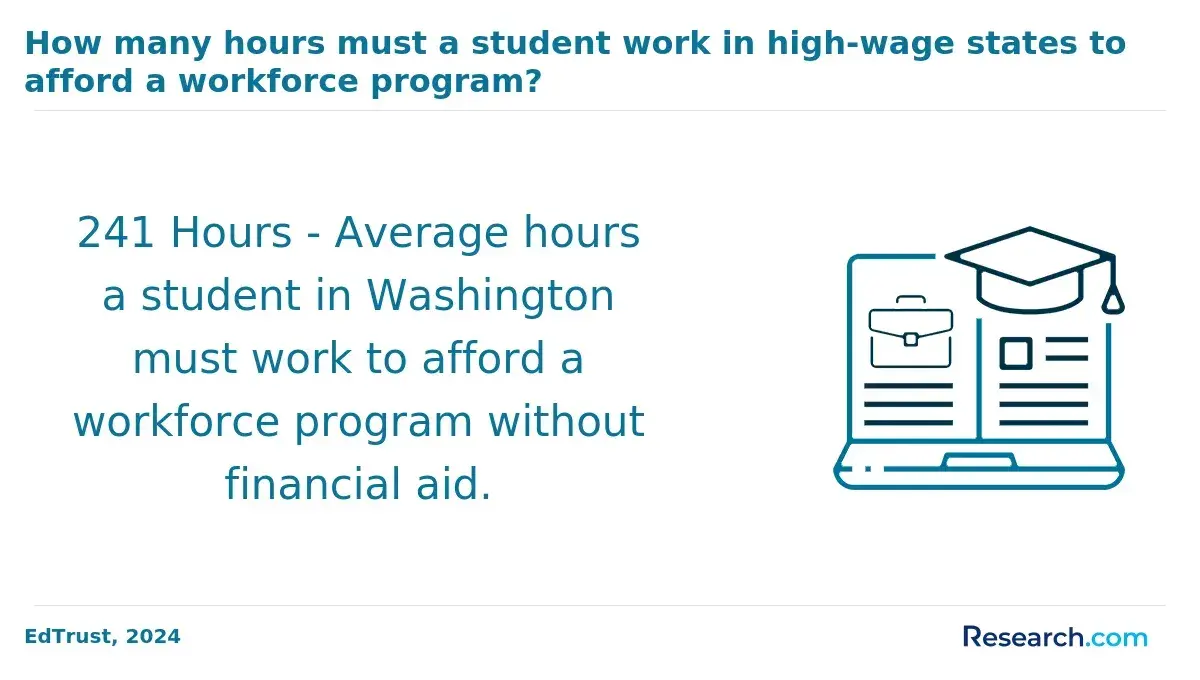
Analyzing tuition costs alongside journalism salary growth exposes a widening gap that complicates financial decisions for students. While tuition at public four-year colleges has steadily increased by about 3% annually, private institutions often exceed this rate, with average yearly tuition nearing $40,000 in 2024.
Early-career journalism salaries, averaging roughly $42,000 according to the U.S. Bureau of Labor Statistics and the National Association of Colleges and Employers, have grown only about 2% per year over the last five years. This disparity means new graduates face rising educational debt that their modest wage increases struggle to offset, a dynamic invisible when each metric is considered in isolation.
For example, a student attending a private university today may accumulate over $150,000 in total costs including tuition and living expenses, whereas their anticipated starting salary offers limited room for comfortable loan repayment without significant financial strain. Factors such as geographic location, specialization within journalism, and years of experience can improve mid-career earnings to approximately $65,000 after a decade or more, but these gains often remain insufficient to neutralize the long-term cost burden unless accompanied by loan forgiveness or tuition reform.
Understanding how tuition inflation compares to salary trajectories helps prospective students weigh the real economic tradeoffs and tailor strategies based on their individual circumstances instead of relying on surface-level cost or salary figures alone.
One journalism graduate recalls hesitating before enrolling at an expensive private college, weighing the cost against the likelihood of earning a starting salary that felt "safe but not substantial." She chose her institution partly because of its strong internship connections, hoping to accelerate her career growth beyond typical early-career wages.
Yet, even with a modest salary increase after five years, she found that debt payments consistently required careful budgeting and delayed other financial goals, illustrating that the tuition-salary gap isn't just a statistic but a lived experience shaping career and lifestyle choices.
Does a Journalism Degree Deliver a Positive Return on Investment?
Return on investment (ROI) in higher education requires weighing the total cost of earning a journalism degree against the long-term financial and professional benefits it can provide. Tuition for journalism programs has climbed significantly over the last decade, often surpassing general inflation, while entry-level salaries remain below average compared with other fields.
This disparity means early career earnings may not immediately justify the upfront expenses. For example, a graduate entering local news with a starting salary near $38,000 might find it challenging to recoup increasing tuition fees within the first few years, especially when considering student loan repayments and living costs.
However, the financial outlook shifts when considering mid-career trajectories and industry niches. Data from the National Center for Education Statistics and Bureau of Labor Statistics in 2024 show that mid-level journalists working in digital media, public relations, or specialized reporting can experience salary growth that outpaces inflation and tuition hikes.
Beyond salary, a journalism degree's value includes transferable skills like critical thinking and communication, which enhance adaptability across various sectors. Ultimately, factors such as geographic location, professional network development, and supplemental experience, like internships or digital skill acquisition, play crucial roles in determining whether a journalism degree yields a positive return.
The ROI of a journalism degree is not uniform and depends heavily on how individuals leverage their education over time. Students investing in programs with rising costs must weigh initial financial burdens against potential gains in dynamic media environments or related industries.
While early-stage financial returns often look modest, evidence suggests that long-term career growth and diversified skill application can substantially improve the overall return. Prospective students should critically assess how their personal goals, field specialization, and chosen markets align with both the economic and intangible benefits a journalism degree can offer.
Which Industries Offer the Highest Salaries for Journalism Graduates?
Salary trends for journalism graduates show substantial variation across industries, reflecting differing market demands and organizational priorities. Data from the U.S. Bureau of Labor Statistics and the Pew Research Center highlights that sectors like digital media and corporate communications generally provide the strongest earning potential.
These industries often combine journalistic expertise with specialized skills such as strategic messaging, content marketing, and regulatory knowledge, which enhances compensation prospects. For example, a journalism graduate working as a digital content strategist for a tech company may earn significantly more than a reporter at a regional newspaper.
Below are key industries that consistently offer higher salaries for journalism graduates based on the latest figures for journalism salary by industry in the U.S.
- Public Relations and Advertising: This sector leads in salary offers because it merges journalistic skills with corporate branding and marketing strategy. Roles such as communication directors and PR managers involve crafting compelling narratives for influential organizations, often backed by substantial marketing budgets, driving higher wages.
- Digital Media and Content Creation: The growth of online platforms fuels demand for multimedia journalists, social media managers, and digital strategists. These jobs require not just reporting skills but also proficiency in analytics and audience engagement, which translate into competitive pay.
- Corporate Communications: Industries like finance, healthcare, and technology prioritize clear, credible messaging to navigate complex information and regulatory environments. Journalists in these roles often receive higher base salaries and greater job stability compared to traditional newsrooms.
- Broadcast Journalism in Major Markets: Although traditional journalism salaries are generally lower, broadcast journalists in large metropolitan areas can earn more due to greater advertising revenue and audience size. This creates pockets of higher earning potential within a generally modest-paying sector.
- Specialized Industry Reporting: Journalists focusing on areas such as finance, legal affairs, or science often command better pay due to the advanced knowledge required and the value of accurate, expert communication in these fields.
- Public Sector and Government Communication: Government agencies hire communicators with journalism backgrounds to manage public information campaigns, a field that offers competitive wages tied to expertise in public policy and transparency.
- Nonprofit and Advocacy Communications: Senior communication roles at large nonprofits can offer lucrative salaries, leveraging journalistic storytelling to influence public opinion and policy priorities.
According to the 2024 data, public relations specialists and digital content managers tend to top the chart for highest earnings among journalism-related occupations. Prospective students should weigh such sector-specific salary differentials carefully when exploring the ROI of a journalism degree.
For those exploring alternative education paths or considering degree programs closer to these high-growth communications roles, resources like construction management degree programs may offer valuable comparisons in terms of career outcomes and salary expectations.
Which States and Cities Offer the Highest Pay for Journalism Professionals?
Earnings for journalism professionals vary significantly depending on geographic market dynamics, with higher wages generally concentrated in large cities boasting diverse media ecosystems.
However, stronger salaries often coincide with higher living costs, forcing recent graduates and job seekers to weigh income against affordability. The challenge lies in assessing whether generous pay scales genuinely compensate for the often steep expenses associated with premier media hubs.
Below are key states and metro areas where journalism salaries are most competitive, alongside considerations for cost of living, industry presence, and long-term financial viability.
- California: Median annual wages for journalism roles surpass $75,000, driven by robust media sectors in Los Angeles, San Francisco, and other urban centers. The state's competitive landscape supports diverse media outlets, from entertainment news to tech reporting, but high housing costs and living expenses reduce net income potential.
- New York City: Journalists here commonly earn over $80,000, reflecting the city's status as a global media nexus with major networks, publishing houses, and digital platforms. While opportunity density is unmatched, soaring rents and overall expenses necessitate careful budgeting to ensure salary gains translate into real financial security.
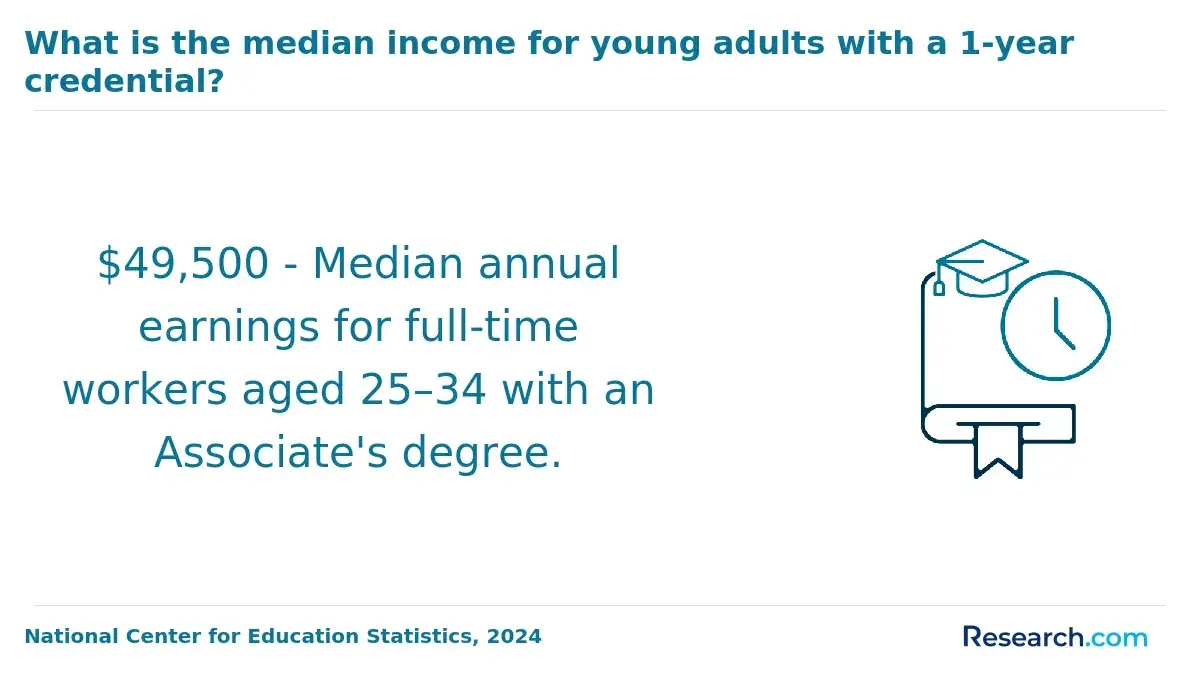
- Washington, D.C.: With median journalism pay near $70,000, the presence of national news outlets, political reporting, and think tanks fuels demand. Yet, the cost of living remains high, requiring graduates to evaluate whether local wages cover essentials alongside student loan obligations.
- Seattle: Reflecting its prominence in tech and political journalism, Seattle offers salaries comparable to D.C., around $70,000 median. The city's thriving digital media scene supports steady employment but similarly steep real estate costs temper disposable income.
- Texas: Moderate journalism salaries in cities like Houston and Dallas come with comparatively lower living expenses. This balance can favor recent graduates aiming to manage debt while gaining experience, although the fewer high-profile media headquarters limit rapid salary growth over time.
- Florida: Media markets here provide entry points with reasonable pay scaled to local costs. While salaries are lower than in major coastal hubs, lower expenses can create healthier financial margins for new journalists handling rising tuition-related debt.
How Do Journalism Salaries Grow Throughout a Career?
Entry-level journalism salaries typically start modestly, often around $40,000 to $45,000 annually, reflecting the competitive demand for roles like interns and junior reporters. As professionals gain experience over five to ten years, median salaries tend to rise to between $55,000 and $70,000, influenced by specialization and employer type.
Data from the U.S. Bureau of Labor Statistics 2024 highlights how journalists who develop expertise in areas such as digital media or investigative reporting may secure a salary edge due to growing industry needs. However, this growth can be gradual and is often shaped by geographic location and the size of the media outlet, making career choices critical to financial advancement.
Beyond a decade in the field, journalists who transition into senior editorial or managerial positions can see salaries climb well above $80,000, with top-tier professionals in major markets earning upwards of $100,000 annually. Yet, two graduates with identical degrees might follow vastly different paths; one might focus on building digital multimedia skills and networking within national outlets, accelerating their earnings, while another might remain in local reporting roles with slower salary increases.
Long-term financial growth in journalism typically hinges on strategic skill development, adaptability to new media trends, and stepping into leadership roles, which command premium compensation as reflected in recent reports from the Journalism Education Association.
One journalism graduate recalls hesitating before accepting a regional editor role that required developing digital strategy skills. Initially uncertain about pivoting away from traditional reporting, the urgency to boost stagnant earnings amid rising living costs nudged this choice.
Over several years, the decision to embrace multimedia leadership elevated the graduate's salary beyond early expectations, illustrating how adaptability and skill diversification can be pivotal in overcoming the profession's challenging entry-level compensation plateau.
How Do Journalism Salaries Compare With Similar Degrees?
When evaluating journalism salary comparison with related degrees, it's clear that journalism wages generally lag behind those of fields like communications, media studies, and public relations. This is particularly relevant for students weighing tuition costs against potential earnings amid persistent inflation.
Realistically, a journalism graduate entering the workforce might expect a median salary near $49,000 according to the U.S. Bureau of Labor Statistics data from early 2024. In practical terms, this means journalism majors often need to consider possible supplemental skills or dual competencies to improve financial outcomes over time.
Here is a concise comparison with similar degree programs:
- Communications: Median salaries for communications graduates typically hover around $54,000, higher than journalism. Careers in corporate communications, marketing, and organizational outreach benefit from broader applicability and often faster salary growth, driven by demand for strategic messaging skills.
- Public Relations: These specialists report median wages near $62,000, reflecting a strong market need in both nonprofit and corporate sectors for reputation management and strategic communication. The specialized skill set in PR results in higher long-term earning potential than journalism.
- Media Studies: Graduates with media studies expertise often leverage digital content creation and analytics skills, leading to slightly better pay prospects than journalistic roles. The growing importance of digital platforms increases demand for technical proficiency in this field.
- Journalism: While offering competitive entry-level wages, journalism's long-term salary growth tends to be slower than related degrees due to its specialized focus on reporting and storytelling. Graduates often balance these financial realities with intrinsic value from the degree's emphasis on critical thinking and ethical reporting.
Students and career changers should also explore options such as online clinical psychology programs or related interdisciplinary fields to diversify skills and increase earning potential in an evolving job market.
How Is Employer Demand Affecting Journalism Salary Trends?
Employer demand significantly shapes journalism salary trends by affecting competition for skilled candidates and influencing organizational hiring and pay strategies. For example, a digital news outlet expanding its multimedia coverage may offer higher salaries to journalists proficient in data visualization and social media management to attract talent that fits its evolving needs.
According to the U.S. Bureau of Labor Statistics, while overall job growth for journalism roles is moderate, demand varies widely, from declines in traditional print positions to gains in digital journalism niches, resulting in uneven wage growth across the field. This dynamic illustrates that professionals with specialized tech skills often earn better salaries, reflecting employers' prioritization of adaptability amid shifting media landscapes.
Major factors shaping employer demand include changes in media consumption habits, the rise of online platforms, and the economic pressures faced by news organizations. Although strong employer demand tends to support faster wage growth, salaries remain influenced by experience level, specialty area, broader economic conditions, and institutional budget constraints.
For recent graduates and career changers considering journalism, it is critical to weigh these realities against rising tuition and inflation that challenge the return on investment of a degree. Exploring alternatives such as introvert jobs with steadier salary trajectories may also be prudent when evaluating long-term financial outcomes.
Employer demand impact on journalism salaries often creates wage disparities within the profession, rewarding those who continuously adapt to new digital competencies. Journalism job market trends and wages reveal that entry-level salaries can remain stagnant despite increased responsibilities, signaling that credential holders must strategically develop in-demand skills to enhance earning potential and navigate a complex job market that values versatility as much as foundational reporting expertise.
How Can Students Maximize Their Lifetime Earnings With a Journalism Degree?
Maximizing lifetime earnings with a journalism degree requires focused strategies beyond the classroom. Data from the U.S. Bureau of Labor Statistics and recent industry analyses emphasize that broad skills combined with specialization and strategic positioning yield the best financial outcomes. For example, a graduate who develops expertise in technology reporting and gains digital media skills may transition into multimedia roles commanding higher pay over time.
The following strategies represent actionable approaches grounded in 2024 data to help students enhance salary prospects throughout their careers.
- Specialization Focus: Choosing high-demand beats such as business, technology, or health reporting allows journalists to build expertise that employers value, resulting in higher salaries and more senior opportunities over time.
- Digital Skillset: Acquiring multimedia and data analysis skills, including video production and social media management, broadens career options and aligns with the evolving media landscape's demand for versatile professionals.
- Geographic Mobility: Targeting metropolitan areas or national outlets provides access to higher-paying roles. Students should pursue internships in major markets to build relevant experience and networks early.
- Continuous Education: Pursuing advanced degrees or professional certifications improves income stability and opens leadership or specialized roles, reinforcing long-term financial growth.
- Cross-Industry Experience: Leveraging journalism skills in public relations, corporate communications, or content strategy creates diversified income sources, supporting financial resilience and higher lifetime earnings.
- Networking Internships: Engaging with prestigious media organizations through internships enhances early-career placement, increasing the likelihood of accessing lucrative positions sooner.
- Portfolio Development: Building a diverse and strong portfolio demonstrates versatility, which is crucial for upward mobility and negotiating better compensation throughout one's career.
References
- FREOPP.org's College ROI Tool https://oaprep.com/roi/
- What Can You Do with a Journalism Degree? (2026) | Extern https://www.extern.com/post/what-can-you-do-with-a-journalism-degree-guide
- What can colleges learn from degrees awarded in the fast-shrinking journalism field? https://www.highereddive.com/news/bachelors-masters-journalism-degree-outcomes-roi/638219/
- Has pay kept up with inflation? - The Hamilton Project https://www.hamiltonproject.org/data/has-pay-kept-up-with-inflation/
- How high tuition costs and low salaries lead to painful student debt for some journalists https://digiday.com/media/how-high-tuitions-costs-and-low-salaries-lead-to-painful-student-debt-for-some-journalists/
- Does College Pay Off? A Comprehensive Return On Investment Analysis - FREOPP https://freopp.org/whitepapers/does-college-pay-off-a-comprehensive-return-on-investment-analysis/
- Are wages keeping up with inflation? | USAFacts https://usafacts.org/answers/are-wages-keeping-up-with-inflation/country/united-states/
- Journalist Career Profile | Salary, Prospects and more | Uni Compare https://universitycompare.com/guides/career/journalist
- Is College Worth it? | Return on Investment Analysis of College Degree https://educationdata.org/college-degree-roi
Other Things You Should Know About Journalism Salary Trends
Journalism offers diverse career trajectories-from traditional reporting and editing to digital content creation and media strategy-which creates uneven wage growth across roles. Stability in earnings typically favors those who adapt to emerging platforms and develop multimedia skills, while specialists in shrinking legacy media often face stagnant or declining pay. Prospective journalists should prioritize versatile skill sets and networking to buffer against salary volatility tied to industry disruption.
Unpaid internships remain common in journalism, often seen as gateways to paid positions, but they impose immediate financial strain and can delay independence. Those without strong financial backing risk accumulating debt without guaranteed returns, signaling the need to critically evaluate internship quality and alignment with long-term goals. Prioritizing paid or stipend-supported opportunities may yield better practical experience and lessen economic vulnerability during early career stages.
Part-time and freelance journalism offers flexibility but frequently results in inconsistent income and limited benefits, complicating long-term financial planning. While freelancing can supplement earnings and build diverse portfolios, overreliance may hinder stable wage progression and access to employer-sponsored benefits like healthcare or retirement. Candidates should weigh the immediate cash flow relief against potential gaps in security and career advancement tied to full-time employment.
Geographic mobility often unlocks access to higher-paying markets but comes with tradeoffs such as increased living costs and personal disruption. Journalists willing to relocate to major media hubs can leverage stronger wage offers, though net gains may diminish if living expenses rise sharply. Decision-makers must balance these variables and consider remote work trends, which might offer competitive salaries without moving, depending on the employer and role.