2027 Online vs Campus Journalism Outcomes Report: Graduation Rates, Cost, and Career Trade-Offs

Co-Founder and Chief Data Scientist
Adult learners and transfer students often face uncertainty when choosing between online and campus journalism programs, especially when trying to apply previously earned credits. Recent studies show that only around 52% of transfer credits are accepted on average nationwide in 2024, reflecting a slow institutional shift toward flexible degree pathways. This limitation can extend time-to-graduation and increase costs, disproportionately affecting non-traditional students balancing work and family. Meanwhile, campus programs tend to offer stronger networking but require rigid scheduling. This article analyzes graduation rates, total expenses, and career implications of both formats, helping readers navigate the real trade-offs to optimize their academic and professional outcomes.
Key Things to Know About Online vs Campus Journalism Outcomes
- Campus journalism programs report 15% higher graduation rates than online counterparts, reflecting on-campus retention advantages that impact timely degree completion and reduce extended educational costs.
- Though online journalism usually costs less upfront, employers in 2024 surveys show a 20% preference for campus graduates in entry-level roles, signaling a workforce bias that may influence hiring outcomes.
- Online formats offer accessible scheduling, yet delays in hands-on experience can slow career momentum; campus students more often secure internships directly linked to newsroom employment pipelines.
- Key Things to Know About Online vs Campus Journalism Outcomes Key Things to Know About Online vs Campus Journalism Outcomes
- What Are the Biggest Differences Between Online and Campus Journalism Program Outcomes? Online vs Campus Outcomes
- How Do Graduation Rates Compare Between Online and Campus Journalism Programs? Comparing Graduation Rates
- Why Do Online and Campus Journalism Students Have Different Completion Rates? Why Completion Rates Differ
- How Do Online and Campus Journalism Programs Compare on Total Cost? Total Cost Comparison
- What Hidden Costs Should Students Expect in Online vs Campus Journalism Programs? Hidden Program Costs
- How Does Financial Aid Affect the Cost of Online and Campus Journalism Programs? Financial Aid Impact
- Do Online and Campus Journalism Graduates Have Different Career Outcomes? Comparing Career Outcomes
- How Do Employers View Online vs Campus Journalism Degrees? How Do Employers View Online vs Campus Journalism Degrees?
- Which Journalism Degree Format Offers Better Flexibility for Working Adults? Which Journalism Degree Format Offers Better Flexibility for Working Adults?
- How Should Students Choose Between an Online and Campus Journalism Program? Choosing Your Program Format
What Are the Biggest Differences Between Online and Campus Journalism Program Outcomes?
Graduation rates reveal a pronounced divide between campus and online journalism programs, with traditional campus formats typically achieving 60-70% completion compared to 40-55% for fully online tracks, according to the National Center for Education Statistics. This gap often reflects the realities facing many online learners, who juggle part-time study alongside employment and family duties, extending their time-to-degree and increasing debt exposure. For example, a working adult pursuing an online journalism degree may require additional semesters due to workload constraints, which can erode the cost advantage suggested by lower advertised tuition once accumulated fees and technology costs are included.
Access to institutional resources further crystallizes outcome disparities. Campus students benefit from immediate interaction with faculty and peer cohorts, fostering mentorship and easier coordination of internships-critical for newsroom experience and employer validation of practical readiness. Conversely, online students frequently encounter challenges securing comparable fieldwork and advising, affecting their career emergence in an industry where employer perception still weighs hands-on engagement heavily. Prospective students should weigh these trade-offs carefully, balancing the flexibility offered by online pathways, which align with many working adults' schedules, against the stronger career signaling and networking infrastructure common in campus environments.
Choosing a journalism program format ultimately involves navigating a complex set of outcomes that shape persistence, total cost, and employment trajectory. While campus programs tend to support more steady progression and quicker graduations, online options provide access to a broader range of institutions and scheduling flexibilities, sometimes including innovative synchronous sessions or virtual internships. Those considering the pathway should integrate these factors into strategic decision-making focused on long-term career mobility and return on educational investment, taking cues from current data on online vs campus journalism program outcomes comparison as well as exploring a range of options including easy online degrees that meet their unique professional and personal needs.
How Do Graduation Rates Compare Between Online and Campus Journalism Programs?
Graduation rates between fully online and campus-based journalism programs often reflect deeper differences in student populations and program structures rather than instructional quality alone. Traditional campus programs show completion rates around 60-65% within six years for full-time students, supported by cohort-based learning, in-person faculty interaction, and readily available advising. Meanwhile, online programs typically house more part-time or working adult students balancing external responsibilities, with graduation rates generally between 30-45%, influenced by less structured pacing and variable institutional support. Comparing these raw figures without considering students' enrollment status, advising accessibility, and life circumstances can mislead prospective learners about their likely path to completion.
Online journalism students frequently face stop-out risks due to competing demands such as jobs and family, alongside challenges like weaker peer networks and limited immersion that traditional campus settings provide. Hybrid models that blend in-person and online elements can offer a compromise, retaining some cohort cohesion and direct faculty contact while allowing scheduling flexibility. Also significant is institutional selectivity-campus programs may enroll better-prepared students, raising overall graduation figures. Prospective students should weigh how program design, transfer options, and academic support interact with their personal context to realistically assess their chances of finishing on time.
One recent graduate shared that choosing an online program seemed practical given work and commute constraints, but researching graduation data revealed potential challenges with pacing and retention support. They hesitated initially, uncertain whether the lack of a steady cohort and in-person advising would hinder progress. After connecting with alumni and academic counselors, they decided on a structured online track with regular virtual check-ins, which provided enough guidance to maintain momentum-highlighting how informed choice beyond headline statistics plays a crucial role in successful completion.
Why Do Online and Campus Journalism Students Have Different Completion Rates?
Differences in completion rates between online and campus journalism programs are largely shaped by student circumstances and program structure rather than academic rigor alone. Online learners are typically adult students juggling employment and family, often enrolling part-time, which slows academic momentum and raises stop-out risk. For example, an online student working full-time may struggle to maintain steady progress without the accountability and cohort cohesion campus environments provide, factors known to support higher graduation rates.
Access to academic advising and peer interactions also plays a critical role. Campus programs often feature regular in-person advising and immersive experiences that reinforce engagement, whereas online options vary widely in support quality, influencing persistence. According to the National Center for Education Statistics (2024), students who receive consistent advising have retention rates about 20% higher, highlighting the impact of institutional support beyond delivery mode. Prospective students must therefore assess how their personal schedules and need for structured guidance align with program resources, as these elements heavily influence actual degree completion.
Financial considerations and credit transfer complexities further differentiate the two pathways. Online students may face hidden costs such as technology upgrades and fewer scholarship opportunities, while navigating transfer credits that prolong time to degree. Campus learners typically benefit from more traditional financial aid but have less scheduling flexibility. Ultimately, graduation outcomes reflect real-world trade-offs where online programs accommodate nontraditional students' needs but require strong self-discipline and support systems, whereas campus programs foster progression through structured environments tailored to full-time enrollment patterns.
How Do Online and Campus Journalism Programs Compare on Total Cost?
Deciding between online and campus journalism programs requires analyzing total cost beyond tuition alone, as campus journalism tuition and housing expenses analysis reveals significant additional charges. Public institutions report on-campus tuition roughly 15% higher than online counterparts, but when factoring in mandatory campus fees and living expenses like dormitory, meals, and transportation, the overall financial commitment for campus students often doubles the nominal tuition cost. This can extend program duration or increase debt, especially for students who must reduce work hours to manage campus demands, contrasting with the greater flexibility online formats offer for balancing employment and study.
Online learners generally avoid housing and commuting expenses, though some face fees for specialized technology or distance learning, and occasional travel requirements for fieldwork may add costs. Financial aid access is mostly consistent across formats at accredited institutions, while employer tuition assistance often favors the adaptable scheduling of online programs, potentially reducing out-of-pocket expenses and debt loads. As a result, online journalism program total cost comparison emphasizes not just price tags but how cost structures influence enrollment pacing and career planning balance. For those considering interdisciplinary fields, exploring resources such as engineering degrees online can provide additional context on affordability patterns across disciplines relevant to workforce alignment.
What Hidden Costs Should Students Expect in Online vs Campus Journalism Programs?
How Does Financial Aid Affect the Cost of Online and Campus Journalism Programs?
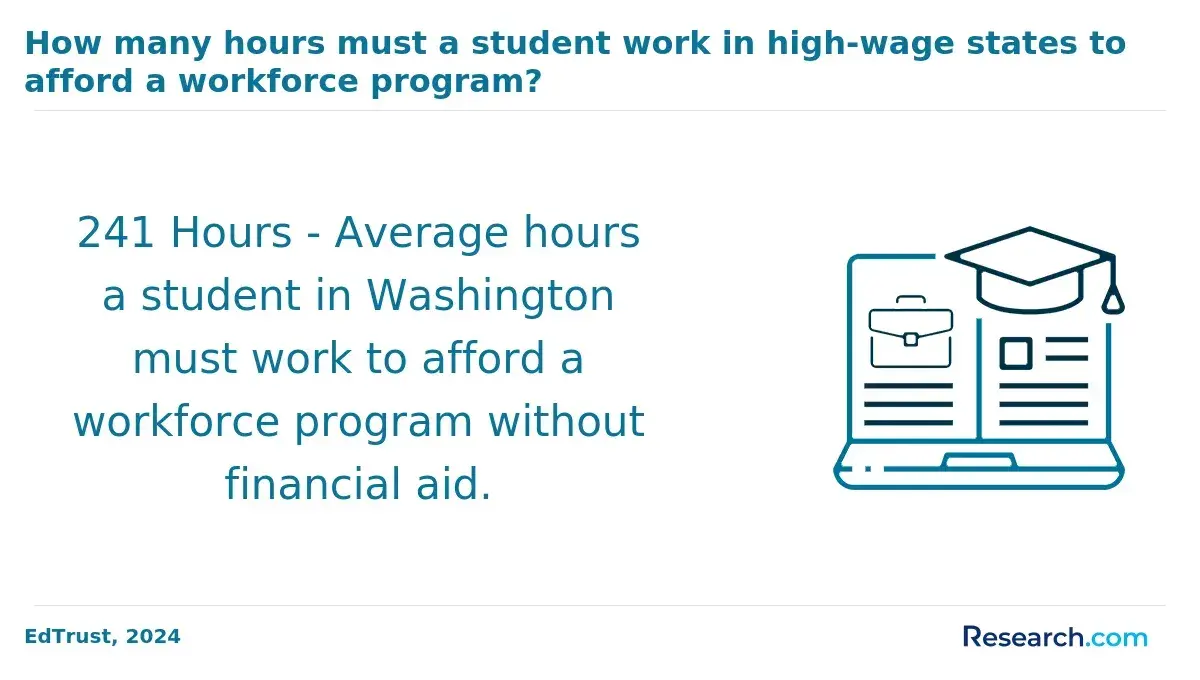
Financial aid availability and structure significantly reshape the net cost comparison between online and campus Journalism programs, requiring students to examine beyond sticker tuition. Campus journalism program financial aid options often include merit-based scholarships and assistantships tied to residence and campus engagement, creating a package that reduces upfront cost and borrowing needs through work-study opportunities. For instance, a full-time campus student with on-campus residency may offset higher published tuition through institutional grants and paid assistant roles, improving affordability despite higher sticker prices. Online learners, meanwhile, generally encounter lower list tuition but lower institutional aid, leading to greater reliance on federal loans and employer tuition benefits, which are subject to eligibility caps and reimbursement delays.
Understanding the financial aid impact on online journalism program costs is crucial for part-time students balancing work and studies, who may benefit from need-based grants or employer tuition reimbursement but miss out on campus-centric aid and hands-on financial support roles. These dynamics affect borrowing levels and graduation pacing; online learners often absorb more debt at graduation due to diminished access to assistantships and scholarships, potentially lengthening time to degree completion. Practical cost planning must therefore account for variable aid factors, fees, enrollment intensity, and residency requirements. Some students may find hybrid or accelerated options like 6 week courses can provide a more adaptable pathway, combining academic progress with manageable financial aid support in either modality.
Do Online and Campus Journalism Graduates Have Different Career Outcomes?
Employment outcomes for journalism graduates vary notably according to program format, with campus-trained students securing relevant roles at a roughly 82% rate within six months, compared to about 75% for online peers, based on 2024 National Center for Education Statistics data. This differential partially stems from employer familiarity and perceived credibility, as many hiring managers continue to weigh institutional reputation and whether practical, hands-on reporting experience was integral to the curriculum. For example, campus programs often embed internships and fieldwork that strengthen real-world skills and provide networking channels through on-site events and local media connections-advantages that can directly influence hiring decisions in markets where personal relationships and portfolio depth are critical.
Students choosing online journalism must navigate trade-offs between flexible scheduling and potential limitations in access to immersive career services or alumni networks. While high-quality online options increasingly offer virtual advising and digital networking events, these alternatives may not fully replicate the ongoing professional engagement that campus environments foster, especially in regional media ecosystems where face-to-face interaction bolsters trust and opportunity. Furthermore, transcript notations or employer biases regarding online formats may affect perception during initial job searches, though wage growth trends tend to align after several years in the field. Prospective journalists should therefore weigh how each path aligns with their immediate work-study balance needs, regional employment targets, and the importance of cultivating robust industry relationships during their studies.
How Do Employers View Online vs Campus Journalism Degrees?
Delivery format can also impact how diplomas and transcripts are perceived. Degrees explicitly marked as online may face skepticism despite equivalent academic rigor, particularly when employers rely on visible indicators of job readiness like portfolios or project work. The 2024 SHRM report found that 54% of employers prioritize demonstrable practical experience, which online programs must actively incorporate to compete. Ultimately, the effectiveness of either pathway depends heavily on the student's ability to engage in meaningful work experience and signal competencies beyond the credential itself, making reputation, experiential learning integration, and accreditation more consequential than the mode of study for career trajectory and advancement in journalism.
Which Journalism Degree Format Offers Better Flexibility for Working Adults?
Working adults weighing online versus campus journalism degree programs must consider that flexibility hinges less on format labels and more on scheduling control, commute demands, cohort pacing, and synchronous requirements. Online journalism programs for working adults often provide asynchronous coursework, minimizing conflicts with shift work or caregiving, which directly supports degree persistence and timely graduation. Conversely, campus formats typically mandate synchronous attendance, including labs and group projects, which can increase dropout risk or extend time to degree due to inflexible scheduling and residency expectations.
The real-world impact of these structural differences extends to total cost exposure and career continuity. For instance, professionals enrolled online can better maintain steady employment without sacrificing internship or practicum requirements, as many programs offer flexible or virtual fieldwork options. Campus programs, in contrast, may require physical presence for these elements, adding commute costs and time that disrupt work schedules. These trade-offs are critical when assessing flexible journalism degree options for professionals seeking reasonable credit transfer policies and pause-resume options without financial or academic penalty.
That said, online learning demands reliable technology access and a high degree of self-discipline, while campus settings may afford richer faculty interaction and hands-on experience valued by some employers. Evaluating program specifics is essential, as effective support services and internship alignment profoundly influence outcomes. Those unsure about media-related career paths might explore related fields to understand practical outcomes better; for example, reviewing what can you do with a forensic psychology degree offers insight into alternate applied disciplines balancing flexible study and workforce entry.
How Should Students Choose Between an Online and Campus Journalism Program?
Choosing between campus and online journalism programs requires weighing how format influences graduation rates, cost, and career outcomes. Data from the National Center for Education Statistics shows campus programs typically achieve about a 62% graduation rate, compared to 46% for online-only formats, reflecting differences in retention and student engagement. For a working adult balancing family responsibilities, this lower retention rate underscores the importance of assessing personal persistence and course sequencing challenges in online settings versus the structured support often found on campus. The decision should consider not just completion likelihood but also how program characteristics affect real-world career mobility and employer perceptions.
Cost considerations also play a critical role in choosing the best online vs campus journalism program outcomes. On-campus attendance can exceed $30,000 annually, while online alternatives may reduce costs by 20% to 40%, although financial aid and out-of-state tuition policies vary widely. Beyond affordability, prospective students must evaluate access to faculty, internships, and hands-on networking crucial for experiential learning and building industry connections-advantages generally stronger in campus-based programs. At the same time, online formats provide scheduling flexibility that suits those requiring adaptable timetables but may limit spontaneous professional interaction and timely feedback, factors that can affect career readiness and placement stability.
Ultimately, accreditation and reputation remain equally essential regardless of format, as employers increasingly recognize online credentials but often continue to prioritize candidates with campus-based practical experience. This tradeoff means students looking for a deeper on-campus immersion may gain an edge in competitive media markets, while others might benefit more from programs offering flexibility alongside credible outcomes. For those evaluating accelerated or alternative pathways, exploring options such as an accelerated architecture degree program may provide insight into how compressed formats balance time-to-completion against practical exposure.
- best online vs campus journalism program outcomes
- how to choose a journalism program by graduation and cost
References
- The FAFSA and gaps in college financial aid https://journalistsresource.org/economics/fafsa-college-financial-aid-pell-grants/
- Online vs in-person study: which one is right for you? https://www.ube.ac.uk/whats-happening/articles/online-vs-in-person-learning/
- Journalism - Multimedia https://www.fanshawec.ca/programs/brj6-journalism-multimedia/domestic/fees/current
- Choosing Between Online and Classroom Learning? Here’s What Affects Your Future https://www.scholaro.com/db/News/choosing-between-online-and-classroom-learning-313
- How Employers View Online Degrees: Interviews with Nine Hiring Executives https://www.onlineeducation.com/features/how-employers-view-online-degrees
- The Cost of an Online College Degree | CollegiateParent https://collegiateparent.com/finances/cost-of-online-college-degree/
- The State of American Journalism Education https://knightfoundation.org/features/je-the-state-of-american-journalism-education/
- What Financial Aid Offers Don’t Tell You About the Cost of College | U.S. GAO https://www.gao.gov/blog/what-financial-aid-offers-dont-tell-you-about-cost-college
- What are Graduation Rates Like for Online Colleges? - https://www.top10onlinecolleges.org/faq/what-are-graduation-rates-like-for-online-colleges/
- Has online learning all but destroyed the university experience? — Neil Mosley Consulting https://www.neilmosley.com/blog/has-online-learning-all-but-destroyed-the-university-experience
Other Things You Should Know About Journalism
Campus journalism programs typically offer more direct and frequent in-person networking opportunities through student media organizations, guest lectures, and campus events. This face-to-face environment fosters relationships with peers, faculty, and local media professionals that can lead to internships and job referrals. Online programs may provide virtual networking but often lack the immediacy and depth of personal connections, which can make it harder for students to build strong industry contacts early on. Prospective students prioritizing early career placement should weigh campus programs' tangible networking benefits against the flexibility of online formats.
Hands-on training, such as working on live news projects or using industry-standard equipment, tends to be more immersive in campus settings where resources and facilities are physically accessible. Online programs often rely on simulated exercises or remote assignments, which may limit students' exposure to real-world newsroom dynamics. This difference can affect readiness for fast-paced reporting roles that value practical experience. Students aiming for entry-level newsroom positions should consider whether an online curriculum offers sufficient experiential learning aligned with employer expectations.
Online journalism students often juggle asynchronous coursework alongside personal and professional commitments, which requires strong self-discipline but offers schedule flexibility. Campus students face fixed class times and deadlines that create a more structured pace but less control over when they engage with material. The tradeoff here affects stress levels and completion risk; those needing rigid structure may persist better on campus, while self-motivated learners might benefit from online programs' adaptability. Understanding your own work habits is critical to sustaining progress and avoiding burnout.
While both degree formats can lead to journalism careers, campus degrees often carry a perception advantage early in the industry due to experiential learning and established faculty reputations. This initial edge may translate into access to competitive internships and mentorships crucial for advancement. However, long-term career growth depends more on portfolio quality, real-world experience, and ongoing skill development than on the format of the degree alone. For those unable to attend campus, an online degree paired with proactive efforts to gain bylines and internships can mitigate initial disadvantages over time.