2027 Journalism Affordability by State: Where Students Pay the Most and Least

Co-Founder and Chief Data Scientist
Choosing between an in-state journalism program costing $8,000 annually and an out-of-state option exceeding $25,000 can transform a student's financial outlook and future debt load. Recent 2024 data reveal that average out-of-state tuition surpasses in-state rates by over 150% nationwide, forcing prospective journalism students to balance sticker prices against potential living expenses and state-specific financial aid. This often drives enrollment shifts and borrowing trends, underscoring how state policies and institutional funding shape access to affordable education.
This article examines which states offer the most and least affordable pathways for journalism students, guiding essential cost-benefit decisions.
Key Things to Know About Journalism Affordability by State
- States with low in-state tuition often pair higher living costs, offsetting nominal savings; this tradeoff pressures students to weigh total affordability rather than headline prices when selecting programs.
- Employer demand for regionally experienced journalism graduates means out-of-state students face longer career ramp-up times if attending less familiar markets, impacting early professional networking.
- Rising online program tuition since 2022 reduces access advantages, compelling cost-conscious students to evaluate timing and modality tradeoffs amid fluctuating state funding and scholarship availability.
- Key Things to Know About Journalism Affordability by State Key Things to Know About Journalism Affordability by State
- Which States Have the Most Affordable Journalism Degree Programs? Most Affordable State Programs
- Which States Have the Highest Journalism Degree Costs? Highest State Tuition Costs
- How Much Does a Journalism Degree Cost by State? Degree Costs by State
- Why Does Journalism Affordability Vary So Much Between States? State Affordability Variations
- How Do In-State and Out-of-State Tuition Rates Affect Journalism Affordability? In-State vs. Out-of-State Rates
- How Does the Cost of Living Impact Overall Journalism Affordability by State? Living Costs and Affordability
- Which States Offer the Best Value for a Journalism Degree? Best Value State Degrees
- What Financial Aid and Scholarship Opportunities Can Reduce Journalism Costs? What Financial Aid and Scholarship Opportunities Can Reduce Journalism Costs?
- Are Online Journalism Degree Programs More Affordable Than On-Campus Options? Are Online Journalism Degree Programs More Affordable Than On-Campus Options?
- Is a Journalism Degree Worth the Cost Based on Career Outcomes and ROI? Degree ROI and Outcomes
Which States Have the Most Affordable Journalism Degree Programs?
State-level variation in tuition and public funding fundamentally shapes access to affordable journalism degree programs, often creating stark contrasts in educational cost for students depending on their residency. States like Wyoming and Utah maintain lower tuition rates through dedicated public investment and policies that favor in-state students, where average annual costs can be nearly half the national average.
For a budget-conscious student weighing options, choosing a degree within these states may significantly reduce debt burden, though tradeoffs include limited institutional choices and potentially fewer specialized resources compared to larger markets. These affordability differences critically influence not only enrollment decisions but also how students prioritize completion timelines and part-time study, especially when balancing the demands of living expenses in states with lower cost-of-living indices.
The availability of state-sponsored financial aid and merit scholarships in states with low-cost journalism schools in the United States compounds the advantages of in-state tuition but also requires prospective students to navigate varying eligibility criteria that can affect net price. Conversely, states without sustained public support see journalism programs with higher operational costs passed on to students, which often deters lower-income learners and narrows the pipeline feeding local media employers.
Understanding how these regional disparities intersect with institutional pricing strategies and residency policies can guide students toward programs that offer a practical balance between affordability and educational quality. For those exploring more flexible options or accelerated timelines, investigating online 1 year masters programs may provide additional cost-saving pathways without sacrificing career readiness.
Which States Have the Highest Journalism Degree Costs?
Higher journalism degree costs in certain states reflect more than just sticker prices; they often signal complex interactions among state funding policies, living expenses, and institutional makeup. States with significant metropolitan hubs and prestigious private universities tend to have higher overall costs driven by both inflated tuition and non-tuition living expenses like housing and transportation.
For example, in states where public universities receive less state support, students face steeper tuition increases, adding financial strain that may not align with the modest early-career salaries typical in journalism roles. These realities push students to weigh whether enrolling in higher-cost states justifies the investment or if alternatives like in-state public universities in lower-cost regions might better balance affordability with educational quality and career prospects.
A 2024 Integrated Postsecondary Education Data System report highlights that annual total costs at public institutions in some states can exceed $40,000, a figure that includes tuition, fees, and living expenses but can grow considerably at private institutions. This disparity means prospective journalism students often must consider tradeoffs such as relocating, qualifying for in-state tuition, or leveraging financial aid packages that vary widely by state and institution. The decision extends beyond tuition to the practical impacts on debt load, duration of study, and the ability to participate in low-paid internships, all of which shape the long-term return on investment of the degree.
One student, after comparing programs in California and Florida, was initially drawn to California's prestigious options but hesitated due to the hefty price difference and high living costs. Researching in-state versus out-of-state tuition, potential scholarships, and even online program options, the student felt torn between pursuing perceived program prestige and the practical limits of personal finances.
Ultimately, the student found that a Florida institution offered a more manageable financial path with sufficient program quality, illustrating how cost considerations tied to geography and funding structures directly influence choices in journalism education.
How Much Does a Journalism Degree Cost by State?
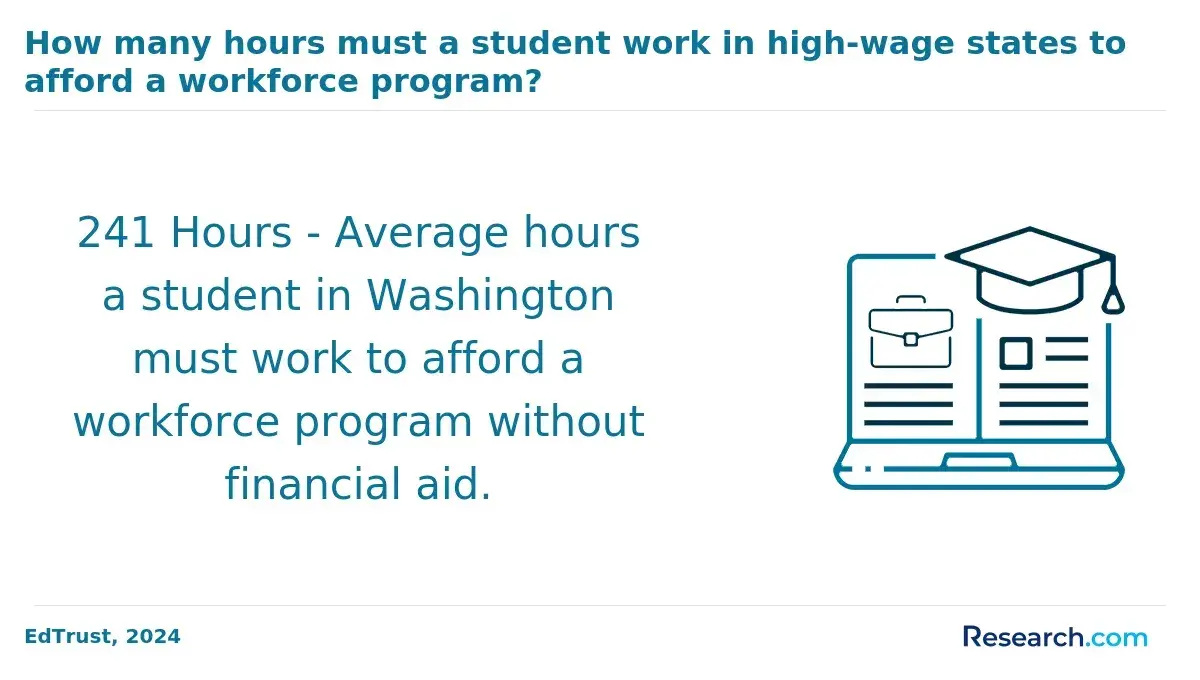
State-level variations in tuition and fees fundamentally reshape the financial landscape for journalism students, influencing where they may realistically pursue their degrees. Public universities offer the most pricing disparity, with in-state tuition ranging from about $7,000 annually in states like Florida to over $15,000 in places such as Massachusetts, according to 2024 data from the National Center for Education Statistics.
Out-of-state students often face steep premiums—sometimes paying two to three times the resident rate—which can make attending otherwise attractive programs prohibitively expensive unless relocating or online study options are considered. For example, a student from North Carolina enrolling out-of-state in a similar program elsewhere can encounter tuition costs exceeding $30,000, a differential with tangible implications for borrowing needs and postgraduate financial flexibility.
Besides tuition, regional differences in living costs further complicate budgeting decisions for journalism students. Programs located in higher-cost areas like the Northeast or West Coast not only charge more but also add a substantial overhead in housing and daily expenses, sometimes increasing total education costs by 20% or more. This compounds the challenge for students relying primarily on loans or modest financial aid, especially in states where public funding declines have driven up tuition without corresponding increases in scholarship availability.
Consequently, careful evaluation of institutional financing policies and local economic conditions is crucial, along with consideration of less traditional pathways such as in-state online degrees or hybrid formats that may alleviate cost pressures while maintaining access to reputable journalism education.
Why Does Journalism Affordability Vary So Much Between States?
Variations in state funding for public higher education significantly shape journalism degree cost differences by state, with richer appropriations often resulting in substantially lower in-state tuition. For instance, states like California and Texas, which allocate large budgets to public universities, offer more affordable journalism programs compared to states where funding is sparse, forcing institutions to pass costs to students through higher tuition and fees.
These align closely with state-specific residency policies, where generous in-state discounts can ease financial burdens for local students but create stark contrasts with out-of-state tuition, impacting enrollment decisions and driving some students toward online or out-of-state options. According to 2024 NCES data, average in-state tuition in well-funded states can be 40% lower than in states with limited public support, a critical consideration for budget-conscious learners planning their educational paths.
Local economic conditions and institutional strategies also influence affordability, especially as journalism programs located in high cost-of-living metros embed additional expenses into tuition and campus fees. Private schools, often with smaller cohorts, typically command higher prices yet may offer distinct aid packages, creating complexity for students weighing return on investment against outlays. Availability of state-level financial aid and scholarships further modifies net costs, shaping long-term educational planning and influencing transfer choices when students encounter unexpected expenses.
Comparing these factors alongside program quality remains essential for prospective students evaluating journalism education affordability across states. For those exploring alternatives or related fields, examining options like a psychology degree online cost illustrates how modality and state policy intersect to affect total cost and accessibility.
How Do In-State and Out-of-State Tuition Rates Affect Journalism Affordability?
Residency-based tuition significantly shapes the financial feasibility of pursuing a journalism degree, often steering students toward in-state public universities where average annual costs hover around $10,000 according to 2024 NCES data. This gap between in-state and out-of-state tuition, which can more than double the price, influences key decisions about where to enroll and whether to establish residency to access lower rates.
Students weighing out-of-state options must factor in not only the sticker price but also related expenses such as housing and travel, which generally compound the overall cost differential, and consider states' reciprocity agreements that may partially alleviate out-of-state fees. For some, online journalism programs provide a practical alternative by standardizing tuition regardless of location, although these programs vary in reputation and network opportunities, which also affect long-term career returns.
The interplay between local funding policies and financial aid further complicates affordability calculations, as private institutions often offset higher tuition with substantial aid packages, potentially narrowing the gap with public schools. Decision-making around tuition classification can also impact enrollment timing and geographic mobility; for example, a student relocating but unable to meet residency requirements may face unexpectedly steep expenses.
Consequently, securing residency or selecting programs with reciprocal tuition benefits can be decisive in balancing educational quality with manageable debt. This nuanced cost calculus requires students to look beyond sticker prices and consider total cost of attendance, program delivery mode, and institutional support structures relevant to their personal and professional goals.
One recent journalism graduate shared how relocating to a neighboring state delayed qualifying for in-state tuition for a full year, forcing them to pay out-of-state rates initially and significantly affecting their budget. They described feeling caught between prioritizing access to a preferred program and managing mounting expenses, which led to reevaluating online program options and eventually leveraging a state reciprocity agreement to reduce second-year costs.
This experience underscored how residency status and regional policies can unexpectedly shift affordability and prompted a more cautious approach to balancing educational ambitions with financial realities.
How Does the Cost of Living Impact Overall Journalism Affordability by State?
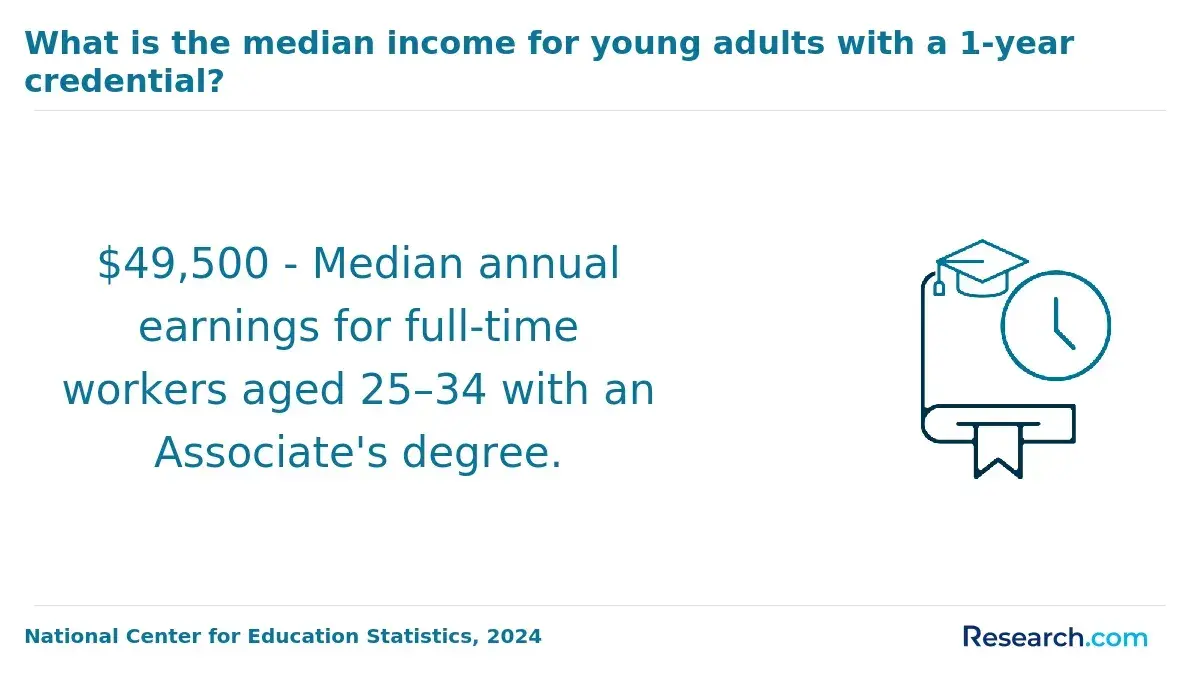
Housing costs often outweigh tuition in determining the true expense of earning a journalism degree, making state-to-state comparisons misleading without accounting for regional living expenses. For instance, a student in New York spending over $1,500 monthly on rent faces a financial burden far beyond tuition fees alone, while students in states like Oklahoma contend with rents under $700, substantially reducing total education costs.
This impacts decisions around where to enroll, whether to live on campus or commute, and the feasibility of part-time work to offset expenses. Such tradeoffs influence degree completion timelines and debt accumulation, underscoring the necessity of factoring in cost of living and journalism affordability by state when planning educational pathways.
Transportation and healthcare expenses further complicate these calculations. Students in sprawling metro areas with limited public transit may double or triple budget portions allocated to commuting relative to those in smaller towns, affecting monthly cash flow and time management for study and employment. Elevated healthcare premiums in some states compound these financial pressures, while metropolitan food prices add another layer of increased daily living expenses. These regional living expenses impact journalism education costs and can steer prospective students toward states or programs offering online learning options or more flexible course schedules to mitigate financial strain.
Given these nuances, evaluating journalism programs solely on tuition obscures practical affordability and career readiness implications. Students weighing options should consider how housing, transportation, and healthcare costs intersect with local wage conditions and financial aid availability. Those aiming to minimize debt and maintain academic focus might explore alternatives like jobs that only require a certificate, which can offer competitive employment opportunities without the overhead of full degree costs.
Which States Offer the Best Value for a Journalism Degree?
Evaluating the true value of a journalism degree across states requires more than comparing sticker tuition prices; it demands a close look at factors like in-state tuition eligibility, graduation rates, and the interplay of living expenses with regional media job markets. For example, Wyoming offers some of the lowest in-state tuition rates nationally, near $5,300 annually, paired with relatively strong six-year graduation rates over 65%, which can lead to less debt accumulation despite its smaller media landscape.
Conversely, states like California and New York may provide richer internship and networking opportunities but come with significantly higher tuition and living costs, often driving student debt above $30,000 and complicating post-graduation financial stability.
State policies on financial aid and residency heavily influence affordability; New Mexico's focus on scholarships for residents aiming to work locally helps retain talent while easing costs around $7,000 annually. North Carolina's moderately priced programs, averaging $9,000, balance cost against access to vibrant regional news markets in Raleigh and Charlotte, improving employment prospects post-graduation through established industry connections.
Students weighing where to study—whether relocating for lower tuition, enrolling online, or leveraging residency benefits—must consider how these variables combine with job market demand, as affordability alone fails to ensure a worthwhile return on investment without pathways to sustainable media employment.
What Financial Aid and Scholarship Opportunities Can Reduce Journalism Costs?
The net cost of earning a journalism degree varies sharply depending on access to federal, state, and institutional financial aid, revealing significant disparities in affordability across states. Approximately 38% of undergraduates in communication-related fields receive federal aid, predominantly Pell Grants, which directly reduce out-of-pocket expenses for low-income students.
However, relying solely on these grants can leave critical coverage gaps, pushing many to lean on student loans that may prolong financial burdens after graduation. Students weighing options should closely examine not only grant availability but also rules around residency requirements, application deadlines, and aid renewal conditions, as these factors can markedly influence cumulative cost and debt loads.
State-level grant programs and tuition reciprocity agreements can offer meaningful cost relief, especially in states like California and New York, where higher education funding supports larger awards and tuition waivers. Conversely, prospective students in states with inconsistent or limited aid face increased financial strain and fewer avenues for institutional scholarships, which often have variable eligibility criteria tied to enrollment intensity or specific journalism program standards.
For working students already in media roles, employer tuition benefits may supplement aid but remain an uncommon resource early in one's journalism career. Evaluating these layered and location-sensitive funding streams prior to enrollment is critical for managing long-term affordability and practical career planning.
Are Online Journalism Degree Programs More Affordable Than On-Campus Options?
Online journalism degree affordability comparison reveals that while tuition for online programs can be 15% to 40% lower than on-campus equivalents, this advantage often depends heavily on institutional policies and state residency rules. For instance, out-of-state fees or the lack of in-state reciprocity in some states can negate upfront tuition savings. Additionally, online students typically avoid substantial ancillary expenses like housing, transportation, and campus fees, but must budget for reliable technology and software, which may increase overall costs.
Accurately assessing cost differences between online and on-campus journalism programs requires attention to financial aid nuances and opportunity costs beyond tuition. Federal aid eligibility remains consistent, but some schools favor on-campus students with institutional aid that offsets living expenses, influencing net affordability.
Furthermore, hands-on learning, networking, and internship access—often stronger in campus settings—can affect employability and long-term earnings potential, complicating purely tuition-based comparisons. Budget-conscious students should weigh these tradeoffs carefully to determine which mode fits their financial and professional goals.
Students interested in complementary fields may also explore master of library science online programs as an alternative or adjunct to journalism studies, considering similar cost and delivery model factors. Ultimately, online journalism degree affordability is not a one-size-fits-all assessment but a decision shaped by residency, program design, and personal circumstances, underscoring the importance of thorough, individualized cost comparison before enrollment.
Is a Journalism Degree Worth the Cost Based on Career Outcomes and ROI?
Cost and career outcomes for journalism graduates vary significantly across states, shaping the practical value of the degree. States like New Mexico and Wyoming offer programs with tuition under $10,000 annually, frequently paired with higher graduation rates, which reduces time-to-employment and overall debt burden.
In contrast, journalism degrees in California or New York may exceed $40,000 per year, challenging graduates to repay loans quickly against median starting salaries near $47,000. This wide disparity forces students to weigh affordability against potential debt and geographic job market dynamics, given that metropolitan areas often require advanced skills or graduate education for competitive earnings.
The return on investment for journalism graduates should be assessed beyond tuition alone by considering opportunity costs, program completion likelihood, and alignment with career goals. Institutions with lower tuition tend to report better completion rates, facilitating quicker entry into media roles and mitigating long-term financial risk. Students must also evaluate how regional industry demand affects career mobility and salary trajectories, especially since the U.S. Bureau of Labor Statistics projects a modest 6% growth in media-related jobs through 2032.
For those analyzing educational pathways, it is useful to compare journalism degrees with other occupations; for instance, exploring the highest paying animal jobs can reveal important insights about salary potential and job availability in alternative fields.
References
- Home https://www.lincolninst.edu/publications/articles/2023-12-housing-affordability-journalists-forum/
- Online Journalism Schools https://www.affordablecollegesonline.org/degrees/journalism-schools/
- Other support - Journalists' Charity https://journalistscharity.org.uk/how-we-help/grants-burseries/
- Other states making progress on saving local journalism https://www.seattletimes.com/opinion/other-states-making-progress-on-saving-local-journalism/
- Journalism Career Pathways & Earnings https://collegeroi.org/roi/major/journalism/
- This map shows how cost of living varies by state https://finance.yahoo.com/personal-finance/banking/article/cost-of-living-by-state-map-164246259.html
- Importance of Cost of Living | Goldwater Institute https://www.goldwaterinstitute.org/cost-of-living/
- Research & insights - American Journalism Project https://www.theajp.org/news-insights/the-state-of-local-news-and-why-it-matters/
- Does College Pay Off? A Comprehensive Return On Investment Analysis - FREOPP https://freopp.org/whitepapers/does-college-pay-off-a-comprehensive-return-on-investment-analysis/
- States of Affordability: A series on where and why US households struggle to make ends meet | Brookings https://www.brookings.edu/articles/states-of-affordability-a-series-on-where-and-why-us-households-struggle-to-make-ends-meet/
Other Things You Should Know About Journalism
Tuition cost differences often mask deeper disparities in program structure, such as required credit hours, internship mandates, or specialization tracks. States with lower sticker prices may actually require more credits or unpaid internships, extending time to graduation or increasing living expenses. Budget-conscious students should prioritize programs that balance cost with efficient pathways to credential completion and practical experience, as excessively long or rigid curricula can inflate overall costs beyond tuition alone.
Employer standards and industry saturation vary regionally, influencing the market value of a journalism degree. In states with concentrated media hubs, higher tuition might correspond with more robust networking and internship opportunities, improving job prospects post-graduation. Conversely, students aiming for states with limited media infrastructure should critically evaluate if lower tuition savings align with constrained employment opportunities and potentially longer job searches, which can counteract initial cost benefits.
Public state universities typically offer lower in-state tuition rates, making them attractive for affordability; however, private institutions may provide more specialized faculty, community connections, or technological resources crucial for a competitive journalism education. Students must weigh these qualitative differences against higher tuition costs, as the quality and relevancy of training can affect employability more than the upfront price. Prioritizing program alignment with career goals often yields better long-term returns than cost alone.
Juggling rigorous coursework, deadlines, and required internships can impact students' ability to work part-time, particularly in states with higher living costs. This indirect cost can significantly inflate the financial burden if reduced hours translate to less income or increased borrowing. Prospective students should factor in local economic conditions and consider programs offering flexible schedules or credit for professional work experience to mitigate the total cost of degree completion.