
2027 Best Associate Degree Completion Programs With Rolling Admissions

Co-Founder and Chief Data Scientist
If you have college credits but no degree, the best time to return may not line up with a traditional fall deadline. Associate degree completion programs with rolling admissions can offer more opportunities to apply, but their start dates, credit policies, and remaining requirements differ. Cost matters, too: the College Board reported average published tuition and fees of $4,050 for in-district students at public two-year colleges in 2024-25. This guide helps returning students compare fields and schools, estimate what they still need to complete, and identify what to verify before enrolling.
Key Things You Should Know
- Start with a written transfer evaluation: many associate degrees require about 60 credits, but accepted credits must also satisfy the right degree requirements.
- Rolling admissions means applications are reviewed on an ongoing basis; it does not guarantee an immediate class start or admission to a selective major.
- Compare the cost and schedule of your remaining courses, including residency, labs, and clinical placements - not just advertised tuition or course length.
Top 10 Best Associate Degree Completion Programs With Rolling Admissions
Business Programs
A business AA or AS may suit students planning to transfer into a bachelor's program; a business AAS may emphasize immediate workplace skills. Prior accounting, economics, and general education courses can shorten the remaining path if they meet current requirements. Look for frequent starts in required courses, not just electives. Business is a flexible choice when your career goal is broad, but an associate degree alone does not ordinarily qualify someone for management.
Healthcare Programs
Healthcare administration or health information programs can build on previous general education credit and may offer online coursework. Clinical allied-health degrees are different: admission may be selective, and labs, placements, or certification requirements can control the timeline regardless of rolling college admission. Choose an administration-focused program for office or records pathways; choose a clinical program only after confirming its accreditation, placement arrangements, and eligibility for the occupation you want.
Information Technology Programs
IT associate programs commonly cover networking, operating systems, security, or programming. They may fit students whose earlier math and general education credits transfer, but technical courses may have prerequisites or recency rules. Compare hands-on labs, current software, and whether the curriculum supports your intended entry-level role. An IT degree can complement industry certifications; it does not replace every employer's experience or certification requirements.
Nursing / Pre-Nursing Programs
Pre-nursing AA or AS coursework can help students finish prerequisites or prepare to apply to a nursing program, but it does not confer registered nurse eligibility. An associate degree in nursing has separate admission, supervised clinical, graduation, examination, and state licensure requirements. Ask whether previous science courses still qualify, when clinical cohorts begin, and whether the program meets requirements in the state where you intend to practice. Rolling college admission rarely means rolling entry into clinical nursing courses.
Criminal Justice Programs
Criminal justice AA, AS, and AAS options can cover law, courts, corrections, and public safety. Transfer-oriented degrees may be useful for students planning further study; career-oriented options may emphasize applied coursework. Before enrolling, check hiring standards for the particular agency or role: background checks, academy training, physical requirements, and experience can matter more than the degree. Prior credits may reduce coursework without shortening an agency's separate hiring process.
Psychology / Counseling Programs
A psychology AA or AS usually provides a foundation for transfer, not independent counseling practice. Coursework may include research methods, statistics, development, and general education. If your goal is licensed counseling, map the associate degree to a bachelor's pathway and then check your state's graduate education and licensure rules. Students seeking work sooner should compare support roles individually rather than assume a psychology associate degree qualifies them for a therapist position.
What Are Associate Degree Completion Programs With Rolling Admissions?
An associate degree completion program is a pathway for someone who has already earned college credit and needs to finish an AA, AS, AAS, or similar degree. "Completion" describes the student's starting point; it does not mean every student enters with the same credits or finishes on the same schedule. AA and AS degrees often support transfer, while AAS degrees often focus on employment, though the actual curriculum and agreements matter more than the abbreviation.
Rolling admissions generally means a college accepts and reviews applications throughout the year rather than using one annual deadline. It is not the same as open admission, immediate enrollment, or year-round availability of every course. The strongest option is the one that admits you when you need to start and offers your remaining required courses in a workable sequence.
Which Accredited Colleges Offer Associate Degree Completion Programs With Rolling Admissions?
Southern New Hampshire University and American Public University System are examples of institutionally accredited colleges with online associate options and ongoing application or enrollment opportunities. Neither is automatically the best fit for every returning student: available majors, course starts, transfer decisions, and program requirements must be checked for the term you want to enter.
This comparison highlights what each institution may be worth investigating, rather than treating frequent starts as proof of a short or inexpensive degree.
| College | Why a returning student might consider it | What to confirm before applying |
| Southern New Hampshire University | Online associate options and multiple starts can make it easier to resume study without waiting for a traditional semester. | Whether your chosen associate major is available, how prior courses apply to it, the current start date, and the credits you must earn there. |
| American Public University System | Online associate options and frequent course starts may suit students who need to plan around work or military commitments. | Availability of each required course, transfer and residency rules, total charges, and whether the degree supports your intended next step. |
These are examples, not a ranking. A local community college may be a better choice if it accepts more of your credits, costs less after aid, or has a stronger transfer agreement - even if its starts are less frequent.
What Admission Requirements Apply to Associate Degree Completion Programs?
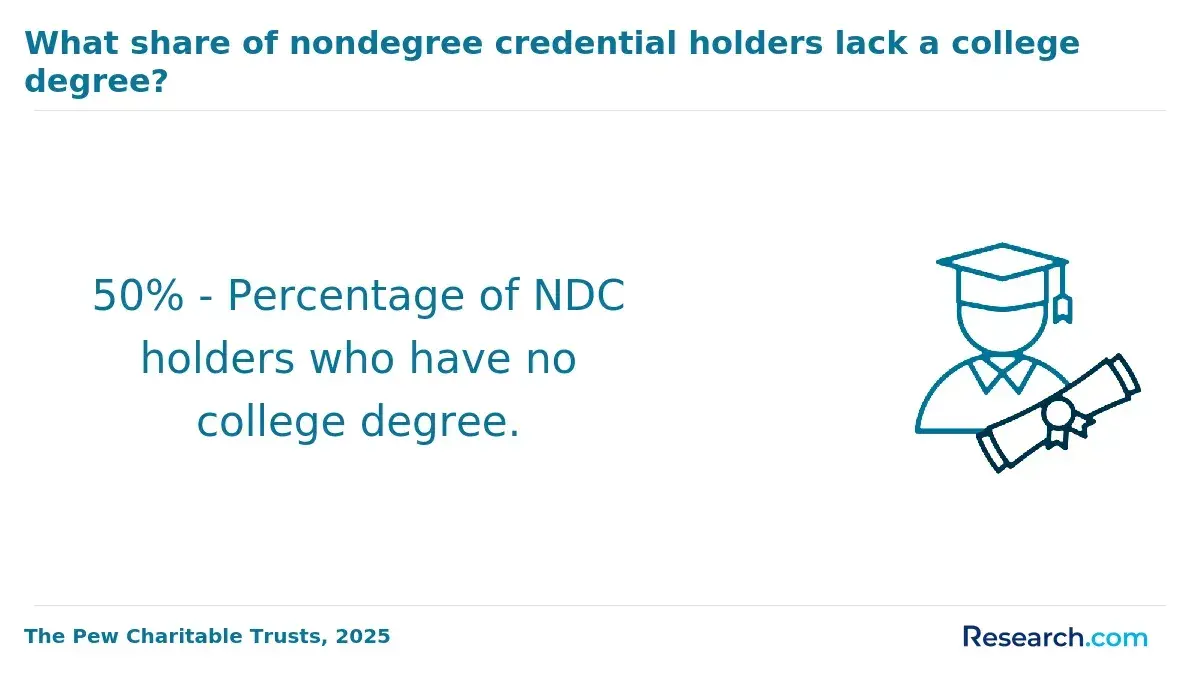
Returning students typically submit an application and official transcripts from every prior college. A school may also ask for proof of high school completion, placement information, or documentation for military training, examinations, or other prior learning. Credit is awarded only after evaluation; a course that transfers as an elective may not satisfy a required math, science, or major course.
Ask for a degree audit before committing if one is available. Confirm minimum grades, age limits on technical or science courses, any transfer-credit cap, and the number of credits that must be completed at the new institution. Standardized testing and a published minimum GPA may not apply to every general-admission pathway, but a selective nursing or allied-health major can impose separate standards. If application expense is a barrier, a guide to online colleges with free applications can help identify another cost to compare; a free application says nothing about program admission or total tuition.
How Do Online and Campus-Based Completion Programs Compare?
Online study can reduce commuting, but it may still involve scheduled meetings, fixed deadlines, proctored assessments, or in-person labs and clinical work. Campus study may offer easier access to equipment and face-to-face support while limiting where and when you can attend.
The format differences below matter most when a working adult is trying to fit remaining required courses - not just any courses - into an existing schedule.
| Format | Potential advantage | Key scheduling constraint |
| Online | Study without routine travel when courses are offered remotely. | Live sessions, placement requirements, and limited course rotations may still apply. |
| Hybrid | Combines remote coursework with some in-person instruction. | Required visits can be difficult for students far from campus. |
| Campus-based | Direct access to labs, instructors, and on-site services. | Commutes and fixed meeting times may slow part-time progress. |
Parents comparing best degrees for stay-at-home moms should pay particular attention to predictable deadlines and part-time course availability. "Online" by itself does not establish that a completion pathway is flexible enough for family responsibilities.
What Courses Are Included in Associate Degree Completion Programs?
The courses left in a completion program depend on both the degree plan and the transfer evaluation. A student may have many accepted credits yet still need composition, quantitative reasoning, a major prerequisite, or a required sequence. Business programs may require accounting; IT may require networking or programming; psychology may require statistics. Clinical programs can add labs and supervised placements that cannot simply be replaced by unrelated electives.
Ask an advisor to separate credits accepted by the college from credits applied to your degree. If you plan to transfer again, check how the remaining courses will satisfy the intended bachelor's program; completing an associate degree does not ensure every course will count toward that later major.
How Long Do These Programs Take, and What Do They Cost?
Many associate degrees require about 60 credits, but your completion time depends on how many prior credits fulfill specific requirements, your course load, and when required classes run. A school's shortest advertised timeline may assume substantial applicable transfer credit and uninterrupted enrollment. Ask for a term-by-term plan showing your remaining courses before relying on it.
The published price below provides a national public-college benchmark, not a quote for your particular completion program.
- $4,050: Average published 2024-25 tuition and fees for in-district students at public two-year colleges, according to the College Board; online, out-of-district, private, and program-specific charges may differ.
Estimate total cost using the credits you still need, tuition at your applicable residency rate, mandatory fees, books, equipment, and any travel or placement expense. Then compare grants, scholarships, employer assistance, and payment options. Eligible students can explore online colleges that accept FAFSA, but federal aid eligibility depends on the institution, program, and student circumstances. A lower per-credit price may not save money if fewer previous credits apply.
What Careers Can Associate Degree Completion Graduates Pursue?
Career options depend more on the degree's subject and the occupation's hiring rules than on whether admission was rolling. Business and healthcare administration coursework may support applications for office roles; IT coursework may support entry-level support roles; criminal justice coursework may provide background for public-safety applications. Employers can also require experience, credentials, testing, or training.
Nursing is a distinct licensed pathway, and psychology study alone does not qualify a graduate as a counselor. Someone planning that longer route should compare bachelor's transfer requirements first, then graduate and state licensure requirements; a guide to a low cost masters degree online may be relevant later, but it should not drive the choice of an associate program before the transfer pathway is clear.
What Salaries and Job Outlook Can Graduates Expect?
There is no single reliable salary for associate degree completion graduates across these fields. The U.S. Bureau of Labor Statistics reported a 2024 median annual wage of $93,600 for registered nurses, but that is an occupational figure - not the expected earnings of everyone who completes an associate degree. Registered nurses must also meet licensing requirements, and many jobs covered by that wage figure are held by people with different educational backgrounds and experience.
Use occupation-specific wage and projected employment data as a check on career direction, not as a promised return on tuition. For a realistic comparison, match each program to jobs you can pursue in your state, identify requirements beyond the degree, and compare the cost of your remaining coursework with plausible entry-level opportunities - not an occupation-wide median alone.
How Should Students Choose a Reputable Associate Degree Completion Program?
A reputable completion pathway combines recognized institutional accreditation, a usable transfer evaluation, transparent charges, and a schedule that lets you finish. For regulated fields, also check any relevant program accreditation and state approval. Rolling admissions should be a practical advantage, not a substitute for those checks.
Before paying an enrollment deposit, use these questions to test whether a school's offer works for your existing credits and intended start date:
- Which of my prior credits satisfy general education, major, and prerequisite requirements, and which count only as electives?
- What credits must I earn at your institution, and can prior learning or military training be evaluated under your published policy?
- When will every remaining required course next run, and are any live, campus, lab, clinical, or practicum components mandatory?
- What is my estimated total cost after applicable aid, and will this degree meet my transfer or occupational goal?
Red flags include an estimate based only on credits transferred rather than credits applied, an accelerated claim without a course-by-course plan, or an assurance that rolling college admission guarantees a place in a selective clinical program. If a school cannot clarify these points, compare another option before enrolling.
Other Things You Should Know About
Not necessarily. Rolling admissions can let you apply throughout the year, but classes have start dates and required courses may run less often. Confirm the first available start for your actual degree plan.
There is no universal minimum. Some colleges admit students with little prior credit, while completion timelines depend on how many credits apply to the degree. Request an individual evaluation.
No. Schools can apply grade, subject, recency, and transfer-limit rules. Even accepted credits may count only as electives rather than fulfilling a degree requirement.
Often not. A college may review general applications continuously while its nursing program uses separate prerequisites, application dates, selection criteria, and clinical cohorts.
References
- Credit for Prior Learning - Ohio Department of Higher Education https://highered.ohio.gov/students/adult-learners/credit-for-prior-learning
- Colorado Transfer | Colorado Department of Higher Education Home https://cdhe.colorado.gov/students/attending-college/colorado-transfer
- Understanding College Costs | Federal Student Aid https://studentaid.gov/resources/prepare-for-college/students/choosing-schools/consider-costs
- Cost of Attendance (Budget) | 2025-2026 Federal Student Aid Handbook https://fsapartners.ed.gov/knowledge-center/fsa-handbook/2025-2026/vol3/ch2-cost-attendance-budget
- Placement Score Requirements | highlandcc.edu https://www.highlandcc.edu/admissions/placement-testing/placement-score-requirements/
- Course Modes & Definitions | OUR - Office of the University Registrar https://registrar.washington.edu/classrooms/course-modes/
- Online & Hybrid Learning | WLAC https://www.wlac.edu/academics/online
- Online Degree Completion Programs | The University of Olivet https://www.uolivet.edu/online-degree-completion-programs/
- Earn College Credit for Your Experience | SUNY Empire https://sunyempire.edu/academics/get-credits/index.html
- Course Delivery Methods - Ways to Learn | Riverland https://www.riverland.edu/academics/course-delivery-methods-ways-to-learn/


