
2027 What Jobs Can You Get With a Computer Science Bachelor's Degree?

Co-Founder and Chief Data Scientist
A computer science bachelor's degree can lead to software, data, cybersecurity, cloud, systems, and technical support roles, but the best path depends on the kind of work you want to do—not just the degree title. Some graduates want to code full time. Others prefer analyzing data, securing systems, improving products, supporting users, or moving into technical leadership over time.
The market remains broad. According to the U. S. Bureau of Labor Statistics, employment in computer and information technology occupations is projected to grow 15% through 2031. That growth does not mean every graduate gets the same opportunities or salary. Employers still evaluate candidates by skills, projects, internships, communication ability, and how well their experience matches the role.
This guide explains what jobs you can pursue with a computer science bachelor's degree, which industries hire these graduates, how remote and out-of-major options work, when certifications or graduate school may help, and what to consider before choosing a career direction.
Key Benefits of the Jobs You Can Get With a Computer Science Bachelor's Degree
- Graduates with a computer science bachelor's degree enjoy versatile careers across industries like technology, finance, healthcare, and government, reflecting the field's broad applicability and demand.
- Competitive salaries are common, with median starting wages around $70,000, and clear advancement paths into roles like software architect or project manager.
- The degree supports long-term growth by fostering skills adaptable to emerging technologies and enabling diverse career pathways, including graduate study and specialized certifications.
What Entry-Level Jobs Can I Get With a Computer Science Bachelor's Degree?
With a bachelor's degree in computer science, you can qualify for several entry-level roles that use programming, systems thinking, data skills, and technical problem-solving. Approximately 65% of bachelor's degree holders in computer science secure their first job within six months after graduation, but outcomes depend heavily on location, internships, portfolio quality, interview preparation, and the hiring market at the time you graduate.
The strongest first job is usually the one that builds marketable experience quickly. A graduate who wants to become a software engineer should prioritize roles involving production code, version control, testing, and code review. A graduate interested in cybersecurity, data, or cloud computing may be better served by a role that offers hands-on exposure to those systems, even if the job title is not the highest-paying option at first.
- Software Developer: Software developers write, test, debug, and maintain applications, web platforms, internal tools, and software systems. This is one of the most direct entry-level paths for computer science graduates because it uses programming, algorithms, software design, and problem-solving daily.
- Quality Assurance (QA) Tester: QA testers help identify defects before software reaches users. This role can be a practical entry point for graduates who understand software logic but want to strengthen testing, automation, documentation, and product knowledge before moving into development or QA engineering.
- Systems Analyst: Systems analysts evaluate how software, data, and business processes work together. Graduates in this role often translate user needs into technical requirements, troubleshoot system issues, and coordinate with developers, managers, and end users.
- Database Administrator (Junior Level): Junior database administrators help manage databases, monitor performance, support backups, and maintain data integrity. Coursework in data structures, database design, and SQL can be especially useful for this path.
- Technical Support Specialist: Technical support roles involve diagnosing software, hardware, network, and user-access issues. Although support is not always viewed as a traditional computer science job, it can build valuable experience in troubleshooting, communication, operating systems, and enterprise tools.
To compete for these roles, build evidence of skill before graduation: completed projects, GitHub repositories, internship experience, hackathon work, deployed applications, technical writing samples, or contributions to open-source projects. If you need a flexible path to finish the degree, compare accredited options such as an online computer science bachelors degree and review whether the curriculum includes programming, data structures, algorithms, databases, operating systems, and software engineering.
Also be careful when comparing education paths. Programs such as BCBA programs online prepare students for a different professional track and should not be treated as substitutes for computer science preparation.
What Industries Hire Computer Science Bachelor's Degree Graduates?
Computer science graduates are hired far beyond traditional technology companies. Any industry that depends on software, data, security, automation, digital platforms, or cloud infrastructure may need people with computing skills. According to the U.S. Bureau of Labor Statistics, employment in tech-related fields requiring a bachelor's degree continues to grow faster than average, which is why computer science graduates often find openings across multiple sectors.
The right industry choice affects your daily work, compensation potential, work-life balance, regulatory exposure, and long-term specialization. For example, a software role at a bank may involve security, compliance, and reliability, while a role in entertainment may emphasize graphics, user engagement, and rapid product iteration.
- Technology and Software Development: Software companies, IT service firms, cloud providers, and platform businesses hire graduates for roles in software engineering, systems development, DevOps, QA, and product engineering. These jobs usually place the strongest emphasis on coding ability, system design fundamentals, debugging, and collaboration with technical teams.
- Finance and Banking: Banks, investment firms, insurance companies, and fintech employers use computer science skills for trading systems, fraud detection, risk modeling, cybersecurity, automation, and data infrastructure. Candidates who combine programming with statistics, security, or data engineering may be especially competitive.
- Healthcare and Biotechnology: Healthcare organizations and biotechnology companies rely on software for electronic health records, medical imaging, clinical data systems, bioinformatics, and patient-facing tools. Graduates in this sector may need to work carefully with privacy, reliability, and domain-specific requirements.
- Manufacturing and Engineering: Manufacturers use computer science talent in robotics, embedded systems, simulation, supply chain platforms, automation, and industrial analytics. This path can be a strong fit for graduates who like applied systems, hardware-software interaction, and process optimization.
- Entertainment and Media: Gaming, streaming, digital media, advertising technology, and interactive content companies hire computer science graduates for graphics programming, backend systems, recommendation engines, game development, analytics, and user experience tools.
If your interests are closer to mechanical, civil, electrical, or industrial design, an engineer degree online may align better with those goals. Computer science, by contrast, is usually the better fit for software-intensive, data-intensive, and computing-focused roles.
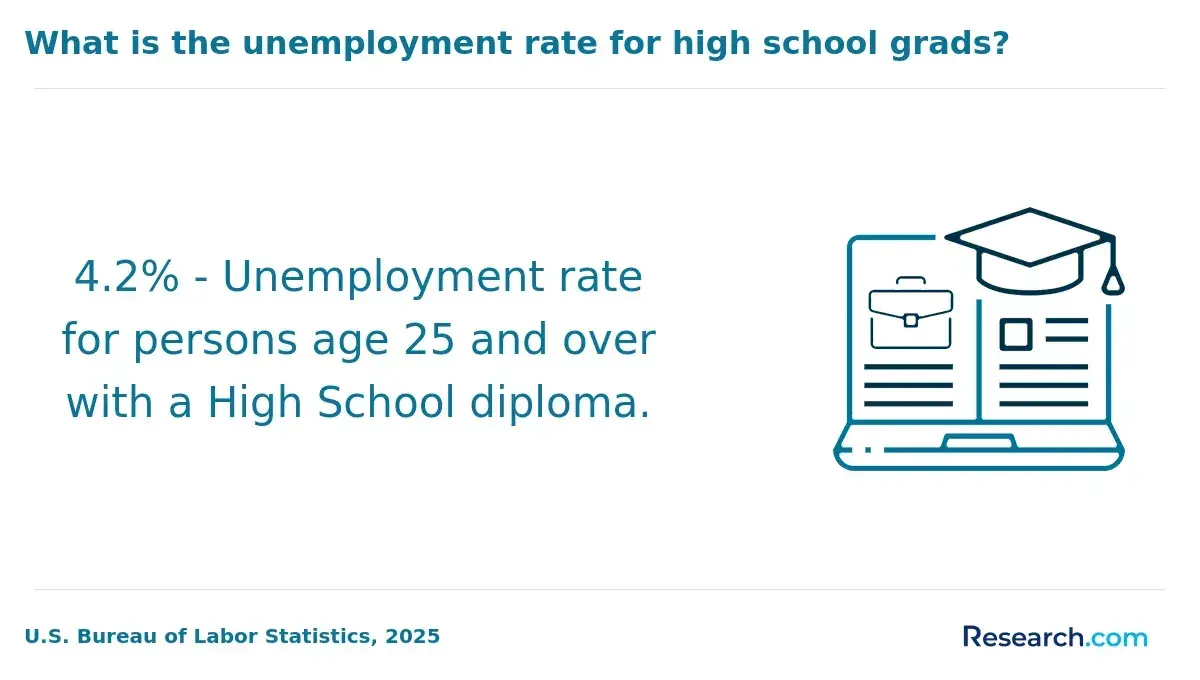
Can You Get Jobs Outside Your Major With a Computer Science Bachelor's Degree?
Yes. A computer science bachelor's degree can support jobs outside a traditional computer science title because the degree develops skills many employers need: logical reasoning, quantitative thinking, technical fluency, structured problem-solving, and the ability to learn complex tools. A 2023 survey by the National Association of Colleges and Employers found that around 40% of STEM graduates work in fields unrelated to their degree shortly after completing their studies.
Working outside your major does not mean the degree is wasted. It often means you are applying computing skills in a business, creative, operational, research, or management context. The key is to show employers how your technical background solves their specific problems.
- Business and operations roles: Computer science graduates can move into business analyst, operations analyst, product analyst, or technical project coordinator roles when they can connect technical systems to organizational goals.
- Product and user-focused roles: Graduates who communicate well may pursue product management, UX research support, technical writing, or implementation roles, especially when they understand how software is built.
- Data-adjacent roles: Some graduates enter marketing analytics, financial analysis, supply chain analytics, or research support positions where scripting, databases, and data interpretation are valuable.
- Technical sales and customer success: Employers selling complex software often need people who can explain technical products to nontechnical clients and help customers implement tools successfully.
To make an out-of-major move work, tailor your resume to the target field. A hiring manager for a business analyst role may care less about advanced algorithms and more about requirements gathering, dashboards, SQL, stakeholder communication, and examples of decisions you supported with data.
What Remote Jobs Can I Get With a Computer Science Bachelor's Degree?
Many computer science jobs can be done remotely because the work is digital, collaborative tools are mature, and employers can evaluate output through code, tickets, documentation, dashboards, and system performance. Remote work has experienced significant growth, with studies showing that over 70% of employers are increasingly open to remote positions compared to the past.
Still, remote jobs are not automatically easier to get. Entry-level candidates may face strong competition because remote postings attract applicants from many locations. Employers often look for evidence that you can communicate clearly, manage tasks independently, document work, ask good questions, and deliver without constant supervision.
- Software Developer: Remote software developers build and maintain applications while collaborating through code repositories, issue trackers, chat, video meetings, and documentation. Strong written communication is almost as important as coding skill in distributed teams.
- Data Analyst: Remote data analysts clean, query, interpret, and visualize data to support decisions. Computer science graduates can stand out when they know scripting, databases, statistics, and how to explain technical findings to nontechnical stakeholders.
- Quality Assurance Engineer: QA engineers create test plans, run manual or automated tests, document defects, and verify fixes. Remote QA work requires careful reporting because teammates may not be available in real time to clarify unclear bug descriptions.
- DevOps Engineer: DevOps professionals support deployment pipelines, automation, monitoring, and cloud infrastructure. Remote DevOps roles often require reliability, security awareness, and the ability to respond quickly when systems fail.
- Technical Support Specialist: Remote support specialists help users resolve software, hardware, access, and configuration issues. This path can be a good fit for graduates who combine technical knowledge with patience and clear communication.
One graduate described the transition this way: "Initially, adapting to digital collaboration tools felt overwhelming, especially coordinating tasks across different time zones. However, my degree prepared me to troubleshoot technical challenges and communicate clearly despite the distance."
She added, "Over time, managing my schedule and staying connected with my team became second nature, which boosted both my confidence and productivity." Her experience reflects a common reality: remote success depends on technical ability, but it also depends on discipline, responsiveness, documentation, and trust.
Can I Switch Careers With a Computer Science Bachelor's Degree?
Yes. A computer science bachelor's degree can be a strong foundation for switching careers because it signals technical training, analytical ability, and capacity to learn complex systems. Studies show that nearly 40% of degree holders change their occupational fields within five years post-graduation, with computer science graduates often leading due to their versatile skills.
The easiest career switches are usually adjacent to your current experience. For example, a software developer may move into cybersecurity, DevOps, data engineering, product management, or technical leadership. A technical support specialist may move into systems administration, cloud support, QA, or security operations. A data analyst may move toward data science, analytics engineering, or business intelligence.
Successful career changers usually do three things well:
- Translate existing experience: They explain how their prior work connects to the new role instead of presenting the switch as a complete reset.
- Close specific skill gaps: They learn the tools, frameworks, domain knowledge, or certifications that the target role commonly requires.
- Build proof: They complete projects, contribute to real work, earn relevant credentials, or take on internal assignments that demonstrate readiness.
Networking and mentorship can also reduce uncertainty. People already working in your target field can tell you which skills matter, which job titles are realistic, and which requirements are flexible. If your long-term goals involve education leadership or organizational change rather than technical computing, an EdD degree may be relevant, but it serves a different purpose from a computer science career pivot.
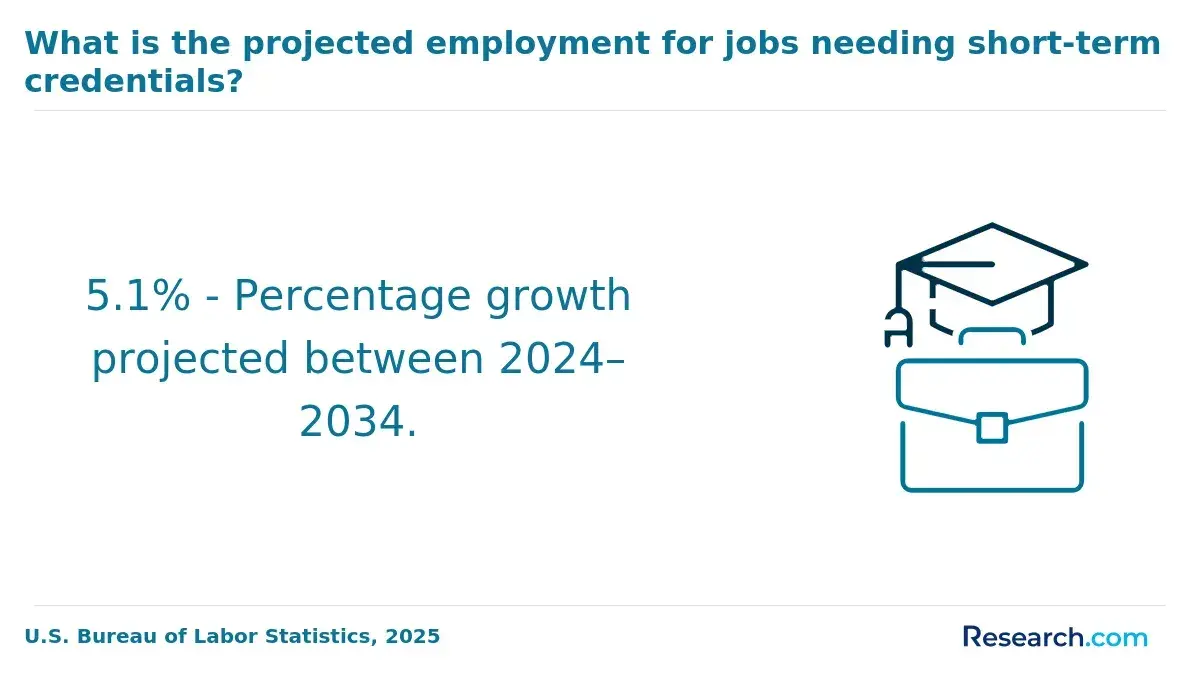
What Are the Highest-Paying Jobs With a Computer Science Bachelor's Degree?
The highest-paying jobs for computer science graduates are usually roles that combine technical depth with business impact. Pay varies by location, employer, industry, experience, specialization, and performance. Graduates often increase earnings by developing expertise in scalable software systems, data, security, cloud infrastructure, or machine learning.
These roles commonly offer strong earning potential for candidates with a computer science bachelor's degree:
- Software Engineer: Software engineers design, build, test, and maintain software systems. Early-career engineers earn competitive salaries, and compensation can grow with responsibility in architecture, backend systems, distributed systems, or team leadership, typically ranging from $80,000 to over $130,000 annually.
- Data Scientist: Data scientists use programming, statistics, modeling, and domain knowledge to interpret complex datasets and guide decisions. A computer science background helps with data pipelines, algorithms, and scalable analysis, with salaries often spanning $90,000 to $140,000 or more, influenced by experience and industry.
- Cybersecurity Analyst: Cybersecurity analysts monitor systems, investigate threats, assess vulnerabilities, and help protect networks and applications. Their compensation generally falls between $75,000 and $120,000 yearly, with higher potential for candidates who develop incident response, cloud security, or security engineering skills.
- DevOps Engineer: DevOps engineers improve deployment workflows, automate infrastructure, monitor systems, and support reliability. Proficiency in automation, programming, systems administration, and cloud tools is essential, with salaries often ranging from $85,000 to $135,000 or higher.
- Machine Learning Engineer: Machine learning engineers build and deploy models that learn from data. The work requires programming, mathematics, data handling, and model evaluation. Starting salaries commonly exceed $100,000, increasing substantially as expertise advances beyond $150,000.
For salary growth, focus less on job title alone and more on leverage. Roles tied to revenue, security, automation, infrastructure reliability, and high-scale systems often command stronger compensation because mistakes are costly and expertise is harder to replace.
What Career Growth Opportunities Are Available With a Computer Science Bachelor's Degree?
A computer science bachelor's degree can support long-term advancement in both technical and leadership directions. Many graduates begin in implementation-heavy roles, then move toward design, ownership, mentoring, strategy, or specialization as they gain experience.
Common growth paths include:
- Individual contributor advancement: A developer may progress from junior developer to software engineer, senior engineer, staff engineer, or architect. This path rewards deep technical judgment, system design, code quality, and the ability to solve ambiguous problems.
- Specialization: Graduates may focus on cybersecurity, artificial intelligence, data science, cloud computing, databases, embedded systems, networking, or DevOps. Specialization can improve marketability when demand is strong and skills are difficult to find.
- Technical leadership: Some professionals become team leads, engineering managers, project managers, or product-oriented technical leaders. These roles require communication, planning, prioritization, mentoring, and coordination across teams.
- Cross-functional growth: Computer science graduates can move into product management, solutions architecture, technical consulting, developer relations, or technology strategy when they can bridge technical and business priorities.
When asked about career growth opportunities from his computer science degree, one professional reflected on his transition from software engineer to team lead. He described the move as both challenging and rewarding because managing diverse personalities and aligning project goals required stronger interpersonal skills alongside technical expertise.
"It was daunting at first, balancing deadlines and team dynamics, but it forced me to develop a broader perspective," he shared. His experience shows that advancement often requires more than becoming better at code. It also requires judgment, communication, ownership, and the ability to help other people do their best work.
What Jobs Require Certifications After a Computer Science Bachelor's Degree?
Most computer science jobs do not require certification in the same way licensed professions require licensure. However, some roles strongly prefer or effectively require certifications because employers need proof of specific vendor, security, networking, cloud, or project-management skills.
Certifications are most useful when they match a target job. Earning random credentials rarely helps. A cloud certification can matter for cloud architecture; a security certification can matter for cybersecurity; a project management certification can matter for IT leadership. The credential should support a clear career goal.
- Network Engineer: Network engineers design, configure, and maintain network infrastructure. Certifications like Cisco Certified Network Associate (CCNA) and CompTIA Network+ can validate networking fundamentals that complement a computer science degree.
- Cybersecurity Analyst: Cybersecurity analysts protect systems, monitor threats, investigate incidents, and improve security controls. Certifications such as Certified Information Systems Security Professional (CISSP) and Certified Ethical Hacker (CEH) are often used to establish credibility in this field.
- Cloud Solutions Architect: Cloud architects design and manage cloud environments. Industry-recognized certifications like AWS Certified Solutions Architect and Microsoft Certified: Azure Solutions Architect Expert can help demonstrate practical knowledge of cloud services, architecture, cost, and reliability.
- Database Administrator: Database administrators support database performance, security, backup, availability, and governance. Certifications including Oracle Certified Professional (OCP) and Microsoft Certified: Azure Database Administrator Associate can strengthen a candidate's profile for database-focused roles.
- Project Manager in IT: IT project managers coordinate teams, timelines, budgets, risks, and deliverables. Certifications such as Project Management Professional (PMP) and Certified ScrumMaster (CSM) can distinguish candidates seeking project leadership roles.
Choose certifications after reviewing job descriptions in your target market. If the same credential appears repeatedly, it may be worth the time and cost. If your interests are outside computing, a path such as a forensic psychology degree serves a different career direction and should not be confused with technical certification planning.
What Jobs Require a Master's After a Computer Science Bachelor's Degree?
A master's degree is not required for many computer science careers, especially entry-level software development, QA, technical support, systems analysis, and some data or security roles. However, graduate study may be important for research-heavy, theory-heavy, or highly specialized positions. Nearly 40% of computer and information research scientists hold graduate degrees.
Advanced degree jobs may include the following:
- Computer and Information Research Scientist: These professionals develop new computing methods, study complex technical problems, and contribute to advances in areas such as algorithms, artificial intelligence, systems, and human-computer interaction. A master's degree is commonly important because the work requires deeper research preparation.
- Data Scientist: Some data scientist roles can be reached with a bachelor's degree and strong experience, but positions involving advanced modeling, statistics, machine learning, and research may prefer master's-level training.
- Software Architect: Software architects design high-level systems, technical standards, and long-term software structures. A master's degree can help, but employers also weigh years of engineering experience, judgment, and a record of building reliable systems.
- Cybersecurity Analyst (Advanced Roles): Entry-level cybersecurity roles may require only a bachelor's degree, but advanced positions in security strategy, cryptography, research, or leadership may prefer graduate study.
- Artificial Intelligence Engineer: AI engineering can require specialized knowledge in neural networks, natural language processing, computer vision, mathematics, and model deployment. Master's programs often provide structured training in these areas.
Before enrolling in a master's program, compare the opportunity cost with the expected career benefit. Graduate school may be worthwhile if your target roles repeatedly list it, if you want research-oriented work, or if you need deeper specialization than your bachelor's program provided. Interdisciplinary fields can also use advanced computing skills; for example, knowledge connected to an environmental science degree may intersect with data modeling, climate analysis, geospatial systems, or scientific computing.
What Is the Job Outlook for Computer Science Careers?
The job outlook for computer science careers remains strong overall, with projections from the U.S. Bureau of Labor Statistics indicating growth of roughly 15% through 2031. This growth is driven by the continued expansion of software, cybersecurity, cloud computing, data infrastructure, automation, and digital services across the economy.
Even with strong long-term demand, the market is not equally favorable for every candidate or every role. Hiring can slow during economic uncertainty, and entry-level applicants may face competition when many graduates target the same software development openings. Candidates with practical experience, strong projects, internships, and current technical skills are typically better positioned.
Several areas continue to shape computer science employment:
- Cybersecurity: Organizations need professionals who can protect systems, investigate threats, and reduce risk as digital operations expand.
- Software development: Businesses continue to need custom applications, internal tools, web platforms, mobile systems, and enterprise software.
- Cloud computing and DevOps: Employers need people who can deploy, monitor, automate, and secure cloud-based infrastructure.
- Artificial intelligence and machine learning: Rapid advances create demand for people who understand algorithms, data, model behavior, and responsible implementation.
- Industry-specific technology: Healthcare, finance, manufacturing, logistics, media, and government all require tailored systems that combine technical skill with domain knowledge.
The safest career strategy is continuous skill development. Learn the fundamentals well, then keep updating your toolkit as technologies change. Employers value graduates who can adapt, explain trade-offs, work with others, and apply computing knowledge to real business or research problems.
What Graduates Say About the Jobs You Can Get With a Computer Science Bachelor's Degree
- Daniella: "Choosing to major in computer science was driven by my passion for problem-solving and the promise of versatile career paths. During my job search, I realized how valued skills like software development and data analysis are across industries. This degree didn't just open doors; it empowered me to confidently step into roles that challenge and excite me every day."
- Sophia: "Reflecting on my journey, the decision to study computer science was motivated by the ever-growing tech landscape and my desire to innovate. Navigating employment with this degree taught me the importance of continuous learning and adapting, as employers seek professionals who can evolve alongside technology trends. It's been fulfilling to see how foundational knowledge gained during my studies directly impacts my ability to contribute effectively at work."
- Megan: "Professionally, earning a computer science bachelor's degree transformed my outlook on the kinds of roles I could pursue, from software engineering to cybersecurity. I chose this major because it combined logic with creativity, and the job market's demand reassured me my efforts would pay off. This field has not only shaped my career trajectory but has also given me a deep sense of accomplishment in tackling complex technical challenges."
Other Things You Should Know About Computer Science Degrees
Employers seek computer science graduates with strong programming skills, problem-solving abilities, and proficiency in data structures and algorithms. Familiarity with software development methodologies, databases, and cloud computing is also highly valued. Additionally, soft skills like communication and teamwork are important for most tech roles.
Yes, many federal cybersecurity, software, and systems roles require a background investigation and, for some positions, a security clearance through the hiring agency. Secret and Top Secret clearances are tied to U.S. government access rules, and the process can take several months.
In 2027, emerging specializations include quantum computing, AI ethics, and cybersecurity for emerging technologies. These areas are increasingly important as technology evolves, offering new career opportunities for computer science graduates. Staying updated on developments can provide a competitive edge in the job market.
References
- 20 most popular jobs upon graduation for students majoring in computer science - College Recruiter https://www.collegerecruiter.com/blog/2025/11/05/20-most-popular-jobs-upon-graduation-for-students-majoring-in-computer-science
- 50 Highest Paying Computer Science Jobs - Computer Science Degree Hub https://www.computersciencedegreehub.com/best/best-paying-computer-science-jobs/
- Want to Switch Careers to Computer Science? 4 Options to Consider | by Mandi Gunningham | Better Programming https://betterprogramming.pub/want-to-switch-careers-to-computer-science-3-options-toconsider-c305802247af
- Computer Science Degree: Career Opportunities & Paths | SNHU https://www.snhu.edu/about-us/newsroom/stem/what-can-you-do-with-a-computer-science-degree
- 10 Exciting Computer Science Career Paths to Explore https://www.ucumberlands.edu/blog/career-choices-with-a-masters-in-computer-science
- Computer science graduates struggle to secure their first jobs https://www.bbc.com/news/articles/cm21dvg8l1go
- Remote Computer Science Jobs https://www.workingnomads.com/remote-computer-science-jobs
- Top Reasons to Pursue a Bachelor’s in Computer Science and IT in 2025: Unlock Future Opportunities - Alpine Group Of Institutes https://alpinecollege.edu.in/top-reasons-to-pursue-a-bachelors-in-computer-science-and-it-in-2025-unlock-future-opportunities/
- Should i change my career path? From computer science https://www.thestudentroom.co.uk/showthread.php
- Computer Science Graduate Jobs | Gradcracker - Careers for STEM Students https://www.gradcracker.com/search/computing-technology/computer-science-graduate-jobs


