
2027 Is 40 Too Late to Earn a Computer Science Bachelor's Degree?

Co-Founder and Chief Data Scientist
Turning 40 does not make a computer science bachelor’s degree unrealistic. The real question is whether the degree fits your career goal, schedule, finances, and tolerance for several years of structured technical study. For adults with work history, family obligations, and established responsibilities, the decision is less about age and more about return on effort.
Computer science remains an attractive option because it can lead to roles in software development, data, cybersecurity, systems, and technology management. The field also rewards demonstrable skills, portfolios, internships, projects, and problem-solving ability. At the same time, the coursework can be demanding, especially if you have been away from math, programming, or formal education for years.
With 65% of computer science graduates securing employment within six months, the degree can offer a practical path into a high-demand field. This guide explains what adults around 40 should consider before enrolling, including flexible formats, cost, time to completion, employer perceptions, risks, and the steps to take before applying.
Key Things to Know About Whether 40 Is Too Late to Earn a Computer Science Bachelor's Degree
- Midlife career changers benefit from computer science degrees as industry demand grows; 22% of tech workers are over 40, showing viable employment opportunities exist.
- Flexible online and part-time programs accommodate adult learners, allowing balance between education, work, and family responsibilities.
- Long-term benefits include improved problem-solving skills, higher earning potential, and sustained professional relevance in a rapidly evolving tech landscape.
Can you start a computer science bachelor's degree at 40?
Yes. You can start a computer science bachelor’s degree at 40 if you meet the school’s admission requirements and can commit the time needed for technical coursework. Colleges do not set an upper age limit for undergraduate enrollment, and many institutions now serve adult learners who are returning to college, changing careers, or finishing a degree they started earlier.
For a 40-year-old applicant, the bigger issue is fit. A computer science program usually includes programming, discrete mathematics, data structures, algorithms, databases, software engineering, operating systems, and sometimes calculus or statistics. If you are willing to rebuild academic habits and practice consistently, age is not the barrier.
Why adult learners can be strong computer science students
Students returning later in life often bring advantages that younger students may still be developing. These include workplace discipline, clearer career goals, communication skills, and experience managing complex responsibilities. If you have worked in business, healthcare, finance, operations, education, manufacturing, or another field, you may also understand real-world problems that technology can solve.
Many schools support non-traditional students through online classes, part-time schedules, transfer-credit reviews, academic advising, tutoring, and career services. Adult learners should ask whether a program offers these supports before applying, not after enrollment.
It is also worth comparing degree types and formats across fields. For example, resources on online SLP master’s programs show how adult-focused programs in other disciplines are structured around flexibility, accreditation, and career preparation. The same kind of careful comparison is useful when evaluating computer science bachelor’s programs.
What are the biggest challenges of going back to college at 40?
Going back to college at 40 is challenging because school must fit around adult responsibilities rather than replace them. Nearly 40% of adult learners in the U.S. have pursued college education later in life, but computer science adds a specific difficulty: the work requires sustained practice, not just reading or test preparation.
The most common obstacles are manageable, but they should be planned for before the first term begins.
- Time pressure: Programming assignments, labs, debugging, and math problem sets often take longer than expected. Adults with jobs, children, caregiving duties, or long commutes need a realistic weekly study schedule, not a vague intention to “study at night.”
- Financial strain: Tuition is only one part of the cost. Books, software, hardware, fees, transportation, and possible childcare can affect the budget. Before enrolling, compare total program cost, payment schedules, financial aid eligibility, and employer tuition assistance. Similar cost-planning principles appear in adult-friendly options such as a social work accelerated program.
- Academic adjustment: Returning students may need time to regain confidence with exams, deadlines, note-taking, and math. A lighter first term can be a smart choice if you have been away from school for many years.
- Technology learning curve: Computer science students use code editors, version control, learning management systems, online labs, and collaboration tools. Learning the tools is part of the workload.
- Self-doubt: Some adults worry about being older than classmates or less familiar with current technology. This is common, but it is not a reliable measure of ability. Consistent practice matters more than being the youngest person in the room.
Common mistake to avoid
The biggest mistake is enrolling in too many difficult courses at once to “catch up.” A sustainable pace is usually better than an overloaded schedule that leads to poor grades, stress, or stopping out. For many adult learners, the right question is not “How fast can I finish?” but “What pace can I maintain?”
Can you work full-time while earning a computer science degree at 40?
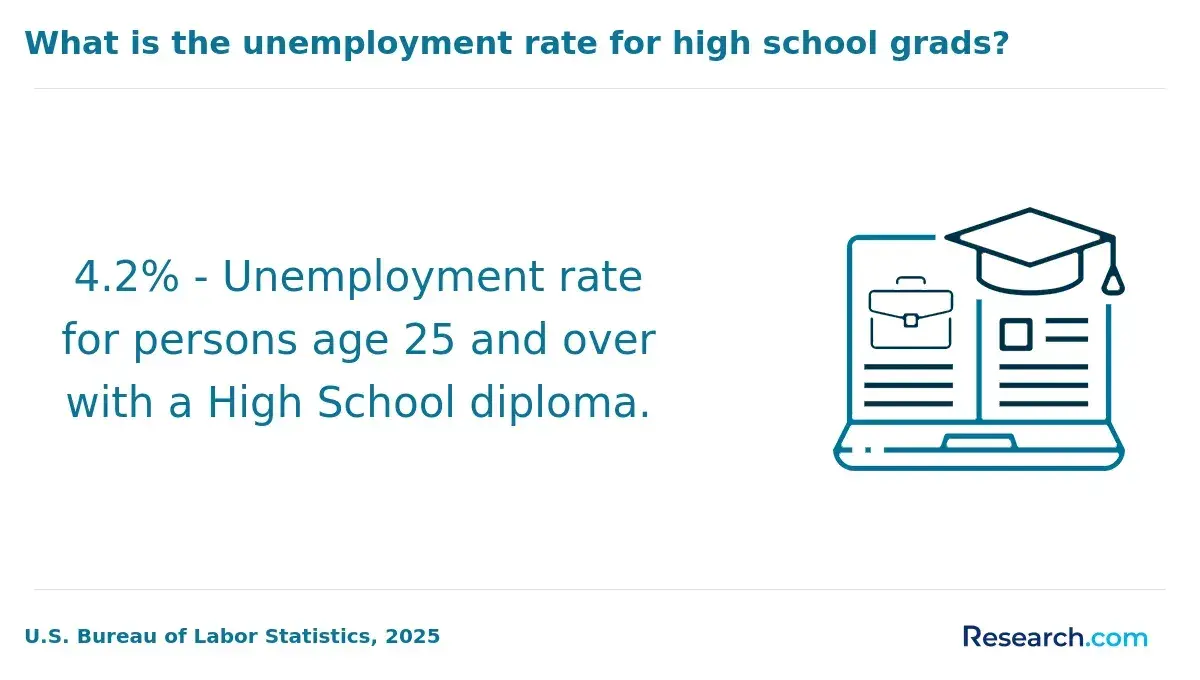
Yes, you can work full-time while earning a computer science degree at 40, but it requires deliberate scheduling and a program format designed for working adults. Full-time work and computer science coursework can compete for the same mental energy, especially during programming-heavy courses where assignments may require long debugging sessions.
The most workable approach is often part-time enrollment, online or hybrid delivery, and a predictable weekly routine. Students who succeed while working full-time usually treat school like a second structured commitment rather than something they fit in only when work slows down.
What makes full-time work and school more manageable
- Choose the right course load: Taking fewer courses can protect your grades and reduce burnout, especially in the first year.
- Use predictable study blocks: Short, regular sessions are often better than relying on one long weekend session.
- Tell your employer when appropriate: Some employers may offer schedule flexibility, tuition support, or projects that let you apply what you are learning.
- Protect project time: Programming work often requires uninterrupted concentration. Plan for that reality before deadlines arrive.
- Build support at home: Family members need to understand when study time is non-negotiable.
A professional over 40 enrolled in a computer science degree described the hardest part as allocating time honestly: “Some days, it feels like I’m constantly switching gears from work deadlines to study sessions.” He also found motivation in applying new concepts at work, explaining, “It keeps me motivated knowing what I learn matters immediately.”
That experience reflects a major advantage for adult learners: when coursework connects to real workplace problems, the degree can feel less abstract and more immediately useful.
What are the most flexible ways to earn a computer science bachelor's degree at 40?
The most flexible way to earn a computer science bachelor’s degree at 40 is usually an accredited online or hybrid program with part-time enrollment options. Flexibility matters because adult learners often need to balance class deadlines with work, family, health, commuting, and financial obligations.
Before choosing a program, look beyond the label “online.” Some online programs have live class meetings at fixed times, while others are asynchronous. Some require proctored exams, group projects, internships, or campus visits. The best fit depends on how much control you need over your schedule.
- Online learning: Fully online computer science degrees can reduce commuting time and make it easier to study around work and family. Check whether classes are asynchronous, synchronous, or a mix of both.
- Part-time enrollment: A part-time path lets you take fewer courses per term. This can extend the graduation timeline, but it often improves persistence for working adults.
- Evening and weekend classes: These formats can work well for students who prefer in-person instruction but cannot attend during standard daytime hours.
- Hybrid programs: Hybrid formats combine online coursework with limited in-person meetings. They may offer structure without requiring daily campus attendance.
- Self-paced study: Self-paced courses can be helpful for disciplined learners, but they require strong motivation. Ask how deadlines, instructor access, and academic support work.
- Transfer-friendly programs: Schools that accept prior college credits can shorten the path to graduation if you have previous coursework.
Cost and flexibility should be evaluated together. A convenient program that is far more expensive may not be the best choice, while a lower-cost program may still need to fit your work schedule. If affordability is a priority, comparing options such as the cheapest online computer science degree can help you understand how tuition and format vary across programs.
Adults comparing online degrees may also find it useful to review affordability-focused rankings in other fields, such as the best online accounting program options, because many of the same factors apply: accreditation, transfer policy, total cost, scheduling, and student support.
How long does it take to finish a computer science bachelor's degree at 40?
A computer science bachelor’s degree commonly takes full-time students four years to complete. At 40, the timeline may be shorter if you transfer prior credits or longer if you study part-time while working or managing family responsibilities.
The right timeline depends on your starting point and the number of courses you can complete successfully each term. A faster pace is not always better if it leads to weak grades or limited skill development.
- Course load: Taking more classes can speed up graduation, but computer science courses often require substantial practice time. Programming, algorithms, and math courses can be difficult to stack with full-time work.
- Prior learning credits: Transfer credits from earlier college study may reduce the number of general education or prerequisite courses you need. Some schools may also review certifications or professional learning, though policies vary.
- Placement and prerequisites: If you need to refresh math or take introductory courses before entering the major sequence, your timeline may lengthen.
- Life responsibilities: Work travel, caregiving, health issues, and family commitments can require lighter terms or occasional pauses.
- Program structure: Cohort-based programs may follow a fixed sequence, while more flexible programs may let you adjust each term.
An adult learner who returned to college at 40 said careful semester planning made the difference. She described feeling overwhelmed during busy periods but valued the ability to reduce her course load when needed. “It wasn’t about rushing; it was about consistent, manageable steps,” she explained.
That is often the best mindset for returning students. A degree completed at a sustainable pace is more valuable than an aggressive plan that becomes impossible to maintain.
How much does it cost to get a computer science bachelor's degree at 40?
The average cost of obtaining a bachelor’s degree in Computer Science in the U.S. can exceed $40,000, depending on the institution and program format. Your actual cost may vary widely based on tuition rates, transfer credits, residency status, enrollment pace, fees, and financial aid.
Adults returning at 40 should calculate total cost, not just tuition per credit. A program that looks affordable by course may become expensive if it requires many extra credits, fees, travel, or unpaid time away from work.
- Tuition: Public, private, online, and on-campus programs can have very different rates. Residency rules may also affect public university tuition.
- Fees: Technology, lab, student service, assessment, and graduation fees can increase the total price.
- Books and materials: Some courses require textbooks, online platforms, software, or specialized tools. Others may use open educational resources.
- Computer and internet needs: A reliable computer and stable internet connection are essential for programming courses and online learning.
- Enrollment pace: Full-time study may finish sooner, while part-time study spreads costs over a longer period. Each option has cash-flow implications.
- Transfer credits: Accepted credits can reduce the number of courses you pay for, making transcript evaluation important before enrollment.
- Indirect costs: Transportation, childcare, reduced work hours, and exam proctoring can affect affordability.
- Financial aid and employer support: Scholarships, grants, loans, payment plans, and employer tuition assistance may reduce out-of-pocket costs. Availability varies, so confirm eligibility early.
How to evaluate whether the cost is worth it
Start with your career target. A computer science degree may make sense if it helps you qualify for roles that require or strongly prefer a bachelor’s degree, builds a foundation you cannot easily gain elsewhere, or supports advancement within your current organization. It may be less practical if you are seeking only a narrow technical skill that could be learned through a shorter credential.
What are the risks of going back to college at 40?
The risks of going back to college at 40 are real, but they can be reduced with planning. The main risks are financial pressure, time strain, academic difficulty, burnout, and choosing a program that does not align with your career goals.
Computer science is especially demanding because it requires cumulative learning. If you fall behind in programming fundamentals, math, or algorithms, later courses can become harder. Strong advising and early tutoring can help prevent small gaps from becoming major problems.
- Workload demands: Computer science courses require time for reading, coding, testing, debugging, and problem-solving. The workload can be difficult to combine with full-time employment.
- Financial risk: Taking on debt or using savings without a clear plan can create stress. Compare total costs, financial aid, transfer credits, and likely career outcomes before committing.
- Academic adjustment: Adults who have been away from school may need to rebuild study habits, math skills, and comfort with exams or deadlines.
- Technology changes: Tools, programming environments, and collaboration platforms may feel unfamiliar at first. Expect a learning curve.
- Burnout: Working, studying, and managing family obligations can leave little recovery time. Sustainable scheduling matters.
- Program mismatch: Some programs are more theoretical, while others emphasize applied software development. Choosing the wrong fit can reduce motivation and career relevance.
- Emotional pressure: Feeling older than classmates or comparing yourself to students with recent academic experience can affect confidence. Support networks and mentors can help.
The safest approach is to test your readiness before enrolling. Take an introductory programming course, refresh math skills, speak with advisors, review degree requirements, and ask current students how much time courses actually require.
Can you start a new career at 40 with a computer science bachelor's degree?
Yes. A computer science bachelor’s degree can support a new career at 40, especially if you combine the degree with projects, internships, networking, and a clear target role. The degree can help you build a foundation in programming, algorithms, systems, databases, and software design, but the credential alone is not always enough. Employers also want evidence that you can solve practical problems.
Career changers should avoid approaching the degree as a complete reset. Your previous experience can be an asset. A former teacher may understand educational technology users. A healthcare worker may bring domain knowledge to health informatics. A finance professional may transition toward data, automation, or fintech. A manager may combine technical training with leadership experience.
Possible career directions
- Software development: Building applications, tools, and systems using programming languages and development frameworks.
- Data analysis: Using databases, programming, and statistics to interpret business or operational information.
- Cybersecurity: Helping organizations protect systems, networks, and data.
- Quality assurance and testing: Evaluating software reliability, functionality, and performance.
- Technical project roles: Combining communication, planning, and technical understanding to support software or IT teams.
Workforce trends increasingly emphasize skills, adaptability, and continuous learning. That can benefit adults who are willing to demonstrate current technical ability. Some learners also pair technical education with management-focused study later in their careers; for example, online organizational leadership master’s programs may complement a technical background for those moving toward leadership roles.
Do employers value computer science bachelor's degrees earned at 40?
Employers generally value a computer science bachelor’s degree earned at 40 when the candidate can show relevant skills, recent learning, and a credible reason for the career move. The age at which the degree was completed is usually less important than what the graduate can do with it.
A 2022 survey by the Association of American Colleges and Universities found that 70% of employers hold positive views toward hiring candidates with non-traditional educational paths, including those who complete degrees later in life.
For adult graduates, the strongest job applications connect three things: the new computer science credential, proof of technical ability, and prior professional experience.
- Skill relevance: Employers look for alignment between your coursework, projects, and the role. A degree is stronger when supported by a portfolio, GitHub work, capstone project, internship, or applied experience.
- Professional experience: Previous work history can be valuable if you translate it clearly. Leadership, client communication, operations knowledge, documentation, and industry expertise can distinguish you from entry-level candidates.
- Continuous learning: Completing a degree at 40 shows persistence and adaptability, both important in technology fields that change quickly.
- Problem-solving maturity: Adult learners often bring judgment, patience, and practical decision-making developed through years of work.
- Team communication: Many technical roles require collaboration with nontechnical stakeholders. Prior career experience can be a major advantage here.
One practical challenge is positioning. A 40-year-old career changer may not want to present as a traditional new graduate with no context. Instead, the resume, portfolio, and interviews should explain how the degree builds on earlier experience and prepares the candidate for the target role.
Some adults may start with a shorter credential before committing to a bachelor’s program. Exploring an online associate degree can be a practical way to build academic momentum, earn transferable credits, or test readiness for more advanced study.
What steps should I take before applying to a computer science bachelor's program?
Before applying to a computer science bachelor’s program, clarify your career goal, evaluate your academic readiness, compare program formats, and calculate the full cost. Nearly 60% of adult learners who plan thoroughly before enrollment experience higher satisfaction and perform better during their initial academic year, so preparation can directly affect your outcome.
Use the application process to reduce uncertainty. A strong program choice should fit your goals, schedule, finances, and learning style.
- Define your target outcome: Decide whether you want to become a software developer, data analyst, cybersecurity professional, technical manager, or another type of technology worker. Your goal should influence the program you choose.
- Review your academic background: Gather transcripts and identify prior credits that may transfer. Pay special attention to math, science, and previous computing coursework.
- Refresh key skills: If you have not studied math or programming recently, complete an introductory course or self-study module before enrollment. This can make the first term less stressful.
- Check admission requirements: Confirm prerequisites, GPA expectations, placement tests, application essays, recommendation letters, and transcript deadlines.
- Compare accreditation and reputation: Make sure the institution is properly accredited. Also review graduation support, career services, faculty access, and student outcomes where available.
- Evaluate delivery format: Decide whether online, hybrid, evening, weekend, full-time, or part-time study best fits your life. Ask whether classes are live, asynchronous, or self-paced.
- Ask about transfer and credit policies: A generous transfer-credit policy can reduce both time and cost, but rules vary by institution.
- Build a financial plan: Estimate tuition, fees, books, technology, commuting, childcare, and potential lost work hours. Then review financial aid, scholarships, payment plans, and employer tuition support.
- Talk to advisors and current students: Ask how much time courses require, which classes are most difficult, and what support is available for adult learners.
- Plan your first term conservatively: Starting with a manageable course load can help you build confidence and avoid early burnout.
What Graduates Say About Earning a Computer Science Bachelor's Degree at 40
-
: "Going back to college at 42 was a leap of faith driven by my desire to transition into a more future-proof career. Choosing a computer science bachelor’s degree felt like the right move since technology shapes almost every industry today. Earning that degree not only boosted my confidence but also opened doors to leadership roles I never thought possible at my age.
— Trace"
-
: "After years in a completely different field, I realized I wanted a challenge that would reignite my passion for problem-solving. Pursuing a computer science degree at 45 was intimidating initially, but it taught me that it’s never too late to learn and grow intellectually. The skills I gained have greatly enhanced my professional adaptability and given me a fresh perspective on innovation.
— Sutton"
-
: "At 48, returning to school was about securing job stability and expanding my technical expertise in a competitive market. I chose a computer science bachelor’s degree because it provides a strong foundation relevant across many sectors. Completing it not only advanced my career but also proved to me that dedication and experience can combine to achieve great success later in life.
— Ezekiel"
Other Things You Should Know About Computer Science Degrees
In a typical Computer Science bachelor's program, students learn foundational languages such as Python, Java, and C++. These languages provide a strong base for understanding software development and algorithms. Programs also cover newer languages or frameworks depending on current industry trends and electives offered by the institution.
Mathematics is a critical component of most Computer Science programs, particularly subjects like discrete math, calculus, and linear algebra. While prior experience helps, many programs offer preparatory courses to bring students up to speed. Adult learners can often leverage their mature study habits to master the mathematical concepts needed for success.
Yes, most Computer Science programs encourage all students, regardless of age, to participate in internships and practical projects. These experiences are valuable for skill application and networking within the tech industry. Many schools support flexible internship options to accommodate working adults or those with family commitments.
References
- Returning to College at 40+: What to Expect https://www.buzzfeed.com/jenniferadams2/people-over-40-sharing-what-its-like-to-go-back-to-college
- Paying for a Computer Science Degree | Scholarships, Grants, Loans https://www.computerscience.org/resources/how-to-pay-for-a-degree/
- CS Degree While Working Full-Time https://hakia.com/resources/cs-degree-while-working/
- Going Back to School at 40 in [2026]: Here’s What to Expect https://www.neit.edu/blog/going-back-to-school-at-40
- 459 Mature students Undergraduate Computer Science Scholarships available https://www.hotcoursesabroad.com/study/international-scholarships/all/undergraduate/computer-science/mature-students/all/cid/2/e1/1175/nty/scholarship23.html
- Is a computer science degree still worth it? Experts say the obituaries are premature https://www.newsnationnow.com/business/your-money/computer-science-degree-worth-it/
- IT and Computer Science in Poland: Universities and Fees https://academgo.com/study-in-poland/it-studies-in-poland
- College Degrees for Older Adults: A Practical Guide to Starting or Finishing Your Education | Digital Publication https://fezziwigceilidhband.co.uk/blog/college-degrees-for-older-adults-a-practical-guide-to-starting-or-finishing-your-education
- Navigating the College Application Process as an Adult Learner - ReUp Education https://reupeducation.com/blog/navigating-the-college-application-process-as-an-adult-learner/
- Online Tuition-Free Bachelor's Degree in Computer Science (BCS) https://www.uopeople.edu/programs/online-bachelors/computer-science/


