
2027 Online Computer Science Bachelor's Degrees for Adults Over 40

Co-Founder and Chief Data Scientist
Changing careers or advancing in technology after 40 is a practical decision, not a late start. Many adults already have leadership experience, domain knowledge, project management skills, or industry insight; what they may lack is a current credential and structured training in programming, systems, data, cybersecurity, or software development.
Online computer science bachelor’s degree programs can make that transition more realistic because they let students study around full-time work, caregiving, and financial obligations. Nearly 35% of online computer science students are aged 40 or older, which reflects how common midcareer technology retraining has become.
This guide explains how adults over 40 can compare online computer science bachelor’s programs, estimate costs, understand admissions and transfer-credit rules, use certifications for academic credit, evaluate financial aid, and decide whether the degree fits their career goals.
Key Points About Online Computer Science Bachelor's Degrees for Adults Over 40
- Online computer science degrees offer flexibility for adults over 40 to balance education with professional and personal commitments, enabling career advancement without relocating or quitting jobs.
- Adults over 40 with these degrees often experience salary increases-industry data shows mid-career professionals with a bachelor's in computer science earn up to 20% more on average.
- The tech sector's demand for experienced learners means adult graduates can leverage their unique problem-solving skills, making their credentials valuable for roles in management and specialized IT fields.
What are the best online Computer Science bachelor's degrees for adults over 40?
The best online computer science bachelor’s degree for an adult over 40 is usually not the most advertised program. It is the program that combines recognized accreditation, realistic scheduling, strong advising, transfer-credit flexibility, and coursework that matches the student’s target role. According to a 2025 report, nearly 60% of mid-career professionals consider program flexibility and accreditation essential criteria when choosing a degree path.
Adults should look closely at whether a program is built for first-time college students, transfer students, degree completers, or working professionals. A program that looks strong academically may still be a poor fit if it requires frequent synchronous meetings, has limited evening support, or accepts few prior credits.
- Arizona State University (ASU): ASU’s online computer science program is a strong option for students who want a broad curriculum and structured online delivery. The ASU Sync platform combines live interactive classes with recorded sessions, which can help working adults stay connected to instructors while still having flexibility when work or family obligations interrupt a weekly routine.
- Oregon State University: Oregon State is especially relevant for adults who already have prior college credits and want a bachelor’s completion pathway. Its accelerated structure can help students avoid retaking unnecessary general education courses. The program’s cybersecurity emphasis may also appeal to professionals moving from IT support, operations, compliance, or risk-related roles.
- University of Florida: The University of Florida’s ABET accreditation signals that the program meets recognized academic and industry standards. Its cloud-based labs are important for online learners because computer science is not just a theory-based field; students need practice coding, testing, debugging, and working with technical environments remotely.
- University of Illinois Springfield: UIS offers an online bachelor’s degree with specializations in software development and information assurance. Its asynchronous coursework can be useful for adults whose schedules change from week to week, especially those managing full-time employment, travel, caregiving, or shift work.
- Southern New Hampshire University: SNHU may fit students who want a highly structured online format and adult-focused academic advising. Its accessible course design and competency-based education in select courses can be helpful for learners who already have relevant experience and want progress to reflect demonstrated knowledge rather than seat time alone.
When comparing these programs, adults over 40 should ask three direct questions: How many credits will transfer? How often are courses offered? What support exists when a student is struggling with math, programming, or time management? A program that answers those questions clearly is often a safer choice than one that only highlights speed or convenience.
Students who expect to pursue graduate study after finishing their bachelor’s degree may also want to review options such as the best one year masters programs to understand how undergraduate choices can affect future academic pathways.
How much do online Computer Science bachelor's degrees typically cost?
Online computer science bachelor’s degree tuition costs typically range between $300 and $800 per credit hour, and most programs require about 120 credits to graduate. Based on those figures, total tuition can fall between $36,000 and $96,000. The final price depends on the school type, residency rules, transfer credits, fees, and whether the institution is public, private nonprofit, or for-profit.
Adults over 40 should calculate cost based on the credits they still need, not only the published full-degree price. A student who transfers 60 to 90 credit hours may pay far less than a student starting from zero. This is why transcript evaluation should happen early, before committing to a program.
Online study can reduce some costs associated with campus attendance, such as commuting, parking, relocation, and certain campus-based fees. However, it does not eliminate all extra expenses. Nearly 70% of online programs charge technology-related costs at an average of $100 to $300 per semester. These may include virtual lab fees, online proctoring, digital course materials, learning platform fees, or remote testing requirements.
Students should also budget for practical technology needs. A computer science program may require a reliable laptop, a stable internet connection, webcam access for exams, external storage, specific software, or enough processing power to run development tools and virtual environments. These costs can affect affordability as much as tuition does.
Before enrolling, compare the total estimated cost after transfer credits, employer benefits, grants, and fees. Students focused primarily on affordability can also use resources on the cheapest computer science degree online to benchmark tuition against lower-cost accredited options.
Some adults exploring adjacent academic fields may also compare costs with programs such as a library science degree, especially if their career goals involve information systems, digital archives, knowledge management, or data organization rather than software engineering.
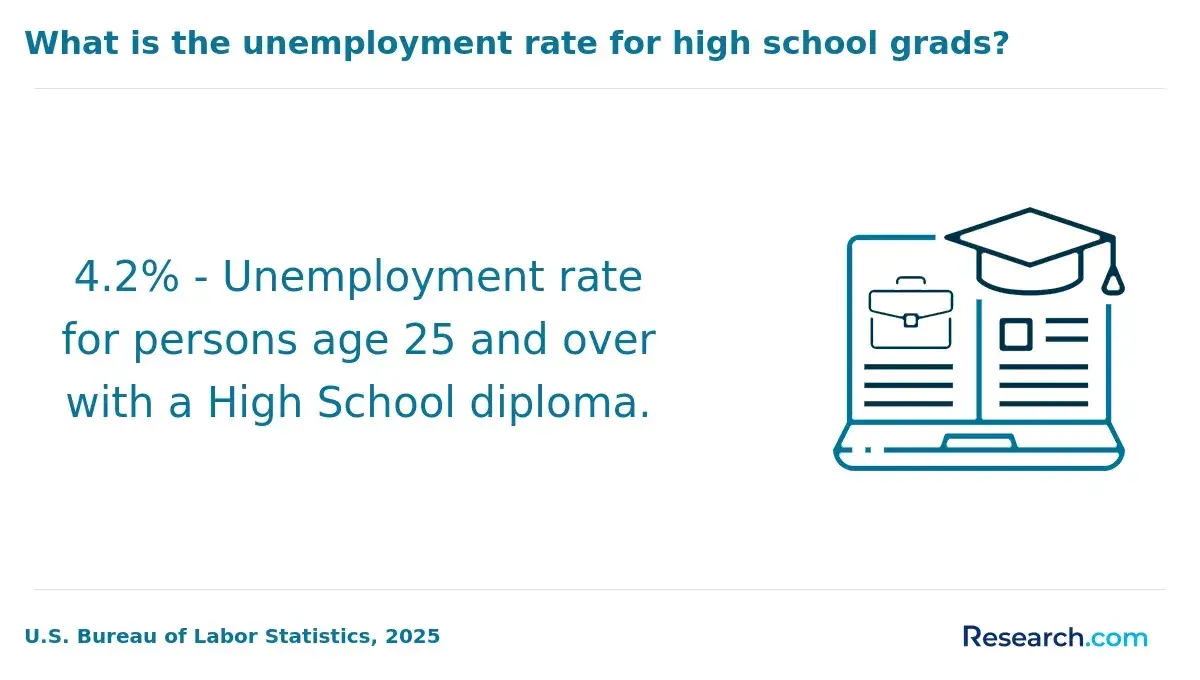
What are the admission requirements for adult learners enrolling in online Computer Science bachelor's degrees?
Admission requirements for adults entering online computer science bachelor’s programs are often more flexible than requirements for recent high school graduates, but they are not automatic. A 2025 study found that 62% of online programs have adapted their admissions to value professional experience alongside academic credentials.
Most schools still need evidence that the applicant can succeed in college-level coursework, especially in mathematics and technical subjects. Adult applicants should prepare transcripts, employment history, prior training records, and a clear explanation of why computer science fits their goals.
- Academic credentials: Most programs require a high school diploma or GED as a baseline. Students with previous college experience should submit all official transcripts, even if the coursework is old or unrelated, because credits may still apply to general education requirements.
- Mathematics proficiency: Computer science programs usually expect readiness in algebra and sometimes precalculus. Adults who have been away from school for many years may be asked to take a placement exam or complete a refresher course before starting calculus, discrete mathematics, or algorithms.
- Standardized tests: Some institutions still list SAT or ACT scores in admissions materials, but many waive them for adult applicants. Instead, schools may review work experience, essays, recommendations, prior college grades, or placement assessments.
- Technical readiness: Applicants do not always need professional programming experience, but basic computer literacy is important. Familiarity with file systems, spreadsheets, online learning platforms, and introductory coding concepts can make the first term easier.
- Transfer credits: Prior college courses can shorten the degree timeline. STEM, mathematics, English composition, humanities, and social science courses may all be useful, depending on the curriculum. Technical credits may receive closer review because computing content changes quickly.
Adult learners should contact admissions and academic advising before applying if they have unusual records, old transcripts, military training, professional certifications, or international coursework. A brief conversation can clarify whether the school is likely to accept transfer credits, waive tests, or recommend prerequisite courses.
One professional who completed an online computer science bachelor’s degree described the process as challenging but manageable. He said that returning without recent academic records felt intimidating at first, but placement tests and preparatory modules made the requirements clearer. “It was encouraging to see programs weigh my work history and motivations rather than just test scores,” he explained. Advisor support helped him connect past experience to program requirements and move through enrollment with less uncertainty.
Is a bachelor's in Computer Science still a wise investment for adults over 40?
A bachelor’s in computer science can be a wise investment for adults over 40 when the degree supports a specific career move, salary goal, promotion path, or technical transition. It is less compelling when a student enrolls without a clear target role, ignores total cost, or chooses a program that does not fit their schedule.
Graduates over 40 pursuing an online bachelor’s in computer science often see salary increases between 15% and 30% within a few years. That outcome reflects demand for skills in software development, cybersecurity, data analytics, systems analysis, and related technology roles. The degree can also improve eligibility for leadership positions when a professional already has industry experience but lacks a formal computing credential.
The investment case is strongest for adults who can combine the degree with prior experience. For example, a healthcare administrator who learns programming and data systems may move toward health informatics. A finance professional may shift into data analysis, risk technology, or fintech operations. A military or public-sector employee may use the degree to strengthen credentials for cybersecurity or systems roles.
Online programs can also reduce opportunity cost because students may continue working while studying. Many learners finish within three to four years, depending on transfer credits, course load, and program structure. Research indicates most adult learners recover tuition costs within five to seven years due to increased earnings, though individual outcomes depend on job market conditions, prior experience, location, networking, and the student’s ability to build a portfolio of practical work.
Adults should avoid assuming that the degree alone guarantees a job. Employers often look for evidence of applied skill: completed projects, internships, GitHub repositories, cloud experience, security labs, data projects, or relevant work experience. The degree is most valuable when paired with demonstrable technical ability.
One graduate described the degree as demanding but worthwhile. “It was overwhelming at times,” he said, especially while managing family and job responsibilities. What kept him going was the ability to apply coursework directly to workplace problems. He added that “the confidence and new career options made every challenge worth it.”
How can online Computer Science bachelor's degrees help over-40 professionals at work?
Online computer science bachelor’s programs can help professionals over 40 improve their performance in current roles before they even graduate. A recent survey found that 78% of learners integrate coursework directly into their current roles, which shows why employer support for upskilling can be valuable.
For midcareer professionals, the benefit is often not only learning to code. It is learning how software systems work, how data moves through organizations, how security risks are managed, and how technical teams make decisions. That knowledge can improve communication with developers, analysts, vendors, and executives.
- Skill modernization: Adult learners may already understand business operations, customers, compliance, or team leadership. Computer science coursework adds current technical knowledge in programming, databases, software engineering, cybersecurity, systems, and data structures, helping professionals replace outdated assumptions with current practices.
- Stronger workplace problem-solving: Courses in algorithms, databases, and systems design can help employees diagnose inefficiencies, automate repetitive tasks, evaluate software proposals, and ask better questions during technical projects.
- Flexible learning while employed: Online computer science degrees for midcareer professionals allow students to keep earning income while studying. This matters for adults who cannot pause work for a traditional residential degree.
- Real-world application: Many programs include coding projects, virtual labs, team assignments, or capstone work. These assignments can become portfolio pieces that show employers practical skill, not just completed coursework.
- Career mobility: A computer science bachelor’s degree after 40 can support internal promotion, a move from operations into technology, a shift into software or cybersecurity, or a transition into technical management.
Adults comparing online education broadly may find it helpful to look at how other career-focused degrees structure flexible study, such as the best online criminal justice degree, while recognizing that computer science typically requires more sustained technical practice and math preparation.
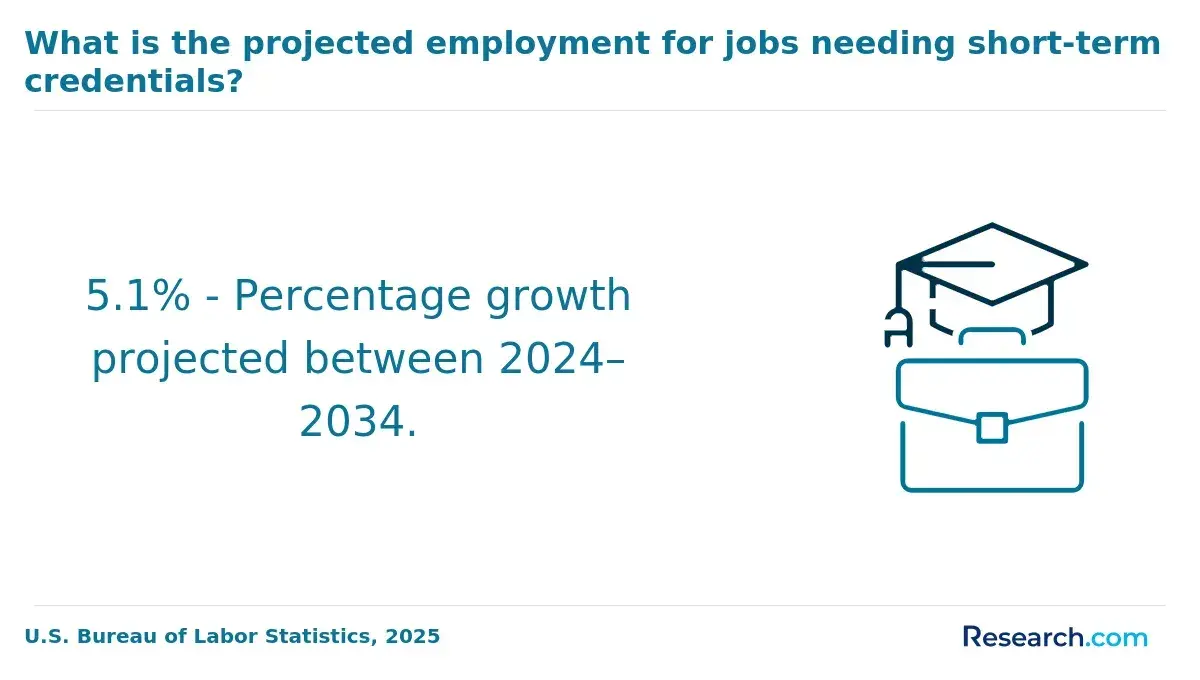
What financial aid opportunities are available for adult students enrolling in Computer Science degree programs?
Adults over 40 may qualify for many of the same financial aid programs as younger students, and they may also have access to employer benefits, workforce retraining funds, scholarships for returning students, or grants aimed at STEM participation. Nearly 85% of students receive some form of financial aid, so it is worth building a funding plan before enrolling.
The first step is usually to complete the FAFSA for eligible programs. Students should then ask each school for a written estimate that separates tuition, fees, books, technology costs, transfer-credit savings, grants, loans, and payment-plan options. Adult learners should be cautious about borrowing more than necessary, especially if they are close to retirement planning years or already managing family financial obligations.
- ASIST Grant: The Adult Students in Scholastic Transition (ASIST) grant supports adults returning to education after a break. Applicants must be financially independent, enrolled at least half-time, and pursuing a degree intended to improve employment prospects in fields such as computer science.
- STEM Workforce Diversity Grant: This grant supports diversity in STEM fields and may target underrepresented adults, including women and minorities over 40. Eligibility generally requires enrollment in a recognized STEM program such as computer science, with priorities varying by state or private sponsor.
- Google Career Certificates Scholarship: Although commonly associated with certificate programs, this scholarship can apply to some computer science bachelor’s degree credits through partner institutions. Applicants typically need to show financial need and work with participating education providers.
- Federal Pell Grant: The Federal Pell Grant is available to eligible adult students who meet income guidelines and enroll in eligible programs. Early FAFSA submission matters because some aid is limited and awarded on a first-come, first-served basis.
- Employer tuition assistance: Many employers provide tuition reimbursement, tuition assistance, scholarships, or repayment benefits for employees building technical skills. Adults should confirm annual caps, grade requirements, repayment obligations, approved-school lists, and whether leaving the employer triggers repayment.
Students should also ask whether scholarships are renewable, whether part-time enrollment affects aid, and whether summer courses are covered. A low tuition rate can still become difficult to manage if aid only applies to full-time enrollment or if required fees are excluded.
Adults comparing financial aid across online degrees can also examine how funding works in other professional programs, such as an online hospitality management course, while keeping in mind that STEM programs may have different lab, software, and equipment costs.
Can your professional Computer Science certifications be converted into academic credit?
Yes, some online computer science bachelor’s programs allow professional certifications to be converted into academic credit through Prior Learning Assessment, often called PLA. This can be especially useful for adults over 40 who already have IT, cybersecurity, cloud, networking, or software-related experience. Over 85% of US colleges have PLA policies, allowing students to translate professional experience or certifications into college credits.
PLA is not automatic. Schools decide whether a certification matches the learning outcomes of a specific course. The same certification may earn credit at one institution and no credit at another. Students should request a written PLA review before enrolling if certification credit is central to their budget or completion timeline.
Common certifications accepted for credit include CompTIA A+, Certified Information Systems Security Professional (CISSP), Microsoft Certified: Azure Fundamentals, and Amazon Web Services (AWS) Certified Solutions Architect. The amount of credit depends on the program, the date the credential was earned, the certification level, and how closely it aligns with required courses.
Programs may ask for documentation such as certification transcripts, exam score reports, renewal records, training history, a professional portfolio, or a standardized assessment. Some schools charge PLA evaluation fees, so students should compare the fee against the tuition savings before proceeding.
For adults balancing work and family obligations, certification credit can speed degree completion by up to one year and save thousands in tuition. The best use of PLA is to avoid repeating material already mastered while preserving enough advanced coursework to build new, marketable skills.
How many previously earned college credits can you transfer into a Computer Science program?
Adult learners over 40 can often transfer a significant number of prior college credits into an online computer science bachelor’s program. Most institutions allow transfers of 60 to 90 credit hours, which equals about two to three years of coursework. This can shorten the time to graduation and reduce tuition substantially.
Transfer credit depends on three main factors: where the credits were earned, how well the courses match the new degree plan, and how old the coursework is. Credits from accredited institutions are more likely to transfer. General education courses such as English, history, social science, and humanities often transfer more easily than major-specific computer science courses.
Technical credits receive closer scrutiny. Programming, cybersecurity, networking, systems, and database courses may expire after five to seven years because tools, languages, and practices change quickly. A course in English composition may remain useful decades later; an old programming course may not satisfy current major requirements even if it appears on the transcript.
Students should gather official transcripts and, when possible, old syllabi or course descriptions. A formal evaluation can determine which credits apply to general education, electives, prerequisites, or the computer science major itself. According to a 2022 survey, about 85% of online computer science programs welcome transfer credits from adult students.
The most important number is not how many credits a school accepts in total, but how many apply directly toward graduation. A program may accept credits as electives while still requiring many major courses. Adult learners should ask for a degree-completion map showing remaining courses, estimated terms, total cost, and any prerequisites before committing.
Do you still need SAT or ACT scores for online Computer Science degree admissions at age 40?
Adults over 40 usually do not need SAT or ACT scores for admission to an online computer science bachelor’s degree program. Many institutions use test-optional or test-free admissions policies for nontraditional students, especially applicants with college credits, work experience, military training, or a long gap since high school.
Instead of standardized test scores, schools commonly review high school records, GED completion, college transcripts, professional history, admissions essays, recommendations, or placement exams. Applicants over 25 or those with prior college coursework are often evaluated on evidence that better reflects adult readiness.
There are still exceptions. SAT or ACT scores may be useful or required for some competitive scholarships, honors programs, selective admissions tracks, or applicants with limited academic documentation. Strong scores can sometimes strengthen an application, but retaking standardized tests at age 40 is rarely the best first step unless the program specifically requires them.
Adult students should confirm requirements directly with each admissions office because policies vary. If a program requests test scores and the applicant does not have them, it is reasonable to ask whether placement exams, recent college coursework, a portfolio, professional certifications, or letters of recommendation can substitute.
How can adult students evaluate which online Computer Science bachelor's degree to choose?
Adult students should evaluate online computer science bachelor’s degrees with a practical checklist: accreditation, total cost, transfer credit, scheduling, curriculum, support services, and career outcomes. The right program should fit both the student’s professional goal and their weekly capacity to study.
- Accreditation: Confirm that the institution is properly accredited. Program-level accreditation, when available, can add another layer of assurance. Accreditation matters for transfer credit, graduate school, employer recognition, and financial aid eligibility.
- Curriculum relevance: Prioritize programs with current coursework in programming, software engineering, data structures, algorithms, databases, operating systems, cybersecurity, artificial intelligence, and data science. The curriculum should match the roles the student wants after graduation.
- Flexible scheduling: Adults balancing careers and family responsibilities should check whether courses are asynchronous, synchronous, accelerated, term-based, or self-paced. Flexibility is valuable, but too little structure can be difficult for students who need regular deadlines.
- Transfer-credit policy: Ask how many credits can transfer and how many will apply to the degree. A generous transfer policy can save time and money, but only if the credits reduce actual graduation requirements.
- Practical experience: Look for virtual labs, coding assignments, capstone projects, portfolio development, internship options, or employer-connected projects. Applied work helps students demonstrate skills beyond the transcript.
- Adult learner support: Strong programs offer academic advising, tutoring, math support, technical help, career coaching, and clear communication outside traditional business hours. This support can be decisive for students returning after many years away from school.
- Cost and financial aid: Compare full tuition, per-credit rates, semester fees, technology fees, books, software, proctoring, and financial aid. Transparent pricing is essential for adults managing household budgets.
- Career alignment: Review graduate outcomes, employer partnerships, alumni stories, and career services. A program designed for software engineering may not be ideal for a student targeting cybersecurity, data analytics, or IT leadership.
Adults should also consider their starting point. A student with no technical background may need a program with stronger introductory support and tutoring. A working IT professional may prefer a program that recognizes certifications and moves quickly into advanced coursework. A student seeking a promotion may value employer recognition and applied projects more than speed.
Common mistakes include choosing the cheapest program without checking accreditation, choosing the fastest program without confirming workload, ignoring math prerequisites, assuming all credits will transfer, or enrolling before understanding the total cost after fees. A careful comparison reduces the risk of stopping out midway through the degree.
It can also be useful to compare program structures across related technical and professional fields, including an environmental engineering bachelor's degree online, to understand how online programs handle labs, applied projects, accreditation, and financial planning.
What Graduates Say About Their Online Computer Science Bachelor's Degree
- : "Returning to school at 40 felt daunting, but choosing an online computer science bachelor's degree allowed me to balance work and family with ease. The affordability of an accredited program made it a practical investment, especially since it eliminated commuting costs and fees typical of on-campus courses. Pursuing this degree opened doors for a career pivot into software development, proving that it's never too late to change paths. — Trace"
- : "I decided to pursue an online computer science degree later in life because I wanted to update my skills in a rapidly evolving field without quitting my job. The manageable tuition fees and flexible schedule were crucial for my decision, allowing me to study without sacrificing financial stability. Graduating gave me both confidence and a competitive edge that helped me secure a promotion that I had been aiming for years. — Sutton"
- : "At 40, the choice to enroll in an online computer science bachelor's program was motivated by my desire to stay relevant in the tech industry while avoiding the traditional college environment. The program's accreditation assured me the cost was worthwhile, especially given the career advancement I experienced after graduation. I now work in cybersecurity, a field I never imagined entering before this degree. — Ezekiel"
Other Things You Should Know About Computer Science Degrees
Many online Computer Science programs provide dedicated technical support tailored to adult learners, including 24/7 help desks, live chat, and email assistance. These services help resolve software installation issues, platform navigation, and access to learning resources, ensuring students can focus on their coursework without technology hindrances.
Yes, online Computer Science programs often offer accommodations such as extended time for assignments and exams, flexible deadlines, and accessible course materials to support adult students with varying learning needs. Institutions generally require documentation of these needs but strive to create inclusive learning environments.
In 2027, networking plays a crucial role in online Computer Science programs for adults over 40. Students can engage in virtual events, join professional groups on platforms such as LinkedIn, and collaborate in online forums, enabling them to build a professional network that can assist in career transitions and job placements.
References
- Discover Scholarships for Computer Science Majors https://www.computerscience.org/scholarships-overview/
- Online Bachelor’s Degree Computer Science https://www.umgc.edu/online-degrees/bachelors/computer-science
- 2025 Most Affordable Online Bachelor's Degrees in Computer Science https://www.onlineu.com/most-affordable-colleges/computer-science-degrees
- Best Online Colleges For Working Adults https://www.affordablecollegesonline.org/college-resource-center/online-colleges-for-working-adults/
- 9 Scholarships for Computer Science Majors | Financial Aid https://www.petersons.com/blog/9-scholarships-for-computer-science-majors/
- Average Cost of Online College [2025]: Yearly Tuition + Fees https://educationdata.org/average-cost-of-online-college
- Unlocking college credit with certifications: A guide for students and teachers https://certiport.pearsonvue.com/Blog/2024/September/Unlocking-ACE-Credit.aspx
- CS Scholarships and Funding for Students | Code.org https://code.org/en-US/students/scholarships
- Top 40 Computer Science Scholarships in 2026 https://scholaroo.nationaltoday.com/computer-science-scholarships/
- Earn an Online Computer Science Degree | OEDb.org https://www.oedb.org/rankings/online-computer-science-programs/


