2027 Best Accredited Online Art Studies Bachelor's Degree Programs

Co-Founder and Chief Data Scientist
Choosing an online bachelor's degree in art studies is not just a question of convenience. The bigger decision is whether the program will be recognized by employers, support serious studio and research work, and help you build a portfolio that can stand up in competitive creative fields. Accreditation matters because it signals that a school has been reviewed for academic quality, student support, faculty standards, and institutional stability. It can also affect transfer credits, graduate school options, and access to federal financial aid.
That distinction is especially important for online learners. Art studies programs vary widely: some emphasize studio practice, others focus on art history, design, digital media, museum work, or interdisciplinary creative practice. Employers increasingly look for verified credentials from recognized institutions, and 68% of creative industry employers consider accreditation a key hiring criterion. A flexible program is useful only if it also provides rigorous critique, credible faculty, strong digital resources, and a curriculum aligned with your goals.
This guide explains how to compare accredited online art studies bachelor's degree programs, what accreditation standards to check, how online curricula compare with campus-based study, what costs and financial aid to expect, and how graduates can use the degree in creative, educational, museum, and design-related careers.
Key Points About the Best Accredited Online Art Studies Bachelor's Degree Programs
- Students gain industry-relevant skills in digital media, art history, and visual communication-preparing them for diverse roles in galleries, advertising, and multimedia production.
- Online programs reduce expenses by eliminating commuting and allowing flexible pacing, which can lower overall tuition and related costs significantly.
- Graduates access expanding remote internships and freelance opportunities-50% of art professionals report enhanced career flexibility from online credentials.
What are the best accredited online Art Studies bachelor's degree programs?
The best accredited online art studies bachelor's programs combine recognized institutional accreditation, a coherent curriculum, meaningful critique, faculty access, and portfolio development. Accreditation should be the first filter, but it should not be the only one. A strong program should also match the kind of creative work you want to do after graduation, whether that is design, illustration, digital media, art history, museum work, teaching support, or further graduate study.
Graduates from accredited programs have a 15% higher employment rate within their field compared to non-accredited institutions. The following programs are commonly considered by students looking for accredited online art-related bachelor's options with different academic strengths.
- Savannah College of Art and Design: Accredited by the Southern Association of Colleges and Schools, SCAD is known for specialized creative concentrations such as animation and interactive design. Its online delivery is designed to closely mirror the campus experience through live instruction, digital resources, and structured creative feedback.
- Academy of Art University: This regionally accredited institution offers flexible online study with a strong emphasis on project-based learning. Students use a virtual portfolio system to submit creative work, receive critiques, and demonstrate practical skills in digital media and industry tools.
- University of Florida: Accredited by the Southern Association of Colleges and Schools, UF offers a balance of studio practice, art history, and academic inquiry. Students interested in both traditional and digital approaches may find the curriculum useful because it connects making, research, and visual analysis.
- Oregon State University: OSU offers an accredited Bachelor of Arts in Applied Art and Design with an interdisciplinary focus. The program may be a good fit for students who want to apply visual arts and design thinking to communication, problem-solving, and broader creative fields.
Before applying, compare each program by format, portfolio expectations, software requirements, critique methods, transfer policies, and total cost. Some students also start with a lower-cost credential before transferring into a bachelor's program; a fast-track online associate degree may help establish foundational credits when the receiving bachelor's program accepts them.
What accreditation standards should an online Art Studies bachelor's degree program meet?
An online art studies bachelor's degree should meet the same core academic expectations as a comparable campus program. Accreditation does not guarantee that a program is the best fit for every student, but it does indicate that an outside body has reviewed the institution or program against defined quality standards. Fewer than 200 institutions nationwide hold accreditation specifically for art-focused programs, which shows why students should look carefully at both institutional and program-level review.
- Institutional accreditation: The college or university should be accredited by a recognized accrediting agency. This is especially important for federal financial aid, credit transfer, employer recognition, and admission to many graduate programs.
- Programmatic or specialized accreditation: For art-focused programs, programmatic review can provide an additional signal that the curriculum, facilities, faculty, and student outcomes meet discipline-specific expectations.
- Curriculum quality: A credible art studies curriculum should combine art history, theory, visual analysis, studio or applied practice, and portfolio development. It should not be limited to isolated software tutorials or general electives without a clear academic sequence.
- Faculty qualifications: Instructors should have advanced academic preparation, professional creative experience, or both. Online students should also be able to access faculty for critique, advising, and feedback rather than relying only on prerecorded content.
- Learning resources: Online programs should provide appropriate digital libraries, image databases, virtual studio tools, software access or guidance, and technical support. For studio-based courses, students should understand what materials or equipment they must supply themselves.
- Assessment standards: Strong programs use multiple forms of assessment, including portfolio reviews, written analysis, presentations, creative projects, and critiques. This matters because art studies requires both conceptual understanding and finished work.
Students comparing accredited online education more broadly may also review unrelated fields, such as affordable EMBA programs, to see how accreditation, cost, flexibility, and institutional reputation are evaluated across degree types.
How can I check the accreditation status of an online Art Studies bachelor's program?
Do not rely only on a school's marketing language when checking accreditation. Accreditation claims should be verified through official sources because similar-sounding agency names can be confusing, and not every accreditation type carries the same value. Approximately 87% of U.S. college students attend regionally accredited institutions, which are generally considered more reputable than nationally accredited ones.
- Confirm institutional accreditation in DAPIP: Search the U.S. Department of Education's Database of Accredited Postsecondary Institutions and Programs (DAPIP) to verify that the college or university is listed and that its accreditation is current.
- Check the accreditor through CHEA: Use the Council for Higher Education Accreditation (CHEA) website to confirm that the accrediting agency is legitimate and recognized. This step helps you avoid unrecognized or misleading accrediting bodies.
- Look for art-specific accreditation: If the school claims programmatic accreditation, verify it directly with the relevant organization, such as the National Association of Schools of Art and Design (NASAD). Do not assume that institutional accreditation automatically means every art program has specialized accreditation.
- Ask the school for written confirmation: Contact admissions or the registrar and request an official statement of accreditation, including the accrediting agency, current status, and whether the specific online art studies bachelor's program is included.
- Check transfer and graduate school implications: If you may transfer or continue into graduate study, ask receiving institutions whether they recognize credits or degrees from the school you are considering.
A graduate of an accredited online art studies bachelor's program described the process as confusing at first: “I remember feeling uncertain because there were so many websites and agencies-it wasn't clear which ones mattered.” He said cross-checking official databases and requesting formal documentation from admissions helped him make a confident decision. “It made a big difference knowing I had triple-checked everything before enrolling.”
Why is it important to check if an online Art Studies bachelor's program is accredited?
Accreditation protects the practical value of your degree. It affects whether you can use federal aid, whether credits are likely to transfer, how employers and graduate schools view the credential, and whether the program has been reviewed for basic academic quality. About 85% of credits from accredited programs transfer successfully, which can be important if you change schools, pause your education, or pursue a graduate degree later.
- Federal financial aid eligibility: Students generally need to attend an appropriately accredited institution to qualify for federal aid. Without that access, the out-of-pocket cost of a degree can rise sharply.
- Transfer credit protection: Accredited coursework is more likely to be considered by other colleges. Transfer is never automatic, but accreditation improves your chances of keeping the credits you have earned.
- Employer recognition: Employers may review whether a degree comes from a recognized institution, especially for roles that require a bachelor's degree or involve teaching, arts administration, design leadership, or museum-related work.
- Graduate school readiness: Many master's programs expect applicants to hold degrees from accredited institutions. A non-accredited bachelor's degree can limit future academic options.
- Curriculum review: Accreditation helps confirm that the program covers essential areas such as art history, critique, portfolio development, visual theory, and studio or applied creative work.
- Student protections: Accreditation reviews can include student support, institutional resources, faculty qualifications, and administrative practices, all of which matter in an online program.
Cost-conscious students comparing degree value may find it useful to review how affordability and accreditation are handled in other fields, including an online accounting degree, because the same questions about aid, transferability, and institutional recognition apply across disciplines.
Does the online Art Studies curriculum mirror the rigor of on-campus programs?
An accredited online art studies curriculum can be as rigorous as an on-campus program when it uses clear learning outcomes, qualified faculty, structured critique, serious reading and writing assignments, and portfolio-based assessment. The format is different, but the academic standard should not be lower. The main trade-off is that online students gain flexibility while taking more responsibility for workspace, materials, time management, and self-directed practice.
- Studio and applied work: Campus programs may offer immediate access to shared studios, specialized equipment, and in-person demonstrations. Online programs adapt this experience through recorded demonstrations, digital submissions, remote critique, and student-supplied materials.
- Art history and theory: Online delivery can work especially well for research-heavy courses because students can engage with readings, lectures, digital archives, image databases, and written analysis on a flexible schedule.
- Critique and feedback: In-person critiques provide real-time discussion. Online critiques can be equally substantive when faculty use video feedback, live sessions, peer review, and detailed written comments.
- Technology expectations: Online students often build strong digital workflow habits through virtual studios, digital portfolios, file sharing, and multimedia presentations. These skills can be useful in creative workplaces that rely on remote collaboration.
- Limitations by medium: Students working in sculpture, printmaking, ceramics, or other equipment-heavy areas may need local studio access or additional materials. Programs should clearly state these requirements before enrollment.
A graduate of an accredited online art studies bachelor's degree said the rigor felt comparable to what campus peers experienced, but the learning style required adjustment. “Adapting to digital critiques was challenging at first-I missed the immediacy of in-person feedback,” he explained. He also noted that building a physical portfolio while studying remotely required extra planning, which strengthened his organization and documentation habits.
How much does it cost to attend an accredited online Art Studies bachelor's degree program?
The cost of an accredited online art studies bachelor's degree depends on tuition, residency status, transfer credits, required software, studio materials, technology fees, and the length of time it takes to finish. Students should compare total program cost, not just the per-credit tuition rate.
For in-state online students, tuition commonly falls between $6,000 and $15,000 per year. Online study can represent savings of 15% to 40% compared to on-campus rates, largely because students may avoid housing, commuting, parking, and some campus-based expenses. However, online art students still need to budget for supplies, digital tools, and course-specific fees.
| Cost category | Typical amount stated | What to check before enrolling |
| Technology fees | $100 to $500 annually | Whether the fee covers learning platforms, software access, technical support, or online course infrastructure. |
| Digital textbooks and course materials | $300 to $700 per year | Whether open educational resources, library access, or used materials can reduce the cost. |
| Virtual lab or studio access | $200 to $600 yearly | Whether the fee includes required platforms, image databases, portfolio tools, or specialized applications. |
| Application fees | $50 to $100 | Whether fee waivers are available and whether portfolio review requires a separate cost. |
Ask each school for a full cost estimate that includes tuition, mandatory fees, software, supplies, portfolio requirements, and graduation fees. If you have previous college credit, request a transfer evaluation early; accepted credits can reduce both cost and time to completion.
What financial aid options are available for Art Studies students?
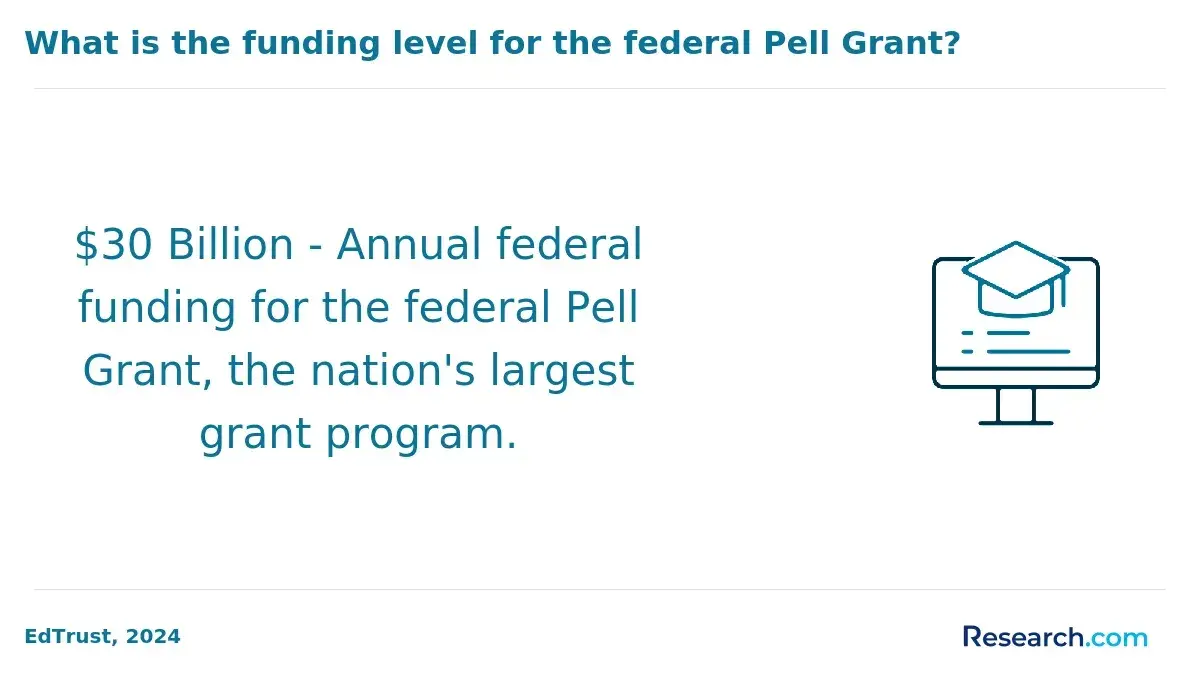
Financial aid for online art studies students can come from federal, institutional, private, and arts-focused sources. Around 85% of undergraduate students receive some form of financial aid, and the federal government distributes over $120 billion annually to support college affordability. The most important first step is to confirm that the school is properly accredited and eligible for federal aid, then submit required aid forms as early as possible.
- Federal Pell Grant: This need-based grant supports eligible undergraduate students and does not need to be repaid. Eligibility depends on financial need and other federal aid criteria.
- Federal student loans: Loans can help cover tuition and required costs, but they must be repaid with interest. Borrow only what is necessary and compare expected debt with realistic career goals.
- Art-focused scholarships: Many awards consider portfolio quality, academic performance, creative promise, community engagement, or leadership in the arts. These scholarships often require samples of work, essays, or recommendations.
- Institutional grants and scholarships: Accredited schools may offer merit-based or need-based aid for online students. Ask whether online learners qualify for the same awards as campus students.
- Private scholarships: Arts foundations, nonprofits, community organizations, and professional associations may fund students pursuing creative fields. Some awards support diversity and underrepresented groups in the arts.
- Work-study programs: Eligible students may qualify for paid work connected to campus departments, community organizations, galleries, arts education, or administrative support. Availability varies by institution and student eligibility.
- Employer tuition assistance: Students already working in education, design, museums, marketing, or creative services should ask whether their employer offers tuition reimbursement or professional development funding.
Because art programs can require supplies and software beyond tuition, students should ask financial aid offices whether aid can be applied to required course materials and technology expenses.
What are the career outcomes for graduates of online Art Studies bachelor's degree programs?
Career outcomes for online art studies graduates depend heavily on portfolio quality, technical skills, internships or freelance experience, professional network, and the focus of the degree. The diploma can help meet bachelor's degree requirements, but creative hiring often depends on evidence of work. Students should graduate with a polished portfolio, clear writing about their practice, and experience presenting ideas to clients, faculty, peers, or community partners.
- Graphic Designer: Graphic designers create visual concepts for brands, publications, campaigns, products, and digital platforms. Art studies graduates may be competitive when they combine visual communication, typography, layout, and software skills. The Bureau of Labor Statistics (BLS) forecasts about 3% job growth in this field from 2022 to 2032.
- Museum Technician or Conservator: These roles involve supporting the care, documentation, preservation, and management of collections. Art history, visual analysis, research methods, and museum-related coursework can be useful, though some conservation roles may require graduate study or specialized training.
- Art Director: Art directors guide the visual direction of projects in advertising, publishing, entertainment, media, and design environments. Graduates usually need substantial professional experience and a strong portfolio before moving into this level of creative leadership.
- Illustrator and Multimedia Artist: These professionals create images, concepts, and visual assets for books, games, advertising, online media, animation, and other formats. Success often depends on a distinctive style, digital fluency, and consistent portfolio development.
- Art Educator or Community Arts Coordinator: Graduates may work in community arts, nonprofit programming, workshops, youth programs, or arts administration. Teaching in public schools may require separate state licensure, and community college teaching may require additional graduate education depending on the institution.
Students interested in the intersection of art, culture, and public spaces may also compare related fields such as the most affordable online urban planning and development degree programs, especially if they are considering cultural development, placemaking, or community arts work.
What is the employer perception of online Art Studies graduates?
Employer perception of online art studies graduates has improved as online education, remote collaboration, and digital creative workflows have become more common. A 2023 survey from the National Association of Colleges and Employers revealed that 72% of employers consider accredited online degrees in art studies equally credible. That acceptance is strongest when the degree comes from a recognized institution and the candidate can show strong work samples.
For most creative roles, employers care about three things at once: the credibility of the credential, the quality of the portfolio, and the candidate's ability to work professionally. Online graduates can strengthen their position by documenting projects clearly, explaining their creative process, showing mastery of relevant software, and demonstrating that they can receive critique and meet deadlines.
- What helps: Regional or recognized accreditation, a strong portfolio, internship or freelance experience, faculty references, software proficiency, and clear communication skills.
- What can hurt: An unaccredited school, weak portfolio documentation, limited critique experience, no evidence of collaboration, or a degree that does not align with the target role.
- What to prepare for interviews: A digital portfolio, selected project case studies, an artist or design statement, and examples showing how you solved visual or conceptual problems.
Institutional reputation and accreditation still matter. Even when employers are open to online degrees, they may look more carefully at the school, the program quality, and the graduate's body of work.
How can I choose the best accredited online Art Studies bachelor's degree for my goals?
The best accredited online art studies bachelor's degree is the one that fits your career direction, learning style, budget, and portfolio needs. Start with accreditation, then compare the substance of the program. A low-cost or flexible degree may not be a good value if it does not provide critique, faculty access, portfolio development, or the coursework needed for your intended path. Online enrollment is growing in specialized fields, and 68% of students prioritize access to support services when choosing their program.
- Define your goal first: Decide whether you are aiming for design work, illustration, digital media, arts administration, museum support, graduate school, teaching-related work, or personal creative development. Different programs emphasize different outcomes.
- Review the curriculum sequence: Look for a structured path from foundational study to advanced projects. A strong program should include art history, theory, critique, applied practice, and portfolio development.
- Check faculty expertise: Faculty should have academic credentials, professional creative experience, or both. Review whether instructors work in areas that match your interests.
- Compare delivery format: Asynchronous courses offer flexibility, while live sessions may provide stronger real-time critique. Choose the format that fits your schedule and learning preferences.
- Evaluate resources: Ask about virtual studios, software requirements, library access, image databases, technical support, and whether students receive discounts or licenses for required tools.
- Confirm support services: Advising, career counseling, tutoring, portfolio review, disability services, and networking opportunities can make a significant difference for online learners.
- Calculate total cost: Include tuition, fees, materials, software, transfer credit policies, and expected time to completion. The cheapest option is not always the best value if it delays graduation or lacks career support.
- Ask about outcomes: Request information on graduate pathways, portfolio expectations, internship support, alumni work, and preparation for graduate study or licensure-dependent roles.
Students comparing long-term degree value can also review guidance on master's degrees that are worth it, especially if they are considering graduate study after completing an art studies bachelor's degree.
What Graduates Say About Their Online Bachelor's in Art Studies
- : "Choosing an accredited online art studies bachelor's degree was crucial for me because it ensured that my education met high academic standards and was widely recognized in the industry. The affordability of the program allowed me to balance work and studies without overwhelming financial stress. After graduating, I noticed a significant boost in my portfolio's credibility, which opened new doors for gallery exhibitions and freelance projects. —Callen"
- : "I opted for an accredited online art studies bachelor's degree because I wanted a flexible schedule that accommodated my full-time job. Although the cost was higher than I initially expected, the investment paid off as I gained access to expert instructors, professional critiques, and valuable networking opportunities. This degree was a game-changer for my career, giving me the confidence and credentials to secure a teaching position at a local community college. —Koen"
- : "Reflecting on my journey, enrolling in an accredited online art studies bachelor's program was the best decision for advancing my career without relocating. The cost was manageable, especially considering the scholarship options available, which made it even more accessible. Today, I credit this degree for enhancing my technical skills and artistic vision, enabling me to take on leadership roles in creative agencies with greater authority and respect. —Owen"
Other Things You Should Know About Art Studies Degrees
Admission requirements typically include a high school diploma or equivalent, a portfolio of previous work, and completion of an application. Some programs may require SAT or ACT scores. Specific requirements can vary by program, so check individual schools for details.
In 2027, students typically need a reliable computer, high-speed internet, and digital design software like Adobe Creative Suite. Some programs may require specific hardware specifications, such as a graphics tablet, to support coursework in graphic design, animation, or digital illustration.
References
- How to Check if an Online Degree Is Real | Find Trusted Courses https://dsuonline.com/resources/blogs/how-to-check-if-an-online-degree-is-real/
- Standards & Guidelines » CAA Guidelines https://www.collegeart.org/standards-and-guidelines/guidelines/bfa
- 3497+ Bachelors Scholarships in Art & Art Studies globally 2026-27 [Updated] https://www.wemakescholars.com/bachelors-scholarships-in-art-art-studies-to-study-abroad
- Find The Best Online Art Schools | Accredited Schools Online https://www.accreditedschoolsonline.org/liberal-arts/art-schools/online/
- St. Ambrose University is accredited by the Higher Learning Commission https://sau.edu/academic-programs/bachelors/education/ba-secondary-education-program/bachelors-art-teacher-education/accordion-section/accordion-accreditations/
- Online Art School - A Guide to the Best Art Schools Online https://theartcareerproject.com/online-schools/
- The Benefits of Accreditation for Higher Education https://edamba.eu/the-benefits-of-accreditation-for-higher-education
- Is accreditation important? https://www.thestudentroom.co.uk/showthread.php
- 5 Best Online Art Degrees | Find Affordable Options https://www.affordablecollegesonline.org/degrees/art-schools/
- Accreditation and recognition | NABA https://www.naba.it/en/accreditation