
2027 How to Become a Genetic Counselor: Education, Salary, and Job Outlook

Co-Founder and Chief Data Scientist
Becoming a genetic counselor is a graduate-level healthcare career for people who want to combine genetics, risk assessment, patient education, and counseling. The decision is not only whether you enjoy biology; it is whether you want to help patients and families understand uncertain, personal, and sometimes difficult genetic information.
This guide explains the credentials, skills, salary expectations, work settings, internships, advancement options, and day-to-day challenges of the profession. It is designed for students comparing healthcare careers, career changers considering a science-based counseling role, and applicants preparing for genetic counseling master's programs.
What are the benefits of becoming a genetic counselor?
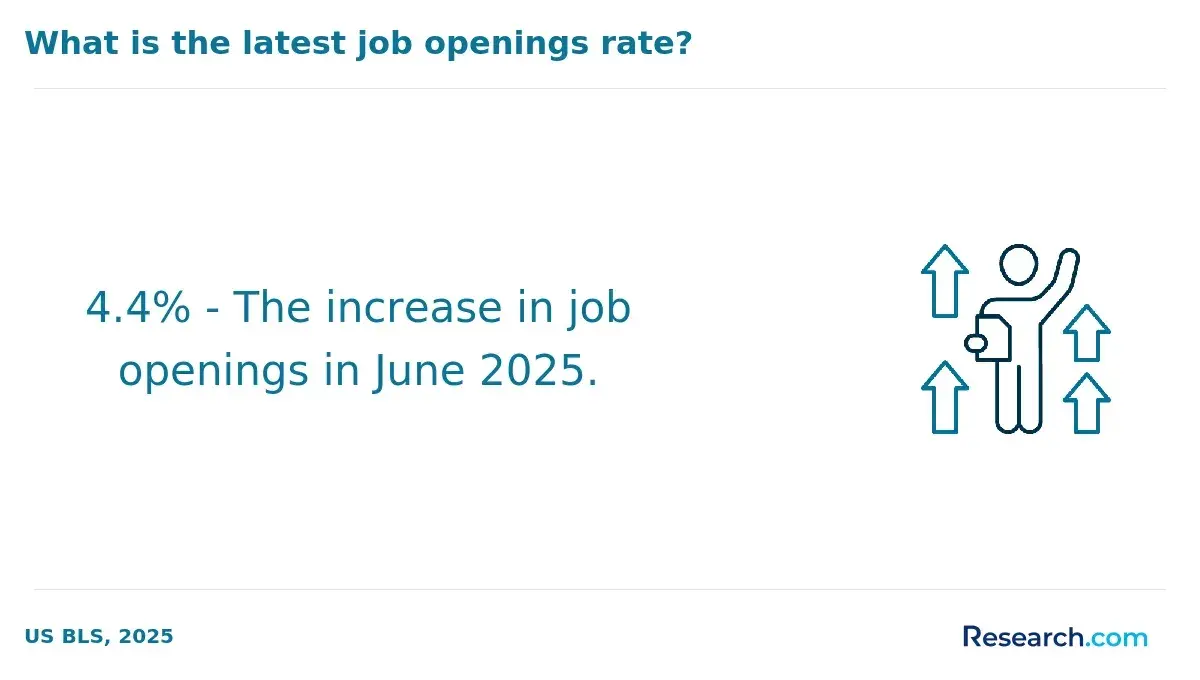
- Genetic counselors enjoy a strong job outlook, with employment expected to grow about 29% from 2021 to 2031-much faster than average for all occupations.
- Average salaries hover around $85,000, reflecting growing demand and specialized expertise in genetics and healthcare support.
- Pursuing this career offers meaningful patient interaction, opportunities in diverse settings, and a chance to impact personalized medicine and family health decisions.
What credentials do you need to become a genetic counselor?
To practice as a genetic counselor, you generally need a strong undergraduate science foundation, a specialized master's degree, board certification, and, in many states, a license. The path is structured because genetic counselors interpret complex medical information and help patients make decisions that may affect entire families.
- Bachelor's degree: You must first complete a bachelor's degree. Genetic counseling programs commonly expect coursework in genetics, biochemistry, biology, psychology, and statistics because the profession requires both scientific analysis and patient-centered communication.
- Master's degree in genetic counseling: A master's degree from an Accreditation Council for Genetic Counseling-accredited program is essential and usually takes two full years to complete. These programs combine classroom study, supervised clinical rotations, case preparation, ethics, psychosocial counseling, and research.
- Admission criteria for master's programs: Most require at least a 3.0 GPA, GRE scores, letters of recommendation, and advocacy or counseling experience. Competitive applicants usually show evidence that they understand the profession, not just that they have strong grades.
- Certified Genetic Counselor (CGC): After completing the master's degree, you must pass the American Board of Genetic Counseling exam to become certified. This certification lasts five years and requires ongoing education to maintain.
- State licensure: Genetic counselor certification and state licensure in the United States are crucial since over half of U.S. states now require a license to practice, and employers usually demand CGC certification.
The most important credential decision is program accreditation. If your goal is to become certified and employable as a genetic counselor, choose a program that supports eligibility for the certification process and clinical training expectations.
Certification also affects practice logistics. Some insurance companies only cover tests done by certified counselors, making CGC certification more than a resume credential. If you are interested in healthcare but want a shorter training path, you can also compare related options such as 6 month certificate programs high paying jobs.
What skills do you need to have as a genetic counselor?
Genetic counseling requires more than knowing genetics. The strongest professionals can interpret test results, explain risk clearly, recognize emotional distress, and support patients without pushing them toward a specific decision.
- Genetics and genomics expertise: You need to understand inherited conditions, genetic testing methods, variant interpretation, family history patterns, and the limits of what a test can and cannot reveal.
- Statistical analysis: Risk assessment is central to the job. You must be comfortable working with probabilities, recurrence risks, sensitivity, specificity, and uncertainty in clinical information.
- Wet lab awareness: Many genetic counselors do not spend their careers performing laboratory procedures, but they should understand biological samples, testing workflows, and why sample quality and test type affect results.
- Communication skills: You must translate technical findings into language patients can use. That includes explaining uncertain results, negative results, incidental findings, and family implications without oversimplifying.
- Counseling skills: Patients may be anxious, grieving, overwhelmed, or facing reproductive, cancer-risk, or family-planning decisions. Active listening, empathy, and non-directive counseling are essential.
- Research skills: Genetic counselors evaluate evidence, read clinical literature, contribute to studies, and help determine whether emerging findings are clinically useful.
- Technical competencies: Depending on the role, you may work with clinical databases, electronic health records, lab reporting systems, and tools such as SAS, R, Python, and clinical data systems.
A useful way to evaluate your fit is to ask whether you enjoy both detailed scientific problem-solving and emotionally sensitive conversations. Genetic counseling sits directly between those two demands.
What is the typical career progression for a genetic counselor?
Genetic counseling career progression usually begins with supervised clinical practice and expands into independent case management, specialization, leadership, research, education, or industry roles. Advancement depends on experience, certification, workplace needs, and the counselor's chosen specialty.
- Junior Genetic Counselor: This is the typical starting point after completing the master's degree and certification process. In the first couple of years, you build confidence with case preparation, family histories, genetic test interpretation, documentation, and collaboration with physicians and other clinicians.
- Genetic Counselor: After two to five years, many counselors handle more complex cases independently. They may contribute to patient care protocols, coordinate testing strategies, support trainees, and become more involved in service development.
- Senior Genetic Counselor: Typically reached between five and eight years in, this level often includes mentoring, quality improvement, specialized clinical work, regulatory awareness, and leadership within a service line or specialty area.
- Lead or Principal Genetic Counselor: After eight to twelve years, counselors may move into department strategy, program development, policy input, external representation, clinical operations, or cross-functional leadership.
Specialization can shape the timeline. Counselors in cancer genetics, prenatal counseling, pediatric genetics, cardiovascular genetics, neurogenetics, laboratory genetics, research, or industry may develop different responsibilities and advancement opportunities. Some remain patient-facing throughout their careers, while others transition into lab interpretation, product education, clinical trials, academia, or management.
How much can you earn as a genetic counselor?
According to the latest data, the median annual salary for genetic counselors in 2024 was $98,910, with the average close to $102,890. Most earn between $78,680 and $137,780. Entry-level counselors usually start around $75,000 to $81,000, while experienced professionals can move beyond the $90,000 mark and, in some roles, reach six figures.
Your earning potential depends on several factors: experience, specialty, employer type, geographic market, and whether the role is direct patient care, laboratory-based, research-focused, or industry-facing. Non-direct patient care roles such as research or industry often report higher salaries than roles focused primarily on patient appointments.
- Experience: New counselors generally earn less while they build case volume, specialty expertise, and independent judgment.
- Work setting: Hospitals, academic medical centers, laboratories, biotech companies, and private companies may have different compensation models.
- Location: A big hospital in a large city usually pays more than a smaller clinic, although cost of living can reduce the practical value of a higher salary.
- Specialization: Counselors with expertise in high-demand areas may have stronger negotiating power, especially in lab, industry, or leadership roles.
When comparing programs or job offers, look beyond salary alone. Consider tuition, clinical placement support, certification preparation, benefits, remote-work flexibility, supervision, caseload expectations, and long-term advancement. If you are still comparing undergraduate paths, this guide to what is the easiest degree to get? may help you think through broader degree options.
What internships can you apply for to gain experience as a genetic counselor?
Internships, shadowing, research projects, crisis counseling, advocacy work, and healthcare volunteering can all strengthen your preparation for genetic counseling graduate programs. The best experiences help you confirm that you understand the profession's patient-facing, ethical, and scientific responsibilities.
- Rutgers University Summer Internship: This opportunity lets students shadow genetic counselors, participate in seminars, and get involved in research and lab work.
- University of Iowa Internship: This program offers hands-on projects in genetic counseling and personalized genomic medicine, with a strong focus on clinical experience and enrichment activities.
- Lauren Ryan Memorial Genetic Counseling Summer Scholar Program at Color: This remote internship includes mentorship from board-certified genetic counselors and project work that promotes diversity and inclusion.
- Clover Genetics Internship: This internship provides exposure to telehealth practices and allows interns to shadow clinical appointments, helping students improve patient interaction and communication skills.
When evaluating genetic counseling summer internships, look for four things: access to real or simulated counseling encounters, mentorship from certified professionals, exposure to ethical decision-making, and opportunities to reflect on whether the profession fits your strengths. A prestigious name matters less than meaningful responsibilities and thoughtful supervision.
If you are planning your education timeline and want a faster starting point before transferring or completing a bachelor's degree, you can also explore accelerated associates programs.
How can you advance your career as a genetic counselor?
Career advancement in genetic counseling usually comes from a combination of specialization, continuing education, leadership, research involvement, and professional visibility. Because genetics changes quickly, counselors who keep learning and build cross-functional skills are better positioned for senior roles.
- Continuing education: Stay current with new testing methods, variant interpretation standards, treatment developments, ethical issues, and counseling approaches. Workshops, conferences, webinars, and formal courses can help you maintain competence and certification.
- Certification programs: Maintaining credentials is essential. Additional credentials, such as Registered Genetic Counselor (RGC), may also support advancement depending on location, employer, and professional context.
- Networking: Professional relationships can lead to mentorship, referrals, research collaboration, conference opportunities, and leadership roles. Networking is especially valuable in a field where specialties and job settings vary widely.
- Mentorship: A mentor can help you choose a specialty, prepare for promotion, navigate difficult cases, avoid burnout, and decide whether to remain clinical or move into research, industry, education, or administration.
- Professional development: Take on responsibilities that show leadership, such as training new staff, improving workflows, contributing to guidelines, presenting at conferences, publishing research, or helping build a new clinical service.
Advancement does not always mean leaving patient care. Some counselors grow by becoming highly specialized clinicians; others move into lab interpretation, product strategy, research coordination, program management, teaching, or policy. The best path depends on whether you prefer direct counseling, scientific analysis, operations, education, or leadership.
Where can you work as a genetic counselor?
Genetic counselors work wherever genetic information is used to guide health decisions, testing, education, research, or policy. The right setting depends on how much patient contact you want, how comfortable you are with ambiguity, and whether you prefer clinical care, lab work, industry, academia, or public health.
- Hospitals & Medical Centers: Many genetic counselors work in hospitals and medical centers such as Mayo Clinic, Cleveland Clinic, or Johns Hopkins Hospital. These roles often involve direct patient care, multidisciplinary teams, and specialties such as cancer, prenatal, pediatric, or cardiovascular genetics.
- Laboratories & Private Companies: Companies such as Invitae, Labcorp, and Quest Diagnostics employ counselors to help interpret results, support providers, write or review reports, and explain testing limitations. These roles may offer more regular hours and less direct patient stress.
- Industry & Pharma: Biotech firms like 23andMe and Illumina hire genetic counselors for test development, product education, clinical strategy, customer support, and ethical use of genetic data. Some of these roles may include flexible schedules or remote work options.
- Research & Academia: Universities and research institutes including Harvard Medical School and NIH recruit counselors for research, teaching, protocol development, data interpretation, participant education, and policy-related work.
- Public Health & Government: Agencies such as the CDC employ counselors in population genetics, newborn screening, education, surveillance, and policy development to improve access to genetic services.
- Nonprofits & Advocacy Organizations: Groups like March of Dimes may offer roles that combine patient education, outreach, advocacy, program development, and support for families affected by genetic conditions.
- Remote & Flexible Roles: Remote work is growing in telehealth, lab reporting, and consulting, a shift accelerated by the pandemic and now part of normal practice.
Clinical roles typically offer the most direct patient interaction. Laboratory and industry roles may provide more predictable schedules or broader systems-level impact. Academic and research roles are a better fit if you enjoy teaching, evidence review, and contributing to new knowledge.
If you are comparing education options and want to understand shorter programs with strong earning potential, review short degrees that make good money.
What challenges will you encounter as a genetic counselor?
Genetic counseling can be meaningful and intellectually engaging, but it is not an easy career. You may spend the same day interpreting technical genetic data, supporting a distressed patient, documenting complex findings, and navigating insurance or testing limitations.
- Handling a busy workload: Patient appointments, chart review, family history analysis, test coordination, documentation, follow-up calls, and team meetings can create a demanding schedule. Time management is a core survival skill.
- Dealing with emotional strain: Genetic information can affect reproductive choices, cancer risk, family relationships, and long-term health planning. Delivering or explaining difficult results requires empathy and boundaries.
- Keeping up with fast scientific changes: Genetics evolves quickly. You must keep learning about new tests, treatments, evidence standards, and ethical questions throughout your career.
- Navigating insurance and regulations: Coverage, reimbursement, Medicare policies, consent rules, and state licensing requirements can complicate care. Counselors often need to explain limitations and advocate for appropriate access.
- Facing job market challenges: Competition can be stiff, especially in popular areas. At the same time, expanding roles in research, telehealth, laboratories, and industry can shift where opportunities appear.
A common mistake is assuming the job is mostly science education. In practice, the emotional and ethical side is just as important. You may need to help patients make decisions when there is no perfect answer.
What tips do you need to know to excel as a genetic counselor?
To excel as a genetic counselor, build credibility before graduate school, keep improving your communication skills, and stay engaged with the profession after certification. Technical knowledge gets you started; judgment, empathy, and adaptability help you last.
- Get real exposure early: Shadow genetic counselors, volunteer in healthcare, work as a genetic counseling assistant, join research projects, or support patient advocacy organizations. These experiences help you confirm your fit and strengthen graduate applications.
- Practice explaining complex ideas simply: Learn to describe risk, uncertainty, test limitations, and family implications without jargon. Strong counselors can adjust their explanations for patients with different levels of health literacy.
- Build emotional readiness: Practice active listening and become comfortable with silence, grief, anxiety, and uncertainty. Podcasts like DNA Today and The Beagle Has Landed can help you stay engaged with current conversations in genetics.
- Network with professionals: Groups like NSGC or CAGC can help you find conferences, forums, mentors, and informational interviews. Networking can also clarify what graduate programs and employers value.
- Keep learning: Read clinical articles, case discussions, patient stories, professional guidelines, and reputable genetics updates. Continuing education is not optional in a field that changes quickly.
- Be authentic in applications and interviews: Programs want to understand why genetic counseling fits your specific strengths and experiences. Avoid generic statements about liking science and helping people; show evidence through your choices and reflection.
One of the best ways to stand out is to show that you understand both the privilege and responsibility of the role. Genetic counselors are trusted with information that can affect medical care, family communication, and major life decisions.
How do you know if becoming a genetic counselor is the right career choice for you?
Genetic counseling may be the right career if you are drawn to genetics but also want substantial human interaction. It is not the best fit for someone who wants a purely laboratory-based role, avoids emotionally sensitive conversations, or dislikes uncertainty.
- Curiosity and science interest: You should enjoy biology, inheritance patterns, medical research, and the challenge of interpreting incomplete or evolving information.
- People skills: You will spend much of your time having sensitive conversations. Empathy, patience, cultural awareness, and clear communication are essential.
- Emotional resilience: Patients may be facing inherited diseases, cancer risks, pregnancy-related decisions, or unexpected results. You need compassion without becoming overwhelmed by every case.
- Detail-oriented thinking: Genetic counseling involves family histories, medical records, test options, variant classifications, and risk estimates. Small details can matter.
- Comfort with uncertainty: Not every result gives a clear answer. You must be able to explain ambiguity and help patients make informed choices anyway.
- Values and social responsibility: Many genetic counselors care deeply about fairness, diversity, access to care, informed consent, and responsible use of genetic information.
- Lifestyle considerations: Many work in hospitals, clinics, labs, or remote roles with regular hours and good job stability, which can appeal to people seeking a steady, meaningful healthcare career.
- Hands-on experience: Volunteering in healthcare or shadowing a genetic counselor is one of the clearest ways to test whether the environment and conversations feel right to you.
Before committing, compare this path with related careers such as physician assistant, clinical laboratory scientist, research coordinator, genetic counseling assistant, therapist, or public health professional. If you are serious about the field and want a cost-conscious undergraduate route, a cheap online bachelor's degree may help you begin the academic preparation for graduate study.
What Professionals Who Work as a Genetic Counselor Say About Their Careers
- : "Pursuing a career as a genetic counselor has offered me incredible job stability and a competitive salary that reflects the specialized knowledge required. The demand for professionals in this field continues to grow, which gives me great confidence in my career path. — Andrew"
- : "The unique challenges of interpreting complex genetic information and communicating it effectively to patients make this profession incredibly rewarding. Each day presents new learning opportunities and the chance to make a meaningful impact on families' lives. — Kyla"
- : "What I value most about working as a genetic counselor is the continuous professional development and diverse workplace environments available, from hospitals to research institutions. This flexibility has allowed me to expand my expertise and adapt my career to evolving interests. — Carson"
Other Things You Should Know About Becoming a Genetic Counselor
In 2027, the starting salary for a genetic counselor generally ranges from $55,000 to $65,000 annually, depending on factors such as location, healthcare setting, and level of experience. Salaries can increase with specialization, advanced certification, and years of practice.
Typically, becoming a genetic counselor takes about six to seven years after high school. This includes earning a relevant bachelor's degree followed by a two-year master's program accredited by the ABGC. Some students may take additional time gaining experience or completing prerequisites.
In 2027, to become a licensed genetic counselor, candidates must earn a master’s degree from an accredited genetic counseling program and pass the American Board of Genetic Counseling (ABGC) certification exam. Licensure requirements may vary by state, so it's important to research specific state mandates.
Genetic counselors need strong communication skills to explain complex genetic concepts to patients. They must also have analytical skills to interpret genetic data and a compassionate nature to provide emotional support. Decision-making abilities are crucial in guiding patients through choices based on genetic information.
References
- Genetic counselors' scope of practice and challenges in genetic counseling services in Saudi Arabia - PMC https://pmc.ncbi.nlm.nih.gov/articles/PMC6372413/
- CAGC - Canadian Association of Genetic Counsellors https://www.cagc-accg.ca/
- Genetic Counselor - Explore Healthcare Careers - Mayo Clinic College of Medicine & Science https://college.mayo.edu/academics/explore-health-care-careers/careers-a-z/genetic-counselor/
- Becoming a Genetic Counsellor - AGNC https://www.agnc.org.uk/about-us/becoming-a-genetic-counsellor/
- How to Become a Genetic Counselor | Education, Skills & Career Guide https://www.scuhs.edu/msgc-article/pathway-to-success-becoming-a-genetic-counselor/
- Eight Genetic Counselors Discuss the Future of Genetic Counseling https://perspectives.nsgc.org/Article/eight-genetic-counselors-discuss-the-future-of-genetic-counseling
- Genetic counseling: A growing area of opportunity | Science | AAAS https://www.science.org/content/article/genetic-counseling-growing-area-opportunity
- Careers in Genomics: Genetic Counseling – HudsonAlpha Institute for Biotechnology https://www.hudsonalpha.org/everyday-dna-careers-in-genomics-genetic-counseling/
- Genetic Counseling Internship | Johns Hopkins Medicine https://www.hopkinsmedicine.org/genetic-medicine/education-training/genetic-counseling-internship
- Summer Internship in Genetic Counseling | Iowa Institute of Human Genetics - Carver College of Medicine | The University of Iowa https://humangenetics.medicine.uiowa.edu/education-division/summer-internship-genetic-counseling


