2027 Health Education Affordability by State: Where Students Pay the Most and Least

Co-Founder and Chief Data Scientist
Choosing between two health education programs can become a financial gamble when in-state tuition is $8,000 annually, but out-of-state tuition approaches $25,000. Beyond tuition, living costs often erode expected savings in lower-cost states, complicating budgeting for students balancing work and study. A 2024 National Postsecondary Student Aid Study found that students in states with higher tuition frequently borrow less, reflecting either access challenges or alternative funding, which suggests that cost disparities influence enrollment decisions and student debt burdens. This analysis explores health education affordability by state, pinpointing where students face the greatest and least financial barriers to degree completion.
Key Things to Know About Health Education Affordability by State
- State tuition gaps often widen when factoring in higher living costs, causing "cheapest states" by sticker price to yield limited affordability once total expenses are considered, influencing student budgeting strategies.
- Out-of-state Health Education tuition premiums frequently surpass average salaries of entry-level roles, directing many toward in-state programs, which align better with regional employer expectations and licensure standards.
- A 2024 study links reduced state funding to increased student borrowing in Health Education, revealing that limited financial aid access delays graduation timing and restricts access to campus-based experiential learning opportunities.
- Which States Have the Most Affordable Health Education Degree Programs? Most Affordable State Programs
- Which States Have the Highest Health Education Degree Costs? Highest State Tuition Costs
- How Much Does a Health Education Degree Cost by State? Degree Costs by State
- Why Does Health Education Affordability Vary So Much Between States? State Affordability Variations
- How Do In-State and Out-of-State Tuition Rates Affect Health Education Affordability? In-State vs. Out-of-State Rates
- How Does the Cost of Living Impact Overall Health Education Affordability by State? Living Costs and Affordability
- Which States Offer the Best Value for a Health Education Degree? Best Value State Degrees
- What Financial Aid and Scholarship Opportunities Can Reduce Health Education Costs? What Financial Aid and Scholarship Opportunities Can Reduce Health Education Costs?
- Are Online Health Education Degree Programs More Affordable Than On-Campus Options? Are Online Health Education Degree Programs More Affordable Than On-Campus Options?
- Is a Health Education Degree Worth the Cost Based on Career Outcomes and ROI? Degree ROI and Outcomes
Which States Have the Most Affordable Health Education Degree Programs?
State-level variations in tuition and public funding create significant disparities in the affordability of health education degree programs, shaping where students can access the most cost-effective pathways. For instance, states like Wyoming keep in-state tuition around $5,000 annually at public four-year institutions-about half the national average-due to strong state investment and targeted grant programs. This dynamic often means that students with residency in these states face substantially lower out-of-pocket expenses, while out-of-state or online learners may encounter different tradeoffs, such as higher fees or limited access to local financial aid. When balancing affordability against the long-term value of a health education degree, understanding how residency policies and institutional competition influence tuition pricing is essential for making informed enrollment decisions.
The broader economic context within each state also plays a critical role, with lower cost-of-living areas like Idaho and New Mexico amplifying the financial advantage of attending locally. These combined factors can significantly impact degree completion timelines and borrowing needs, as students in higher-cost states often require more extensive financial planning or shift toward programs offering flexible online options. Furthermore, when students weigh interstate differences in affordable state-by-state health education tuition rates, they must consider how varying educational infrastructures and digital offerings affect both direct and indirect costs over time. For students exploring viable routes, especially budget-conscious learners and families, evaluating these operational realities alongside program outcomes is crucial-and this includes assessing related fields and degree levels, such as the best DNP programs online among those seeking advanced specialization.
Which States Have the Highest Health Education Degree Costs?
Higher costs for health education degrees in states like California and Massachusetts often reflect complex interactions between local funding strategies, the dominance of private institutions, and regional economic pressures rather than simple tuition rate differences. For example, students attending public universities in high-cost metropolitan areas confront not only elevated tuition but also steep living expenses, which collectively push the total price near $40,000 annually for out-of-state enrollees according to the National Center for Education Statistics 2024 data. This pricing dynamic forces prospective students to weigh the immediate financial burden against potential access to larger healthcare networks and internships, while also considering whether reduced state subsidies and competitive program investments justify the higher outlay. Such tradeoffs frequently inform decisions on residency establishment, online study options, or selecting less expensive states where public funding is more robust and living costs remain moderate.
States with a substantial presence of private universities often see skewed tuition averages due to these institutions' premium pricing that funds specialized tracks and research opportunities, adding to the complexity of comparing affordability on a purely numerical basis. Conversely, states with broader public institution enrollment and stable funding tend to offer more predictable and lower total costs, though this may come with smaller healthcare market ecosystems and fewer experiential opportunities. For budget-conscious students, this requires evaluating not just sticker price but the practical return on investment shaped by local job markets, employer expectations, and program reputations within the health education sector. Ultimately, geographic tuition variance signals that affordability decisions must account for regional economic contexts and institutional profiles rather than rely on aggregate cost data alone.
One recent graduate described how they delayed enrollment while researching costs across states, realizing that qualifying for in-state tuition could save thousands annually but meant relocating far from family and familiar support systems. They also balanced the appeal of online programs against concerns about network-building and face-to-face mentorship common in higher-priced metropolitan universities. While financial aid packages offset some expenses, uncertainty about hidden fees and living costs complicated direct comparisons. Their eventual choice reflected a cautious confidence that lower tuition combined with targeted internship opportunities offered a sustainable path without sacrificing essential career development resources.
How Much Does a Health Education Degree Cost by State?
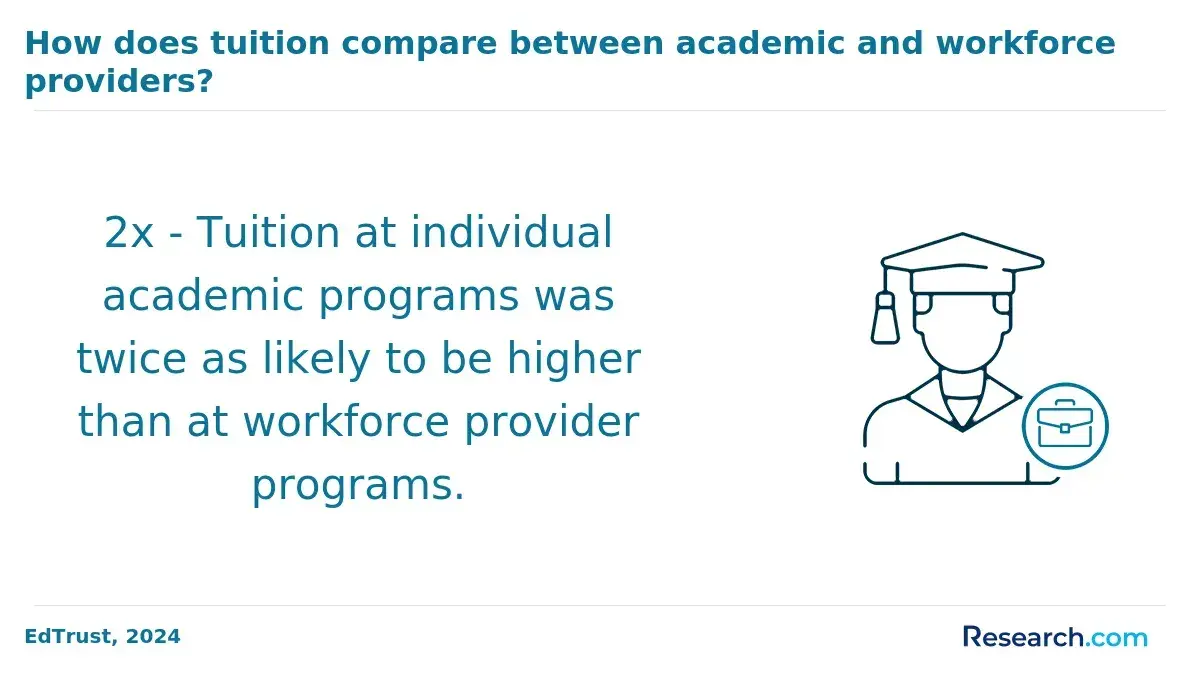
Financial planning for a health education degree must account for significant cost disparities between states, shaped by tuition structures and living expenses rather than program quality alone. For example, a student from Oklahoma choosing an in-state public university can expect average tuition around $6,000 annually, while the same degree costs over $15,000 in Massachusetts or Vermont, a gap largely tied to state funding priorities and institutional subsidy levels. Out-of-state tuition often doubles or triples these amounts, influencing whether students consider relocation, online programs, or local in-state options to manage debt and time to completion effectively.
Beyond sticker price, regional cost-of-living differences compound the total financial burden. States with lower tuition tend to have more affordable housing and transportation, reducing overall attendance costs; conversely, states like California and New York not only charge higher tuition but also present higher living costs, raising the effective price to potentially $50,000 annually. Policies such as tuition reciprocity agreements and targeted scholarships can offset some of these disparities, but students must evaluate how eligibility and residency definitions impact their net cost and access to aid. These factors directly affect enrollment patterns, with budget-sensitive students often prioritizing schools balancing cost with recognized credentials and employer networks, emphasizing the need to weigh immediate affordability against long-term career alignment and local job market realities.
Why Does Health Education Affordability Vary So Much Between States?
Variations in health education tuition and fees differences by state largely reflect divergent state funding priorities and institutional mixes, which directly shape cost structures. States with substantial public university investments tend to absorb more tuition costs for residents, enhancing affordability, while those relying on private colleges or with lower funding levels shift greater expenses to students. For example, Florida's supportive residency policies and financial aid frameworks offer relatively moderated costs, contrasting sharply with states like California, where high cost-of-living and limited state subsidies raise prices significantly. These regional factors influencing health education costs compel budget-conscious students to weigh in-state benefits against potential savings from online or out-of-state programs.
Enrollment pressure from increasing demand for health education qualifications is another driver of tuition dynamics, particularly where capacity constraints trigger short-term price escalations. Additionally, the ratio of private to public institutions within a state influences average cost trajectories, since private colleges often lack direct state-funded offset mechanisms. According to the National Center for Education Statistics 2024 report, states investing more per capita in public higher education reduce barriers for local health education candidates, though disparities persist. Those evaluating where to study must consider these complex financial tradeoffs alongside program quality and career outcomes, possibly exploring options like the best school for medical billing and coding for specific specialty affordability and aid availability.
How Do In-State and Out-of-State Tuition Rates Affect Health Education Affordability?
The stark contrast between in-state and out-of-state tuition significantly alters the financial calculus for students pursuing a health education degree, often making local institutions more appealing for budget-conscious learners. According to 2024 IPEDS data, public colleges typically charge out-of-state students more than twice the tuition paid by in-state residents, with average annual rates around $9,500 for locals versus over $23,000 for nonresidents. This disparity shapes enrollment decisions, particularly when weighing whether relocating to obtain in-state status or exploring interstate tuition reciprocity agreements is worthwhile. Such regional compacts can moderate costs but tend to be limited to certain states and programs, which means many students still face a sizeable affordability gap if they choose institutions beyond their residency or reciprocity reach.
Private colleges generally maintain flat tuition regardless of residency, often exceeding public in-state fees but sometimes aligning closely with out-of-state public rates, complicating comparisons and financial planning. The rise of online health education programs offers some relief by charging uniform rates, though non-tuition expenses like technology access and diminished networking opportunities must factor into total cost assessments. Financial aid and institutional scholarships vary widely and do not always offset the out-of-state premium, which underscores the importance of thorough cost-benefit analysis in selecting programs across state lines. These tuition dynamics, tied closely to state funding models and residency policies, play a crucial role in shaping who can feasibly pursue health education without incurring untenable debt.
One graduate recalled hesitating to commit to an out-of-state public university after discovering the tuition was more than double local rates, despite the program's strong reputation. Although regional reciprocity was available, it did not cover her specific degree, leaving her to weigh the financial strain against anticipated employment prospects. She ultimately stayed in-state but expressed frustration over the complexity of residency rules and uncertainty about the true return on investment, highlighting how opaque and uneven tuition structures can influence critical educational choices for health education students.
How Does the Cost of Living Impact Overall Health Education Affordability by State?
Housing costs frequently outweigh tuition in determining the total expenses students face when pursuing a health education degree, with states like California and New York demonstrating how elevated rent can double or triple monthly budgets. Transportation further complicates affordability; for instance, students in sprawling urban regions with weak public transit must factor in car ownership costs, insurance, and fuel, pushing some to reconsider on-campus programs or explore online options to mitigate these expenses. This interplay of local economic pressures means that a lower tuition school in a high-cost state can ultimately require a larger financial commitment than a pricier program in a region with modest living costs, underscoring the need for prospective students to scrutinize cost beyond sticker price when comparing states or residency decisions.
The impact of regional living expenses on health education tuition extends beyond housing and transit to include food, healthcare, and utilities, which can significantly shift monthly budgets and influence debt accumulation. In states with higher median incomes, the combined weight of grocery bills and medical expenses often climbs, adding between 8-10% to student spending compared to lower-cost areas where these figures may hover near 5-7%. These factors can prompt students to prioritize programs offering flexible schedules, part-time enrollment, or online coursework, strategies that accommodate employment and reduce exposure to steep regional costs while preserving progress toward degree completion. Such real-world tradeoffs bear heavily on financial aid planning and long-term repayment obligations.
Analyzing health education affordability by state cost of living requires weighing these comprehensive expenses against expected program outcomes and local labor market conditions. Students who fail to adjust for these variables may overestimate savings from in-state tuition or undervalue the benefits of programs that, while costlier upfront, reduce the need for costly commuting or relocate to affordable areas. For those seeking advanced credentials, including doctorate healthcare administration pathways, evaluating total cost of attendance alongside post-graduation earning potential and job placement resources is critical for making sustainable investment decisions in educational and career trajectories.
Which States Offer the Best Value for a Health Education Degree?
Evaluating the value of a health education degree across states demands scrutiny beyond sticker tuition, focusing on residency-based tuition policies, financial aid structures, and how these factors affect total cost of attendance. For example, North Carolina's public institutions offer lower in-state tuition-around $8,500 annually-paired with relatively strong graduation rates near 65%, which can meaningfully reduce debt risk compared to states like California where in-state tuition often exceeds $15,000. Yet, the cheaper tuition must be weighed against local job market conditions and living expenses, as states with lower tuition but weaker healthcare industry growth may delay timely employment, undermining ROI despite upfront savings.
Students should also consider the impact of state funding priorities on program quality and completion support, as sustained investment often correlates with better workforce outcomes. In regions like Texas and Florida, expanding healthcare sectors facilitate faster job placement for health education graduates, which offsets moderate tuition costs and can improve long-term financial stability. By contrast, states with prestigious programs but higher living costs and student debt, such as New York, might erode affordability, especially when median starting salaries remain within a similar range to more affordable states. The Institute for College Access & Success notes that graduates in well-funded southern states frequently graduate with less than $25,000 in student loan debt, a crucial factor for managing repayment within typical entry-level health education salaries.
What Financial Aid and Scholarship Opportunities Can Reduce Health Education Costs?
Federal aid programs like Pell Grants remain critical for many health education students, with nearly 85% of undergraduates in related fields receiving some form of financial assistance according to National Center for Education Statistics 2024 data. However, the fixed nature of such grants often covers only a fraction of tuition in higher-cost states, forcing students to rely heavily on state grants or institutional scholarships. For example, a student attending a public university in New York may benefit from more generous need-based state funding compared to a peer in a state with limited grant programs, directly impacting their out-of-pocket expenses and borrowing needs.
Eligibility criteria and renewal requirements for these aid types add complexity to financial planning, especially for part-time or nontraditional students balancing work and study. Institutional scholarships, often merit- or program-specific, can reduce costs but vary widely by school endowment and strategic priorities, making them less reliable as a consistent resource. Additionally, employer-sponsored tuition benefits and loan repayment programs have become more prevalent but usually come with service commitments that constrain career mobility.
Students living near state borders may access tuition reciprocity agreements, which can shift affordability but require careful navigation of residency rules and enrollment conditions. Ultimately, these layered aid structures and their administrative nuances underscore the importance of evaluating both institutional policies and local funding landscapes to make cost-effective decisions aligned with long-term career trajectories.
Are Online Health Education Degree Programs More Affordable Than On-Campus Options?
Online health education degree affordability comparison reveals that while tuition for many fully online bachelor's programs in health-related fields can be 15% to 30% lower than comparable on-campus rates, this difference alone does not guarantee overall savings. Students often avoid substantial expenses like campus housing and commuting, which can add $8,000 to $12,000 annually in metropolitan areas, yet online learners may incur increased technology fees and internet costs that partially offset these savings. Residency policies further complicate affordability; out-of-state tuition charges for remote students can diminish the perceived cost advantage of online programs, especially in public institutions where state residency strongly influences pricing.
Cost differences between online and on-campus health education programs also depend heavily on individual circumstances. For instance, working students might reduce opportunity costs by enrolling online, maintaining employment while studying, but they should weigh this against employer perceptions, as some research indicates in-person degrees may be more favorably regarded in hiring decisions. Financial aid availability is another factor: federal Pell Grants and subsidized loans are accessible to online students at similar rates as campus learners, but institution-specific scholarships tend to favor on-campus enrollees. Students exploring educational pathways, including accelerated pharmacy programs, should carefully analyze their state's tuition structures and institutional policies to identify where pursuing a health education degree offers the most practical financial advantages.
Is a Health Education Degree Worth the Cost Based on Career Outcomes and ROI?
The financial worth of a health education degree varies significantly by state and institution type, deeply influencing the degree's practical value. States with lower tuition rates and higher graduation rates generally offer stronger return on investment, while high-cost public or private institutions often lead to increased debt without proportional salary gains. For example, a student burdened with $35,000 in debt from an expensive program in a region with sluggish wage growth faces a tougher decision than one who graduates from a lower-cost institution in a state with growing public health job markets. Students must gauge these disparities alongside local labor demand to avoid overcommitting to costly programs that may limit regional employability or require relocation, impacting the overall ROI of their health education degree return on investment by state.
Labor market trends show promising demand for health educators nationally, but median wages reflect significant geographic variance, not always matching the highest tuition costs charged. Success often hinges on obtaining supplemental credentials or advanced degrees, which add both time and expense but can improve job stability and earnings, influencing long-term career outcomes for health education graduates in the US. Beyond tuition and debt, students should factor in opportunity costs and career alignment, recognizing that practical employment depends on more than credentials alone. For those seeking specialized tracks, exploring options like online PMHNP programs with clinical placement offers a model of integrating practical training that can mitigate some job market uncertainties.
References:
- States - MPH Online https://www.mphonline.org/states/
- 20 Affordable Health Sciences Degrees - Healthcare Administration Degree Programs https://www.healthcare-administration-degree.net/best/affordable-health-sciences-degrees/
- Cost of Living Index by State 2026 https://worldpopulationreview.com/state-rankings/cost-of-living-index-by-state
- Does College Pay Off? A Comprehensive Return On Investment Analysis - FREOPP https://freopp.org/whitepapers/does-college-pay-off-a-comprehensive-return-on-investment-analysis/
- Understanding the Relationship Between Education and Health - NAM https://nam.edu/perspectives/understanding-the-relationship-between-education-and-health/
- Global Healthcare Affordability Issues | Commonwealth Fund https://www.commonwealthfund.org/publications/surveys/2023/nov/cost-not-getting-care-income-disparities-affordability-health
- Online Education vs. On-Campus Tuition: How ACE Online Degree Programs Help Keep Your Costs Down | ACE Blog https://ace.edu/blog/online-education-vs-on-campus-tuition-how-ace-online-degree-programs-help-keep-your-costs-down/
- Is A Master’s Degree in Healthcare Management A Good Investment? - Healthcare Management Degree Guide https://www.healthcare-management-degree.net/faq/is-a-masters-degree-in-healthcare-management-a-good-investment/
- The College Affordability Gap: Insights and Impact on Families https://encoura.org/resources/wake-up-call/the-college-affordability-gap-insights-and-impact-on-families
- Online vs Hybrid vs Campus Learning in Healthcare: Which Is Right for You? https://www.edumed.org/articles/online-vs-hybrid-vs-campus/
Other Things You Should Know About Health Education
States that allocate more public funding to health education programs often provide lower tuition rates and better academic resources, directly impacting students' learning quality and affordability. However, increased funding does not always guarantee program relevance or connections with local employers, which are crucial for job placement. Students should prioritize states where funding supports not just cost reduction but also robust practicum opportunities and updated curricula aligned with evolving public health needs.
Higher-cost programs may offer stronger clinical placements, internships, and networking opportunities essential for health education careers. In contrast, lower-cost states might limit access to hands-on experiences employers value, potentially complicating job searches post-graduation. Budget-conscious students might consider investing more upfront if the program's employer connections translate into better placement rates and practical skill development, despite higher tuition.
Affordability can sometimes mean fewer advanced training pathways or professional development resources within the state's institutions. Many budget-friendly states have limited offerings for specialized certifications or graduate programs, which can slow career progression. Students aiming for leadership roles should weigh initial cost savings against long-term access to continuing education that supports promotion and salary increases.
States with strong demand for health educators can justify higher tuition due to better job prospects and salary potential, making investment more financially sound despite upfront costs. Conversely, in states where demand is stagnant or oversaturated, even low-cost degrees might not yield adequate employment opportunities, reducing ROI. Prospective students should analyze local job market trends alongside tuition costs to avoid misaligned educational investments.