2027 How Employers Are Changing Hiring Criteria for Health Education Graduates in the AI Era

Co-Founder and Chief Data Scientist
A prospective health education graduate scanning job postings may find that a degree alone no longer guarantees a foot in the door. Employers increasingly expect candidates to demonstrate skills beyond formal education, especially as artificial intelligence reshapes workplace demands. According to a 2024 report from the U.S. Bureau of Labor Statistics, nearly 40% of employers now prioritize AI literacy and adaptable skills alongside academic credentials during hiring, reflecting a shift driven by rapid technological integration across industries.
This evolving landscape requires health education graduates to rethink how they prepare for the workforce. Hiring criteria are moving toward evaluating candidates' ability to leverage AI tools, analyze data, and communicate complex information effectively. This article examines these changing expectations, highlights the growing value of AI literacy and transferable skills, and explores strategies students can employ to remain competitive in the AI era.
Key Things to Know About the Changing Hiring Criteria for Health Education Graduates in the AI Era
- Employers now prioritize candidates who can leverage AI-driven data analytics for community health assessments, shifting from traditional knowledge to applied AI integration, which demands practical experience with AI tools in public health contexts.
- AI literacy—including the ability to interpret machine-generated insights—is increasingly vital; a 2024 survey found 68% of health organizations require AI competency, influencing curricula and highlighting transferable skills over static content mastery.
- Graduates demonstrating adaptability in ethical AI use and interdisciplinary collaboration outperform peers, reflecting employer preference for nuanced understanding of AI's role in health behavior change and system navigation complexities.
- Key Things to Know About the Changing Hiring Criteria for Health Education Graduates in the AI Era Key Things to Know About the Changing Hiring Criteria for Health Education Graduates in the AI Era
- How Is AI Changing What Employers Look for in Health Education Graduates? How Is AI Changing What Employers Look for in Health Education Graduates?
- Which AI Skills Are Employers Expecting Health Education Graduates to Have? AI Skills
- Which Human Skills Are Employers Looking for in Health Education Graduates? Human Skills
- How Are AI Tools Changing Daily Work in Health Education Careers? AI Workplace Tools
- How Are Employers Evaluating Health Education Candidates Beyond Academic Credentials? Hiring Criteria
- How Are Health Education Degree Programs Adapting to AI? AI Curriculum
- Which Industries Are Changing Hiring Expectations Most for Health Education Graduates? AI and Industry Expectations
- How Is AI Changing Career Growth for Health Education Professionals? AI and Career Growth
- How Should Health Education Students Prepare for AI-Driven Hiring? Career Preparation
- How Should Students Choose a Health Education Program for the AI Era? How Should Students Choose a Health Education Program for the AI Era?
How Is AI Changing What Employers Look for in Health Education Graduates?
Employers hiring for health education roles are increasingly seeking graduates who can collaborate seamlessly with AI technologies rather than merely executing routine technical functions. The U.S. Bureau of Labor Statistics reported a surge of over 30% in AI adoption within healthcare and public health sectors since 2022, compelling job descriptions to emphasize competencies beyond traditional health behavior theories. Candidates adept at combining community engagement expertise with proficiency in AI-driven data analysis and predictive modeling stand out in this evolving landscape, as they help translate complex AI insights into actionable health strategies for diverse populations.
For prospective and current health education students, developing expertise in AI applications is essential to remain competitive. Those who integrate foundational knowledge with emergent skills will better navigate a job market shaped by technological innovation and ethical complexity. Exploring affordable pathways toward such skill-building-like investigating healthcare administration degree cost-can provide strategic advantages, helping graduates align with employer expectations for health education graduates in the AI era and contribute meaningfully to technology-enhanced public health initiatives.
Which AI Skills Are Employers Expecting Health Education Graduates to Have?
AI integration is reshaping employer expectations for health education graduates by raising the bar beyond traditional public health knowledge and interpersonal skills. Workers in this field must now demonstrate practical AI competencies to effectively harness technology in guiding health interventions and policy decisions. Employers increasingly prioritize candidates who can translate raw data into actionable insights, bridging the gap between analytics and community engagement.
Failure to cultivate these skills may limit graduates' opportunities as organizations seek versatile professionals adept in both health education principles and emerging technological tools. Below are five AI skills that are becoming essential in this evolving landscape:
- Health Informatics Proficiency: Mastery of health informatics platforms allows graduates to collect and interpret large-scale health data efficiently. Employers expect professionals to navigate electronic health records and digital health databases to identify trends, which supports targeted health promotion strategies. Students should seek hands-on experience with common health IT systems and certifications in informatics to remain competitive.
- Machine Learning Data Analysis: Understanding machine learning enables graduates to analyze complex datasets and predict health outcomes. This skill helps in designing interventions that are both evidence-based and personalized. Practical experience with statistical programming languages like Python or R is critical, as they offer the tools needed to build and test predictive models.
- Natural Language Processing (NLP): NLP skills are vital for interpreting unstructured medical texts, patient feedback, and social media health trends. Graduates who can extract meaningful information from these sources help organizations respond swiftly to emerging public health issues. Strengthening this competency involves studying AI applications in text analysis and participating in projects that utilize NLP algorithms.
- Ethical AI Management: Managing AI implementations with an ethical framework ensures data privacy and mitigates bias in health recommendations. Employers expect graduates to critically assess AI outputs to maintain equitable health outcomes and adhere to legal standards. Coursework or workshops on AI ethics in healthcare and data governance are important for building this capability.
- Secure Data Handling: Securely managing sensitive health information is fundamental, especially in compliance with regulations like HIPAA. Graduates must demonstrate skills in data encryption and access controls to protect patient confidentiality. Gaining familiarity with cybersecurity principles tailored to health data is advisable before entering the workforce.
Which Human Skills Are Employers Looking for in Health Education Graduates?
As AI increasingly takes over routine functions in health education roles, employers are adjusting their expectations to prioritize human skills that technology can't duplicate. This shift reflects findings from the 2024 Future of Jobs report by the World Economic Forum and labor trends tracked by the U.S. Bureau of Labor Statistics, both highlighting the growing premium on competencies like critical thinking and empathetic communication. AI excels at processing data and spotting patterns, but it lacks the judgment and emotional nuance required for effective engagement with diverse populations. For health education graduates, mastering uniquely human abilities that complement AI tools has become essential for meaningful impact and employability.
Here are five key human skills gaining importance in the AI-transformed health education landscape:
- Advanced Communication: Conveying complex information clearly and adapting messaging to varied audiences requires more than automated scripts. Graduates should practice interpersonal and public speaking skills to build trust and drive behavior change beyond what AI-generated content can achieve.
- Critical Thinking and Judgment: Interpreting AI outputs and deciding which insights to apply demands analytical reasoning. Students should engage in case studies and scenario analysis to refine their ability to scrutinize algorithmic results critically and formulate practical interventions.
- Emotional Intelligence: Skills like empathy and cultural sensitivity enable health educators to connect authentically with clients and tailor programs based on social determinants of health. Developing these involves immersive community experiences and reflective learning on bias and equity.
- Adaptability and Lifelong Learning: As AI tools continually evolve, professionals must update skills and remain agile. Pursuing ongoing education and embracing interdisciplinary collaboration prepare graduates to navigate shifting technologies and ethical challenges.
- Ethical Reasoning: Balancing the benefits and risks of AI use in sensitive health contexts requires a strong moral framework. Training in ethics, privacy issues, and informed consent helps students anticipate dilemmas and advocate responsibly.
One recent graduate recalled feeling overwhelmed early in her first role when confronted with AI-generated health data that conflicted with community feedback. Initially unsure whether to trust the technology or her personal observations, she drew on her interpersonal skills and cultural competence to negotiate a middle ground, adapting the program based on both data and local context. This experience underscored how human judgment and empathy remain indispensable, even when AI promises efficiency and precision. It wasn't just about having technical knowledge but knowing when and how to apply it thoughtfully alongside human insight.
How Are AI Tools Changing Daily Work in Health Education Careers?
AI technologies are reshaping the daily routines of health education professionals by automating administrative duties such as data entry and routine reporting, freeing practitioners to concentrate on strategic tasks. According to the 2024 data from the U.S. Bureau of Labor Statistics, nearly half of health education workers have integrated AI platforms to enhance the collection and interpretation of community health data.
This streamlines the needs assessment process, allowing specialists to devote more time to crafting targeted interventions rather than managing paperwork. For example, a community health educator might use AI-driven tools to quickly analyze health trends within a population, then apply that insight to design personalized outreach programs that better address specific risk factors.
The rise of AI also shifts responsibilities toward interpreting complex predictive analytics and managing technology-enabled communications. Research from the National Institute for Health Education Advancement highlights that professionals utilizing AI-enhanced instructional design and communication tools experience measurable gains in engagement and knowledge retention among their audiences.
This demands that health educators develop proficiency not only in core public health principles but also in critically evaluating AI outputs, collaborating across digital platforms, and exercising ethical oversight to maintain data integrity and program effectiveness. As employers prioritize candidates who demonstrate fluency with these tools, the role increasingly requires creative problem-solving and continuous adaptation to evolving AI capabilities.
How Are Employers Evaluating Health Education Candidates Beyond Academic Credentials?
Employers are increasingly prioritizing candidates who demonstrate a blend of practical experience and soft skills alongside academic credentials. Recent data from the U.S. Bureau of Labor Statistics shows a notable shift towards valuing evidence such as internships, project portfolios, and industry certifications that prove competence in AI literacy and data analytics. For instance, a health education graduate who completes an internship using AI-driven platforms to tailor patient communication strategies may stand out more than one whose accomplishments solely reflect strong GPA scores. This focus on skills and competencies valued by health education employers in the AI era reflects the demand for professionals who can leverage technology effectively to enhance health outcomes.
Leadership, communication, and adaptability feature prominently in hiring decisions, as health education roles increasingly require collaboration with IT specialists, data scientists, and healthcare providers. Studies like those by the National Association of Colleges and Employers and Deloitte emphasize the importance of teamwork and the ability to convey complex information empathically in interdisciplinary settings. Candidates who cultivate critical thinking and problem-solving abilities, often demonstrated through behavioral interviews or scenario-based assessments, align well with employer expectations in an AI-enhanced workplace. This move towards evaluating practical experience and AI adaptability in health education graduates reveals employers' preference for holistic assessments that look beyond transcripts to measure real-world readiness.
Given the evolving landscape, health education students and professionals should seek opportunities that showcase their technological skills and interpersonal strengths. Pursuing certifications or participating in specialized online MSN PMHNP programs designed with digital tool integration can signal a commitment to continual learning and adaptability. Such credentials, combined with relevant hands-on projects or internships, equip candidates to prove their value amidst rapid AI advancements. Ultimately, embracing this broader evaluation framework enhances career prospects by aligning with employer priorities for comprehensive capabilities in the health education field.
How Are Health Education Degree Programs Adapting to AI?
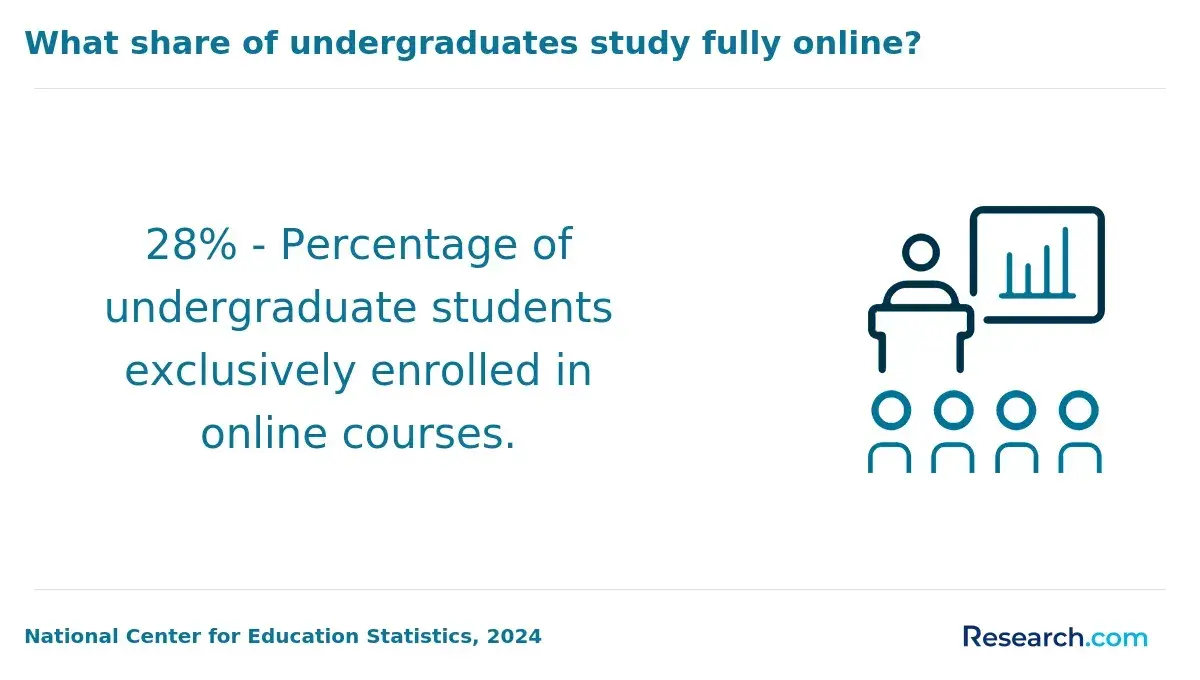
Health education degree programs are increasingly merging traditional public health knowledge with advanced skills in artificial intelligence, reflecting employer demands for graduates proficient in digital applications. A 2024 report by the National Center for Education Statistics highlights that over 60% of bachelor's health education programs in the U.S. now embed AI-focused content, a significant increase from under 25% in 2021. This integration is not merely an add-on but aims to cultivate the ability to analyze AI-driven health data critically and communicate insights effectively to diverse audiences, ensuring students grasp both technological and human-centered aspects.
Institutions face the ongoing challenge of balancing core health education theory with the rapid evolution of AI competencies, prompting interdisciplinary approaches that weave together ethics, data literacy, and practical AI tools within the curriculum. Many programs are expanding experiential learning through internships in organizations deploying AI solutions, enabling students to navigate real-world scenarios such as using predictive modeling to tailor community health interventions ethically. Partnerships with industry and increased emphasis on lifelong learning reflect the need to keep pace with AI advances, emphasizing ethical considerations alongside technical proficiency and preparing graduates for fluid career pathways.
From the workforce perspective, hiring managers now prioritize candidates who demonstrate not only familiarity with AI technologies but also the practical ability to apply these tools to complex public health challenges. Programs adapting to these expectations enhance employability by fostering skills in AI-supported decision-making and data-driven communication strategies. As AI reshapes health education roles, maintaining depth in foundational knowledge while embedding cutting-edge digital expertise becomes critical, underscoring an educational shift toward continuous, adaptable learning rather than fixed knowledge endpoints.
Health education professionals seeking to build simultaneous expertise in foundational public health and emerging AI competencies may explore universities with dual degree programs that pair health education with data science, informatics, or public health analytics. These integrated pathways enable graduates to develop proficiency in both traditional health communication and AI-driven decision-making, positioning them as highly competitive candidates equipped to translate complex health data into actionable community interventions.
Which Industries Are Changing Hiring Expectations Most for Health Education Graduates?
The pace of AI integration varies significantly across industries, shaping how employers value different skillsets in health education graduates. Some sectors adopt AI rapidly to improve efficiency and precision, while others proceed with more caution, affecting which competencies are prioritized. A recent graduate, for instance, might find that while healthcare employers emphasize digital fluency and patient data analytics, pharmaceutical companies focus more heavily on AI tools related to clinical trial management and medication adherence monitoring.
Comparing job postings across sectors reveals distinct expectations shaped by the specific applications of AI and digital technology within each field. Below are five industries where hiring criteria for health education professionals are evolving, most notably due to AI advancements:
- Healthcare Providers: Employers now expect health education graduates to excel in using AI-integrated electronic health records (EHR) and predictive analytics. This shift supports tailored patient communication and management, reflecting growing telehealth adoption, which increased by over 40% from 2022 to 2024 according to U.S. health authorities. Digital literacy combined with traditional health literacy is increasingly essential.
- Pharmaceutical Industry: AI-driven tools for optimizing clinical trials and tracking patient adherence are transforming hiring demands. Many companies seek candidates who can navigate real-world evidence platforms and leverage AI to accelerate drug development. Proficiency in these technologies differentiates applicants in an environment driven by personalized medicine.
- Public Health Agencies: The focus is on utilizing AI-powered epidemiological analytics to monitor disease patterns and support evidence-based policymaking. CDC data shows a 35% rise in job postings requiring expertise in AI surveillance tools between 2023 and 2024, highlighting the sector's rapid AI adoption and evolving skill requirements.
- Insurance Sector: AI-based risk assessments influence wellness program design, shifting the demand toward professionals who can integrate complex AI insights into client education strategies. This cross-disciplinary proficiency is becoming a core hiring criterion as insurers adapt to more data-driven decision-making models.
- Health Informatics Companies: Emerging firms specializing in AI health solutions value health education graduates who understand the intersection between patient education and digital tool implementation. Being fluent in health informatics enables professionals to contribute meaningfully to AI-enhanced platforms and patient engagement technologies.
One recent health education graduate shared that choosing between sectors was initially overwhelming due to how differently hiring managers framed required skills. While interviewing for roles in healthcare and pharmaceuticals, the graduate noticed that healthcare emphasized hands-on AI applications in patient interaction, whereas pharmaceutical recruiters prioritized technical AI familiarity for trial oversight. This contrast prompted a focused effort to develop both clinical communication and data analytics abilities, underscoring how understanding each industry's AI integration helped clarify which career paths fit best and informed the strategic acquisition of relevant expertise.
How Is AI Changing Career Growth for Health Education Professionals?
The rate at which artificial intelligence (AI) influences hiring expectations varies significantly across industries, reflecting differences in technology adoption, regulatory environments, and workforce needs. Industries with high data reliance and acute public health demands integrate AI more rapidly, driving changes in required competencies for health education graduates. Others adopt more cautiously due to privacy concerns or slower digital transformation processes. This uneven pace impacts how employers prioritize AI literacy, data analysis, and interdisciplinary skills when selecting candidates.
The following list highlights five industries where hiring expectations for health education professionals are evolving most rapidly due to AI and related technologies:
- Healthcare Delivery: With AI-powered predictive analytics and electronic health records evolving quickly, healthcare employers now seek health education graduates proficient in managing complex data systems and interpreting AI-generated insights. The growing emphasis on personalized patient education and outcome measurement makes AI literacy indispensable in this sector.
- Public Health Agencies: These organizations increasingly rely on AI to analyze population health trends and target interventions effectively. Employers demand skills in AI-supported epidemiological modeling and health informatics, reflecting a shift toward data-driven public health strategies backed by government reports such as those from the U.S. Department of Labor.
- Health Insurance: Insurers leverage AI for risk stratification and cost optimization, requiring health education professionals to understand predictive modeling and communicate risk to diverse populations. Familiarity with AI tools boosts employability in this competitive field where data-driven decisions shape policy and education initiatives.
- Workplace Wellness: Corporations adopt AI to personalize wellness programs and track employee health outcomes in real time. Health education graduates who combine behavioral science with data analytics can design AI-integrated interventions, responding to client demands for measurable wellness impact.
- Academic Institutions: Schools and universities are incorporating AI-driven platforms for curriculum development and student support services. Graduates with skills in AI application and health informatics are better positioned to contribute to evolving health education programs and research.
Health education students and professionals who anticipate these industry shifts can enhance their marketability by investing in continuous AI skill development and certification, such as health informatics credentials. Many might explore an accelerated exercise science degree online as part of a broader strategy to integrate AI competencies into their qualifications. Staying attuned to how AI impacts health education careers ensures readiness for the dynamic, technology-driven workforce ahead.
How Should Health Education Students Prepare for AI-Driven Hiring?
Preparing for AI-driven hiring requires more than just earning a health education degree. Candidates must develop a blend of technical proficiency, AI-related skills, and human-centered abilities to meet evolving employer expectations. In 2024, over 60% of employers use AI tools in screening and job matching, demonstrating the increasing importance of AI literacy combined with emotional intelligence and adaptability.
Effective preparation involves deliberate strategies that build an integrated skill set. Here are practical steps for preparing health education graduates for AI jobs:
- Build Data Literacy: Understanding how to interpret and apply health data generated by AI systems enables students to make informed decisions. Gaining competency in data analysis tools during coursework or internships enhances employability as employers prioritize candidates comfortable with digital health insights.
- Engage with AI Technologies: Familiarity with AI-based health communication platforms is crucial. Students should seek hands-on experience through internships or certifications that demonstrate practical knowledge of how AI supports patient education and public health initiatives.
- Develop Critical Thinking: Critical thinking skills empower students to evaluate AI outputs rather than accept them uncritically. This strategic mindset helps graduates collaborate with AI systems effectively, aligning human judgment with machine efficiency in professional settings.
- Cultivate Emotional Intelligence: Since AI cannot replicate empathy, cultural competence, and personalized communication remain essential. Building these interpersonal skills through experiential learning ensures graduates meet hiring demands emphasized by labor statistics.
- Commit to Lifelong Upskilling: Continuous learning, including interdisciplinary study of public health and AI fundamentals, positions candidates to adapt as technology evolves. For instance, exploring specialized fields such as online forensic psychology masters programs can complement health education expertise with analytical rigor applicable in evolving job roles.
How Should Students Choose a Health Education Program for the AI Era?
Choosing a health education program today requires evaluating more than traditional factors like reputation and cost. Students must assess how well a program integrates AI competencies critical for meeting shifting employer demands in a technology-driven healthcare landscape. As the National Center for Education Statistics reports, over 70% of institutions now embed AI tools in their curricula, highlighting the urgency for graduates to master data literacy and AI applications. This allows graduates to outperform peers in placement rates and adapt to evolving roles.
Consider these key factors when assessing programs:
- AI Integration in Curriculum: Programs should embed AI topics such as machine learning and digital health technologies directly into core courses. This ensures foundational knowledge aligns with practical AI use cases in public health.
- Hands-on Experience: Look for opportunities to use predictive analytics software, AI-powered electronic health records, and simulation labs. Realistic practice equips students to navigate AI tools effectively post-graduation.
- Interdisciplinary Coursework: Programs combining health education with computer science or data analytics broaden skills and increase adaptability amid the rapid technology shifts in healthcare.
- Faculty and Industry Engagement: Active faculty research and partnerships with healthcare tech firms expose students to cutting-edge innovations and enhance internship options.
- Employer-Relevant Competencies: Choose programs emphasizing AI-enabled data interpretation, intervention design, and cross-functional teamwork, which align with hiring trends that raise job placement rates by 25%, according to Brookings Institution research.
References
- Why Healthcare Graduates Are Learning AI Skills https://cliniwave.in/blogs/latest-article/ai-skills-healthcare-graduates
- Oscar | Careers | AI Guidelines https://www.hioscar.com/careers/ai-guidelines
- How AI-Powered Training Is Building Soft Skills in Health Care https://trainingindustry.com/articles/workforce-development/how-ai-powered-training-is-building-soft-skills-in-health-care/
- Medical AI Recruitment Guide for Employers | EnterTheLoop https://entertheloop.ai/blog/medical-ai-recruitment-guide-employers
- My Account / Create Account https://www.practicematch.com/healthcare/articles/the-future-of-healthcare-jobs-how-ai-is-reshaping-skill-requirements.cfm
- AI Hiring for Healthcare Companies: A 2026 Guide https://www.peopleinai.com/blog/a-guide-to-ai-hiring-for-healthcare-companies
- Top 10 AI Courses for Clinicians https://litfl.com/top-artificial-intelligence-courses-for-doctors/
- Artificial Intelligence for Health Professions Educators - NAM https://nam.edu/perspectives/artificial-intelligence-for-health-professions-educators/
- AI for Healthcare & Public Health Professionals | 12-Week Pilot Course https://eupha.org/events/pilot-an-introduction-to-artificial-intelligence-ai-for-healthcare-professionals-public-health-practitioners/
- Ultimate Guide – The Best AI Hiring Tool for Healthcare Recruitment of 2026 https://www.mokahr.io/articles/en/the-best-ai-hiring-tool-for-healthcare-recruitment
Other Things You Should Know About Health Education
Employers increasingly expect candidates to demonstrate AI familiarity alongside core health education knowledge. However, overemphasizing AI skills at the expense of solid content expertise may backfire, as many roles still require deep subject-matter competence. Graduates should prioritize showcasing a strong foundation in health education principles while integrating practical examples of AI tool use that enhance, rather than replace, their professional judgment.
Highlighting AI-related accomplishments can signal technological adaptability but may raise questions about hands-on experience with community engagement and interpersonal communication-critical in health education roles. Graduates need to strike a balance by emphasizing AI applications that supported real-world interventions, rather than focusing solely on data or algorithmic tasks. This approach helps address employer concerns about candidates lacking human-centered experience.
Integrating AI learning adds significant time and cognitive load to already rigorous health education curricula. This necessitates program-level decisions about what content to reduce or restructure, potentially limiting exposure to less quantifiable skills like cultural competence or motivational interviewing. Graduates should seek programs that explicitly balance AI skill development with immersive, experiential learning to avoid gaps in practical readiness.
Broader adaptability is generally the safer long-term investment since specific AI tools can quickly become obsolete, whereas the ability to learn new technologies remains invaluable. Employers value candidates who can integrate evolving digital tools with core health education practices flexibly. Early-career professionals should emphasize problem-solving agility and continuous learning alongside knowledge of current AI applications rather than aiming for narrow expertise.