2027 Health Education Degree Growth by State: Where Interest Is Rising the Fastest

Co-Founder and Chief Data Scientist
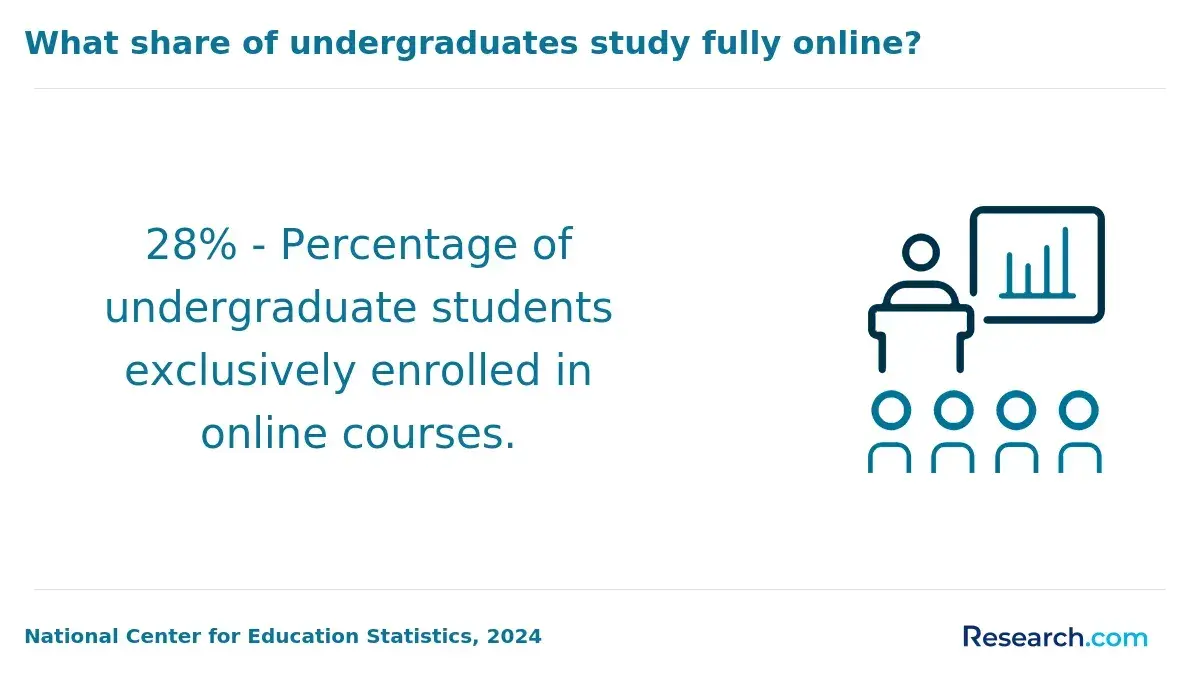
States with rapidly expanding health education degree enrollment reveal complex shifts in regional workforce demands and educational access. For example, southern states with growing healthcare infrastructure are seeing increased interest driven by regulatory changes that encourage preventive care and community health initiatives. Recent data from the National Center for Education Statistics highlights a 15% rise in online program enrollment nationwide in 2024, reflecting a broader move toward flexible learning formats that accommodate working adults and career changers.
This trend suggests prospective students weigh program delivery and state licensure requirements heavily when choosing where to pursue advanced health education credentials.
Key Things to Know About the State Where Health Education Degree Interest Is Rising the Fastest
- States like Texas show rising health education enrollment tied to expanding healthcare infrastructure, signaling stronger employer demand but requiring students to navigate complex regional licensure variations.
- Florida's surge reflects demographic shifts with more adult learners returning for credentials, implying cost and time constraints shape enrollment timing amid accelerated online program offerings.
- Washington's regulatory emphasis on public health roles intensifies employer expectations for specialized skills, pressuring students to prioritize targeted curricula that align with evolving workforce standards.
- Which States Are Seeing the Fastest Growth in Health Education Degree Enrollment? States with Fastest Growth
- What Does Enrollment Growth in Health Education Programs Actually Tell Prospective Students? Interpreting Enrollment Growth
- How Do Regional Job Market Conditions Drive Health Education Degree Demand by State? Regional Job Market Conditions
- Which States Have Added the Most New Health Education Degree Programs in the Last Five Years? States with New Programs
- How Has the Rise of Online Education Changed Which States Lead in Health Education Program Interest? Role of Online Education
- What Demographic Trends Are Fueling Health Education Degree Growth in Specific States? Demographic Trends Fueling Growth
- How Do State Funding Levels for Health Education Services Influence Degree Program Growth? Role of State Funding
- Which States Are Emerging as Unexpected Leaders in Health Education Degree Interest? Leaders in Growth
- How Does State Population Size Affect the Interpretation of Health Education Degree Growth Data? Role of State Population
- What Role Do State Licensing Requirements Play in Driving or Suppressing Health Education Enrollment? Role of State Licensing
Which States Are Seeing the Fastest Growth in Health Education Degree Enrollment?
National enrollment growth in health education degree programs reflects a strategic response to evolving workforce demands spanning community health promotion, policy development, and preventive care initiatives. This trend is increasingly pronounced not only at the graduate but also at the undergraduate levels, supported by detailed data from IPEDS and institutional sources. However, the fastest rising states for health education programs display distinct conditions shaping these surges, involving complex interactions between demographic shifts, funding priorities, program accessibility, and labor market incentives.
- Indiana: Demonstrates the steepest percentage increase in enrollment, largely due to state investments enhancing public health infrastructure and expanding online offerings tailored to working professionals. This growth translates into a labor market where graduates with flexible learning backgrounds meet urgent employer needs, though regional saturation may challenge wage growth.
- Florida: Rapid population aging and growth have fueled demand for graduate-level health education programs, reflecting workforce pressures to fill roles in disease prevention and health promotion. Students may weigh this against Florida's competitive educational landscape and the need for licensure alignment in a state with complex credentialing.
- Washington: Shows enrollment expansion driven by strong collaborations among universities and public health agencies, reinforcing community health priorities. Graduates here often benefit from regional job networks, although cost-of-living considerations complicate practical outcomes for new entrants.
- Alabama: Enrollment growth is tied closely to targeted strategies addressing chronic disease disparities and licensure pathways, positioning graduates to fill critical healthcare gaps in underserved areas. However, limited program diversity may restrict some students' specialization options.
- New Mexico: Enrollment gains stem from program outreach focused on diverse, underserved populations and culturally tailored health education careers. This growth underscores a workforce increasingly attentive to equity and inclusion, though regional employment opportunities may remain limited compared to more populous states.
The geographic spread of this enrollment momentum suggests that students and career changers must analyze how local economic and licensure environments intersect with institutional offerings. Subsequent sections will dissect how regulatory policies, evolving employer expectations, and economic incentives underpin these trends, providing a lens critical for evaluating program choices with long-term career implications.
For those exploring advanced health education pathways, including flexible or online options, it is worth considering programs often categorized alongside easy DNP programs in terms of accessibility, though employer demand and practical training remain decisive for meaningful employment outcomes.
What Does Enrollment Growth in Health Education Programs Actually Tell Prospective Students?
Enrollment growth in health education programs can mislead prospective students when viewed without context. For example, a program doubling its intake may still have low graduation and licensure rates, diminishing its actual value for career advancement.
Raw enrollment numbers offer a useful initial signal of interest but fail to capture program quality or graduate success. Understanding retention, graduation, job placement, and licensure outcomes provides a more robust framework for assessing whether growth reflects genuine educational effectiveness or temporary enrollment boosts without sustainable student support.
- Retention Rates: Strong growth paired with weak retention suggests students encounter barriers that may delay graduation or reduce degree completion, impacting career timelines and return on investment.
- Graduation Rates: Enrollment spikes mean little if completion rates lag, as employers typically prioritize candidates with verifiable credentials and demonstrated perseverance.
- Job Placement Outcomes: Programs aligned with regional labor market needs ensure clearer pathways to employment, a vital consideration given varying geographic demand for health education professionals.
- Licensure Pass Rates: Pass rates on certification exams reflect program rigor and relevance, influencing employer confidence and licensing authority recognition.
- Recruitment Methods: Growth driven by relaxed admissions or marketing tactics risks inflating figures without improving actual student outcomes.
- Labor Market Alignment: Areas with genuine demand for health education graduates typically sustain quality growth, while mismatches suggest potential overexpansion or future contraction.
- Critical Evaluation: Enrollment growth is one metric among many; direct engagement with current students and alumni offers practical insight beyond surface data.
How Do Regional Job Market Conditions Drive Health Education Degree Demand by State?
Regional job market conditions critically shape demand for health education degrees, influencing where graduate enrollment rises most sharply. States undergoing significant healthcare system expansion or amplifying public health initiatives often experience stronger hiring trends for health educators, which directly impacts prospective students' access to practicum placements and their leverage in salary negotiations. Choosing a graduate program without considering the local workforce landscape can limit practical training opportunities and constrain long-term career outcomes, especially in areas where health education roles are less prioritized.
- California: With its rapidly growing healthcare infrastructure and widespread investment in preventive care and community wellness programs, California leads in job openings for health education professionals, signaling escalating graduate program demand.
- Texas: Population booms and expanding school districts generate increased need for health educators, supported by public health initiatives and employer programs encouraging workforce credentialing.
- Florida: Demographic shifts towards an older population heighten the need for chronic disease management education, pushing health education roles upward in public health sectors.
- Washington: The state's focus on integrated health approaches and new employer-sponsored training initiatives fuels growth in credentialed health educator positions.
- North Carolina: Strategic investment in school-based health programs and affordable credentialing attracts more graduate students amid predicted job market growth in health education.
Incorporating state-specific workforce projections and labor market reports is essential when evaluating health education degree demand in regional job markets. Graduates in states with expanding health education sectors benefit from enhanced community partnerships and internship availability, which are critical for effective skill application and career progression. Conversely, regions with stagnant openings challenge graduates with limited practical placements and slower salary growth. This dynamic underscores why candidates should research their target state's outlook thoroughly and consider how local employment trends influence their educational and professional trajectories.
Prospective students seeking flexible pathways may also explore related options like LPN programs near me as part of a broader strategy.
Which States Have Added the Most New Health Education Degree Programs in the Last Five Years?
Growth in health education degree programs across certain states has been shaped less by simple enrollment demand and more by region-specific funding models, workforce shortages, and institutional competition. In some areas, this has translated into a strategic mix of launching new programs, creating specialized online tracks, or expanding seats in existing programs to fill gaps in regional public health infrastructure. For students, these varied growth patterns significantly influence how they balance program availability with financial aid competitiveness, curriculum depth, and practical licensure alignment.
- North Carolina: Increased state grants targeting rural and urban workforce deficits have encouraged universities not only to introduce new degree offerings but also to bolster online access, ensuring flexibility for working professionals serving diverse communities.
- Texas: Driven by a competitive higher education landscape and a booming healthcare sector, Texas institutions have both unveiled innovative health education curricula and amplified enrollment to meet employer demand in a multifaceted economy.
- Washington: University programs here have expanded through accreditation-linked incentives and scholarship availability, particularly focusing on emergent needs such as epidemiology and community-based health, which prepares graduates for evolving public health roles.
- Florida: The surge in online degrees corresponds with efforts to serve its large retiree demographic, emphasizing scalable enrollment that addresses complex statewide health trends while broadening access.
- Ohio: Faced with workforce shortages across urban and rural areas, Ohio's institutions concentrate on enhancing affordability and scholarship opportunities as part of their expansion strategy to sustain program competitiveness amidst growing demand.
The increase in states offering a higher number of health education programs provides candidates with a broader palette of specializations and delivery formats, yet this breadth also intensifies contests for scholarships and financial aid. Careful comparison of concentration tracks, state licensure pathways, and program reputations is essential when selecting among multiple options within a state, as these factors critically affect graduate employability and credential portability.
A recent graduate from a rapidly expanding program described the application experience as a balancing act. "I kept waiting for acceptance notifications while juggling a full-time job," they recalled. "Programs were adding new tracks mid-cycle, which complicated my decision-should I wait for a specialized online option or accept an earlier offer in a traditional format? That uncertainty made the rolling admissions stretch longer than expected, and I nearly delayed enrolling. In the end, choosing a program with the right licensure preparation, even if it wasn't the newest track, proved more important for my career goals."
How Has the Rise of Online Education Changed Which States Lead in Health Education Program Interest?
The emergence of fully online health education programs has fundamentally altered the geographic distribution of interest in graduate studies. Enrollment is no longer confined by proximity or relocation constraints, allowing select states that offer well-regarded online programs with strong accreditation and competitive tuition to draw students nationwide. This shift challenges prior assumptions that local demand and demographics solely shaped program popularity, reshaping competitive landscapes and workforce pipelines.
- Decoupling: States with reputable online health education options attract significant out-of-state enrollments, effectively becoming national education hubs rather than serving just local markets.
- Access: Students residing in states with limited or costly in-person programs benefit from increased availability and flexibility, enabling them to pursue credentials without geographic relocation.
- State-Specific Licensure: Despite broader access, licensure requirements vary widely by state, requiring students to ensure their chosen programs meet the certification criteria of their intended practice location.
- Program Reputation & Cost: The interplay of tuition affordability and a program's demonstrated outcomes heavily influences students' choices, with many prioritizing accredited programs recognized for producing competent graduates.
- Implications for Workforce: These enrollment shifts allow certain states to supply trained professionals nationally, yet credential portability and regulatory compliance remain challenges that affect graduates' employment opportunities beyond educational attainment.
What Demographic Trends Are Fueling Health Education Degree Growth in Specific States?
Enrollment growth in health education degree programs is concentrated in states where demographic and social trends align closely with healthcare workforce needs, rather than reflecting broad national patterns. States with sustained demand reflect demographic shifts that directly influence the scope and focus of health education services, a crucial factor for students weighing program relevance and local job market stability. For example, a graduate aiming to work in eldercare education would find Florida's aging population creates steady demand for chronic disease management specialists, whereas a career changer targeting urban public health might focus on Georgia's growing metropolitan challenges.
- Population Aging: States like Florida and Arizona, with fast-growing older adult populations, require health education professionals skilled in managing chronic illnesses and promoting preventive care, reinforcing enrollment in gerontology-focused programs.
- Immigration Patterns: High immigration states such as California, Texas, and New York face complex health literacy needs that drive demand for culturally competent educators prepared to navigate multilingual and multicultural community health outreach.
- Urbanization: Rapid urban growth in states including Georgia and Colorado results in concentrated health disparities related to housing and environmental risks, increasing the need for health education programs centered on urban public health infrastructure and community engagement.
- K-12 Enrollment Growth: Southern and Western states seeing increases in youth populations correspondingly expand school-based health education initiatives, emphasizing adolescent wellness and mental health awareness within their degree programs.
- Mental Health Diagnoses: Rising mental health condition diagnoses, amplified by progressive policies in states like Oregon and Massachusetts, create demand for health educators with expertise in behavioral health literacy and stigma reduction efforts.
This localized alignment between demographic factors and health education degree enrollment growth offers a valuable lens for evaluating long-term career prospects. Prospective students should consider how the demographic trajectory of their chosen state reflects sustained workforce need rather than transient enrollment spikes. Factoring in these state-specific economic, regulatory, and institutional conditions helps optimize educational investment and employment outcomes.
For those exploring flexible healthcare education options, comprehensive programs including medical assistant classes online serve as complementary pathways within health education frameworks, particularly for entering diverse care settings where practical cross-training enhances employability.
How Do State Funding Levels for Health Education Services Influence Degree Program Growth?
State funding decisions directly shape whether health education degree programs expand or stagnate by influencing the underlying job market these programs serve. States that dedicate ample resources to publicly funded health education services-such as competitive Medicaid reimbursement, grants targeting preventive care, funding for school-based mental health, and investments in community health centers-tend to sustain stable employment opportunities. This stability attracts student enrollment and motivates institutions to introduce new or enhanced degree offerings. On the other hand, states with inconsistent or low funding face diminished job prospects, prompting many graduates to relocate for better-paid roles elsewhere, which undermines local workforce growth and discourages program development.
- Employment Pipeline: Robust public funding fosters reliable job markets that incentivize prospective students and institutional investment in program expansion.
- Graduate Retention: Limited state support results in graduate out-migration, reducing the effectiveness of local workforce supply.
- Program Development: Funding enables programs to keep curricula aligned with employer demands, while underfunding often leads to outdated or fewer degree options.
- Legislative Trends: Examining a state's recent legislative moves on health education funding offers critical foresight into future employment landscapes.
- Graduate Outcomes: Investigate what portion of alumni stay employed in-state after five years to gauge real-world job absorption and program relevance.
A graduate recalled applying to multiple health education programs during a cycle marked by rolling admissions and uncertain funding climates. In one target state, delays in legislative appropriations meant acceptance timelines stretched unpredictably, forcing them to navigate a challenging window between holding offers and waiting on clearer program growth signals. Ultimately, choosing a program in a better-funded state offered more timely communication and confidence in stable career pathways, underscoring how funding volatility can directly affect admissions experiences and decision-making under pressure.
Which States Are Emerging as Unexpected Leaders in Health Education Degree Interest?
States such as Oregon, West Virginia, Mississippi, and North Dakota defy expectations by showing significant growth in health education degree enrollment, challenging the dominance of traditional academic hubs. These emerging markets reflect how targeted policy shifts, funding strategies, and workforce needs can reshape regional educational landscapes. For students and career changers prioritizing practical outcomes, understanding the nuances behind this growth is essential for aligning program choice with realistic job market potential and licensure complexities.
- Oregon: The state's surge in health education programs stems from new accredited offerings introduced over the past five years combined with participation in interstate licensure compacts. This eases mobility for graduates across state lines, a critical factor given that a growing share of programs emphasize cross-state credential recognition. However, Oregon's reliance on fluctuating state budget appropriations means these gains could face volatility. Graduates may find robust long-term employment if funding remains stable but should be prepared for cyclical uncertainty.
- West Virginia: Increased enrollment here has been largely driven by COVID-era federal grants aimed at addressing rural health disparities through university partnerships and specialized training initiatives. While this influx has opened previously scarce opportunities, the temporary nature of pandemic-related funding raises questions about sustainability. Students must weigh the immediate benefits against the risk of contraction in both academic and employment landscapes once funding concludes.
- Mississippi: Expanded access through online programs affiliated with public universities and regional licensure reciprocity reforms have attracted more students. Local employer incentives to hire graduates from within the state add practical value. Despite these advantages, the state's healthcare infrastructure remains underdeveloped, potentially limiting job growth and variety for health education graduates seeking diverse career paths.
- North Dakota: Investments targeting rural health initiatives and strengthened ties between schools and healthcare systems have boosted enrollment. The state's relatively low population translates into less competitive admissions and more personalized training experiences. Yet, the limited variety of local employers may constrain career flexibility, an important consideration for those looking to navigate broad health education career pathways.
The fastest rising health education programs in US states tend to coincide with these nuanced and often state-specific policy and economic conditions rather than simple population size or historical academic prestige. Evaluating these markets requires attention to workforce demands, licensure portability, and infrastructure limitations, which collectively shape employment prospects and practical career value.
For those exploring a health education degree with an eye toward career adaptability, familiarity with bioinformatics career paths further illustrates how interdisciplinary competencies can complement public health roles, especially in technologically evolving healthcare environments.
How Does State Population Size Affect the Interpretation of Health Education Degree Growth Data?
Raw enrollment increases in health education degree programs can be deceptive without context from state population size and workforce benchmarks. For instance, a large state adding 2,000 new health education graduates annually might initially appear to dominate growth. However, when adjusted for population, that volume may represent a modest per-capita increase, signaling slower workforce expansion relative to residents. Conversely, a smaller state adding 300 graduates could reflect a more pronounced per-capita surge, indicating a rapidly expanding workforce relative to its population size. This distinction between absolute growth and per-capita growth is critical for assessing real market opportunity versus superficial enrollment spikes, especially when comparing states with vastly different population scales.
The state population impact on health education degree growth also hinges on workforce saturation levels. Regions with a low ratio of licensed professionals to population often represent underserved markets where early-career candidates find stronger hiring prospects and potentially faster wage growth. Evaluating multiple states requires attention to these saturation metrics alongside enrollment trends to pinpoint locations where demand genuinely outpaces supply. Furthermore, regulatory complexity adds another layer of influence, as states with stringent licensure criteria can slow workforce entry even amid growth.
- Population Scale: Large states may show high absolute growth, masking slower per-capita expansion.
- Workforce Saturation: Higher licensed professional ratios can limit early-career opportunities.
- Regulatory Complexity: Some states impose stringent acceptance criteria slowing workforce entry despite growth.
- Market Demand Indicators: Per-capita growth and low professional density better signal unmet labor needs.
- Career Mobility: Graduates should weigh state-specific licensing and job market dynamics before relocating.
Considering regional population size and health education enrollment trends with these factors helps create a practical framework for interpreting growth data. For those evaluating educational options, exploring the best online environmental health and safety degree programs could provide additional flexible pathways aligned with workforce needs and geographic mobility.
What Role Do State Licensing Requirements Play in Driving or Suppressing Health Education Enrollment?
The clarity and rigor of state licensing requirements critically shape where prospective health education students choose to enroll and ultimately practice. States with transparent, well-structured licensure pathways reduce uncertainty and administrative barriers, attracting a larger pool of candidates by helping them chart a clear trajectory from degree completion to professional qualification. For example, a graduate weighing programs in two states might favor one with a predictable supervised practice requirement and stable examination schedules over another where licensing criteria frequently shift or impose extended timelines. This difference not only impacts enrollment but also affects employability, as employers in states with robust licensure frameworks increasingly prioritize licensed candidates, reflecting a practical demand for verified competencies.
Licensing boards thus indirectly drive enrollment by shaping employer preferences, reinforcing student choices toward states whose licensure systems align with workforce demands. This dynamic forms a feedback loop: as program enrollment grows in states with manageable licensure processes, institutional advocacy around licensure standards gains momentum, encouraging continual regulatory refinement and fostering healthier ecosystems for both education providers and employers.
Prospective students must evaluate the entire licensure pathway before committing to a program-beyond degree coursework-to include supervised experience duration, passage rates on state exams, and renewal requirements. Comparing these factors can reveal tradeoffs between shorter qualification timelines and the flexibility to practice across state lines, which has significant salary and mobility implications in a field with median wages varying widely depending on geographic and regulatory context.
- Transparency: Clear, accessible licensing rules reduce student ambiguity, supporting steady enrollment by defining attainable professional goals.
- Stringency: Lengthy or complex licensure steps can deter candidates, delaying workforce entry and potentially suppressing program growth.
- Employer Expectations: Defined licensure standards increase employer demands for credentialed practitioners, shaping student enrollment patterns accordingly.
- Feedback Loop: Program expansion strengthens the voice advocating for licensure improvements, resulting in policy adaptations that promote program and labor market alignment.
- Decision Impact: Careful comparison of state licensure pathways enables students to navigate tradeoffs between career flexibility, practicability, and long-term earning potential.
References
- Licensing and Regulation – State Health Workforce Toolkit https://www.nga.org/state-health-workforce-toolkit/licensing-and-regulation/
- Health Education: Campus & Online Degrees and Career Paths https://www.publichealthonline.org/degree-programs/health-education/
- Nursing Education Market Size, Share, Growth, and Industry Analysis, By Type (Baccalaureate Degree (BS),Associate Degree (AD),Other Diploma), By Application (Conventional Universities,Nursing Programs in Colleges), Regional Insights and Forecast to 2033 https://www.marketreportsworld.com/market-reports/nursing-education-market-14716621
- U.S. Population Trends and Educational Attainment - Race and Ethnicity in Higher Education https://www.equityinhighered.org/indicators/u-s-population-trends-and-educational-attainment/
- Emerging young health leaders and their roles in tackling global public health challenges https://www.populationmedicine.eu/Emerging-young-health-leaders-and-their-roles-in-tackling-global-public-health-challenges,163757,0,2.html
- The Fastest-Growing Jobs in Health Care - USCI https://www.uscareerinstitute.edu/blog/the-fastest-growing-jobs-in-health-care
- Rationale for State Licensure https://www.abcop.org/publication/section/abc-state-licensure-handbook/rationale-for-state-licensure
- Interest in public health degrees jumps in wake of pandemic: Applications rise https://www.thenationshealth.org/content/51/6/1.2
- Colleges level up healthcare programs to meet growing demand https://www.highereddive.com/news/colleges-level-up-healthcare-programs-to-meet-growing-demand/602431/
- The COVID-19 pandemic has changed education forever. This is how https://www.weforum.org/stories/2020/04/coronavirus-education-global-covid19-online-digital-learning/
Other Things You Should Know About Health Education
Employers in states experiencing rapid growth in health education degree interest tend to prioritize candidates with hands-on community engagement experience and skills in data-driven program evaluation. This means that simply holding a degree may not suffice; graduates often need demonstrated abilities in adapting health messaging to diverse populations and working within various public and private health systems. Prospective students should therefore look for programs that integrate applied learning opportunities connected to local health agencies, as this real-world exposure aligns more closely with employer expectations and improves job placement outcomes.
States with lower tuition rates and affordable living costs generally attract higher enrollment growth in health education programs, though this doesn't always equate to better job markets post-graduation. Students must weigh lower educational expenses against the relative scarcity or saturation of health education roles locally. Those who prioritize debt management should consider programs in such states but must also plan potential relocation or remote work options to maximize career returns. Cost differences heavily influence decision-making, but practical employability in the chosen region should remain the central factor.
Many rural and underserved states have expanded health education degree offerings to meet local workforce shortages, often partnering with community health organizations to tailor curricula toward rural population health challenges. This strategic alignment offers graduates unique opportunities to fill critical gaps in primary prevention and chronic disease management. However, students should anticipate fewer traditional healthcare employer options and potentially slower salary growth in these areas, balanced by the chance to build influential careers with strong community impact in regions with less competitive job markets.
Prospective health education students can use state enrollment growth data to identify regions with expanding program offerings and increased job prospects. States showing strong growth in health education degrees may indicate a supportive environment for students through active investment in education infrastructure and workforce development.