2027 Health Education Degree Program Availability Report: Which States and Schools Offer the Most Options

Co-Founder and Chief Data Scientist
Program availability in health education reveals significant insights about how states and institutions prioritize workforce preparation and public health needs. Variations often reflect regional investment in healthcare infrastructure and evolving labor market demands. For example, the U. S. Bureau of Labor Statistics (2024) projects employment growth in community health roles at nearly 15% over the next decade, driving expanded academic offerings in states with strong public health initiatives.
These patterns also expose disparities in access to specialized training, influencing career trajectories and local workforce resilience. Examining where health education degree options cluster provides a critical lens on institutional strategies, educational equity, and alignment with sector trends across the country.
Key Benefits of States and Schools That Offer the Most Health Education Degree Program Options
- States and schools with extensive health education degree options expose students to diverse specializations, which necessitates careful selection to avoid program mismatch and potential delayed graduation.
- Employers increasingly prioritize graduates from programs offering interdisciplinary coursework, reflecting a shift toward broader skill sets in public health roles and necessitating strategic program choice.
- Greater program availability often reduces geographic barriers but can increase total costs due to varied tuition rates and housing needs, influencing students' budgeting and timeline decisions.
- Key Benefits of States and Schools That Offer the Most Health Education Degree Program Options Key Benefits
- Which States Offer the Most Health Education Degree Programs? Top States
- Why Do Some States Have More Health Education Programs Than Others? Program Availability
- Which Colleges Offer the Largest Number of Health Education Degree Options? Top Schools
- How Do Online Programs Improve Access in States With Limited Options? Online Program Access
- How Much Does Health Education Program Tuition Vary by State? Tuition by State
- How Does Health Education Program Demand Affect Admissions Decisions? Program Demand
- How Do Health Education Specialization Options Vary by Region? Specialization Options
- How Does Regional Employer Demand Affect Career Outcomes? Employer Demand
- What Factors Matter Most When Comparing Health Education Programs Across States? Key Comparison Factors
- Which Regions May See the Fastest Growth in Health Education Education? Fastest Growing Region
Which States Offer the Most Health Education Degree Programs?
The concentration of health education degree programs across the United States is shaped by several factors including population density, the robustness of state higher education infrastructures, and labor market needs. States with large metropolitan areas and diverse healthcare systems tend to foster a broader range of programs to meet local employer expectations and evolving public health demands. Institutional presence-especially research universities and community colleges-plays a crucial role in program variety and accessibility.
Understanding which states offer the highest number of health education degree programs requires examining these regional ecosystems and workforce alignments.
- California: Hosting one of the nation's largest public and private higher education networks, California's vast population drives extensive demand for health education specialization. The state benefits from a complex healthcare market that encourages programs emphasizing community health, wellness, and policy management. This depth in program offerings provides students with extensive options for internships and applied learning opportunities that align closely with employer needs in diverse urban and rural settings.
- New York: New York's health education programs are heavily concentrated in urban hubs supported by established public health institutions and medical schools. The integration of practical training and academic research reflects workforce demand in one of the country's most competitive healthcare environments. For students, this translates into strong specialization possibilities and pathways positioned toward metropolitan healthcare systems and research-driven roles.
- Texas: Texas's rapidly growing healthcare sector and public health initiatives have incentivized universities to expand health education offerings, blending accessibility with curricular diversity across undergraduate and graduate levels. This spread accommodates working students and offers formats responsive to different learner circumstances while addressing statewide health industry expansion and community health needs.
A growing share of programs also incorporate experiential components aligning with employer demands for applied competencies, a trend evident particularly in states like Florida and Illinois. Students seeking flexible pathways may also explore options such as RN to BSN online programs which parallel some health education offerings in balancing practical skill application with academic advancement.
Why Do Some States Have More Health Education Programs Than Others?
States with the most health education degree programs typically reflect differences in their higher education infrastructure and the regional demand for qualified graduates. Variations in program availability often track with the size and funding of public university systems, where larger and more diverse institutions can sustain multiple health education offerings to align with workforce needs.
Population density and economic scale also play crucial roles, as states with concentrated urban centers support a broader array of options due to larger student pools and stronger employer relationships. For prospective students and researchers seeking comprehensive comparisons, understanding these structural factors clarifies why certain regions provide significantly more academic pathways in health education.
Key drivers behind this uneven distribution include state funding priorities that influence university research capacity and program development. States investing heavily in public health infrastructure and workforce alignment foster environments where health education programs expand strategically within clusters of healthcare employers. For example, data from the U.S. Bureau of Labor Statistics (2024) highlight elevated growth in health educator roles particularly in the Southeast and Northeast, underpinning the demand that prompts program growth there.
Academia's ability to recruit experienced faculty and meet rigorous accreditation standards further concentrates programs in states with stronger institutional resources and policy support. Additionally, employers' increasing demand for specialized health education skills creates feedback loops that incentivize states with industry clusters to grow their offerings.
These disparities in program availability profoundly affect student access, especially in rural or underfunded states where fewer options may necessitate reliance on online education or cross-state enrollment. While digital delivery methods are expanding, they cannot fully substitute for the local industry engagement and hands-on training important to health education outcomes.
Regional imbalances also impact workforce development efforts, as states with limited programs may struggle to meet healthcare system needs, influencing public health metrics and economic resilience. Addressing these systemic differences requires coordinated policy approaches and sustained investment tailored to local labor market realities, ensuring that program availability aligns with both student opportunities and long-term community health goals.
For those evaluating health education programs, questions such as do all nursing schools require the TEAS exams reflect part of the broader considerations on academic accessibility and institutional capacity that influence where robust health education degrees are most viable.
Which Colleges Offer the Largest Number of Health Education Degree Options?
The range of health education degree programs available at a college depends more on its size, research infrastructure, and academic resources than solely on its location. Larger public research universities and state systems often deliver a spectrum of specialized majors, minors, and certificate tracks designed to meet diverse workforce needs. These institutions leverage interdisciplinary departments and extensive funding to expand both curricular depth and delivery options, including online formats that enhance access.
Data from the National Center for Education Statistics shows flagship public universities consistently offer more health education-related degrees than smaller or less research-focused institutions, reflecting their broader academic portfolios and health sector partnerships.
- Large Public Research Universities: Institutions like the University of Michigan or University of North Carolina provide varied health education programs by integrating public health, community health, and wellness science disciplines. Their considerable faculty expertise and collaborations with clinical and governmental agencies enable development of both foundational and advanced specialized tracks.
- State University Systems with Multiple Campuses: Systems such as the California State University network capitalize on geographic and institutional scale to offer diverse health education programs across campuses. They utilize shared resources and community partnerships to support practical learning across different healthcare settings.
- Urban Public Universities in Health Industry Hubs: Universities embedded in metropolitan areas with dense healthcare sectors, such as those in New York or Boston, benefit from direct access to hospitals, nonprofits, and public health agencies. This proximity enriches program options with experiential components, internships, and applied research opportunities.
- Private Research-Intensive Universities: Institutions like Johns Hopkins and some Ivy League schools often provide fewer but highly specialized health education pathways shaped by strong research funding and interdisciplinary innovation. Their focus tends to be on graduate and doctoral levels with unique clinical and policy-oriented emphases.
- Institutions with Robust Online Platforms: Colleges expanding health education through well-developed distance learning increase program accessibility and flexibility, attracting diverse student populations who require alternative scheduling or geographic independence.
How Do Online Programs Improve Access in States With Limited Options?
Online health education programs are reshaping access for students in states where traditional, campus-based options are limited or nonexistent. By removing the necessity to attend local institutions, these programs allow students in rural or underserved regions to pursue accredited degrees without relocating, which has historically been a major barrier.
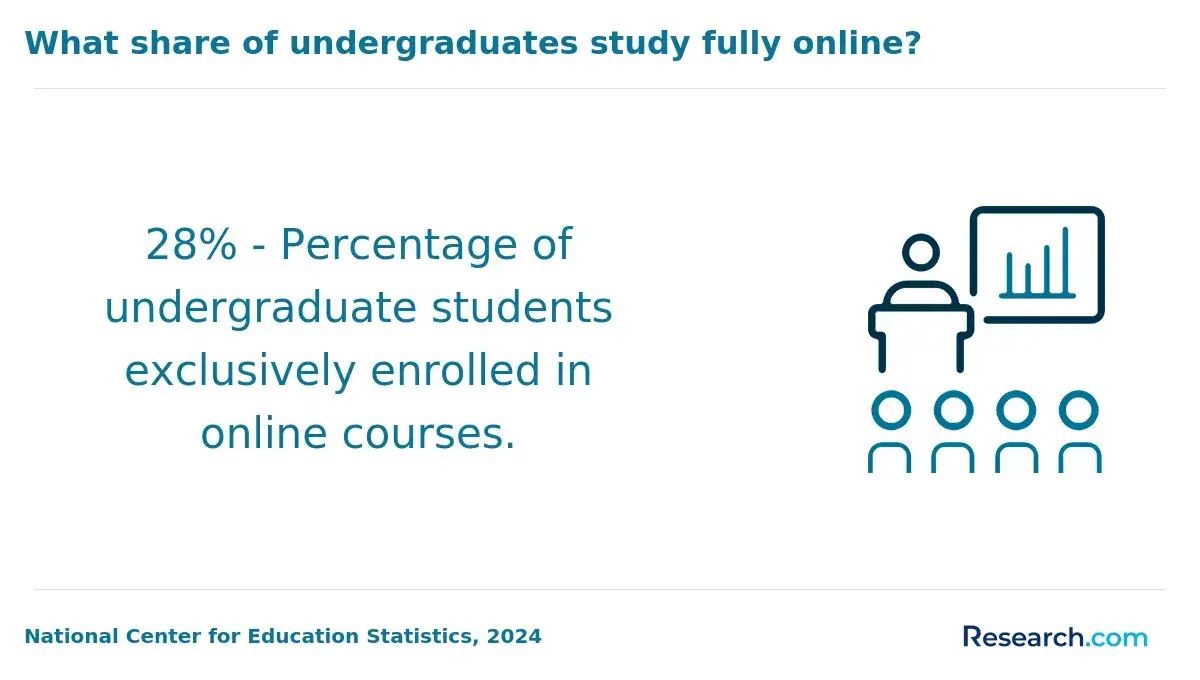
According to recent data from the National Center for Education Statistics, enrollment in fully online health-related degrees has surged by over 22% in the past two years, highlighting a growing reliance on digital delivery to bridge geographic gaps. This shift not only increases program availability but also helps institutions extend their reach into markets where developing physical campuses would not be feasible.
Key structural factors underlie this expanded access. Asynchronous course designs enable students to balance education with work and personal obligations, making part-time attendance more viable. Cross-state enrollment policies and scalable digital infrastructure permit universities to serve students beyond their immediate geographic boundaries, reducing dependency on regional universities where program offerings may be few.
Partnerships with healthcare organizations to provide virtual practicum experiences further mitigate the constraints posed by lack of local clinical sites. Collectively, these features realign how institutions engage with diverse student populations, challenging previously fixed enrollment patterns shaped by physical proximity.
Beyond enrollment dynamics, expanding online health education influences regional workforce development by supplying trained professionals in areas historically underserved by public health initiatives. It encourages student mobility in an academic sense, allowing individuals to access broader institutional choices without physical moves, and intensifies competition among universities across state borders.
This phenomenon has implications for educational equity, as it pressure-tests licensing, accreditation, and funding models to support sustained access without compromising quality or regional workforce needs.
How Much Does Health Education Program Tuition Vary by State?
Tuition for health education programs varies substantially across states due to differing public funding levels, institutional types, and residency-based pricing structures. Public universities typically provide lower in-state tuition rates, reflecting state subsidies that depend on each state's budget priorities and higher education policies. These subsidies cause notable disparities where states with large, well-funded public university systems may still maintain relatively high tuition due to regional economic factors and university operational costs. Private institutions, in contrast, tend to charge higher tuition rates generally unaffected by residency status, as their financing relies more heavily on tuition revenue and private funding sources.
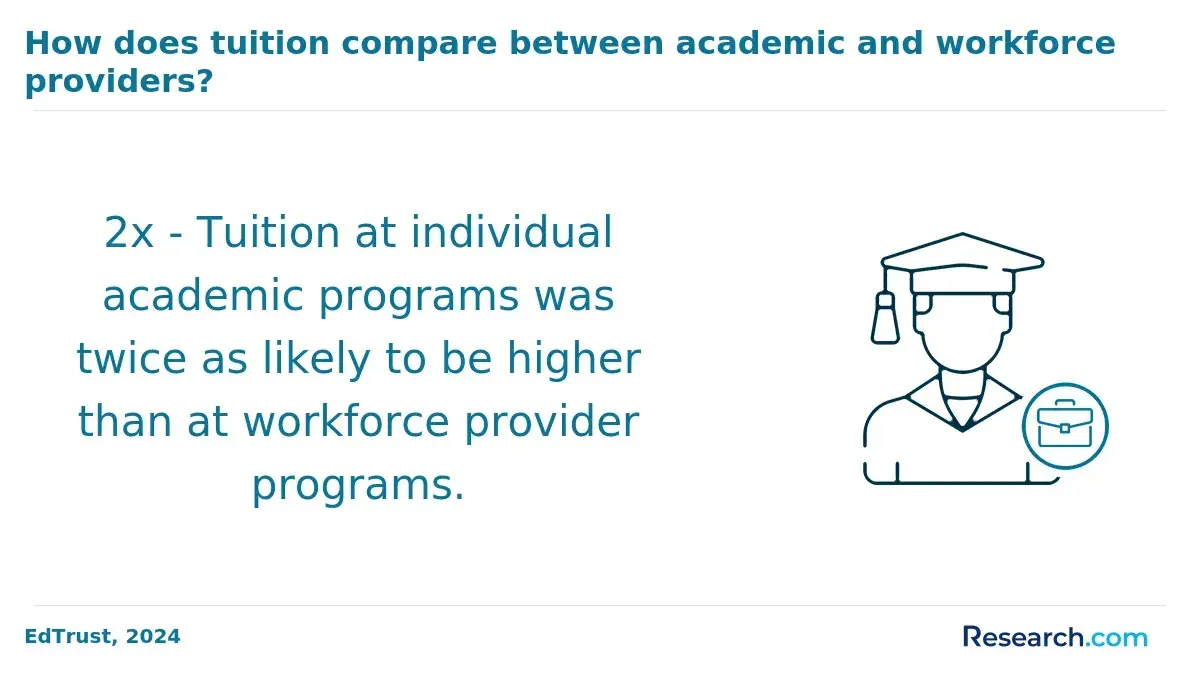
Recent data from sources including the National Center for Education Statistics and various state university reports highlight that annual tuition for health education bachelor's programs can range roughly from $5,000 to $15,000 for in-state students at public schools, with out-of-state rates frequently exceeding double those figures. Private schools typically charge between $20,000 and $40,000 annually.
States like Texas, Florida, and Ohio, with extensive public institutions, often present more accessible tuition costs, while northeastern states such as Massachusetts and New Jersey demonstrate higher average tuition burdens. Understanding these price differences is important for prospective students weighing program cost alongside educational quality and geographic access to the widest range of health education degree program tuition differences across US states.
These tuition disparities influence student mobility decisions and program accessibility by creating affordability hurdles in higher-cost states and limiting options for students constrained by finances. The interplay between state funding models, institutional reliance on tuition, and local cost of living shapes how students select programs, balancing cost, program specialization, and long-term career prospects.
For students exploring pathways that may include online PMHNP programs or other specialized health education fields, recognizing how state-by-state cost comparison for health education programs reflects systemic factors can guide more informed decisions beyond surface tuition figures.
How Does Health Education Program Demand Affect Admissions Decisions?
Rising demand for health education programs frequently compels institutions to tighten admission criteria, transforming selection from a largely procedural formality to a process of strategic enrollment management. As applicant volumes outpace program capacity, schools adjust standards to vet candidates not only on academic credentials but also on experiential relevance and demonstrated commitment to public health disciplines. This shift often results in narrower acceptance rates and heightened scrutiny of applications, particularly where institutional resources and faculty availability impose rigid enrollment ceilings. Consequently, surpassing basic entry qualifications no longer guarantees admission during periods of intensified demand.
The interplay between demand and admissions rigor is governed by several structural factors. Finite clinical placement opportunities, accreditation mandates, and faculty-to-student ratios limit how many students can be effectively trained and supervised within health education programs. Additionally, labor market trends favoring specialized skill sets filter back into enrollment decisions, prompting programs to prioritize applicants whose profiles align with workforce needs. These dynamics collectively enforce a feedback loop where program capacity and external employment conditions shape the selectivity thresholds, effectively calibrating admission volumes to sustainable levels of educational quality and graduate employability.
This heightened selectivity influences applicant behavior, pushing many candidates to build more competitive resumes through relevant internships and community involvement or to apply to a broader array of related fields. Although increased demand can enhance program prestige and network strength, it may simultaneously restrict access for candidates without extensive experience, potentially narrowing the diversity of student backgrounds.
Such disparities highlight the tension between maintaining program quality and ensuring equitable educational opportunities within regions experiencing divergent market saturation.
How Do Health Education Specialization Options Vary by Region?
Health education specialization options closely reflect the economic fabric and dominant industries within each U.S. region, shaping what academic tracks are emphasized and how curricula are aligned with local workforce needs. In areas where public health infrastructure and research institutions are highly concentrated, such as the Northeast, programs often emphasize epidemiology, health policy, and community health promotion, catering to urban populations and complex healthcare delivery models.
Conversely, regions with distinct health challenges and industrial profiles, like the South and Midwest, tailor their specializations toward chronic disease prevention, rural health, occupational safety, and environmental health, reflecting both employer demand and prevalent population health issues.
These regional distinctions stem from strategic institutional partnerships, state-level funding priorities, and labor market signals that influence the design of health education curricula. For example, Southern states generally focus on rural and minority health disparities due to persistent regional health inequities, with nearly 40% of graduates in this area specializing in community and rural health according to the National Center for Education Statistics.
In the Midwest, programs often integrate workplace health and safety training driven by the region's industrial and agricultural base. The West prioritizes interdisciplinary approaches combining environmental health, behavioral science, and indigenous health concerns, supported by funding that promotes innovation and community engagement. Such variation illustrates how academic offerings are shaped to meet employer expectations and regional public health imperatives.
These specialization disparities have tangible impacts on student choices and career trajectories, as location influences not only curricular focus but also local employer networks and job market readiness. Students pursuing breadth may gravitate toward regions with comprehensive program arrays, while those seeking depth in specific public health challenges might opt for areas known for targeted expertise aligned with local industry needs.
Awareness of these regional ecosystems is crucial for planning education pathways that balance academic interests with realistic employment prospects, underscoring the critical role of geographic context in health education program selection and workforce integration.
How Does Regional Employer Demand Affect Career Outcomes?
Regional employer demand for health education graduates critically shapes job availability and early career opportunities by framing the labor supply and recruitment intensity in specific locales. States with high concentrations of healthcare infrastructure, such as California, Texas, and New York, exhibit faster employment growth and more specialized roles in health promotion, program coordination, and policy implementation.
These markets often offer higher starting salaries and greater role diversity, directly impacting graduates' initial career paths and earning potential. Conversely, regions with limited healthcare investment or stagnant sectors face fewer open positions, resulting in increased competition and potentially suppressed wages for entry-level professionals.
The impact of state job markets on health education career outcomes is driven by several interconnected factors. Industry clusters with robust healthcare facilities foster specialized hiring ecosystems where employers maintain close partnerships with academic programs, enhancing internship placements and graduate recruitment. Wage competition tends to be stronger in urban centers, elevating compensation but also raising candidate expectations.
Additionally, employers in high-demand regions frequently prefer graduates from local or regional institutions due to alignment with state-specific health initiatives and familiarity with community demographics, shaping workforce supply and demand alignment. Professionals relocating to lower-demand areas may need to diversify skills, such as data analysis or outreach, to remain competitive within these tighter labor markets.
These regional disparities influence broader career decisions including geographic mobility and adaptation to remote work allowances, which are increasingly relevant in the field. Graduates must weigh local employer demand alongside lifestyle and professional goals, as staying in a high-demand region can offer accelerated advancement and specialized opportunities.
Understanding these dynamics is essential when considering how long to become a nurse practitioner or other roles within health fields, as pathways and outcomes diverge significantly by location and regional economic conditions.
What Factors Matter Most When Comparing Health Education Programs Across States?
Comparing health education programs across states requires evaluating more than just program availability. State-level differences can significantly influence tuition costs, specialization options, academic infrastructure, and crucially, post-graduation employment prospects. These factors combine to shape the practical value and affordability of a program, which often vary widely depending on regional education ecosystems and workforce demands.
Understanding these dimensions helps students and researchers make informed decisions beyond surface-level rankings or reputation.
- Accreditation and State Licensure Compatibility: Ensuring a program holds current accreditation and aligns with state licensure requirements is critical. Programs meeting robust standards generally correspond with higher graduate employment rates within six months, according to the Council on Education for Public Health (CEPH). State-specific licensure barriers can limit where graduates may work, so regional considerations matter extensively for career planning.
- Curriculum Relevance and Practical Training: Programs integrating experiential learning-such as internships, community projects, or service-learning-better equip students with workforce-ready skills. The National Center for Education Statistics (2024) highlights that health education programs including service-learning show a 15% higher job placement rate in health promotion roles. Curriculum choices often differ by state institutions, reflecting local public health priorities and resources.
- Regional Workforce Demand and Job Availability: States with larger public health infrastructures or active health policy initiatives tend to have greater workforce demand. This translates to more employment opportunities for graduates in health promotion and related sectors. Students must analyze the size and dynamics of local public health workforces to anticipate realistic career outcomes.
- Program Delivery Formats and Flexibility: Access to online or part-time study options varies widely by state and institution, affecting educational access for students balancing work or geographic constraints. Flexibility in program delivery can also influence tuition rates and affordability. For those exploring alternatives beyond traditional paths, reviewing options for remote learning-such as an online forensic psychology masters program-offers useful parallels in evaluating cross-state program accessibility.
- Tuition and Regional Cost Differences: Tuition rates differ significantly by state and institution type, influencing the overall investment needed. This factor is especially relevant when comparing health education program availability by state, as it directly impacts affordability and potential student debt burden. Programs in states with higher tuition may offer stronger funding or assistantships that partially offset costs, but this varies widely.
Which Regions May See the Fastest Growth in Health Education Education?
Growth in health education education programs typically coincides with regions where employer demand, demographic trends, and higher education investment rise simultaneously. Expansion in these areas reflects broader economic developments and workforce priorities that require skilled professionals to manage public health challenges and support community wellness.
Understanding these underlying factors helps explain why some U.S. regions will see more rapid growth in available academic offerings and specialized program options.
- Southeast: The Southeast leads in projected growth due to its rapidly expanding population, particularly in states like Florida and Georgia, where public health workforce demand surpasses the national average. Strong growth in university systems combined with increased funding for health-related programs supports more degree and certificate options. This region's diverse demographics and persistent health disparities drive employer demand for culturally competent health educators.
- Southwest: With ongoing economic development and urbanization, the Southwest sees increased investments in higher education capacity and specialized health education training. States such as Texas benefit from healthcare industry expansion and a large underserved population, promoting program diversification and higher enrollment opportunities.
- Mountain West: Although smaller in scale, Mountain West states experience steady growth fueled by public health initiatives addressing rural and tribal communities, which necessitate tailored health education programs. Limited but targeted institutional expansion here aims to close workforce gaps.
- Midwest: The Midwest presents moderate growth potential tied to established healthcare infrastructure and steady demand for community health workers. However, slower population growth and budget constraints in some states temper rapid program expansion compared to southern regions.
- Northeast: The Northeast maintains a stable but more saturated health education market with fewer new programs emerging. While prestigious institutions dominate, limited demographic growth and higher education saturation reduce aggressive expansion incentives.
References:
- Medical Education Market Size | Growth Report [2033] https://www.skyquestt.com/report/medical-education-market
- Does Location Matter? The Benefits of Big City Public Health Education - MPH Online https://www.mphonline.org/importance-of-health-education/
- Why Is Health Education Important | Health Science Degree https://www.tuw.edu/school-news/why-is-health-education-important/
- Health Education: Campus & Online Degrees and Career Paths https://www.publichealthonline.org/degree-programs/health-education/
- Health Literacy and Health Education in Schools: Collaboration for Action - NAM https://nam.edu/perspectives/health-literacy-and-health-education-in-schools-collaboration-for-action/
- Health Education, Prevention and Health Promotion https://www.amh.edu.pl/public-health/health-education-prevention-and-health-promotion/
- Comparison of Health Education v. Health Promotion: Explained in Detail https://bisjhintus.com/comparison-of-health-education-v-health-promotion-explained-in-detail
- Education Access and Quality https://odphp.health.gov/healthypeople/objectives-and-data/browse-objectives/education-access-and-quality
- EDUCATION CONNECTION Get Matched for FREE! https://www.educationconnection.com/
- Health Education https://eera-ecer.de/publications/cooperations/health-education
Other Things You Should Know About Health Education
States offering numerous health education degree programs often come with competitive admissions and a more generalized curriculum aimed at serving a broad job market. In contrast, attending a program in states with fewer options may mean less competition for spots and more focused curricula tailored to local workforce needs. Students who prioritize employability within a specific region might benefit more from programs with strong local employer connections, while those aiming for flexibility and networking on a wider scale should weigh the merits of larger, more competitive programs carefully.
States with a wide range of program offerings tend to provide more specialization tracks, such as community health, school health, or global health education, allowing students to tailor their studies toward specific career goals. However, this variety can come with tradeoffs in program consistency and faculty expertise. Students should assess whether specialization options are supported by concrete resources like dedicated faculty or field placements; otherwise, broader programs with fewer specializations might offer stronger foundational training and clearer outcomes.
While greater program availability means more choices, this does not guarantee better career results. Evidence shows that outcomes depend heavily on program accreditation, alignment with employer needs, and the quality of experiential learning rather than sheer variety. Prospective students should prioritize programs with proven graduate employability and relevant partnerships over simply selecting schools based on the number of options offered, as this focus better supports sustainable career advancement in health education.