2027 How to Become a Licensed Therapist (LPC) in San Antonio, TX

Co-Founder and Chief Data Scientist
If you want to become a Licensed Professional Counselor in San Antonio, your decision involves more than choosing a graduate program. You need to understand Texas licensure rules, supervised experience requirements, local internship options, salary expectations, and the types of employers that hire counselors in the San Antonio–New Braunfels area.
The need is real. The San Antonio–New Braunfels area employs 1,710 substance abuse, behavioral disorders, and mental health counselors, while Bexar County, where San Antonio is located, is still designated as a mental health professional shortage area. That combination creates opportunity for trained counselors, but it also means new LPCs must be prepared to work with complex community needs, including trauma, addiction, anxiety, depression, family stress, and barriers to care.
This guide explains how to become an LPC in San Antonio, which local schools offer relevant programs, how supervision works in Texas, what LPCs can earn, where counselors commonly work, and how to decide whether this career path fits your goals.
Quick Answer: Becoming an LPC in San Antonio
To become an LPC in San Antonio, you generally need a qualifying master’s degree in counseling or a closely related field, Texas LPC Associate approval, required exams, a background check, and at least 3,000 hours of supervised postgraduate experience before applying to upgrade to full LPC status. Local opportunities exist in hospitals, community mental health agencies, substance use treatment programs, schools, nonprofits, and private practice settings.
| Decision Point | What It Means for San Antonio LPC Candidates |
| Education | A master’s degree in counseling, psychology, or a closely related field from a regionally accredited institution is the core academic requirement. |
| Licensure authority | The Texas State Board of Examiners of Professional Counselors oversees the LPC process for San Antonio and the rest of Texas. |
| Supervised experience | Texas requires a minimum of 3,000 hours of supervised work after graduate school before full LPC licensure. |
| Local salary range | LPC-related wages in San Antonio are reported at $64,720 annually, with a range from $38,090 to $94,910. |
| Best-fit candidates | This path is strongest for people who want a clinical counseling career and are prepared for graduate study, supervised practice, documentation, ethics requirements, and continuing education. |
Key Things to Know About Becoming an LPC in San Antonio
- San Antonio’s large and diverse population creates consistent need for LPCs who can provide culturally responsive, trauma-informed, and evidence-based counseling.
- The average LPC salary in San Antonio is around $65,000, with reported annual earnings ranging from $38,000 to $95,000 depending on experience, work setting, specialization, and caseload structure.
- Major employers and clinical sites for counselors in the area include Methodist Healthcare System, University Health System, San Antonio State Hospital, community agencies, behavioral health hospitals, and nonprofit service providers.
- Education requirements for LPC licensure in San Antonio
- How to apply for counselor licensure in Texas
- San Antonio schools with LPC-aligned counseling programs
- Internship and practicum options for counseling students
- LPC salary expectations in San Antonio
- Texas supervision requirements for LPC candidates
- Specializing in substance abuse counseling
- Adding marriage and family therapy to your practice
- Cost and affordability of LPC preparation
- Whether San Antonio is a strong market for LPCs
- Using BCBA certification to broaden your services
- How competitive the LPC job market is
- Counseling associations for San Antonio professionals
- Common employers of LPCs in San Antonio
- Advancement options for LPCs in San Antonio
What are the educational requirements to become an LPC in San Antonio?
San Antonio follows Texas LPC requirements, so your education must prepare you for state licensure rather than only for graduation. The safest starting point is a graduate program that clearly states how its curriculum aligns with Texas LPC academic and clinical expectations.
In practical terms, aspiring LPCs should focus on four educational requirements:
- Select a graduate counseling program with strong academic preparation and supervised clinical training, including options at local institutions such as the University of Texas at San Antonio, Texas A&M University - San Antonio, or St. Mary's University.
- Complete a master’s degree in counseling, psychology, or a closely related field from a regionally accredited institution.
- Take coursework that addresses core counseling areas, including human growth and development, counseling theories, ethics, assessment, diagnosis-related topics, and helping relationships.
- Finish practicum or internship experiences during graduate school so you can apply counseling skills with real clients under supervision.
| Requirement | Why It Matters | Question to Ask Before Enrolling |
| Regionally accredited graduate degree | Licensure boards rely on accredited education to verify that your degree meets recognized academic standards. | Is the institution regionally accredited, and does the program prepare students for Texas LPC licensure? |
| Counseling-focused curriculum | Texas expects LPC candidates to have graduate-level preparation in counseling competencies, not only general psychology content. | Which required LPC content areas are covered in the degree plan? |
| Practicum or internship | Clinical training gives you supervised experience before postgraduate LPC Associate work begins. | Where do students complete practicum and internship placements in the San Antonio area? |
| Faculty and advising support | Licensure paperwork, supervision planning, and exam preparation are easier when the program has experience guiding LPC candidates. | Who advises students on Texas LPC applications, exams, and supervised experience? |
A strong program should do more than award a degree. It should help you understand counseling ethics, documentation, client risk, cultural humility, evidence-based practice, and the realities of working in San Antonio’s mental health system.
How do you apply for licensure as a counselor in San Antonio?
LPC licensure for San Antonio residents is handled at the state level by the Texas State Board of Examiners of Professional Counselors. Because the process is document-heavy, it is best to think of licensure as a sequence: graduate education, associate licensure, supervised practice, exams and background checks, then application for full LPC status.
- Apply to the Texas State Board of Examiners of Professional Counselors for LPC Associate status.
- File the Supervisory Agreement Form and complete the required supervised practicum experience as an LPC Associate.
- Complete the Texas Jurisprudence Examination, which covers Texas counseling law, rules, and ethical responsibilities.
- Submit a self-query report from the National Practitioner Data Bank (NPDB).
- Pass either the National Counselor Examination (NCE) or the National Clinical Mental Health Counseling Examination (NCMHCE), both of which Texas recognizes for LPC licensure.
- Provide fingerprints so the state can complete the required criminal background check.
- After meeting the experience requirement, submit the application to upgrade from associate status to full LPC licensure.
- Send documentation showing completion of the required postgraduate supervised experience.
The most common delays come from incomplete documentation, unclear supervision records, missing exam steps, or assuming that another state’s process is identical to Texas. Before submitting any application, compare your documents against the current board instructions and keep copies of supervision logs, exam confirmations, school records, and supervisor agreements.
After licensure, counselors must also maintain an active license through continuing education and ongoing compliance with Texas rules. If you want to build expertise in a focused area, such as bereavement support, a path like advanced grief counseling education may help you deepen your clinical skills.
Which schools in San Antonio offer programs for aspiring LPCs?
San Antonio has several graduate counseling options for students who want to meet LPC educational requirements while training near the communities they may eventually serve. When comparing programs, look beyond the program title. Review accreditation, degree requirements, clinical placement support, faculty credentials, licensure exam preparation, and whether the curriculum is designed with Texas LPC eligibility in mind.
- University of Texas at San Antonio: UTSA offers an MS in Clinical Mental Health Counseling designed to prepare students for LPC licensure in Texas. The program emphasizes culturally responsive counseling, ethical practice, and research-informed clinical methods.
- St. Mary's University: The MA in Clinical Mental Health Counseling at St. Mary's University is structured to meet Texas educational expectations for LPC candidates. Students combine counseling theory with supervised clinical learning in applied settings.
- Texas A&M University - San Antonio: Its MA in Clinical Mental Health Counseling prepares graduates for professional counseling roles while supporting licensure preparation. The program highlights ethics, cultural understanding, and practical field experience.
Texas need indicators show why careful preparation matters. According to KFF, 36.8% of adults in Texas report symptoms of anxiety or depression. America’s Health Rankings also reports that 18% of adults engage in excessive alcohol use, while 17% use drugs without a medical prescription. LPC training in San Antonio can position graduates to serve clients affected by anxiety, depression, addiction, family stress, and co-occurring concerns.
| Program Factor | Why It Should Influence Your Choice |
| Licensure alignment | A program should clearly explain how its curriculum supports Texas LPC eligibility. |
| Clinical placement network | Local practicum and internship sites can help you build San Antonio-specific experience and professional contacts. |
| Modality and schedule | Working adults should compare evening, hybrid, online, and full-time requirements before committing. |
| Faculty experience | Faculty with clinical and supervision experience can provide stronger guidance on real-world counseling practice. |
| Total cost | Tuition is only part of the expense; fees, transportation, books, exam costs, and unpaid clinical hours may also affect affordability. |
If you are weighing counseling specialties and future earnings, reviewing the career and salary outlook for addiction counseling graduates can help you compare options within behavioral health.
Are there internship or practicum opportunities for counseling students in San Antonio?
Internship and practicum experiences are where counseling students begin turning classroom learning into professional judgment. In San Antonio, students may train in hospitals, community mental health centers, outpatient clinics, substance use programs, school-linked services, and nonprofit agencies. Your graduate program usually determines which placements are approved, so confirm site options early.
- San Antonio State Hospital: Students may support assessment activities, assist with treatment planning under supervision, and observe or participate in individual and group therapeutic services.
- The Center for Health Care Services: Training may involve substance use counseling exposure, crisis-related services, case coordination, and work with clients who need multiple layers of support.
- University Health System Behavioral Health Care: Students may gain outpatient behavioral health experience through clinical interviews, psychoeducational groups, and supervised client care activities.
Good placements should expose you to ethical documentation, treatment planning, risk assessment, consultation, cultural considerations, and interdisciplinary teamwork. They should also provide consistent supervision, realistic caseload expectations, and clear evaluation standards.
-
: "
"My internship pushed me to move from textbook confidence to real clinical humility. The work was emotionally demanding, especially when client needs were urgent, but each supervised session helped me understand how to listen, document, and respond with more care."
"
How much do LPCs make in San Antonio?
LPC earnings in San Antonio depend heavily on setting, credentials, experience, specialization, and whether a counselor works for an employer or builds a private practice. New counselors often begin in agency, hospital, school-linked, or community mental health roles, while experienced clinicians may move into supervisory, specialty, or private practice work.
The Licensed Professional Counselors salary San Antonio is $64,720 annually, with a reported range from $38,090 to $94,910. Counselors at the lower end are often earlier in their careers or working in lower-funded community settings. Counselors at the higher end may have more years of experience, specialized training, hospital-based roles, supervisory responsibilities, or established private practice caseloads.
Related helping professions can provide useful context. Social workers in the area earn between $37,140 and $79,150 annually, depending on credentials, employer, and role. Nonprofit and government positions may offer more predictable benefits and supervision structures, while private practice can provide higher income potential but also requires business development, billing systems, and client flow.
| Work Setting | Typical Advantage | Trade-Off to Consider |
| Community mental health agency | Strong exposure to high-need populations and multidisciplinary care | Caseloads can be demanding, and pay may be lower than some private settings |
| Hospital or behavioral health facility | Clinical intensity, team-based care, and crisis experience | Schedules, documentation, and acuity levels can be challenging |
| School or youth-focused service | Opportunity to support children, adolescents, and families | Work may involve complex coordination with families, schools, and external providers |
| Private practice | Greater control over niche, schedule, and potential income | Requires marketing, billing, insurance knowledge, and business management |
If you are still deciding which academic path fits your goals, this overview of different counseling degree options can help you compare routes before enrolling.
This chart shows the highest-paying metropolitan areas for therapists.
What are the supervision requirements for LPCs in San Antonio?
Supervised postgraduate experience is the bridge between graduate school and independent LPC practice. During this stage, LPC Associates work with clients while receiving oversight from an approved supervisor who reviews clinical decisions, ethics, documentation, boundaries, and professional growth.
In Texas, LPC candidates must complete a minimum of 3,000 hours of supervised work, typically over two to three years after finishing a graduate degree in counseling or a related field. These hours include counseling-related professional activities such as client contact, assessment, treatment planning, documentation, consultation, and other approved clinical responsibilities.
Supervision must be provided by a qualified LPC supervisor or another licensed mental health professional approved by the state board. In San Antonio, eligible supervised settings may include hospitals, community agencies, private practices, school-based programs, substance use treatment centers, and nonprofit behavioral health organizations.
| Supervision Step | What to Do | Common Risk |
| Choose a supervisor | Verify that the supervisor is approved under Texas requirements before counting hours. | Working with an ineligible supervisor can create licensure delays. |
| Set expectations | Clarify meeting frequency, documentation standards, crisis protocols, and feedback methods. | Unclear expectations can lead to weak records or supervision conflicts. |
| Track hours carefully | Maintain organized logs and keep copies of signed supervision documentation. | Reconstructing hours later can be difficult if records are incomplete. |
| Seek diverse experience | Look for settings that build skill with assessment, treatment planning, ethics, and varied client needs. | Too narrow a placement may limit readiness for independent practice. |
Supervision is not just a requirement to finish. It is the period when new counselors learn how to manage clinical uncertainty, consult appropriately, protect client welfare, and develop a sustainable professional identity.
How can I specialize in substance abuse counseling in San Antonio?
LPCs and LPC candidates who want to work in addiction treatment should build experience in substance use assessment, relapse prevention, motivational interviewing, co-occurring disorders, family impact, group counseling, and recovery-oriented care. In San Antonio, this may mean seeking practicum, internship, or supervised roles in substance use treatment programs, crisis settings, community behavioral health agencies, or integrated care clinics.
Specialization is most useful when it is intentional. Choose electives, continuing education, and supervisors that strengthen addiction-specific competence rather than relying only on general counseling training. To compare local requirements and career steps in this specialty, review this guide on how to become a drug counselor in San Antonio.
How Can LPCs Expand Their Practice to Include Marriage and Family Therapy in San Antonio?
Some LPCs want to work more directly with couples, families, and relational systems. Expanding into marriage and family therapy requires understanding that family therapy has its own training expectations, clinical lens, and state licensure pathway. It is not simply a service label that can be added without appropriate preparation.
For San Antonio counselors, this path may make sense if you regularly serve clients whose presenting concerns involve marital conflict, parenting stress, family trauma, blended family dynamics, or intergenerational patterns. Additional coursework, targeted supervision, and careful review of Texas requirements are important before changing your scope of practice. For a detailed pathway, see how to become a marriage and family therapist in San Antonio.
How affordable is LPC education and licensure in San Antonio?
The cost of becoming an LPC includes more than tuition. Students should plan for graduate fees, books, transportation, technology, practicum-related expenses, exam fees, background checks, application costs, and the financial reality of completing supervised clinical training. Some internships may not fit easily around full-time work, which can also affect affordability.
| Cost Area | What to Compare | Why It Matters |
| Graduate tuition and fees | Public, private, full-time, part-time, online, and hybrid options | The lowest tuition may not be the best value if clinical placement support is weak. |
| Clinical training logistics | Travel time, schedule flexibility, placement availability, and required hours | Practicum and internship demands can affect work hours and income. |
| Licensure expenses | Application, exam, fingerprinting, and documentation costs | These costs can arrive after tuition has already been paid. |
| Financial aid | Scholarships, grants, employer tuition support, and loan forgiveness options | Reducing debt improves the long-term return on a counseling degree. |
Before enrolling, ask each school for a complete estimate of program costs and licensure preparation expenses. If you are comparing public-service career pathways in San Antonio, reviewing the cheapest way to become a teacher in San Antonio can provide a useful affordability comparison across helping professions.
Is San Antonio a good place to work as an LPC?
San Antonio can be a strong location for LPCs, especially for counselors who want to serve diverse communities and work in healthcare, community mental health, veterans services, addiction treatment, schools, or nonprofit programs. The city also presents challenges, including access barriers, income inequality, and demand that can outpace available services.
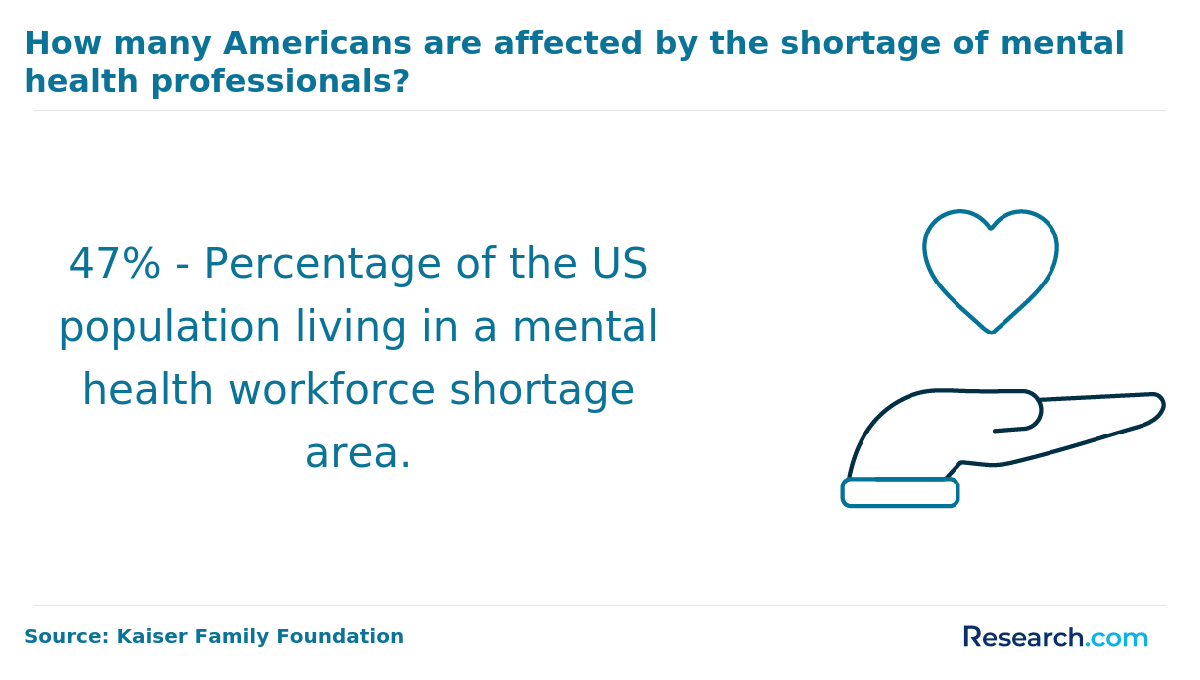
- High community need: In Bexar County, the ratio of mental health professionals to residents is 400:1. This indicates substantial need for counseling services and creates opportunities in agencies, hospitals, and private practices.
- Economic barriers: Some residents face financial hardship, which can limit access to private-pay therapy and affect how counselors build practices that depend heavily on client fees or insurance reimbursement.
- Healthcare access constraints: Like many parts of Texas, San Antonio faces gaps in behavioral health access. LPCs may find strong demand, but they may also need to coordinate care in systems with limited resources.
- Cultural and language needs: San Antonio’s large Hispanic community creates meaningful opportunities for culturally responsive and bilingual counseling. Counselors who can serve clients in culturally appropriate ways may be especially valuable.
| San Antonio Is a Good Fit If You... | You May Want to Reconsider If You... |
| Want to work with culturally diverse clients and families | Prefer a narrow client population with limited community complexity |
| Are open to agency, hospital, nonprofit, or integrated care work | Only want private practice income immediately after graduation |
| Can manage documentation, care coordination, and high-need cases | Want minimal administrative or interdisciplinary responsibilities |
| Value bilingual or culturally informed practice development | Are not prepared to keep building cultural competence over time |
-
: "
"Practicing in San Antonio means learning from the community every day. Building trust across language, culture, and lived experience takes patience, but it also makes the work feel grounded and deeply meaningful."
"
Should LPCs Consider BCBA Certification to Expand Their Practice?
BCBA certification may be worth considering for LPCs who want to work more intentionally with behavioral interventions, developmental concerns, autism-related services, parent training, or interdisciplinary treatment teams. It is not necessary for every counselor, but it can broaden practice options when behavior analysis is central to the populations you serve.
Before pursuing this credential, compare the additional education, supervised fieldwork, exam requirements, and scope-of-practice implications against your current counseling goals. For a local overview, review BCBA certification requirements in San Antonio.
How competitive is the job market for LPCs in San Antonio?
The San Antonio LPC job market is best described as opportunity-rich but not automatic. Demand for mental health services is growing, but employers still look for candidates with strong clinical judgment, documentation skills, ethical awareness, crisis readiness, and experience with high-need populations.
According to Texas Labor Market Information, employment for substance abuse, behavioral disorder, and mental health counselors in the Alamo region, which includes San Antonio, is projected to grow by 30.6% between 2022 and 2032, with approximately 238 job openings per year during that period.
Several forces support this outlook: broader awareness of mental health, workforce turnover, addiction and trauma treatment needs, and expanding behavioral health services. Candidates can improve their prospects by gaining supervised experience in high-demand settings, pursuing relevant specialties, networking with local providers, and learning how to work in team-based care.
| How to Become More Competitive | Why It Helps |
| Build experience with crisis, addiction, trauma, or youth services | These areas often align with community needs and employer demand. |
| Develop bilingual or culturally responsive counseling skills | San Antonio’s population makes cultural and language competence especially important. |
| Keep strong supervision records | Accurate documentation protects your licensure timeline and professional credibility. |
| Network through associations and placement sites | Many counseling opportunities are strengthened by local reputation and referrals. |
| Learn telehealth and ethical technology use | Many clients and employers now expect counselors to understand secure virtual care and digital documentation. |
If you are still at the undergraduate stage and want a cost-conscious starting point, this list of affordable online bachelor’s programs in substance abuse counseling can help you explore early preparation options.
This chart displays the projected job openings for mental health professionals.
Are there counseling associations in San Antonio?
Professional associations can help LPCs stay current with ethics, continuing education, advocacy, networking, and specialty development. They are especially useful for students and LPC Associates who are building professional identity and looking for mentors or job leads.
- Texas Counseling Association (TCA): TCA serves counselors throughout Texas, including San Antonio. Members can access continuing education, conferences, professional resources, and advocacy connected to counseling practice in the state.
- American Mental Health Counselors Association (AMHCA): AMHCA is a national organization for clinical mental health counselors. Texas LPCs can use its resources to follow professional standards, policy discussions, continuing education opportunities, and emerging issues in mental health care.
Association involvement is not required to be an effective counselor, but it can reduce professional isolation and help you stay connected to changes in practice expectations. Counselors who want to focus on addiction services may also benefit from learning more about the substance abuse counseling degree pathway.
Which are the most popular employers of LPCs in San Antonio?
LPCs in San Antonio work across a broad behavioral health ecosystem. The best employer for you depends on whether you want acute care, outpatient therapy, community-based services, school-linked work, substance use treatment, family services, or private practice experience.
- The Center for Health Care Services: This nonprofit provides mental health and substance use services. LPCs may work in outpatient counseling, crisis response, group therapy, care coordination, and services for clients with complex behavioral health needs.
- San Antonio Behavioral Healthcare Hospital: This behavioral health hospital offers acute mental health care. LPCs may serve as clinical therapists, conduct assessments, support treatment planning, facilitate groups, and help coordinate discharge planning.
- Family Service: This social service organization provides roles connected to family counseling, school-based services, trauma support, domestic violence concerns, and youth behavioral health. Counselors often collaborate with schools and community partners.
| Employer Type | Best For LPCs Who Want... | Skills to Strengthen |
| Community behavioral health center | Broad exposure to underserved clients and coordinated services | Case coordination, crisis assessment, documentation, cultural responsiveness |
| Behavioral health hospital | Acute clinical experience and interdisciplinary treatment | Risk assessment, group facilitation, discharge planning, team communication |
| Family and youth nonprofit | Work with children, parents, schools, and families | Family systems thinking, trauma-informed care, mandated reporting, collaboration |
| Private practice or group practice | More control over niche, schedule, and client population | Clinical specialization, billing literacy, marketing, boundaries, ethical telehealth |
When evaluating employers, ask about supervision quality, caseload expectations, benefits, documentation systems, crisis support, training opportunities, productivity requirements, and advancement paths.
Can LPCs Further Advance Their Careers in San Antonio?
Career advancement for LPCs can take several forms: clinical specialization, supervisory work, private practice ownership, program management, integrated care roles, teaching, consulting, or additional credentials. The right path depends on whether you want deeper clinical expertise, higher earning potential, leadership responsibilities, or a broader client population.
Useful growth areas include trauma treatment, addiction counseling, child and adolescent therapy, couples and family work, crisis intervention, behavioral health integration, bilingual counseling, and supervision. For a broader career pathway, see this guide on how to become a mental health counselor in San Antonio.
What LPCs in San Antonio Say About Their Careers
- "Practicing as an LPC in San Antonio has given me the chance to serve clients whose cultural backgrounds, family histories, and life experiences shape the work in powerful ways. My training at the University of Texas at San Antonio helped me build a flexible approach, but the community continues to teach me how to become a better counselor." - Ivan
- "San Antonio offers a mix of challenge and purpose for counselors. In my nonprofit role downtown, bilingual work and community-based care require constant learning, but the city’s family-centered culture and manageable lifestyle make the career feel sustainable." - Eliza
- "After almost 15 years in counseling, I still see San Antonio as a place where LPCs can grow. Hospital-based work near the medical center has expanded my clinical skills, and collaboration with other healthcare professionals has opened doors to more specialized training." - Kaitlyn
Common Mistakes to Avoid When Pursuing LPC Licensure in San Antonio
- Choosing a program without confirming licensure alignment: A counseling-related degree is not automatically the right degree for Texas LPC eligibility. Ask the program directly how it prepares students for Texas licensure.
- Looking only at tuition: A cheaper program may cost more in the long run if it lacks strong advising, practicum support, or licensure guidance.
- Waiting too long to plan supervision: Your postgraduate supervision period is lengthy, so start identifying approved supervisors and potential sites before graduation.
- Assuming private practice income comes quickly: Building a caseload, managing insurance, marketing ethically, and handling business operations take time.
- Ignoring cultural and language needs: Counselors in San Antonio should be prepared to serve clients from diverse backgrounds with humility and skill.
- Underestimating documentation: Licensure, employment, insurance billing, and client care all depend on accurate and ethical records.
Practical Steps for Aspiring LPCs in San Antonio
- Review the current Texas LPC licensure instructions before applying to graduate school.
- Shortlist programs that clearly prepare students for Texas LPC licensure and offer supervised clinical training.
- Ask each school where San Antonio students typically complete practicum and internship placements.
- Compare total program cost, not just tuition.
- Build experience with populations you may want to serve, such as veterans, children, families, clients in recovery, or clients with trauma histories.
- Prepare early for the Texas Jurisprudence Examination and either the NCE or NCMHCE.
- Choose an approved supervisor and keep detailed records throughout the 3,000-hour supervised experience period.
- Join professional networks, attend continuing education events, and seek mentorship from local LPCs.
Related Articles for Nearby Cities
- 2027 How to Become a Licensed Therapist (LPC) in Austin, TX
- 2027 How to Become a Licensed Therapist (LPC) in Corpus Christi, TX
- 2027 How to Become a Licensed Therapist (LPC) in Laredo, TX
- 2027 How to Become a Licensed Therapist (LPC) in Houston, TX
- 2027 How to Become a Licensed Therapist (LPC) in Fort Worth, TX
- 2027 How to Become a Licensed Therapist (LPC) in Arlington, VA
- 2027 How to Become a Licensed Therapist (LPC) in Irving, TX
- 2027 How to Become an LPC in Dallas, TX: Counselor License Requirements
- 2027 How to Become a Licensed Therapist (LPC) in Garland, TX
- 2027 How to Become a Licensed Therapist (LPC) in Plano, TX
References:
- America’s Health Rankings. (2024). State Summaries. https://assets.americashealthrankings.org/allstatesummaries-ahr24.pdf
- County Health Rankings & Roadmaps. (2025). Texas. Retrieved May 15, 2025, from https://www.countyhealthrankings.org/health-data/texas?year=2025&measure=Mental+Health+Providers
- KFF. (n.d.). Mental Health in. Retrieved May 15, 2025, from https://www.kff.org/statedata/mental-health-and-substance-use-state-fact-sheets/texas
- Texas Labor Market Information. (n.d.). Projections. Retrieved May 15, 2025, from https://texaslmi.com/LMIbyCategory/Projections
- Texas State Board of Examiners of Professional Counselors. (n.d.). Applying for an LPC License. Texas Behavioral Health Executive Council. Retrieved May 15, 2025, from https://bhec.texas.gov/texas-state-board-of-examiners-of-professional-counselors/applying-for-an-lpc-license
- U.S. Bureau of Labor Statistics. (2025, May 15). Occupational Employment and Wage Statistics - San Antonio-New Braunfels, TX, May 2024. Occupational Employment and Wage Statistics Query System. Retrieved May 15, 2025, from https://data.bls.gov/oes/#/area/0041700
Key Insights
- San Antonio is a meaningful market for LPCs because the area has measurable counselor employment while Bexar County remains a mental health professional shortage area.
- The Texas LPC path requires a qualifying graduate degree, associate licensure, exams, background checks, and at least 3,000 hours of supervised postgraduate experience.
- Program choice matters. Prioritize regional accreditation, Texas LPC alignment, clinical placement support, faculty guidance, and total cost.
- Reported LPC-related earnings in San Antonio are $64,720 annually, with a range from $38,090 to $94,910, but actual income depends on setting, experience, specialization, and practice model.
- The Alamo region is projected to see 30.6% employment growth for substance abuse, behavioral disorder, and mental health counselors between 2022 and 2032, with approximately 238 job openings per year.
- Strong candidates build experience in high-need areas such as addiction, trauma, crisis care, youth and family services, bilingual counseling, and culturally responsive practice.
- The best next step is to compare LPC-aligned graduate programs, confirm Texas licensure requirements directly, and plan early for practicum, internship, and supervised associate-level experience.
Other Things You Should Know About Becoming an LPC in San Antonio
To become an LPC in San Antonio in 2027, you need to complete a master’s degree in counseling or a related field from an accredited institution. Ensure your program includes the necessary coursework and supervised clinical experience as required by Texas regulations.
To become an LPC in San Antonio, you must complete 3,000 hours of supervised experience. This includes at least 1,500 hours of direct client contact, all under the supervision of a licensed professional. Supervision is crucial for skill development and meeting licensure requirements.
Texas LPC applicants must complete fingerprint-based criminal history checks through the Texas Department of Public Safety and the FBI before licensure is issued. The Texas Behavioral Health Executive Council uses these results during the licensing review. Applicants should follow the Council’s fingerprint instructions exactly to avoid delays.