2027 Health Education Skills Gap Analysis: What Employers Want vs What Degree Programs Teach

Co-Founder and Chief Data Scientist
Recent graduates with a health education degree often face unexpected challenges securing roles that match their training. Employers seek candidates who not only understand theory but also demonstrate practical skills in community engagement, data analysis, and program implementation. When students find themselves unprepared for these demands, it can stall early career progress and limit job opportunities.
Degree programs sometimes emphasize academic knowledge over applied skills, creating a gap between what students learn and what workplaces require. This disconnect affects workforce readiness and complicates career transitions for new entrants. This article examines the skills gap in health education by comparing employer expectations with degree program content, offering insights to help students and graduates align their preparation with market needs.
Key Things to Know About Health Education Skills Gap
- Employer surveys in 2024 show that health education degree holders often lack applied behavior change techniques, prompting increased employer-led training that delays independent practitioner productivity.
- Critical skills like data analytics and community engagement are rarely emphasized in curricula, yet 62% of employers expect graduates to manage these tasks confidently, underscoring a gap in practical readiness.
- Students enhancing career readiness by pursuing internships and interdisciplinary projects report smoother entry into roles, reflecting how experiential learning bridges theoretical knowledge and workforce demands.
- Key Things to Know About Health Education Skills Gap Key Things to Know About Health Education Skills Gap
- What Skills Do Employers Expect From Health Education Graduates? Employer Expectations
- What Do Health Education Degree Programs Typically Teach? Program Curriculum
- Where Is the Biggest Skills Gap Between Health Education Programs and Employers? Biggest Skills Gap
- Which Technical Skills Are Most Important for Health Education Careers? Technical Skills
- Which Workplace Skills Matter Beyond Technical Knowledge? Workplace Skills
- How Do Internships and Real-World Experience Improve Career Readiness? Career Experience
- How Can Students Close the Health Education Skills Gap Before Graduating? Closing Skills Gap
- How Is the Health Education Job Market Changing Employer Skill Requirements? How Is the Health Education Job Market Changing Employer Skill Requirements?
- How Do Different Health Education Programs Compare in Career Preparation? How Do Different Health Education Programs Compare in Career Preparation?
- How Should Students Choose a Health Education Program That Builds Career-Ready Skills? Choosing a Program
What Skills Do Employers Expect From Health Education Graduates?
Employers seeking health education graduates in 2024 expect a combination of technical expertise and professional competencies that reflect current public health demands and technological advancements. Industry reports by LinkedIn and the World Economic Forum indicate that around 70% of job openings require both analytical and interpersonal skills, emphasizing a multifaceted skill set.
For example, a graduate working with a community health initiative may need to analyze data trends while effectively communicating interventions across diverse populations.
The following highlights the core skills that consistently meet employer expectations in this evolving field.
- Data Analysis Proficiency: Employers value graduates who can interpret health data to guide decisions and evaluate program effectiveness. This skill is honed through coursework in statistics and practicum experiences using real-world datasets, enabling graduates to support evidence-based strategies.
- Technical Literacy: Familiarity with electronic health records (EHR) and Geographic Information Systems (GIS) is increasingly critical. Hands-on training with these technologies prepares graduates to manage digital tools essential for remote health education, telehealth, and community mapping.
- Effective Communication: Conveying health information clearly to varied audiences is essential. Practical projects and internships foster verbal and written communication skills crucial for reducing health disparities and promoting behavioral change.
- Cultural Competence and Ethics: Navigating ethical dilemmas and respecting cultural differences enables tailored interventions. This awareness, developed through coursework and fieldwork, helps graduates address the nuanced needs of diverse populations.
- Project Management and Collaboration: Managing multiple initiatives simultaneously requires organization and teamwork. Group projects and cross-disciplinary collaborations build capabilities valued by employers who seek professionals adept at coordinating efforts within complex health systems.
- Adaptability and Lifelong Learning: Rapid shifts in health policy and technology demand ongoing skill refinement. Employers favor graduates who demonstrate an openness to new knowledge and flexibility in applying evolving practices.
Students aiming to align with these expectations can benefit from integrating practical experiences and skill development beyond traditional coursework. For instance, pursuing an online DNP or relevant internships can improve readiness and provide a competitive advantage in the health education job market.
What Do Health Education Degree Programs Typically Teach?
Health education degree programs are designed to arm students with a strategic blend of theoretical knowledge and practical skills essential for promoting community and population health. These programs emphasize competencies that enable graduates to design and implement educational interventions tailored to diverse populations. However, variations in curricula across institutions mean students must carefully consider whether a program sufficiently covers both foundational and evolving content domains.
For example, a graduate working in a community health agency might need to assess local needs, plan appropriate interventions, and adapt to emerging digital tools, making a broad yet integrative knowledge base critical.
Below are key areas of learning typically emphasized in health education degree programs.
- Needs Assessment and Program Planning: Students learn to systematically identify community health needs and design targeted educational programs. This competency supports informed decision-making and resource allocation, crucial for effective intervention development and career success in varied settings.
- Health Promotion and Behavior Change Theories: Coursework covers the scientific models explaining how behaviors develop and how to encourage healthier choices. Understanding these theories equips graduates with the ability to create culturally sensitive, evidence-based initiatives responsive to diverse populations.
- Communication and Resource Coordination: Effective health educators must coordinate multi-sector efforts and communicate complex information clearly. Training in interpersonal skills and stakeholder engagement prepares students for collaborative roles in public health environments.
- Data Analysis and Epidemiology: Programs include analysis of population health data to track disease patterns and evaluate program impact. Although emerging digital health literacy is less frequently embedded, foundational skills in biostatistics remain essential for interpreting trends and informing policy.
- Ethical Practice and Professional Standards: Students are introduced to ethical frameworks governing health education practice. This foundation helps graduates navigate challenges related to privacy, equity, and cultural competence, aligning with credentialing expectations such as those set by NCHEC.
- Practical Experience through Internships: Many degrees integrate community projects or internships, allowing real-world application of academics. However, employer feedback suggests that opportunities to develop proficiency with technological tools and adaptive communication methods vary significantly across programs.
According to the Association of Schools and Programs of Public Health, less than 40% of health education degree programs currently incorporate emerging digital health literacy or data analytics comprehensively, underscoring a common curricular gap.
Prospective students should consider how their chosen format and institution address these trends to best position themselves in a competitive workforce. Supplementing core learning with targeted skill development, including awareness of earning potential variations like medical billing and coding salary, can also enhance long-term career adaptability.
Where Is the Biggest Skills Gap Between Health Education Programs and Employers?
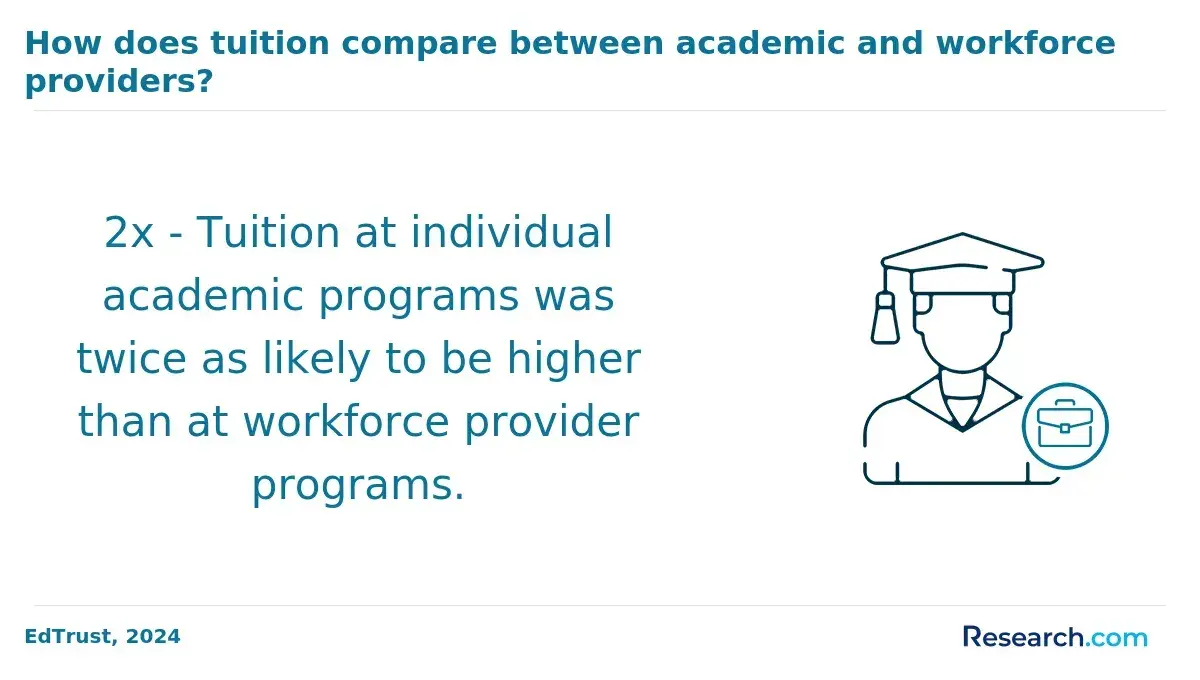
Recent workplace research highlights a clear disconnect between the skill sets taught within health education degree programs and those most valued by employers. A 2024 study from the National Center for Education Statistics alongside a healthcare workforce consortium survey reports that 68% of employers find new graduates underprepared in key applied skills.
These areas extend beyond foundational knowledge to include practical communication, technological fluency, and interpersonal abilities needed for modern health roles. Addressing these gaps calls for more than classroom theory; it requires targeted experiential learning and adaptability.
Below are the primary skill deficits commonly observed in health education graduates:
- Applied Communication: Graduates often lack experience tailoring health literacy to diverse populations, leading to challenges in culturally competent messaging and behavior change facilitation. This gap stems from curricula prioritizing theoretical models over real-world communication practice. Internships with community health organizations or simulated patient interactions can greatly enhance these skills.
- Health Informatics Proficiency: As digital health platforms and electronic records become ubiquitous, employers expect graduates to analyze and utilize health data effectively. Many programs have yet to integrate practical training in these technologies, leaving students underprepared. Certification courses or tech-based projects can bridge this divide before entering the workforce.
- Interprofessional Collaboration: Employers emphasize teamwork, leadership, and problem-solving, but new graduates frequently lack confidence in navigating complex health environments. Limited opportunities for interdisciplinary group work during study contribute to this deficiency. Engaging in cross-disciplinary internships or leadership roles in campus health initiatives helps build these essential skills.
- Community Engagement Strategies: Practical application of strategies for addressing health disparities and social determinants is often weak, with curricula weighted toward policy rather than action. Graduates may struggle to implement effective outreach plans in diverse settings. Hands-on community service or practicum experiences focused on vulnerable populations improve readiness substantially.
Employer Confidence Share in Online vs. In-Person Degree Skills, Global 2024

Which Technical Skills Are Most Important for Health Education Careers?
Technical skills serve as the bridge between theoretical knowledge gained through health education studies and the practical demands of professional roles. As healthcare landscapes and digital tools evolve, the set of technical competencies that employers seek shifts accordingly, making ongoing skill development crucial. Graduates who adapt by mastering these relevant tools not only enhance their immediate job prospects but also position themselves for meaningful contributions in diverse settings.
The demand for these skills is underscored by the 2024 Workforce Skills Report from the National Association of Health Education Specialists, which finds over 70% of employers prioritize technical proficiency for health education positions.
Key competencies for success include the following:
- Data Analysis Tools: Proficiency with software like Excel and SPSS enables health educators to interpret and apply quantitative data effectively. This skill typically develops through coursework involving statistical methods and practical projects, which equips professionals to make data-driven decisions and tailor community health interventions.
- Digital Communication Platforms: Familiarity with social media management and virtual engagement tools is increasingly vital as remote and hybrid health education initiatives expand. Training often includes hands-on experience with these platforms, supporting outreach and education across diverse populations.
- Electronic Health Records (EHR): Competence in navigating EHR systems is essential for streamlining information sharing among multidisciplinary healthcare teams. While not universally covered in traditional curricula, gaining exposure through internships or certifications adds significant value and enhances collaborative efficiency.
- Program Evaluation Techniques: Skills in designing logic models, outcome measurement, and both qualitative and quantitative evaluation help demonstrate program impact. These are typically cultivated by applying theory to real-world cases, enabling educators to secure funding and continuously improve interventions.
- Health Informatics Basics: Understanding how health information systems operate contributes to better management and analysis of patient and community data. Introductory coursework paired with practical exposure prepares graduates to support public health initiatives effectively.
- Statistical Literacy: Comfort with interpreting statistical results enhances the ability to assess health trends and craft evidence-based programs. This competency underpins much of the technical training in health education and correlates strongly with positive employer evaluations.
- Certification in Data Analysis: Additional credentials in data analytics supplement academic learning and confirm technical expertise. Such certifications demonstrate a commitment to staying current and can differentiate candidates in competitive job markets.
Which Workplace Skills Matter Beyond Technical Knowledge?
Career success in health education relies on more than just technical expertise. Employers increasingly prioritize durable professional skills that enable graduates to navigate complex workplace environments and evolving public health challenges. Research from the U.S. Bureau of Labor Statistics and the National Commission for Health Education Credentialing underscores a rising demand for competencies such as communication, critical thinking, and cultural awareness.
For example, a health educator tasked with designing community interventions must adapt messaging effectively to diverse audiences while collaborating with multidisciplinary teams.
The following key workplace skills consistently enhance employability and long-term career resilience.
- Effective communication: Employers seek graduates who can clearly explain complex health concepts to varied audiences, including patients and public groups. Strengthening this skill through presentations, role-playing, and community outreach enhances program clarity and trust, essential in health education workforce communication and teamwork skills.
- Critical thinking and problem-solving: The unpredictable nature of public health demands quick, evidence-based decisions. Engaging in case studies or project-based learning helps students apply theory to practice, meeting employer expectations for agile response in dynamic environments.
- Cultural competence and inclusivity: Health educators must navigate diverse cultural contexts to promote equity effectively. Coursework and experiential training centered on cultural awareness empower graduates to design programs that resonate broadly, aligning with organizational priorities for inclusive health education practices.
- Teamwork and collaboration: Multidisciplinary cooperation is fundamental in public health settings. Participating in group projects and interprofessional simulations builds interpersonal skills, allowing graduates to function productively within diverse teams.
- Resilience and adaptability: Public health challenges often emerge unexpectedly. Developing resilience through real-world internships or practicum experiences equips graduates to maintain effectiveness despite changing conditions.
- Ethical judgment and professionalism: Applying ethical principles ensures credibility and community trust. Integrating ethics-focused discussions prepares students to handle sensitive situations responsibly, a quality highly valued across health education roles.
Statistics from 2024 reveal that over 70% of employers prioritize these professional skills alongside technical knowledge when recruiting health education graduates. Building these competencies systematically during degree programs is crucial for workforce readiness and sustained career progression.
Prospective students should consider how programs incorporate practical skill development, similar to other specialized training such as ultrasound tech programs, which emphasize hands-on capabilities alongside theory to meet workforce demands.
How Do Internships and Real-World Experience Improve Career Readiness?
Academic programs in health education often provide essential theoretical knowledge but frequently fall short in preparing students for the unpredictability and complexity of real professional environments. Classroom learning alone can leave graduates underprepared for applying concepts amid diverse community needs, navigating stakeholder interactions, or adapting strategies in fluid situations.
Engaging in internships or practical placements offers a critical bridge by allowing students to translate academic knowledge into practical problem-solving, honing judgment, and building confidence in unfamiliar settings.
A 2024 report from the National Center for Education Statistics highlights that health education students with supervised internships achieve a 25% higher employment rate within six months of graduation compared to peers without such experience, underscoring the tangible advantage of hands-on training.
Experiential learning opportunities foster not only technical competencies-such as data interpretation and policy application-but also the soft skills employers consistently emphasize, including professional communication, teamwork across disciplines, and understanding organizational culture. These settings teach students workplace expectations and decision-making nuances that textbooks cannot replicate.
However, the availability and depth of internships vary widely depending on the institution and sector, which can impact the quality of preparation. For example, a student placed in a well-structured community health organization may develop stronger leadership and networking skills than one in a poorly aligned internship with limited oversight.
To fully capitalize on experiential learning, prospective students should seek out internships early, engage actively in applied projects, and build relationships with mentors and colleagues. Reflection on work experiences is key to integrating lessons with academic development and clarifying career intentions.
Importantly, internships are most effective when paired with rigorous academic performance and ongoing skill enhancement, as well as deliberate career planning. Those who combine these elements tend to navigate the transition to the workforce more smoothly and meet employer expectations more consistently than those relying solely on classroom instruction.
How Can Students Close the Health Education Skills Gap Before Graduating?
Students don't have to wait until graduation to develop career-ready skills. Building experiential knowledge alongside academic coursework helps bridge the gap employers frequently note between theory and practice. Combining hands-on opportunities with targeted credentialing not only boosts confidence but measurably improves job prospects.
For example, a 2024 U.S. Department of Education report found students who completed internships were 35% more likely to secure employment within six months of finishing their degree.
Below are effective strategies Health Education students can use to better align their skills with workforce expectations before graduating.
- Internships and Practicums: Engaging in supervised workplace experiences exposes students to real-world challenges that aren't replicable in classrooms. These placements develop communication, adaptability, and organizational awareness critical for health education roles. Students should pursue opportunities in clinical settings, community organizations, or public health agencies to gain relevant, practical insights.
- Undergraduate Research Participation: Collaborating on data-driven or community health research hones analytical thinking and evidence-based decision-making. These skills align with employer demands for graduates who can interpret and apply health data effectively. Finding projects through faculty leads or university programs can integrate research into academic schedules without overwhelming coursework.
- Certification Acquisition: Earning credentials such as Certified Health Education Specialist (CHES) signals professional dedication and mastery of current industry standards. The Association of State and Territorial Health Officials reported that certified candidates often start with salaries 20% higher on average. Students should plan to prepare for certifications alongside their studies to avoid last-minute pressure.
- Project-Based Learning Involvement: Participating in team-centered projects cultivates leadership and interpersonal skills crucial for delivering impactful health programs. Collaborative assignments simulate workplace dynamics and improve problem-solving under real constraints, complementing the technical knowledge gained in lectures.
- Soft Skills Development: Prioritizing communication, cultural competence, and adaptability enhances a student's ability to engage diverse populations and navigate complex health environments. Workshops, peer mentoring, or volunteer roles offer practical avenues to strengthen these often underemphasized capacities.
- Integrated Curriculum Selection: Choosing degree programs that embed experiential learning within the academic framework minimizes conflicts between gaining workplace skills and maintaining GPA. Integrated approaches ensure hands-on learning is part of the credit requirements rather than an optional add-on.
- Strategic Time Management: Balancing rigorous coursework with certifications and internships requires deliberate scheduling and prioritization. Students who develop effective time management early maximize exposure to critical opportunities without sacrificing academic performance.
How Is the Health Education Job Market Changing Employer Skill Requirements?
Technological innovation and data-driven decision-making are reshaping employer expectations within the evolving health education job market skills landscape. Automation and artificial intelligence are not replacing health educators but are elevating the necessity for digital literacy, data analysis, and community engagement capabilities to design targeted interventions. For example, a health educator working in a multicultural urban setting may be expected to interpret complex epidemiological data while using digital platforms to communicate effectively across diverse groups.
According to data from the U.S. Bureau of Labor Statistics and Lightcast, demand has increased for professionals who integrate traditional health knowledge with technology, emphasizing that hybrid skill sets are no longer optional but essential.
These shifting industry priorities also expand the range of technical and professional skills employers seek. The World Economic Forum stresses the growing value of soft skills such as cultural competence, empathy, and adaptive communication, which are critical in multidisciplinary public health roles addressing disparities. This requires ongoing adaptability and continuous learning beyond academic preparation alone.
Students who pair foundational coursework with internships, applied projects, and certifications enhance their practical readiness, while professional networking and skill development throughout their careers sustain employability. Health education graduates benefit from building competencies that mirror labor market realities, as LinkedIn's 2024 insights highlight the advantage of combining expertise in health education with abilities such as health informatics or grant writing.
For students aiming to navigate these realities, actively seeking out opportunities to develop both technical skills and interpersonal flexibility is key. Embracing real-world challenges through experiential learning bridges the gap between programs centered on theory and the dynamic demands of employers.
Prospective and current learners can find actionable guidance by exploring resources like how to become a sports analyst, which underscores the importance of aligning education with workforce expectations in competitive fields. Ultimately, readiness in this evolving market hinges on a balanced, evidence-based skill set combining knowledge, adaptability, and applied experience.
How Do Different Health Education Programs Compare in Career Preparation?
Graduates' workforce readiness depends on far more than the title of their health education degree. Programs that offer similar credentials can differ dramatically in how well they prepare students for real-world roles. Career preparation hinges on the depth of experiential learning, the breadth of interdisciplinary training, and the extent of employer engagement a program fosters.
For example, a graduate from a traditional program with primarily theoretical coursework may find it harder to demonstrate practical skills than one who completed internships and community projects.
Below are key factors to compare when assessing health education program career readiness.
- Experiential Learning Integration: Programs vary in the amount and quality of hands-on opportunities such as internships, simulation labs, or community-based projects. These experiences cultivate practical skills employers prioritize, like data interpretation and program implementation. Prospective students should verify how ingrained experiential components are and their alignment with targeted career paths.
- Interdisciplinary Curriculum: Health challenges today cross behavioral health, policy, and informatics. Programs emphasizing a mix of these disciplines tend to open broader career pathways. Evaluating a program's curriculum balance helps students ensure they gain the adaptable knowledge employers seek, rather than narrow or outdated content.
- Employer and Certification Alignment: Workforce surveys from 2024 show employers increasingly value certifications and competencies in digital health tools and community engagement. Students should compare programs based on access to relevant certifications, partnerships, and integrated career services that ease transitions into health education roles.
- Career Services and Networking: Strong employer connections and active career support correlate with smoother job placement. Reviewing alumni employment data and employer partnership networks can indicate a program's effectiveness in facilitating career readiness.
Recent data from the National Center for Education Statistics reports that health education programs featuring robust experiential learning components see a statistically significant increase in graduate employment rates within six months, underscoring the critical role of practical training in closing the skills gap in health education degree curricula.
Individuals considering study options can also explore multiple formats, including online healthcare degrees, which may offer distinct advantages in flexibility but require self-motivation to maximize hands-on experience within local or virtual settings.
How Should Students Choose a Health Education Program That Builds Career-Ready Skills?
Choosing between online, hybrid, and campus health education formats shapes not only immediate learning experiences but also long-term career trajectories. Each format offers unique benefits and trade-offs that influence skill acquisition, professional networking, and workforce readiness. For example, a working parent pursuing a hybrid program might balance hands-on projects with flexible schedules, enhancing both practical know-how and time management.
Consider these key long-term factors when comparing formats:
- Hands-on Experience: Campus programs provide direct access to labs and internships, fostering applied skills essential in health sectors. Hybrid formats mix in-person opportunities with digital components, while online programs may require extra effort to secure practical experience independently.
- Professional Networking: On-campus students benefit from frequent face-to-face interactions that build durable employer contacts. Hybrid students experience moderate networking, whereas online learners must leverage virtual platforms and mentorships to create connections.
- Flexibility vs. Engagement: Online programs offer unmatched flexibility, ideal for working adults, but risk lower engagement. Campus formats promote immersive learning but demand fixed schedules. Hybrid serves as a middle ground balancing both.
- Skill Development: Interdisciplinary and digital health competencies are emphasized across formats, but campus and hybrid students often receive more structured coaching in these areas compared to mostly self-directed online learners.
- Support Services: Career advising and mentorship tend to be more accessible on campus, though quality varies widely online. Programs with robust support correlate with higher graduation and employment rates, per 2024 workforce analyses.
- Technology Access: Online and hybrid models rely heavily on stable internet and modern devices, which can be a barrier for some learners. Campus settings typically provide institutional resources reducing this concern.
References:
- Online Bachelor's Degree in Health Education - Curriculum https://online.ben.edu/programs/undergraduate/health-education-promotion-bachelors/courses/
- Current Trends in the Healthcare Job Market https://checkrare.com/current-trends-in-the-healthcare-job-market/
- New report reveals skills gaps impeding healthtech innovation - EIT Health https://eithealth.eu/news-article/skills-gap-healthtech-innovation-soft-skills-technical-skills/
- Soft skill training in medical education https://videolab.eu/soft-skill-training-in-medical-education/
- Top 10 Soft Skills Needed In Health Care https://carrington.edu/blog/top-10-soft-skills-needed-health-care/
- 27 Best Healthcare & Medical Courses to Start a Career https://www.oneeducation.org.uk/healthcare-medical-courses-to-start-a-career/
- [PDF] Employability Skills in Health Services Management https://journal.achsm.org.au/index.php/achsm/article/download/235/191/479
- Public health internships: benefits & what to expect https://joinhandshake.com/blog/students/about-public-health-internships/
- Students & Aspiring Health Professionals: HCC Internships https://healthcareerconnection.org/students-aspiring-health-professionals/
- Best Master’s in Health Education Online Programs for 2025 https://www.onlinemastersdegrees.org/best-programs/health-education/
Other Things You Should Know About Health Education
Accreditation ensures a program meets certain academic standards, but it doesn't always guarantee strong practical skill development employers demand. Students should weigh accreditation against the program's experiential learning opportunities; a highly accredited program with limited hands-on experiences may leave graduates less prepared for workforce realities. Prioritizing programs that balance accreditation with internships, applied projects, or community involvement better positions students to meet employer expectations.
Employers often seek candidates who can adapt and address diverse challenges, favoring versatility over narrow specialization. However, highly specialized skills can command premium roles in specific industries. For most students, a broad foundation coupled with targeted certification or experience in emerging areas offers more flexibility and employability. This approach manages the tradeoff between immediate job placement and long-term career growth.
Heavy theoretical focus can hinder new graduates when faced with practical, fast-paced work environments that require quick problem-solving and client interaction. Employers may find these graduates lack readiness in communication, policy implementation, or data application. Graduates should seek supplemental training or real-world experiences to bridge this gap; otherwise, they risk longer onboarding periods and slower progression in their early careers.
Engaging in internships or part-time roles concurrently with coursework enhances practical skills and networking, significantly improving employability after graduation. However, students must realistically assess their capacity to avoid burnout, which can compromise academic performance and physical health. Prioritizing quality and relevance of experience over sheer quantity, and strategically scheduling commitments, will yield the best balance between skill acquisition and well-being.