2027 Online vs Campus Health Education Outcomes Report: Graduation Rates, Cost, and Career Trade-Offs

Co-Founder and Chief Data Scientist
Balancing previously earned credits against the hidden costs of degree completion complicates selecting between online and campus health education programs for working adults. Although 63% of institutions expanded transfer credit acceptance in 2024, many students still face inconsistent credit evaluations that prolong time to graduation and inflate expenses.
This trend exposes a growing institutional shift toward flexible degree pathways designed to accommodate non-traditional students, yet uneven execution often burdens learners with extra coursework and delayed entry into the workforce. Understanding how these dynamics affect graduation rates, total cost, and career trajectories is essential. This article analyzes these factors to clarify the practical trade-offs between online and campus health education delivery.
Key Things to Know About Online vs Campus Health Education Outcomes
- Online health education programs show about a 10% lower graduation rate than campus formats, reflecting challenges in sustained student engagement and impacting completion timelines critical for workforce entry.
- Campus programs often incur 25-40% higher total costs including fees and living expenses, influencing affordability decisions especially for working adults balancing immediate income needs versus deferred earning potential.
- Employers tend to favor campus-trained graduates in health education roles due to perceived stronger practical skill mastery, shaping hiring outcomes and longer-term career mobility in clinical and community settings.
- Key Things to Know About Online vs Campus Health Education Outcomes Key Things to Know About Online vs Campus Health Education Outcomes
- What Are the Biggest Differences Between Online and Campus Health Education Program Outcomes? Online vs Campus Outcomes
- How Do Graduation Rates Compare Between Online and Campus Health Education Programs? Comparing Graduation Rates
- Why Do Online and Campus Health Education Students Have Different Completion Rates? Why Completion Rates Differ
- How Do Online and Campus Health Education Programs Compare on Total Cost? Total Cost Comparison
- What Hidden Costs Should Students Expect in Online vs Campus Health Education Programs? Hidden Program Costs
- How Does Financial Aid Affect the Cost of Online and Campus Health Education Programs? Financial Aid Impact
- Do Online and Campus Health Education Graduates Have Different Career Outcomes? Comparing Career Outcomes
- How Do Employers View Online vs Campus Health Education Degrees? How Do Employers View Online vs Campus Health Education Degrees?
- Which Health Education Degree Format Offers Better Flexibility for Working Adults? Which Health Education Degree Format Offers Better Flexibility for Working Adults?
- How Should Students Choose Between an Online and Campus Health Education Program? Choosing Your Program Format
What Are the Biggest Differences Between Online and Campus Health Education Program Outcomes?
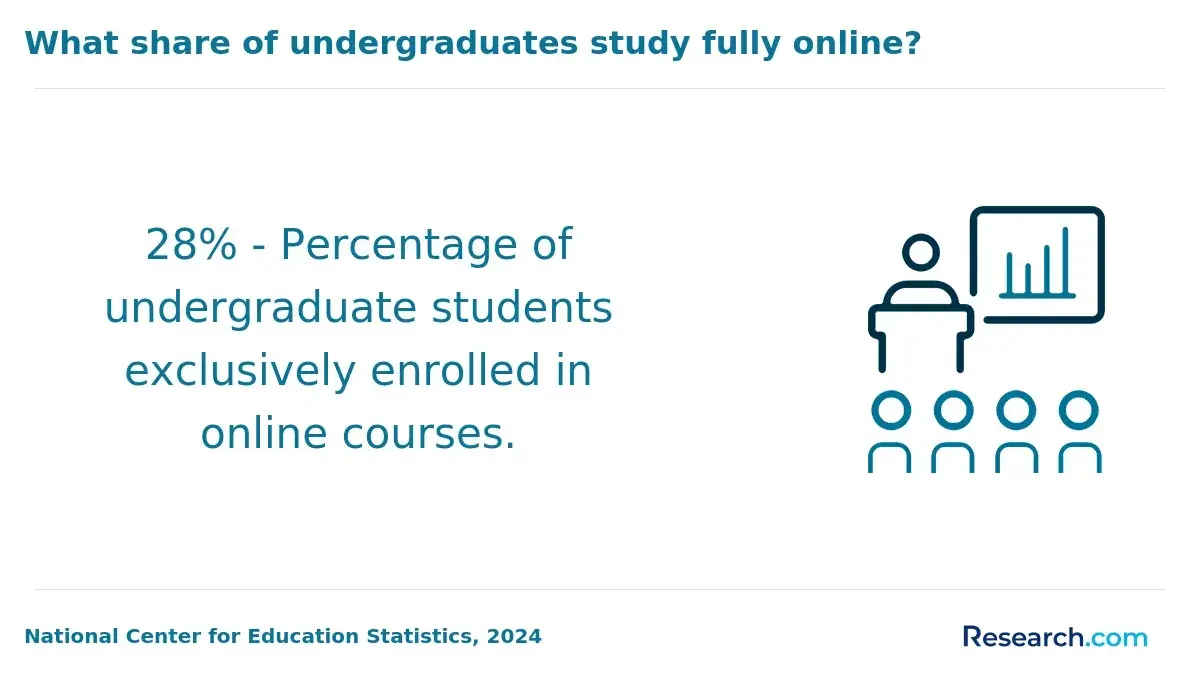
Graduation rates reveal a notable divide between online and campus health education program outcomes, with campus-based students generally completing their degrees at rates 10 to 15 percentage points higher according to 2024 data from the National Center for Education Statistics. This gap reflects differences in student demographics and learning environments-online learners often juggle work and family responsibilities, extending completion timelines and sometimes requiring more adaptable pacing.
For instance, a working adult pursuing an online program may benefit from geographic flexibility but face challenges securing timely clinical placements or engaging deeply with faculty, which can hinder both persistence and readiness for licensure exams. These structural trade-offs shape decisions around program format, especially when immediate clinical readiness impacts employability in healthcare roles demanding hands-on experience.
Total cost considerations further complicate direct comparisons, as online tuition may appear lower upfront but often masks additional fees, technology investments, and prolonged enrollment due to part-time status-factors contributing to higher aggregate student debt levels among online graduates as reflected in Department of Education data. Unlike campus learners who frequently access institutional advising and financial aid offices that can mitigate these costs, online students may encounter fewer support mechanisms to navigate these challenges effectively. Prospective students weighing these factors should consider resources such as the cost of medical coding and billing certification and attendant expenses beyond tuition to evaluate actual financial impact within their Health Education pathway.
From an employer perspective, the modality of program completion influences perceptions of preparedness and career mobility, with many healthcare employers showing a preference for campus graduates in roles requiring immediate clinical competence due to richer in-person practicum opportunities. Conversely, online program graduates often excel in flexible, leadership, or administrative positions where self-directed learning correlates with job performance, underscoring how program choice intersects with long-term career goals. Understanding these nuanced differences in graduation rates, cost factors, and employer expectations allows students to strategically select between online versus campus health education program outcomes based on their unique scheduling needs, financial constraints, and professional aspirations.
How Do Graduation Rates Compare Between Online and Campus Health Education Programs?
Graduation rates for health education programs vary significantly between campus-based and online formats, largely due to student demographics and program design rather than inherent differences in academic rigor. Data from the National Center for Education Statistics in 2024 shows campus health education programs have an average completion rate near 65% within six years, versus about 50% for fully online programs. Much of this gap reflects the structure of campus programs, which often include cohort-based progression, regular face-to-face advising, and immersive peer interaction that foster accountability. Conversely, many online students juggle employment, family care, and part-time enrollment, complicating degree completion. Additionally, online programs with less intensive interaction or open admissions policies may enroll students needing more academic support, which can affect persistence and timely graduation.
Raw graduation statistics can also mislead prospective students because reporting differences and stop-out patterns aren't always accounted for equally. For instance, some online programs exclude transfer students or fail to capture extended completion times due to breaks taken for work or family obligations, which are more common in adult learners pursuing health education remotely. Campus programs tend to attract students able to commit full-time and engage in practicum and clinical components more continuously. Those considering online pathways must realistically assess availability of virtual advising, course pacing flexibility, and support services that can mitigate dropout risks under competing life demands. Ultimately, understanding these nuances helps learners anticipate how enrollment format intersects with personal circumstances and institutional practices to shape graduation outcomes.
A health education student who had explored both options reflected on how her decision weighed these factors. While intrigued by the convenience of online courses, she hesitated over potential isolation and uncertainty about sustaining momentum without the cohort-driven structure and regular mentoring found on campus. After reviewing cohort completion rates and speaking with advisors from both formats, she chose a hybrid program offering scheduled virtual check-ins and robust academic support. This choice gave her cautious confidence to navigate work commitments alongside practicum requirements, illustrating how distinctive program elements beyond raw graduation rates influenced her pathway.
Why Do Online and Campus Health Education Students Have Different Completion Rates?
Completion differences between online and campus health education students often stem from complexities in enrollment status, advising access, and program structure rather than instructional quality alone. For instance, many online learners enroll part-time while balancing demanding work and family roles, which leads to frequent interruptions in study progression and lower graduation rates-around 45% for fully online students versus 65% for their campus counterparts, according to 2024 National Center for Education Statistics data. This gap reflects how asynchronous course delivery and limited cohort cohesion can undermine consistent engagement, especially when proactive academic advising and peer interactions are lacking.
Meanwhile, campus programs typically offer more structured schedules, hands-on clinical experiences, and immediate faculty interaction, all factors that enhance retention but require greater time commitment and often higher direct costs. Campus students benefit from embedded social and academic support systems that reduce stop-out rates, which can be critical for mastering health education competencies involving labs or practicums. In contrast, online students must often self-manage pacing and seek out virtual resources, making program completion heavily contingent on individual discipline and access to remote support, which remains uneven among institutions.
Prospective health education students should weigh these trade-offs carefully, considering their capacity for sustained engagement, need for flexibility, and reliance on institutional supports. Completion statistics can mask demographic realities: older, working adults who dominate online enrollment face different external pressures than typically younger, full-time campus students. Evaluating graduation data alongside personal scheduling demands and available advising can help align pathway choice with realistic expectations about time to degree and workforce entry prospects.
How Do Online and Campus Health Education Programs Compare on Total Cost?
While online health education programs often advertise lower tuition than campus-based options, the total cost of attendance reveals a more complex balance. Campus programs typically add mandatory fees and living expenses such as housing, transportation, and campus services that can sharply increase overall costs. For example, students in urban areas may face more than $12,000 annually in housing and commuting, costs that online learners generally avoid, though online programs sometimes charge technology or distance learning fees between $300 and $700 yearly. These differences influence not only immediate expenses but also affect students' ability to maintain employment during study, with online formats often better suited for working adults leveraging employer tuition assistance.
Understanding how online vs campus health education program costs compare requires accounting for financial aid, scholarship availability, and debt outcomes. Data from the U.S. Department of Education's College Scorecard (2024) indicates that graduates from online programs typically carry 10-15% less student debt than their on-campus counterparts. However, campus-based learning may offer more direct access to clinical placements and faculty support, which can justify additional expenditure for some learners. Prospective students should evaluate these factors in relation to their career timelines and financial strategies, weighing trade-offs between higher upfront costs and potential benefits in readiness or network access. Those seeking accelerated paths may also consider fasttrack medical options as part of their planning process.
What Hidden Costs Should Students Expect in Online vs Campus Health Education Programs?
Online and campus-based health education programs carry distinct hidden costs that significantly alter their overall affordability and practical value. While online students encounter technology fees averaging up to $500 annually-covering platforms, software licenses, and remote exam proctoring-campus learners face expenses like commuting, parking, and higher housing costs, which can exceed $1,500 yearly according to U.S. Department of Transportation data and College Scorecard rent statistics.
Beyond finances, time lost due to rigid campus schedules or childcare demands can impact job retention and completion timelines, complicating workforce reentry or advancement. Clinical placements pose additional unaccounted-for costs in both formats, requiring travel, lodging, or local internship coordination that financial aid may not fully cover, thus influencing the true net cost and feasibility of each pathway.
These differences underscore the importance of comprehensive cost analysis when selecting a program format, as variations in fee bundling and indirect expenses often lead to mistaken assumptions about affordability. For instance, an online student might initially choose a remote program for convenience but later face unexpected travel or software charges, diminishing anticipated savings and complicating career planning. Meanwhile, campus students may underestimate the cumulative burden of commuting, housing, and ancillary fees, potentially prolonging their time to graduation or increasing debt burden. Awareness of these trade-offs is crucial, especially given rising student debt trends and employer scrutiny of timely program completion alongside practical competencies in healthcare roles.
One graduate recalled hesitating between an online degree promising lower tuition and a campus program with higher visible costs. After detailed budgeting, unexpected tech fees and mandatory software purchases for simulations narrowed the online advantage, while campus options entailed daily parking fees and restricted class times affecting her part-time job. She ultimately chose the campus route but acknowledged that balancing childcare responsibilities with limited work hours remained a significant challenge, revealing how hidden expenses reach beyond dollars into time and stress-factors equally vital to program success.
How Does Financial Aid Affect the Cost of Online and Campus Health Education Programs?
Financial aid impacts the cost comparison between online and campus health education programs in ways that extend beyond tuition sticker price. Campus students often have access to institutional aid such as teaching assistantships and campus-specific scholarships that reduce net cost but usually require physical presence, limiting their availability to online learners. Meanwhile, online students must navigate eligibility restrictions on state residency-based grants and frequently incur additional technology fees, partially offsetting savings from reduced living expenses. For example, a working adult enrolled online might benefit more from an employer tuition reimbursement plan, a form of aid less common for campus students, which can influence both the pace and total borrowing needs during their studies.
When comparing financial aid impact on online health education costs, it is critical to consider how aid packaging influences debt exposure and program pacing. Online students often enroll part time, affecting their eligibility for certain federal loans and institutional aid, sometimes resulting in a higher average debt load according to College Scorecard data. Military and veterans' benefits apply across modalities but may require administrative assistance, more readily accessible on campus, which can factor into cost-effectiveness. Prospective students should carefully assess aid policies and real net prices, recognizing that equal access to financial aid does not guarantee equivalent financial outcomes, especially when factoring in fees, scholarships, and work-study opportunities.
Balancing these variables is essential when choosing between formats, especially for specialized pathways like dietetics programs, where practical considerations and financial aid availability directly affect employability and graduation outcomes. Students must weigh institutional aid structures, residency rules, and employer support against personal work commitments and program fees to determine which setting optimizes both affordability and academic progress within their career constraints.
Do Online and Campus Health Education Graduates Have Different Career Outcomes?
Employment outcomes for health education graduates from online versus campus programs are largely comparable within the first year after graduation, with only a slight edge in employment rates favoring campus alumni, according to a 2024 IPEDS report. However, many healthcare employers continue to perceive campus degrees as more advantageous, especially for positions requiring hands-on skills and direct patient interaction. This preference often reflects concerns about the depth of practical training and access to clinical internships, which are generally more robust and geographically accessible through campus programs, impacting graduates' readiness for licensure and local labor markets.
Accreditation remains a key equalizer; both delivery formats accredited by recognized bodies like CEPH enable eligibility for certification exams without disclosing the mode of study on transcripts, which can reduce bias but not fully eliminate it. Campus programs tend to offer richer opportunities for networking, immersive clinical placements, and career services, which build professional connections that matter over long-term career trajectories. Online learners benefit from lower debt burdens and greater scheduling flexibility, yet must weigh these advantages against potentially limited access to experiential learning and employer networks that influence advancement and mobility within healthcare systems.
Choosing between online and campus health education thus involves trade-offs tied to an individual's circumstances. For example, a working adult balancing family commitments may prioritize the flexibility and cost savings of online formats but should plan proactively to secure quality practicum experiences and networking connections. Conversely, those targeting competitive local employers or licensure in regulated subspecialties might find campus routes more conducive to acquiring practical skills and sustained employer engagement, underscoring how program format intersects with career goals, geographic access, and the realities of healthcare hiring preferences.
How Do Employers View Online vs Campus Health Education Degrees?
Employer evaluation of health education degrees increasingly prioritizes program quality indicators over delivery format, with a 2024 SHRM survey revealing that approximately 68% of employers see no significant difference between accredited online and traditional campus degrees. Critical factors shaping hiring decisions include institutional accreditation, program reputation, and hands-on components such as internships or clinical placements that demonstrate applied skills. In practice, degrees that transparently convey rigorous coursework and relevant practicum experience tend to command stronger trust, regardless of whether they were earned on campus or online.
Nonetheless, employers often weigh additional elements such as networking opportunities and face-to-face mentorship favoring campus programs, which can influence early-career trajectories, especially in settings where professional relationships play a pivotal role. Conversely, online degrees may encounter skepticism when employers are less familiar with specific programs or perceive the curriculum as less selective or aligned with current industry requirements. This dynamic means a working adult with substantial professional experience and certifications might offset concerns tied to online degree formats, while recent graduates might face more scrutiny without strong practical or relational credentials, as noted in a 2024 NACE report.
These distinctions highlight the practical realities students must consider when choosing between online and campus health education pathways. Beyond format, clarity in credential presentation and alignment with licensure standards weigh heavily in employability, reinforcing the need for prospective learners to evaluate program accreditation, experiential learning components, and institutional reputation. Such a multifaceted assessment helps ensure the chosen degree supports both immediate job market demands and long-term career flexibility within an evolving healthcare landscape.
Which Health Education Degree Format Offers Better Flexibility for Working Adults?
Balancing work, family, and education demands requires careful consideration of how health education degree formats impact scheduling and persistence. Online health education programs for working adults often provide asynchronous coursework that fits nontraditional hours, easing conflicts with shift work or caregiving. However, compulsory on-site practicums or labs remain a constraint regardless of format, complicating pure convenience claims. Campus and hybrid formats offer more structured access to faculty and peer cohorts, which some learners need for motivation and timely degree progression despite rigid class times and commuting burdens.
Employers increasingly favor candidates whose education aligns with continuous employment, making flexibility a key factor in career continuity and cost exposure. Online programs frequently allow part-time pacing and better transfer credit policies, enabling students to extend their studies without sacrificing work income. Yet, technology access and self-discipline challenges can affect success rates in these settings. For students weighing these trade-offs, exploring flexible campus and online health education options provides insight into which environment suits their support needs and time constraints. Those interested in accelerated pathways may also consider programs like the RN to BSN in 3 months to shorten time to degree completion.
Ultimately, format choice impacts graduation timing, cost, and employability differently depending on individual circumstances. While online models often align better with varied schedules, campus-based programs maintain advantages in cohort interaction and immediate faculty engagement. Working adults should assess how these elements influence their ability to persist through completion and meet employer expectations in health education roles.
How Should Students Choose Between an Online and Campus Health Education Program?
Students weighing online versus campus health education programs must consider how format influences both graduation rates and career-ready skills. Campus programs show higher completion rates, around 65% compared to 55% for fully online, reflecting greater student engagement through direct faculty interaction, lab access, and on-site clinical placements essential for licensure. For example, a student balancing caregiving responsibilities might choose online learning for flexibility but should anticipate persistent self-motivation challenges and verify employer acceptance of online credentials, especially given how practical experience requirements favor campus formats.
Cost comparisons extend beyond tuition: while online programs reduce expenses related to commuting and housing by up to 30%, some campus offerings include bundled clinical placement support that can affect long-term career mobility. Students should also factor in networking opportunities and internship access, generally stronger on campus, which influence early career advancement in health fields. Careful evaluation of these variables is critical when comparing graduation rates and costs for health education students, aligning program choice with both financial realities and employer expectations.
Ultimately, decisions hinge on personal circumstances, learning preferences, and professional goals. Scheduling flexibility and affordability must be balanced against the tangible benefits of hands-on experience and career services. Prospective learners exploring pathways might consult resources like the best easiest LPN programs to get into to assess program accessibility within these practical constraints.
References
- How Employers View Online Degrees: Interviews with Nine Hiring Executives https://www.onlineeducation.com/features/how-employers-view-online-degrees
- How employers see your online degree https://www.calcoast.edu/news/truth-about-how-employers-view-your-online-degree
- Europe PMC https://europepmc.org/article/pmc/pmc4292533
- Six Ways to Reduce the Cost of a Healthcare Education https://blog.methodistcollege.edu/six-ways-to-reduce-the-cost-of-a-healthcare-education
- Higher Education vs. Work Experience in Health IT https://www.usfhealthonline.com/resources/career/higher-education-vs-work-experience-in-health-it/
- The Cost of Online Education • Oxford Learning College https://www.oxfordcollege.ac/news/the-cost-of-online-education/
- Online vs in-person study: which one is right for you? https://www.ube.ac.uk/whats-happening/articles/online-vs-in-person-learning/
- Students’ Perception of Online Versus Face-to-Face Learning: What Do the Healthcare Teachers Have to Know? https://www.cureus.com/articles/222301-students-perception-of-online-versus-face-to-face-learning-what-do-the-healthcare-teachers-have-to-know
- The Hidden Costs of College: What Students Don’t Plan For – The Coach Space https://thecoachspace.com/blog/hidden-costs-of-college/
- Are Student Outcomes Different Between Online and Face-To-Face Learning? - Healthcare Management Degree Guide https://www.healthcare-management-degree.net/faq/are-student-outcomes-different-between-online-and-face-to-face-learning/
Other Things You Should Know About Health Education
Online health education students often face challenges gaining hands-on experience and practicing interpersonal skills critical to the field. While virtual simulations and remote labs can partially address this gap, they rarely replicate real-world clinical settings or face-to-face community engagement. This limitation can affect readiness for roles that require direct patient communication and teamwork, making campus programs potentially more suitable for those prioritizing experiential learning and networking opportunities.
The autonomy required in online programs demands strong time management and self-motivation, which many health education students struggle with, especially if balancing work or family commitments. This structure can contribute to higher attrition and fragmented comprehension of complex topics like public health policy or behavioral sciences. Prospective students with limited familiarity in managing independent study should weigh these factors heavily, as campus environments often provide more structured support and accountability.
Certification boards and employers in health education frequently scrutinize program accreditation and delivery format. Some state licensure requirements or employer preference policies favor traditional campus degrees, particularly where clinical hours or internships are mandated. Students targeting regulated roles should verify that online programs meet these criteria or be prepared to supplement with additional in-person training, making campus attendance a safer path for compliance and smoother credentialing.
While online programs often reduce tuition and related expenses, they can limit access to on-campus career fairs, mentoring, and peer networks that critically support job placement in health education fields. Students whose career success depends heavily on professional relationships and localized health systems may find campus programs' networking benefits justify higher costs. Conversely, those already established in the field or with clear digital networking strategies might prioritize affordability and flexibility over traditional networking structures.