2027 Health Education Degree Popularity by Gender, Region, and Degree Level

Co-Founder and Chief Data Scientist
When a prospective health education student reviews enrollment data, stark contrasts emerge: women represent nearly 75% of bachelor's degree earners nationwide in 2024, yet some states show a more balanced gender distribution. This variation challenges assumptions about program accessibility and peer networks, key factors influencing student experience and career readiness. Similarly, regional discrepancies-such as higher graduate degree uptake in urban coastal areas-reflect broader workforce demands and educational infrastructure differences. These patterns can skew perceptions of program quality and influence strategic choices for those weighing degree types and locations in a crowded academic landscape.
The article examines health education degree popularity by gender, region, and degree level to clarify these trends and support well-informed decision-making for students and professionals alike.
Key Things to Know About Health Education Degree Popularity by Gender, Region, and Degree Level
- Women make up nearly 75% of health education enrollees, reflecting gendered workforce norms but potentially narrowing male perspective diversity, which employers may value for community outreach efficacy.
- The Southern U.S. region shows 20% higher enrollment in health education degrees than the national average, tied to regional public health investment but raising questions about program saturation and job market competition.
- Associate degree popularity grows due to lower cost and shorter duration, trading off specialized skills often required by employers favoring bachelor-level credentials for leadership roles.
- Key Things to Know About Health Education Degree Popularity by Gender, Region, and Degree Level Key Things to Know About Health Education Degree Popularity by Gender, Region, and Degree Level
- How Does Job Market Demand Influence Health Education Degree Popularity? Market Demand and Degree Popularity
- How Does Online Health Education Degree Enrollment Compare to Traditional Campus Programs? Online vs. Campus Enrollment
- What Degree Level Is Most Common Among Health Education Students? Most Common Degree Levels
- How Do Enrollment Trends Differ Between Associate, Bachelor's, Master's, and Doctoral Health Education Degrees? Enrollment Trends by Degree Level
- How Popular Is the Health Education Degree Compared to Other College Majors? Degree Popularity vs. Other Majors
- Why Is the Health Education Degree More Popular in Certain States and Regions? Regional Popularity Drivers
- What Demographic Groups Are Driving Growth in Health Education Degree Programs? Growth by Demographic Groups
- What Is the Future Outlook for Health Education Degree Enrollment by Gender, Region, and Degree Level? What Is the Future Outlook for Health Education Degree Enrollment by Gender, Region, and Degree Level?
- How Have Health Education Degree Enrollment Trends Changed Over the Past Decade? How Have Health Education Degree Enrollment Trends Changed Over the Past Decade?
- Where Is the Health Education Degree Most Popular Across the United States? Geographic Popularity Analysis
How Does Job Market Demand Influence Health Education Degree Popularity?
The influence of job market demand on health education degree popularity reveals important regional and credential-level disparities rather than a uniform response. For example, areas with expanding healthcare infrastructure, such as parts of the Southeast and Southwest experiencing population growth and health disparities, often report increased enrollment in local health education programs. However, this regional demand does not always correspond to national enrollment data, which shows uneven participation shaped by institutional capacity and socio-economic factors. This mismatch underscores the need for prospective students to evaluate regional labor market trends carefully alongside program accessibility when considering their educational investments in health education degree demand in the US job market.
Degree level preferences in health education reflect evolving employer expectations and sector-specific licensing or certification requirements. Entry-level roles typically demand a bachelor's degree, but the rising complexity in public and community health has driven significant growth in master's program enrollment, as noted by the Association of Schools and Programs of Public Health. This shift also influences gender participation patterns, as women continue to dominate enrollment, reflecting longstanding labor market structures rather than purely job demand. Those comparing health education enrollment trends with workforce realities should consider how advanced credentials respond to employer preferences for specialized skills, especially in competitive job markets and clinical settings, while also noting that some sectors may prioritize certifications or experience over degrees.
The interplay of these factors means enrollment shifts do not uniformly mirror labor shortages or job openings. Practical tradeoffs include funding limitations for program expansion and divergent hiring practices across healthcare employers, which impact geographic and demographic participation. Prospective students may find it beneficial to explore related fields with clearer credential-to-job pathways, such as healthcare administration, where accelerated programs offer an alternative lens on workforce alignment. Understanding these operational realities shapes more informed decisions about the long-term relevance and adaptability of a health education degree within evolving labor market conditions.
How Does Online Health Education Degree Enrollment Compare to Traditional Campus Programs?
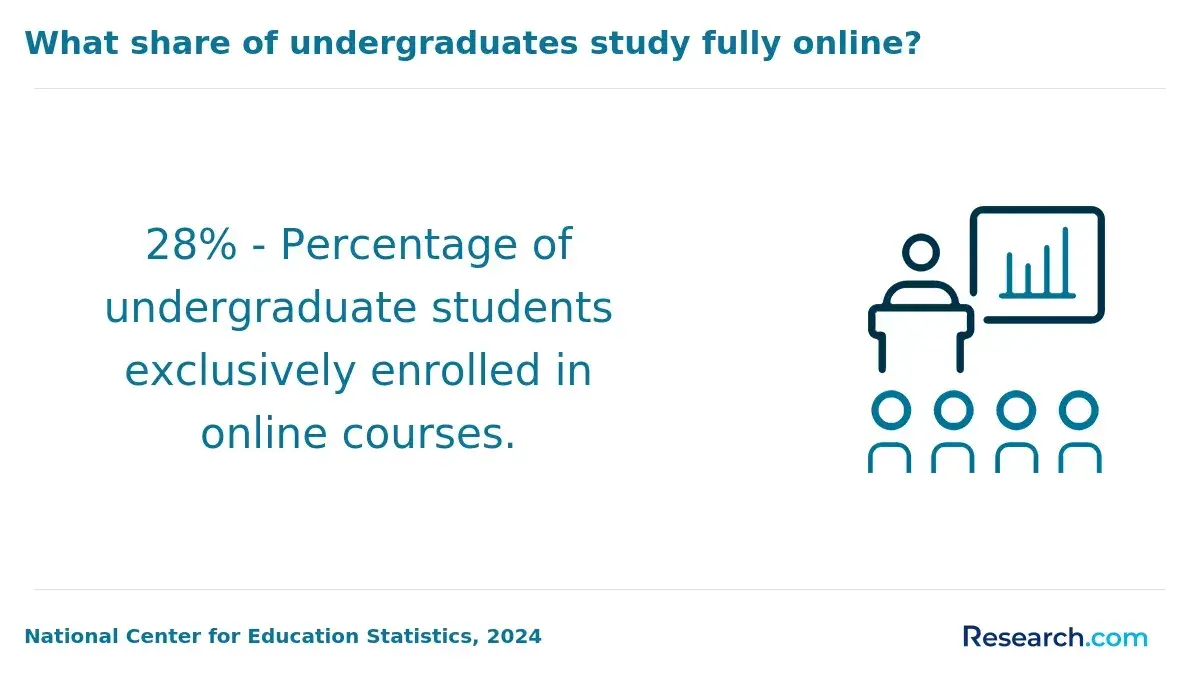
The growth in online health education enrollment reflects distinct demographic and geographic patterns that contrast with traditional campus programs. Data from the National Center for Education Statistics in 2024 shows that nearly half of undergraduate health education students now study fully online, a shift driven largely by older adults balancing work and family; over 60% of these online students are aged 25 and above, compared to about 40% in campus settings. This shift broadens access for rural and underserved populations who often face geographic barriers to in-person programs, though it also introduces challenges related to technology and student support that influence completion rates. For many prospective students, these factors translate into tangible tradeoffs: greater flexibility and reach on one hand, against more limited peer and clinical interaction on the other.
This modality-driven divergence has implications for how enrollment grows and who participates. Online formats tend to attract learners seeking adaptable schedules and remote options, often at the expense of the immersive campus experience that some employers still value for entry-level roles requiring hands-on clinical skills. The resulting enrollment patterns demonstrate not just convenience preferences but strategic choices based on career trajectories and program availability. Students weighing these paths must consider how differing student bodies and support infrastructures affect their learning experience and workforce preparation.
One recent graduate recounted hesitations about pursuing an online health education degree since local campus options were unavailable within commuting distance. Initially skeptical about the quality and peer interaction of online programs, the student ultimately chose an online pathway for its flexibility around a demanding job and family responsibilities. Despite early concerns about isolation, the student found value in virtual advising and occasional in-person activities, concluding that the program's accessibility outweighed the tradeoffs of a non-traditional setting. This experience underscores how personal circumstances and regional constraints increasingly shape enrollment decisions in health education today.
What Degree Level Is Most Common Among Health Education Students?
Bachelor's degrees dominate health education enrollment primarily because they serve as the baseline credential required by most employers for entry-level roles in public and community health. According to recent data from the National Center for Education Statistics and IPEDS for 2024, over 60% of students in health education programs are pursuing bachelor's degrees, reflecting institutional emphasis on these programs and their alignment with workforce demands. This prevalence helps students access a wide range of practitioner positions but can also create bottlenecks for advancement without continuing education.
Associate degrees, while more accessible and often faster to complete, generally limit graduates to support-level roles and necessitate further study for significant career progression. Conversely, master's programs attract roughly a quarter of enrollments, driven by professionals seeking leadership or research-focused roles, although higher costs and longer timelines restrict participation to those with defined career trajectories or employer support. Doctoral enrollment remains below 5%, illustrating its niche orientation toward academia and specialized public health research rather than broad workforce preparation.
These patterns highlight important tradeoffs: associate degrees offer quick entry but limited mobility; bachelor's degrees provide a foundational credential critical for employment but often require further education for leadership positions; master's degrees signal advanced competencies favored in more competitive roles; and doctoral paths are reserved for those targeting academic or policy-making careers. Regional and gender variations further influence these dynamics, with urban centers showing increased demand for master's graduates and female enrollment skewing higher at the graduate level, revealing layered complexity in planning education within the health education field.
How Do Enrollment Trends Differ Between Associate, Bachelor's, Master's, and Doctoral Health Education Degrees?
Enrollment patterns in health education degrees reveal distinct priorities tied to student profiles and workforce expectations. Associate versus bachelor's health education enrollment trends illustrate a divide where associate degrees attract those seeking rapid workforce entry, often through technician roles at community colleges emphasizing affordability and accessibility. In contrast, bachelor's programs appeal to students aiming for comprehensive foundational knowledge and a broader skill set, with a consistent female-majority enrollment nearing 70%, reflecting gender dynamics entrenched in health-related fields.
Master's and doctoral health education degree popularity diverges sharply in scope and intent. Master's programs are expanding at an estimated 5% annually, largely due to professionals pursuing specialization and leadership roles through part-time or online options, which cater to urban and suburban healthcare hubs. Conversely, doctoral enrollments remain niche, often drawn from rural areas by scholarships supporting advanced research and policy expertise. This differentiation underscores key trade-offs between accessibility, specialization, and long-term academic investment, directly influencing how students navigate educational planning and career trajectories in health education.
The increasing demand across healthcare systems prioritizes advanced qualifications, yet many employers still value practical credentials obtained through associate or bachelor's programs, depending on role requirements. Those exploring pathways should consider how the balance between immediate employability and future specialization affects their choices. Prospective students evaluating health education degrees might also benefit from reviewing biology careers for comparative insights into workforce alignment and salary prospects in related fields.
How Popular Is the Health Education Degree Compared to Other College Majors?
The relatively limited popularity of a health education degree compared to broader majors highlights its niche focus rather than a lack of value. Data from the National Center for Education Statistics in 2024 show that health education accounts for about 1.2% of bachelor's degrees, reflecting its targeting of community health promotion and policy rather than clinical care. This specialization means smaller cohorts, which can translate to more personalized instruction but fewer peer networking opportunities and potentially less institutional investment than in high-enrollment fields like nursing or business.
Graduate programs in health education have seen steady growth, around 5% annually, signaling rising demand for advanced expertise in public health leadership despite modest undergraduate popularity. The gender imbalance-with women comprising over 70% of graduates-and geographic clustering in urbanized states suggests that student interest and workforce needs are regionally shaped. These patterns affect program availability and student experience, especially for those in rural areas where health education resources and role models may be scarce.
One graduate recalled initially being uncertain about pursuing health education due to its lower visibility compared to majors like psychology or nursing. She noticed her class sizes were smaller and that academic advising emphasized emerging job markets in public health rather than traditional healthcare roles. This mix of skepticism and curiosity ultimately motivated her to continue, valuing the targeted skill set despite its less widespread recognition during her studies.
Why Is the Health Education Degree More Popular in Certain States and Regions?
Variations in health education degree popularity by state and region primarily reflect the interplay between local workforce demands and institutional capacity rather than mere student preference. For example, states like California and Texas, with substantial healthcare industries and public health systems, offer more robust enrollment opportunities aligned with employer needs for community-focused health educators. This concentration influences networking prospects and graduate placement, making enrollment in these regions attractive for students targeting practical career pathways within established healthcare markets. Conversely, areas with less pronounced healthcare infrastructure may present fewer local employment connections, affecting how students weigh program accessibility against long-term regional career prospects.
State policy environments and demographic realities also significantly shape regional trends in health education enrollment. Regions with expanded Medicaid coverage and increased public health funding, notably parts of the Southeast, demonstrate higher graduate outputs driven by policy-backed workforce pipelines and nonprofit sector demand. Additionally, the availability of accredited programs offering flexible online options has reduced geographic barriers, allowing students in underserved or rural areas to pursue degrees tailored to their community's health literacy and cultural competency needs. Such access factors critically influence student decisions, balancing cost, program flexibility, and regional employment outlooks, especially for those exploring a nutrition degree online.
Understanding these regional dynamics provides context for current students and graduates when evaluating their degree's practical value and employability. Enrollment clustering in states with favorable economic and demographic conditions often corresponds to stronger local recognition of health education credentials and more targeted recruitment of diverse student populations. This pattern can influence perceptions of degree worth across states, pushing students to consider how regional demand, program quality, and workforce integration affect their educational and professional decisions in the evolving landscape of health education degree popularity by state and regional trends in health education enrollment.
What Demographic Groups Are Driving Growth in Health Education Degree Programs?
The dominance of women in health education enrollment, accounting for over 70% of students as of 2024 according to the National Center for Education Statistics, reflects shifting labor market realities where caregiving roles and public health responsibilities disproportionately fall on female professionals. This gender imbalance influences program content and peer dynamics, fostering environments more attuned to female-centered perspectives but potentially limiting diversity in outlooks that male and non-binary participants might introduce. For prospective students, especially men considering health education pathways, understanding this imbalance can inform expectations about classroom culture and networking opportunities within these fields.
Geographically, the Southern and Western United States are emerging as key growth hubs driven by demographic expansions, elevated public health challenges, and targeted educational investments, notably in states such as Texas and California. This regional concentration means that local workforce demands and community health priorities directly shape curriculum relevance and internship availability. Meanwhile, the rise of associate degree completions, particularly among adult and first-generation learners facilitated by flexible online and hybrid formats, underscores a pragmatic shift toward shorter, cost-effective credentials that align with immediate employment needs rather than traditional four-year programs. These trends illustrate how access to adaptable learning modalities intersects with demographic realities, influencing both who enrolls and how institutions tailor offerings to sustain engagement and meet evolving workforce expectations.
The increasing enrollment of Hispanic and Native American students points to a broader demographic transformation influenced by community health priorities and institutional efforts to close gaps in underserved populations. Their growing presence encourages culturally responsive pedagogy and community-based practicum opportunities that can enhance educational outcomes and local impact but may also prompt reexamination of resource allocation and support services. Collectively, these shifts in gender, geography, and degree level enrollment signal to educators and employers the necessity of adaptive program models that balance inclusivity, practical skills, and workforce alignment in a diversifying health education landscape.
What Is the Future Outlook for Health Education Degree Enrollment by Gender, Region, and Degree Level?
Health education degree enrollment is poised to evolve with shifting demographics and regional labor demands, rather than simply expanding uniformly. Female students continue to dominate this field, comprising roughly 75% of current enrollees according to the National Center for Education Statistics (NCES, 2024), yet male participation is increasing notably in areas with burgeoning healthcare sectors. This shift suggests that programs must anticipate and accommodate changing gender dynamics, which may influence both campus culture and curriculum design as they balance traditional gender patterns with emerging workforce needs.
Geographic disparities will play a crucial role in enrollment trajectories, with the South and West states experiencing the most significant growth, driven by population expansion and heightened demand for health educators in community and institutional settings. Contrastingly, the Midwest and Northeast are likely to see steadier or slower increases, reflecting their mature healthcare markets and stable demographics. Such regional variation impacts program accessibility and graduate placement opportunities, prompting institutions to tailor degree offerings, particularly online and hybrid bachelor's pathways, to better serve local and working adult populations.
At degree levels, associate and bachelor's programs remain the primary entry points, but online bachelor's degrees show the strongest growth, reflecting employer preference for graduates with flexible, scalable skills. Graduate-level enrollments are expected to grow more modestly, tied to specialized roles requiring advanced competencies in public health policy and program management. These trends necessitate that students carefully weigh the practical return on educational investment against evolving market requirements, particularly when considering graduate study amid increasing online modality options.
How Have Health Education Degree Enrollment Trends Changed Over the Past Decade?
Rising enrollment in health education degree programs over the past decade signals a shifting labor market and public health landscape, but this growth is uneven across gender and region. Female students dominate participation, comprising roughly 75% of enrollments and degree completions, which is a critical factor for recruiters and networking resources targeting this workforce segment. Regional disparities further complicate interpretation: states like California, New York, and Texas with robust public health infrastructures demonstrate consistent increases, while rural areas experience stagnation or decline due to fewer specialized programs and workforce connections. These trends highlight the complexity of access to education and job opportunities based on geography, affecting both program availability and perceived degree relevance.
Contributing to these dynamics are policy shifts toward preventive care and the expansion of online learning platforms that widen access for nontraditional students, including working adults balancing career shifts. However, growth does not uniformly translate to labor market absorption; some urban areas face saturation, with employers weighing practical experience against academic credentials. Such tradeoffs mean prospective students must critically assess degree level, regional demand, and long-term employment prospects, particularly in light of workforce development realities. Those exploring a health education degree should also consider how changing demographic and regional patterns shape career pathways, as well as the impact on program participation by gender and region. For a broader view on related opportunities, see bioinformatics degree career options.
Where Is the Health Education Degree Most Popular Across the United States?
Health education degree popularity clusters in specific U.S. states and regions largely due to localized healthcare needs, workforce demands, and established educational infrastructures rather than a uniform national distribution. Southern and Midwestern states, for example, demonstrate sustained higher enrollment rates because their healthcare sectors emphasize community health and preventive education roles critical to addressing chronic disease prevalence and health disparities. These regional concentrations affect the practical value and employability of graduates, as areas with robust public health ecosystems provide stronger hands-on training and networking environments, essential for workforce entry and career growth.
Regions with the highest health education enrollment often coincide with metropolitan healthcare hubs like Dallas-Fort Worth and Chicago, where clinical and community placements are accessible through hospitals and public health agencies. Conversely, the Northeast faces stiffer competition from specialized health disciplines, which can diminish degree completion rates despite having reputable programs. For prospective students evaluating program selection, understanding these geographic patterns is crucial, as career prospects and peer learning opportunities hinge on how local industry demand aligns with educational offerings.
These enrollment trends also reflect broader demographic and policy factors shaping state education funding and public health priorities. Many employers seek graduates prepared for practical roles rather than purely research-centered credentials, highlighting the significance of program delivery models emphasizing field experience. While research-focused degrees attract some students, those interested in workforce integration should consider how regional program concentration influences accessibility and outcomes, similar to the dynamics found in top psychiatric mental health nurse practitioner programs online.
References
- Riding the Health Degree Market Wave https://encoura.org/resources/wake-up-call/riding-the-health-degree-market-wave
- Top Bachelors Degrees Health Education Courses in USA from 27 Universities https://www.hotcoursesabroad.com/india/training-degrees/us-usa/bachelor-degree/health-education-courses/loc/211/slevel/12-2-3/cgory/pa.91-4/sin/ct/programs.html
- Which states are the most educated? | USAFacts https://usafacts.org/articles/which-states-are-the-most-educated/
- Global Health and Public Health Majors and Minors at 411 Universities, 2019–2020 | Annals of Global Health https://annalsofglobalhealth.org/articles/10.5334/aogh.2837
- College Degree Levels in Order | University of Phoenix https://www.phoenix.edu/articles/online-college/college-degree-levels-in-order.html
- Online Degree vs. Traditional: Choosing the Right Path https://beal.edu/online-degree-vs-traditional/
- Major changes: Gender shifts in undergraduate studies over time https://aibm.org/research/major-changes-gender-shifts-in-undergraduate-studies-over-time/
- 2026 Higher Education Trends https://www.deloitte.com/us/en/insights/industry/articles-on-higher-education/2026-higher-education-trends.html
- Educational Attainment Statistics [2025]: Levels by Demographic https://educationdata.org/education-attainment-statistics
- Scaling Online Education for State University Systems https://changinghighered.com/scaling-online-education-for-state-university-systems/
Other Things You Should Know About Health Education
Programs with a higher female enrollment often emphasize collaborative learning and communication skills, reflecting broader workforce trends where women predominate. Male students may experience fewer peer role models and mentors in such environments, which can influence engagement and networking opportunities. Prospective students should consider how gender composition might impact classroom interactions and seek programs that actively support inclusivity and diverse perspectives to strengthen career preparedness.
Regional differences often mean that curricula and practicum opportunities vary significantly, affecting skill development aligned with local public health priorities. For example, programs in urban areas may focus more on community-based interventions, while rural programs emphasize epidemiology and resource management. Students should weigh how regional program emphases align with their career goals-choosing a program that matches their intended practice environment can improve job readiness and professional integration.
Graduate-level health education degrees typically demand substantial time commitments with intensive research, fieldwork, and specialized coursework. While these degrees can open doors to leadership and policy roles, the workload may not be justified for those aiming at entry-level positions. Students should critically assess whether pursuing a master's or doctoral degree aligns with their long-term career strategy or if gaining practical experience at the bachelor's level initially might offer better return on investment.
In regions with concentrated health agencies and larger healthcare infrastructures, advanced degrees tend to be more valued, often influencing hiring and promotion decisions. Conversely, in regions with fewer specialized employers, bachelor's degree holders with practical experience may have equally competitive prospects. Prospective students should prioritize degree levels aligned with regional employer expectations and consider geographic mobility when deciding on advanced education to maximize employment opportunities.