2027 Health Education Salary Trends Report: Are Wages Keeping Up With Tuition and Inflation?

Co-Founder and Chief Data Scientist
Imagine a prospective health education student weighing the decision to invest in a degree while facing rising tuition fees and an uncertain job market. This student wonders whether the salary after graduation will sufficiently cover education costs and keep pace with inflation. As tuition and living expenses climb, it becomes critical to assess the real value of a health education degree beyond initial earnings. Simply comparing salaries without context risks overlooking the broader financial implications of pursuing the field.
Salary growth, tuition increases, and inflation rarely align, complicating the calculation of a degree's return on investment. Evaluating long-term earning potential requires examining how these factors interact over time, including purchasing power and affordability. This article explores salary trends for health education graduates alongside rising education costs and inflation. It aims to clarify the economic realities influencing the financial value of a health education degree in today's market.
Key Things to Know About Health Education Salary Trends
- The 2024 Bureau of Labor Statistics reports median graduate wages in health education rose 4% annually, lagging behind a 7% average rise in tuition costs, signaling diminished net financial returns over time.
- Inflation-driven increases in living expenses reduce disposable income for recent graduates, implying that nominal salary growth may not offset real purchasing power losses within typical early career spans.
- Long-term earning potential heavily depends on specialization areas and certifications, with those pursuing public health policy roles experiencing up to 15% higher wage growth than generalist positions.
- Key Things to Know About Health Education Salary Trends Key Things to Know About Health Education Salary Trends
- What Is the Current Salary Outlook for Health Education Graduates? Salary Outlook
- Are Health Education Salaries Keeping Up With Inflation? Inflation Impact
- How Do Tuition Costs Compare With Health Education Salary Growth? Tuition vs Salary
- Does a Health Education Degree Deliver a Positive Return on Investment? Degree ROI
- Which Industries Offer the Highest Salaries for Health Education Graduates? Which Industries Offer the Highest Salaries for Health Education Graduates?
- Which States and Cities Offer the Highest Pay for Health Education Professionals? Which States and Cities Offer the Highest Pay for Health Education Professionals?
- How Do Health Education Salaries Grow Throughout a Career? Career Growth
- How Do Health Education Salaries Compare With Similar Degrees? Salary Comparison
- How Is Employer Demand Affecting Health Education Salary Trends? Employer Demand
- How Can Students Maximize Their Lifetime Earnings With a Health Education Degree? Maximizing Earnings
What Is the Current Salary Outlook for Health Education Graduates?
The current salary outlook for health education graduates varies considerably based on factors such as geographic location, level of education, and employment sector. According to recent data from the U.S. Bureau of Labor Statistics, median annual wages for health education professionals typically range from $61,000 to $65,000, with entry-level positions like community health workers or public health educators earning closer to $45,000. However, this broad range underscores that two graduates with identical degrees may experience markedly different salary outcomes depending on whether they pursue roles in nonprofit agencies, schools, or healthcare organizations. For example, an early-career graduate working in a hospital's health promotion department might see faster salary growth than one employed in smaller community programs where funding is limited.
Interpreting the current wages for health education professionals requires consideration beyond initial salaries. While starting pay can appear modest relative to rising tuition costs and inflationary pressures on living expenses, the profession benefits from strong projected job growth of around 17% through 2030, signaling increasing demand for skills in chronic disease prevention and tailored health communication. Those who invest in advanced qualifications such as a master's degree or certifications like Certified Health Education Specialist (CHES) are better positioned for upward mobility and wage advancement. Prospective students should also explore diverse sectors, including healthcare administration, corporate wellness, and education systems, to maximize long-term earnings aligned with their career goals.
It is essential to weigh salary forecasts alongside the evolving economic landscape and personal circumstances. For individuals balancing financial concerns, comparing health education salary trends with alternatives such as online DNP programs or other health-related credentials may influence their educational investment decisions. Ultimately, while health education graduate salary trends reflect steady improvements, successful financial outcomes depend on choosing career paths strategically and leveraging opportunities for credential advancement amid shifting market demands.
Are Health Education Salaries Keeping Up With Inflation?
Nominal wage increases in health education-related fields have not consistently translated into real gains in purchasing power when adjusted for inflation. Data from the U.S. Bureau of Labor Statistics show average annual wage growth for health educators and community health workers of about 3% to 4% between 2020 and 2023, while inflation rates during 2021 and 2022 surged above 5%. This gap means that a health education graduate earning a 3.5% raise may actually experience a decrease in real income because the cost of goods and services outpaces that wage growth. For example, a recent graduate entering a community health role with a starting salary that rises slightly each year still faces higher expenses for essentials, diminishing their financial flexibility despite the numbers appearing positive on paper.
Comparing health education salary growth versus inflation reveals an important nuance affecting prospective students' decisions about degree investments. Tuition costs have risen by roughly 6% annually from 2020 to 2023, a faster pace than wage growth in most health education roles, further complicating the financial equation. Factors such as regional demand, the sector of employment, and added credentials can influence whether salaries truly keep pace with inflation, but these are not guaranteed. Exploring various educational pathways remains vital, and some may consider options like fast track LPN programs as alternative routes to enter the healthcare workforce with potentially shorter timelines and different cost structures, reflecting the need to balance educational investment with realistic earning prospects.
How Do Tuition Costs Compare With Health Education Salary Growth?
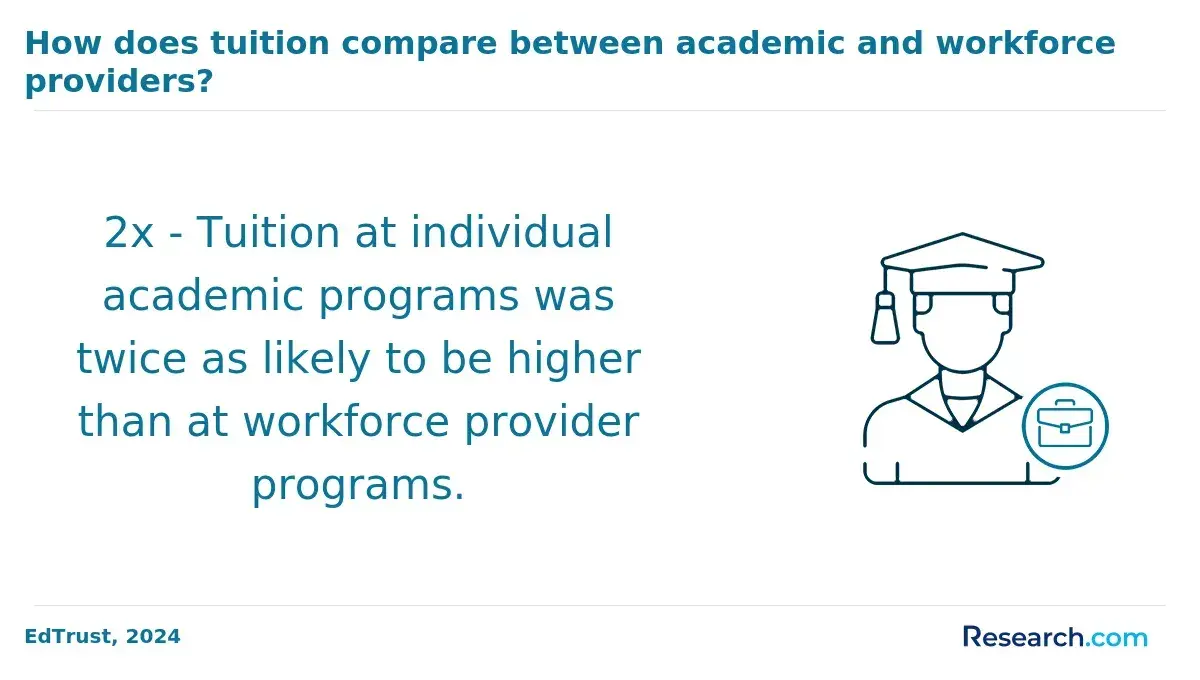
Examining tuition costs alongside salary growth offers a clearer understanding of the financial tradeoffs involved in pursuing a health education degree than analyzing either metric alone. According to 2024 data from the National Center for Education Statistics and the U.S. Bureau of Labor Statistics, average annual tuition at public institutions has increased about 4% over the last five years, surpassing general inflation rates. In contrast, early-career salaries for health education graduates have grown at roughly 2% per year after adjusting for inflation, with typical starting salaries between $45,000 and $55,000. This growing gap means that the rising cost of education increasingly outpaces the income gains graduates can expect, signaling potential challenges in managing student debt and long-term financial stability.
Consider a student who enrolls at a public university where annual tuition is $12,000 and finances their education through loans. Even with a starting salary near $50,000, the slower wage growth compared to tuition inflation could extend their loan repayment well beyond graduation, especially as interest accumulates. Another graduate, attending a private institution with tuition upwards of $30,000, may face even steeper financial pressures despite similar salary trajectories. These disparities highlight how factors-such as institution type, the method of financing education, and individual salary progression-critically influence whether a health education degree offers a sustainable return on investment.
One health education graduate reflected on the decision to attend a mid-tier public university after hesitating between more expensive private options. They recalled feeling urgency to balance costs against potential earnings, ultimately opting for lower tuition despite concerns about future salary growth. This choice required careful budgeting and accepting slower loan repayment but ultimately offered a manageable financial outcome compared to peers burdened by higher debt. Their experience underscores how nuanced these financial dynamics are, shaped by personal circumstances and larger economic trends in education and employment.
Does a Health Education Degree Deliver a Positive Return on Investment?
Return on investment (ROI) in higher education goes beyond initial tuition expenses, requiring a thorough assessment of long-term career opportunities, earning growth, and professional development. For a degree in health education, this means weighing the rising costs of education against the potential to access roles with median annual wages between $50,000 and $70,000, as reported by the National Center for Education Statistics and the U.S. Bureau of Labor Statistics in 2024. Rather than focusing solely on starting salaries, ROI considers how career trajectories-such as advancing into management or policy roles-can significantly elevate lifetime earnings and offset the burden of tuition inflation, which has been increasing at a faster pace than consumer prices in recent years.
Consider a recent graduate who finances a health education degree amid 4% annual tuition increases but leverages the credential to secure a position in public health administration. Over time, this individual may experience salary growth above the national median, benefiting from professional certifications and expanding responsibilities that amplify financial returns. This contrasts with peers in entry-level roles lacking such specialization, whose earnings may stagnate and provide a weaker ROI. Georgetown University's Center on Education and the Workforce highlights that, despite rising costs, a bachelor's degree in health education generally delivers net positive lifetime returns, particularly when combined with strategic career moves that align with workforce demand.
However, ROI is not uniform and depends heavily on factors such as geographic location, sector, and individual career planning. Graduates pursuing policy and leadership roles tend to realize higher wage growth, helping to counterbalance upfront costs and inflationary pressures more effectively than those remaining in frontline positions. For career changers and recent entrants, the financial advantage of a health education degree hinges on actively enhancing skills and obtaining relevant certifications, which improve job stability and benefits. Therefore, while a health education degree offers meaningful financial potential, its value must be assessed on a case-by-case basis within the evolving economic and labor market landscape.
Which Industries Offer the Highest Salaries for Health Education Graduates?
Salary dynamics for health education graduates are shaped by more than just base wages-they reflect demand intensity, skill specialization, and organizational priorities. Rising tuition and inflation put pressure on prospective students to weigh immediate salary outcomes against long-term career sustainability. In analyzing the top paying industries for health education graduates in the US, it becomes clear that those sectors combining critical public health functions with resource availability offer the strongest compensation. Practical decisions often hinge on aligning specialized skills with industry needs, such as communication expertise or research acumen.
Below are some of the highest salary sectors for health education professionals by region, highlighting where graduates can expect better earning potential.
- Healthcare Providers: Hospitals and outpatient care centers lead in wages due to their critical roles in patient education, chronic disease management, and preventive care. The U.S. Bureau of Labor Statistics reports median annual salaries here are about 15% above the national average for health education occupations, reflecting both high demand and complex responsibilities.
- Government Agencies: Federal and state public health departments, including entities like the Centers for Disease Control and Prevention, offer stable employment with competitive pay. Expertise in program planning and compliance is key, and government benefits can offset slightly lower salaries compared to private sector roles.
- Pharmaceutical Industry: Pharmaceutical companies offer elevated salaries to health educators skilled in product education, risk communication, and training healthcare professionals. The profitability and innovation pace in this sector drive lucrative incentives and bonuses beyond base pay.
- Healthcare Technology Firms: Companies developing health IT solutions require specialists who can translate complex health information into user-friendly training and outreach, rewarding this niche expertise with above-average compensation.
- Academic and Research Institutions: While salaries here may trail clinical or corporate environments, these roles appeal to graduates focused on program evaluation or health promotion research. Advanced degrees enhance earnings and provide career longevity.
- Nonprofit Health Organizations: Certain large nonprofits emphasize community health initiatives and may offer competitive salaries for experts skilled in grant writing and stakeholder engagement, though variability is high across regions.
- Corporate Wellness Programs: Increasing employer investment in employee health has expanded roles in corporate wellness, often offering salaries that reflect the blending of health education with business goals.
Choosing an industry involves tradeoffs between salary, job stability, and the scope for professional growth. Graduates with a strategic plan, possibly supported by specialized training or advanced study such as an online doctor of pharmacy program, can position themselves more favorably in this evolving labor market.
Which States and Cities Offer the Highest Pay for Health Education Professionals?
Geographic location significantly shapes the earning potential for those with health education degrees. In 2024, compensation trends reflect the intersection of local public health funding, industry presence, and living expenses. While higher salaries often correlate with metropolitan areas boasting strong healthcare ecosystems, these benefits are frequently offset by elevated costs that affect net income and quality of life. Here are some of the top-paying states and cities for health education professionals, accompanied by insights on how regional factors influence job prospects and financial outcomes.
- California: Driven by major urban centers such as San Francisco and Los Angeles, California ranks among the highest-paying states for health education roles. Its robust public health budgets and extensive nonprofit sector create numerous opportunities, especially in community wellness initiatives. However, the substantial cost of housing and living can reduce take-home pay, demanding careful financial planning.
- Massachusetts: Boston's concentration of universities, hospitals, and health technology companies fuels consistent demand for health educators. Salaries here exceed national averages, reflecting the area's investment in health innovation, but students and workers must weigh this against steep housing prices and competitive job markets.
- Maryland: Positioned near federal health agencies and research institutions, Maryland offers strong compensation for health education professionals involved in policy and program implementation. The state's proximity to Washington, D.C., adds unique career opportunities, though the higher cost of living and commuting expenses should be factored in.
- Seattle, Washington: Seattle's expanding biotech industry and emphasis on public health have raised the demand for skilled health educators. The city's wages surpass national medians, but residents face growing housing costs, which can challenge those starting out or transitioning careers.
- Washington, D.C.: As a hub for federal health agencies and advocacy organizations, Washington, D.C. offers some of the most competitive salaries nationwide for health educators. While pay scales benefit from high-level government funding, the city's elevated living costs and intense competition may limit net financial gains for some.
How Do Health Education Salaries Grow Throughout a Career?
Health education salaries generally start near a median of $49,000 annually for entry-level roles, rising modestly to roughly $55,000 within five years according to the U.S. Bureau of Labor Statistics 2024 data. Advancements become more noticeable mid-career, typically between 10 to 15 years of experience, where median wages often range from $60,000 to $70,000. This salary growth is frequently tied to professional certifications like the Certified Health Education Specialist credential and additional responsibilities such as program management or curriculum development. Those pursuing graduate degrees often access higher compensation brackets as well as supervisory roles, illustrating how formal education and expanded duties can drive earnings upward beyond initial expectations.
By the time health educators reach senior levels-generally 20 years or more in the field-salaries can exceed $75,000 and approach $85,000 especially in leadership positions within government, academic, or large private organizations, though wage growth tends to plateau at this stage. Consider two graduates with identical health education degrees: one who obtains a master's degree and pursues certifications while shifting into administrative roles can see markedly higher earnings compared to a peer who remains in entry-level or mid-level positions without additional credentials. This contrast underscores how career choices, continued professional development, and transitions into roles with broader scope strongly influence long-term salary outcomes more than tenure alone.
One health education graduate reflects on the early career years filled with uncertainty: "There was hesitation about whether to invest time and money in a master's degree while juggling student debt and living expenses. The decisive moment came when offered a part-time program development role that required certification. Earning the CHES credential was a gamble, but it opened doors I hadn't anticipated and led to a supervisory position within five years. Looking back, without stepping out of the traditional entry-level track, my salary growth would have stalled, making the extra effort feel urgent rather than optional." This experience highlights that strategic upskilling and role diversification often determine whether health educators' wages keep pace with escalating career demands and cost-of-living pressures.
How Do Health Education Salaries Compare With Similar Degrees?
The earning potential of a health education degree often trails behind other closely related health fields, a factor that warrants careful consideration given the rising costs of tuition and inflation. While health education plays a crucial role in community wellness and preventive care, its median salary typically lags when compared with other health-related degrees. Prospective students should evaluate how these financial differences align with their career goals and values. Below is a comparison of health education salary differences between health education and similar fields, highlighting typical outcomes in the labor market.
- Public Health: Graduates with a public health degree generally earn higher median salaries, around $58,000 annually. This difference stems from the degree's broader application across epidemiology, policy development, and research sectors, which often provide more specialized, high-impact roles compared to health education's community-focused positions.
- Healthcare Administration: This field commands a median salary near $72,000, benefiting from managerial and administrative responsibilities that typically require advanced organizational and leadership skills. The administrative nature and decision-making authority in these roles distinguish their earning potential from health education careers.
- Nursing: Registered nurses have a median salary exceeding $75,000, as clinical expertise, patient care demands, and labor market shortages push wages higher. This clinical focus contrasts sharply with the preventive and educational roles emphasized in health education.
- Health Education: The median annual salary is approximately $49,470, reflecting its community-centered mission but more limited scope in terms of direct clinical or administrative functions. Prospective students should balance this with the intrinsic rewards of the field and consider career versatility carefully.
For those weighing financial factors, understanding how much do autopsy techs make and related health roles may offer additional context for potential salary trajectories. These health education salary comparison with related degrees illustrate that long-term financial decisions should integrate job satisfaction, career flexibility, and sector growth alongside raw salary data.
How Is Employer Demand Affecting Health Education Salary Trends?
Employer demand significantly shapes health education salary trends by affecting the competition for qualified candidates and influencing hiring activity and pay structures. For instance, a community health center experiencing a surge in demand for preventive programs may aggressively recruit recent graduates with specialized skills to meet this need. While strong employer demand typically encourages faster wage growth, salaries for health education professionals also depend on experience, area of specialization, and organizational budgets, which can limit how much pay increases despite increased hiring. The U.S. Bureau of Labor Statistics projects a 12% growth in health education jobs from 2022 to 2032, indicating robust employer demand that outpaces average job growth, yet median wage gains remain modest at around 2% annually.
This disparity illustrates that while employer demand is rising, it does not automatically translate into competitive salary increases sufficient to offset rising tuition and inflation rates. Health education job growth and salary trends suggest employers may prioritize expanding roles without substantially increasing compensation, especially in budget-constrained public or nonprofit sectors. Key factors fueling employer demand include heightened public focus on wellness and disease prevention after the COVID-19 pandemic, which raises workload but not always budgets. Prospective students and career changers should weigh these factors carefully to evaluate whether their educational investment will yield expected long-term earnings.
Those considering further specialization or cost-effective education routes might explore options like affordable online masters forensic psychology programs, which can offer valuable skill sets with potentially more favorable tuition returns. Balancing the rising employer demand impact on health education salaries against financial realities remains crucial for informed decision-making in this evolving field.
How Can Students Maximize Their Lifetime Earnings With a Health Education Degree?
Maximizing lifetime earnings with a health education degree requires strategic decisions grounded in labor market realities documented by sources like the U.S. Bureau of Labor Statistics and the National Center for Education Statistics (2024). Specialization within health education significantly increases earning potential, as employers offer premiums for niche expertise. Geographic and industry context also matter, with urban centers and public health sectors providing higher salaries. Practical experience combined with advanced credentials accelerates salary growth over time. Below are key strategies that align with data-driven career trajectories and real-world considerations.
- Specialize Early: Focusing on subfields such as epidemiology or health informatics during your studies differentiates you from generalists and aligns with sectors showing higher wage growth. Pursue relevant certifications or graduate training to deepen expertise and leverage demand trends.
- Leverage Geographic Demand: Targeting employment in metropolitan areas or states with concentrated public health infrastructure often results in cost-of-living adjusted salaries that exceed national averages. Research regional job markets before committing to locations.
- Pursue Advanced Credentials: Obtaining graduate degrees or advanced certifications signals expertise beyond a bachelor's level, which employers increasingly reward. These credentials open doors to leadership roles with substantial pay raises over a career.
- Gain Practical Experience: Early internships or entry-level roles in government health agencies or reputable hospital systems build applied skills and networks. Experience in high-demand sectors positions you competitively for promotions and salary increases.
- Network Within Associations: Active participation in professional health education organizations facilitates connections to high-paying job opportunities and leadership positions that drive earnings growth.
- Target Growing Industries: Align your career path with expanding fields such as private health consulting or government programs, which exhibit upward salary trajectories due to increased funding and demand.
- Maintain Continuous Development: Commit to lifelong learning and adaptability to evolving public health trends. Professionals updating skills consistently outpace peers in salary advancement and job stability.
References
- Research Summary: Education and Lifetime Earnings https://www.ssa.gov/policy/docs/research-summaries/education-earnings.html
- College costs have increased by 169% since 1980—but pay for young workers is up by just 19%: Georgetown report https://www.cnbc.com/2021/11/02/the-gap-in-college-costs-and-earnings-for-young-workers-since-1980.html
- Why is the cost of college rising so fast? https://ssti.org/blog/why-cost-college-rising-so-fast
- 46 healthcare careers that pay well: Entry level to highest paying https://www.iah.edu.au/blog/highest-paying-healthcare-careers-that-pay-well-salaries
- How does a college degree improve graduates’ employment and earnings potential? - APLU https://www.aplu.org/our-work/4-policy-and-advocacy/publicuvalues/employment-earnings/
- Public Health Career Salaries: What to Expect Across Roles https://www.scuhs.edu/bshs-article/public-health-career-salaries-what-to-expect-across-roles/
- Has pay kept up with inflation? - The Hamilton Project https://www.hamiltonproject.org/data/has-pay-kept-up-with-inflation/
- Is College Worth it? | Return on Investment Analysis of College Degree https://educationdata.org/college-degree-roi
- How does medical inflation compare to inflation in the rest of the economy? - Peterson-KFF Health System Tracker https://www.healthsystemtracker.org/brief/how-does-medical-inflation-compare-to-inflation-in-the-rest-of-the-economy/
- Why trust GlobalHealth Education? https://globalhealtheducation.com/au/resources/highest-paying-jobs
Other Things You Should Know About Health Education
Many health education professionals face a tradeoff between salary and benefits like student loan repayment assistance, flexible work schedules, or professional development funding. While a higher salary offers immediate financial gain, these supplemental benefits can reduce long-term debt burden and improve work-life balance, which may be crucial given rising tuition costs. Prioritizing employers offering such benefits can be a strategic choice, especially early in one's career, as it offsets stagnant wage growth and helps manage overall compensation more holistically.
Part-time or adjunct positions often provide lower wages and limited advancement opportunities compared to full-time roles, despite offering greater flexibility. Professionals relying on these roles risk slower salary increases and fewer benefits over time, which may not keep pace with inflation or tuition investment. Those considering such positions should weigh immediate scheduling or educational benefits against potentially delayed income growth and reduced financial security.
Public sector jobs typically offer more stable employment and incremental pay raises aligned with inflation adjustments, but salaries often start lower than private sector counterparts. Private sector roles may pay more initially but can be subject to market volatility and less predictable benefits. For those prioritizing financial stability and steady salary progression, public sector positions might be preferable, whereas individuals seeking higher immediate remuneration may look to private sector opportunities while accepting greater risk of wage fluctuation.
Relocating to areas with higher living costs can boost nominal salaries but may not translate into better purchasing power due to local inflation and expenses. Conversely, staying in lower-cost regions might limit salary growth but offer a more reasonable quality of life relative to income. Candidates must assess whether the potential salary premium outweighs relocation costs and whether increased earnings will genuinely improve financial outcomes after considering local inflation and cost of living.