2027 Online Art Studies Bachelor's Degree Completion Programs for Working Adults

Co-Founder and Chief Data Scientist
Balancing a full-time job with the desire to complete a bachelor's degree in art studies can be daunting. Many working adults find their progress stalled due to rigid campus schedules and limited course options. Approximately 65% of students enrolled in online art studies bachelor's degree completion programs report improved degree completion rates compared to traditional formats, highlighting the growing demand for flexible learning pathways. This article explores key program features including accreditation, credit transfer policies, tuition models, and career outcomes to help working professionals select an online art studies degree program that aligns with their goals and lifestyle.
Key Benefits of Online Art Studies Bachelor's Degree Completion Programs for Working Adults
- Online art studies bachelor's completion programs offer flexible scheduling, enabling working adults to balance professional responsibilities with academic progress efficiently.
- Fully asynchronous coursework allows students to study at any time, accommodating unpredictable work hours without requiring a pause in income generation.
- These programs typically enable faster graduation by accepting transfer credits, reducing time spent compared to starting a traditional four-year degree from scratch.
What Are Online Art Studies Bachelor's Degree Completion Programs, and Who Are They Designed For?
Online art studies bachelor's degree completion programs cater to adults who have previously earned some college credits but have not yet finished their bachelor's degree. Unlike traditional four-year bachelor's programs that begin at the freshman level, these completion programs concentrate on upper-division coursework, allowing students to transfer credits and avoid repeating lower-level classes. According to the National Center for Education Statistics (NCES), nearly 36 million Americans hold some college credits but no degree, highlighting the significant demand for flexible and efficient degree completion options. These programs often employ an accelerated format and high transfer credit acceptance, providing a streamlined path to graduation that suits busy professionals.
Designed with working adults in mind, many programs offer online or hybrid learning models that accommodate diverse schedules. This flexibility, combined with prior learning assessments and credit for relevant work experience, helps students balance study with career and family responsibilities. The growing popularity of these programs is driven by increasing employer expectations for bachelor's degrees, even in roles that historically did not require them. For those seeking accredited online art studies degree programs with flexible transfer credits, understanding these program features is essential. Exploring options such as the cheapest online doctoral programs can also offer further insight into affordable pathways for advanced study.
- Target Audience: Adults with some college credits aiming to complete their bachelor's degree, including community college transfers, veterans, and mid-career professionals.
- Program Structure: Emphasis on upper-division coursework with accelerated pacing and generous transfer credit policies to reduce redundant classes.
- Flexible Delivery: Online and hybrid learning formats tailored to fit work and family obligations, supporting continuous career engagement.
- Growing Demand: Rising employer requirements for bachelor's degrees encourage more adults to pursue degree completion programs without pausing their careers.
How Do Online Art Studies Degree Completion Programs Differ From Traditional Four-Year Art Studies Bachelor's Degrees?
Online art studies degree completion programs offer a distinct pathway compared to traditional four-year bachelor's degrees, especially designed for working adults who transfer in 60 or more credits. These programs provide flexible credit transfer policies in online art studies bachelor's degree completion programs, significantly reducing the total credits required to graduate. Traditional degrees usually demand around 120 to 130 credits, whereas completion programs often require only 30 to 60 additional credits tailored to prior learning.
- Credit Requirements: Completion programs accept a larger transfer credit load, allowing students to focus on upper-division art studies coursework and reduce redundant general education classes.
- Curriculum Sequencing: Unlike traditional programs that start with broad general education, completion pathways replace these with assessments of life experience or competency-based credits, aligning curricula to the practical needs of adult learners.
- Time to Completion: With streamlined curricula and generous transfer policies, students can finish these degrees within 12 to 24 months, compared to the four years typical for campus-based formats.
- Cost Per Credit Hour and Tuition: IPEDS data show the cost per credit hour in completion programs often mirrors traditional programs at the same institution, but the reduced credit load lowers overall tuition expenses.
- Curriculum Design for Adult Learners: These programs incorporate asynchronous classes, flexible scheduling, and project-based learning that addresses workforce relevance and engages students balancing work and family life.
Whether you are a community college transfer, a military veteran, or a mid-career professional, understanding these structural differences is essential to choose a program that fits your schedule and career ambitions. For those examining outcomes and value, research highlights which degrees make the most money, helping align your educational choices with long-term goals.
2026 Update: Portfolio, Studio, and Technology Requirements to Check
For 2026, this article was updated to help working adults look beyond credits and tuition by reviewing the hands-on requirements that can affect success in an online art studies completion program.
- Whether courses require a digital portfolio, final exhibition, capstone project, or faculty-reviewed body of work.
- What software, camera equipment, drawing tools, or studio materials students must buy on their own.
- Whether critiques are fully asynchronous or require live participation during evenings or weekends.
- How artwork is submitted, photographed, documented, and archived for grading or portfolio development.
- Whether any in-person studio sessions, residencies, gallery installations, or proctored presentations are required.
- How the program supports students who do not have access to a dedicated home studio space.
Checking these details early helps adult learners choose a program that fits their schedule, workspace, budget, and creative goals before they enroll.
University of Central Florida: Offers an online art studies bachelor's degree with a per-credit tuition of $212.93 for in-state students and $624.56 for out-of-state attendees. The university holds regional accreditation from the Southern Association of Colleges and Schools Commission on Colleges (SACSCOC). UCF provides tailored degree completion pathways, emphasizing credit transfers and prior learning recognition to streamline graduation.
Fort Hays State University: Charges a uniform tuition rate of $217.67 per credit hour for all online art studies students, regardless of residency. Accredited by the Higher Learning Commission (HLC), Fort Hays favors adult learners through broad acceptance of transfer credits and military experience, making degree completion cost-effective and accessible.
Southern New Hampshire University: Enforces a flat tuition of $320 per credit for online art studies, without distinguishing residency status. SNHU is regionally accredited by the New England Commission of Higher Education (NECHE) and stands out for its generous transfer and prior learning credit policies, which help reduce overall time and expenses.
Norwich University: Its online art studies completion program tuition is $560 per credit hour. Norwich, also accredited by NECHE, accommodates working professionals with flexible scheduling and comprehensive transfer and portfolio assessments, offsetting the relatively higher credit cost.
Western Governors University: Utilizes a flat tuition model of $3,625 per six-month term, irrespective of residency. This competency-based approach allows learners to advance by demonstrating skills rather than accumulating credit hours. WGU is regionally accredited by the Northwest Commission on Colleges and Universities (NWCCU) and partially accredited through the Teacher Education Accreditation Council for specific programs. Its pricing and pacing flexibility suit those eager to efficiently complete their degree.
The most economical online art studies programs typically feature simplified tuition structures, such as flat-rate fees and competency-driven progression, which reduce financial unpredictability. Middle-tier programs, while charging more per credit, often balance costs with strong transfer credit policies and recognition of prior learning, helping to shorten enrollment periods. All reputable offerings maintain regional accreditation from recognized bodies, ensuring academic credibility and quality.
A professional who enrolled in one of these online art studies bachelor's degree completion programs shared his experience, highlighting the mix of excitement and apprehension he faced transitioning back to school after years in the workforce. "Navigating the transfer credit process was initially overwhelming, but the support services made a big difference," he explained. He appreciated the self-paced nature of the program, which allowed him to balance work, family, and studies. "It wasn't easy, especially managing deadlines alongside a full-time job, but knowing I could accelerate if I mastered content quickly kept me motivated." This flexibility, paired with affordable tuition, proved crucial in achieving his career goals without incurring excessive debt or sacrificing income.
Transfer Credit Caps: Most online art studies degree completion programs cap transfer credits between 60 and 90 semester hours. This balance ensures students spend sufficient time at the awarding institution to secure degree validity and accreditation.
Credit Equivalency Review: Institutions conduct detailed evaluations of prior coursework to determine alignment with the curriculum. Factors include course content, academic level, and accreditation status of previous colleges, crucial for working adults navigating transfer credit policies for online art studies programs.
Articulation Agreements: These formal partnerships between community colleges and four-year universities simplify the transfer process. They provide clearer pathways and often guarantee specific credits will count toward degree requirements, reducing credit loss during transfer.
Credit Loss Data: According to the U.S. Department of Education's transfer summit, students on average lose 40% of their credits during transfers. Selecting programs with structured or guaranteed transfer pathways can minimize this loss and improve degree completion timelines.
Military and Professional Credits: Many transfer-friendly art studies programs accept ACE-recommended military training credits and recognize professional certifications, offering veterans and professionals additional options to maximize transfer credit acceptance.
Transcript Evaluation: Requesting an official transcript evaluation prior to enrollment can clarify which previously earned credits apply. This step helps working adults understand how their past coursework fits into their chosen program.
Program Selection Tip: Explore institutions with policies aligned to your needs and check resources like LMFT programs for additional guidance tailored to working adults seeking degree completion.
Transfer Credit Requirements: Most completion programs expect applicants to have earned 24 to 60 transferable credits from an accredited college, covering general education and introductory art studies classes. Ensuring your prior coursework matches the program's transfer guidelines helps facilitate a smoother application process.
GPA Standards: Competitive programs often require a minimum GPA between 2.5 and 3.0, while some open-admission programs may waive GPA thresholds to broaden access, though these might come with fewer academic resources.
Required Documentation: Applications usually demand official transcripts, a completed form, and sometimes a portfolio or personal statement demonstrating artistic experience. Additional materials like recommendation letters or proof of professional work in art-related fields could also be requested to evaluate readiness for advanced study.
Prerequisite Coursework: Foundational art courses such as drawing, art history, or digital media are frequently required to prepare students for upper-level content. Applicants lacking these are often advised to complete relevant classes at community colleges before applying.
Admission Types and Trade-offs: Open-admission completion programs offer easier entrance but typically less faculty interaction and a credential with lower perceived value. Selective programs are more competitive, with increased academic support and better career services.
Conditional Admission Options: Some schools provide provisional acceptance, allowing applicants to fulfill missing prerequisites satisfactorily before full admission, bridging academic gaps effectively.
Enhancing Your Application: Completing prerequisite courses, maintaining strong academic records, and preparing thoughtful portfolios significantly boost acceptance odds. Early advising is key to aligning your plan with program demands.
A professional who built a successful career after earning an online art studies bachelor's degree shared that navigating admission requirements felt daunting at first. She recalls spending extra months completing missing foundation courses at a local community college and assembling a portfolio that reflected her growth. "The provisional admission option was a lifesaver," she said, emphasizing how it gave her a clear path despite gaps in her background. Engaging early with advisors helped her tailor applications thoughtfully, leading to acceptance by a program whose resources and mentorship truly enhanced her artistic development.
Completion time for an online art studies bachelor's degree varies significantly based on transferred credits and enrollment intensity. Students transferring around 30 credits typically need three to four years if enrolled part-time, taking about six credits per semester. Those with 60 credits often finish in about two years, while students entering with 90 credits may complete the program in roughly one year when following similar pacing.
Taking six credits per semester suits many working adults balancing career and family but slows progress. Alternatively, enrolling full-time with 12 or more credits-and taking advantage of accelerated eight-week courses-can shorten the degree timeline considerably, though it requires a larger weekly time investment. Summer or intersession terms allow addition of courses beyond traditional semesters, further reducing total time to graduation.
A typical working professional enrolled part-time, taking two courses per semester plus occasional summer terms, can realistically expect to finish in about three years starting with 30 transfer credits. Competency-based learning options enable students to bypass some coursework by proving proficiency, providing motivated learners an opportunity to speed up their degree completion even more.
Individual circumstances such as job demands, family care, and health have a strong impact on pacing. Employer benefits like tuition reimbursement and flexible work schedules can also help students progress faster. According to the National Center for Education Statistics, approximately 35% of recent bachelor's degree graduates were age 25 or older, reflecting the growing presence of adult learners in online programs.
- Transfer Credit Impact: Prior credits reduce remaining coursework; 90-credit transfers can finish in under a year, while 30-credit transfers take longer.
- Enrollment Pace: Part-time at 6 credits per semester fits busy adults, but full-time 12+ credits accelerates completion with more weekly study hours.
- Accelerated Terms: Eight-week courses and summer sessions enable more courses annually, shortening degree duration.
- Competency-Based Options: Allows students to test out of subjects, enabling faster degree attainment for self-directed learners.
- Life and Employer Factors: Work, family, and employer support play vital roles in determining realistic progression speed.
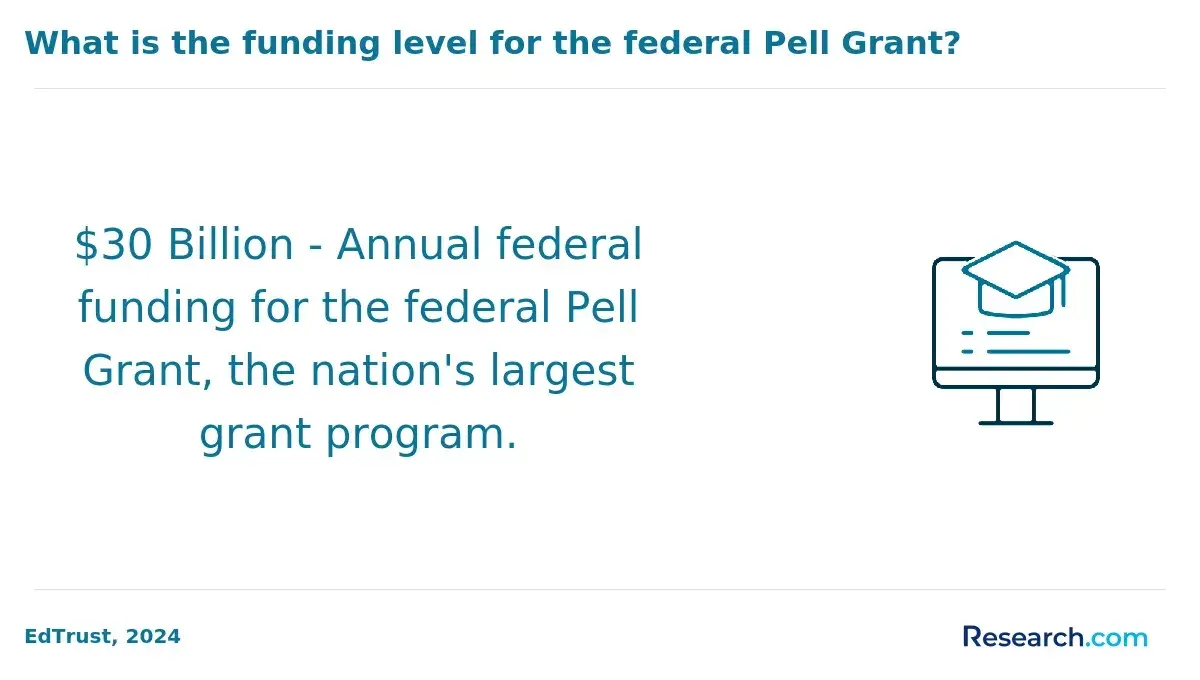
Financial aid options for adult learners completing an online art studies bachelor's degree are varied and designed to meet the needs of working students. Federal aid remains a cornerstone, with Pell Grants awarded to eligible students demonstrating financial need. Direct Loans also offer low-interest borrowing available to qualified adults, regardless of age or part-time status.
State-specific grants often target adults returning to college, with eligibility and amounts differing by state and program focus. Checking with your state's education agency can uncover valuable resources tailored for degree completion students.
Many institutions offer scholarships and fellowships aimed at non-traditional students in art studies. These awards may be merit-based or promote diversity and inclusion, while fellowships often provide funding alongside career development in creative fields.
Employer tuition assistance programs are increasingly significant. Under IRS Section 127, employers can provide up to $5,250 annually in tax-free benefits for undergraduate education, including online degree programs. Discuss your organization's policies with human resources to leverage these benefits effectively.
Before enrolling, prospective students should follow these financial aid preparation steps:
- File FAFSA: Submit the Free Application for Federal Student Aid early to access federal grants, loans, and work-study programs.
- Explore State Grants: Investigate available state grants for adult learners by contacting your local education office.
- Check Institutional Aid: Reach out to your school's financial aid office for scholarships and fellowships specific to art studies completion.
- Request Employer Benefits: Obtain details on your employer's tuition assistance policies to understand eligibility and application processes.
Per credit hour tuition for online art studies completion programs typically ranges between $400 and $600, based on comprehensive data from the National Center for Education Statistics (NCES) and Integrated Postsecondary Education Data System (IPEDS). This national average serves as a useful benchmark for comparing tuition cost comparison for accredited online art studies degrees offered across various institutions. Programs generally require 120 total credit hours, accepting 60 to 90 transfer credits, which significantly influences total tuition.
Total tuition for a 60-credit completion usually ranges from $24,000 to $54,000, while a 90-credit completion may cost between $36,000 and $81,000. These costs illustrate how transfer credit policies can either reduce or increase expenses. However, ancillary fees-including technology fees, proctoring charges, graduation fees, and textbook costs-often add 10 to 20 percent or more beyond the advertised per-credit tuition, impacting final budgets.
It is essential to recognize that a program's lowest advertised per-credit rate does not always equate to the lowest overall cost. Programs with stricter credit hour requirements or fewer accepted transfer credits can drive up total credit hours and overall tuition. Working adults, such as community college transfers, military veterans, and mid-career professionals, should carefully evaluate these factors alongside flexible transfer policies and program structure.
- Average Costs: National data places online art studies per-credit tuition around $400-$600, but individual programs can vary considerably by institution type and accreditation.
- Transfer Credit Impact: Programs accepting up to 90 transfer credits drastically reduce tuition costs compared to those with limited transfer acceptance.
- Ancillary Fees: Additional fees for technology, proctoring, graduation, and textbooks often add 10-20% or more to tuition costs.
- Total Cost Consideration: The cheapest per-credit rate may require more credits to graduate, leading to a higher overall cost versus programs with higher rates but more favorable transfer policies.
Working adults should also explore related programs like an MBA in operations management, which can offer complementary skills and career advancement opportunities alongside an art studies degree.
Prior Learning Assessment Options: Many online art studies bachelor's completion programs offer diverse PLA opportunities such as CLEP and DSST exams, portfolio assessment, and credit for military training evaluated through the ACE credit recommendation system. These options recognize professional and personal experience, enabling working adults to convert existing knowledge into academic credit, thereby accelerating degree completion.
Credit-By-Exam Flexibility: CLEP and DSST exams allow students to test out of foundational courses, reducing the total credits required for graduation. Programs with robust credit-by-exam options offer streamlined processes for registering and submitting exam results, making them ideal for adults who prefer demonstrating competency through standardized testing.
Portfolio Assessment Criteria: The most expansive PLA policies accept comprehensive portfolios showcasing prior learning. Evidence such as work samples, certifications, reflective essays, and professional development documentation can be submitted for review. Institutions differ on maximum credits accepted via portfolios, with some granting up to 30 credits to ensure significant progress toward degree completion.
ACE Credit for Military Credit: The ACE credit recommendation system is a critical resource for veterans and military personnel, translating military training and experience into college credits. Many art studies programs maintain structured pathways for evaluating documentation through ACE, facilitating smoother credit transfers for service members and those with corporate training verified by ACE.
Documentation and Submission Tips: To maximize PLA benefits, students should carefully document all relevant experiences, certifications, and trainings. Thorough preparation of portfolios and clear alignment with course learning outcomes enhance the likelihood of credit approval. Early communication with academic advisors is essential for understanding institution-specific PLA requirements and deadlines.
Working adults seeking online art studies completion programs often benefit from institutions with flexible credit-by-exam options and generous prior learning acceptance policies. This approach enables degree acceleration without compromising academic quality. Visit masters in history for broader guidance on affordable, flexible online degree pathways.
- Fully Asynchronous Delivery: Courses allow students to complete assignments, participate in discussions, and take assessments anytime, fitting education into varied schedules without live session conflicts. This flexibility supports learners across different time zones and work shifts.
- Synchronous and Hybrid Formats: Synchronous programs require real-time attendance, which benefits those seeking live interaction but may challenge shift workers or frequent travelers. Hybrid models combine asynchronous flexibility with some scheduled activities, offering a middle ground.
- Eight-Week Terms: Some institutions organize courses into shorter, focused eight-week terms, enabling students to concentrate on fewer subjects simultaneously. This approach helps balance academic workload with professional and personal responsibilities effectively.
- Time Management Strategies: Successful adult learners emphasize planning study blocks, setting reminders, and prioritizing assignments to stay on track. Breaking coursework into manageable segments reduces overwhelm and fosters consistent progress.
- Digital Tools: Productivity apps, calendar integrations, and collaboration platforms are commonly used to streamline communication and manage deadlines. These technologies enhance engagement and help maintain accountability in fully online environments.
Most online art studies bachelor's degree completion programs incorporate concentrations within the required 120-credit hour framework, ensuring no extra credits or extended study time are needed. Some programs offer additional stackable certificates separately, which may require more coursework. These specialized tracks cater to distinct career goals and labor market trends.
- Graphic Design: Tailored for careers in advertising, branding, and digital media, this track prepares students to become graphic designers or art directors. According to BLS data, median pay is around $53,380 annually, with steady job growth of 3% through 2032.
- Fine Arts: Focusing on traditional and modern art techniques, this specialization suits those aiming for roles as professional artists, illustrators, or educators. Median earnings hover near $54,120, though income can vary widely, especially for self-employed creatives.
- Art History and Criticism: This path leads to museum and academic positions, often enhanced by certification programs in museum studies or curatorial work. Museum curators earn a median wage of about $60,810, reflecting consistent demand in cultural institutions.
- Animation and Multimedia: Designed for the entertainment and gaming sectors, this concentration addresses the rising need for multimedia artists, who command a median salary near $78,790 with faster-than-average employment growth.
- Art Education: Targeting future K-12 teachers or community educators, this track supports preparation for teaching licenses. Public school art teachers typically receive a median annual salary around $62,870, varying by region.
Choosing a concentration should balance personal passion with labor market potential. Those pursuing licensure or certification beyond the bachelor's degree must account for possible extra coursework or examinations. Embedded concentrations enable efficient degree completion without additional costs or delays, ideal for working adults managing time and finances.
What Graduates Say About Online Art Studies Bachelor's Degree Completion Programs for Working Adults
- Callen: "I really appreciated how the program's clear structure and strong accreditation gave me confidence that my degree would be valued in the job market. The ability to transfer a substantial number of my previous college credits saved me both time and money. This thoughtful approach helped me finish my bachelor's without unnecessary repetition or financial strain."
- Koen: "Looking back, the flexible prior learning assessment options were a game changer for me. They acknowledged my professional experience, allowing me to bypass certain coursework and focus on what mattered most. Plus, the transparent tuition model made budgeting straightforward, which eased a lot of stress as I balanced work and study."
- Owen: "From a career standpoint, completing my online art studies degree significantly broadened my opportunities. The program's respected accreditation reassured my employer of the degree's credibility, and their generous transfer credit policies meant I could build on my earlier academic efforts efficiently. Reflecting on it now, I feel better equipped and more confident professionally since graduating."
Other Things You Should Know About Art Studies Degrees
Completing an online art studies bachelor's degree can open opportunities in fields such as graphic design, art education, and creative direction. Graduates are often eligible for roles that require a bachelor's degree, facilitating career transitions or advancements in the creative industry.
Most online art studies completion programs offer tailored academic support, including tutoring, writing assistance, and virtual art critique sessions. Dedicated academic advisors help students navigate course selections and transfer credits efficiently. Career services often include portfolio development assistance, job placement resources, and networking opportunities with art industry professionals, designed to accommodate working adults' schedules.
Some online art studies completion programs offer flat-rate tuition models or subscription-based pricing, allowing students to take multiple courses per term for a fixed price. These models can make budgeting easier for working adults and may reduce the overall cost if students complete courses quickly. However, these options are not universal, so students should review the tuition structures at each institution carefully.
Yes, many programs review studio portfolios, professional exhibitions, or prior creative work for up to 30 transfer credits, but only after an official transcript evaluation. Schools usually require a minimum 2.0 GPA, and some limit portfolio credit to upper-division art courses.
- Arts Graduates: Build a Successful Career with Online Degrees https://amityonline.com/blog/arts-students-build-career-with-online-degrees
- Part-time, Online Art Degree Courses https://www.oca.ac.uk/our-courses/degree-level-courses/
- What Financial Aid Options Are Available for Online Education? - Lakewood University https://lakewood.edu/online-education-financial-aid-3/
- Online College Tuition Comparison: Online vs. In-Person https://www.uagrantham.edu/blog/online-college-tuition-comparison-online-vs-in-person/
- Degree Completion Program https://www.montserrat.edu/admissions/degree-completion-program/
- Types of Financial Aid | PAFA - Pennsylvania Academy of the Fine Arts https://www.pafa.org/types-financial-aid
- PLA Programme https://online-degrees.org/uni/prior-learning-assessment/programme
- How does an e-learning art degree compare to traditional art programs? https://www.umu.com/ask/q11122301573854562869
- Can I Finish My Degree Online? What to Know Before You Decide https://learn.neumann.edu/neuperspectives/can-i-finish-my-degree-online-what-to-know-before-you-decide
- Visual Arts, Bachelor https://www.studyinpoland.pl/en/programme