2027 Best RN to BSN Paths for Public Health Nurses Seeking Graduate Preparation

Co-Founder and Chief Data Scientist
Public health nurses aiming to bridge clinical experience with leadership roles face a narrow window for advancing their education without sacrificing income or community ties. Despite increasing demand, many RN to BSN students struggle to find programs accommodating shift work and family responsibilities. The National Center for Education Statistics reports a 31% rise in online nursing degree enrollments since 2023, signaling a shift toward flexible models-but not all programs meet quality or clinical integration standards.
Navigating these tradeoffs affects not only graduation timing but also eligibility for advanced public health roles. This article evaluates the best RN to BSN paths designed to optimize accessibility, career mobility, and graduate readiness for public health nurses pursuing graduate preparation.
Key Things You Should Know
- Nationwide, 68% of public health nurses under 45 with BSNs leverage online accelerated rn to bsn programs, but higher tuition often delays graduation by 6-12 months compared to traditional paths, impacting short-term wage growth.
- Employers increasingly require BSN for leadership roles-75% of public health agencies prefer BSN-prepared nurses per 2024 CDC workforce data-making rn to bsn completion critical for upward mobility beyond clinical duties.
- Choosing community college-affiliated rn to bsn programs reduces average total cost by 42% but may limit access to graduate preparatory content essential for epidemiology or policy-focused careers, posing a strategic credential tradeoff.
What is an RN to BSN program and how does it prepare nurses for public health careers?
An RN to BSN program redefines the trajectory for registered nurses with associate degrees or diplomas by equipping them with broader clinical expertise and leadership capabilities tailored to contemporary healthcare demands. This shift is especially relevant for public health nurses who must navigate population-based strategies such as epidemiology, health policy, and community health assessment. These programs extend competencies beyond bedside care to roles involving preventive care and public health interventions.
Employers increasingly require BSN credentials for even entry-level public health positions. By 2022, 71.7% of employed registered nurses held a bachelor's degree or higher, reflecting this workforce preference. Nurses advancing through RN to BSN programs often move from direct hospital care to complex responsibilities like orchestrating vaccination campaigns that demand skills in data analytics and interagency coordination.
For those considering RN to BSN programs for public health nurses, key decision factors include program length, flexibility, clinical practicum availability, and accreditation. These elements directly affect a nurse's ability to balance ongoing employment and education commitments. The practical value lies not only in gaining credentials but in meeting market demands for grant management, epidemiological surveillance, and emergency preparedness roles.
Understanding these factors helps clarify the strategic importance of RN to BSN programs in mid-career pivots or advancement. To evaluate options suited for your professional goals, consulting lists of the best RN to BSN programs offers an informed starting point.
Why should public health nurses pursue an RN to BSN as preparation for graduate study?
Public health nurses pursuing an RN to BSN must consider how the degree affects their professional trajectory amid tightening workforce demands. The U.S. labor market projects over 190,000 RN openings annually, with many roles in community and public health settings requiring advanced competencies that a BSN provides. Without this credential, nurses face reduced eligibility for graduate public health studies and limited access to roles involving policy development, population health management, or interprofessional leadership.
For example, an RN aiming to become a public health analyst or nurse educator will often find graduate programs such as MPH or MSN require foundational coursework only covered in RN to BSN programs for public health nurses. This coursework includes epidemiology, biostatistics, health policy, and leadership, blending clinical skills with research and analytical demands. The absence of these prerequisites delays progress and narrows career options.
The benefits of RN to BSN for graduate public health studies also extend to program flexibility. Many offer online accelerated nursing programs that accommodate working nurses, though additional clinical practicum involving community settings may present logistical challenges. Prioritizing RN to BSN completion minimizes barriers to graduate entry and aligns a nurse's skills with employer expectations for complex public health roles.
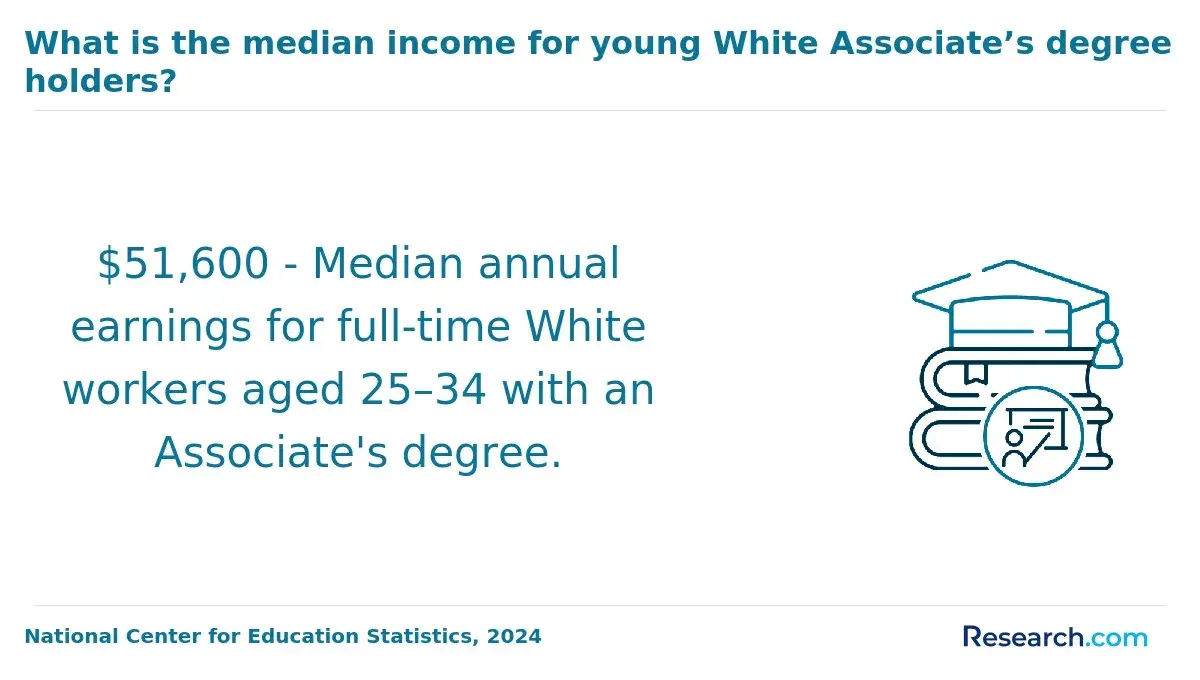
What are the main RN to BSN pathways for public health nurses, including bridge and accelerated options?
Public health nurses choosing rn to bsn bridge programs face clear tradeoffs based on career urgency and personal capacity. Standard bridge programs stretch 12 to 24 months, accommodating nurses converting ADN credentials while expanding community health expertise. However, prerequisite general education requirements can significantly lengthen program timelines for those without prior credits.
Accelerated rn to bsn pathways for graduate public health preparation condense this into 8 to 12 months but demand intense full-time commitment and year-round coursework, which is difficult for nurses balancing full clinical or family responsibilities. These accelerated tracks suit those aiming to meet employer BSN requirements quickly but can limit flexibility.
Hybrid and online nursing degree options deliver flexibility by combining remote lectures with local clinical placements, benefitting employed public health nurses who need to maintain work-study balance. Yet, the lack of structured in-person instruction requires strong self-management skills, a barrier for some.
Income data from the American Association of Colleges of Nursing shows BSN-prepared nurses in public health settings earn approximately $3,000-$8,000 more annually than ADN counterparts. This differential often influences employer promotion criteria and aligns with practical ROI considerations.
Decision-making should factor in program accreditation, clinical practicum relevance to population health, and local employer recognition. Nurses prioritizing rapid eligibility often opt for accelerated tracks, while those managing wider responsibilities may prefer hybrid models despite longer completion periods.
How do online RN to BSN programs compare with campus-based options for public health nurses?
Choosing between online RN to BSN programs and campus-based options requires weighing distinct workforce implications. Online pathways prioritize flexibility and reduced indirect costs, ideal for public health nurses juggling irregular shifts or remote assignments. This adaptability often accelerates completion but may limit access to the in-person clinical partnerships crucial for community-focused roles that emphasize leadership and direct population health interventions.
For example, a public health nurse working rotating shifts may advance faster through an online rn to bsn program benefiting from asynchronous coursework. Conversely, nurses seeking leadership positions within health departments that value demonstrable clinical rigor might prefer campus-based programs with embedded practicum sites and stronger face-to-face mentorship.
Cost remains a salient consideration. RN-to-BSN tuition typically ranges from $10,000 to $30,000, though variations depend on institution type and residency status. Online models can mitigate lost wages by enabling part-time study without daily commuting, a factor worth calculating alongside employer preferences about degree modality in public health sectors. Additionally, for advanced nursing degrees, evaluating options like DNP online programs can inform long-term career planning beyond the BSN level.
What accreditation and state board approvals should RN to BSN programs for public health nursing have?
Accreditation and state board approval directly shape the practical value of RN to BSN programs for public health nursing. Programs with regional accreditation from bodies like the Higher Learning Commission or the Southern Association of Colleges and Schools ensure credits transfer professionally and academically. Complementing this, nursing-specific accreditation from the Commission on Collegiate Nursing Education (CCNE) or the Accreditation Commission for Education in Nursing (ACEN) anchors curriculum quality and clinical relevance.
State board approval operates as a gatekeeper for licensure recognition and practice eligibility, varying widely by jurisdiction. A nurse in California, for example, must confirm that an RN to BSN program aligns with the California Board of Registered Nursing (BRN) standards to maintain eligibility for licensure renewal or specialty certifications. Without this alignment, educational investment risks becoming a sunk cost, potentially delaying workforce reentry or professional growth.
Financially, maintaining these accreditations can unlock employer tuition assistance, which is tax-advantaged up to $5,250 per year. Hospitals and healthcare employers may thereby underwrite roughly $10,500 over two years toward RN to BSN study. Programs lacking recognized approvals frequently exclude nurses from this benefit, making such choices less cost-effective in the context of workforce mobility and advancement.
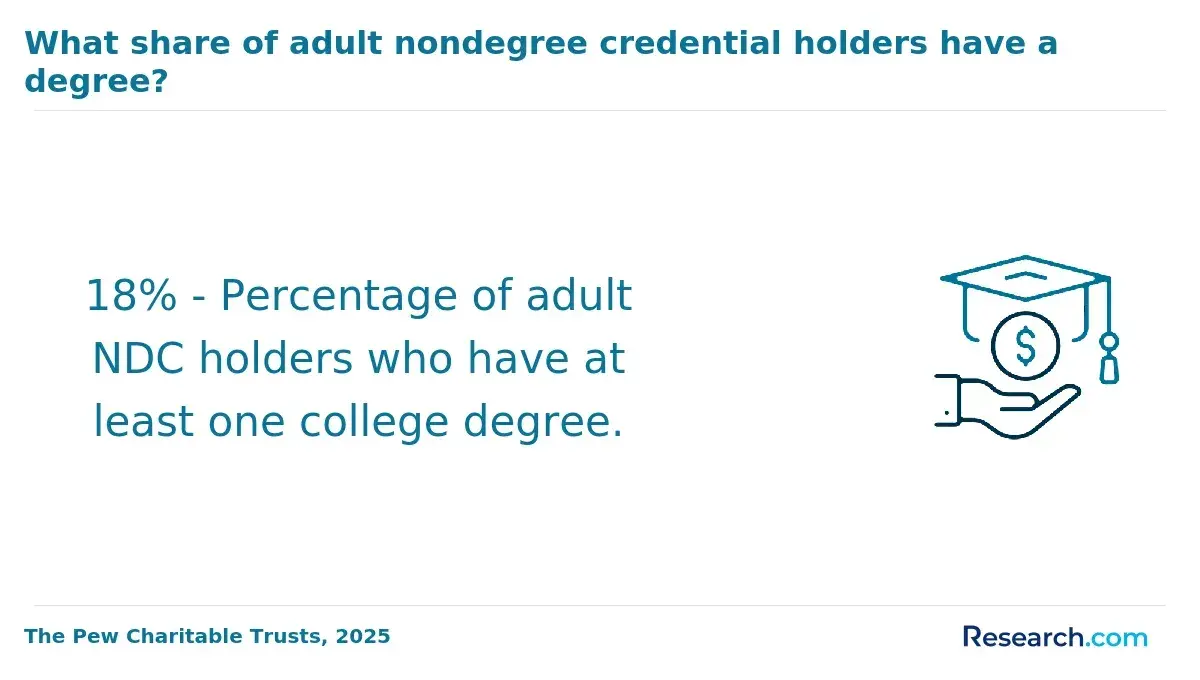
What public health-focused courses and practicum experiences are included in RN to BSN curricula?
RN to BSN programs tailored for public health nurses prioritize applied community health sciences and leadership skills essential for roles beyond bedside care. Core coursework routinely addresses epidemiology, biostatistics, health policy, environmental health, and social determinants of health, emphasizing community-level assessment and intervention.
Practicum requirements typically involve 100 to 150 hours in settings like local health departments, nonprofits, or government agencies, with activities including outbreak investigation, policy advocacy, and health education targeting vulnerable groups. This hands-on exposure is critical but presents logistical challenges for employed nurses balancing work and clinical hours.
Competency-based online RN to BSN options alleviate scheduling conflicts through flexible pacing and targeted assessments that recognize prior experience. For example, Western Governors University offers programs that can be completed in as few as two six-month terms, with tuition ranging from $4,000 to $6,000. These models shift focus from repetitive clinical skills to leadership development and evidence-based practice, directly enhancing employability in public health roles.
However, while online pathways reduce in-person mentorship and networking opportunities, they compensate with integrative projects and virtual collaboration, which may suit nurses prioritizing flexible timing over hands-on guidance. Students must weigh these tradeoffs carefully relative to their career goals in public health practice and graduate study preparation.
What are typical admission requirements and prerequisites for RN to BSN programs with a public health focus?
Admission to RN to BSN programs with a public health concentration demands more than an active RN license and foundational nursing credentials; it requires measurable academic and experiential benchmarks that reflect the realities of public health nursing. Candidates typically need a cumulative GPA of 2.5 to 3.0, verified completion of prerequisite science and math courses, and official transcripts confirming preparedness for advanced nursing and public health studies.
Professional references and documented clinical exposure in community health settings serve as essential differentiators, especially when programs require specific clinical hours related to public health nursing. A personal statement must articulate clear, career-focused objectives aligned with public health themes, informing admissions committees about an applicant's motivation and practical orientation.
Beyond academics, expect to comply with immunization documentation, background checks, and drug screening - all prerequisites tied directly to clinical partnerships and licensing board mandates. While not widespread, some programs may require standardized tests such as TEAS or HESI to validate readiness.
For instance, an RN shifting into a public health role without prior population health experience might face remedial coursework, elongating time-to-degree but enhancing qualifications for graduate studies. This investment can translate into significantly higher earnings: median RN wages hover near $81,220 annually, but specialists with graduate public health qualifications exceed $129,400, demonstrating tangible financial incentive for pursuing the public health track.
How long do RN to BSN programs take and what tuition, fees, and financial aid can nurses expect?
Program length in rn to bsn programs varies significantly based on transfer credits, course load, and enrollment status, with timelines stretching from one to two years or more. Working nurses carrying 30 to 60 upper-division credits beyond their ADN must balance study with employment, often prolonging completion times. Specialized tracks tied to public health goals can increase program duration due to prerequisite or advanced coursework requirements.
Tuition at state universities commonly ranges from $200 to $400 per credit hour, which accumulates to tuition totals between $6,000 and $24,000 for the entire program, depending on credits and residency. Importantly, these figures do not include additional mandatory fees, textbooks, technology, or clinical placement expenses, which may add hundreds or thousands more.
Financial aid dynamics are critical: many students use federal Pell Grants, loans, employer tuition benefits, or military assistance to manage costs. However, understanding each aid source's eligibility criteria, deadlines, and repayment obligations is essential, especially when balancing income continuity by opting for online or hybrid formats.
Choosing rn to bsn programs solely on cost overlooks the importance of curriculum relevance, a factor directly linked to employability and graduate readiness. For example, nurses targeting epidemiology roles must prioritize programs with explicit public health integration, accepting higher tuition and longer timelines in exchange for stronger workforce alignment and career mobility.
What public health nursing roles, advanced degrees, and leadership careers can BSN-prepared RNs pursue?
Pursuing a BSN credential significantly expands opportunities for registered nurses seeking roles in public health that blend clinical skills with population health expertise. Positions such as epidemiologist, community health coordinator, or public health nurse supervisor frequently require the integrated public health content found in BSN curricula. However, advancing beyond entry-level positions often demands additional qualifications, including a Master of Public Health (MPH) or a Master of Science in Nursing (MSN), alongside relevant experience.
For example, the Certified in Public Health (CPH) credential, mandated by the National Board of Public Health Examiners, requires either a BSN or MSN plus five years of public health experience, or a graduate degree with three years' experience. This illustrates how the BSN serves as a foundational credential necessary for gaining advanced practice roles and credibility in public health leadership.
RNs working in rural health departments frequently encounter barriers to management or specialized public health roles without BSN-level education, impacting both salary and influence over community interventions. Employers place strong emphasis on demonstrable public health competencies, which RN to BSN programs increasingly incorporate through certification prep and applied fieldwork. Decision-making around RN to BSN Programs should critically address these tradeoffs, considering workplace support for public health experience accumulation and evolving sector standards to ensure long-term employability and leadership readiness.
How do salaries and job outlook differ for RN to BSN-prepared public health nurses versus ADN-level RNs?
Public health nurses holding a BSN credential consistently out-earn and out-compete ADN-prepared peers for specialized roles, creating a tangible economic and professional differentiation. Median annual wages for BSN-level nurses are approximately 10% to 15% higher than those for ADN-level nurses-a significant cumulative advantage over a typical multi-decade career. This premium ties directly to employer expectations that BSN-prepared nurses possess competencies beyond clinical skill, including leadership, community engagement, and research capability.
For example, a BSN-prepared public health nurse working in a state health department typically commands starting salaries 12-18% above ADN counterparts due to demanded skills like data analysis and grant writing. This wage gap corresponds with real workforce patterns: ADN RNs often remain in direct patient care positions with limited pathways for advancement or income growth. In contrast, BSN nurses are prioritized for positions in epidemiology, health policy, and program management, which offer greater job security and salary stability.
Job growth projections of 6% through the next decade also favor BSN-prepared nurses, as employers increasingly require this qualification for leadership and specialized roles. ADN credentials can restrict upward mobility, creating a tradeoff between immediate entry into the workforce and longer-term career resilience. Prospective students must weigh the short-term benefits of ADN pathways against the measurable advantages in earnings and professional breadth that come with RN to BSN programs.
Other Things You Should Know About RN to BSN Programs
Yes, if the course is upper-division, credit-bearing, and earned at an accredited institution; many MPH programs accept public health nursing, community health, or population health coursework as preparation. Admissions offices usually require a minimum 3.0 GPA and official transcripts, and some schools ask for an introductory statistics course.
Public health nurses pursuing an RN to BSN program in 2027 can explore financial aid options like federal student loans, scholarships specific to nursing, employer tuition reimbursement programs, and state-sponsored grants for healthcare professionals. Eligibility and funding amounts vary by source.
Specialized public health RN to BSN programs enhance subject matter expertise and networking in community health but often limit clinical breadth and elective options. Conversely, general programs offer broader clinical knowledge but may require additional public health-focused graduate courses later. Nurses prioritizing immediate public health career relevance and employer recognition should opt for specialized programs; those seeking flexible graduate study pathways should choose general BSN programs with adaptable curricula.
References
- What’s the Deal with Accreditation? https://nursingcas.org/resources-for-current-schools/whats-the-deal-with-accreditation
- Nursing Prerequisites | Skills & Tools to Become a Nurse | Maryville Nursing https://nursing.maryville.edu/blog/nursing-prerequisites
- Prerequisites to the RN to BSN program - College of Nursing https://www.unthealth.edu/students/future-students/admissions/prerequisites-to-the-rn-to-bsn-program.html
- How to Pay for Nursing School [Tips and Options] | Lecturio https://www.lecturio.com/blog/how-to-pay-for-nursing-school-and-how-much-is-it/
- In-Person vs. Online Nursing Programs https://www.chamberlain.edu/blog/in-person-vs.-online-nursing-programs
- BSN Admission Requirements https://uthsc.edu/nursing/bsn-admission-requirements.php
- Top Online Accredited RN-BSN Programs - Better Nurse https://betternurse.org/bsn-degrees/
- Paths to Becoming a Registered Nurse | NursingEducation https://nursingeducation.org/resources/paths-to-becoming-a-registered-nurse/
- Guide on Online Nursing Bridge Programs https://nursinglicensemap.com/nursing-degrees/nursing-bridge-programs/
- ADN Nursing Salary: Overview and FAQ https://credenzahealth.com/career-advice/adn-nursing-salary-overview-and-faq