
2027 Should I Get an MBA in Human Resources?

Co-Founder and Chief Data Scientist
Choosing an MBA in Human Resources in 2026 is really a career strategy decision: do you need broad business leadership training plus advanced HR expertise, or would a specialized HR master’s, certificate, or work experience serve you better? An MBA in HR is designed for professionals who want to move beyond administrative HR work into talent strategy, workforce planning, employee relations, compensation, organizational development, and senior HR leadership.
The degree matters now because HR leaders are being asked to manage more complex workplaces: hybrid teams, AI-enabled recruiting, employee data privacy, changing labor regulations, pay transparency, skills-based hiring, and stronger expectations around inclusion and employee experience. The demand for human resource managers is projected to grow by 5% through 2033, but the best opportunities are likely to favor professionals who can connect people strategy with business results.
This guide explains what an MBA in HR covers, how much it can cost, what jobs it can lead to, how salaries compare, and how to decide whether the investment fits your goals. If you are still planning your undergraduate path, it may also help to understand how long a business degree usually takes and what you can do with a general business degree before committing to graduate study.
Quick Answer: Is an MBA in Human Resources Worth It?
An MBA in Human Resources can be worth it if you want to compete for HR manager, talent management, compensation, employee relations, organizational development, or senior people operations roles. It is most valuable when the program is accredited, affordable relative to your expected career path, connected to employers, and strong in HR analytics, employment law, leadership, and business strategy.
It may not be the best choice if you want only an entry-level HR role, if you already have strong HR experience and need only a targeted certification, or if the tuition would create debt that your likely salary increase cannot reasonably support.
MBA in Human Resources Guide: What This Article Covers
- MBA in HR definition and career purpose
- Typical cost of an MBA in Human Resources
- Jobs available with an MBA in HR
- Human resources degree options by level
- MBA in HR admission and skill requirements
- How to compare MBA in HR programs
- Related majors for HR careers
- HR trends changing MBA curricula
- When an accelerated MBA makes sense for HR professionals
- How MBA programs support networking and advancement
- Best MBA in Human Resources programs for 2027
- How to evaluate MBA in HR return on investment
- Ethical and legal preparation in HR MBA programs
- Global and cross-cultural HR preparation
- How legal studies can strengthen HR training
- Why internships, projects, and capstones matter
- Technology and analytics in MBA in HR programs
- Why accreditation affects MBA value
- Advantages of online MBA in HR programs
- How an MBA in HR prepares leaders for a changing workforce
What is an MBA in Human Resources degree?
An MBA in Human Resources management degree is a graduate business degree that combines the standard MBA core with advanced coursework in managing people, workplace systems, and organizational change. Students typically study finance, marketing, operations, accounting, strategy, and leadership, then apply those business foundations to HR topics such as staffing, labor relations, compensation, performance management, training, and workforce analytics.
The main distinction between an MBA in HR and a master’s in HR is breadth. A specialized HR master’s usually goes deeper into HR theory, employment systems, and people management. An MBA in HR adds broader business training, which can help graduates speak the language of executives, analyze business trade-offs, and compete for leadership roles inside or outside HR.
| Option | Best fit | Strength | Possible limitation |
| MBA in Human Resources | Professionals seeking HR leadership, business strategy, or people operations roles | Combines HR specialization with broad management training | May cost more than a certificate or narrower HR master’s |
| Master’s in Human Resources | Students who want advanced HR knowledge without a full MBA core | More focused on HR practice, policy, and talent systems | Less general business coverage than an MBA |
| HR certificate | Career changers or HR professionals needing a targeted credential | Shorter and often less expensive | May not carry the same weight for senior management roles |
| HR work experience plus certification | Professionals already employed in HR who need validation of skills | Practical and career-focused | May not substitute for a graduate degree in some leadership searches |
What can you do with an MBA in Human Resources degree?
Graduates can pursue roles in HR management, talent acquisition, training and development, compensation, employee relations, organizational development, and HR consulting. According to the Bureau of Labor Statistics, training and development managers have a projected employment growth of six percent and a median annual wage of $129,310 as of the most recent occupational outlook reporting (BLS, 2025). Some graduates also move toward roles related to organizational behavior, including work connected to industrial-organizational psychology; industrial-organizational psychologists had a median annual wage of $154,380 as of May 2025.
Cost of MBA in Human Resources Degree
Cost is one of the most important filters when comparing MBA in HR programs. According to the National Center for Education Statistics, the average master’s degree from the school year 2025 costs $20,854 annually. The total price of an MBA in HR can vary based on school type, residency status, credit requirements, online or campus format, fees, travel, books, and the amount of time you reduce work hours while studying. For more detailed planning, compare the cost of online MBA programs and review available MBA scholarships and financial aid options.
How much does it cost to get an MBA in Human Resources degree?
Public universities often charge different rates for in-state and out-of-state students. Michigan State University, for example, lists an MBA in Human Resources annual expense of $31,212 for in-state students and $61,326 for out-of-state students.
Nova Southeastern University lists one year of MBA in HR study for off-campus students at $40,500. The final amount a student pays can change after scholarships, institutional discounts, fees, books, technology costs, and personal expenses are included.
| Cost factor | Why it matters | Question to ask before enrolling |
| Tuition and fees | The advertised tuition may not include all required program charges. | What is the full program cost from start to graduation? |
| Residency status | Public universities may charge different rates for in-state and out-of-state students. | Can online students qualify for a lower rate? |
| Program length | Longer programs can increase living, technology, and opportunity costs. | How many terms will I need if I study part time? |
| Employer tuition assistance | Some working HR professionals can reduce out-of-pocket costs through employer benefits. | Does my employer reimburse graduate business courses? |
| Scholarships and grants | A higher sticker price may be manageable if aid is strong. | Are scholarships automatic, competitive, renewable, or need-based? |
Is a degree in human resources worth it?
A human resources degree can be worthwhile when it leads to stronger career mobility, better access to management roles, and skills that employers actually need. Human Resources is affected by employment law, workplace culture, compensation strategy, technology, and organizational performance, so formal training can help professionals make decisions with broader business context.
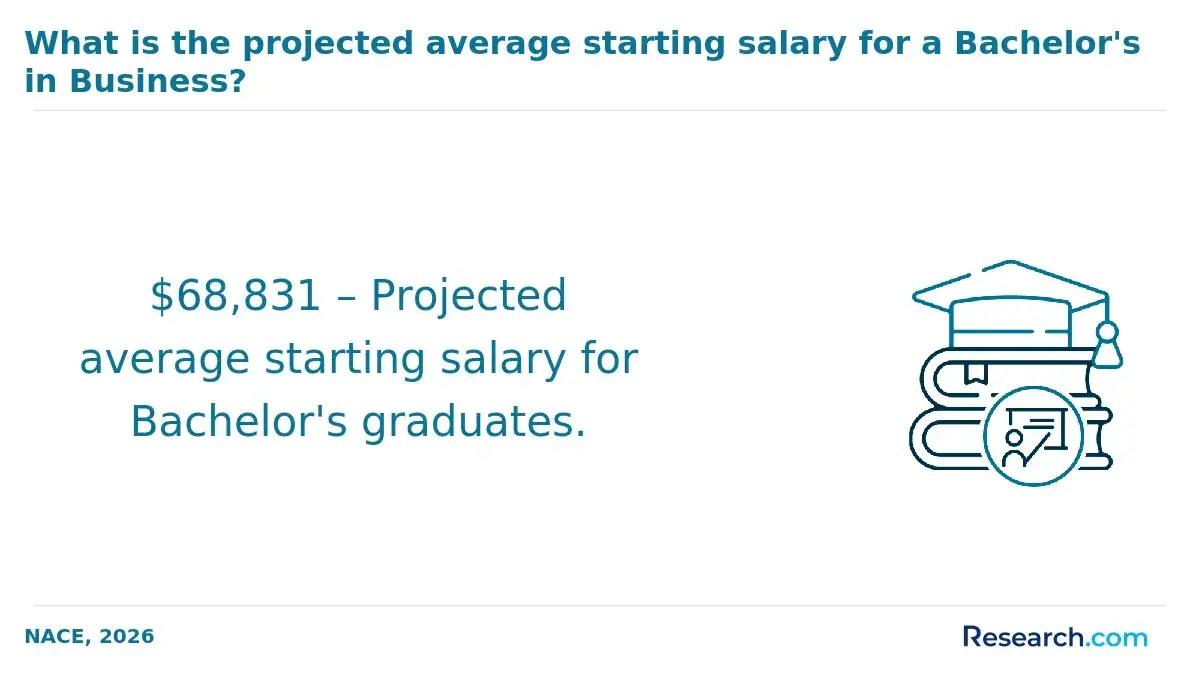
Salary potential is one reason students consider graduate HR study. According to the Bureau of Labor Statistics, the median annual wage for human resources managers was $136,350 (BLS, 2025). Franklin University reports that HR professionals with a bachelor’s degree or lower can earn a median annual salary of $67,650, which is significantly lower than earnings associated with specialized graduate credentials in its cited data from Franklin University. These figures should be treated as benchmarks, not guarantees, because pay depends heavily on industry, location, employer size, experience, and role level.
MBA in Human Resources Degree Jobs
The job outlook for professionals with an MBA in HR is strongest for candidates who can combine people management with business judgment, analytics, compliance knowledge, and change leadership. For human resource managers, an average of 15,400 job opportunities will open each year until 2033. Compensation and benefits managers and human resource specialists have projected employment growth of three percent and six percent, respectively.
What jobs can you get with an MBA in Human Resources degree?
- HR Manager – HR managers direct core HR operations, guide employee relations, develop policies, support compliance, and connect talent practices to business objectives. This can be a strong career option for MBA graduates who want management responsibility.
- Compensation and Benefits Manager – These professionals build and evaluate pay structures, benefits programs, incentive plans, and rewards strategies. They often analyze labor-market data and internal equity concerns.
- Talent Acquisition Manager – Talent acquisition leaders oversee recruiting strategy, employer branding, candidate pipelines, hiring process design, and collaboration with department managers.
- Labor Relations Specialist or Employee Relations Specialist – These specialists help organizations interpret employment rules, contracts, workplace policies, and conflict-resolution processes. Their work often involves investigations, documentation, negotiations, and employee communication.
- Industrial Organizational Psychologist – Industrial-organizational psychologists study workplace behavior and apply research to improve performance, culture, leadership, and employee well-being. Professionals interested in an industrial-organizational psychology career may work in HR departments, consulting firms, research roles, or organizational development teams.
What kind of salary can I earn with an MBA in Human Resources degree?
An MBA in HR can support salary growth when it helps you move into a more senior, strategic, or specialized position. In 2025, according to Payscale, the MBA HR salary ranges from $64,000 to $118,000. The degree alone does not guarantee a salary increase; the strongest outcomes usually come from pairing the credential with relevant experience, leadership results, analytics ability, and a clear career target.
| Role | Common focus | Why an MBA in HR can help |
| HR manager | HR operations, employee relations, policy, and people strategy | Builds business, leadership, and organizational decision-making skills |
| Talent acquisition manager | Recruiting strategy, hiring systems, employer brand, and workforce needs | Strengthens planning, analytics, and stakeholder management |
| Compensation and benefits manager | Pay programs, benefits design, rewards, and market analysis | Supports quantitative analysis and strategic compensation decisions |
| Training and development manager | Leadership development, learning programs, and employee capability building | Connects workforce development to business performance |
| Organizational development consultant | Change management, culture, team effectiveness, and process improvement | Combines organizational behavior with strategy and consulting skills |
Types of Degrees in Human Resources
Before choosing an MBA, compare it with other HR education paths. If you are asking what students learn in an MBA program, the short answer is that MBA students study broad business functions and leadership. HR-focused MBA students then apply those concepts to workforce strategy. Options range from associate degrees and bachelor’s programs to MBA human resource management tracks and doctoral study.
A business administration background can also lead into HR. Students wondering what jobs a business administration degree can offer should know that business graduates often have transferable skills in management, operations, communication, finance, and organizational problem-solving, all of which can support an HR career.
What kinds of human resources degrees are there?
| Credential | Average time to complete | What it usually covers | Possible entry-level job |
| Associate’s Degree in Human Resources | Two years | Introductory HR management, employment law, payroll basics, and organizational behavior | HR assistant, HR coordinator, or payroll clerk |
| Bachelor's Degree in Human Resources | Four years | Recruiting, employee relations, training, compensation, business fundamentals, ethics, and internships or applied projects | HR generalist, recruitment specialist, or training coordinator |
| Master's Degree in Human Resources | One to two years | Advanced HR strategy, talent management, labor relations, strategic compensation, diversity and inclusion, and organizational leadership | HR manager, HR consultant, or organizational development specialist |
| Doctoral Degree in Human Resources | Four to six years | Research methods, HR theory, advanced workforce topics, and original scholarship | HR executive, professor, or employee education consultant |
| Certificate in Human Resources | Varies, ranging from a few months to a year | Focused training in areas such as recruiting, employee relations, compensation, benefits, or compliance | Training supervisor or benefits specialist |
MBA Degree in Human Resources Requirements
MBA in HR admission requirements vary by school, but most programs evaluate academic preparation, professional experience, communication ability, leadership potential, and readiness for graduate business coursework. Competitive applicants usually show that they can handle quantitative work, contribute to class discussions, and explain how the degree fits their career goals.
Admission Requirements
Proof of Graduation. Applicants generally need to show that they completed the required prior education, such as an undergraduate degree or another accepted credential from a recognized institution.
Transcript. Schools review official transcripts to confirm coursework, grades, and academic readiness. Some programs state a minimum GPA, while others review applicants more holistically.
Coursework. Certain MBA programs expect prior business coursework or may require prerequisites in areas such as accounting, statistics, economics, or management.
Standardized Test Scores. Some schools request GMAT or GRE scores, while others offer waivers or test-optional admissions. When required, these exams help schools assess analytical writing, quantitative reasoning, and critical thinking.
Letters of Recommendation. Recommendations from supervisors, faculty members, or professional mentors can help admissions teams evaluate work ethic, leadership potential, and readiness for graduate study.
Skill Requirements
Leadership. HR professionals influence managers, employees, executives, and outside partners, so leadership ability is essential even before reaching a formal executive title.
Communication. HR work depends on clear writing, careful listening, strong presentation skills, and the ability to explain sensitive policies or decisions with professionalism.
Analytical Thinking. Modern HR teams use data to understand retention, engagement, compensation, hiring effectiveness, productivity, and workforce risk.
Problem-Solving. HR leaders handle conflict, performance issues, compliance questions, reorganizations, and change initiatives that rarely have simple answers.
Business Acumen. The best HR strategies support organizational goals, so HR leaders need to understand budgets, markets, operations, and executive priorities.
| University of Utah (David Eccles School of Business) | Pennsylvania State University (World Campus) | Indiana University Bloomington (Kelley School of Business) | George Washington University | Mercer University Atlanta (Stetson-Hatcher School of Business) |
| Work experience documentation | Official transcript submission | Official transcripts submission | Completed application form | Statement of purpose |
| GMAT/GRE requirement | Current resume | GMAT/GRE requirement | Current resume | Official transcript |
| Resume submission | Essay prompt response | Letters of recommendation | Essay prompt response | Application fee |
| Essay prompt response | Online interview | Essay prompt response | Official transcripts | Current resume |
| Letters of recommendation | Professional or academic preferences | Not listed in the source table | Letters of recommendation | Not listed in the source table |
| College transcripts | Not listed in the source table | Not listed in the source table | Application fee | Not listed in the source table |
| Application fee | Not listed in the source table | Not listed in the source table | Not listed in the source table | Not listed in the source table |
What to Look for in an MBA in Human Resources Program
The best MBA in HR program is not automatically the highest-ranked or most expensive one. It is the program that fits your career goal, learning format, budget, schedule, and employer expectations. Use rankings as one input, not the entire decision.
- Relevant HR concentration or electives – Look for coursework in HR analytics, employment law, compensation, talent strategy, organizational development, negotiations, change management, and employee relations.
- Accreditation – Accreditation helps verify academic quality and can affect employer confidence. Business accreditors such as the Association to Advance Collegiate Schools of Business (AACSB) or the Accreditation Council for Business Schools and Programs (ACBSP) are commonly recognized in business education.
- Faculty access and class size – A lower student-to-teacher ratio may provide more feedback, mentoring, and discussion-based learning, especially in leadership and case-study courses.
- Career services – Strong programs should offer resume support, employer connections, alumni networking, interview preparation, and internship or consulting project access.
- Affordability and aid – Compare total cost, not just per-credit tuition. Scholarships, grants, employer reimbursement, and flexible pacing can significantly change the value equation.
| Ask this question | Why it matters |
| Is the business school accredited? | Accreditation can influence employer recognition and academic credibility. |
| Does the curriculum include HR analytics and technology? | Data-driven HR is increasingly important for workforce planning and executive reporting. |
| Are there applied projects, internships, or consulting experiences? | Hands-on experience helps translate coursework into workplace-ready skills. |
| Do graduates move into the roles I want? | Career outcomes should match your intended path, not just general MBA outcomes. |
| What is the total net cost after aid? | ROI depends on what you actually pay, not only on posted tuition. |
Majors Related to Human Resources
Emerging Trends in Human Resources and Their Impact on MBA Curricula
MBA in HR programs are changing because the HR function itself is changing. Employers increasingly expect HR leaders to understand workforce data, employee experience, hybrid work, compliance risk, and inclusive leadership—not just hiring paperwork and benefits administration.
One major curriculum shift is the stronger focus on diversity, equity, and inclusion. Instead of treating DEI as a separate initiative, stronger programs connect it to leadership development, succession planning, compensation review, employee engagement, and organizational culture.
Remote and hybrid work have also changed what HR leaders need to know. MBA coursework may now address virtual onboarding, distributed team management, remote performance evaluation, collaboration tools, and policies that support both flexibility and accountability.
Sustainability and corporate social responsibility are becoming part of HR strategy as well. HR teams may support ethical sourcing of labor, employee well-being, responsible leadership, and workforce practices that align with broader organizational commitments.
Students who want focused HR training at a lower cost may compare an MBA with an online human resources masters degree. This can be a practical option for professionals who want advanced HR expertise and flexibility without necessarily completing a full MBA core.
How do you leverage an MBA in HR to advance into senior HR roles?
To use an MBA in HR effectively, treat the degree as one part of a larger advancement plan. Senior HR roles usually require evidence that you can lead people, advise executives, interpret data, manage risk, and deliver measurable business value. Coursework helps, but employers also look for project leadership, cross-functional experience, strong communication, and a record of solving workforce problems.
A practical path includes choosing HR projects that affect business results, building relationships with finance and operations leaders, seeking mentors, presenting HR metrics clearly, and documenting outcomes from initiatives such as retention improvement, workforce planning, training effectiveness, or compensation redesign. Professionals planning for management roles can also review guidance on how to become a human resources manager.
Is an Accelerated MBA Program Suitable for HR Professionals?
An accelerated MBA can work well for experienced HR professionals who already understand workplace fundamentals and want to move faster into leadership. The advantage is speed: students complete a condensed curriculum and may return the credential to the job market sooner. The trade-off is intensity. Accelerated formats can be demanding, especially for students working full time or managing family responsibilities.
Before enrolling, review the weekly workload, course sequencing, support services, internship or capstone requirements, and whether the program still includes enough HR-specific content. If speed is a priority, compare available accelerated MBA programs and ask whether the compressed schedule leaves enough time for networking, applied projects, and career planning.
How do MBA in HR programs foster professional networking and career advancement?
Strong MBA in HR programs support career advancement through alumni networks, employer events, mentorship, career coaching, internship connections, student consulting projects, and access to faculty with industry relationships. These opportunities can be especially valuable for students changing industries or moving from HR specialist roles into broader leadership roles.
Online programs may also provide networking through virtual residencies, cohort-based courses, professional discussion boards, digital career fairs, and alumni platforms. Students comparing cost-conscious options can review affordable online MBA programs, but they should look closely at career support quality rather than choosing only by tuition.
Best MBA in HR Programs for 2027
Research.com’s review team compiled the 2025 online MBA rankings using up-to-date public datasets from reputable sources. The review considered academic ratings, enrollment rate, affordability, online reliability, and other major program metrics. Use this list as a starting point, then verify current tuition, concentration availability, admissions policies, and HR-specific coursework directly with each school.
1. University of Utah (David Eccles School of Business) – The MBA program at the David Eccles School of Business is recognized for faculty expertise, student diversity, and an emphasis on entrepreneurial thinking. Their professional MBA is number one in Utah. Core courses include accounting and finance, marketing, and information systems. Students can choose from four MBA options designed for different schedules.
- Program Length: 2 years
- Tracks/concentration: Business Administration
- Cost per Credit: $1,350 -$1,400
- Required Credits to Graduate: 48
- Accreditation: AACSB
2. Pennsylvania State University (World Campus) – The MBA curriculum at Pennsylvania State University covers major business areas such as finance, marketing, strategy, operations, and leadership. Students also have access to specialized career coaching, global immersion trip opportunities, and networking resources.
- Program Length: 2 years
- Tracks/concentration: Business Administration
- Cost per Credit: $1,236
- Required Credits to Graduate: 48
- Accreditation: Middle States Commission on Higher Education
3. Indiana University Bloomington (Kelley School of Business) – Kelley’s MBA program is designed to build competence across major business disciplines and prepare students for a competitive business environment. The U.S. government has designated five majors at Indiana University Bloomington's Kelley School of Business as STEM programs, reflecting a curriculum emphasis on analytics, technology, and data-driven decision-making.
- Program Length: 3 years (online program)
- Tracks/concentration: Business Administration
- Cost per Credit: $1,449 (online program)
- Required Credits to Graduate: 54 (online program)
- Accreditation: AACSB
4. George Washington University – The GWU MBA programs cover core business subjects including finance, marketing, operations, and strategy, while offering specialized coursework in areas such as entrepreneurship, consulting, and global business. In the Global MBA and Professional MBA programs, students may choose from more than 200 electives and up to 17 Graduate Certificates.
- Program Length: 2 years
- Tracks/concentration: Business Administration
- Cost per Credit: $1,885
- Required Credits to Graduate: 46.5-5
- Accreditation: Middle States Commission on Higher Education
5. Mercer University Atlanta (Stetson-Hatcher School of Business) – Mercer University’s Stetson-Hatcher School of Business offers MBA formats intended to prepare innovative and socially responsible business leaders. The school offers the MBA in five different formats, giving students multiple ways to access the resources of the Stetson-Hatcher School of Business while balancing professional and personal obligations.
- Program Length: 1 year (online program)
- Tracks/concentration: Business Administration
- Cost per Credit: $851 (online program)
- Required Credits to Graduate: 36 (online program)
- Accreditation: AACSB
Is the ROI of an MBA in HR Worth the Investment?
The return on investment of an MBA in HR depends on more than the school name. Compare what you will pay with the roles you are realistically positioned to pursue after graduation. A strong ROI case usually includes a clear target role, relevant experience, an accredited program, manageable debt, employer demand in your market, and a curriculum that builds leadership, analytics, and strategic HR skills.
Do not assume that an MBA automatically creates a salary jump. Instead, estimate the cost of tuition, fees, books, travel, lost income if you reduce work hours, and loan interest. Then compare that cost with likely career outcomes. Budget-focused students may also compare affordable AACSB online MBA programs before choosing a higher-cost option.
| ROI factor | Good sign | Warning sign |
| Career goal | You can name specific roles the degree supports. | You are enrolling because an MBA “sounds useful.” |
| Program cost | Total cost is affordable or supported by aid or employer reimbursement. | You would borrow heavily without a realistic salary plan. |
| Work experience | You have HR, management, or transferable business experience. | You expect the degree alone to replace experience. |
| Curriculum | Courses include HR analytics, law, strategy, leadership, and applied projects. | The HR component is limited or unclear. |
| Employer connection | The school offers networking, alumni access, and career coaching. | Career support is generic or difficult to verify. |
How do MBA in Human Resources programs address ethical and legal challenges?
Ethics and legal compliance are central to HR leadership because HR decisions affect hiring, discipline, compensation, privacy, accommodations, termination, and workplace culture. MBA in HR programs may use employment-law coursework, case studies, simulations, policy analysis, and compliance projects to help students understand how to balance business needs with fair and lawful treatment of employees.
Important topics include data privacy, anti-discrimination rules, labor law, harassment prevention, fair employment practices, wage and hour issues, and responsible use of technology in hiring and performance management. Professionals who want broader regulatory knowledge may also explore a low-cost online MBA degree in healthcare management to see how another highly regulated field connects compliance with business strategy.
How do MBA in HR programs prepare professionals for global and cross-cultural challenges?
Global HR requires more than translating policies across countries. Leaders need to understand cultural expectations, international labor practices, global mobility, distributed teams, and different regulatory environments. MBA in HR programs may address these issues through international case studies, cross-cultural management courses, global talent strategy, and virtual collaboration projects.
Professionals who need a faster business pathway with global relevance can also compare fast online business programs. The key is to confirm that the program includes meaningful global content, not just a single international elective.
Can Complementary Legal Studies Enhance an MBA in HR Program?
Legal studies can strengthen an MBA in HR because many HR decisions carry legal risk. Training in business law, employment regulation, contracts, compliance, and dispute resolution can help HR professionals work more effectively with legal counsel, executives, managers, and employee representatives.
This combination is especially useful for professionals interested in labor relations, employee investigations, compliance leadership, risk management, or policy design. Students who want deeper legal knowledge can compare an online master of business law with MBA electives or certificates to determine which option best fits their career goals.
How do real-world experiences in MBA in HR programs impact career readiness?
Applied learning is one of the clearest ways to judge whether an MBA in HR will prepare you for the workplace. Internships, consulting projects, simulations, case competitions, and capstones help students practice diagnosing organizational problems, presenting recommendations, using data, and working with stakeholders.
These experiences are especially important for career changers and online students because they create evidence of practical ability. Mid-career professionals who need applied leadership development while continuing to work may also compare an online executive MBA with a traditional MBA in HR.
How do MBA in Human Resources programs integrate technology and data analytics for HR professionals?
Technology is now embedded in recruiting, onboarding, performance management, compensation, learning, engagement, and workforce planning. MBA in HR programs that prepare students for modern roles should teach not only which tools exist, but how to evaluate them ethically and use them to support better decisions.
- HR analytics and data-driven decision-making: Students may learn to interpret retention data, engagement results, hiring metrics, performance indicators, and workforce trends to support leadership decisions.
- Human Resource Information Systems: Programs may introduce HRIS platforms and digital processes related to payroll, benefits, employee records, self-service portals, and reporting.
- Artificial intelligence in recruiting: Coursework may examine AI-supported sourcing, screening, candidate matching, bias risk, transparency, and candidate experience.
- Digital learning platforms: HR leaders may study how to design and evaluate online training through learning management systems and external platforms.
- Remote work tools: Programs may address virtual onboarding, digital collaboration, remote performance management, and communication tools used by distributed teams.
- Cybersecurity and employee data protection: Because HR stores sensitive employee information, programs may cover privacy rules, data governance, and basic security practices.
How Does Accreditation Impact the Value of an MBA in HR Program?
Accreditation is a quality signal. It indicates that a school or business program has been reviewed against academic standards, faculty qualifications, curriculum expectations, and student support requirements. For an MBA in HR, accreditation can matter when employers, doctoral programs, or professional networks evaluate the credibility of the degree.
AACSB and EQUIS are examples of recognized business accreditors discussed in relation to MBA quality. Accreditation does not guarantee a job or salary outcome, but it can reduce the risk of paying for a weak or poorly recognized program. Students who want a flexible leadership degree at a lower price may also compare affordable EMBA programs as an alternative format.
Advantages of Online MBAs in HR
Online MBA in HR programs can be a strong fit for working professionals who need graduate education without relocating or leaving full-time employment. The main benefits are flexibility, broader school choice, and the ability to apply lessons immediately at work.
- Flexibility for working professionals: Many online programs offer asynchronous coursework, allowing students to complete lectures, assignments, and discussions around work schedules.
- Potential cost efficiency: Online study can reduce commuting and relocation costs. Some online MBA no GMAT programs may also reduce testing-related barriers and expenses.
- Access beyond geography: Students can consider schools outside their local area while remaining employed in their current market.
- Focused learning paths: Online MBA in HR programs may offer electives in HR analytics, employee relations, organizational development, or leadership.
| Online MBA in HR | Campus MBA in HR |
| Best for students who need schedule flexibility and location independence | Best for students who want in-person networking, campus resources, and live classroom interaction |
| May allow full-time employment during study | May offer more immersive student life and face-to-face recruiting |
| Requires self-discipline and comfort with digital collaboration | Requires commuting, relocation, or a fixed schedule |
| Can connect students across different regions and industries | Can build stronger local networks near the campus |
How does an MBA in Human Resources prepare you for leadership in an evolving workforce?
An MBA in HR prepares future leaders by moving beyond routine HR administration and focusing on strategic workforce decisions. Graduates learn how talent, culture, compensation, learning, compliance, and leadership development affect organizational performance.
Modern programs often address organizational change, diversity and inclusion, employee experience, leadership development, HR analytics, and technology-enabled workforce planning. This matters because HR leaders increasingly advise executives on issues that affect productivity, retention, hiring, risk, and long-term growth.
Students who want to move quickly may consider options such as the best 1 year online MBA programs in USA, but speed should not come at the expense of quality. A faster program is useful only if it still offers enough rigor, support, networking, and HR-relevant coursework.
By completing an MBA in Human Resources and applying it through real projects, graduates can become stronger partners to executives, managers, and employees. The degree is most powerful when it helps professionals make better decisions about people and business outcomes at the same time.
Common Mistakes to Avoid When Choosing an MBA in HR
- Choosing only by ranking: Rankings can be helpful, but they do not always reflect your budget, schedule, preferred HR focus, or career market.
- Ignoring accreditation: A low-cost program may not be a good value if employers do not recognize the institution or business school.
- Looking only at tuition: Fees, books, travel, lost work time, and loan interest can change the true cost.
- Assuming online always means easier: Strong online MBA programs can be rigorous and may require disciplined weekly study.
- Expecting salary guarantees: Reported salary figures are benchmarks. Your result depends on experience, location, industry, negotiation, and role level.
- Skipping the curriculum review: An MBA with a weak HR concentration may not provide enough preparation for specialized HR leadership roles.
- Not asking about career outcomes: Ask where graduates work, what roles they enter, and how career services support HR students specifically.
Should I Get an MBA in HR in 2027?
You should consider an MBA in Human Resources in 2026 if your goal is to move into HR leadership, people operations, talent strategy, compensation, organizational development, or an executive-facing HR role. The degree can help you build strategic thinking, data analysis, employee relations, leadership, and business decision-making skills that support effective human capital management.
You may want a different path if you are just entering HR, need a narrow compliance or recruiting credential, or cannot justify the cost based on your target job market. Gartner’s 2025 discussion of HR priorities points to a field shifting away from traditional hierarchy and toward more flexible, empowered, and adaptive organizational models. That makes strategic HR training valuable, but only when it aligns with your long-term career plan.
Some cited summaries in this article report different HR labor-market and salary figures, including a 5% growth projection through 2033, a separate seven percent growth statement, a median annual wage of $136,350 for human resources managers, and another salary note of $126,230. Because labor-market data is updated regularly and varies by source, verify the latest figures from BLS and other primary sources before making a financial decision.
Key Insights
- An MBA in HR is best for leadership-focused professionals: It is strongest for students who want to connect talent, culture, analytics, compliance, and business strategy.
- ROI depends on fit, not prestige alone: Compare total cost, accreditation, career support, curriculum strength, and realistic post-graduation roles.
- Salary outcomes are not automatic: Payscale reports an MBA HR salary range of $64,000 to $118,000 in 2025, while BLS salary benchmarks vary by occupation. Experience and role level matter.
- Accreditation reduces risk: Recognized accreditation, such as AACSB or other reputable review standards, can improve confidence in program quality.
- Modern HR requires data and technology skills: Look for HR analytics, HRIS exposure, AI and recruiting ethics, privacy, and digital workforce management.
- Online programs can be practical for working adults: Flexibility is valuable, but students should still confirm rigor, networking, career services, and applied learning.
- A specialized HR master’s or certificate may be better for some students: If you do not need broad MBA training, a narrower and less expensive HR credential may be more efficient.
References:
- CareerOneStop. (2025). Education requirements for management careers. https://www.careeronestop.org/ExploreCareers/Plan/education-training.aspx
- Fitchburg State University. (2025). MBA HR salary and career outlook. https://online.fitchburgstate.edu/degrees/business/mba/human-resources-management/look-at-hr-salaries/
- Gartner. (2025). Top 5 priorities for HR leaders in 2025. https://www.gartner.com/en/human-resources/trends/top-priorities-for-hr-leaders
- Glassdoor. (2026). Human resources manager salary. https://www.glassdoor.com/Salaries/human-resources-manager-salary-SRCH_KO0,24.htm
- Graduate Management Admission Council. (2025). Corporate recruiters survey. https://www.gmac.com/market-intelligence-and-research/research-library/employment-outlook
- Indeed. (2026). Human resources manager salary. https://www.indeed.com/career/human-resources-manager/salaries
- O*NET Online. (2025). Human resources managers. https://www.onetonline.org/link/summary/11-3121.00
- Payscale. (2025, January 15). Master of Business Administration (MBA), Human Resources (HR) Management Degree. https://www.payscale.com/research/US/Degree=Master_of_Business_Administration_(MBA)%2C_Human_Resources_(HR)_Management/Salary
- U.S. Bureau of Labor Statistics. (2025). Occupational Outlook Handbook: Industrial-Organizational Psychologists. https://www.bls.gov/oes/current/oes193032.htm
- U.S. Bureau of Labor Statistics. (2025, April 3). Occupational Outlook Handbook: Human Resources Managers. https://www.bls.gov/ooh/management/human-resources-managers.htm
- U.S. Department of Labor. (2025). CareerOneStop: Human resources manager. https://www.careeronestop.org/Toolkit/Careers/Occupations/occupation-profile.aspx?keyword=Human%20Resources%20Managers
- ZipRecruiter. (2026). HR MBA salary. https://www.ziprecruiter.com/Salaries/Hr-Mba-Salary
Other Things You Should Know About Getting an MBA in Human Resources
Most MBA in Human Resources programs require 30 to 60 credit hours. Full-time students often finish in 12 to 24 months, while part-time programs can take two to four years. Some schools also require a final capstone or internship for graduation.
The cost of an MBA in Human Resources varies depending on the institution and program format. Public universities typically offer lower tuition rates for in-state residents, while private institutions may charge higher fees. For example, Michigan State University charges $31,212 annually for in-state students, while Nova Southeastern University charges $40,500 annually for off-campus students.
In 2027, many MBA in Human Resources programs recommend having at least two years of work experience, though it is not mandatory. Some institutions may waive this requirement based on academic performance or other factors. Check specific program guidelines for details.
Admission requirements typically include a bachelor's degree, proof of graduation, official transcripts, standardized test scores (GMAT or GRE), letters of recommendation, a personal statement, and relevant work experience. Some programs may also require specific coursework in business or related disciplines.
An MBA in Human Resources typically includes core subjects like organizational behavior, employment law, strategic human resource management, compensation and benefits, labor relations, and talent management. These courses equip students with essential skills for managing workforce dynamics effectively.


