2027 Online Communication Degrees With Brand Communication Focus

Co-Founder and Chief Data Scientist
Choosing a brand communication degree means deciding whether a creative, strategy-heavy communication path is worth the tuition, time, and career pivot. The field matters because organizations now compete across social platforms, owned media, influencer channels, and AI-assisted campaigns; the BLS reported median annual pay of $161,030 for advertising, promotions, and marketing managers in 2024. This guide is for prospective online students comparing programs, costs, accreditation, and career outcomes so they can choose a degree that matches their goals, schedule, and return-on-investment expectations.
Key Things You Should Know
- Online brand communication degrees are usually communication, public relations, advertising, integrated marketing communication, or strategic communication programs with coursework in brand strategy, audience research, digital media, storytelling, and campaign measurement.
- Cost varies widely: College Board's 2024-25 national averages list published tuition and fees at $11,610 for in-state public four-year colleges, $30,780 for out-of-state public colleges, and $43,350 for private nonprofit four-year colleges, before grants or institutional aid.
- Career outcomes depend on experience, portfolio quality, location, and role; BLS 2024 median pay was $69,780 for public relations specialists, $76,950 for market research analysts, and $161,030 for advertising, promotions, and marketing managers.
What is an online communication degree with a brand communication focus?
An online communication degree with a brand communication focus is a college program that teaches students how organizations build, express, protect, and measure their public identity. Instead of studying communication only as theory, students learn how messages shape customer perception, employee trust, media coverage, reputation, and long-term brand value.
Programs may be offered as a bachelor's degree in communication, strategic communication, public relations, advertising, integrated marketing communication, or digital media. At the graduate level, the degree may be a master's in communication, brand strategy, corporate communication, or strategic public relations. The "brand communication" focus usually appears as a concentration, specialization, track, certificate, or cluster of electives rather than always as a standalone major.
Brand communication sits between creative messaging and business strategy. Students typically study how to define a brand voice, understand audience behavior, create campaigns, coordinate media channels, respond to crises, and use analytics to assess whether communication is working. This makes the degree different from a general marketing degree, which may place more emphasis on pricing, product strategy, sales channels, and quantitative market planning.
This path is usually a good fit for students who enjoy writing, visual storytelling, research, digital platforms, and organizational problem-solving. It may be less suitable for students who want a purely technical design career, a sales-first business role, or a licensed clinical communication profession.
The degree can make sense if your goal is to enter or advance in roles such as brand communication specialist, social media strategist, public relations associate, content strategist, communications manager, internal communications coordinator, or marketing communications analyst. It is most valuable when paired with a portfolio of campaigns, writing samples, analytics projects, and internships or work-based projects.
How does an online brand communication degree compare to campus-based programs?
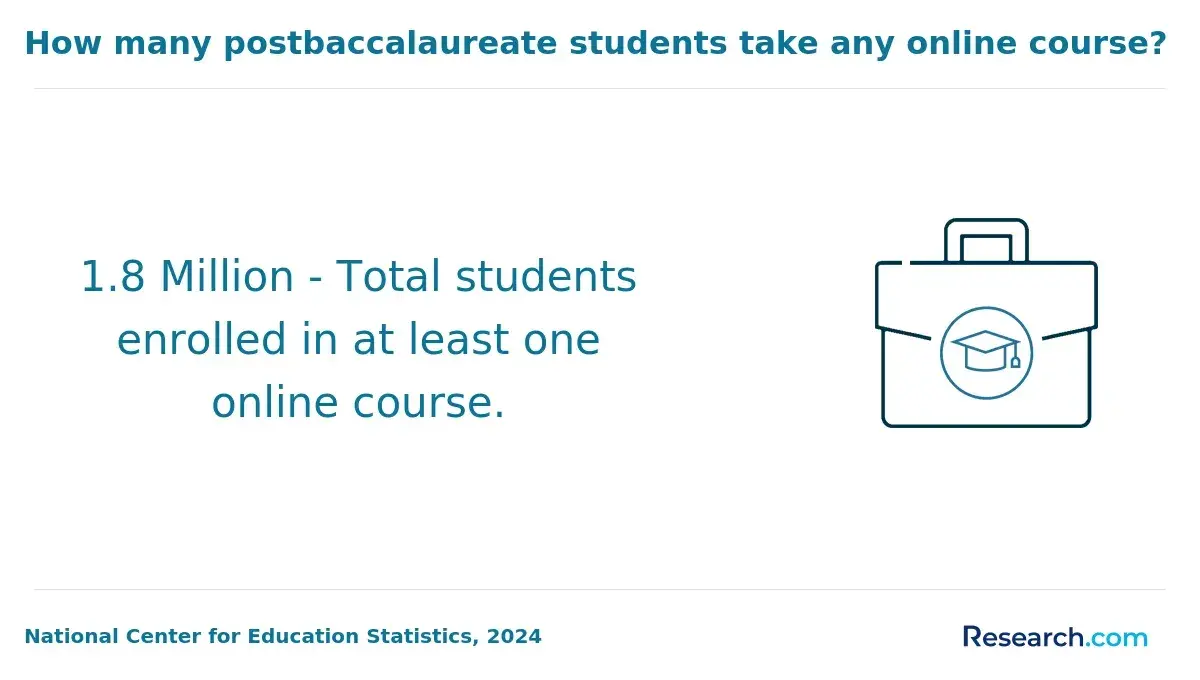
Online and campus-based brand communication degrees can cover the same academic material, but the learning experience, networking style, cost structure, and schedule flexibility often differ. NCES data released in 2024 show that more than half of U.S. postsecondary students took at least one distance education course in fall 2022, which means online learning is now a mainstream enrollment pattern rather than a niche alternative.
The table below compares the major decision factors. Use it to decide whether your priority is flexibility, campus networking, hands-on media production facilities, or access to local internships.
| Factor | Online brand communication degree | Campus-based brand communication degree |
| Schedule | Best for working adults, caregivers, military students, and students who need asynchronous coursework. | Best for students who want a fixed weekly routine and in-person class interaction. |
| Networking | Often relies on virtual cohorts, discussion boards, online portfolio reviews, and remote events. | Usually offers easier access to campus clubs, student agencies, local speakers, and in-person recruiting. |
| Portfolio development | Can be strong if courses require campaigns, media kits, brand audits, analytics dashboards, and client-based projects. | Can be strong if the school has campus media, agency labs, PRSSA chapters, or local employer partnerships. |
| Cost structure | May reduce housing, commuting, and relocation costs, but technology fees and out-of-state online tuition policies vary. | May include higher living and transportation costs, but local scholarships and campus employment can offset expenses. |
| Student fit | Works well for self-directed students who can manage deadlines without frequent in-person reminders. | Works well for students who learn best through face-to-face discussion, studio work, and immediate instructor feedback. |
A strong online program should not feel like a correspondence course. Look for structured interaction, instructor feedback, collaborative campaign work, digital tools used in the field, and opportunities to produce portfolio-ready projects.
Campus programs may be better if you want daily access to studios, newsrooms, student-run agencies, or a local employer network in a major media market. Online programs may be better if you already work in communication or marketing and want to apply coursework directly to your current job.
Are online brand communication degrees in the U.S. properly accredited?
Yes, many online brand communication degrees in the U.S. are properly accredited, but students need to verify accreditation before enrolling. The most important credential is institutional accreditation from an agency recognized by the U.S. Department of Education or the Council for Higher Education Accreditation. This affects federal financial aid eligibility, credit transfer, graduate school admission, and employer confidence.
Programmatic accreditation is less universal in communication than in fields such as nursing, accounting, or education. Some journalism, mass communication, advertising, or public relations programs may have specialized recognition through bodies such as the Accrediting Council on Education in Journalism and Mass Communications, but the absence of that specific accreditation does not automatically mean a program is low quality.
Before applying, students should verify the following accreditation and credibility signals. These checks help prevent one of the most expensive mistakes in online education: enrolling in a program whose credits, degree, or reputation do not support your next step.
- Confirm the institution appears in the U.S. Department of Education's Database of Accredited Postsecondary Institutions and Programs.
- Check whether the online degree is offered by the same accredited institution that grants campus degrees.
- Ask whether the transcript or diploma distinguishes between online and campus delivery; many reputable schools do not make a distinction.
- Review faculty credentials, especially whether instructors have experience in brand strategy, public relations, advertising, analytics, or digital communication.
- Look for evidence of career support, internships, portfolio reviews, employer projects, student organizations, and alumni outcomes.
Be cautious with schools that avoid direct accreditation questions, pressure you to enroll immediately, promise specific jobs or salaries, or cannot clearly explain transfer-credit policies. Accreditation is not the only measure of quality, but it is the baseline requirement for a credible degree investment.
What concentrations and coursework are typical in brand-focused communication programs?
Brand-focused communication programs usually combine communication theory, applied writing, media production, business context, and analytics. The strongest programs do not treat branding as only logo design; they teach students how organizations create consistent meaning across audiences, channels, and moments of public scrutiny.
The table below summarizes common concentrations and what they usually prepare students to do. This can help you compare programs that use different names for similar academic tracks.
| Concentration or course area | What students typically study | Best fit for students interested in |
| Strategic communication | Message planning, audience segmentation, campaign goals, persuasion, and communication ethics. | Brand strategy, campaign planning, communications management, and consulting. |
| Public relations | Media relations, press materials, crisis communication, reputation management, and stakeholder communication. | PR agencies, corporate communication, nonprofit communication, and public affairs. |
| Advertising and creative strategy | Brand positioning, creative briefs, consumer insight, copywriting, and integrated campaign development. | Agency roles, brand campaigns, copywriting, and creative account planning. |
| Digital and social media communication | Platform strategy, content calendars, community management, social listening, and campaign analytics. | Social media strategy, influencer communication, content marketing, and digital engagement. |
| Internal and corporate communication | Employee messaging, executive communication, change communication, employer branding, and culture. | HR communication, internal communications, employer brand, and organizational change. |
| Research and analytics | Survey methods, audience insights, web metrics, reporting dashboards, and campaign evaluation. | Brand research, marketing analytics support, and evidence-based communication planning. |
Students who want a narrower digital path should compare a brand communication degree with an online degree social media marketing, especially if their main goal is platform management, paid social campaigns, influencer strategy, or content performance reporting.
Typical assignments include brand audits, crisis response plans, media kits, campaign briefs, audience personas, social media calendars, internal communication plans, and final capstone campaigns. These projects matter because hiring managers often want proof that candidates can move from theory to usable communication work.
AI is also changing coursework. Reputable programs increasingly address AI-assisted writing, prompt evaluation, brand voice governance, misinformation risks, search behavior, and ethical content review. Students should learn how to use AI tools without outsourcing strategic judgment, originality, fact-checking, or audience empathy.
What admission requirements do online brand communication degree programs usually have?
Admission requirements depend on degree level, school selectivity, and whether the program is designed for first-time students, transfer students, or working professionals. Most online bachelor's programs focus on academic readiness and prior college credit, while graduate programs are more likely to review writing ability, professional goals, and relevant experience.
The table below outlines common requirements by program level. Requirements vary, so students should confirm details with each school before assuming they qualify.
| Program level | Common admission requirements | What matters most |
| Associate degree | High school diploma or GED, application, transcripts, and placement information if required. | Open access, affordability, transfer planning, and general education completion. |
| Bachelor's degree for first-time students | High school transcript, application, possible essay, and sometimes standardized test scores depending on school policy. | Academic preparation, writing ability, and fit with communication or media interests. |
| Bachelor's completion program | Prior college credits, minimum GPA, official transcripts, and sometimes a resume or personal statement. | Transfer-credit acceptance, remaining credits, and time to completion. |
| Master's degree | Bachelor's degree, transcripts, resume, statement of purpose, writing sample, and references; GRE requirements are often waived or not required in many professional programs. | Writing strength, career goals, professional experience, and ability to complete graduate-level projects. |
| Graduate certificate | Bachelor's degree or current graduate enrollment, transcripts, and a short application. | Focused skill building, speed, and whether credits can later apply to a master's degree. |
Applicants can strengthen their file by showing evidence of communication potential, even if they do not already work in marketing or PR. Useful materials include writing samples, campaign examples, student media work, volunteer communication projects, blog posts, analytics screenshots, or a short portfolio website.
Communication is a broad field, so make sure the program matches the kind of communication work you actually want. For example, students interested in clinical language, swallowing, or speech disorders should investigate an SLP online masters program instead of a brand communication degree, because speech-language pathology follows a separate graduate training and licensure pathway.
A common mistake is applying only to programs with attractive branding while ignoring transfer rules. If you have prior credits, ask for a written transfer evaluation before committing. A school with slightly higher tuition may cost less overall if it accepts more credits and shortens your time to graduation.
How long do online brand communication degrees take, and what do they cost?
Program length depends on the credential, course load, transfer credits, and academic calendar. A full bachelor's degree typically requires about 120 credits, while master's degrees often require 30 to 36 credits. Accelerated terms can shorten the calendar, but they also compress deadlines and may be difficult for students balancing full-time work.
The table below gives a practical comparison of common online options. Use it to estimate the time commitment before comparing tuition.
| Credential | Typical length | Best fit | Trade-off |
| Undergraduate certificate | Several months to 1 year | Students testing the field or adding communication skills to another major. | May not carry the labor-market weight of a full degree. |
| Associate degree | About 2 years full time | Students seeking a lower-cost start before transfer. | Career options may be more limited without a bachelor's degree. |
| Bachelor's degree | About 4 years full time, less with transfer credits | Students seeking entry-level and midlevel communication roles. | Requires the largest undergraduate time and tuition commitment. |
| Bachelor's completion program | About 1 to 2 years, depending on accepted credits | Adults with previous college coursework. | Requires careful transfer-credit review before enrollment. |
| Master's degree | About 1 to 2 years | Professionals seeking leadership, specialization, or career change. | Best ROI usually comes when paired with relevant experience. |
| Graduate certificate | Several months to 1 year | Working professionals who need focused brand, PR, or digital skills. | May not substitute for a graduate degree in management-track roles. |
For tuition context, College Board's 2024-25 national averages for published tuition and fees show how different institution types compare before financial aid is applied:
- $11,610 for in-state students at public four-year colleges.
- $30,780 for out-of-state students at public four-year colleges.
- $43,350 for students at private nonprofit four-year colleges.
These figures are not specific to brand communication programs, but they help frame the cost range students may encounter. Online students should also calculate fees, books, software subscriptions, portfolio platforms, graduation fees, and whether the school charges in-state, out-of-state, or flat online tuition.
If speed is your top priority, compare communication options with broader accelerated business programs. The trade-off is that a faster business curriculum may provide broader management training but less depth in messaging, media strategy, brand voice, or public relations.
To reduce cost, ask about transfer credits, credit for prior learning, employer tuition assistance, military benefits, scholarships for online students, and whether summer or accelerated terms affect financial aid pacing. Do not compare programs by tuition per credit alone; compare total remaining credits, fees, aid, and realistic completion time.
What careers can you pursue with a brand communication degree?
A brand communication degree can lead to roles in public relations, marketing communication, corporate communication, digital content, social media, nonprofit outreach, employer branding, and agency account work. The degree is most useful when students graduate with writing samples, campaign projects, analytics experience, and evidence that they can adapt messaging for different audiences.
The table below connects common roles with day-to-day responsibilities. It can help you decide whether the degree aligns with the type of work you want to do after graduation.
| Career path | Typical responsibilities | Common entry points |
| Brand communication specialist | Maintains brand voice, supports campaigns, writes messaging guides, and coordinates content across channels. | Communications assistant, marketing coordinator, content assistant. |
| Public relations specialist | Writes press materials, pitches media, monitors coverage, supports events, and helps manage reputation. | PR assistant, media relations intern, agency coordinator. |
| Social media strategist | Plans platform content, monitors audience engagement, coordinates creators, and reports performance. | Social media coordinator, content moderator, digital marketing assistant. |
| Content strategist | Develops editorial plans, aligns messaging with audience needs, and manages content across websites and campaigns. | Copywriter, content coordinator, editorial assistant. |
| Internal communications coordinator | Creates employee updates, supports change communication, drafts executive messages, and promotes employer brand. | HR communications assistant, corporate communications assistant. |
| Marketing communications manager | Oversees campaigns, vendors, messaging calendars, launch communication, and cross-functional brand execution. | Several years of experience in communication, PR, content, or marketing support roles. |
Brand communication roles are common in agencies, consumer brands, technology companies, healthcare organizations, universities, nonprofits, government agencies, entertainment, hospitality, financial services, and professional services firms. The work may be public-facing, internal, or both.
Students who discover they prefer process improvement, logistics, or cross-department execution over messaging and audience strategy may be better served by an operations management degree. Brand communication focuses on meaning, perception, and message consistency; operations management focuses more on systems, workflows, supply chains, and performance efficiency.
To prepare for these careers, build a portfolio before graduation. Include at least one long-form writing sample, one short-form campaign, one brand audit, one analytics-based report, and one example of adapting a message for different audiences or platforms.
What salary ranges and advancement opportunities exist in brand communication roles?
Salaries in brand communication vary by role, city, industry, employer size, portfolio quality, and years of experience. National medians are useful for context, but they should not be treated as promises for new graduates or career changers.
The table below uses BLS 2024 median annual wage data for relevant U.S. occupations. It also shows how a student might think about career progression from entry-level execution to strategy and management.
| Role category | BLS 2024 median annual wage | Typical advancement path |
| Public relations specialists | $69,780 | PR coordinator to PR specialist to senior specialist, media relations manager, or communications manager. |
| Market research analysts | $76,950 | Research assistant to analyst to insights manager, brand strategist, or marketing analytics lead. |
| Public relations and fundraising managers | $138,520 | Communications manager to director of communications, VP of communications, or chief communications officer. |
| Advertising, promotions, and marketing managers | $161,030 | Marketing communications specialist to brand manager, campaign manager, marketing director, or agency account director. |
The salary difference between specialist and manager roles shows why experience matters. A degree can help open doors, but advancement usually depends on campaign results, leadership ability, writing judgment, analytics fluency, and the capacity to advise executives or clients.
Students can improve long-term earning potential by developing a mix of creative and measurable skills. Employers increasingly want communicators who can produce strong messages and explain performance with evidence.
- Build writing range: press releases, executive messages, social copy, email campaigns, landing-page copy, and internal announcements.
- Learn analytics tools: web analytics, social listening, dashboard reporting, survey basics, and campaign attribution concepts.
- Practice strategic planning: audience personas, positioning statements, message maps, communication calendars, and crisis scenarios.
- Develop business fluency: understand revenue models, customer journeys, brand equity, stakeholder risk, and competitive positioning.
- Keep a results-focused portfolio: show the objective, audience, strategy, sample deliverables, and outcome or lesson learned for each project.
Graduate study can support advancement, especially for professionals moving into leadership or specialized strategic roles. However, a master's degree is usually most valuable when it complements work experience rather than replacing it.
How is the job outlook for brand communication and related marketing careers?
The job outlook is generally favorable for communication roles connected to digital strategy, public reputation, audience research, and marketing performance. BLS employment projections released in 2024 estimate 8% growth for advertising, promotions, and marketing managers from 2023 to 2033, which is faster than the average for all occupations. For students, that suggests demand exists, but competition can still be strong for high-visibility brand and agency roles.
Several current trends affect the field. AI tools are speeding up drafting, versioning, content repurposing, and audience research, but they also increase the need for human review, originality, legal awareness, and brand governance. Employers may expect entry-level communicators to use AI responsibly while still demonstrating judgment, accuracy, and ethical decision-making.
Digital fragmentation is another factor. Brands now communicate through websites, email, social platforms, search results, podcasts, creator partnerships, employee channels, review sites, and crisis-response channels. This creates opportunities for communicators who can maintain a coherent brand voice across many touchpoints.
Measurement expectations are also rising. Communication teams increasingly need to connect campaigns to engagement, sentiment, lead quality, employee awareness, reputation risk, or customer behavior. Students who avoid analytics may find themselves limited to narrower production roles, while students who combine storytelling and measurement can compete for more strategic positions.
At the same time, not every brand communication job is glamorous or purely creative. Many roles involve approvals, revisions, compliance review, stakeholder coordination, fast deadlines, and crisis preparation. Students should choose this path if they enjoy both creative messaging and organizational problem-solving.
How can you choose a reputable online brand communication program that fits your goals?
The best online brand communication program is not automatically the cheapest, fastest, most famous, or highest ranked. It is the program that is accredited, affordable for your situation, realistic for your schedule, and aligned with the role you want after graduation.
Use the following steps to compare programs before applying. This sequence helps you avoid choosing a school based only on marketing language.
- Define your target role first, such as PR specialist, brand strategist, content strategist, internal communications coordinator, or social media manager.
- Check institutional accreditation through recognized accreditation databases before reviewing tuition or curriculum.
- Compare the curriculum against your target role, especially courses in brand strategy, writing, research, digital platforms, crisis communication, and analytics.
- Ask for a transfer-credit evaluation if you have prior college coursework, military training, professional certifications, or completed general education credits.
- Review portfolio requirements and capstone projects to confirm you will graduate with usable work samples.
- Ask how online students access internships, employer projects, career coaching, alumni events, and faculty feedback.
- Calculate total cost, including tuition, fees, software, books, lost work time, and the number of credits you still need.
- Compare graduation support, academic advising, course availability, and whether required classes are offered often enough to finish on schedule.
Common red flags include vague accreditation claims, no clear faculty list, no portfolio-based assignments, limited writing feedback, unclear transfer policies, aggressive enrollment pressure, and salary claims that sound guaranteed. A reputable program should be willing to answer detailed questions without rushing your decision.
Before enrolling, ask admissions or the program director practical questions that reveal how the online experience actually works.
- How many brand-focused courses are required, and which are electives?
- Will I complete a campaign, portfolio, internship, practicum, or capstone?
- Which tools or platforms do students use for analytics, content planning, or collaboration?
- How often do instructors give detailed feedback on writing and strategy assignments?
- Are online students eligible for the same career services as campus students?
- What percentage of my prior credits will apply to this specific degree plan?
If you are deciding between a degree and a shorter certificate, use your career stage as the guide. A certificate may be enough for a working professional adding brand skills, while a bachelor's degree is usually more appropriate for students seeking broad entry-level eligibility. A master's degree may make sense for professionals pursuing leadership, consulting, or specialized strategic communication roles.
Other Things You Should Know About Communication
It is usually more writing- and strategy-focused than design-focused. Visual judgment helps, but most roles emphasize messaging, audience insight, channel planning, reputation, and campaign coordination rather than advanced graphic design production.
Yes, some brand communication roles can be remote or hybrid, especially in content, social media, PR support, and digital campaign coordination. However, remote eligibility depends on employer policy, industry, time zone needs, and whether the role requires events or in-person stakeholder work.
A portfolio is often essential for brand communication jobs. It allows candidates to showcase their work, creativity, and range of skills. For online degrees, building a digital portfolio is crucial, displaying assignments, projects, and any internships or freelance work to potential employers.
References
- CONCENTRATIONS IN COMMUNICATION https://www.villanova.edu/university/liberal-arts-sciences/programs/communication/undergraduate-program/major/specializations.html
- Online Master Communication and Brand Management | Rome Business School https://romebusinessschool.com/master-online-in-brand-management-and-communication/
- Online Communication Degree | University of Phoenix https://www.phoenix.edu/online-liberal-arts-degrees/communication-bachelors-degree.html
- How to Choose the Right Marketing Agency for Your Business | TechArk https://gotechark.com/blog/choosing-the-right-marketing-partner-what-to-look-for-in-a-digital-content-or-seo-agency/
- 2026 Best Online Communications Degrees https://www.onlineu.com/degrees/communications
- Admission requirements for the Master's degree program - Selection procedure / Media University https://www.media-university.de/en/application-form/admission-requirements/masters-degree-program/
- How to Choose the Right Digital Marketing Service for Your Brand https://gotchamobi.com/articles/how-to-choose-the-right-digital-marketing-service-for-your-brand/
- BA Creative Brand Communication (Online) - AAA School Of Advertising https://aaaschool.ac.za/ba-creative-brand-communication-2/
- How to Choose the Right Digital Marketing Agency for Your Needs – Resaco https://resaco.fi/en/how-to-choose-the-right-digital-marketing-agency-for-your-needs/
- How to Choose a Digital Marketing Agency That Drives ... https://hughesintegrated.com/how-to-choose-a-digital-marketing-agency/