
2027 How to Become a Human Resources Manager

Co-Founder and Chief Data Scientist
Becoming a human resources manager is not just about “working with people.” It is a management career that combines employment law, hiring strategy, compensation, workplace culture, employee relations, data systems, and leadership advising. The role matters more now because organizations are dealing with hybrid work, skills shortages, employee engagement concerns, AI-enabled HR tools, and stricter expectations around compliance and fairness.
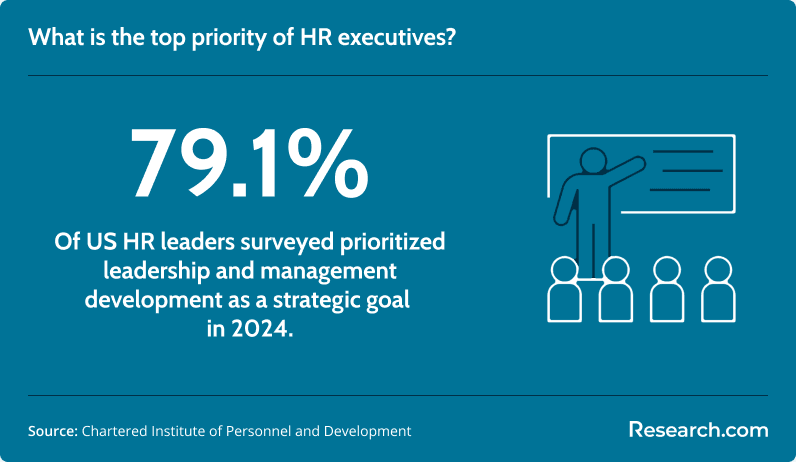
In 2024, 79.1% of US HR executives surveyed identified leadership and management development as a strategic priority. That helps explain why HR managers are increasingly expected to do more than process paperwork: they help organizations build capable managers, retain talent, reduce risk, and connect workforce decisions to business goals.
This guide explains how to become a human resources manager for 2027, including degree options, experience requirements, online study, certifications, salary expectations, job outlook, useful internships, common career paths, and the practical questions you should ask before choosing this profession.
Quick answer: How do you become a human resources manager?
Most people become human resources managers by earning a bachelor’s degree in human resources, business, psychology, organizational leadership, or a related field; gaining several years of progressive HR experience; developing expertise in compliance, employee relations, recruiting, compensation, HR technology, and leadership; and, in many cases, earning a professional certification such as SHRM-CP, SHRM-SCP, PHR, or SPHR. A master’s degree or MBA is not always required, but it can help for senior, strategic, or large-organization roles.
Key Things You Should Know About Becoming a Human Resources Manager for 2027
- HR managers translate business goals into people strategies. That means hiring the right talent, supporting managers, improving retention, and helping leadership make sound workforce decisions.
- Communication is central to the job. HR managers interview candidates, explain policies, coach supervisors, handle sensitive employee issues, and mediate disputes.
- Compliance knowledge is essential. HR managers must understand employment laws, workplace policies, documentation practices, employee privacy, and federal, state, and local requirements.
- Technology now shapes daily HR work. Applicant tracking systems, HR information systems, payroll platforms, engagement tools, and workforce analytics are common parts of the role.
- Experience matters as much as education. Many HR managers move up from HR assistant, coordinator, recruiter, benefits, payroll, employee relations, or HR generalist positions.
- Certifications are not always mandatory, but they can strengthen credibility, especially when competing for mid-level and senior HR roles.
- HR management can be a strong fit for people who enjoy solving workplace problems, advising leaders, balancing employee and business needs, and working with confidential information.
- What degree is needed to become a human resources manager for 2027?
- How long does it take to earn a degree in human resources management?
- Can you become an HR manager with an online degree?
- What internships are beneficial for aspiring HR managers?
- What is the typical career path for an HR manager?
- How much experience is required to become a human resources manager?
- What skills are essential to succeed as an HR manager?
- Can an online human services degree strengthen HR management skills?
- What trends are changing HR management?
- Is an MBA useful for HR management?
- What legal and ethical responsibilities do HR managers have?
- How do HR managers measure performance?
- How can advanced business degrees support HR leadership?
- How can a business degree complement an HR career?
- What challenges do HR managers face now?
- Is an Executive MBA worthwhile for HR managers?
- Can an entrepreneurial mindset improve HR management?
- How can finance education help HR managers?
- Are certifications necessary to work as a human resources manager?
- What is the average salary of a human resources manager in the U.S.?
- What is the job outlook for human resources managers for 2027?
What degree is needed to become a human resources manager for 2027?
A bachelor’s degree is the standard minimum education for many human resources manager roles. Employers often look for candidates with academic preparation in HR, business, organizational behavior, employment law, leadership, or people analytics. In the academic year 2021-2022, 6,234 human resources management degrees were conferred.
Human resources management is sometimes discussed among the easiest majors in college, but students should not confuse “accessible” with “effortless.” Strong HR programs require careful writing, ethical judgment, business reasoning, legal awareness, and the ability to handle complex people-related situations.
Common degree options for future HR managers
| Degree path | How it supports an HR management career | Best fit for |
| Human Resources Management | Covers recruiting, compensation, employee relations, training, labor law, HR systems, and organizational development. | Students who already know they want an HR-focused career. |
| Business Administration | Builds a broader management foundation in operations, leadership, finance, strategy, and organizational decision-making. | Students who want flexibility across HR, management, consulting, or business operations. |
| Psychology | Helps students understand motivation, behavior, communication, team dynamics, and workplace culture. | Students interested in employee relations, engagement, training, or organizational behavior. |
| Organizational Leadership | Focuses on leadership development, change management, team performance, and organizational communication. | Professionals aiming for supervisory, training, or leadership-development roles. |
| Industrial-Organizational Psychology | Connects psychology with hiring, performance management, motivation, assessment, and organizational effectiveness. | Students interested in analytics, talent assessment, workforce research, or employee performance. |
Can you become an HR manager with a different major?
Yes. Some HR managers begin in another discipline and move into HR through internships, recruiting roles, administrative roles, payroll, operations, or certifications. A non-HR degree can be useful if it gives you industry knowledge or analytical skills that match the employer’s workforce needs. For example, people exploring careers with environmental science degree may bring sustainability knowledge that helps in organizations where environmental goals influence hiring, training, and culture.
Career changers sometimes compare very different majors, including asking whether is graphic design an easy degree. For HR management, the better question is not whether a degree seems easy. It is whether the program helps you build business judgment, communication skills, legal awareness, data literacy, and credibility with employers.
When is a master’s degree helpful?
A graduate degree is not required for every HR manager job, but it can be valuable for professionals targeting senior HR leadership, large employers, organizational development, compensation strategy, HR analytics, or executive advising roles.
Relevant graduate options include:
- Master of Human Resources Management (MHRM)
- Master of Business Administration (MBA) with an HR concentration
- Master of Science in Industrial/Organizational Psychology
Degree, certification, or experience: what matters most?
| Credential or preparation | What it proves | Limitations |
| Bachelor’s degree | You have foundational academic preparation for professional HR work. | It may not be enough by itself for a management title without experience. |
| Master’s degree or MBA | You have advanced training in strategy, leadership, analytics, or organizational management. | It does not replace practical HR judgment gained on the job. |
| Professional certification | You understand recognized HR principles, laws, and professional standards. | Certification requirements vary, and employers do not weigh every credential equally. |
| Progressive HR experience | You have handled real employee issues, systems, compliance tasks, and manager support. | Experience may need to be paired with formal education for some employers. |
Online and accelerated degree options
Online bachelor’s and master’s programs can be practical for working adults, military learners, parents, and career changers. The key is to choose a properly accredited school and a curriculum that includes employment law, employee relations, HR technology, workforce planning, and organizational strategy.
In addition to a degree, aspiring HR managers should look for:
- Professional certifications: Credentials from the Society for Human Resource Management (SHRM) or the Human Resources Certification Institute (HRCI) can help verify HR knowledge.
- Relevant experience: Internships, entry-level HR jobs, payroll support, recruiting coordination, benefits administration, or operations roles can help build the practical background employers expect.
How long does it take to earn a degree in human resources management?
The time required depends on the credential, course load, transfer credits, and whether you study full time, part time, online, or in an accelerated format.
| Program type | Typical full-time length | What it can prepare you for |
| Associate degree in human resources | Typically two years | HR assistant, recruiting assistant, payroll clerk, benefits support, or transfer into a bachelor’s program. |
| Bachelor’s degree in human resources management | Typically four years | HR coordinator, recruiter, HR specialist, training coordinator, benefits specialist, or future HR manager path. |
| Accelerated bachelor’s program | Some programs can be completed in three years or less | A faster route for students who can handle heavier course loads or have transfer credit. |
| Part-time bachelor’s program | Often five to six years | A flexible option for students balancing school with work or family responsibilities. |
| Master’s degree in human resources management | Usually one to two years | Advanced HR roles, HR business partner positions, organizational development, or leadership roles. |
| Accelerated master’s program | May take as little as 12 to 18 months | Professionals who want graduate credentials quickly and can manage an intensive schedule. |
| Part-time master’s program | Often two to four years | Working HR professionals who want to keep building experience while studying. |
Online program timelines
Online programs, including an online master in human resources, often follow the same academic calendar as campus-based programs. Some offer flexible pacing, shorter terms, or accelerated tracks, but the actual completion time depends on credit requirements and how many courses you take each term.
Combined bachelor’s and master’s programs
Some institutions offer five-year combined options that allow students to earn both a bachelor’s degree and a master’s degree in human resources. This can be efficient for students who are confident they want graduate-level HR preparation.
Factors that can shorten or extend your timeline
- Transfer credits: Prior college coursework or an associate degree may reduce the number of credits you still need.
- Enrollment status: Full-time students usually finish faster than part-time students.
- Program format: Accelerated and online programs may offer shorter terms or more start dates.
- Workload tolerance: Faster programs are not automatically better if they limit your ability to complete internships or maintain strong grades.
Can you become an HR manager with an online degree?
Yes, you can become a human resources manager with an online degree, provided the school is properly accredited and the program gives you the HR, business, legal, and technology training employers expect. Online study is especially useful for working adults who need to keep earning income while building credentials.
Even shorter online credentials, such as a 6 month associate degree online, may help some learners begin or change direction, but an associate degree alone is usually not enough for an HR manager role. It is more commonly a starting point for entry-level HR work or transfer into a bachelor’s program.
How to evaluate an online HR degree
- Check institutional accreditation: Look for recognized accreditation from agencies such as the Higher Learning Commission (HLC) or other appropriate accreditors.
- Review business accreditation when relevant: Some business programs may hold accreditation from bodies such as the Accreditation Council for Business Schools and Programs (ACBSP).
- Read the curriculum carefully: Strong HR programs should cover employment law, staffing, compensation, benefits, employee relations, training, HR analytics, and HR technology.
- Ask about experiential learning: Internships, simulations, capstone projects, and employer-connected assignments help turn coursework into practical skills.
- Confirm career support: Resume help, internship placement, alumni networks, and employer partnerships can matter when you are trying to enter HR.
| Online HR degree advantage | Potential drawback | How to manage the trade-off |
| Flexible schedule for working adults | Less in-person networking | Join SHRM chapters, attend webinars, and use career services actively. |
| Ability to study from any location | Requires strong self-discipline | Build a weekly study plan before classes begin. |
| May offer multiple start dates | Quality varies by school | Verify accreditation, faculty background, outcomes, and student support. |
| Can pair well with full-time work | Internships may require extra planning | Ask whether the program helps online students find local HR experience. |
What internships are beneficial for aspiring HR managers?
The best internships expose you to real HR operations, not just clerical tasks. Look for roles where you can observe hiring, onboarding, compliance documentation, training, employee questions, HR systems, or manager support.
- General HR internships: These offer broad exposure to recruiting, onboarding, employee records, training, benefits, policy administration, and employee support.
- Recruitment and selection internships: These focus on job postings, candidate sourcing, resume screening, interview scheduling, applicant tracking systems, and onboarding coordination.
- Training and development internships: These help you learn how organizations assess training needs, design learning materials, support workshops, and evaluate training results.
- Employee relations internships: These can introduce you to workplace communication, employee questions, documentation, conflict resolution, and compliance-sensitive situations.
- Benefits or compensation internships: These are useful if you want experience with pay structures, benefits enrollment, leave administration, or workforce cost analysis.
- HRIS or people analytics internships: These are especially valuable as HR teams rely more on data, reporting, and digital systems.
Questions to ask before accepting an HR internship
- Will I work with an HRIS, applicant tracking system, payroll system, or employee engagement platform?
- Will I support actual recruiting, onboarding, training, or employee relations work?
- Who will supervise me, and what kind of feedback will I receive?
- Will the internship include confidential information, and how will I be trained to handle it?
- Can this experience lead to an entry-level HR role after graduation?
What is the typical career path for an HR manager?
Most HR managers do not start as managers. They build credibility through entry-level and mid-level roles, then move into positions that require supervision, policy ownership, workforce planning, and leadership advising.
| Career stage | Common job titles | What you learn |
| Entry level | HR assistant, HR coordinator, recruiting coordinator, benefits assistant, payroll assistant | Employee records, scheduling, onboarding, HR systems, compliance paperwork, basic employee support. |
| Early professional | HR specialist, recruiter, training specialist, benefits specialist, employee relations associate | Specialized HR processes, candidate management, policy application, benefits administration, training logistics. |
| Mid-level | HR generalist, HR business partner, senior recruiter, compensation analyst, learning and development specialist | Manager support, employee relations, workforce planning, performance processes, data-informed decisions. |
| Management | HR manager, talent acquisition manager, employee relations manager, learning and development manager | Team leadership, HR strategy, compliance oversight, budget input, policy implementation, executive communication. |
| Senior leadership | HR director, vice president of HR, Chief Human Resources Officer (CHRO) | Enterprise people strategy, organizational design, workforce investment, executive advising, culture and change leadership. |
Can a graduate degree speed up advancement?
A graduate degree may help, especially if it builds business, analytics, leadership, or organizational strategy skills. For example, one year masters programs online may appeal to professionals who already have HR experience and want a faster academic pathway. However, a degree alone rarely substitutes for demonstrated HR decision-making experience.
Career direction choices inside HR
- Industry focus: HR work differs across healthcare, technology, finance, manufacturing, education, government, hospitality, and nonprofit organizations. Students comparing people-centered business paths may also review careers in hospitality.
- Specialization: You can focus on talent acquisition, compensation, benefits, employee relations, HR technology, learning and development, diversity and inclusion, or people analytics.
- Professional development: HR managers often continue learning through certifications, conferences, workshops, and specialized training. If your goal includes teaching workplace skills or training adults, online teaching certification programs may be relevant in specific learning and development contexts.
How much experience is required to become a human resources manager?
Many HR manager roles require several years of progressive HR experience. Entry-level HR assistant or coordinator jobs often help candidates build the first one to three years of practical experience. HR specialist or generalist roles commonly build the three to five years of focused experience many employers want before considering someone for management.
For larger organizations, more senior experience may be preferred because HR managers may supervise staff, advise department heads, handle sensitive investigations, and manage compliance risk. Smaller employers may promote someone sooner if that person has broad HR exposure and strong judgment.
Graduates of traditional programs or accelerated degree programs online should still expect to prove themselves through real HR work. A fast degree can reduce time in school, but it does not eliminate the need to learn how workplace decisions affect employees and the organization.
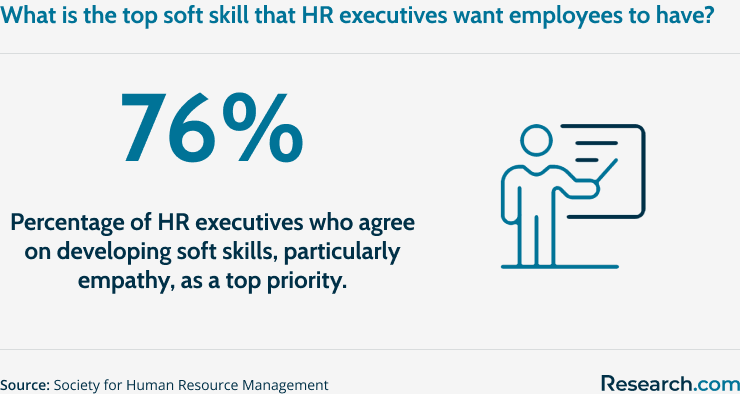
Improving people managers' understanding of their roles and developing their soft skills, particularly empathy, are top priorities for 76% of HR professionals. That makes manager coaching and leadership development increasingly important parts of HR management experience.
As a practical benchmark, three to seven years of progressive HR experience is a typical range, though expectations vary by employer, industry, role scope, education level, and certifications such as SHRM-CP or PHR.
Experience that helps most
- Handling employee questions while maintaining confidentiality
- Supporting recruiting, interviewing, hiring, and onboarding
- Using HRIS, payroll, benefits, or applicant tracking systems
- Documenting employee relations issues accurately
- Explaining policies to managers and employees
- Participating in training, performance management, or compliance projects
- Using HR metrics to identify turnover, hiring, or engagement issues
What skills are essential to succeed as an HR manager?
Successful HR managers combine people skills with business, legal, and analytical capabilities. The role requires empathy, but it also requires documentation, judgment, consistency, and the ability to make difficult recommendations.
| Skill area | Why it matters | How to build it |
| Employment law and compliance | HR managers help reduce legal and regulatory risk by applying policies consistently and documenting decisions properly. | Take employment law courses, attend compliance training, and work under experienced HR professionals. |
| HRIS and HR technology | HR teams rely on systems for employee records, recruiting, payroll, benefits, reporting, and performance processes. | Gain hands-on experience with HR platforms during internships or entry-level roles. |
| Data analysis | HR managers use turnover, hiring, training, compensation, and engagement data to guide decisions. | Practice spreadsheet analysis, HR reporting, dashboard interpretation, and basic statistics. |
| Budget awareness | Workforce decisions affect compensation, benefits, training, staffing, and vendor costs. | Learn budgeting basics and ask to support HR project cost tracking. |
| Communication | HR managers must write policies, explain decisions, interview candidates, and communicate with employees at every level. | Practice professional writing, public speaking, interviewing, and difficult conversations. |
| Conflict resolution | Employee relations issues require neutrality, listening, documentation, and fair process. | Seek experience in employee relations, mediation, coaching, or supervisory support. |
| Problem-solving | HR issues often involve unclear facts, competing priorities, and confidential information. | Use case studies, mentorship, and after-action reviews to improve judgment. |
| Leadership | HR managers often lead HR staff and influence managers without always having direct authority over them. | Supervise projects, mentor junior staff, and learn change management methods. |
| Ethical judgment | HR professionals handle sensitive employee information and must protect fairness, privacy, and trust. | Study HR ethics, follow documentation standards, and learn when to escalate issues. |
Can an online human services degree boost your HR management competencies?
An online human services degree can be useful for HR professionals whose work centers on employee support, conflict resolution, workplace well-being, coaching, or community-connected organizations. Human services programs often emphasize communication, ethical service, crisis response, advocacy, and systems thinking, which can complement HR responsibilities.
However, a human services degree online should not be treated as a direct substitute for HR-specific training if your goal is HR management. You may still need coursework or experience in employment law, compensation, recruiting, HR technology, and workforce planning.
What are the emerging trends shaping HR management?
HR management is changing as employers adopt digital tools, use people analytics more heavily, manage remote and hybrid teams, and respond to employee expectations around flexibility, inclusion, career development, and well-being. HR managers are increasingly expected to interpret data, evaluate technology vendors, and help leaders make evidence-informed workforce decisions.
AI-enabled recruiting tools, cloud-based HR systems, automated onboarding, employee engagement platforms, and workforce dashboards can improve efficiency, but they also create new responsibilities. HR managers must consider bias, privacy, transparency, security, and whether technology decisions support fair employment practices.
Students who want a focused academic foundation may explore a human resources degree that includes HR technology, employment law, analytics, and strategic workforce planning.
Is an MBA a strategic asset for HR management?
An MBA can be valuable for HR professionals who want to operate as strategic business partners rather than only HR process managers. MBA coursework can strengthen financial literacy, operations knowledge, strategic planning, leadership, and organizational decision-making.
An MBA is most useful when your target role requires advising executives, managing HR budgets, analyzing workforce investments, supporting mergers or restructuring, or aligning talent strategy with business performance. Professionals comparing cost-conscious options may review the cheapest MBA online programs, but they should compare accreditation, curriculum fit, employer reputation, and total cost before enrolling.
What are the legal and ethical responsibilities of HR managers?
HR managers help organizations follow employment laws, apply policies consistently, protect confidential information, and treat employees fairly. Their responsibilities may involve hiring practices, wage and hour rules, leave administration, workplace investigations, anti-discrimination policies, accommodations, benefits administration, employee records, and termination processes.
Ethically, HR managers must balance organizational needs with fair treatment of employees. That includes avoiding favoritism, documenting decisions, protecting privacy, escalating serious concerns, and advising leaders when a proposed action could create legal or cultural risk. Advanced business training, including programs such as the top online MBA programs, may help HR professionals connect compliance, governance, and leadership decisions.
How do HR managers measure success in their roles?
HR success should be measured through both business outcomes and employee experience. Useful metrics may include turnover rates, retention percentages, hiring timelines, training return on investment (ROI), employee engagement, internal mobility, absenteeism, compliance completion, and manager effectiveness.
Metrics should not be used blindly. A low turnover rate is not always good if poor performers are staying, and a fast hiring process is not always successful if new employees leave quickly. HR managers need to interpret numbers in context and combine quantitative data with employee surveys, exit interviews, performance reviews, and manager feedback.
Professionals who want stronger analytical and management skills may consider programs such as quick MBA programs, especially if their goal is to move into strategic HR leadership.
How can advanced business degrees transform HR management?
Advanced business degrees can help HR managers understand finance, operations, organizational strategy, research methods, and executive decision-making. This can be especially useful for HR leaders who influence workforce investment, leadership development, compensation strategy, organizational design, or large-scale change initiatives.
A doctorate in business is not necessary for most HR manager roles, but it may appeal to professionals interested in executive consulting, research-driven leadership, teaching, or high-level organizational strategy. Those evaluating doctoral business options may compare cheap DBA programs while paying close attention to accreditation, research expectations, faculty support, and career relevance.
How Can a Business Degree Complement Your HR Career?
A business degree can strengthen an HR career by helping professionals understand how workforce decisions affect revenue, costs, productivity, risk, and organizational growth. HR managers who understand business fundamentals are often better prepared to explain staffing needs, defend training budgets, evaluate compensation changes, and advise managers on workforce trade-offs.
For students who want a broad business base before specializing in HR, a business degree online fast may provide a flexible route. The best choice depends on whether the curriculum includes management, accounting or finance basics, organizational behavior, business law, and data-informed decision-making.
What challenges do HR managers face in today's evolving business environment?
HR managers are handling more complex work as organizations respond to technology shifts, remote and hybrid work, employee expectations, compliance changes, and competition for skilled workers. They may also be asked to improve culture, support managers, reduce turnover, and maintain trust during restructuring, rapid growth, or economic uncertainty.
One challenge is that HR must often balance competing priorities. Employees may want flexibility, managers may want performance accountability, executives may focus on cost, and regulators may require careful documentation. HR managers must communicate clearly, use data responsibly, and avoid making decisions based only on short-term pressure.
Targeted professional development, including options such as a 6 month MBA program, may help some HR leaders strengthen strategic thinking. Still, the value depends on program quality, relevance, workload, and whether it fits the professional’s career stage.
Is an Executive MBA a Smart Investment for HR Managers?
An Executive MBA may be worthwhile for experienced HR professionals who already hold leadership responsibilities and want broader executive-level business training. It can help with strategic decision-making, financial interpretation, risk analysis, organizational leadership, and cross-functional influence.
It is usually not the best first credential for someone trying to enter HR. It makes more sense for HR directors, senior HR business partners, or managers preparing for executive roles. Professionals comparing lower-cost options may review a cheap executive MBA online program, but they should evaluate employer recognition, cohort quality, schedule demands, and total expenses.
Can an entrepreneurial mindset enhance HR management effectiveness?
An entrepreneurial mindset can help HR managers improve processes, test new talent strategies, respond quickly to workforce needs, and think creatively about employee experience. This does not mean treating employees like experiments. It means identifying problems, proposing practical solutions, measuring results, and adapting when evidence shows a better approach is needed.
HR leaders who think entrepreneurially may improve recruiting pipelines, redesign onboarding, create internal mobility programs, or use data to identify retention risks. Professionals interested in the broader value of entrepreneurship education can review What can you do with an entrepreneurship major? to understand how innovation, risk assessment, and opportunity recognition may apply across careers.
How can a finance education complement HR management roles?
Finance knowledge can make HR managers more effective because many HR decisions have major cost implications. Compensation, benefits, training, staffing levels, turnover, overtime, recruiting, and workforce planning all affect an organization’s budget.
HR managers with financial literacy can better evaluate the return on training programs, forecast workforce costs, compare compensation options, and communicate with finance leaders. Professionals seeking a faster path to financial skills may explore fastest accelerated finance degree programs online, especially if their HR goals include compensation, workforce analytics, or strategic planning.
Are certifications necessary to work as a human resources manager?
HR certifications are not always required, but they can improve credibility and competitiveness. In 2023, SHRM Certification surpassed 135,000. Employers may value certification because it signals that a candidate has studied HR principles, compliance issues, and professional standards.
Common reasons HR professionals pursue certification
- Credibility: Credentials from SHRM or HRCI can show that you have formal HR knowledge beyond your job title.
- Career mobility: Certification may help when applying for HR generalist, HR business partner, HR manager, or senior HR roles.
- Skill reinforcement: Preparing for an exam can strengthen knowledge of employment law, workforce planning, employee relations, and HR operations.
- Professional network: Certification bodies, study groups, and HR associations can connect you with other professionals.
Certification decision guide
| Your situation | Certification value | What to consider first |
| You are new to HR | May help demonstrate commitment, but experience is still critical. | Look for entry-level HR work, internships, or coordinator roles. |
| You have several years of HR experience | Can strengthen applications for HR generalist or HR manager jobs. | Choose a credential aligned with your experience level and career goals. |
| You want senior HR leadership | May support credibility, especially when paired with strategic experience. | Build leadership, analytics, employment law, and business skills. |
| You are changing careers into HR | Can help fill knowledge gaps and show seriousness. | Do not rely on certification alone; seek practical HR exposure. |
What is the average salary of a human resources manager in the U.S.?
The average annual salary for a human resources manager in the United States is around $136,350 based on Bureau of Labor Statistics data. Actual pay can differ substantially depending on experience, education, industry, organization size, location, certifications, and the scope of the role.
Salary should be evaluated carefully because “HR manager” can mean different things across employers. In a small company, one HR manager may handle nearly every HR function. In a large organization, an HR manager may lead a specialized team in recruiting, employee relations, benefits, learning and development, or compensation.
Factors that can influence HR manager pay
- Experience: Professionals with a longer record of HR leadership, employee relations, and strategic advising often qualify for higher-paying roles.
- Education: A bachelor’s degree is common, while advanced degrees or certifications may help in some markets. Students seeking lower-cost undergraduate options can compare an affordable online bachelor's degree, but should review accreditation and career fit.
- Industry: Employers in sectors such as technology or finance may offer higher compensation than some smaller or lower-margin organizations.
- Location: Pay often reflects regional labor markets and local cost of living.
- Role scope: Managing a team, owning compliance risk, advising executives, or overseeing multiple HR functions can affect compensation.
What is the job outlook for human resource managers for 2027?
The job outlook for human resources managers is positive. The U.S. Bureau of Labor Statistics projects 6% job growth from 2023 to 2033, which is faster than the average for all occupations.
Demand is supported by employers’ continued need for talent management, compliance support, leadership development, employee engagement, and workforce planning. HR managers are also important as organizations respond to changing workplace expectations, diversity and inclusion goals, new skill needs, and technology-driven workforce decisions.
HR professionals are increasingly in demand for work related to employee engagement, diversity and inclusion, and workforce capability. Candidates who combine HR fundamentals with analytics, HR technology, business communication, and compliance knowledge may be better positioned for competitive roles.
Is becoming a human resources manager worth it?
Becoming an HR manager can be worth it if you want a career that blends people leadership, organizational strategy, compliance, and business problem-solving. It is especially appealing for professionals who enjoy advising managers, improving workplace systems, and handling complex employee issues with discretion.
It may not be the right fit if you dislike conflict, documentation, policy interpretation, confidential conversations, or situations where you must balance employee concerns with business constraints. HR management can be rewarding, but it is not always emotionally easy.
| This path may be a good fit if you... | Consider another path if you... |
| Enjoy helping managers and employees solve workplace problems. | Want a role with little conflict or few difficult conversations. |
| Can handle confidential information with professionalism. | Prefer work where decisions are mostly technical and not people-sensitive. |
| Like policy, compliance, leadership, and business strategy. | Dislike reading rules, documenting decisions, or applying policies consistently. |
| Are comfortable using data and technology to improve decisions. | Want to avoid digital systems, reporting, or metrics. |
| Can communicate with front-line employees, managers, and executives. | Prefer work with limited interpersonal demands. |
Common mistakes to avoid when preparing for HR management
- Choosing a program without checking accreditation: Accreditation affects credibility, transferability, and sometimes employer acceptance.
- Focusing only on tuition: Compare fees, books, technology costs, travel, lost work time, and whether the school offers strong career support.
- Assuming an online degree is automatically equal in employer value: Online format can be respected, but school reputation, accreditation, curriculum quality, and experience still matter.
- Waiting too long to gain experience: Internships, part-time HR work, volunteer recruiting, or campus HR roles can help you build evidence of practical skill.
- Ignoring HR technology: HRIS, applicant tracking systems, reporting tools, and analytics are now common in HR work.
- Relying only on certifications: Certifications can help, but employers also want judgment, communication skill, and proven HR experience.
- Assuming salary outcomes are guaranteed: Salary varies by industry, region, employer size, experience, and role scope.
- Underestimating emotional demands: HR managers often handle layoffs, complaints, conflict, discipline, and sensitive employee concerns.
Practical steps to become a human resources manager
- Choose a relevant degree path. Consider HR management, business administration, psychology, organizational leadership, or industrial-organizational psychology.
- Verify accreditation before enrolling. Confirm institutional accreditation and review any relevant business program accreditation.
- Build HR experience early. Look for internships, HR assistant roles, recruiting coordination, payroll support, or benefits administration jobs.
- Learn HR systems. Seek exposure to HRIS, applicant tracking systems, payroll software, benefits platforms, and reporting tools.
- Develop compliance knowledge. Take employment law seriously and learn how documentation, privacy, and fair process work in practice.
- Strengthen communication skills. Practice writing policies, interviewing, presenting, coaching, and managing difficult conversations.
- Consider certification when you meet the requirements. Research SHRM and HRCI credentials and choose one that fits your experience level.
- Move from task execution to strategic work. Volunteer for projects involving retention, engagement, training, workforce planning, or manager support.
- Track measurable results. Save examples of process improvements, hiring outcomes, training contributions, or employee relations support.
- Apply for management roles when you can show leadership readiness. Employers want proof that you can supervise, advise managers, handle risk, and connect HR actions to business needs.
Questions to ask before choosing an HR program
- Is the institution properly accredited?
- Does the curriculum include employment law, employee relations, compensation, benefits, staffing, training, analytics, and HR technology?
- Are internships, capstones, simulations, or employer projects available?
- Do online students receive the same career support as campus students?
- What HR software or data tools will I learn?
- Does the program prepare students for SHRM or HRCI certification topics?
- How many credits can I transfer?
- What is the total cost, including fees and materials?
- Are faculty members experienced in HR, labor relations, business, or organizational leadership?
- What kinds of roles do graduates typically pursue after completing the program?
Key Insights
- A bachelor’s degree is the typical starting point for HR manager preparation, with human resources management, business administration, psychology, organizational leadership, and industrial-organizational psychology among the most relevant majors.
- In the academic year 2021-2022, 6,234 human resources management degrees were conferred, showing that HR is a defined academic and professional pathway.
- Experience is essential. Many candidates need three to seven years of progressive HR experience before moving into HR management, though requirements differ by employer and industry.
- Online degrees can support an HR management career when they come from accredited institutions and include practical HR coursework, career support, and opportunities to gain experience.
- Certifications are not always mandatory, but they can improve professional credibility. In 2023, SHRM Certification surpassed 135,000.
- The average annual salary for a human resources manager in the United States is around $136,350 based on Bureau of Labor Statistics data, but pay depends on location, experience, industry, education, and role scope.
- The U.S. Bureau of Labor Statistics projects 6% job growth for human resources managers from 2023 to 2033.
- Improving people managers' understanding of their roles and developing their soft skills, particularly empathy, are top priorities for 76% of HR professionals, making leadership development a major HR priority.
- In 2024, 79.1% of US HR leaders surveyed prioritized leadership and management development as a strategic goal.
- The strongest HR manager candidates combine compliance knowledge, communication ability, HR technology skills, data literacy, ethical judgment, and business awareness.
Here’s What Graduates Have to Say About Becoming a Human Resources Manager
Choosing human resources management gave me a career where I can influence culture, support employees, and see how people decisions affect business results. The work can be challenging, but it gives me a real sense of purpose. Sue
HR management lets me combine strategy with human connection. I enjoy helping leaders make better decisions while also helping employees grow and navigate their careers. Michael
The variety is what keeps the role meaningful for me. One day I may work on policy, another day on training, and another on employee support. It is demanding work, but it gives me a chance to create positive change. Pauline
References:
- Betterworks. (2024). State of performance management 2024.
- Chiphr. (2024). Challenges and priorities for employers in 2024.
- Sapient Insights. (2024). 2024-2025 HR Systems Survey: HR Systems Adoption Blueprint.
- Society for Human Resource Management. (2023). 2023-24 SHRM State of the Workplace Report.
- The Human Capital Institute. (2024). H.I.E.C HR Pulse Survey Report 2024.
- U.S. Bureau of Labor Statistics. (2024). Human resources managers.
- U.S. Department of Education, National Center for Education Statistics. (2023). Bachelor's, master's, and doctor's degrees conferred by postsecondary institutions, by sex of student and field of study: Academic year 2021-22.
Other Things You Should Know About Becoming a Human Resources Manager
Obtaining a Professional in Human Resources (PHR) or a Senior Professional in Human Resources (SPHR) certification can be particularly beneficial in 2027. These credentials demonstrate expertise and are well-regarded by employers, enhancing career prospects in human resources management.
In 2027, essential soft skills for a Human Resources Manager include effective communication, empathy, conflict resolution, and strategic thinking. Staying adaptable and maintaining cultural awareness are also crucial as workplaces become more diverse and technology-driven.








