
2027 Easiest Graphic Design Courses & Degree Programs

Co-Founder and Chief Data Scientist
Choosing a graphic design course or degree is not just about finding the “easiest” option. The better question is: which program gives you beginner-friendly instruction, enough portfolio work, flexible scheduling, and a realistic path into paid design work without unnecessary barriers? Graphic design remains attractive because it can lead to agency roles, in-house creative jobs, freelance work, and digital specializations such as web design, branding, motion graphics, and UX-focused visual design.
This guide is for students, career changers, freelancers, and working adults comparing accessible graphic design courses and degree programs. You will learn what these programs teach, how long they take, what they cost, how online and campus options differ, what careers they can support, and how to choose a program that is practical rather than merely convenient.
Quick Answer: What Are the Easiest Graphic Design Courses and Degrees?
The easiest graphic design courses and degree programs are usually beginner-oriented, project-based, flexible, and focused on core design skills such as typography, layout, digital imaging, branding, and portfolio development. Certificate programs may take as little as six months, associate degrees often take about two years, and bachelor’s degrees typically require four years of full-time study. A degree is not the only route into graphic design, but it can help students build a stronger portfolio, learn industry-standard software, and qualify for more structured entry-level opportunities.
Why beginner-friendly graphic design programs can be useful
- They reduce the learning curve. Introductory courses typically break down design principles, software tools, and creative workflows into manageable steps, which is helpful for students with little formal art or design training.
- They emphasize portfolio-ready work. Strong programs require practical assignments so students can show employers or clients real examples of logos, layouts, websites, campaigns, illustrations, or brand systems.
- They can fit around work and family responsibilities. Many graphic design courses and degrees are available online, allowing students to complete lessons, critiques, and projects with more scheduling flexibility.
What should you expect from an easy graphic design course or degree?
A beginner-friendly graphic design program should teach more than how to use software. The strongest options combine design theory, creative problem-solving, technical production, critique, and portfolio development. Students usually complete projects in typography, digital illustration, image editing, page layout, visual identity, web graphics, and sometimes motion or interactive design.
Even in an “easy” program, expect deadlines, revisions, feedback, and project briefs that simulate client work. Graphic design is a skills-based field, so the value of a course depends heavily on how much finished work you create and how well instructors help you improve it.
| What to look for | Why it matters | Warning sign |
| Portfolio-based assignments | Employers and freelance clients judge designers by work samples, not just credentials. | The program relies mostly on quizzes or lectures with few finished projects. |
| Software training plus design principles | Tools change, but composition, hierarchy, color, and typography remain essential. | The curriculum teaches only software buttons without explaining design decisions. |
| Critiques and feedback | Designers improve by revising work based on audience, client, and instructor input. | Students submit projects but receive little specific feedback. |
| Career preparation | Resume help, portfolio reviews, internships, and freelance guidance can make the transition easier. | The program does not discuss job search, client work, or professional expectations. |
Where can graphic design graduates work?
Graphic designers work across industries because nearly every organization needs visual communication. According to the most recent labor data for 2025, approximately 19% of graphic designers are self-employed. Others work for advertising and public relations agencies, specialized design services, printing and related support activities, corporate marketing departments, publishers, nonprofits, startups, and digital product teams.
The most flexible path is often a hybrid one: some designers hold a full-time role while taking freelance projects, while others build independent practices around branding, social media graphics, websites, packaging, or marketing campaigns. Students should choose a program that helps them prepare for the kind of work environment they want, not just the fastest credential.
How much can you earn after graphic design courses or a degree?
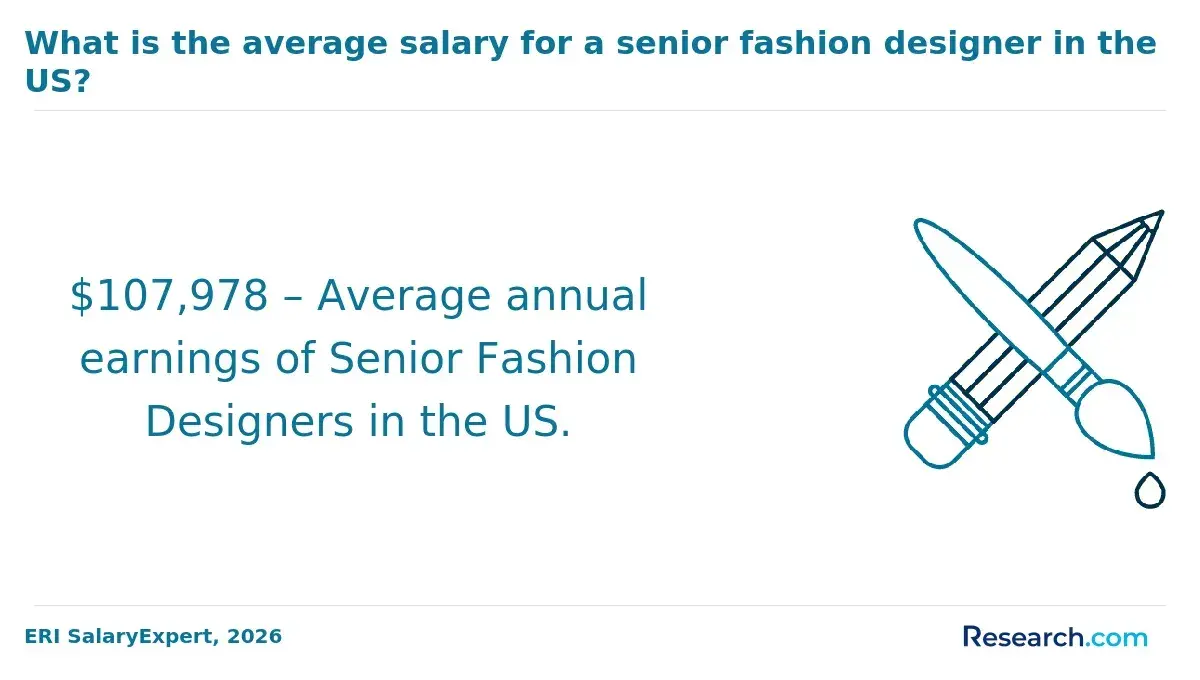
According to the U.S. Bureau of Labor Statistics, graphic designers earn a median annual pay of around $59,000. Actual earnings vary by location, experience, specialization, employer type, portfolio strength, and whether a designer works as an employee, freelancer, or business owner. Designers who move into digital marketing, UI/UX design, art direction, or brand strategy may have different earning potential, but no course or degree can guarantee a salary.
- Beginner-Friendly Graphic Design Courses and Degree Programs for 2027
- How Long Graphic Design Courses and Degrees Take
- Online vs. Campus Graphic Design Programs
- Typical Costs for Graphic Design Courses and Degrees
- Financial Aid for Graphic Design Students
- Common Admission Requirements
- Courses You Can Expect in a Graphic Design Program
- Graphic Design Concentrations and Specializations
- Advanced Education and Certifications
- How to Choose the Right Graphic Design Program
- Career Paths After Graphic Design Training
- Accelerated Graphic Design Degrees
- Graphic Design Job Market Outlook
- Design Trends Affecting the Field
- Student Support Services
- Challenges in a Graphic Design Career
- Accreditation and Industry Partnerships
- Professional Development for Designers
- Additional Graphic Design Certifications
- Is a Graphic Design Degree Worth the Cost?
- Building a Strong Graphic Design Portfolio
- Internships and Practical Projects
Beginner-Friendly Graphic Design Courses and Degree Programs for 2027
How Research.com evaluates schools
A graphic design degree can be a major financial commitment, so a ranking should help students compare programs with transparency rather than rely on name recognition alone. Research.com prepared this list using institutional and program information from recognized education data sources.
The ranking draws on the IPEDS database, Peterson’s database including the Distance Learning Licensed Data Set, the College Scorecard database, and the National Center for Education Statistics. You can review the broader evaluation process in the Research.com methodology section.
1. Bellevue University
Bellevue University offers a fully online Bachelor of Arts in Graphic Design for students who need a flexible route into design study. The program emphasizes visual communication, critical thinking, and the design process, while giving students experience with Adobe Creative Suite. Coursework is designed to help students produce a professional portfolio that can be used when applying for creative roles or freelance projects.
- Program Length: 4 years
- Tracks/concentrations: N/A
- Cost per Credit: $449
- Required Credits to Graduate: 127
- Accreditation: Higher Learning Commission
2. Southern New Hampshire University
Southern New Hampshire University offers a Bachelor of Arts in Graphic Design and Media Arts made up of 40 courses, with students able to transfer up to 90 credits. The curriculum focuses on developing concepts, improving design presentations, using current design technologies, collaborating across disciplines, and applying imagery ethically and sensitively. Students also study media and messaging so they can connect visual decisions to communication goals.
- Program Length: 4 years
- Tracks/concentrations: User Experience Design; Web Design
- Cost per Credit: $330
- Required Credits to Graduate: 120
- Accreditation: New England Commission of Higher Education (NECHE)
3. University of Florida
The University of Florida offers a Bachelor of Arts in Graphic Design that prepares students for communication design roles. The program covers design processes, concept development, visual systems, professional practice, collaboration, and current technologies. Students work toward a portfolio intended to support entry-level employment in the design field.
- Program Length: 4 years
- Tracks/concentrations: N/A
- Cost: $28,600 for the entire program
- Required Credits to Graduate: 120
- Accreditation: National Association of Schools of Art and Design
4. Arizona State University
Arizona State University offers a Bachelor of Science in Design (BSD) with a Graphic Design major in online and on-campus formats. The program teaches strategic visual communication through research, analysis, planning, and design development. Students learn to create visual solutions for design problems that may be local, regional, national, or global in scope.
- Program Length: 4 years
- Tracks/concentrations: N/A
- Cost: $13,353 per year (in-state resident); $35,079 per year (out-of-state resident)
- Required Credits to Graduate: 120
- Accreditation: National Architectural Accrediting Board
5. Regent University
Regent University provides an online Bachelor of Fine Arts in Graphic Design that combines design fundamentals with a Christian perspective. Students study subjects such as digital photography, illustration, web design, corporate branding, art history, and contemporary design technology. The program also emphasizes portfolio development and faculty guidance.
- Program Length: 4 years
- Tracks/concentrations: N/A
- Cost per Credit: $665 (on-campus); $395 (online)
- Required Credits to Graduate: 120
- Accreditation: Council for Accreditation of Counseling and Related Educational Programs (CACREP)
6. Rasmussen University
Rasmussen University offers an online Graphic Design Associate’s Degree that introduces students to digital photography, image editing, web design fundamentals, and portfolio development. The program also prepares students to sit for industry-recognized certifications, including the Adobe Certified Associate in Visual Communication using Photoshop and the Adobe Certified Associate in Digital Video using Premiere Pro.
- Program Length: 18 months
- Tracks/concentrations: N/A
- Cost: $31,651 (for the entire program)
- Required Credits to Graduate: 91
- Accreditation: Higher Learning Commission
7. Liberty University
Liberty University offers a residential Bachelor of Fine Arts in Graphic Design. Students use advanced creative tools and equipment, including software for character creation, 3D modeling, and virtual reality. The program also includes study-abroad opportunities in cities such as Paris and London, and students may transfer up to 75% of their total degree credits.
- Program Length: 4 years
- Tracks/concentrations: N/A
- Cost per Credit: $390 (full time); $455 (part-time); $250 (military)
- Required Credits to Graduate: 120
- Accreditation: Southern Association of Colleges and Schools Commission on Colleges (SACSCOC)
8. Grand Canyon University
Grand Canyon University offers a Bachelor’s in Advertising and Graphic Design in online and on-campus formats. The curriculum covers images, typography, textures, color, production methods, photography, illustration, emerging technologies, advertising concepts, and design execution. Students may transfer up to 90 credits toward the degree.
- Program Length: 4 years
- Tracks/concentrations: N/A
- Cost per Credit: $485
- Required Credits to Graduate: 120
- Accreditation: Higher Learning Commission
9. California Baptist University
California Baptist University offers a Bachelor of Arts in Graphic Design and Visual Experience that blends graphic design, experience design, emerging media, 3D, animation, and motion design. Students complete hands-on projects while developing critical and creative thinking skills. The program also incorporates a Christian worldview and asks students to consider ethics and purpose in their design practice.
- Program Length: 4 years
- Tracks/concentrations: Graphic Design; Illustration; Motion Design; Photography; Visual Experience Design
- Cost: $1,503 (per unit)
- Required Credits to Graduate: 120
- Accreditation: Western Association of Schools and Colleges Senior College and University Commission (WSCUC)
10. Full Sail University
Full Sail University offers a Graphic Design Associate of Applied Science program that is primarily campus-based, with select online courses. The program is designed to support students interested in continuing into the Visual Arts Bachelor of Science Completion program. Coursework includes print, packaging, interface design, digital publishing, interactive media, web design, critique, communication, and career readiness.
- Program Length: 52 weeks
- Tracks/concentrations: N/A
- Cost per Credit: $579
- Required Credits to Graduate: 62
- Accreditation: Accrediting Commission of Career Schools and College (ACCSC)
How long does it take to complete graphic design courses or degrees?
The timeline depends on the credential, course load, transfer credits, and whether the program is self-paced, accelerated, or term-based. Short courses can help you learn one tool or skill quickly, but degrees usually provide broader training and more portfolio development.
| Credential type | Typical timeline | Best for | Trade-off |
| Certificate program | As little as six months | Students who want focused training in software, branding, web design, or another specific skill | May not provide the same depth, general education, or employer recognition as a degree |
| Associate degree | About two years of full-time study | Students who want an affordable starting point and a foundation in design | May qualify graduates for entry-level work but can be less comprehensive than a bachelor’s degree |
| Bachelor’s degree | Generally four years of full-time enrollment | Students seeking a more complete design education, broader portfolio, and structured career preparation | Requires more time and usually a larger financial investment |
An associate program can be a practical starting point for students comparing shorter degree options. Research.com also explains why some students view an associate credential as the easiest associate degree to get when they want a lower-commitment path into higher education.
- Enrollment status matters. Part-time students usually take longer, while full-time students move through requirements faster.
- Transfer credits can shorten the timeline. Previously completed college courses may reduce the number of credits you need.
- Program format affects pacing. Some online and accelerated programs allow faster completion, while cohort-based programs follow a fixed schedule.
- Personal obligations can slow progress. Work hours, caregiving, and freelance commitments can affect how many courses you can complete each term.
How do online graphic design programs compare with on-campus programs?
Online and campus-based graphic design programs can cover similar academic content, but the learning experience differs. The right format depends on your schedule, budget, learning style, and need for in-person studio access.
| Factor | Online graphic design programs | On-campus graphic design programs |
| Flexibility | Usually better for working adults, parents, and students who need asynchronous coursework. A graphic design online school may allow students to study without relocating. | Better for students who prefer scheduled classes and direct accountability. |
| Studio experience | Often relies on digital submissions, recorded lessons, video critiques, and remote collaboration. | May provide easier access to studios, printers, labs, and face-to-face critiques. |
| Peer interaction | Communication happens through discussion boards, video meetings, shared files, and messaging platforms. | Students can collaborate in person and receive immediate feedback during studio sessions. |
| Cost considerations | May reduce commuting, relocation, and housing expenses, though software and equipment costs still apply. | May include higher campus-based fees, transportation, and housing costs depending on the school. |
| Best fit | Self-directed learners who can manage deadlines and seek feedback proactively. | Students who benefit from structured studio time and in-person creative communities. |
What is the average cost of graphic design courses and degree programs?
The cost of learning graphic design varies widely by institution type, degree level, delivery format, residency status, software requirements, and how many credits you transfer. Students comparing programs should look at total cost, not just tuition per credit. If your goal is to become a graphic designer, your budget should include the cost of building a portfolio, maintaining software access, and upgrading hardware when needed.
Common cost benchmarks
- Public institutions: In-state students pursuing a bachelor’s degree in graphic design at public universities can expect to pay approximately $325 per credit hour for traditional, in-person instruction. Online courses at these institutions may be slightly higher, averaging around $341 per credit hour, according to the information shared by the Education Data Initiative.
- Private institutions: Private university tuition is often higher. For example, the University of Florida offers an online graphic design program costing approximately $15,501.60, while the Savannah College of Art and Design's program can cost up to $150,800.
Cost factors students often overlook
- Application and enrollment fees: Students trying to reduce upfront costs may want to compare traditional and online colleges no application fee options when they are applying to several schools.
- Residency rules: Public universities may charge out-of-state students much more than in-state students.
- Software: Design students often need Adobe Creative Cloud or similar tools. A subscription to Adobe Creative Cloud can range from $20 to $80 per month.
- Hardware: A reliable computer, external storage, drawing tablet, color-calibrated monitor, or printer access may be necessary depending on the coursework.
- Time to completion: A longer program can increase total tuition, fees, and opportunity cost.
- Transfer policies: Generous transfer credit rules can lower total cost, while restrictive policies can make a program more expensive than it first appears.
What financial aid options are available for graphic design students?
Graphic design students may be able to use the same major financial aid options available to other eligible college students. Undergraduate students received an average of $16,590 per full-time equivalent (FTE) in financial aid. Graduate students, on average, received $28,730 per FTE. Aid availability depends on the school, program level, enrollment status, financial need, academic record, and eligibility rules.
- Federal and state financial aid: Students can submit the Free Application for Federal Student Aid (FAFSA) to be considered for federal grants, such as Pell Grants, and direct loans, including subsidized and unsubsidized loans. State grants and scholarships may also be available based on residency and program rules.
- Scholarships: Some awards are intended for students in art, design, fashion, media, or creative fields. Examples include the Saatchi Diversity Scholarship, which offers $10,000, and the FSF Case Study Scholarship, which provides $7,500 to eligible students.
- Federal Work-Study: The Federal Work-Study program allows eligible students with financial need to earn money through part-time employment. Federal allocations for FWS amounted to approximately $1.23 billion.
- Education tax benefits: The American Opportunity Tax Credit (AOTC) and Lifetime Learning Credit (LLC) may reduce tax liability for qualifying students or families.
- Private loans: Private loans can help fill funding gaps, but they often have higher interest rates and fewer borrower protections than federal loans.
| Financial aid question | Why to ask before enrolling |
| Is this program eligible for federal financial aid? | Not every course, certificate, or institution qualifies for federal aid. |
| Can online students receive the same aid as campus students? | Some institutional scholarships or fees may differ by delivery format. |
| Are art supplies, software, and hardware included in the cost of attendance? | Including these expenses may affect how much aid you can use for required materials. |
| What happens if I attend part time? | Enrollment status can change aid eligibility and disbursement amounts. |
What are the admission requirements for easy graphic design courses and degrees?
Admission requirements vary by school and credential level. Short noncredit courses may have minimal requirements, while associate and bachelor’s programs usually require formal admission documents. Some design programs also review creative work before admitting students to the major.
- High school diploma or equivalent: Most degree programs require a high school diploma or GED.
- Basic computer skills: Students should be comfortable with file management, internet tools, email, and standard software before starting design coursework.
- Portfolio submission: Some programs ask applicants to submit drawings, digital art, design samples, photography, or other creative work.
- Introductory art or design courses: Certain schools may require foundational coursework before students enter advanced studio classes.
- Design software access: Students may need Adobe Creative Suite or related tools. Some institutions, such as the University of Florida, may provide more affordable access through institutional discounts.
- Technology requirements for online study: Online students need a dependable computer, stable internet connection, and the ability to upload large design files.
Students interested in creative careers that combine visual work with human services may also explore how to earn an art therapy degree and become an art therapist.
What courses are usually included in graphic design programs?
Graphic design curricula differ, but most programs combine foundational visual principles with digital production and professional practice. The best beginner-friendly programs sequence courses so students build confidence before taking on complex campaigns, interfaces, or brand systems.
| Course area | What students learn | How it supports a portfolio |
| Design fundamentals | Color theory, composition, hierarchy, balance, contrast, and visual problem-solving | Shows that work is based on design decisions, not decoration alone |
| Drawing and illustration | Sketching, concept development, image-making, and digital illustration techniques | Adds original visual assets and demonstrates creative range |
| Digital imaging | Photo editing, compositing, image preparation, and software workflows in tools such as Photoshop and Illustrator | Supports advertising, social media, editorial, and brand projects |
| Typography | Type selection, spacing, hierarchy, readability, and expressive text treatment | Improves logos, posters, websites, publications, and identity systems |
| Web design | Layouts, responsive design concepts, UI basics, and user-centered thinking. Students interested in this area may also compare a UI UX design degree online. | Creates digital samples for websites, landing pages, and interface mockups |
| Motion graphics | Animation principles, video design, transitions, and moving visual systems | Adds dynamic work for social media, advertising, and multimedia roles |
| Branding and identity | Logo systems, color palettes, typography systems, brand guidelines, and campaign consistency | Demonstrates strategic thinking and real-world client-style work |
| Professional practice | Portfolio presentation, client communication, critique, pricing basics, and career preparation | Helps students explain their process and present work professionally |
What graphic design specializations can students choose?
Specializations help students move beyond general design and prepare for specific types of work. Choosing a concentration is useful when it matches your career goal, but beginners should first build a solid base in typography, layout, visual hierarchy, and digital tools.
- Web design: Focuses on visual layouts, navigation, user-friendly interfaces, and digital presentation.
- Typography: Develops advanced skill in type selection, spacing, lettering, hierarchy, and expressive communication through text.
- Motion graphics: Applies design principles to animation, video, social media, and multimedia storytelling.
- Branding and identity design: Builds logos, visual systems, style guides, marketing materials, and brand consistency.
- Illustration: Emphasizes original artwork for books, advertising, digital media, packaging, and editorial use.
- User experience (UX) design: Connects visual design to usability, accessibility, research, and digital product interactions.
- Environmental graphic design: Applies visual communication to physical spaces such as signage, wayfinding, exhibitions, and branded environments.
How can advanced education and certifications strengthen a graphic design career?
Advanced education and certifications are most useful when they fill a specific skill gap or support a clear career move. A designer who wants to lead creative teams may benefit from graduate study in design strategy, while a working designer who needs a faster update may choose a certificate in motion graphics, UX, branding, or software. For designers considering senior roles, Research.com outlines potential careers to pursue with a graphics design masters degree.
| Option | When it makes sense | When to be cautious |
| Short certification | You need a specific tool or skill quickly, such as Adobe software, UX basics, or motion graphics. | You expect a short credential alone to replace a strong portfolio. |
| Bachelor’s degree | You want structured training, broad design foundations, general education, and more time to build a portfolio. | You already have strong experience and only need targeted upskilling. |
| Master’s degree | You want advanced study, teaching preparation, leadership roles, or specialization in design research or strategy. | You have not compared tuition, opportunity cost, and likely career benefit. |
How should you choose the easiest graphic design course or degree program?
Do not choose a program only because it looks easy. Choose one that is accessible, credible, affordable, and strong enough to help you build professional-level work. Entering 2025, approximately 54% of students chose online-only or hybrid programs, citing the integration of professional development and schedule autonomy as their primary motivations, reflecting a stabilized preference for flexible delivery models.
- Review the curriculum carefully. Confirm that the program covers typography, layout, image editing, branding, digital design, portfolio development, and professional practice.
- Check accreditation. Accreditation can affect credit transfer, financial aid eligibility, and employer confidence in the institution.
- Look at instructor experience. Faculty with professional design backgrounds can provide more relevant critique and career guidance.
- Compare total cost. Include tuition, fees, software, supplies, hardware, and time to completion. Students planning future graduate study may also compare cheap online master's programs.
- Evaluate specialization options. If you want to work in UX, motion design, branding, or web design, make sure the program includes relevant coursework.
- Ask about career services. Portfolio reviews, internship support, employer connections, and freelance guidance can be especially valuable in a competitive field.
- Choose the format that fits how you learn. Online programs reward self-discipline; campus programs may provide more immediate studio interaction.
Questions to ask before enrolling
| Question | What a strong answer should clarify |
| Will I graduate with a complete portfolio? | The program should identify portfolio courses, capstone projects, and review opportunities. |
| Which software is required? | The school should explain required tools, student discounts, and technical specifications. |
| Can I transfer credits? | Admissions should tell you how many credits may apply and whether design courses are accepted. |
| Are internships available or required? | The program should describe employer connections, internship processes, and alternatives for online students. |
| What career outcomes do graduates pursue? | The school should discuss realistic roles, not imply guaranteed employment or earnings. |
What career paths are available after graphic design training?
Graphic design training can lead to creative, technical, and strategic roles. Some paths overlap with digital marketing, product design, and business communication, and certain roles may also appear among highest paying business jobs depending on industry, seniority, and specialization.
- Graphic designer: Creates visuals for advertisements, brochures, websites, social media, packaging, publications, and campaigns.
- Web designer: Designs website layouts and digital experiences, often combining visual design with basic knowledge of web tools and user experience principles.
- Art director: Guides the visual direction of campaigns, publications, media projects, or brand systems and often supervises designers or creative teams. This role can be one of the best jobs for graphics design masters degree holders when paired with strong experience.
- Brand identity designer: Develops logos, color systems, typography rules, brand guidelines, and marketing assets that keep a company’s visual presence consistent.
- User experience (UX) designer: Improves digital products by focusing on usability, accessibility, research, information architecture, and interface design.
Students comparing “easy” majors sometimes look beyond design and ask, “is early childhood education an easy major?” That kind of comparison can be helpful, but the better decision point is fit: choose a field where the day-to-day work, required skills, and career path match your strengths.
Can accelerated graphic design degree programs fast-track your career?
Accelerated programs can shorten the time between enrollment and graduation, but they are not automatically easier. They usually compress coursework into faster terms, which can mean heavier weekly workloads and less time for revision. They work best for organized students with transfer credits, a clear schedule, and enough time to complete creative projects carefully. Students interested in faster completion models can compare broader accelerated degree programs.
What is the job market for graphic design graduates?
According to the U.S. Bureau of Labor Statistics, employment for graphic designers is projected to grow by 2% through 2033, which is slower than the average for all occupations. Even with modest growth, the field is expected to have approximately 21,100 job openings for graphic designers each year over the decade. Many openings are expected to come from workers leaving the occupation or exiting the labor force.
The market is uneven by specialty. Demand tied to traditional print may differ from demand for digital marketing assets, web visuals, interface graphics, branding systems, and content for online platforms. Students can improve their competitiveness by building a versatile portfolio, learning current design tools, practicing critique and revision, and showing that they can solve communication problems rather than simply make attractive visuals.
What graphic design trends are shaping the industry?
Graphic design is being influenced by artificial intelligence-assisted workflows, augmented reality interfaces, interactive media, digital branding systems, accessibility expectations, and faster content production cycles. These trends do not eliminate the need for designers; they raise expectations. Employers and clients increasingly value designers who can combine visual judgment, audience awareness, ethical image use, and technical adaptability. Students seeking quick credential updates in adjacent fields may also compare fast online degrees.
How do student support services improve graphic design education?
Support services can make a major difference, especially for online learners and first-generation college students. Strong advising helps students choose the right course sequence, avoid unnecessary credits, and stay on track. Career services can help with resumes, portfolio reviews, internships, and interview preparation. Technical support is also important because design students depend on software, file uploads, and hardware compatibility. Students seeking aid-eligible online options may compare online schools that take FAFSA.
What challenges should future graphic designers expect?
Graphic design can be rewarding, but it is not a low-effort career. Designers often face tight deadlines, subjective feedback, frequent revisions, competition from other creatives, changing software, and inconsistent freelance income. Client communication can be as important as creativity. Students considering advanced study or career repositioning may also look at flexible graduate formats such as 1 year online masters programs, but additional education should be tied to a clear professional goal.
| Common challenge | How to prepare |
| Competitive entry-level market | Build a focused portfolio with polished work, process notes, and project context. |
| Rapid software changes | Learn design principles deeply so you can adapt across tools. |
| Freelance income variability | Study pricing, contracts, client communication, and basic business operations. |
| Subjective feedback | Practice explaining your design choices and revising work based on objectives. |
| AI-assisted design tools | Use technology responsibly while strengthening concept development and visual judgment. |
How do accreditation and industry partnerships affect your graphic design career?
Accreditation helps students confirm that a college meets recognized academic standards. It can also matter for federal financial aid eligibility, credit transfer, and graduate school admission. Industry partnerships can add value when they lead to internships, mentorship, live client projects, portfolio reviews, or networking opportunities. Students exploring related creative options can review broader career pathways related to arts.
What are common mistakes when choosing an easy graphic design program?
- Choosing the cheapest option without checking accreditation. Low tuition is not enough if credits do not transfer or the program is not recognized.
- Assuming online always means easier. Online design programs still require deadlines, critiques, software practice, and self-discipline.
- Ignoring portfolio quality. A credential helps, but weak work samples can limit job and freelance opportunities.
- Focusing only on software. Software skills matter, but employers also look for typography, layout, strategy, and problem-solving.
- Underestimating extra costs. Software subscriptions, hardware, printing, storage, and supplies can increase total expenses.
- Relying only on rankings. Rankings can narrow your search, but the right program should fit your budget, schedule, goals, and learning style.
- Assuming salary outcomes are guaranteed. Earnings depend on market, specialization, experience, portfolio strength, and employment type.
How can designers continue professional development?
Graphic designers need ongoing learning because tools, client expectations, and media formats change quickly. Professional development may include webinars, workshops, design conferences, online courses, portfolio critiques, mentorship, professional associations, and collaborative projects. Designers who want structured credentials in flexible formats can also explore certifications you can get online that pay well.
What additional certifications can strengthen graphic design skills?
Certifications are most valuable when they prove skill in a tool or specialty that appears in job postings or client demand. Adobe-focused credentials, UX certificates, motion graphics boot camps, web design certificates, and digital marketing credentials can complement a degree. Students looking for very short academic pathways sometimes compare options such as the best associate degree in 6 months online, but they should verify whether a fast program provides enough design practice to be useful.
Is a graphic design degree a sound financial investment?
A graphic design degree can be worth the cost when it helps you build a strong portfolio, access feedback, qualify for internships, learn current tools, and enter the market with practical work samples. It may be less worthwhile if the program is expensive, offers little critique, lacks career support, or does not improve your portfolio. Students trying to reduce time and cost may compare accelerated online degrees, but speed should not come at the expense of portfolio quality.
| A degree may be worth it if... | A shorter course may be better if... |
| You are new to design and need structured foundations. | You already have a degree or work experience and only need one technical skill. |
| You want access to faculty critique, internships, and career services. | You are testing whether graphic design is a good fit before committing to a degree. |
| You need a credential for employer screening or future graduate study. | You plan to freelance and can build a strong portfolio through targeted projects. |
| You can manage the cost with grants, scholarships, transfer credits, or employer support. | The degree would require high debt without clear career benefit. |
How can you build a standout graphic design portfolio?
A strong portfolio should show your best work, your design process, and your ability to solve real communication problems. Avoid filling it with every assignment you have completed. Select polished projects that demonstrate range and relevance: branding, typography, digital campaigns, web layouts, packaging, editorial work, motion graphics, or UX-related visuals. Working adults who need affordable education options while building a portfolio can compare cheap online universities for working adults.
- Show context. Explain the audience, problem, constraints, and goal for each project.
- Include process work. Sketches, mood boards, wireframes, and iterations help employers see how you think.
- Prioritize quality over quantity. A smaller set of polished projects is stronger than a large collection of uneven work.
- Tailor the portfolio to your goal. A branding portfolio should look different from a UX, motion, or illustration portfolio.
- Update regularly. Remove older work that no longer reflects your current skill level.
How can internships and hands-on projects boost a graphic design career?
Internships and real projects help students move from classroom exercises to professional expectations. They teach communication, deadlines, revision cycles, file preparation, client feedback, and collaboration. They also provide portfolio pieces with clearer real-world context. While unrelated short-term credentials such as healthcare certifications that pay well can serve different career goals, graphic design students should prioritize practical creative projects that align directly with design work.
References
- Korhonen, V. (2024, December 5). Leading reasons for online college selection among students in the United States. Statista. Retrieved January 10, 2025.
- SSA. (2024). National average wage index. The United States Social Security Administration. Retrieved January 9, 2025.
- U.S. BLS. (2024, August 29). Graphic designers: Work environment. U.S. Bureau of Labor Statistics. Retrieved January 9, 2025.
- U.S. BLS. (2024, August 29). Occupational outlook handbook: Graphic designers. U.S. Bureau of Labor Statistics. Retrieved January 8, 2025.
- U.S. BLS. (2024, August 29). Graphic designers: Job outlook. U.S. Bureau of Labor Statistics. Retrieved January 10, 2025.
Key Insights
- The “easiest” graphic design program should mean beginner-friendly, well-structured, and practical—not low-quality or effortless.
- Certificate programs can take as little as six months, associate degrees usually take about two years, and bachelor’s degrees generally take four years of full-time study.
- Graphic designers earn a median annual pay of around $59,000, but income depends heavily on portfolio quality, specialization, location, experience, and employment type.
- Employment for graphic designers is projected to grow by 2% through 2033, with approximately 21,100 openings expected each year over the decade.
- Online programs can be a strong fit for self-directed learners, while campus programs may provide more studio access and in-person critique.
- Before enrolling, compare accreditation, total cost, portfolio support, transfer credits, software requirements, career services, and internship opportunities.
- A strong portfolio is the most important career asset. Choose a program that helps you create polished, relevant, critique-informed work.
Other Things You Should Know About the Easiest Graphic Design Courses and Degree Programs
Popular online platforms for easy graphic design courses in 2027 include Coursera, Udemy, and Skillshare. These platforms offer a variety of beginner-friendly courses that cover essential graphic design skills and software, providing flexibility for learners to progress at their own pace.
Eligibility criteria for graphic design courses in 2026 typically include a high school diploma or equivalent. Some programs may require a portfolio showcasing basic design skills and creativity, while others might prioritize candidates with strong artistic aptitude.


