
2027 Most Affordable Online Humanities Degree Programs

Co-Founder and Chief Data Scientist
Choosing an affordable online humanities degree is not only a question of tuition. It is a decision about flexibility, transfer credits, writing-intensive coursework, career preparation, and whether the program helps you turn broad liberal arts skills into marketable experience. Online study can work well for adults, transfer students, military learners, parents, and working professionals, but it also requires discipline because many courses rely on independent reading, discussion boards, long-form writing, and self-managed deadlines.
The career picture is also mixed. Humanities graduates often enter competitive fields, and earnings can vary widely by industry, location, experience, and whether the graduate adds technical, teaching, legal, policy, or management skills. The median salary for liberal arts and humanities majors was around $66,000 in 2024, while computer science majors earned around $100,000. Still, humanities programs develop communication, ethical reasoning, research, cultural analysis, and empathy—skills employers continue to value when graduates can show clear evidence of them through portfolios, internships, writing samples, and work experience.
This guide explains what to expect from an online humanities degree, how much it may cost, which affordable programs to compare, what careers are realistic, and how to improve your return on investment before you enroll.
Quick answer: Is an affordable online humanities degree worth it?
An affordable online humanities degree can be worth it if you choose an accredited program, keep borrowing low, use transfer credits when possible, and pair the degree with career-focused experience such as internships, writing samples, research projects, digital tools, teaching credentials, or graduate preparation. It is usually a better fit for students who want flexible study and careers in education, communications, public service, nonprofit work, publishing, cultural institutions, law preparation, policy, or people-centered business roles.
It may not be the best standalone choice if your main goal is a clearly defined technical job with high starting pay and minimal additional training. In that case, you may want to combine humanities coursework with marketable skills in data analysis, technical writing, UX research, digital media, project management, or education licensure.
What are the main benefits of earning an affordable online humanities degree?
- Graduates can prepare for work in education, publishing, communications, law-related fields, nonprofit administration, public service, cultural organizations, human resources, and user experience design.
- The median salary for online humanities degree majors is around $66,000, although earnings may be higher in areas such as law, technical communication, media leadership, or management.
- Online programs can reduce total expenses by removing campus housing, relocation, and commuting costs, especially when students qualify for in-state tuition or transfer credit.
- Humanities coursework builds transferable skills: close reading, clear writing, argumentation, research, cultural understanding, ethical judgment, and interpretation of complex information.
- The degree can serve as a foundation for graduate or professional study in education, law, library science, public administration, theology, communication, or interdisciplinary fields.
What can I expect from an affordable online humanities degree?
An affordable online humanities degree usually provides a broad liberal arts education with coursework in areas such as history, literature, philosophy, ethics, cultural studies, religion, writing, art, and global civilizations. Instead of training students for one narrow occupation, these programs help learners understand human ideas, institutions, texts, values, and cultural change. The practical value comes from the skills students repeatedly practice: reading difficult material, building evidence-based arguments, writing clearly, interpreting context, and discussing complex social issues.
Most online humanities programs are designed to match the academic expectations of campus-based degrees. Students should expect substantial reading, essays, discussion participation, research assignments, presentations, and capstone-style projects. The format may be asynchronous, synchronous, or a mix of both. Asynchronous courses offer more scheduling freedom, while live online sessions provide more real-time interaction with instructors and classmates.
Affordability depends on the school, residency status, transfer credits, fees, and financial aid. Public universities, community colleges with transfer pathways, and accredited online institutions often provide lower-cost options. Tuition for these programs can range from $7,000 to $15,000 per year, though students should also budget for books, technology fees, internet access, transcript fees, and possible proctoring costs.
Online humanities degrees are part of a larger shift toward flexible education. Students comparing liberal arts options may also look at career-focused online pathways, such as affordable online dental assistant to hygienist programs, to understand how different fields use online delivery to help learners upgrade credentials while managing work and family responsibilities.
| What to evaluate | Why it matters | What to look for |
| Accreditation | Accreditation affects credit transfer, graduate school eligibility, employer recognition, and federal financial aid access. | A recognized institutional accreditor and clear accreditation information on the school website. |
| Transfer policy | Humanities students often bring prior general education or community college credits. | Published transfer limits, prior learning options, and advisor review before enrollment. |
| Career preparation | A broad degree needs evidence of workplace readiness. | Internships, portfolios, writing-intensive projects, career coaching, alumni support, and applied electives. |
| Delivery format | Online flexibility varies by program. | Asynchronous coursework if you need maximum flexibility; live sessions if you want structured interaction. |
| Total cost | Tuition alone does not show the full price. | Fees, textbooks, residency rules, financial aid, transfer credits, and time to completion. |
Where can I work with an affordable online humanities degree?
A humanities degree can lead to roles in industries where communication, interpretation, research, audience awareness, and judgment matter. Common fields include education, public relations, journalism, publishing, marketing, nonprofit work, government, museums, archives, libraries, human resources, and corporate communications. Graduates who can show strong writing samples, research experience, digital communication skills, or subject-matter expertise are often better positioned than those who rely on the degree title alone.
Some graduates use the degree as a stepping stone rather than a terminal credential. They may pursue teacher certification, law school, library science, public administration, counseling-related pathways, theology, technical writing, or graduate-level humanities study. Others move into corporate roles where employers need people who can explain information clearly, manage relationships, support training, write policies, or communicate across diverse teams.
How much can I make with an affordable online humanities degree?
Early-career humanities graduates often earn between $40,000 and $60,000 annually, depending on role, employer, location, experience, and industry. Data from the BLS suggest that the median salary for humanities majors is $66,000. Higher-paying options may include technical writing, public relations, management, law-related work, higher education administration, media leadership, and specialized communication roles.
Income growth usually depends on how graduates build on the degree. Experience, supervisory responsibility, graduate education, certifications, digital skills, and strong portfolios can improve access to higher-paying work. Moving into fields such as law, user experience design, higher education administration, or management can lead to salaries of $70,000 to $100,000 or more. Students who want stronger earnings potential should look for programs that include internships, applied projects, professional writing, digital humanities, research methods, or elective space for technical and business skills.
| Career strategy | How it can improve outcomes | Best for |
| Add a writing or communication portfolio | Gives employers proof of editing, research, storytelling, and audience-focused writing ability. | Students targeting publishing, media, public relations, technical writing, or content roles. |
| Use internships or project-based courses | Turns broad academic skills into job experience. | Students without professional experience in their target field. |
| Combine humanities with digital skills | Can support work in UX research, digital media, documentation, archives, and online content. | Students who want people-centered technology or communication roles. |
| Prepare for licensure or graduate school | Can open teaching, law, library science, counseling-adjacent, or administrative pathways. | Students with a defined professional goal beyond the bachelor's degree. |
- Most Affordable Online Humanities Degree Programs for 2027
- How long does it take to complete a humanities program?
- How does an online humanities compare to an on-campus program?
- What is the average cost of a humanities program?
- What are the financial aid options for students enrolling in a humanities program?
- What are the prerequisites for enrolling in a humanities program?
- What courses are typically in a humanities program?
- What types of specializations are available in humanities programs?
- How can you verify the quality and accreditation of online humanities programs?
- What are emerging trends in online humanities education?
- Should I pursue an advanced degree after my online humanities program?
- Can an online humanities degree deliver a strong return on investment?
- How to choose the best humanities program?
- What career paths are available for graduates of humanities programs?
List of Most Affordable Online Humanities Degree Programs for 2027
How do we rank schools?
A college degree can be a major financial commitment, so this ranking focuses on affordable online humanities options using transparent information and data-informed review. Our research methodology draws from established sources, including the IPEDS database, Peterson’s database, including its Distance Learning Licensed Data Set, the College Scorecard database, and the National Center for Education Statistics.
Use the list below as a starting point, not as the only deciding factor. Before applying, confirm tuition, residency rules, transfer-credit limits, online course availability, graduation requirements, and whether the program includes career support that matches your goals.
1. Florida International University Bachelor of Arts in Humanities
Florida International University offers a fully online BA in Humanities that studies human culture through areas such as literature, philosophy, history, and the arts. The program is built around interpretation, critical inquiry, communication, and cultural understanding, making it suitable for students considering graduate study or broad career pathways. Electives allow learners to shape part of the degree around their interests.
- Tuition: Approximately $7,185 per year (in-state)
- Cost Per Credit: $205 (in-state)
- Online Bachelor's in Humanities Programs: 120 credits
- Program Length: 4 years
2. University of Missouri–St. Louis Bachelor of Liberal Studies
The University of Missouri–St. Louis provides an online Bachelor of Liberal Studies for students who want an interdisciplinary degree plan. Learners can combine humanities courses with social science and other academic areas, creating a curriculum that reflects their professional interests. Academic advisors help students organize a plan that fits graduation requirements and career direction.
- Tuition: Approximately $9,645 per year (in-state)
- Cost Per Credit: $321 (in-state)
- Online Bachelor's in Humanities Programs: 120 credits
- Program Length: 4 years
3. University of Central Florida BA in Humanities and Cultural Studies
UCF offers an online BA in Humanities and Cultural Studies that examines how people and societies create meaning through literature, philosophy, history, art, and cultural expression. Students strengthen analytical and interpretive skills that can support work in education, public service, communication, or further academic study. The curriculum allows exploration of multiple cultural traditions and forms of expression.
- Cost Per Credit: $212.28 (in-state)
- Online Bachelor's in Humanities Programs: 120 credits
- Program Length: 4 years
4. University of Louisiana at Monroe BA in History
The University of Louisiana at Monroe offers an online BA in History with study in American, European, and non-Western history. Students practice research, writing, source evaluation, and historical interpretation—skills that can apply to education, public agencies, museums, archives, policy-related work, or graduate school.
- Cost Per Credit: $400
- Online Bachelor's in Humanities Programs: 120 credits
- Program Length: 4 years
5. University of Illinois at Springfield BA in Liberal Studies
UIS offers an online BA in Liberal Studies for students who want a customizable interdisciplinary program. The degree emphasizes communication, critical thinking, and problem-solving while allowing students to connect coursework to personal interests and career plans.
- Cost Per Credit: $305
- Online Bachelor's in Humanities Programs: 120 credits
- Program Length: 2 years
6. Utah State University BA in Liberal Arts
Utah State University offers an online BA in Liberal Arts that brings together humanities, arts, and social science coursework. The program develops communication, critical thinking, and cultural awareness, and it includes foreign language proficiency to broaden students’ global perspective.
- Cost Per Credit: $394
- Online Bachelor's in Humanities Programs: 120 credits
- Program Length: 4 years
7. University of Minnesota–Crookston BA in Liberal Arts
The University of Minnesota–Crookston offers an online BS in Applied Studies that lets students build a flexible academic plan using coursework from several disciplines, including the humanities. The program may be especially useful for transfer students who want to apply previous credits toward a broad degree with multiple career applications.
- Tuition: Approximately $45,000
- Cost Per Credit: $375
- Online Bachelor's in Humanities Programs: 120 credits
- Program Length: 3-4 years
8. University of Wisconsin–Oshkosh BA in Liberal Arts
UW Oshkosh offers an online Bachelor of Liberal Studies that blends coursework across disciplines with an emphasis on communication and critical thinking. The program is designed for learners who may already have college credit and need a flexible route to degree completion. Online student support services are available throughout the program.
- Tuition: Approximately $6,750 per year
- Cost Per Credit: $225
- Online Bachelor's in Humanities Programs: 120 credits
- Program Length: 2–4 years
9. Excelsior College BS in Liberal Arts
Excelsior College offers an online BS in Liberal Arts that emphasizes critical analysis, communication, and ethical decision-making. The program is transfer-friendly, making it a potential fit for students with prior college credit or other eligible learning. Students may pursue a general liberal arts path or select a concentration in Logistics Operations Management.
- Cost Per Credit: $510
- Online Bachelor's in Humanities Programs: 120 credits
- Program Length: 4 years
10. Oregon State University Applied Humanities
Oregon State University offers a fully online Applied Humanities degree for students with some previous college experience. The program emphasizes career-connected humanities study and workplace-relevant skills. Students may also benefit from a completion scholarship covering the last 12 credits, which can help reduce total cost.
- Tuition: Approximately $65,880 total
- Cost Per Credit: $366
- Online Bachelor's in Humanities Programs: 120 credits
- Program Length: 4 years
11. Holy Apostles College and Seminary BA in English in Humanities
Holy Apostles College and Seminary offers an online BA in English in Humanities with career-relevant attention to areas such as speechwriting, legislative aid, and admissions counseling. Students may complete the degree by enrolling in 3 semesters yearly and taking more than 4 courses per semester. The program also permits a double major.
- Tuition: Approximately $47,400 total
- Cost Per Credit: $395
- Online Bachelor's in Humanities Programs: 120 credits
- Program Length: 3-6 years
12. University of Southern Mississippi Bachelor of Arts in Philosophy
The University of Southern Mississippi offers an online Bachelor of Arts in Philosophy that develops analytical reasoning, argumentation, and critical thinking. Students interested in law, education, ethics-focused work, or graduate study may find the curriculum especially relevant. The university supports online learning through a flexible academic environment.
- Tuition: $9,618 per year
- Cost Per Credit: $401
- Online Bachelor's in Humanities Programs: 120 credits
- Program Length: 2-4 years
13. Indiana University BA in English
Indiana University offers an online BA in English focused on technical and professional writing. Students may transfer up to 64 credits, which can make the program more accessible for learners with prior coursework. The curriculum prepares students for writing-centered roles such as documentation specialist, editorial assistant, and communication support positions.
- Tuition: Approximately $30,000
- Cost Per Credit: $257.23-$378.10 (in-state)
- Online Bachelor's in Humanities Programs: 120 credits
- Program Length: 4 years
14. Louisiana State University BA in English
Louisiana State University offers an online English pathway with courses such as poetry, creative writing, and public speaking. Students can transfer up to 75% of degree requirements, allowing significant flexibility for learners with previous college credit. Tuition is not based on residency, which may simplify cost comparisons.
- Tuition: Approximately $39,000 total
- Cost Per Credit: $325
- Online Bachelor's in Humanities Programs: 120 credits
- Program Length: 4 years
15. University of Missouri-Columbia BA in English
The University of Missouri-Columbia offers an online BA in English that accepts up to 60 transfer credits. The program can accommodate part-time learners and requires a minimum 2.5 GPA for admission. Graduates can use the degree for writing, editing, communication, and related professional roles.
- Tuition: Approximately $65,040
- Cost Per Credit: Approximately $542
- Online Bachelor's in Humanities Programs: 120 credits
- Program Length: 4 years
How long does it take to complete an online humanities program?
A typical online humanities bachelor’s degree requires 120 credits and takes 4 years of full-time study. Students with eligible transfer credits, associate degrees, prior learning credit, or accelerated course loads may finish sooner. Some online college courses for seniors and adult-focused programs may also offer accelerated formats that can be completed in as little as 2.5 to 3 years.
Part-time students often need 5 to 6 years, depending on how many courses they take each term and whether the program has time limits for completion. The fastest route is usually available to students who enter with substantial transfer credits and choose a program with frequent start dates, summer terms, and flexible online scheduling.
| Student profile | Likely timeline | What can shorten or extend completion |
| First-time full-time student | 4 years | Course load, summer enrollment, and program sequencing. |
| Transfer student | 2–4 years | Number of accepted credits and remaining major requirements. |
| Part-time working adult | 5 to 6 years | Work schedule, family responsibilities, and term-by-term course availability. |
| Accelerated learner | As little as 2.5 to 3 years | Prior credits, heavier course loads, year-round enrollment, and advisor approval. |
How does an online humanities compare to an on-campus program?
Online and campus-based humanities degrees can be academically comparable when they come from accredited institutions and share the same learning outcomes. The bigger difference is the student experience. Online study offers flexibility, while on-campus study often provides more immediate face-to-face discussion, campus culture, and in-person networking.
- Curriculum and accreditation: Many online humanities programs use the same curriculum standards and faculty expectations as campus programs. The same principle applies in other fields, including affordable online educational policy degree programs, where online and campus formats may follow similar academic requirements.
- Learning environment: Campus students may benefit from live classroom discussion, office hours, library access, and student organizations. Online students usually interact through learning platforms, recorded lectures, forums, video meetings, and digital research tools.
- Networking: On-campus programs may make informal networking easier through events and student groups. Online learners should be more intentional by attending virtual career events, contacting faculty, joining professional associations, and using alumni networks.
- Flexibility: Online programs are often stronger for students balancing employment, caregiving, military service, or location constraints. Campus programs may work better for students who need structured schedules and in-person accountability.
| Format | Best fit | Potential drawback |
| Online humanities degree | Working adults, transfer students, caregivers, rural learners, and students who need flexible scheduling. | Requires self-direction, consistent time management, and proactive networking. |
| On-campus humanities degree | Students who want in-person seminars, campus life, immediate faculty access, and local networking. | May involve commuting, housing, relocation, and less schedule flexibility. |
| Hybrid humanities degree | Learners who want some campus engagement but still need online convenience. | May require travel to campus or attendance at scheduled meetings. |
What is the average cost of a humanities program?
Online humanities degrees can be less expensive than campus programs when students save on housing, transportation, relocation, and some campus-related fees. They may also expand access for students who live far from a university or cannot attend classes in person. However, “online” does not automatically mean “cheap,” so students should compare the full cost of attendance rather than tuition alone.
Flexible degree-completion options such as affordable general studies programs online can offer similar cost advantages for students who want to use previous credits toward a broad bachelor’s degree. When comparing humanities programs, include textbooks, software, technology fees, online learning fees, internet access, and possible exam proctoring charges.
For public universities, in-state tuition for a bachelor’s degree in humanities typically ranges from $7,000 to $15,000 per year. Out-of-state students may pay between $15,000 and $30,000 annually. Private colleges often charge more, with tuition commonly exceeding $30,000 per year.
| Cost category | Why students overlook it | How to control the expense |
| Tuition | Advertised rates may differ for in-state, out-of-state, online, or transfer students. | Ask for a program-specific tuition estimate before applying. |
| Fees | Online, technology, graduation, library, and course fees may be listed separately. | Request the full cost of attendance, not only the per-credit rate. |
| Books and materials | Humanities courses can require many texts. | Check whether courses use library access, used books, rentals, or open educational resources. |
| Extra time in school | Taking additional semesters increases total cost. | Confirm transfer credits and create a term-by-term graduation plan with an advisor. |
| Lost credits | Some credits may transfer as electives but not meet major requirements. | Get an official transfer evaluation before committing. |
What are the financial aid options for students enrolling in a humanities program?
Students in humanities programs may be able to reduce out-of-pocket costs through federal financial aid, institutional scholarships, need-based grants, employer tuition assistance, state aid, payment plans, transfer scholarships, and humanities-specific awards. Always complete the required financial aid forms early and ask each school whether online students qualify for the same scholarships as campus students.
- Beinecke Scholarship Program: This prestigious scholarship provides $34,000 to undergraduate seniors who plan to pursue graduate degrees in the humanities or social sciences. Eligible applicants must attend one of 125 participating universities and show both financial need and academic excellence.
- Humanities Matter Scholarship – University of Arizona: Undergraduate students in humanities majors may apply for this award, which provides $1,500 to the winner and $1,000 to two honorable mentions. Applicants submit an essay addressing the role of the humanities in today’s world.
- Bill McKnight Legacy Scholarship – Pride Foundation: This award supports LGBTQ students studying humanities or liberal arts and provides $2,000 to recipients from Alaska, Idaho, Montana, Oregon, or Washington. Preference goes to residents of Bainbridge Island or Kitsap County, Washington.
- Humanities First Scholarships – University of Washington: Several departmental scholarships support humanities students, including awards such as the Turrell V. Wylie Memorial Scholarship and the Scott H. Swaner Memorial Book Award. These scholarships may consider financial need, academic achievement, or both.
Questions to ask about financial aid
- Do online students qualify for the same institutional scholarships as campus students?
- Can transfer students receive merit aid, completion scholarships, or adult learner awards?
- Will my financial aid cover summer courses if I want to graduate faster?
- How much federal loan debt would I need to complete the degree?
- Are there scholarship deadlines before the general admission deadline?
What are the prerequisites for enrolling in a humanities program?
Admission requirements for online humanities degrees vary by institution, but most programs expect applicants to show readiness for college-level reading, writing, analysis, and online learning. Transfer applicants may need college transcripts in addition to high school records.
- High school diploma or equivalent: Most programs require a high school diploma or GED as proof of foundational academic preparation.
- Minimum GPA requirement: Many schools set a minimum GPA, commonly around 2.5 to 3.0 on a 4.0 scale, to evaluate whether applicants are prepared for college coursework.
- Standardized test scores: Some institutions may request SAT or ACT scores, but many online programs waive testing requirements, especially for adult learners and transfer students.
- English proficiency: Because humanities programs involve extensive reading and writing, non-native English speakers may need TOEFL or IELTS scores.
- Technology requirements: Online students need reliable internet access, a computer, and basic digital skills to use the learning platform, submit assignments, join discussions, and communicate with instructors.
What courses are typically in a humanities program?
Humanities programs study human thought, culture, creativity, history, language, and values. The courses are different from career-specific professional programs, such as an affordable masters in supply chain management online degree, but they can still build workplace-relevant abilities in writing, interpretation, ethics, research, and communication.
- Introduction to Philosophy: Students examine questions about knowledge, reality, morality, reason, and human experience while learning to develop logical arguments.
- World History or Western Civilization: These courses study major civilizations, conflicts, social movements, and political developments to help students understand historical context.
- Literature and Composition: Learners analyze fiction, poetry, drama, and nonfiction while strengthening academic and professional writing skills.
- Ethics or Moral Philosophy: Students compare theories of right and wrong and apply ethical reasoning to personal, social, and professional dilemmas.
- Art History or Visual Culture: These courses interpret art, architecture, images, and visual media within historical and cultural settings.
Humanities coursework also helps explain how Americans think about the arts.
What types of specializations are available in humanities programs?
Many humanities degrees allow students to choose a concentration. A specialization can make a broad degree easier to explain to employers and graduate schools because it shows a clearer academic focus.
- Literature: This concentration examines fiction, poetry, drama, and other written forms across cultures and time periods. Students practice textual interpretation, literary analysis, and writing.
- Philosophy: Philosophy focuses on logic, ethics, metaphysics, political theory, and reasoning. It can be useful for students considering law, policy, public debate, graduate study, or ethics-related work.
- History: A history degree online specialization studies events, movements, people, institutions, and cultures that shaped the modern world. It develops research and source-analysis skills relevant to education, public service, museums, and archives.
- Religious Studies: A theology major or religious studies pathway explores religious traditions, sacred texts, belief systems, ethics, and the role of faith in society. It can support careers in education, ministry-related settings, nonprofit work, counseling-adjacent roles, and community service.
- Cultural Studies: Cultural studies examines how media, language, art, institutions, identity, and power interact. It may appeal to students interested in communication, advocacy, social justice, media analysis, or public-facing work.
| Specialization | Strong match for | Career directions to explore |
| Literature or English | Students who enjoy reading, writing, editing, and interpretation. | Publishing, content writing, editing, education, communications, technical writing. |
| Philosophy | Students who like argumentation, ethics, logic, and complex problem-solving. | Law preparation, policy, education, ethics, nonprofit leadership, graduate study. |
| History | Students interested in evidence, archives, public memory, and historical context. | Teaching, museums, archives, public history, government, research support. |
| Religious Studies or Theology | Students interested in belief systems, texts, ethics, and community life. | Education, nonprofit work, ministry-related settings, counseling-adjacent pathways. |
| Cultural Studies | Students focused on media, identity, culture, power, and social change. | Communications, advocacy, media analysis, DEI-related work, community programs. |
How can you verify the quality and accreditation of online humanities programs?
Start by confirming that the institution holds recognized accreditation. Accreditation matters because it can affect federal financial aid, credit transfer, graduate admission, and employer confidence. Do not rely only on advertising language; check the school’s accreditation page and verify the accreditor through official sources.
Quality also depends on the program itself. Review faculty qualifications, course descriptions, transfer policies, student support, writing assistance, library access, career services, internship options, and graduation requirements. If you plan to continue into graduate or professional education, make sure the bachelor’s degree will meet admission expectations. Students comparing advanced pathways may also review options such as affordable EdD programs to understand how accreditation and program structure matter beyond the bachelor’s level.
Accreditation checklist before you enroll
- Is the college or university accredited by a recognized institutional accreditor?
- Does the school clearly state whether online students receive the same degree as campus students?
- Will credits transfer to other accredited institutions?
- Does the program meet requirements for your intended graduate school, teaching pathway, or professional goal?
- Are student outcomes, retention, graduation, or career support information available?
What are emerging trends in online humanities education?
Online humanities education is becoming more applied and technology-aware. Many programs now use digital archives, multimedia assignments, collaborative annotation tools, online exhibits, text analysis, and data visualization to help students engage with humanistic questions in modern formats. These tools do not replace close reading and writing; they expand how students research, present, and interpret cultural material.
Another trend is the growth of flexible pathways. Some schools are adding competency-based courses, micro-credentials, stackable certificates, and interdisciplinary electives that help humanities students connect their studies to fields such as communication, education, public policy, digital media, and user experience. Similar changes are visible in other online education fields, including online education master's programs, where flexible delivery and career-aligned curricula are increasingly important to working adults.
Should I pursue an advanced degree after my online humanities program?
An advanced degree can be valuable when it is tied to a specific career outcome. For humanities graduates, graduate or professional study may support careers in teaching, law, library science, public administration, higher education, counseling-adjacent fields, theology, research, policy, or leadership. However, graduate school can also increase debt, so the decision should be based on requirements for your target role—not only on the hope of higher earnings.
If you are interested in educational leadership, administration, or policy-related work, comparing pathways such as the cheapest EdD programs online may help you understand costs, accreditation, curriculum fit, and long-term career alignment. Before enrolling in any advanced program, ask whether the degree is required, preferred, or optional for the jobs you want.
| Advanced path | When it makes sense | When to be cautious |
| Teaching credential or education graduate degree | You want to teach in K-12 or move into curriculum, instruction, or school leadership. | Licensure requirements vary, so confirm rules before enrolling. |
| Law school | You have strong interest in legal reasoning, advocacy, policy, or public service. | Cost and bar requirements are significant, so compare outcomes carefully. |
| Library science or archival studies | You want library, records, archival, or information organization work. | Some roles are competitive and may require specialized experience. |
| Humanities master’s or PhD | You are pursuing research, teaching, writing, or academic specialization. | Academic job markets can be highly competitive. |
| Public administration or policy | You want nonprofit, government, or civic leadership roles. | Look for internships, applied projects, and employer connections. |
Can an online humanities degree deliver a strong return on investment?
An online humanities degree can offer a strong return on investment when the total cost is controlled and the student builds career evidence while enrolled. ROI is stronger when students transfer credits, avoid excessive borrowing, graduate on time, choose an accredited school, and use the program to create writing samples, research projects, internships, or applied experience.
ROI is weaker when students choose a high-cost program without a career plan, assume the degree alone will lead to a specific job, or ignore skill gaps in their target industry. Pairing humanities study with a complementary field can improve career positioning. For example, students interested in government, law, advocacy, or civic work might compare humanities options with the cheapest political science degree online to find the better fit for their goals.
How to improve ROI before graduation
- Choose the lowest-cost accredited program that meets your academic and career needs.
- Maximize transfer credits and confirm how they apply to major requirements.
- Build a portfolio with writing, research, presentations, digital projects, or policy briefs.
- Complete at least one internship, practicum, service-learning project, or professional volunteer role if possible.
- Add job-relevant skills such as technical writing, data literacy, digital publishing, UX research, project management, or grant writing.
- Use career services early rather than waiting until the final semester.
How to choose the best humanities program?
The best humanities program is the one that fits your goals, budget, schedule, transfer history, and intended career path. Rankings can help you build a shortlist, but your final decision should be based on program fit and total value.
- Confirm accreditation: Choose a regionally accredited or otherwise recognized institution so your degree is more likely to be accepted by employers, graduate schools, and financial aid systems.
- Compare total cost: Look beyond tuition. Include fees, books, technology requirements, time to graduation, and how much aid you are likely to receive.
- Review transfer-credit rules: Ask for a formal transfer evaluation if you have previous college credit. A cheaper per-credit rate may not matter if the school accepts fewer credits.
- Study the curriculum: Read course descriptions to see whether the program emphasizes your interests, such as literature, history, philosophy, cultural studies, ethics, writing, or applied humanities.
- Evaluate support services: Strong online programs provide writing help, library access, advising, tutoring, career counseling, internship guidance, and technical support.
- Check outcomes: Look for alumni career paths, graduate school placement, internship access, employer connections, and portfolio-building opportunities.
| Common mistake | Why it hurts students | Better approach |
| Choosing only by the lowest tuition | A low rate may come with limited transfer acceptance, poor support, or extra fees. | Compare the full cost to graduation. |
| Ignoring accreditation | Unrecognized programs can create problems with financial aid, credit transfer, and graduate admission. | Verify accreditation before applying. |
| Assuming online means self-paced | Many online courses still have weekly deadlines, live sessions, or group work. | Ask about course format and scheduling expectations. |
| Waiting to think about careers | Humanities graduates need evidence of applied skills. | Build a portfolio, pursue internships, and meet with career services early. |
| Relying only on rankings | A highly ranked program may not fit your schedule, budget, or specialization. | Use rankings as one tool, then compare fit, cost, support, and outcomes. |
What career paths are available for graduates of humanities programs?
Humanities graduates can pursue many career directions because they study communication, analysis, culture, ethics, research, and human behavior. The most successful graduates usually translate those broad strengths into specific workplace evidence: published writing, teaching preparation, research experience, public-facing projects, digital portfolios, internships, or administrative experience.
- Education: Students researching how to earn a teaching credential may use a humanities background for teaching, curriculum development, tutoring, instructional support, or educational consulting. Public school teaching generally requires state-specific certification.
- Writing and Editing: Humanities graduates with strong writing ability may pursue journalism, publishing, technical writing, editing, grant writing, documentation, or content strategy. Students who want advanced creative training may consider an online MFA creative writing program.
- Public Relations and Communications: Graduates can work on media relations, internal communication, brand messaging, nonprofit outreach, public affairs, or crisis communication. These roles require clear writing, audience awareness, and strategic judgment.
- Human Resources: Students interested in how to become a human resources recruiter can apply humanities strengths in interviewing, employee communication, training, conflict resolution, and workplace culture.
- Cultural Institutions: Museums, libraries, archives, historical societies, and arts organizations may hire humanities graduates for research, programming, interpretation, public engagement, records support, or curation-related work.
- Government and Nonprofit Work: Humanities skills can support policy communication, program coordination, community outreach, advocacy, grant writing, and public service roles.
- Business and Technology-Adjacent Roles: Graduates who add digital, research, or communication skills may explore UX research, content design, customer education, knowledge management, and internal communications.
The chart below highlights humanities-related jobs associated with higher income.
What is the job market for graduates with a humanities degree?
The job market for humanities graduates is broad but not automatic. Employers may value communication, critical thinking, and teamwork, but applicants still need to show how those abilities solve workplace problems. According to the 2024 National Association of Colleges and Employers (NACE) job outlook study, employers consistently rank communication, critical thinking, and teamwork among the top desired skills—areas that align closely with humanities training.
The BLS reports that occupations such as writers and human resources specialists are projected to grow steadily through 2033, with thousands of new job openings expected each year. This does not mean every humanities graduate will enter those roles immediately, but it does show that communication-heavy and people-focused work remains part of the labor market.
Research from the American Academy of Arts & Sciences also points to strong long-term outcomes for humanities majors, especially for graduates who gain relevant experience or pursue advanced education. The shift toward skills-based hiring can benefit humanities graduates when they can demonstrate adaptability, written communication, research ability, and judgment in practical ways.
Questions to ask before enrolling in an online humanities degree
- Is the institution accredited, and is the online degree equivalent to the campus degree?
- How many of my previous credits will apply directly to the major or general education requirements?
- What is the total expected cost after tuition, fees, books, technology, and financial aid?
- Does the program include internships, capstones, portfolios, service learning, or applied projects?
- Can I specialize in the subject area that best supports my career goal?
- What career services are available specifically to online students?
- Are courses asynchronous, synchronous, self-paced, or deadline-based?
- What graduate or professional programs do alumni enter after finishing the degree?
- If I want to teach, does this program meet the academic requirements for my state’s licensure pathway?
- What specific skills will I be able to show employers by the time I graduate?
Key Insights
- An affordable online humanities degree is strongest when it combines low cost, recognized accreditation, transfer-credit efficiency, and clear career preparation.
- In-state tuition for a humanities bachelor’s degree ranges from $7,000 to $15,000 yearly, but students should compare total cost rather than tuition alone.
- Humanities majors often need to translate broad skills into proof employers can evaluate, such as writing samples, internships, research projects, digital portfolios, or teaching credentials.
- TOEFL or IELTS scores are often required for non-native speakers because humanities programs rely heavily on reading, writing, and discussion.
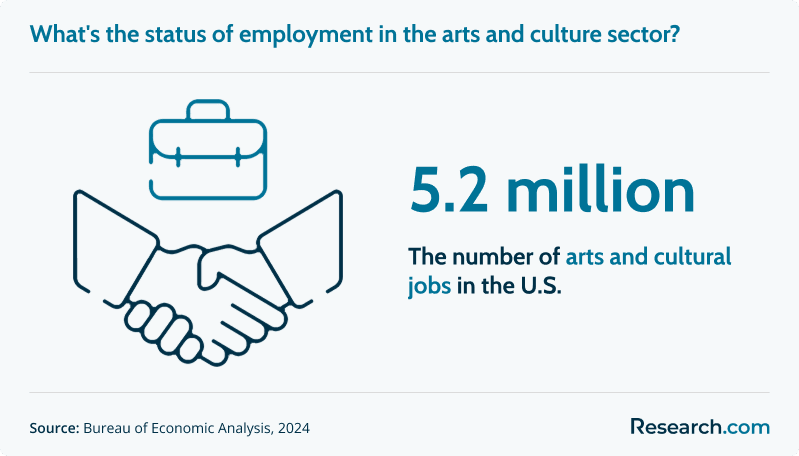
- About 88% of Americans believe that arts improve their lives' quality, and there are 5.2 million arts and cultural jobs in the U.S.
- A 2025 report indicates that HR directors' $99,098 national average salary is the highest in the humanities field.
- The degree can support careers in education, communications, publishing, public service, nonprofits, museums, human resources, and law preparation, but salaries and job access depend heavily on experience and specialization.
- Students should avoid choosing a program based only on rankings or tuition. Accreditation, transfer policy, support services, specialization options, and career outcomes matter just as much.
References:
- BLS. (2024, August 29). Field of degree: Liberal arts. Retrieved May 26, 2025, from BLS.
- Glassdoor. (2025, April 10). Salary: Computer Scientist in United States. Retrieved May 26, 2025, from Glassdoor.
- Palmer, K. (2023, November 1). Debunking Perceptions About Value of Humanities Degrees. Retrieved May 26, 2025, from American Academy of Arts & Sciences.
- NACE. (2025, January 28). The Attributes Employers Look for on New Grad Resumes—And How to Showcase Them. Retrieved May 26, 2025, from NACE.
Other Things You Should Know About Online Humanities Degrees
Yes, many affordable online humanities degree programs in 2027 offer various specializations, such as literature, history, philosophy, and cultural studies. Specializing allows students to focus their studies on specific areas of interest while gaining a broad understanding of the humanities.
In 2027, some of the most affordable online humanities degree programs are offered by universities such as the University of Florida, Southern New Hampshire University, and Arizona State University. These programs provide quality education at a lower cost, making them accessible to a broader range of students.
In 2027, some of the most affordable online humanities degree programs are offered by institutions like the University of the People, Western Governors University, and Fort Hays State University. These institutions provide comprehensive curriculums at lower tuition rates, making higher education more accessible to students pursuing humanities majors.
In 2027, the affordability of online humanities degree programs is typically determined by factors such as tuition costs, availability of financial aid, additional fees, and the potential for credit transfer. Prospective students should consider these aspects when evaluating programs to ensure they align with their financial situation.


