
2027 What Do You Learn in an MBA Program?

Co-Founder and Chief Data Scientist
Choosing an MBA is usually not about earning another credential for its own sake. It is a decision about career direction, time, money, leadership goals, and whether graduate business training will help you move into management, consulting, finance, entrepreneurship, human resources, operations, marketing, or another business-focused role.
A Master of Business Administration program teaches core business disciplines such as finance, accounting, economics, marketing, operations, strategy, leadership, analytics, and organizational management. Many programs also use case studies, team projects, simulations, consulting assignments, and internships so students can practice making business decisions before applying them in the workplace.
This guide explains what MBA students typically learn, how long the degree takes, what skills matter most, which career paths are common, how online and flexible MBA formats compare, and how to decide whether an MBA is a practical investment for your goals. It also discusses career outlook data, including the expectation that employment in business and finance will grow by 5.2% from 2024 to 2034.
What You Will Learn in an MBA Program: Table of Contents
- MBA degree overview
- Business administration career paths
- Business administration career outlook
- Skills MBA students should build
- Flexible MBA learning formats
- How to prepare for MBA admission
- Online MBA benefits for working professionals
- Common MBA admission requirements
- How MBA programs address global business challenges
- Whether online MBAs can provide comparable value
- Benefits of specialized MBA concentrations
- Accelerated online business programs as MBA alternatives
- How an MBA can support a business law career
- Real-world projects, internships, and applied learning
- How to select an MBA program for your goals
- How to improve MBA return on investment
- Long-term professional value of an MBA
Quick Answer: What Do You Learn in an MBA Program?
In an MBA program, students learn how organizations make decisions, compete, manage people, use financial information, market products or services, improve operations, analyze data, and plan strategy. The degree is designed for people who want broader business judgment, stronger leadership ability, and more career mobility across management-focused roles.
An MBA is most useful when it is connected to a clear professional goal. It can help experienced professionals move into leadership, career changers enter business roles, entrepreneurs strengthen their operating knowledge, and specialists broaden their understanding of how companies work. It is less useful for students who choose a program without checking accreditation, costs, outcomes, format, and career fit.
MBA Degree Explained
A Master of Business Administration is a graduate business degree focused on management, leadership, and decision-making across organizations. Unlike a narrow technical master’s degree, an MBA is built around broad business literacy. Students study how finance, marketing, accounting, human resources, operations, analytics, economics, and strategy connect inside real companies.
The degree can also support students interested in a finance career path, because many MBA programs require students to interpret financial statements, evaluate investments, assess risk, and make resource-allocation decisions. Students who want to specialize may choose concentrations such as human resources, healthcare management, organizational leadership, finance, analytics, entrepreneurship, or international business. For example, students exploring HR leadership may compare MBA human resources online options.
The main purpose of an MBA is not simply to memorize business terms. Strong programs train students to diagnose business problems, weigh trade-offs, communicate recommendations, manage teams, and build strategies that support organizational goals. Roughly 80% of graduates from sought employment upon completing their MBA, which shows that many students use the degree as a career-transition or career-advancement tool.
MBA programs often include concentrations or elective tracks so students can deepen their expertise in a specific function or industry. A general MBA may work well for students seeking broad management flexibility, while a specialized MBA may be better for students who already know they want to work in a field such as healthcare, finance, human resources, technology, or global business.
Common MBA Subjects and Core Courses
MBA curricula differ by school, format, concentration, and accreditation standards, but most programs cover a similar business foundation. Students usually begin with core courses and then choose electives or a concentration once they understand which business area best supports their goals.
Typical MBA topics include:
- Business Ethics and Fundamentals
- Leadership and Management
- Data Analytics and Economics
- Entrepreneurship and Innovation
- Finance and Investment
- Marketing and Brand Management
- Operations and Supply Chain Management
How Long Does It Take to Complete an MBA?
MBA timelines vary because programs are designed for different types of students. A traditional full-time MBA commonly takes two years and is often best for students who can pause full-time employment or want access to immersive recruiting, internships, and campus networking.
Students asking how long it takes to earn a business degree should compare formats carefully. MBA programs are commonly designed as two-year programs, but accelerated one-year MBA options may appeal to students who want to finish faster. Three-year programs can help working students balance graduate study with employment, family, and other responsibilities.
| MBA Format | Best For | Main Trade-Off |
| Full-time MBA | Students who can focus heavily on school, internships, and recruiting | Usually requires a major time commitment and may reduce current work income |
| Part-time MBA | Working professionals who want to continue earning while studying | May take longer and requires strong time management |
| Executive MBA | Experienced professionals seeking senior leadership development | Often assumes substantial work experience and an intense schedule |
| Online MBA | Students who need location flexibility or cannot regularly attend campus | Networking and accountability depend heavily on program design and student effort |
| Accelerated MBA | Students who want a shorter path and can handle a compressed workload | Less time for internships, reflection, and career exploration |
Why Earn an MBA? Career Options in Business Administration
The strongest reason to pursue an MBA is that the degree can help you move from task-level work into broader decision-making. Many careers for MBA graduates involve managing teams, improving processes, advising leaders, developing strategy, analyzing financial choices, launching ventures, or leading business units. Students should also consider practical costs, including MBA online costs, before enrolling.
Some students pursue an MBA because they want higher-paying or more competitive roles. However, salary outcomes depend on location, industry, prior experience, school reputation, networking, and market conditions. The top three states in the U.S. with the highest salaries for business administrators are Washington ($187,300), District of Columbia ($186,875), and New York ($180,923).
Common business administration paths for MBA graduates include:
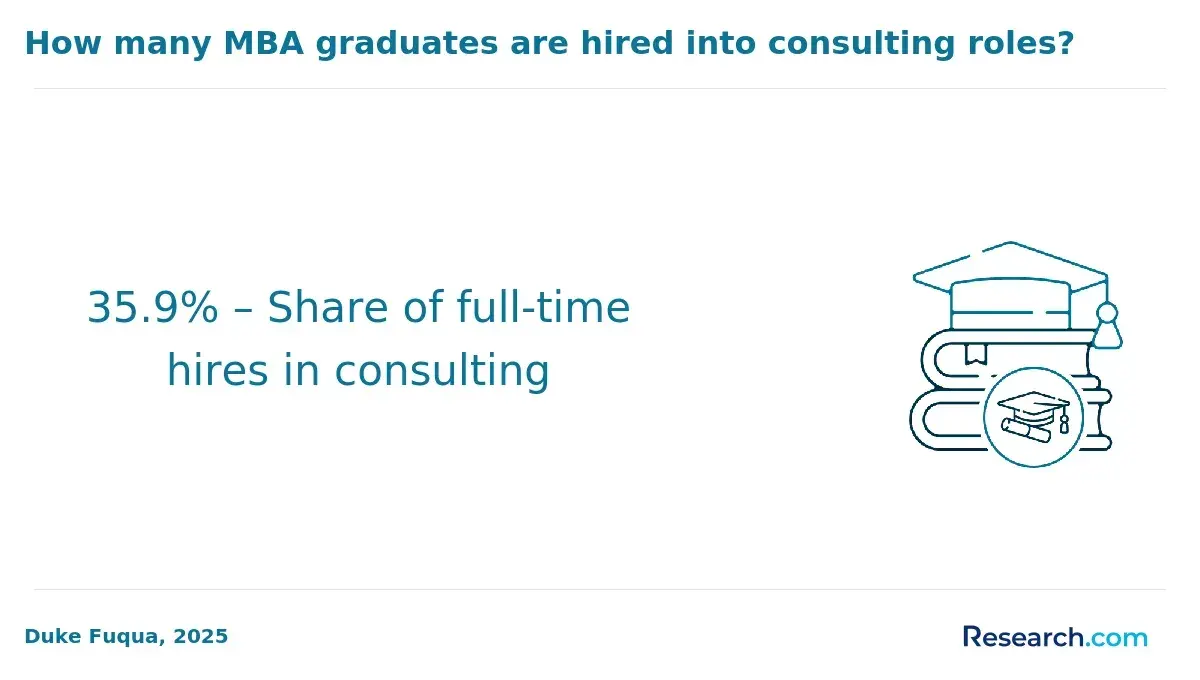
- Business consulting: Consultants help organizations solve performance, strategy, operations, technology, or growth problems. MBA training can be useful because consulting often requires structured problem-solving, financial analysis, client communication, and executive presentations. This route may also interest students comparing job options for economics majors.
- Office administration and operations leadership: Business administration graduates may work in office management, operations coordination, reporting, scheduling, vendor management, employee support, and process improvement. These roles reward organization, communication, budgeting awareness, and conflict resolution.
- Financial management: MBA graduates with strong quantitative skills may pursue finance-related roles such as financial analyst, finance manager, or investment banking associate. These professionals help organizations assess financial performance, manage investments, and make capital decisions. Students can learn more about roles in financial management.
- Entrepreneurship: An MBA can help founders evaluate business models, build plans, understand cash flow, attract funding, and manage marketing, hiring, and operations. Students who want to launch a company should also review practical guidance on how to start your own business.
- Marketing and brand management: MBA graduates who focus on marketing may work in brand strategy, product management, market research, customer insights, digital campaigns, or go-to-market planning. These roles combine analytical thinking with customer understanding.
- International business: Students interested in global roles may apply MBA training to multinational operations, international trade, global consulting, supply chain strategy, or market expansion. Cross-cultural communication and regulatory awareness are especially important in this path.
Business Administration Career Outlook
Business administration remains broad because nearly every industry needs people who can manage budgets, people, operations, customers, and strategy. MBA graduates may work in consulting, finance, marketing, operations, human resources, nonprofit management, startups, government agencies, or corporate leadership roles.
Business administration programs build skills across finance, marketing, operations, human resources, and strategic management. This range can help graduates adapt as employer needs change. Common roles connected to business administration include management analysts and human resource specialists, who earn around $101,190 and $72,910, respectively.
Personal financial advisors, who help individuals make decisions about money management, earn around $102,140. Budget analysts earn $87,930 annually. These positions commonly require at least a bachelor’s degree, but graduate education and relevant experience may support advancement into higher-level roles.
| Job Title | Salary | Demand |
| Budget Analyst | $87,930 | 1% |
| Human Resource Specialist | $72,910 | 6% |
| Personal Financial Advisor | $102,140 | 10% |
| Management Analyst | $101,190 | 9% |
Skills MBA Students Should Develop
An MBA is valuable only if students leave with skills they can use. Employers typically look for graduates who can interpret data, communicate clearly, lead teams, understand financial implications, manage projects, and make decisions under uncertainty. The classroom matters, but so do group projects, internships, professional networking, and applied assignments.
Core Business and Leadership Skills
- Leadership and management: MBA students learn how to guide teams, set direction, coach employees, communicate priorities, and make decisions with limited information. Business leaders also need adaptability and flexibility, since organizations change quickly and teams often face competing priorities.
- Strategic planning: Strategy coursework teaches students how to evaluate competition, assess risks, identify opportunities, and choose a course of action that supports long-term goals.
- Communication and presentations: MBA students need to explain complex ideas in a clear, persuasive way. This includes writing executive summaries, presenting recommendations, negotiating, and communicating with stakeholders who may not share the same expertise.
- Financial and quantitative analysis: Students learn to interpret financial data, build models, assess budgets, and use numbers to support business decisions. These skills are central to finance, investment analysis, operations, and strategic planning. Students may also study quantitative methods in businesses.
- Data analysis and business intelligence: Modern managers increasingly use dashboards, metrics, visualization tools, and analytics to evaluate performance and identify patterns. MBA students should become comfortable turning data into practical recommendations.
- Global and cross-cultural competence: International markets require awareness of culture, regulation, trade, currency, supply chains, and communication norms. MBA students benefit from learning how business decisions change across countries and regions.
Professional Skills That Strengthen MBA Outcomes
- Ethical judgment: MBA programs often cover corporate responsibility, governance, and ethical decision-making. Students learn to weigh legal, financial, reputational, and social consequences before making business recommendations.
- Negotiation and conflict resolution: Managers must navigate disagreements with employees, vendors, clients, executives, and partners. MBA coursework and simulations can help students practice negotiation techniques and constructive conflict management.
- Entrepreneurial thinking: Students learn how to evaluate business ideas, test assumptions, create business plans, understand funding options, and manage new ventures. This mindset is useful even inside established organizations.
- Project management: MBA students often learn how to define goals, organize teams, manage resources, track milestones, and deliver results. Project management is especially important for business administrators who coordinate cross-functional work.
Why Soft Skills Matter in Business School
Technical knowledge can help you analyze a problem, but soft skills often determine whether people accept your solution. MBA students need to collaborate with classmates, lead teams, handle feedback, influence stakeholders, and adapt when business conditions change. Employers value graduates who can combine analysis with maturity, judgment, and communication.
Students wondering whether business administration is a hard major should understand that difficulty depends on strengths, background, and course mix. Some students find quantitative finance or analytics more challenging, while others struggle more with presentations, strategy cases, or team leadership. The best preparation is to identify skill gaps early and choose projects, electives, and mentors that help close them.
Flexible MBA Learning Options
Not every MBA student can leave work for a full-time campus program. Part-time, executive, hybrid, and online options make the degree more accessible for professionals managing jobs, family responsibilities, travel, or relocation constraints. Students who need control over pacing may also compare self paced MBA online programs.
Flexible formats can still include meaningful interaction when programs are well designed. Look for live discussions, small-group projects, career coaching, faculty access, alumni events, and applied assignments. Flexibility should not mean isolation. A strong online or part-time MBA should still help students build relationships, receive feedback, and connect coursework to career goals.
| Learning Option | When It Makes Sense | Questions to Ask Before Enrolling |
| Online MBA | You need location flexibility and plan to continue working | Are classes live, asynchronous, or both? What career services do online students receive? |
| Hybrid MBA | You want online flexibility but still value some campus interaction | How often are in-person sessions required? Are travel costs included in your budget? |
| Part-time MBA | You want to keep your job while spreading coursework over a longer period | Can you realistically manage work, school, and personal commitments at the same time? |
| Executive MBA | You already have substantial professional experience and want leadership development | Does the cohort match your experience level and career stage? |
| Self-paced MBA | You need maximum schedule control | What support is available if you fall behind or need faculty guidance? |
How to Prepare for an MBA
Business remains one of the most common fields of study. In a year, the total number of bachelor's degrees awarded in business is 375,400. That popularity means prospective MBA students should be deliberate: a graduate business degree can be powerful, but only when the program, cost, format, and outcomes match your goals. Before researching how to get a business management degree, clarify why you want graduate training and what result would make the investment worthwhile.
- Check accreditation and reputation: Accreditation matters because it signals that a business school meets recognized academic standards. Students comparing programs should understand why accreditation is important in business schools and confirm the status directly with the school or accrediting body. Reputation should be evaluated by industry fit, employer recognition, alumni outcomes, and program quality rather than ranking alone.
- Review curriculum and structure: Compare required courses, electives, concentrations, experiential learning, and capstone requirements. A program may be respected but still not be the right match if it lacks your preferred specialization or delivery format.
- Understand admission expectations: MBA applicants often need transcripts, resumes, essays, recommendations, and sometimes standardized test scores. Some schools require an MBA test such as the GMAT or GRE, while others offer waivers. Review admission requirements for an MBA before planning your application timeline.
- Compare financial aid and scholarships: Look beyond sticker price. Research employer tuition support, assistantships, scholarships, grants, payment plans, and MBA scholarships for minorities. A lower-cost program may improve return on investment if it still provides the network, support, and outcomes you need.
- Evaluate networking and alumni access: One of the practical advantages of an MBA is access to classmates, faculty, alumni, recruiters, and mentors. Ask whether online and part-time students receive the same career support and networking opportunities as full-time students. Speaking with alumni can also help you understand why they chose an MBA and whether the program met expectations.
Is an MBA Difficult to Complete?
An MBA can be demanding because students must balance reading, quantitative work, group projects, presentations, exams, and networking. The challenge depends on your academic background, work experience, time available, and the program’s pace. Part-time and executive formats may be more flexible, but they still require consistent study habits and strong time management.
The hardest part for many students is not one specific course. It is maintaining momentum while handling work, family, travel, deadlines, and team assignments. Before enrolling, estimate weekly study time, talk to current students, and confirm whether the school offers tutoring, writing support, career coaching, and faculty access.
What Are the Benefits of Online MBA Programs for Working Professionals?
Online MBA programs can help working professionals continue earning while building graduate-level business skills. They reduce the need to relocate, make it easier to study around work schedules, and may allow students to apply coursework immediately in their current roles. Students comparing flexible routes can review online MBA programs to understand available options.
The best online MBA programs are not simply recorded lectures. They include structured faculty interaction, peer collaboration, applied projects, career services, and networking opportunities. Working professionals should ask whether online students receive comparable academic support, recruiting access, and alumni engagement.
What Are the Typical Admission Requirements for an MBA Program?
MBA applicants are generally expected to have a bachelor’s degree from an accredited institution. Many programs also value professional experience because work history helps students contribute to case discussions, team assignments, and leadership exercises.
Admission materials may include GMAT or GRE scores, although some institutions offer waivers based on work experience or prior academic performance. Applicants may also need a resume, professional recommendations, essays or personal statements, and official transcripts. Working adults who want a lower-cost route can compare MBA online affordable programs and review whether their application process is designed for experienced professionals.
How Do MBA Programs Prepare Students for Global Business Challenges?
MBA programs increasingly include global business content because managers often work with international suppliers, customers, competitors, employees, and regulations. Students may analyze international case studies, work on cross-cultural teams, study global trade issues, and examine how economic or digital disruption affects multinational strategy.
Programs may also offer global immersion experiences, international consulting projects, or executive formats designed for experienced leaders. Students interested in senior-level international management may compare an EMBA online path if they need advanced leadership training with more flexibility.
Can an Online MBA Deliver Comparable Quality and Value?
An online MBA can provide strong academic value when it comes from an accredited school, uses rigorous coursework, offers meaningful faculty engagement, and gives remote students access to career and networking resources. Format alone does not determine quality. Program design does.
Students should compare accreditation, faculty credentials, student support, employer reputation, live interaction, alumni outcomes, and total cost. Those prioritizing accreditation and affordability may explore the affordable AACSB online MBA no GMAT pathway as part of their research.
What Advantages Do Specialized MBA Concentrations Offer?
Specialized MBA concentrations help students connect broad management training to a specific sector or function. A finance concentration may emphasize valuation, investments, and corporate finance. A healthcare management concentration may connect business strategy with healthcare operations, regulation, patient care innovation, and digital health systems.
Specialization is most useful when it matches a clear career goal. Students should avoid choosing a concentration only because it sounds popular. Instead, review target job postings, speak with professionals in the field, and compare whether the concentration includes relevant projects, internships, faculty expertise, and employer connections. Those interested in healthcare leadership can review the most affordable online MBA programs with healthcare concentration.
Can an Online Accelerated Business Program Serve as an Effective Alternative to a Traditional MBA?
An online accelerated business program may be a practical alternative for students who want faster, focused business training without committing to a full traditional MBA structure. These programs can emphasize core business competencies, project-based work, simulations, and applied learning in a shorter format.
However, accelerated programs may offer less time for internships, networking, career exploration, and leadership development. Before choosing this route, compare curriculum depth, accreditation, employer recognition, faculty access, cost, and whether credits can transfer into future graduate study. Students researching shorter business education options can review an online accelerated business program.
Can an MBA Enhance a Career in Business Law?
An MBA can complement a legal or compliance-focused career by strengthening business judgment, financial literacy, negotiation ability, and strategic management skills. This combination can be useful for professionals involved in corporate governance, risk management, contracts, compliance, mergers, regulatory strategy, or executive decision-making.
Professionals who want deeper legal specialization may pair business training with an online master's degree in business law. This path may be especially relevant for students who want to understand legal analysis, business ethics, and regulatory frameworks in commercial settings.
How MBA Programs Use Real-World Projects, Internships, and Applied Learning
Applied learning is one of the most important parts of an MBA because business decisions rarely come with perfect information or single correct answers. Real-world assignments help students practice analysis, teamwork, leadership, communication, and judgment in conditions that resemble professional work.
- Consulting projects: Students may work with companies or nonprofit organizations to diagnose a problem, analyze data, and present recommendations. These projects can build client communication and problem-solving experience.
- Internships: Internships allow students to test a career path, build industry contacts, gain relevant experience, and strengthen their resumes. In some cases, internships can lead to full-time opportunities after graduation.
- Case competitions: Teams analyze a business challenge and present a solution to judges, employers, or faculty. These events help students practice structured thinking, teamwork, and executive presentation skills.
- Capstone projects: A capstone often requires students to integrate finance, marketing, operations, strategy, and leadership skills to address a complex business issue.
How to Choose the Right MBA Program for Your Career Goals
The right MBA program is the one that fits your target role, budget, schedule, learning style, and professional network needs. A highly ranked program may not be the best choice if it lacks your desired specialization, is unaffordable, or does not support your career market.
Start with the job you want: Identify your target role, industry, and level of responsibility. If you want to lead teams or manage organizational change, an MBA in organizational leadership may be relevant. If you want consulting, finance, entrepreneurship, or healthcare leadership, compare programs with strong placement and coursework in those areas.
Verify accreditation and reputation: Choose an accredited program and examine how the school is perceived in your industry. Accreditation from bodies such as AACSB can signal quality, but you should also review employer connections, alumni outcomes, and faculty expertise.
Choose a format you can finish: Full-time, part-time, executive, online, and hybrid MBAs serve different needs. Be honest about your schedule. The best program on paper will not help if the format is unsustainable.
Assess faculty, career services, and resources: Review faculty backgrounds, industry experience, research strengths, advising, career coaching, internship support, and access to employer events. Online students should confirm they receive meaningful support, not just course access.
Study alumni outcomes and networking access: Alumni networks can support mentoring, referrals, industry insight, and long-term career mobility. Ask where graduates work, what roles they hold, and whether alumni actively engage with current students.
Questions to Ask Before Choosing an MBA Program
| Decision Area | Questions to Ask |
| Career fit | Does the program regularly place graduates into the roles, industries, or regions I am targeting? |
| Accreditation | Is the school properly accredited, and does that accreditation matter to employers in my field? |
| Total cost | What will I pay after tuition, fees, books, travel, lost income, and interest are considered? |
| Format | Can I realistically complete this program while meeting work and personal obligations? |
| Networking | How do students interact with classmates, faculty, alumni, and employers? |
| Support | Are tutoring, advising, career coaching, and technical support available to students in my format? |
How to Maximize Your MBA Investment
An MBA requires a major commitment, so students should treat it like a strategic investment rather than a passive academic experience. The return depends on how intentionally you use the curriculum, network, career services, and applied projects.
Build relationships early: Connect with classmates, professors, alumni, guest speakers, and career advisors from the beginning. Networking is more effective when it is built through genuine professional relationships rather than last-minute job requests.
Customize your coursework: Use electives, concentrations, and projects to support your target role. Students interested in entrepreneurship, analytics, leadership, healthcare, or finance should choose assignments that create evidence of relevant skills.
Control debt where possible: Compare total program cost and funding options before enrolling. Students who prioritize affordability can review MBA programs under 10k as part of their cost research.
Use internships and consulting projects strategically: Applied experiences can help career changers gain industry exposure and help current professionals demonstrate readiness for promotion. Choose projects that align with your next career move.
Develop a clear professional brand: Update your resume, LinkedIn profile, portfolio, and interview stories as you progress through the program. Employers should be able to see not only that you earned an MBA, but also what problems you can solve.
Common Mistakes to Avoid When Considering an MBA
| Mistake | Why It Can Hurt You | Better Approach |
| Choosing a program without checking accreditation | Employers, transfer policies, and financial aid options may be affected | Verify accreditation before applying |
| Focusing only on tuition | Fees, travel, books, lost income, and interest can change the true cost | Calculate total cost of attendance and expected financing |
| Assuming every online MBA has the same value | Online programs vary widely in interaction, support, rigor, and recognition | Compare faculty access, career services, outcomes, and networking |
| Choosing a concentration without a career goal | A specialization may not help if it does not match target roles | Review job postings and speak with professionals before selecting electives |
| Relying only on rankings | Rankings may not reflect your region, industry, budget, or schedule | Use rankings as one input, not the entire decision |
| Expecting salary increases automatically | Pay depends on experience, industry, location, performance, and hiring conditions | Build skills, network, and target roles before and during the program |
Long-Term Career Benefits of an MBA
An MBA can support long-term career growth by expanding business knowledge, strengthening leadership credibility, and connecting graduates to professional networks. Over time, the degree may help professionals shift functions, move into management, pursue executive roles, start businesses, or remain adaptable as industries change.
The long-term value depends on how well the program matches the student’s goals. A flexible option such as a best online MBA may be especially useful for professionals who want to continue working while building leadership and management skills. Students should evaluate outcomes carefully and avoid assuming that the credential alone will produce advancement.
Is an MBA a Practical Career Choice?
An MBA can be a practical choice for professionals who have a clear reason for earning it, understand the cost, and choose a program that supports their target career path. The degree can help students develop transferable skills in leadership, analysis, finance, marketing, operations, and strategy. These skills can apply across industries and may support promotion, career change, entrepreneurship, or broader management responsibility.
It is not the right move for everyone. If you do not know what role you want, cannot justify the cost, or are choosing a school without checking accreditation and outcomes, it may be better to gain work experience, pursue a certificate, or choose a more specialized degree first. The best MBA decision is grounded in career goals, program quality, affordability, and realistic expectations.
Key Insights
- An MBA teaches broad business decision-making, including finance, marketing, operations, analytics, leadership, ethics, strategy, and organizational management.
- The degree is most useful when it supports a specific goal, such as moving into leadership, consulting, finance, entrepreneurship, operations, human resources, marketing, or global business.
- Business and finance employment is expected to grow by 5.2% from 2024 to 2034, but individual outcomes depend on experience, location, industry, school quality, and career strategy.
- Full-time, part-time, executive, accelerated, hybrid, and online MBAs serve different students. The right format is the one you can complete successfully while still gaining access to networking, faculty, and career support.
- Accreditation, total cost, curriculum fit, alumni network, career services, and applied learning opportunities are more important than prestige alone.
- Online MBAs can offer strong value when they are rigorous, accredited, interactive, and supported by meaningful career resources.
- Avoid assuming an MBA automatically guarantees a salary increase. The return improves when students build relationships, choose relevant projects, control debt, and target roles before graduation.
References:
- Aston, B. (n.d.). 10 Reasons Why Project Management Is So Important For Orgs. Digital Project Manager. https://thedigitalprojectmanager.com/personal/new-pm/why-is-project-management-important
- Bureau of Labor Statistics. (2025, August 28). Budget Analysts. https://www.bls.gov/ooh/business-and-financial/budget-analysts.htm
- Bureau of Labor Statistics. (2025, August 28). Business and Financial Occupations. https://www.bls.gov/ooh/business-and-financial/home.htm
- Bureau of Labor Statistics. (2025, August 28). Human Resources Specialists. https://www.bls.gov/ooh/business-and-financial/human-resources-specialists.htm
- Bureau of Labor Statistics. (2025, August 28). Management Analysts. https://www.bls.gov/ooh/business-and-financial/management-analysts.htm
- Bureau of Labor Statistics. (2025, August 28). Personal Financial Advisors. https://www.bls.gov/ooh/business-and-financial/personal-financial-advisors.htm#tab-1
- Coursera (2025, November 23). Business Degree Salary Potential: Your 2026 Earning Guide. https://www.coursera.org/articles/business-degree-salary
- DataUSA. (n.d.). General Business Administration and Management. https://datausa.io/profile/cip/general-business-administration-management
- Missouri State University. (n.d.). Master of Business Administration. https://mba.missouristate.edu/accelerated.htm
- National Center of Education Statistics (2024, May). Undergraduate Degree Fields. https://nces.ed.gov/programs/coe/indicator/cta
- Skills You Need. (n.d.). Leadership Skills. https://www.skillsyouneed.com/leadership-skills.html
- University of Chicago (2024). Class of 2024 Full-Time Employment Report Data. https://www.chicagobooth.edu/why-booth/stories/class-of-2024-full-time-employment-report-data
- Zippia. (2025, December 15). Business Administrator Salary. https://www.zippia.com/business-administrator-jobs/salary
- ZipRecruiter (n.d.). What Is the Average MBA Salary by State. https://www.ziprecruiter.com/Salaries/What-Is-the-Average-MBA-Salary-by-State
Other Things You Should Know About MBA Degrees
A first-year MBA usually covers accounting, finance, marketing, operations, and organizational behavior. Many programs also require business statistics, economics, and strategic management. These core courses are often completed in the first two semesters before students move into electives or a concentration.
In 2027, MBA programs offer specializations like Digital Transformation, Sustainability Management, and Healthcare Management. These focus areas prepare students for evolving industry demands, equipping them with skills for niche fields. Specializations vary by institution but generally aim to meet current market trends and needs.


