
2027 Best Online MBA in Entrepreneurship Programs

Co-Founder and Chief Data Scientist
Choosing an online MBA in entrepreneurship is not just a question of convenience. It is a decision about cost, credibility, time, networking, and whether the program will actually help you launch a venture, grow a business, move into leadership, or build stronger strategic skills. For working professionals, founders, consultants, and career changers, the appeal is clear: an online MBA can combine graduate business training with the flexibility to keep working while studying.
The value depends on the program you choose and how you use it. A strong online MBA in entrepreneurship should teach finance, strategy, marketing, innovation, leadership, funding, and venture development while giving students access to faculty, peers, alumni, career support, and practical projects. It may also support earnings growth, although outcomes are never guaranteed. The mean starting salary for MBA graduates in 2025 was $85,842.
Online MBA in Entrepreneurship Programs Table of Contents
- Can you complete an MBA in entrepreneurship fully online?
- Do employers respect online MBA degrees?
- Are online MBA degrees accepted internationally?
- Online vs. traditional MBA in entrepreneurship
- Online MBA in entrepreneurship cost
- Admission and student requirements
- Courses commonly included in entrepreneurship MBA programs
- Accelerated online MBA options for entrepreneurs
- How to choose the right online MBA in entrepreneurship
- Best online MBA in entrepreneurship programs for 2027
- Leadership skills for entrepreneurial success
- Networking and career opportunities in online MBA programs
- Accreditation standards for online MBA quality
- Business simulations, case studies, and entrepreneurial learning
- Common challenges in online MBA entrepreneurship programs
- MBA specializations that support entrepreneurship
- Financial aid options for online MBA students
- Affordable online MBA options for budget-conscious students
- How one-year online MBA programs build entrepreneurial agility
Quick Answer: Is an Online MBA in Entrepreneurship Worth Considering?
An online MBA in entrepreneurship can be worth considering if you want graduate-level business training, need scheduling flexibility, and plan to apply the degree to venture creation, business ownership, consulting, innovation management, or leadership. It is most valuable when the program is accredited, reasonably priced for your goals, connected to strong faculty and alumni networks, and built around practical work such as business plans, simulations, consulting projects, or capstones.
It may not be the best choice if you need a low-cost credential quickly, already have strong business experience and only need targeted startup training, or are considering a program without recognized accreditation. Before enrolling, compare total cost, time to completion, employer perception, funding options, curriculum depth, and career support.
Can you get a degree completely online?
Yes. Many colleges and universities offer fully online MBA programs, including programs with entrepreneurship concentrations or elective tracks. In these programs, students usually complete lectures, discussions, assignments, group projects, presentations, and exams through a learning management system and video-based tools instead of attending regular campus classes.
Online MBA formats vary. Some programs use synchronous classes, which require students to log in at scheduled times for live instruction. Others use asynchronous coursework, allowing students to review materials and complete assignments on a more flexible weekly schedule. Some programs combine both models, especially for team-based projects, presentations, or faculty meetings.
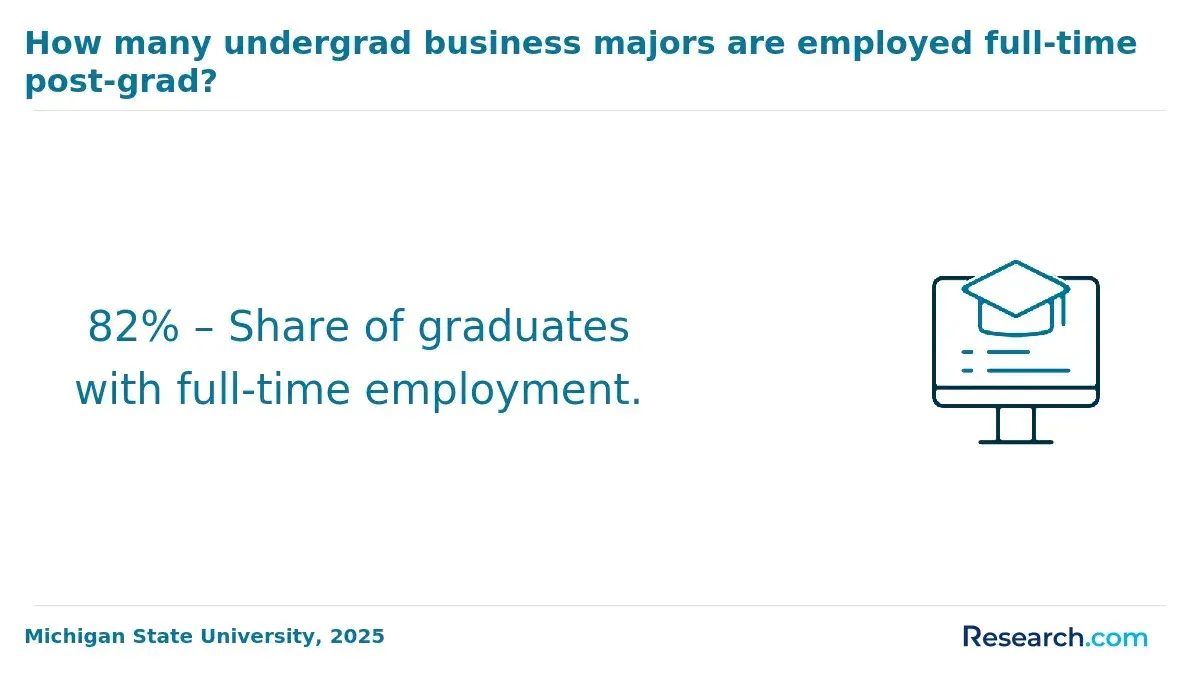
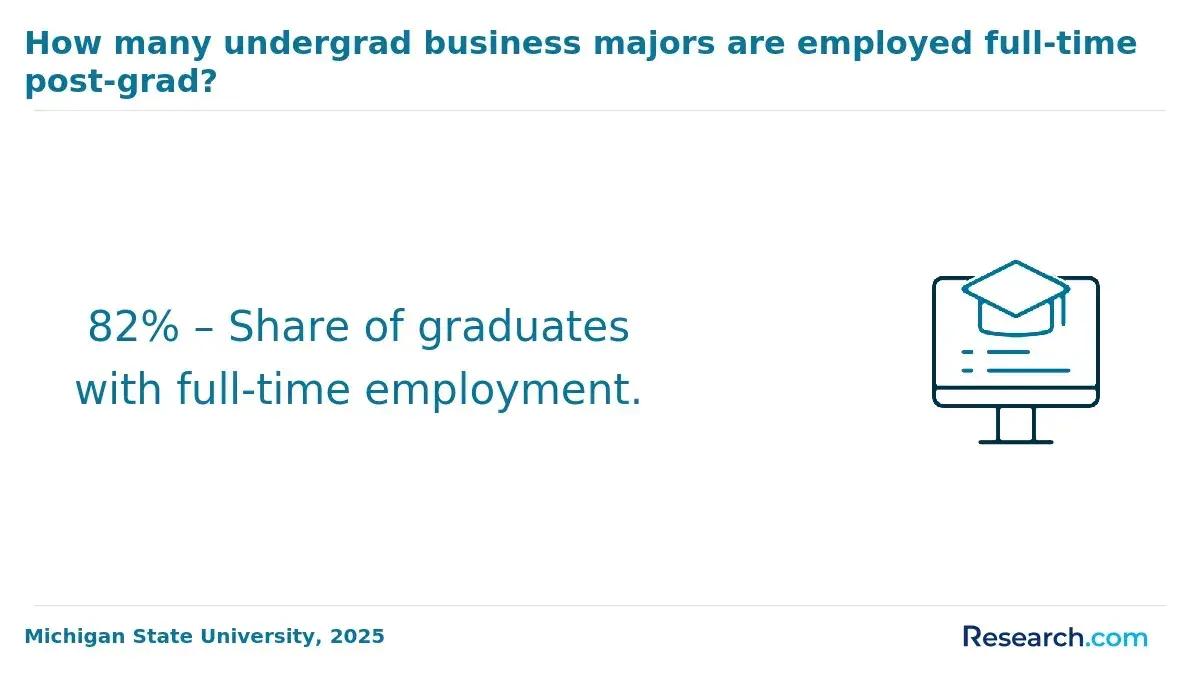
This flexibility can help working adults who want to earn an MBA without leaving their jobs. It can also be useful for students asking whether business graduate study fits their abilities and goals, including those comparing MBA pathways with broader business topics such as whether business administration is a good major. Demand for MBA graduates remains strong in many hiring markets: 88.8% of graduates received job offers within three months of graduation, making it the most in-demand Master’s-level degree.
Will employers take my online degree seriously?
Many employers now view accredited online degrees more favorably than they did in the past, especially when the school is well known, the program is rigorous, and the graduate can demonstrate relevant skills. For MBA candidates, employer perception often depends less on the word “online” and more on accreditation, school reputation, work experience, leadership record, communication skills, and measurable business results.
Still, students should be realistic. U.S. employers remain more cautious than some global employers when evaluating online-only degrees. Only 28% of US employers agreed with the statement “My organization values graduates of online and in-person programs equally". That does not mean an online MBA lacks value, but it does mean candidates should choose carefully and be prepared to explain the program’s rigor, projects, and outcomes.
To make an online MBA more credible to employers, focus on evidence. Build a portfolio of business plans, market analyses, financial models, consulting projects, pitch decks, or venture work completed during the program. If your goal is a promotion, ask your employer in advance whether the degree qualifies for tuition support, advancement consideration, or leadership development opportunities.
| What employers may evaluate | Why it matters | What students can do |
| Accreditation | Signals that the school or business program has met recognized quality standards. | Verify accreditation before applying and list it clearly when appropriate. |
| Work experience | MBA programs are often strongest when students connect coursework to real business problems. | Use class projects to solve problems from your workplace, startup, or target industry. |
| Applied skills | Employers want graduates who can analyze, communicate, lead, and execute. | Create tangible examples, such as financial forecasts, market-entry plans, or investor pitches. |
| School reputation | A known institution can reduce employer uncertainty about online learning. | Compare faculty credentials, alumni outcomes, career services, and employer partnerships. |
Are online degrees recognized all over the world?
Online degrees are increasingly accepted in many countries, particularly when they come from established, accredited institutions. However, recognition is not automatic everywhere. Requirements can vary by country, employer, industry, immigration process, government agency, and professional licensing body.
In a recent GMAC survey of corporate recruiters, employers worldwide identified why they have confidence in business school graduates. 73% of employers cited the strong communication skills of business school graduates as a reason for confidence in them, making it the top reason for confidence among employers worldwide. The least-cited reason was “not requiring extensive company-sponsored employer training of recent business school grads."
If you plan to use an online MBA internationally, check three things before enrolling: whether the institution is accredited, whether the degree transcript or diploma identifies the delivery mode, and whether target employers or credential evaluators in your country recognize online graduate business programs. This is especially important for students seeking government roles, regulated positions, or international career mobility.
Students considering entrepreneurship in specialized industries may also want to examine sector-specific career demand. For example, business graduates interested in healthcare ventures or advisory work can review career pathways related to entry-level healthcare consulting jobs.
Online vs Traditional MBA in Entrepreneurship Program
Online and campus-based MBA programs can cover similar business content, but they differ in learning style, schedule, networking format, cost structure, and the type of student experience they provide. The right choice depends on your career stage, location, learning preferences, budget, and need for in-person access.
| Factor | Online MBA in entrepreneurship | Traditional campus MBA in entrepreneurship |
| Best fit | Working professionals, founders, caregivers, military students, and students outside commuting range. | Students who want an immersive campus experience, frequent in-person networking, and structured schedules. |
| Class format | Virtual courses delivered live, asynchronously, or through a hybrid online model. | In-person classes with campus-based discussions, events, and team activities. |
| Flexibility | Usually easier to balance with full-time work or business ownership. | Often more structured, with fixed meeting times and campus commitments. |
| Networking | Built through virtual cohorts, online events, alumni platforms, residencies, and group projects. | Built through daily campus interaction, clubs, speaker events, recruiting activities, and local business networks. |
| Cost considerations | May reduce relocation, commuting, and lost-income costs; tuition varies widely. | May involve higher living, transportation, and opportunity costs, especially for full-time students. |
Mode of Delivery
A campus MBA typically requires students to attend classes in person. An online MBA delivers coursework through digital platforms, which may include live video sessions, recorded lectures, discussion boards, simulations, shared workspaces, and virtual office hours. Students comparing formats can also review broader online MBA program options to understand delivery models across schools.
Learning Environment
Campus programs offer face-to-face interaction with classmates and faculty. Online programs require students to be more intentional about participation, communication, and relationship-building. The strongest online MBA programs compensate for distance through small cohorts, live sessions, team projects, advising, and structured networking.
Program Flexibility
Online MBA programs are commonly designed for students who are already working. This can be particularly useful for entrepreneurs who want to apply coursework directly to a startup, family business, consulting practice, or product idea while continuing to earn income.
Networking Opportunities
Traditional programs may provide more spontaneous networking because students share physical space. Online programs can still be effective, but students usually need to participate actively in virtual meetups, group work, alumni events, mentoring sessions, and optional residencies if offered.
Is an online degree cheaper?
Cost depends on the school, credits, residency status, fees, and time to completion. However, when comparing an online MBA program to on-campus programs, our research indicates that online MBA programs cost 25% less on average than on-campus programs.
Is an online degree as good as a regular degree?
An online MBA can be academically comparable to a campus MBA when it is offered by an accredited institution, taught by qualified faculty, and supported by a rigorous curriculum. The delivery format alone does not determine quality. Accreditation, curriculum design, faculty access, student support, career services, and applied learning opportunities matter more.
Online learning has also become more interactive. Many MBA programs use video discussions, business simulations, collaborative documents, analytics tools, peer review, and virtual consulting projects to create active learning environments. For students who are disciplined and comfortable using technology, the format can work well.
The main caution is fit. Students who need daily face-to-face accountability or want a highly immersive residential experience may prefer a campus program. Students who need flexibility and can manage their time independently may find an online MBA more practical.
How much does an Online MBA in Entrepreneurship cost?
The cost of an online MBA in entrepreneurship varies by institution, total credits, tuition rate, fees, residency status, and program length. On average, the tuition for an MBA is $60,410. Students should calculate the full cost, not just the advertised cost per credit.
Employer benefits can also affect out-of-pocket cost. Some organizations provide tuition assistance, reimbursement, or student loan repayment support. As of 2024, 14% of US-based organizations have started offering student loan repayment assistance as an employment benefit.
Before applying, ask each school for a total program cost estimate that includes tuition, mandatory fees, technology fees, books, residencies, travel, and graduation fees. Also ask whether tuition is locked for the cohort or may increase before you finish.
| Cost category | What to check | Why it affects value |
| Tuition | Cost per credit and total required credits. | A lower per-credit rate may not be cheaper if the program requires more credits. |
| Fees | Technology, student services, graduation, course, or online learning fees. | Fees can materially increase the total price. |
| Residencies | Whether any in-person sessions are required or optional. | Travel, lodging, and time away from work add to total cost. |
| Time to completion | Full-time, part-time, accelerated, or self-paced options. | Longer programs may spread payments out, while shorter programs may reduce time away from advancement opportunities. |
| Employer support | Tuition reimbursement, education benefits, or loan repayment assistance. | Employer funding can change the return-on-investment calculation. |
Is an online degree worth it?
An online MBA in entrepreneurship may be worth it if the degree helps you reach a defined goal: launching a business, improving management skills, moving into innovation or strategy, advancing in a company, building investor-ready plans, or shifting into consulting. It is less likely to pay off if you enroll mainly for prestige without a clear plan for using the credential.
Look closely at the curriculum. A useful entrepreneurship MBA should cover business planning, marketing, finance, operations, strategy, leadership, innovation, and funding. Students comparing concentration choices may also want to ask is an MBA in marketing worth it? if their business goals center on brand growth, customer acquisition, or digital sales.
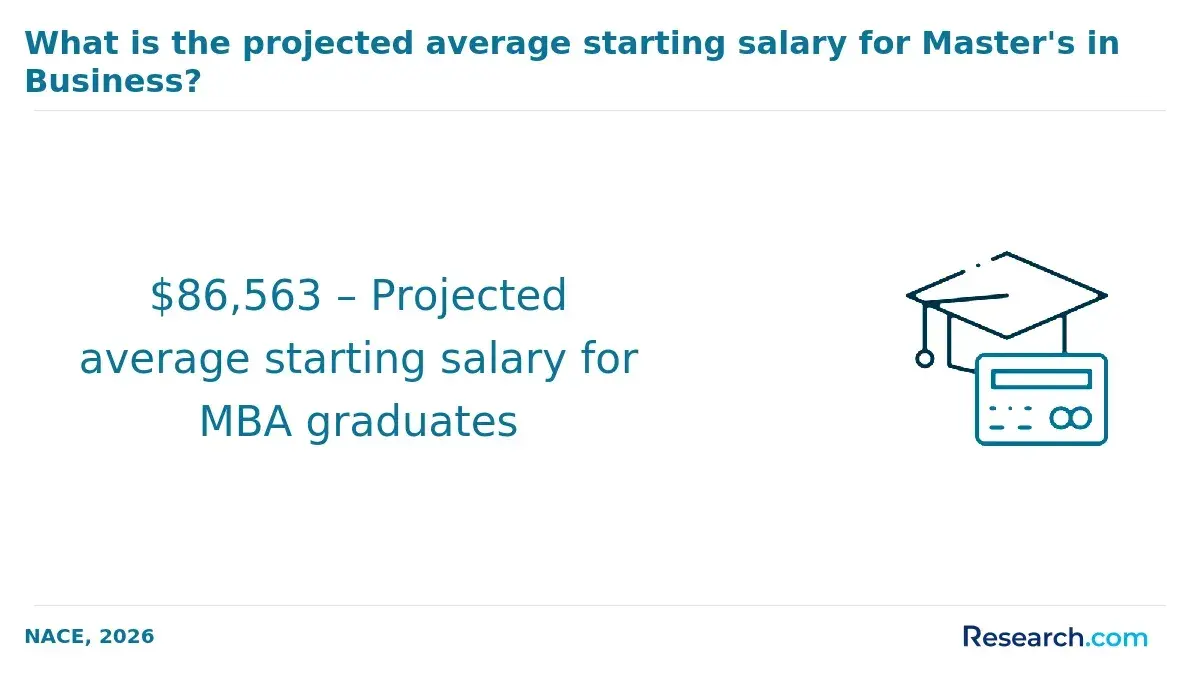
Among master's level business majors, Masters in Business Administration/Management or MBAs have the highest mean starting salary. According to a survey conducted by the National Association of Colleges and Employers, the mean starting salary for MBAs is $85,842. That figure can provide context, but individual salaries depend on experience, industry, location, school reputation, job function, and prior career history.
Students interested in advisory careers can also compare entrepreneurship programs with consulting-focused pathways and review how much MBA consultants make.
What are the requirements for an online MBA in Entrepreneurship?
Admission standards differ by school, but online MBA programs usually evaluate academic preparation, professional experience, leadership potential, communication skills, recommendations, and fit with the program. Competitive programs may also consider test scores, interviews, and evidence of quantitative readiness.
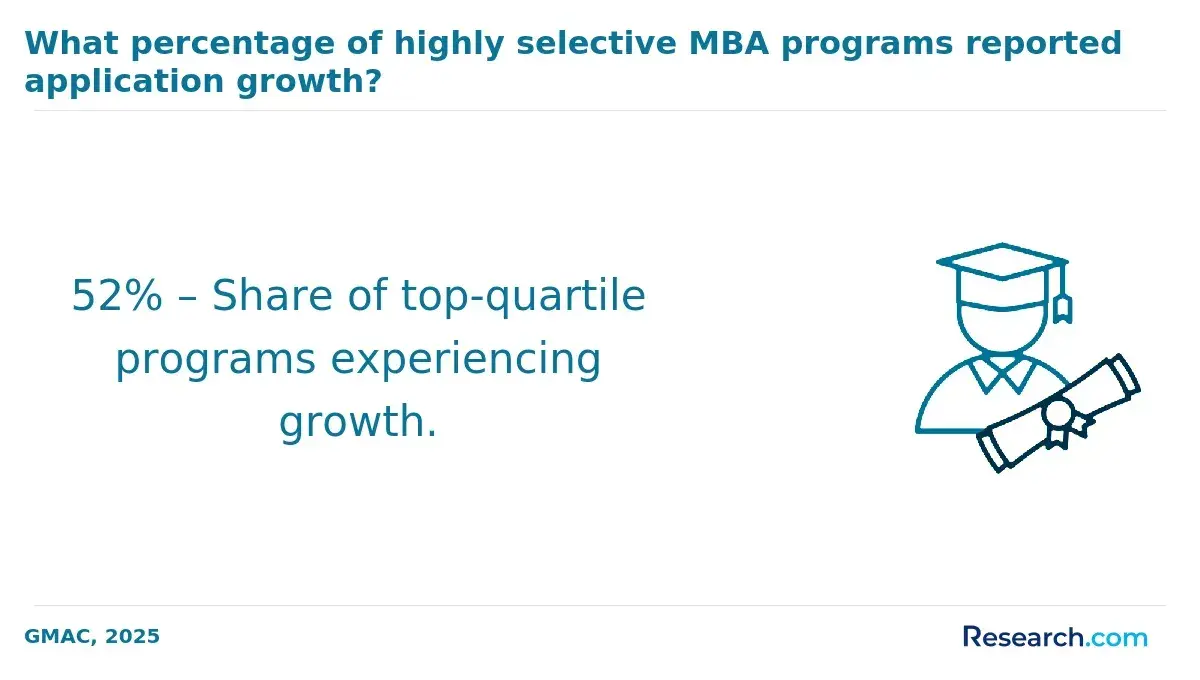
MBA admissions can be selective, particularly at top-ranked schools. In 2025, the range of acceptance rates for US MBA programs classified as "very selective" like MIT Sloan and Wharton is 14.1% to 20.5%, while for "ulra selective" ones like Harvard and Stanford, the range is 6.8% to 11.3%.
Admission Requirements
- Bachelor’s degree: Most online MBA programs require a bachelor’s degree from an accredited institution. Many accept applicants from a wide range of undergraduate majors.
- Professional experience: Some programs prefer or require work experience, often around 2-5 years, especially for programs designed for working professionals.
- GMAT or GRE scores: Some schools require standardized test scores, while others offer waivers based on work experience, prior academic performance, or professional credentials.
- Letters of recommendation: Applicants may need 2-3 recommendations from supervisors, professors, mentors, or colleagues who can speak to their readiness for graduate business study.
- Essay or statement of purpose: Most programs ask applicants to explain their goals, interest in entrepreneurship, and reasons for choosing the MBA.
- Resume or CV: A current resume helps admissions teams evaluate leadership, career progression, entrepreneurial activity, and relevant achievements.
- Interview: Some programs use interviews to assess motivation, communication ability, career goals, and fit with the cohort.
Because requirements and deadlines vary, applicants should verify details directly with each program’s admissions office before preparing materials.
General Skills Students Should Bring or Build
- Communication: Entrepreneurs need to explain ideas clearly to customers, lenders, investors, employees, partners, and suppliers.
- Leadership: MBA students pursuing entrepreneurship should learn how to set direction, manage uncertainty, and guide teams through change.
- Networking: Relationships with mentors, customers, alumni, investors, and industry partners can create opportunities that coursework alone cannot provide.
- Negotiation: Founders and business leaders often negotiate contracts, pricing, partnerships, funding terms, and employment agreements.
- Financial literacy: Entrepreneurs need to understand budgets, cash flow, margins, forecasts, valuation, and funding trade-offs.
These skills are also useful in broader management careers. Students considering related business pathways can compare entrepreneurship with a business management degree to understand how leadership and operations training overlap.
What are the Technological Requirements of Students for Online Learning?
- Reliable internet access: Students need a stable connection for live classes, video meetings, research, discussion boards, and assignment submission.
- Computer or laptop: A dependable device with enough processing power, memory, and storage is essential for business software, presentations, spreadsheets, and online platforms.
- Headset or microphone: Clear audio matters for virtual participation, presentations, team meetings, and instructor conferences.
- Webcam: Some programs require video participation for class sessions, presentations, interviews, or assessments.
Before enrolling, review the school’s technology requirements. Some courses may require spreadsheet tools, statistical software, simulation platforms, proctoring software, or collaboration tools.
Courses to Expect in an Online MBA for Entrepreneurship
Course titles differ by university, but online MBA entrepreneurship programs typically combine core MBA subjects with venture-focused electives. The best programs connect theory to practical decision-making, helping students evaluate markets, build financial plans, test business models, and lead growth.
- Business planning and strategy: Students learn how to evaluate opportunities, define competitive positioning, and write plans for sustainable growth.
- Venture capital and funding: Coursework may cover angel investment, venture capital, crowdfunding, debt financing, bootstrapping, valuation, and investor presentations.
- New product development: Students study how ideas move from concept to launch, including customer discovery, prototyping, testing, and commercialization.
- Digital marketing and e-commerce: Courses may address online customer acquisition, social media, analytics, digital sales channels, and e-commerce operations.
- Strategic innovation and disruption: Students examine how technology, new business models, and changing customer behavior create risks and opportunities.
Some programs also include internships, consulting projects, business plan competitions, or capstone experiences. Students researching regional options might compare a Michigan online MBA with broader online choices. Those still evaluating the business field can also review what jobs a business administration degree can get.
| Course area | Entrepreneurial value | Questions to ask the school |
| Finance and accounting | Helps students understand cash flow, pricing, capital needs, profitability, and risk. | Do students build financial models or analyze real company data? |
| Marketing | Supports customer discovery, positioning, sales funnels, and brand growth. | Are digital marketing, analytics, and customer research included? |
| Operations | Prepares students to manage supply chains, processes, quality, and scaling challenges. | Does the course address startup and small-business operations? |
| Innovation | Builds skills for product development, experimentation, and market disruption. | Are students required to test or validate a business idea? |
| Leadership | Develops decision-making, team management, culture-building, and change leadership. | Are leadership assessments, coaching, or team projects part of the program? |
Accelerated Online MBA Options for Aspiring Entrepreneurs
Accelerated online MBA programs can help students complete graduate business training faster than a traditional timeline. These programs may be attractive to founders, consultants, and professionals who want to gain skills quickly and apply them immediately to a venture or leadership role. Many accelerated options compress coursework into an intensive format, often in just 12 to 18 months.
A 12 month MBA online program may work well for students who can handle a demanding pace and already have the time management skills needed for concentrated study. It may be less suitable for students balancing heavy work travel, caregiving responsibilities, or limited weekly study time.
When comparing accelerated programs, do not assume faster always means better. Confirm accreditation, total credits, faculty access, entrepreneurship coursework, project requirements, cohort structure, and whether the shorter timeline reduces networking opportunities.
Things to Look for in an Online MBA Program in Entrepreneurship
The growth of online MBA enrollment gives students more options, but it also makes careful comparison more important. Enrollment in online MBA programs increased to 38% in 2024–25 from 30% four years prior. Students exploring entrepreneurship, management, or related finance career options should evaluate programs on quality and fit, not just convenience.
Use the following criteria to compare online MBA programs in entrepreneurship:
- Accreditation: Confirm that the institution and, when applicable, the business school or MBA program meet recognized accreditation standards.
- Entrepreneurship curriculum: Look for courses in venture development, innovation, finance, marketing, strategy, leadership, and funding.
- Faculty experience: Review whether instructors have academic expertise, startup experience, consulting experience, or industry leadership backgrounds.
- Applied learning: Prioritize programs with capstones, consulting projects, simulations, pitch work, internships, or business plan development.
- Career services: Check whether online students receive coaching, resume support, interview preparation, alumni access, and entrepreneurship resources.
- Student support: Strong advising, technical support, library access, tutoring, and faculty availability matter more in online programs.
- Total cost and aid: Compare tuition, fees, payment plans, scholarships, loans, employer reimbursement, and opportunity cost.
- Alumni feedback: Ask graduates whether the program helped them build skills, relationships, confidence, and measurable career or business outcomes.
Employer expectations also matter. In a recent study of corporate recruiters, employers identified the skills and knowledge they found most important in business school graduates. Problem-solving was the most important skill, cited by 54% of respondents. Communication followed at 51%. Strategic thinking was also cited by a majority of survey respondents, making it the third-most important to global employers.
Questions to Ask Before Enrolling
| Question | Why it matters |
| Is the school accredited, and is the business program separately accredited? | Accreditation affects credibility, transferability, and employer confidence. |
| What is the full cost from start to graduation? | Published tuition may exclude fees, materials, residencies, and travel. |
| Can online students access the same career services as campus students? | Career support can influence networking, job search, and venture development. |
| Are entrepreneurship projects based on real businesses or hypothetical assignments? | Applied work is often more useful for founders and career changers. |
| How active is the alumni network for online students? | Networking can be a major part of MBA value. |
| Does the program offer GMAT or GRE waivers? | Waivers may reduce application barriers for experienced professionals. |
| Can I complete the program part time, full time, or on an accelerated schedule? | Format affects workload, cost timing, and work-life balance. |
Best Online MBA in Entrepreneurship Programs for 2027
The programs below are examples of online MBA options with entrepreneurship-related tracks, concentrations, or relevant business training. Use them as a starting point, then verify current tuition, requirements, curriculum, and accreditation directly with each school before applying.
| School | Program length | Entrepreneurship-related option | Cost per credit | Credits required | Accreditation listed |
| University of North Carolina at Chapel Hill | 2-3 years | Entrepreneurship | $2,025 | 62 Credits | Southern Association of Colleges and Schools Commission on Colleges |
| Johns Hopkins Carey Business School | 2-3 years | Entrepreneurship | $1,650 | 54 credits | Regional (Middle States Commission on Higher Education) |
| Babson College | 1-2 years | Entrepreneurship, Finance, Marketing | $1,990 | 45 | Association to Advance Collegiate Schools of Business |
| Pennsylvania State University | 2-3 years | Entrepreneurship | $1,236 | 48 Credits | Middle States Commission on Higher Education |
| Citadel Military College of South Carolina | 1-2 years | Entrepreneurship | $695 (SC residents), $1,020 (out of state) | 36 credits | Association to Advance Collegiate Schools of Business |
University of North Carolina at Chapel Hill
Chapel Hill, NC
The University of North Carolina at Chapel Hill offers MBA@UNC, an online MBA program designed to help students strengthen leadership, strategic thinking, and decision-making skills.
Students can choose courses and concentrations aligned with their professional goals. The program emphasizes collaboration, academic rigor, and access to faculty with strong research backgrounds.
- Program Length: 2-3 years
- Tracks/Concentrations: Entrepreneurship
- Cost per Credit: $2,025
- Required Credits to Graduate: 62 Credits
- Accreditation: Southern Association of Colleges and Schools Commission on Colleges
Johns Hopkins Carey Business School
Baltimore, MD
Johns Hopkins Carey Business School offers flexible online MBA options for working professionals. The Flexible MBA program combines traditional business coursework with project-based learning.
Students can use career services, academic advising, alumni connections, and networking resources. The school also lists financing options such as scholarships, loans, and payment plans.
- Program Length: 2-3 years
- Tracks/Concentrations: Entrepreneurship
- Cost per Credit: $1,650
- Required Credits to Graduate: 54 credits
- Accreditation: Regional (Middle States Commission on Higher Education)
Babson College
Wellesley, MA
Babson College offers online MBA options designed for flexibility and customization. The programs do not require regular on-site attendance, although students may have opportunities for electives abroad, research, or other immersive experiences.
The Part-Time Online MBA allows students to shape their course load and start date around professional responsibilities. Concentration options include entrepreneurship, finance, and marketing, and GMAT or GRE scores are not required for admission.
- Program Length: 1-2 years
- Tracks/Concentrations: Entrepreneurship, Finance, Marketing
- Cost per Credit: $1,990
- Required Credits to Graduate: 45
- Accreditation: Association to Advance Collegiate Schools of Business
Pennsylvania State University
University Park, PA
Pennsylvania State University’s online MBA program is structured around the “ICE framework," which stands for “Integration, Collaboration, and Engagement."
Students can choose from over 25 concentrations. Each concentration includes three elective courses that complement the core MBA curriculum and help students build focused expertise.
The program does not require prerequisite coursework and is designed for students from varied academic and professional backgrounds.
- Program Length: 2-3 years
- Tracks/Concentrations: Entrepreneurship
- Cost per Credit: $1,236
- Required Credits to Graduate: 48 Credits
- Accreditation: Middle States Commission on Higher Education
Citadel Military College of South Carolina
Charleston, SC
The Citadel Military College of South Carolina’s online MBA program is designed to build managerial knowledge, analytical ability, and business leadership skills.
The program is delivered online with optional on-campus night classes. Students can pursue interests in entrepreneurship, consulting, and executive management through flexible curriculum and capstone experiences.
- Program Length: 1-2 years
- Tracks/Concentrations: Entrepreneurship
- Cost per Credit: $695 (SC residents), $1,020 (out of state)
- Required Credits to Graduate: 36 credits
- Accreditation: Association to Advance Collegiate Schools of Business
Developing Leadership Skills for Entrepreneurial Success
Entrepreneurship requires more than having an idea. Founders and business leaders must make decisions under uncertainty, build teams, manage cash, communicate vision, adapt to market feedback, and maintain momentum through setbacks. A strong MBA in entrepreneurship should therefore treat leadership as a core skill, not an optional add-on.
Look for programs that include leadership assessments, team-based assignments, conflict management, change management, negotiation, and mentorship. These experiences can help students understand their leadership style and practice the interpersonal skills needed to guide a growing company.
Students who want deeper leadership training may also compare entrepreneurship programs with an MBA in Organizational Leadership, which focuses more directly on leading teams, managing change, and shaping organizational culture.
How Can an Online MBA in Entrepreneurship Expand Professional Networks and Career Opportunities?
Networking is one of the biggest reasons students choose an MBA, and online students should evaluate this carefully. A strong online MBA program should offer more than discussion boards. Look for live networking events, alumni groups, mentorship programs, entrepreneurship centers, speaker series, pitch events, career coaching, and access to industry contacts.
Online students can build meaningful relationships, but they usually need to be proactive. Participate in group work, attend optional events, schedule informational conversations, and stay connected with classmates after courses end. Professionals comparing advanced networking models may also review executive MBA online options, which often serve experienced managers and leaders.
What Accreditation Standards Ensure an Online MBA in Entrepreneurship Maintains Quality?
Accreditation helps students identify programs that have undergone external review for academic quality, faculty standards, institutional resources, and student support. At minimum, students should verify that the institution is properly accredited. For business programs, specialized accreditation can provide another signal of quality.
Do not rely only on marketing language. Check the accreditor’s website, confirm the exact institution and program details, and ask whether online students receive the same credential as campus students. Cost-conscious students who want a recognized business accreditation benchmark can also compare affordable AACSB online MBA programs.
How Do Business Simulations and Case Studies Elevate Entrepreneurial Skills?
Business simulations and case studies give students a structured way to practice decision-making before facing real financial consequences. In entrepreneurship courses, these tools can help students evaluate pricing, cash flow, hiring, market entry, customer behavior, competitive pressure, and crisis response.
Case-based learning is most useful when students must defend their recommendations, analyze incomplete information, and revise decisions based on new data. Some students may also combine entrepreneurship with sector-specific management training, such as a cheap online MBA in healthcare management, if their venture goals involve healthcare organizations or healthcare-related markets.
What Challenges Do Students Encounter in Online MBA Entrepreneurship Programs?
Online MBA students often face challenges with time management, self-direction, group coordination, technology, and reduced face-to-face interaction. Entrepreneurship students may also struggle to balance coursework with venture development, employment, family obligations, and financial pressure.
The solution is planning. Before enrolling, estimate weekly study hours, identify peak work seasons, confirm technology requirements, and ask how the program supports online collaboration. Students who expect to manage complex ventures or cross-functional teams may also benefit from project-management training; one related option is a cheap project management online degree.
Common Mistakes to Avoid
| Mistake | Why it can hurt you | Better approach |
| Choosing a program without checking accreditation | The degree may carry less credibility with employers or other schools. | Verify accreditation through official sources before applying. |
| Comparing tuition only | Fees, residencies, books, and lost time can change the true cost. | Calculate total cost from enrollment to graduation. |
| Assuming online means easier | Online MBA programs can be demanding and require strong self-management. | Ask about workload and build a weekly study schedule. |
| Ignoring networking quality | A weak network can reduce one of the main benefits of an MBA. | Ask how online students connect with alumni, mentors, and employers. |
| Expecting salary outcomes automatically | An MBA does not guarantee a raise, promotion, funding, or startup success. | Connect the degree to a concrete career or business plan. |
Which MBA Specializations Can Enhance Entrepreneurial Success?
Entrepreneurship pairs well with several MBA specializations. Finance can help founders understand funding, valuation, and cash management. Marketing supports customer acquisition and brand strategy. Technology management can be useful for product-based or software ventures. International business may help students exploring global markets or cross-border operations.
The best specialization depends on your business model and skill gaps. A founder with strong product knowledge but limited financial experience may benefit from finance. A consultant building a client pipeline may need marketing. Students still comparing options can review this MBA specializations list.
What Financial Aid Options Are Available for an Online MBA in Entrepreneurship?
Online MBA students may be able to use several forms of financial support, including merit scholarships, need-based grants, federal student loans, employer tuition reimbursement, payment plans, military benefits, and institutional aid. Availability depends on the school, program format, enrollment status, and student eligibility.
Ask each school whether online MBA students qualify for the same aid as campus students. Also ask about scholarship deadlines, minimum credit loads, employer billing options, and whether aid applies during accelerated terms. Students prioritizing lower cost can compare affordable online MBA programs.
Are there affordable online MBA in Entrepreneurship Programs for budget-minded learners?
Yes, but affordability should be measured against quality. A low-cost program is not a bargain if it lacks accreditation, weakens employer confidence, provides little support, or does not offer entrepreneurship coursework aligned with your goals.
Affordability Considerations
- In-state tuition: Public universities may offer lower rates to state residents, although online tuition policies vary.
- Scholarships and grants: Search for institutional MBA scholarships, entrepreneurship awards, and grants for graduate business students.
- Financial aid: Review federal loans, institutional aid, employer benefits, and payment plans before committing.
Exploring Cost-Effective Programs
- Public universities: Public institutions may provide lower tuition than private schools, especially for eligible residents.
- Nonprofit institutions: Nonprofit schools may offer different pricing structures than for-profit providers.
- Accelerated programs: A shorter timeline may reduce some costs, although the workload can be intense.
Balancing Cost and Quality
Affordability matters, but quality matters too. Look for recognized accreditation, strong entrepreneurship coursework, faculty access, student support, and evidence that online students receive meaningful career and alumni resources.
Alternative Options for Budget-Conscious Learners
- MBA alternatives: A master’s degree in entrepreneurship, innovation, management, or business administration may provide more focused training at a different price point. Students can also compare options such as an MBA under 10k.
- Entrepreneurship bootcamps: Shorter nondegree programs may help students learn startup basics, but they typically do not provide the same graduate credential as an MBA.
What Is the Return on Investment for an Online MBA in Entrepreneurship?
ROI depends on what the degree helps you accomplish. For some students, the return may come through a salary increase, promotion, consulting opportunities, stronger business performance, or access to a better professional network. For others, the return may be harder to measure, such as improved confidence, better decision-making, or a stronger ability to evaluate risk.
Do not evaluate ROI using salary data alone. Compare total program cost, time to completion, opportunity cost, employer support, debt, career goals, and the likelihood that you will use the program’s network and applied projects. Students who value speed may also compare one of the fastest online MBA options, but faster completion should still be weighed against quality and workload.
How Do One Year Online MBA Programs Cultivate Entrepreneurial Agility?
One-year online MBA programs can help students build business skills quickly through compressed coursework, focused projects, and fast-paced decision-making. This format can be useful for entrepreneurs who want to move from idea to execution without spending several years in school.
The trade-off is intensity. Students may have less time for reflection, networking, internships, or gradual skill development. Before choosing an accelerated format, review course sequencing, weekly workload, faculty access, and whether the program includes entrepreneurship projects. For more options, review one year online MBA programs.
Key Insights
- An online MBA in entrepreneurship can be valuable for founders, business owners, consultants, and professionals seeking leadership or innovation roles, but it works best when tied to a clear career or venture goal.
- Accreditation, curriculum quality, faculty access, applied projects, career support, and alumni networking are more important than the online format itself.
- Employer acceptance of online degrees has improved, but U.S. employers remain cautious; only 28% of US employers agreed that their organization values online and in-person graduates equally.
- Cost varies widely. The average MBA tuition is $60,410, and students should calculate total program cost, including fees, credits, residencies, materials, and opportunity cost.
- Online MBA programs may be less expensive than campus options; our research indicates that online MBA programs cost 25% less on average than on-campus programs.
- Entrepreneurship students should prioritize programs with business planning, funding, digital marketing, innovation, leadership, financial modeling, simulations, and capstone experiences.
- Accelerated and one-year programs can shorten the timeline, but they require strong time management and may reduce opportunities for deeper networking or internships.
- The best decision is not “online or campus.” It is whether a specific program fits your budget, schedule, business goals, learning style, and expected return on investment.
References:
- Babson College. (n.d.). Babson full time MBA. Babson College Website. https://www.babson.edu/graduate/academics/full-time-business-programs/mba
- Babson College. (n.d.). Part-Time online MBA. Babson College Website. https://www.babson.edu/graduate/academics/part-time-business-programs/part-time-online-mba
- Barr, P. (2026). MBA Acceptance Rates: Top Programs Compared in 2026. The Admit Lab. https://admit-lab.com/blog/mba-acceptance-rates/
- Citadel Military College of South Carolina. (n.d.). Tuition & Fees Student Business Services. citadel.edu. https://www.citadel.edu/sbs/tuition-fees
- Coursera (2025, December 5). MBA Salary: 2026 Guide. https://www.coursera.org/articles/mba-degree-salary
- Flynn, J. (2023). 25 Educational MBA Statistics [2023]: Average Age, Cost, And Salary For MBA Graduates. Zippia. https://www.zippia.com/advice/mba-statistics
- Hanson, M. (2024, November 23). Average Cost of a Master’s Degree. Education Data Initiative. https://educationdata.org/average-cost-of-a-masters-degree
- Harland, N. (2026, January 14). Enrollment Trends Shaping Business Education in 2026. AACSB. https://www.aacsb.edu/insights/articles/2026/01/enrollment-trends-shaping-business-education-in-2026
- Johns Hopkins University. (n.d.). MBA programs. carey.jhu.edu. https://carey.jhu.edu/programs/mba-programs
- Krause, S. (2024, December 16). Georgetown MBA Class of 2024 Secures Impactful Career Opportunities After Graduation. Georgetown University. https://msb.georgetown.edu/news-story/career/georgetown-mba-class-of-2024-secures-impactful-career-opportunities-after-graduation/
- Leckrone, B. (2025, August 6). Report: Global Employers Embrace Online Business Degrees, but U.S. Lags Behind. BestColleges. https://www.bestcolleges.com/news/employers-embrace-online-degrees-gmac-corporate-recruiters/
- Leckrone, B. (2025, July 9). Employers Remain Confident in Graduate Business Education: GMAC Survey. BestColleges. https://www.bestcolleges.com/news/2025-gmac-corporate-recuriters-survey-ai-human-skills/
- McMullin, C. (2024, December 18). Student Loan Repayment Benefits on the Rise. International Foundation of Employee Benefit Plans. https://blog.ifebp.org/student-loan-repayment-benefits-on-the-rise/
- National Association of Colleges and Employers. (2026). NACE Salary Survey: Starting salary projections for Class of 2025 new college graduates. https://www.naceweb.org/docs/default-source/default-document-library/2025/publication/executive-summary/2025-nace-winter-salary-survey-executive-summary.pdf
- The University of North Carolina at Chapel Hill. (n.d.) Curriculum | MBA@UNC. UNC-MBA. https://onlinemba.unc.edu/academics/mba-curriculum
Other Things You Should Know About Online MBA in Entrepreneurship Programs
When selecting the best online MBA in Entrepreneurship programs in 2027, consider program accreditation, faculty expertise, curriculum relevance to current entrepreneurial trends, flexibility, and student support services. Additionally, look for programs with strong alumni networks and opportunities for hands-on experience.
Yes, you can work on your own startup during an online MBA in Entrepreneurship program. Many programs are designed to allow students to apply their coursework directly to their businesses. These programs offer flexible schedules, allowing you to balance academic commitments with your entrepreneurial pursuits.
While you may not be physically present, many universities offer "virtual incubators" that provide digital tools, legal resources, and mentorship for remote students. These platforms often include software for financial modeling, cloud-based collaboration tools, and one-on-one video coaching sessions with "Entrepreneurs in Residence." Some programs also offer hybrid options where online students can use physical campus maker-spaces or co-working labs during intensive weekend residencies. This ensures you have the infrastructural support needed to move from a conceptual stage to a prototype...
In 2027, top online MBA in Entrepreneurship programs offer virtual networking events, webinars with industry experts, and access to online platforms connecting students with investors. These programs often organize virtual pitch competitions and mentorship sessions where students engage directly with venture capitalists and industry leaders.


