2027 Is an MBA in Marketing Right for You?

Co-Founder and Chief Data Scientist
Choosing an MBA concentration is a career decision, not just a course-selection decision. If you are considering an MBA in Marketing, you are likely trying to answer a practical question: will this degree help you move into brand leadership, digital strategy, market research, product management, sales leadership, or a senior marketing role faster than experience alone?
An MBA in Marketing combines general management training with advanced marketing coursework. It can be valuable for professionals who want broader business authority, stronger strategic decision-making skills, and access to leadership-track roles. It is also a major investment of time and money, so the right choice depends on your career target, work experience, program quality, financing plan, and expected return.
This guide explains what an MBA in Marketing includes, who it fits best, how admissions and curriculum usually work, what it may cost, which careers it can support, and how to compare online, accelerated, and traditional programs before enrolling.
- What is an MBA in Marketing?
- MBA in Marketing Admission Requirements
- MBA Marketing Course Structure
- MBA in Marketing Cost
- Career and Salary Outlook Post-MBA in Marketing
- Is an online MBA in Marketing Worth It?
- What factors should I consider when selecting an MBA in Marketing program?
- How can you finance your MBA in Marketing?
- Does an MBA in Marketing Offer a Global Perspective?
- How can an MBA in Marketing foster innovation and adaptability?
- What is the ROI of an MBA in Marketing?
- Is a One-Year MBA in Marketing a Smart Investment?
- What leadership skills will you develop through an MBA in marketing?
- What are the career benefits of an MBA in marketing?
- Alternative Paths to a Marketing Career Without an MBA
- How does combining marketing with accounting expertise enhance strategic decision-making?
- Exploring Digital Marketing Trends with Specialized Education
Quick Answer: Is an MBA in Marketing a Good Choice?
An MBA in Marketing is a strong option if you want to move from execution-focused marketing work into strategy, management, analytics-informed decision-making, brand leadership, product strategy, or executive roles. It is especially useful for professionals who already have work experience and want a credential that signals both marketing expertise and business leadership ability.
It may not be the best choice if you only need hands-on skills in SEO, paid media, social media, content marketing, or marketing analytics. In those cases, a specialized master’s degree, a communications program, certifications, or direct work experience may be faster and less expensive.
| Choose an MBA in Marketing if... | Consider another route if... |
| You want management responsibility, budget ownership, or cross-functional leadership. | You mainly need tactical skills in one marketing channel. |
| You already have professional experience and want to accelerate into senior roles. | You are a recent graduate with little work experience and want deep marketing specialization first. |
| You want broader business training in finance, accounting, strategy, operations, and leadership. | You do not want to study non-marketing business subjects. |
| You can justify the cost through career mobility, employer support, scholarships, or long-term earnings potential. | The program cost would create debt that your target roles may not reasonably support. |
What is an MBA in Marketing?
An MBA in Marketing is a graduate business degree that adds a marketing concentration to the standard MBA curriculum. Most programs teach core business topics first, then allow students to focus on areas such as consumer behavior, brand strategy, marketing analytics, product development, market research, sales management, international marketing, and digital marketing.
A traditional MBA often takes two years, although accelerated and online formats may shorten or stretch the timeline. Graduates commonly pursue roles such as marketing manager, brand manager, digital marketing manager, sales manager, product marketing leader, market research analyst, promotions manager, or chief marketing officer.
It is helpful to separate the degree from the broader concept of marketing. Marketing in business refers to the activities organizations use to understand customer needs, position products or services, communicate value, generate demand, support sales, and deliver offerings to buyers or other organizations. An MBA in Marketing studies those activities from a management perspective: how to allocate budgets, lead teams, interpret market data, build brands, choose channels, and connect marketing decisions to business performance.
Who is the right candidate for an MBA in Marketing?
The best candidates are not simply people who “like marketing.” They usually have a clear reason for needing graduate business training. Admissions committees also tend to look for applicants who can contribute to classroom discussions through professional experience, leadership potential, academic readiness, and defined career goals.
Because MBA admissions can be competitive in the U.S., applicants should be prepared to show evidence that they can handle graduate-level quantitative work, communicate clearly, collaborate with peers, and explain how the marketing concentration fits their career plan.
Strong MBA in Marketing applicants typically show the following qualities:
Academic readiness
Business schools review undergraduate transcripts to determine whether applicants are prepared for the academic pace of an MBA. A perfect GPA is usually not required, but programs often want to see consistent performance, evidence of quantitative ability, and the discipline to complete demanding coursework.
Requirements vary by school. Harvard Business School, for example, does not set a minimum GPA requirement. As a general reference point, the average GPA of incoming MBA students at the country’s top 50 business schools ranges from 3.2 to 3.75.
A business background can help, but it is not always mandatory. Applicants with prior study in business, finance, economics, accounting, analytics, or related fields may find some MBA coursework more familiar. If you are still choosing an undergraduate path and asking whether business administration is a good major before an MBA, it can be a practical foundation because it introduces many of the subjects used later in graduate business study.
A lower GPA does not automatically remove you from consideration. Many schools use holistic review, which means they may also weigh work performance, recommendations, test scores, essays, leadership experience, and evidence of growth. Applicants with weaker transcripts should use the rest of the application to show maturity, readiness, and a clear academic plan.
Marketing is also not the only MBA-adjacent pathway. Some professionals compare marketing with sector-specific management options, including healthcare executive jobs, before choosing a concentration.
Competitive GRE or GMAT performance
Many MBA programs ask applicants to submit Graduate Record Examinations General Test (GRE) or Graduate Management Admission Test (GMAT) results. Schools use these scores as one indicator of whether a student can manage graduate-level analytical, verbal, and quantitative work.
A strong score can improve an application, but it does not guarantee admission. Likewise, a lower score may be offset by exceptional work experience, leadership evidence, academic improvement, or a compelling career rationale. Harvard Business School does not publish a minimum GRE or GMAT score requirement and considers applicants across a range of scores.
If your score is far below the range expected by your target programs, retaking the exam may be worth considering, especially if the rest of your profile is strong and you have time before deadlines.
Relevant work experience
Most MBA in Marketing candidates benefit from at least two to three years of post-bachelor’s work experience. Experience in marketing, sales, product, analytics, consulting, communications, entrepreneurship, or team leadership can help you contribute more meaningfully to case discussions and group projects.
Top business schools often prefer applicants who have already demonstrated professional growth. Harvard Business School’s MBA Program, for example, is designed for students with at least two years of full-time work experience before matriculation.
Some MBA programs do admit recent undergraduates, but applicants without work experience should examine whether a specialized master’s degree, entry-level marketing role, or certification path would provide better timing.
Specific career goals
An MBA requires money, time, and sustained effort. Before choosing a marketing concentration, you should be able to explain why marketing leadership is the goal and why an MBA is the right bridge. A vague interest in advertising, branding, or social media is usually not enough to justify the investment.
Marketing can lead to well-paid roles, but it is not the only high-earning MBA path. If your primary motivation is compensation, compare marketing with consulting, finance, technology management, operations, or analytics before committing. The right concentration should match the type of work you actually want to do.
Your application should make this connection clear: your past experience, the skills you need next, the marketing roles you are targeting, and why the program’s curriculum and network fit that plan.
MBA in Marketing vs. Master’s in Marketing
The main difference is breadth. An MBA in Marketing is first a management degree, while a Master’s in Marketing is usually a specialized marketing degree. In an MBA marketing concentration, only 25% to 42% of subjects will be marketing-focused; the rest generally covers core business areas.
A Master’s in Marketing usually dedicates all or most coursework to marketing theory, consumer insights, analytics, research methods, communications, and applied campaign strategy. It may be a better fit for recent graduates or early-career professionals who want deep marketing training without the broader management curriculum.
| Factor | MBA in Marketing | Master’s in Marketing |
| Primary purpose | Builds general management capability with a marketing focus. | Develops specialized marketing knowledge and applied marketing skills. |
| Typical student profile | Professionals with work experience who want leadership or a functional shift. | Recent graduates or early-career professionals seeking marketing depth. |
| Course mix | Includes finance, accounting, strategy, operations, leadership, and marketing electives. | Focuses mainly on marketing courses. |
| Marketing content share | Marketing-focused subjects may make up 25% to 42% of coursework. | Most or all coursework is marketing-specific. |
| Best fit | Future managers, directors, product marketing leaders, brand leaders, or executives. | Specialists in research, analytics, digital marketing, brand, or communications. |
MBA in Marketing Admission Requirements
Admission requirements differ by business school, but most MBA in Marketing programs ask applicants to hold a bachelor’s degree or equivalent credential from an accredited institution. That may include degrees from campus-based universities or accredited business schools online. Applicants normally submit official transcripts and proof of degree completion.
Some programs set a minimum undergraduate GPA. Others use GPA in combination with GRE or GMAT scores, especially when the academic record does not fully show readiness for graduate business coursework. Test-optional or test-waiver policies vary, so applicants should verify the policy for each program rather than assuming all MBA programs follow the same rules.
Most applications also include a resume, essays or a statement of purpose, and letters of recommendation. Essays help admissions teams assess your writing ability, decision-making, career direction, and fit with the program. Recommendation letters should ideally come from people who have directly observed your work, leadership, judgment, and growth. Harvard Business School notes that recommenders should know the applicant well and be able to speak to leadership ability; when possible, one recommendation should come from a current or recent supervisor.
| Application component | What schools are usually evaluating | How to strengthen it |
| Transcripts | Academic readiness, quantitative preparation, and consistency. | Explain upward trends, relevant coursework, or professional training if your GPA is not your strongest point. |
| GRE or GMAT | Graduate-level verbal, analytical, and quantitative ability. | Retake the test if needed, or target programs with appropriate waiver policies if your experience is stronger than your score. |
| Resume | Career progression, leadership, impact, and transferable business skills. | Use measurable outcomes where available and emphasize responsibility, not just tasks. |
| Essays | Career clarity, self-awareness, communication, and program fit. | Connect your past experience to specific post-MBA marketing goals. |
| Recommendations | Leadership potential, collaboration, judgment, and credibility. | Choose recommenders who can provide concrete examples rather than generic praise. |
MBA Marketing Course Structure
Program structure depends on format. A traditional two-year MBA usually covers required business courses in the first year and allows concentration work during the second year. A 16-month program often compresses the core curriculum into the first eight months before shifting into marketing-focused coursework. Applicants comparing formats may also review easier online MBA programs to get into, but admissions accessibility should not be the only factor; curriculum, accreditation, outcomes, and fit matter more.
Most MBA programs require a capstone, consulting project, independent research project, or final dissertation. In a marketing concentration, that project may focus on a topic such as customer segmentation, brand repositioning, pricing, digital acquisition, product launch strategy, or market expansion. Some programs also include internships during the final three to six months. In a two-year MBA in Marketing degree, students may complete a summer internship between the first and second years. Professionals trying to minimize time away from work can compare options among the fastest MBA programs.
Core MBA subjects
An MBA in Marketing is not limited to marketing. Students also study finance, accounting, economics, strategy, operations, organizational behavior, leadership, and business communication. This broad structure is what separates the MBA from many specialized marketing degrees. Students comparing business communication and marketing paths may also ask what a communications major covers, since communication strategy overlaps with branding, corporate messaging, public relations, and stakeholder management.
Marketing coursework typically includes a mix of required concentration courses and electives. Offerings vary by school, faculty expertise, and program format, but common subjects include:
- Digital marketing
- Brand management
- B2B marketing
- Social media marketing
- International marketing
- Conducting market research
- Behavioral marketing science
- Consumer behavior
- Salesforce management
Marketing electives
Electives allow students to tailor the MBA toward their intended role. A future brand manager may choose different courses than a future growth marketing leader, product marketer, or market research professional.
Possible MBA in Marketing electives include:
- E-commerce
- Models for marketing strategy
- Entrepreneurial marketing
- Strategic brand management
- Advertising management
- Pricing policy
- Social impact marketing
- Product management
- Value creation
Many programs add experiential learning through consulting projects, internships, travel courses, simulations, and applied research. Students comparing regional options can review an online MBA program Texas and similar state-focused guides to understand how curriculum, cost, and employer networks differ by location.
More focused marketing pathways
Marketing is a broad concentration, so some business schools allow students to narrow their study further. Common sub-areas include marketing analytics, digital marketing, product marketing, brand management, marketing research, sales leadership, and customer experience strategy.
The University of California Riverside’s A. Gary Anderson Graduate School of Management, for example, advises MBA marketing students to follow either a digital marketing pathway or a marketing research pathway. Students focusing on digital marketing are advised to take courses such as Marketing Analytics, Internet Marketing, and Advertising Management. Students focusing on marketing research are advised to take Marketing Research, Marketing Strategy, and Pricing Strategy.
MBA in Marketing Cost
The cost of an MBA in Marketing can vary widely by institution, reputation, delivery format, location, residency status, and whether the school is public or private. A full-time MBA at a highly selective private business school may cost far more than a regional public university program. Online programs can sometimes reduce relocation and commuting expenses, and students comparing digital options may also review online marketing degree programs in the U.S. or the best MBA programs online.
Tuition is only one part of the total cost. Students should also account for program fees, books, software, travel, housing, health insurance, living expenses, lost income during full-time study, and interest on borrowed funds.
According to the GMAC, the average cost of an MBA at a top-ranked business school in the U.S. is $253,179.
At Northwestern University’s Kellogg School of Management, one of the top U.S. schools for MBA marketing, a one-year MBA program can total over $162,000, while a two-year MBA program can cost over $120,000 each year. U.S. News also lists leading marketing MBA programs, which can be useful when comparing school reputation against cost.
Other prominent U.S. MBA marketing options include the University of Pennsylvania’s Wharton School and Duke University’s Fuqua School of Business. At Wharton, full-time tuition is more than $85,000 per year, excluding other charges, and total annual cost could run from over $122,000 to over $124,000 depending on whether it is the first or second year. At Fuqua, tuition for a specialty master’s is $75,000.
High cost should prompt careful analysis, not automatic rejection. Some students reduce the net price through scholarships, employer sponsorship, assistantships, part-time enrollment, or lower-cost accredited programs. The key is to compare total cost against realistic career outcomes, not against advertised salary potential alone.
| Cost factor | Why it matters | Question to ask before enrolling |
| Tuition and required fees | This is the largest visible cost and varies greatly by school and format. | What is the full program cost, not just the per-credit rate? |
| Living and relocation expenses | Full-time campus programs may require moving or reducing work hours. | Can I remain employed while studying, or will I lose income? |
| Books, software, travel, and residencies | These expenses can add up, especially in hybrid or executive formats. | Are residencies, international trips, or campus visits required? |
| Financing costs | Loan interest changes the real cost of attendance. | What will my monthly payment look like after graduation? |
| Opportunity cost | Leaving work for a full-time MBA may reduce short-term earnings. | Will the program’s network and recruiting access justify time away from work? |
Career and Salary Outlook Post-MBA in Marketing
An MBA in Marketing can support advancement into roles that combine customer insight, business strategy, analytics, leadership, and revenue growth. Common employers include companies in technology, consumer goods, finance, healthcare, consulting, retail, entertainment, manufacturing, energy, and professional services.
For marketing managers, employment is projected to grow 7% through 2034, with about 34,300 openings expected each year over this 10-year period. That outlook reflects demand for professionals who can help organizations compete for attention, understand customers, manage brands, and use data to improve marketing performance.
What jobs can you pursue with an MBA in Marketing?
Graduates may qualify for marketing and leadership roles such as:
- Advertising manager
- Marketing manager
- Brand manager
- Promotions manager
- Chief marketing officer
- Market research analyst
The degree can also be relevant for digital marketing leadership, product marketing, customer experience, growth strategy, sales enablement, and marketing analytics, depending on the program’s electives and the student’s prior work experience.
MBA graduates are recruited across multiple sectors, but the best-fit industry depends on your skills, network, internship experience, and preferred type of marketing work. A consumer brand role, a technology product marketing role, and a healthcare marketing strategy role may all use marketing knowledge, but they demand different domain expertise.
How much can marketing MBA graduates earn?
According to the United States Bureau of Labor Statistics, the median annual wage for marketing managers was $161,030.
Related leadership roles also report high median annual wages. Public relations managers earned $138,520, advertising and promotions managers made $126,960 yearly, and chief executives, including chief marketing executives, earned $206,420.
Compensation still varies by role, employer, industry, location, experience, and performance. California is the highest-paying state for marketing managers, but students should avoid assuming that a degree alone guarantees a specific salary.
| Role | Typical focus | Median annual wage stated |
| Marketing manager | Marketing strategy, campaigns, customer acquisition, brand positioning, and team leadership. | $161,030 |
| Public relations manager | Reputation, media relations, stakeholder communication, and public messaging. | $138,520 |
| Advertising and promotions manager | Paid campaigns, promotions, creative strategy, and campaign performance. | $126,960 |
| Chief executive, including chief marketing executive | Enterprise-level leadership, strategy, budgets, organizational direction, and executive decision-making. | $206,420 |
Is an MBA in Marketing worth it for me?
An MBA in Marketing is worth considering if it helps you reach a role that would be difficult to access through experience, short courses, or a narrower degree alone. The value is strongest when the program has credible accreditation, relevant electives, strong career services, a useful alumni network, and employer connections in your target field.
Before applying, answer these questions honestly:
- How long does it take to get a business degree and complete an MBA in Marketing, and can I commit that time?
- Does a marketing concentration match the roles I want after graduation?
- Can I afford the program without taking on debt that would limit my choices?
- Do I meet the academic, testing, and work experience expectations of my target schools?
- Am I prepared for the workload, group projects, deadlines, and networking required?
- Do I genuinely want marketing leadership, or am I choosing it because it sounds marketable?
If your answers point to a clear career advantage, an MBA in Marketing may be a sound move. If your goals are uncertain, it may be wiser to gain experience, take targeted courses, or speak with alumni before applying.
Is an online MBA in Marketing Worth It?
An online MBA in Marketing can be worthwhile for working professionals who need flexibility and cannot pause their careers for a full-time campus program. The best online programs offer rigorous coursework, access to faculty, meaningful peer interaction, career support, and marketing electives that match current employer needs.
However, online does not automatically mean better value. Prospective students should compare accreditation, graduation requirements, live versus asynchronous learning, networking options, internship or project opportunities, faculty credentials, and employer reputation. Cost matters, but the cheapest option is not always the strongest if it lacks career support or recognized quality. For a broader framework, review whether an online MBA is worth it.
| Online MBA advantage | Potential trade-off | What to verify |
| Flexible scheduling for working adults. | Less spontaneous campus networking. | Does the program offer live sessions, cohorts, alumni events, or residencies? |
| May reduce relocation and commuting costs. | Some programs still charge significant fees. | What is the total cost of attendance? |
| Allows students to apply coursework at work immediately. | Requires strong self-discipline and time management. | How many hours per week should students expect? |
| Can broaden school options beyond your local area. | Not every online program has equal employer recognition. | Is the school accredited and respected in your target market? |
What factors should I consider when selecting an MBA in Marketing program?
Start with accreditation, curriculum, and outcomes. A strong program should combine core MBA training with meaningful marketing electives, applied projects, access to qualified faculty, and career services that support your target role. Industry partnerships, alumni reach, internship access, and recruiting relationships can matter as much as course titles.
Cost should be evaluated against program quality and career fit. Students seeking lower-cost options can use guides to the cheapest MBA online programs as a starting point, but affordability should be balanced with accreditation, student support, and employer relevance.
| Selection factor | Why it matters | Questions to ask |
| Accreditation | Signals that the school or program meets recognized quality standards. | Is the institution accredited, and does the business school hold specialized accreditation? |
| Marketing curriculum | Determines whether the program supports your intended role. | Are there electives in analytics, brand, digital, product, research, or sales leadership? |
| Faculty and industry links | Faculty expertise and employer connections can shape learning and opportunities. | Do instructors have research, executive, consulting, or industry experience in marketing? |
| Career outcomes | Outcomes help you assess whether graduates reach roles similar to your goals. | Where do graduates work, and what roles do they enter? |
| Format and schedule | The wrong format can make completion difficult. | Can I realistically manage the workload while working or caring for family? |
| Total cost and aid | Net cost affects ROI and post-graduation flexibility. | What scholarships, employer benefits, or payment plans are available? |
How can you finance your MBA in Marketing?
Financing should be planned before admission, not after enrollment. Common options include scholarships, fellowships, federal loans, private loans, employer sponsorship, tuition reimbursement, savings, part-time work, assistantships, and payment plans. Some students also compare executive or part-time formats that allow them to keep earning while studying.
Each funding source has trade-offs. Scholarships reduce cost but may be competitive. Loans increase access but add repayment obligations. Employer sponsorship can reduce debt, but it may require staying with the employer for a period after graduation. Students comparing cost-conscious executive pathways can review cheapest online executive MBA programs.
| Funding option | Best for | Watch out for |
| Scholarships and fellowships | Students with strong academic, professional, leadership, or diversity profiles. | Deadlines, eligibility rules, and renewal requirements. |
| Employer tuition support | Working professionals whose MBA aligns with company needs. | Service commitments or repayment clauses if you leave. |
| Federal or private loans | Students who need to spread cost over time. | Interest, repayment terms, and total debt burden. |
| Part-time enrollment | Students who want to keep earning while studying. | Longer time to completion and sustained workload. |
| Personal savings or payment plans | Students trying to limit borrowing. | Reduced liquidity and possible financial strain. |
Does an MBA in Marketing Offer a Global Perspective?
Many MBA in Marketing programs include global business content because marketing decisions often cross borders. Students may study international consumer behavior, global brand positioning, cross-cultural communication, regional market differences, international pricing, and regulatory constraints.
A global perspective is especially important for professionals targeting multinational companies, export-focused firms, international agencies, global product teams, or digital businesses serving customers in multiple countries. Programs may use global case studies, consulting projects, international residencies, or virtual collaboration with students and companies abroad. Students who need flexibility while still prioritizing recognized standards may compare affordable online MBA AACSB accredited options.
How can an MBA in Marketing foster innovation and adaptability?
Marketing changes quickly because customer behavior, media channels, privacy expectations, analytics tools, and competitive conditions keep shifting. A strong MBA in Marketing should help students move beyond fixed campaign tactics and learn how to diagnose markets, test ideas, interpret data, manage uncertainty, and adjust strategy.
Innovation-focused learning often appears through case analysis, simulations, startup projects, consulting assignments, product development exercises, and interdisciplinary teamwork. These experiences train students to evaluate incomplete information, make evidence-based recommendations, and adapt when market feedback changes. Specialized pathways, such as a low cost online MBA with specialization in healthcare management, can also show how marketing strategy changes by industry context.
What is the ROI of an MBA in Marketing?
The ROI of an MBA in Marketing depends on more than salary. Students should compare total program cost with likely career mobility, salary growth, job access, leadership opportunities, network value, and the practical skills gained. A lower-cost program with strong alignment to your career goals may produce better personal ROI than a more expensive program with prestige but weak fit.
To estimate ROI, calculate tuition, fees, living expenses, lost wages, loan interest, and time to completion. Then compare that investment with realistic post-MBA roles, not only top salaries. It can also help to benchmark MBA costs against other career-building degrees, such as the cheapest project management degree online, if your goals overlap with management, operations, or strategy.
Is a One-Year MBA in Marketing a Smart Investment?
A one-year MBA in Marketing can be a smart investment for professionals who already have business experience, know their target role, and want to minimize time away from the workforce. The shorter format can reduce opportunity cost, but it also compresses coursework, networking, recruiting, and internship planning into a more intense schedule.
This format may be less suitable for career changers who need a summer internship, more time to build a network, or additional foundational business preparation. Before choosing an accelerated path, compare workload, career services access, internship structure, and alumni outcomes with traditional formats. Students seeking speed and flexibility can review options for an online MBA one year.
What leadership skills will you develop through an MBA in Marketing?
An MBA in Marketing should prepare students to lead people, budgets, campaigns, customer strategies, and cross-functional initiatives. The strongest programs do not treat marketing as creative work alone; they connect it to finance, operations, product development, analytics, and organizational strategy.
- Strategic thinking: Students learn to evaluate markets, identify opportunities, prioritize segments, and build plans that support long-term business goals.
- Communication: Marketing leaders must translate data, customer insight, and brand strategy into messages that executives, employees, clients, agencies, and customers can understand.
- Team management: Group projects, consulting assignments, and case work help students practice delegation, accountability, feedback, and collaboration.
- Data-informed decision-making: Coursework often trains students to assess research, campaign metrics, financial implications, and customer behavior before recommending action.
- Adaptability and innovation: Students learn to respond to changing technologies, customer expectations, and competitive threats without relying on outdated tactics.
- Conflict resolution: Marketing decisions often involve disagreement over budgets, positioning, creative direction, channels, and priorities; MBA work can help students practice negotiation and alignment.
What are the career benefits of an MBA in marketing?
The career value of an MBA in Marketing comes from the combination of business breadth, marketing specialization, leadership training, and network access. Graduates may be better positioned for roles that require both market knowledge and managerial responsibility.
Broader job options
An MBA in Marketing can support movement into roles such as marketing manager, brand strategist, digital marketing director, product marketing manager, promotions manager, or market research leader. Employers may value the degree because it suggests that the candidate understands both marketing execution and broader business priorities.
Higher earning potential in leadership roles
Marketing leadership roles can be well compensated. U.S. Bureau of Labor Statistics data states that marketing managers earn a median annual salary of $161,030. Actual earnings depend on industry, company size, location, prior experience, performance, and the level of responsibility.
Access to networks and career support
MBA programs often provide alumni networks, career coaching, employer events, mentorship, and internship pipelines. These resources can be especially valuable for students trying to change industries, move into leadership, or access companies that recruit directly from business schools.
Transferable skills across industries
Marketing expertise is used in technology, healthcare, retail, entertainment, consulting, financial services, consumer goods, and many other sectors. Students who develop skills in analytics, customer research, brand positioning, and digital strategy can adapt to different markets more easily than those trained in only one channel.
Students comparing online and campus formats may also find it useful to ask whether online degrees are worth it, especially if flexibility and cost control are priorities.
Alternative Paths to a Marketing Career Without an MBA
An MBA is not the only way to build a marketing career. For many people, a less expensive or more targeted path may make better sense, especially if the goal is to gain tactical digital skills, enter the field quickly, or avoid graduate business debt.
1. Communications degree
A degree in communications can prepare students for marketing-adjacent roles in public relations, media strategy, brand messaging, digital communication, content creation, and social media. Communications programs often emphasize writing, audience analysis, persuasion, storytelling, and message design, all of which are useful in marketing.
This route may be especially practical for students who want to enter content marketing, PR, social media management, email marketing, or brand communications without completing a full MBA.
2. Certifications and online courses
Certifications can be useful for professionals who already have a degree or work experience and need specific skills. Short courses can help build practical ability in paid search, SEO, analytics, email marketing, content strategy, social media advertising, and marketing automation.
Common examples include:
- Google Ads Certification: Builds knowledge of digital advertising tools and campaign fundamentals.
- HubSpot Content Marketing Certification: Covers inbound marketing, content planning, and audience-focused content development.
- Facebook Blueprint Certification: Focuses on advertising and strategy for Facebook and Instagram.
These credentials usually do not replace an MBA for leadership-track roles, but they can help candidates demonstrate job-ready technical skills.
3. Work experience and internships
Marketing is highly portfolio-driven in many roles. Entry-level positions and internships in social media, content, email, market research, marketing operations, or sales support can provide the practical experience employers want to see.
Many professionals advance by building a record of measurable results: campaigns launched, audiences grown, leads generated, research delivered, revenue influenced, or customer retention improved. For some roles, this evidence can matter more than another degree.
4. Master’s in Marketing
A non-MBA Master’s in Marketing may be a better fit for students who want concentrated marketing study without the broader MBA core. These programs often focus on consumer behavior, research, analytics, branding, digital strategy, and marketing theory.
This option can be attractive for recent graduates, early-career marketers, or professionals who want technical depth rather than general management training.
5. Entrepreneurship or freelancing
Freelancing, consulting, or starting a small agency can help marketers build real client experience quickly. Common service areas include SEO, branding, content marketing, paid ads, analytics, social media, email campaigns, and marketing strategy.
This path requires self-management, sales ability, client communication, and a strong portfolio. It can be flexible, but income may be less predictable than in a salaried role.
6. Networking and mentorship
Professional relationships can accelerate a marketing career even without an MBA. Industry events, webinars, alumni groups, professional associations, LinkedIn communities, and mentorship can help candidates learn market expectations, find opportunities, and receive feedback on their work.
A strong mentor can also help you decide whether an MBA is necessary for your next step or whether targeted experience would be more effective.
How does combining marketing with accounting expertise enhance strategic decision-making?
Marketing leaders increasingly need financial fluency. Campaigns, product launches, pricing decisions, and customer acquisition strategies all require budget discipline, cost analysis, forecasting, and ROI evaluation. When marketers understand accounting concepts, they can make stronger business cases and defend investments with evidence rather than creative appeal alone.
Combining marketing and accounting also improves cross-functional communication. A marketing leader who can speak the language of finance is better prepared to discuss margins, profitability, risk, and resource allocation with executives. Professionals who want a more finance-heavy path can explore an MBA in accounting as a way to connect strategic marketing thinking with quantitative management skills.
Exploring Digital Marketing Trends with Specialized Education
Digital marketing has changed how organizations reach, persuade, measure, and retain customers. MBA marketing students and graduates now need at least a working understanding of analytics, personalization, marketing automation, social platforms, search behavior, privacy expectations, and AI-supported tools.
Specialized programs such as the cheapest online social media marketing degree programs may be useful for professionals who want focused, flexible training in social media strategy without pursuing a full MBA.
Relevant skill areas include predictive analytics, chatbots, voice search optimization, content strategy, customer journey mapping, and performance measurement. An MBA can provide strategic context, but continuous learning is often necessary because platforms, tools, and consumer expectations change faster than most degree curricula.
Common Mistakes to Avoid When Choosing an MBA in Marketing
| Mistake | Why it can hurt you | Better approach |
| Choosing a program based only on rankings. | A highly ranked school may not fit your budget, schedule, location, or career goals. | Compare rankings with curriculum, cost, outcomes, format, and employer connections. |
| Ignoring accreditation. | Poorly vetted programs may not carry the credibility you expect. | Confirm institutional and business-school accreditation before applying. |
| Looking only at tuition. | Fees, living expenses, travel, lost wages, and loan interest can change total cost. | Build a full cost-of-attendance estimate. |
| Assuming online programs are all the same. | Online MBAs vary in rigor, networking, career support, and employer recognition. | Ask about live interaction, faculty access, alumni engagement, and career services. |
| Expecting a guaranteed salary increase. | Salary depends on experience, role, location, industry, and performance. | Use salary data as a reference point, not a promise. |
| Choosing marketing without testing career fit. | Marketing leadership involves analytics, budgets, cross-functional work, and accountability, not just creativity. | Talk with marketing managers, review job descriptions, and assess your skill gaps. |
Questions to Ask Before You Apply
- Which specific post-MBA roles am I targeting: brand management, digital strategy, product marketing, research, sales leadership, or executive marketing?
- Does the curriculum include the marketing electives and analytics training required for those roles?
- What companies recruit from the program, and do they hire for marketing positions?
- How much debt would I take on, and what repayment would look like after graduation?
- Will I need an internship to change careers, and does the program structure support one?
- Does the program’s alumni network include people working in my target industry?
- Can I complete the program while maintaining work, family, and financial responsibilities?
- Would a Master’s in Marketing, communications degree, certification, or work experience be a faster route?
Key Insights
- An MBA in Marketing is best for leadership-focused marketers. It is strongest for professionals who want strategy, management, analytics-informed decision-making, budget responsibility, or executive-track roles.
- The degree is broader than a Master’s in Marketing. MBA marketing students study finance, accounting, operations, strategy, and leadership in addition to marketing; only 25% to 42% of subjects may be marketing-focused.
- Admissions favor readiness and direction. Strong candidates typically show academic preparation, competitive GRE or GMAT performance where required, relevant work experience, and clear career goals.
- Cost must be evaluated carefully. The average cost of an MBA at a top-ranked business school in the U.S. is $253,179, and elite programs can carry substantial tuition and living expenses.
- Career outcomes can be strong but are not guaranteed. Marketing managers have a median annual wage of $161,030, and employment is projected to grow 7% through 2034, but salaries vary by role, location, employer, industry, and experience.
- Online and one-year formats can work for the right student. They are most useful when they preserve program quality, networking, career support, and accreditation while fitting your schedule and budget.
- Alternatives may be better for tactical skill-building. Certifications, communications degrees, a Master’s in Marketing, internships, freelancing, or direct experience may be more efficient if you do not need a full MBA.
References:
- American Marketing Association. (2025). Marketing in the Age of Disruption: The Skills Marketers Need in 2025 and Beyond. AMA.
- Harvard Business School. (n.d.) Frequently Asked Questions MBA Admissions. Retrieved March 2026, from Harvard Business School.
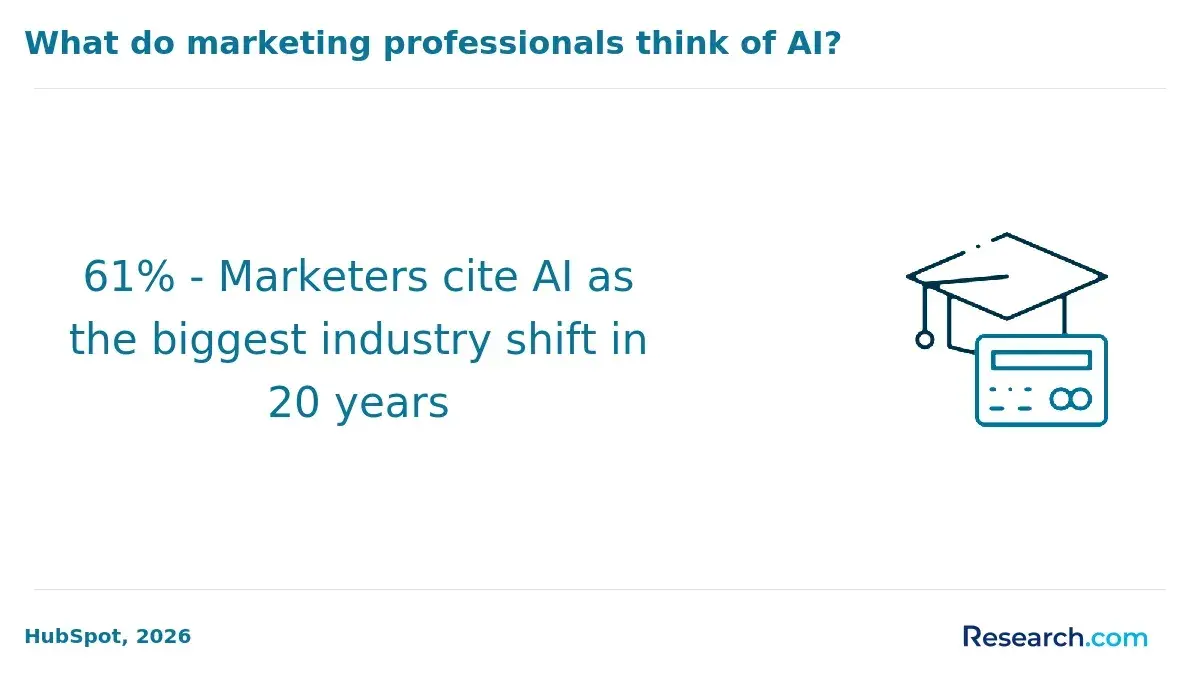
- HubSpot. (2026). The State of Marketing 2026. HubSpot.
- National Association of Colleges and Employers. (2026). Winter 2026 Salary Survey Report. NACE.
- Twin, A. (2026, March 9). Understanding Marketing in Business: Key Strategies and Types. Investopedia.
- UC Riverside School of Business. (n.d.). MBA Marketing Courses and Career Pathways. Retrieved March 2026, from UCR.
- U.S. Bureau of Labor Statistics. (2025, August 28). Occupational projections and worker characteristics. Retrieved March 2026, from BLS.
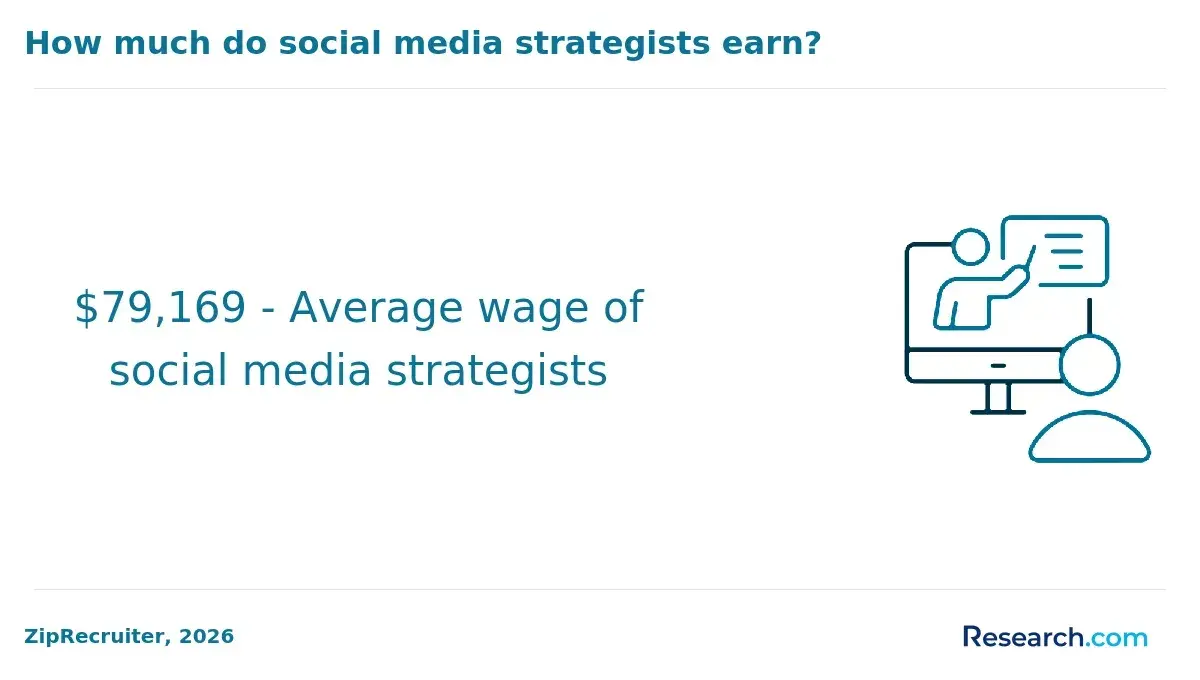
- ZipRecruiter. (2026). Social Media Strategist Salary. Retrieved March 2026, from ZipRecruiter.
Other Things You Should Know About MBA in Marketing
Admission requirements for an MBA in Marketing in 2027 typically include a bachelor's degree, GMAT or GRE scores, relevant work experience, letters of recommendation, and a personal statement. Some programs may waive the test scores if you have significant professional experience.
Many business schools still ask for a GMAT or GRE score, but several waive the test for applicants with strong work experience, a previous graduate degree, or a high undergraduate GPA. Check each school’s admissions policy, because test rules vary by program and can change each cycle.
The program includes core MBA subjects such as finance, accounting, and organizational behavior, along with specialized marketing courses like digital marketing, brand management, consumer behavior, and salesforce management.
Before enrolling in an MBA in Marketing in 2027, it's beneficial to have skills in data analysis, digital marketing, and strategic thinking. Proficiency in communication and leadership also enhances your ability to succeed in rigorous courses and prepares you for dynamic marketing roles.
Graduates can pursue various high-paying roles, including advertising manager, marketing manager, brand manager, promotions manager, chief marketing officer, and market research analyst.
The median annual wage for marketing managers is $135,030, while advertising and promotions managers earn a median annual wage of $127,150. Chief marketing executives can earn a median annual wage of $179,520.
Yes, many institutions offer online MBA programs in Marketing, providing flexibility for working professionals. These programs often cost less than traditional on-campus programs and allow you to study from anywhere.