
2027 What Can You Do With an HR Degree

Co-Founder and Chief Data Scientist
Choosing a human resources degree is a career decision, not just an academic one. HR professionals help organizations hire effectively, retain employees, manage compliance, resolve workplace issues, design benefits programs, and build healthier workplace cultures. That matters because Gallup’s 2025 “State of the Global Workplace” report found that employee disengagement costs employers approximately $7.8 trillion in lost productivity, equal to 10% of global GDP.
This guide is for prospective students, career changers, and working professionals who want to understand whether an HR degree is the right path. You will learn what HR degrees cover, how much they can cost, which jobs they may lead to, what skills employers expect, how online and accelerated programs compare, and how to evaluate a program before enrolling.
The goal is simple: help you decide whether to pursue an HR degree, which credential level fits your goals, and what questions to ask before committing your time and money.
Quick Answer: Is an HR Degree Worth Considering?
An HR degree can be worth it if you want a business career centered on people, workplace policy, talent development, compliance, and organizational strategy. It is especially useful for students who want structured training in employment law, compensation, recruiting, employee relations, training, HR technology, and business communication.
The strongest candidates for an HR degree are people who enjoy problem-solving, communication, ethical decision-making, data-informed planning, and working with employees at different levels of an organization. However, students who dislike conflict resolution, policy work, documentation, or sensitive employee issues may want to explore a different business major before enrolling.
HR Degree Table of Contents
- What an HR degree covers
- How much an HR degree costs
- Jobs you can pursue with an HR degree
- Types of HR degrees and credentials
- Admission and skill requirements
- How to choose an HR degree program
- Whether an affordable HR program is a smart choice
- Why business knowledge matters in HR leadership
- Whether HR professionals should consider an MBA
- How technology skills improve HR career options
- When an easier HR degree program may make sense
- Why soft skills are central to HR success
- How HR connects with environmental health and safety
- How to choose an HR specialization
- How online HR degrees can support career acceleration
- Challenges facing HR professionals today
- How continuing education strengthens HR expertise
What is an HR degree?
A human resources degree is an academic program that prepares students to manage the employee side of an organization. HR departments often handle recruiting, onboarding, training, benefits, compensation, workplace policies, employee relations, performance management, labor relations, compliance, and organizational development.
Unlike a general business degree, an HR degree focuses on how organizations attract, support, evaluate, develop, and retain employees while staying aligned with legal requirements and business goals. Students learn how to communicate with employees and executives, interpret workplace policies, use HR data, and make decisions that balance employee needs with organizational priorities.
Common HR coursework may include:
- Organizational development
- Employment law and workplace ethics
- Training, learning, and employee development
- Accounting, budgeting, and finance fundamentals
- Behavioral science and organizational behavior
- Business communication
- Recruiting, talent acquisition, and workforce planning
HR is not only an administrative function. In many organizations, HR has become part of strategic planning because hiring, retention, workforce skills, compensation, compliance, and culture directly affect business performance.
Cost of an HR Degree
The cost of an HR degree depends on the school, credential level, residency status, delivery format, transfer credits, and whether the student attends full time or part time. Tuition is only one part of the total price. Students should also plan for books, technology fees, transportation, housing, lost work hours, exam fees, and possible certification costs.
How Much Does it Cost to Get a Degree in HR?
For an in-state public university, a human resource management and services student might pay about $11,950 per year in basic tuition, according to College Board data from 2025. For an out-of-state student attending a private institution, SoFi reported that median annual tuition rises to $43,350 in 2026.
Before choosing the lowest listed tuition, compare the full cost of attendance. A program with higher tuition may become more affordable if it accepts more transfer credits, offers employer tuition reimbursement partnerships, provides scholarships, or allows students to continue working while enrolled.
| Cost factor | Why it matters | What to ask before enrolling |
| Tuition | This is usually the largest direct academic cost. | Is tuition charged per credit, per term, or by flat rate? |
| Fees | Online, technology, graduation, transcript, and student service fees can raise the final price. | Which fees are mandatory, and which are optional? |
| Transfer credits | Accepted credits can shorten the degree and reduce total tuition. | How many previous credits can be applied to the HR program? |
| Books and materials | Business, law, and analytics courses may require textbooks, software, or simulations. | Are digital resources included in tuition? |
| Internship requirements | Internships may improve job readiness but can affect work schedules. | Are internships paid, local, remote, or required? |
| Certification preparation | Some programs align coursework with HR certification topics. | Does the program prepare students for SHRM or HRCI-related credentials? |
Is an HR degree worth it?
An HR degree may be a strong investment for students who want a business career with direct influence on hiring, workplace culture, employee development, compensation strategy, and compliance. The degree can be especially helpful for people who want to move beyond entry-level administrative roles into specialist, generalist, manager, or leadership positions.
The value of the degree depends on the student’s career goal, program cost, local job market, experience level, and ability to gain practical exposure through internships or HR-related work. A lower-cost accredited program with strong career support may produce better value than a more expensive program with limited employer connections.
Compensation can be competitive in HR leadership. The U.S. Bureau of Labor Statistics reported competitive pay for human resource managers, with a median annual salary of $145,750 in 2025. Professional and technical services accounted for 15% of HR manager employment, according to the U.S. Bureau of Labor Statistics in 2025.
Still, an HR degree does not guarantee a management salary. Most graduates build toward higher-paying roles by combining education with HR experience, technology skills, legal knowledge, analytics ability, and strong interpersonal judgment.
HR Degree Jobs
HR careers exist across nearly every industry because organizations need people to recruit workers, support employee performance, manage benefits, handle compliance, and reduce turnover. Gallup reported in 2025 that only 21% of part-time and full-time employees are engaged at work. It also found that disengaged teams can face turnover rates up to 43% higher than highly engaged teams, and replacing a separated employee can cost from one-half to double that employee’s annual pay.
Those figures explain why HR is increasingly treated as a business function tied to retention, productivity, risk management, and long-term workforce planning. Research from 2025 described HR as a “strategic business partner” and “core organizational infrastructure” because HR teams help organizations respond to political, technological, and workforce changes.
Is HR in high demand?
Robert Half reported more than 30,300 HR job postings advertised in the U.S. in 2025. The U.S. Bureau of Labor Statistics projected 7% employment growth for human resource managers through 2031, with an average of 16,300 openings per year during the decade.
Entry-level opportunities are also relevant for new graduates. The U.S. Bureau of Labor Statistics projected 6% employment growth for human resources specialists by 2034, compared with 3.1% across all occupations, with about 81,800 human resources specialist openings projected each year through 2034.
What jobs can you get with an HR degree?
HR roles vary by organization size. In a small company, one HR generalist may handle recruiting, benefits, employee relations, onboarding, and compliance. In a larger organization, HR work is usually divided among specialists in recruiting, compensation, learning, labor relations, HR systems, analytics, or compliance.
| HR area | What the work involves | Common roles | Best fit for students who like |
| Talent management | Recruiting, workforce planning, employee relations, engagement, performance, and culture work | Recruiter, employee relations manager, HR business partner | Interviewing, coaching, conflict resolution, and workforce strategy |
| Compensation and benefits | Pay structures, benefits plans, incentives, market comparisons, and compliance with compensation rules | Benefits administrator, compensation and benefits manager | Data, policy, budgeting, and employee rewards |
| Training and development | Employee learning programs, onboarding, leadership development, instructional design, and skill-building | Training and development manager, curriculum developer, director of organizational development | Teaching, curriculum planning, facilitation, and performance improvement |
| HR compliance | Employment policy, labor relations, workplace safety rules, equal opportunity requirements, and risk reduction | Labor relations specialist, occupational health and safety manager | Law, documentation, investigations, policy review, and ethical decision-making |
Talent Management Roles
Talent management focuses on how organizations find, support, evaluate, and retain employees. It often includes recruiting, onboarding, performance management, engagement, workforce planning, and employee relations.
- Recruiter: Identifies candidates, screens applications, coordinates interviews, and helps hiring teams select qualified applicants.
- Employee relations manager: Addresses workplace concerns, investigates complaints, supports conflict resolution, and advises managers on employee issues.
- HR business partner: Works with leaders to align workforce plans, employee initiatives, and talent strategies with business priorities.
Compensation and Benefits Roles
Compensation and benefits professionals design, administer, and evaluate employee pay and benefit programs. Their work may include salary structures, bonuses, health benefits, retirement plans, paid time off, pay equity, and compliance with applicable laws and company policies.
- Benefits administrator: Manages employee benefits programs such as health coverage, disability plans, insurance, retirement benefits, and related employee support.
- Compensation and benefits manager: Develops pay and benefits strategies that are legally compliant, financially sustainable, and competitive within the organization’s labor market.
Training and Development Roles
Training and development teams help employees build the skills needed to perform well and grow professionally. They may design onboarding programs, workshops, compliance training, leadership development courses, e-learning modules, and performance improvement plans.
- Training and development manager: Plans and oversees employee learning initiatives across departments or job levels.
- Curriculum developer: Creates training materials, learning paths, assessments, and instructional content for employees.
- Director of organizational development: Leads change management, organizational effectiveness, leadership development, and workforce transformation efforts.
HR Compliance Roles
HR compliance professionals help organizations follow employment laws, workplace policies, labor agreements, and safety standards. Their work can reduce legal risk while protecting employees and supporting ethical workplace practices.
- Labor relations specialist: Supports collective bargaining, union relations, contract interpretation, and workplace negotiations.
- Occupational health and safety manager: Helps ensure that the workplace follows safety rules and relevant state and federal standards.
What kind of salary can I earn with an HR Degree?
According to 2025 BLS reports, human resource managers earned from $82,410 to more than $232,210 annually, with most working 40 hours per week. HR managers in professional, scientific, and technical services had the highest listed median annual pay at $148,810. Even the lowest 10% of earners in this occupation earned more than the national average wage across all occupations, which was $48,060 in 2025.
A human resources degree salary can vary by education, experience, location, industry, company size, and role. Zippia reported in 2025 that human resource managers with an associate degree earned an average of $75,414 per year, while those with a bachelor’s degree earned $85,821. It also reported average earnings of $94,923 for master’s degree holders and $99,013 for doctorate holders.
Students should treat salary data as a benchmark, not a promise. Employers usually weigh degree level alongside experience, HR systems knowledge, certification, industry expertise, leadership ability, and measurable results.
Types of Degrees in HR
HR education is available at several levels, from short certificates to doctoral study. The best option depends on your current education, work experience, budget, timeline, and target role. Students who are just starting out often choose an associate or bachelor’s degree, while professionals pursuing leadership, consulting, or academic work may consider graduate study.
| Credential | Typical completion time | Best for | Possible roles |
| Associate degree in HR | Two years | Students seeking an affordable entry point into HR support roles | Recruiting assistant, office manager, payroll clerk |
| Bachelor’s degree in HR | Four years | Students seeking generalist or specialist HR roles | HR generalist, labor relations specialist, training coordinator |
| Master’s degree in HR | Two to three years | Professionals targeting leadership, strategy, or organizational development | Director of human resources, chief people officer, industrial relations manager |
| Doctorate degree in HR | Two to four years | Students interested in research, college teaching, consulting, or executive expertise | Organizational development consultant, researcher, professor |
| HR certificate | Two hours to seven days | Professionals validating a specific HR skill or transitioning into HR | HR management consultant, researcher, professor |
Associate’s Degree in HR
Time to complete: Two years
An associate degree in HR introduces students to the core administrative and people-management functions used in HR departments. It can prepare graduates for support roles in recruiting, payroll, office administration, onboarding, or employee records management.
Coursework may include business administration, project coordination, employee training, total rewards, communication, and basic HR policy. Zippia reported in 2025 that about 9% of human resource managers listed an associate degree as their highest level of education, showing that the credential can be a practical starting point. Many students later apply credits toward a bachelor’s degree to improve advancement options.
Entry-level jobs: Recruiting assistant, office manager, payroll clerk
Bachelor’s Degree in HR
Time to complete: Four years
A bachelor’s degree in HR gives students broader preparation for generalist and specialist positions. Students typically study recruiting, employee relations, training and development, compensation, benefits, HR compliance, employment law, organizational behavior, finance, and business communication.
This credential is often a practical choice for students who want to qualify for HR specialist, HR coordinator, HR generalist, recruiting, benefits, or training roles. It may also serve as a foundation for later graduate study.
Entry-level jobs: HR generalist roles and HR specialist roles
HR Specialist VS HR Generalist
An HR specialist concentrates on one area of HR, such as recruiting, compensation, benefits, training, labor relations, or compliance. An HR generalist works across several HR functions and may be responsible for a wider range of day-to-day employee support, policy, and administrative responsibilities.
A specialist path can make sense if you want deep expertise in a defined function. A generalist path can be better if you want variety, broad exposure, or a pathway into HR management. New graduates who are undecided may benefit from generalist roles because they provide hands-on exposure to multiple HR functions before choosing a specialization.
Entry-level jobs: Human resources generalist, labor relations specialist, training coordinator
Master’s Degree in HR
Time to complete: Two to three years
A master’s degree in HR is designed for professionals who want advanced expertise in organizational leadership, employment strategy, workforce planning, ethics, law, analytics, and change management. Some students also compare this path with an online masters in management and leadership if their goal is broader leadership preparation.
Graduate coursework often includes advanced HR strategy, labor law, organizational research, executive communication, ethics, diversity and inclusion, workforce analytics, and talent development. The degree can support movement into HR leadership, consulting, organizational development, and executive-facing roles.
MS or MA in Human Resource Management VS MBA with Human Resource Management Concentration
An MA or MS in human resource management focuses directly on HR practice, employment systems, organizational behavior, and workforce strategy. An MBA with an HR concentration is a broader management degree that includes HR electives within a larger business curriculum.
An MA may emphasize applied leadership, communication, employee relations, and behavioral dimensions of HR. An MS may place more weight on systems, processes, analytics, and structured HR management. An MBA can be a better fit for professionals who want finance, operations, marketing, and strategic management training alongside HR coursework. Students considering that route may also compare options for a business-focused degree online.
Entry-level jobs: Director of human resources, chief people officer, industrial relations manager
Doctorate Degree in HR
Time to complete: Two to four years
A doctorate in HR is the most advanced academic route in the field. It usually emphasizes research, theory, workforce systems, organizational strategy, and advanced methods. Students pursuing doctoral degree years often complete original research through a dissertation or comparable doctoral project.
This path is most appropriate for people who want to teach at the postsecondary level, conduct HR research, consult on complex organizational issues, or pursue senior thought-leadership roles. It is usually not necessary for most entry-level or midcareer HR jobs.
Entry-level jobs: Organizational development consultant, researcher, professor
Certificate in HR
Time to complete: Two hours to seven days
HR certificates and certifications can help professionals document specific knowledge or prepare for a career transition. These credentials may involve courses, exams, experience requirements, or competency assessments, depending on the issuing organization.
Certification is usually voluntary, but it can help job seekers signal commitment and specialized knowledge. It may be useful for professionals moving into HR from another field, HR assistants seeking advancement, or experienced professionals who want to strengthen credibility in a specific area.
Common HR certifications include the SHRM Certified Professional (SHRM-CP) from the Society for Human Resource Management, Professional in Human Resources (PHR) from the Human Resource Standards Institute, and Global Professional in Human Resources (GPHR) from the International Human Resource Certification Institute, according to Franklin University.
Entry-level jobs: Researcher, professor, HR management consultant
HR Degree Requirements
DataUSA reported that 108,103 degrees and certificates in HR were awarded in the U.S. in 2025. Admission requirements vary by school and degree level, but most programs ask for an application, proof of prior education, transcripts, and sometimes essays, interviews, test scores, or recommendation letters.
Admission Requirements
Proof of graduation: Bachelor’s programs generally require a high school diploma or equivalent credential, such as a GED or HiSET. Master’s programs usually require a bachelor’s degree. Doctoral programs may require either a bachelor’s or master’s degree, depending on the institution.
Grade requirements: GPA expectations differ by program. Bachelor’s applicants are often more competitive with a GPA of 3.0 or higher, while master’s applicants should aim for at least 3.5, according to U.S. News & World Report in 2025. Indeed’s editorial team reported that doctoral applicants are generally stronger with a GPA of at least 3.3. More selective schools may expect applicants to be closer to 4.0.
Test requirements: Over 1,800 universities are test-optional, but strong scores may still help some applicants. College Board data from 2025 places a strong general benchmark around 1029 for the SAT and 24 for the ACT. For graduate applicants, a GMAT Focus Edition score of at least 655 was described as fair because it exceeds the average for the top 30 business schools in the U.S., according to GMAC in 2025. Kaplan Test Prep professionals recommended a GRE score in the 80th percentile or above.
Skill Requirements
Communication and interpersonal judgment: HR professionals write policies, explain benefits, lead meetings, conduct interviews, facilitate training, prepare reports, and handle sensitive employee conversations. Clear speaking, careful writing, active listening, and professional discretion are essential.
Business management ability: HR decisions affect budgets, productivity, hiring plans, compliance exposure, retention, and employee morale. Strong HR professionals understand how the business operates and can connect workforce decisions to organizational goals.
Technical and data skills: HR teams increasingly use HR information systems, applicant tracking systems, analytics dashboards, digital learning platforms, payroll systems, engagement tools, and AI-supported workflows. Gartner’s “Top Priority for HR Leaders in 2026” emphasized that technologies such as generative artificial intelligence and predictive analytics can support HR functions that produce and manage large amounts of workforce data.
- : "“[I]t is worth noting that while it may now seem obvious that HR professionals must update their skills to survive and be able to seize opportunities while meeting the challenges inherent in the fourth industrial revolution, we agree with Ulrich et al. (2017) that, from this perspective, the restructuring of HR department is more important than ever. In this new era, the competence or “business acumen,” using Ulrich’s expression, for HR professionals must take on a new meaning, as the right combination of this competence with digital technology and proven analytical capabilities become one of the most important key factors in HR’s success.”"
Poba-Nzaou et al. argued that HR must move beyond merely calculating metrics and toward evidence-based human resource management while still protecting meaning and purpose for employees. For students, that means choosing programs that teach both people skills and analytical decision-making.
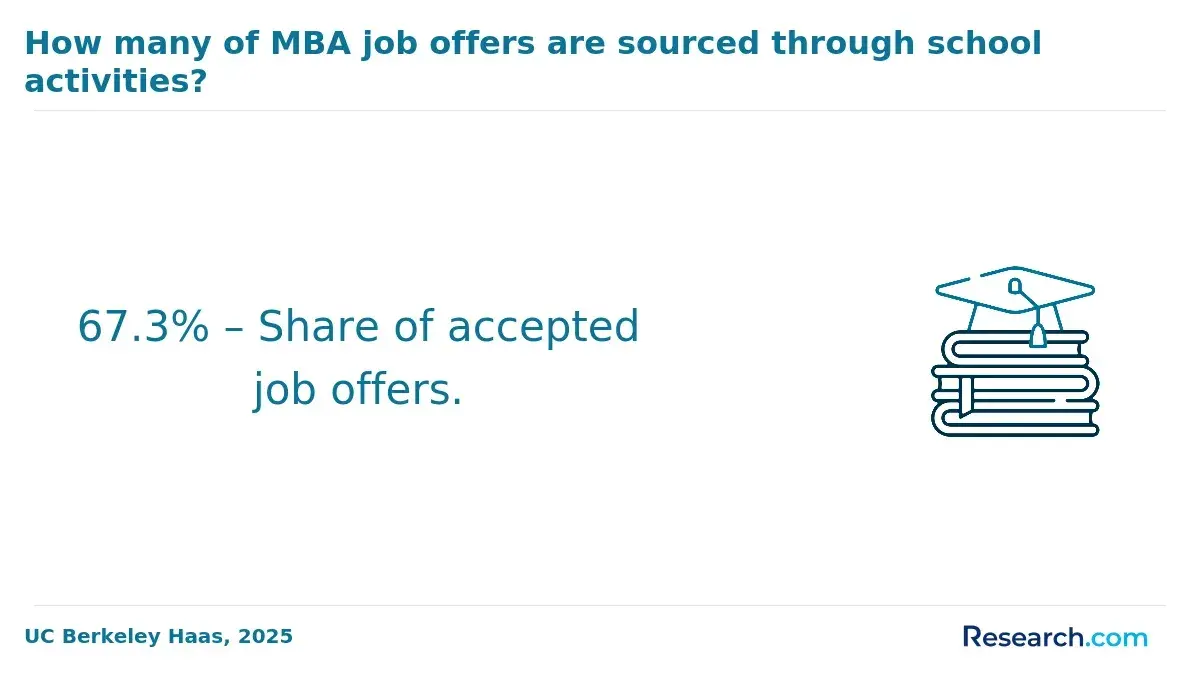
What to Look for in an HR Program
Not all HR programs prepare students equally. A strong program should teach current HR practice, legal foundations, workforce analytics, business strategy, employee relations, technology tools, and applied problem-solving. It should also help students build experience through projects, internships, simulations, or employer partnerships.
Dynamic Curriculum
HR changes as workplaces change. A relevant curriculum should address employment law, recruiting, benefits, employee relations, workforce planning, HR analytics, remote and hybrid work, DEI-related responsibilities, ethics, HR technology, and organizational change. Programs that rarely update course content may leave graduates less prepared for current employer expectations.
Accreditation
Accreditation helps students verify that a school or program meets recognized quality standards. For HR-specific curriculum alignment, the Society for Human Resource Management reviews programs against HR educational principles. Students can use a list of SHRM-approved programs and institutions to identify programs with SHRM-aligned curricula.
Hands-On Learning Opportunities
Internships, practicums, case studies, capstone projects, simulations, and employer-sponsored projects can make an HR degree more practical. Six-to-eight-week internships can expose students to recruiting, onboarding, employee records, training, benefits, and workplace communication.
NACE data reported that students who completed at least one internship were 62% more likely to secure a full-time offer after their internship, the lowest rate in over five years. The Hiring Lab reported in 2025 that 80% of interns are recruited into a company’s workforce after their internship ends.
Students should ask whether internships are required, whether the school helps with placement, whether remote internships are accepted, and whether the program has employer relationships in industries of interest.
Questions to Ask Before Choosing an HR Program
- Is the institution properly accredited?
- Is the HR curriculum aligned with current workplace, legal, analytics, and technology expectations?
- Does the program offer internship support, career coaching, résumé help, or employer networking?
- Can prior college credits, military training, or professional experience reduce the time to graduation?
- Are online courses asynchronous, synchronous, or a mix of both?
- Does the program prepare students for HR certifications or professional exams?
- What HR roles do recent graduates typically pursue?
- What is the total cost after tuition, fees, materials, and living expenses?
Is Investing in an Affordable HR Education a Smart Move?
An affordable HR program can be a smart choice when it is accredited, career-relevant, and flexible enough to help students finish without unnecessary debt. Cost matters because HR graduates may begin in coordinator, assistant, specialist, or generalist roles before moving into management. Lower debt can make that early-career period easier to manage.
Affordability should not mean choosing a weak program. Students should compare tuition, completion time, transfer policies, career services, curriculum quality, internship access, and employer reputation. For students prioritizing cost, reviewing cheapest online college bachelor degree options can be a useful starting point when comparing value.
How Important Is Business Acumen for HR Leadership?
Business acumen is essential for HR professionals who want influence beyond administrative tasks. HR leaders need to understand budgets, revenue pressures, workforce productivity, compliance risk, labor costs, leadership priorities, and organizational strategy. Without business knowledge, HR recommendations may be viewed as disconnected from operational reality.
Students who want leadership roles should build competence in finance, management, negotiation, data interpretation, and strategic planning. Those comparing HR with broader business training may find the discussion in Is a business administration degree worth it? useful when deciding how much general business education they need.
Should I Pursue an MBA as an HR Professional?
An MBA can make sense for HR professionals who want to move into executive leadership, organizational strategy, consulting, or cross-functional management. Compared with a specialized HR master’s degree, an MBA usually gives broader exposure to finance, operations, marketing, accounting, leadership, and competitive strategy.
An MBA with an HR concentration may be most useful for professionals who already understand HR basics and want to strengthen business decision-making. A specialized HR master’s degree may be better for professionals who want deeper training in workforce analytics, employment law, labor relations, talent strategy, or organizational development. To compare this pathway further, review the discussion of an MBA with a concentration in human resources.
How Technology Skills Enhance HR Career
Technology is changing how HR teams recruit, analyze workforce trends, deliver training, manage records, and support employees. HR professionals do not need to become software engineers, but they should be comfortable using digital systems, interpreting data, and evaluating the ethical limits of automation.
- Data analytics: HR analytics can help teams examine turnover, engagement, hiring speed, training outcomes, performance trends, and workforce gaps.
- Automation and AI: Automated tools may support interview scheduling, payroll processing, résumé screening, and employee support workflows, allowing HR staff to focus on judgment-heavy work.
- HR information systems: Platforms such as Workday and SAP SuccessFactors help teams manage employee records, performance tracking, benefits administration, compliance documentation, and reporting.
- Employee engagement platforms: Tools such as Slack, Microsoft Teams, and survey software can support communication, feedback collection, and culture-building in hybrid or distributed teams.
- Learning management systems: LMS platforms help HR teams deliver onboarding, compliance training, leadership development, and ongoing upskilling.
The key is not simply knowing tools. HR professionals must understand when technology improves fairness, efficiency, and decision quality—and when human review is necessary.
Is an easier HR degree program a strategic choice for career growth?
An easier or more flexible HR degree program can be a reasonable choice if it is accredited, teaches core HR competencies, and fits the student’s schedule. For working adults, parents, military students, or career changers, a streamlined format may make degree completion more realistic.
However, students should not choose a program only because it appears easy. A program should still cover employment law, HR ethics, compensation, recruiting, training, organizational behavior, and HR technology. If speed and flexibility are priorities, comparing easiest human resources degree options may help identify programs that reduce unnecessary barriers without sacrificing essential preparation.
What is the role of soft skills in HR success?
Soft skills are central to HR because the work often involves sensitive conversations, competing priorities, confidential information, and emotionally charged workplace issues. These skills can be developed through coursework, mentorship, work experience, role-play, internships, and graduate study, including easy master’s degrees focused on leadership, communication, or organizational strategy.
- Communication and active listening: HR professionals must explain policies clearly, listen carefully to employee concerns, and communicate decisions with professionalism.
- Emotional intelligence: Strong HR judgment requires empathy, self-awareness, neutrality, and the ability to manage difficult conversations without escalating conflict.
- Adaptability and problem-solving: HR teams often respond to reorganizations, remote work changes, compliance updates, leadership shifts, staffing shortages, and culture issues.
- Leadership and influence: HR professionals frequently guide initiatives in employee engagement, training, wellness, diversity, change management, and workplace culture.
How Can HR Integrate Environmental Health and Safety Initiatives?
HR often works with operations, legal, facilities, and safety teams to support workplace health and safety. This can include training employees, documenting incidents, communicating policies, supporting compliance, coordinating return-to-work procedures, and helping create a culture where employees report risks early.
Students interested in the connection between HR, compliance, safety, and sustainability may benefit from additional study in workplace risk, safety systems, and environmental health. A targeted program such as an environmental health and safety online degree can help professionals connect HR strategy with safety responsibilities.
Choosing the Right HR Specialization Through Advanced Studies
Choosing an HR specialization should start with the work you want to do every week. Talent acquisition is a strong fit for people who enjoy recruiting and labor market strategy. Compensation and benefits may appeal to students who like data, policy, and financial analysis. Employee relations fits people who can manage conflict and sensitive investigations. Learning and development is ideal for students who enjoy teaching, facilitation, and performance improvement.
Advanced programs, including human resources master's programs online, may offer coursework in organizational development, workforce analytics, labor relations, talent acquisition, employee engagement, compensation, or HR technology. These programs can help working professionals deepen expertise while maintaining job and family responsibilities.
Before selecting a specialization, review job postings in your target location and industry. Look for recurring requirements, preferred certifications, software tools, and experience expectations. Then choose electives, internships, projects, and certifications that match the roles you actually want.
How to Accelerate Your HR Career with an Online HR Degree
Online HR degrees can help students continue working while completing academic requirements. This format may be useful for career changers, working HR assistants, military learners, parents, and students who do not live near a campus with a strong HR program. Students comparing fast paths may also review an accelerated online business management degree if they want broader business preparation.
An accelerated online HR degree can support career progress in several ways:
- Flexible study: Online programs may allow students to complete coursework from home and balance school with employment or family responsibilities.
- Faster completion options: Some programs use shorter terms, year-round enrollment, or transfer-friendly policies to help students finish sooner.
- Specialized tracks: Online programs may offer concentrations in talent acquisition, employee development, organizational behavior, HR technology, or related areas.
- Potential cost savings: Online students may avoid campus housing and commuting costs, though they should still compare fees and total program price.
- Career mobility: Students who earn a degree while working may be able to apply new HR knowledge immediately in their current workplace.
- Current workplace tools: Strong online programs often include HR software, compliance scenarios, data analysis, virtual collaboration, and digital learning systems.
- Networking access: Online programs may provide virtual communities, alumni connections, employer events, and remote internship opportunities.
The best online HR degree is not simply the fastest one. It should be accredited, reasonably priced, employer-relevant, and structured in a way that helps you finish.
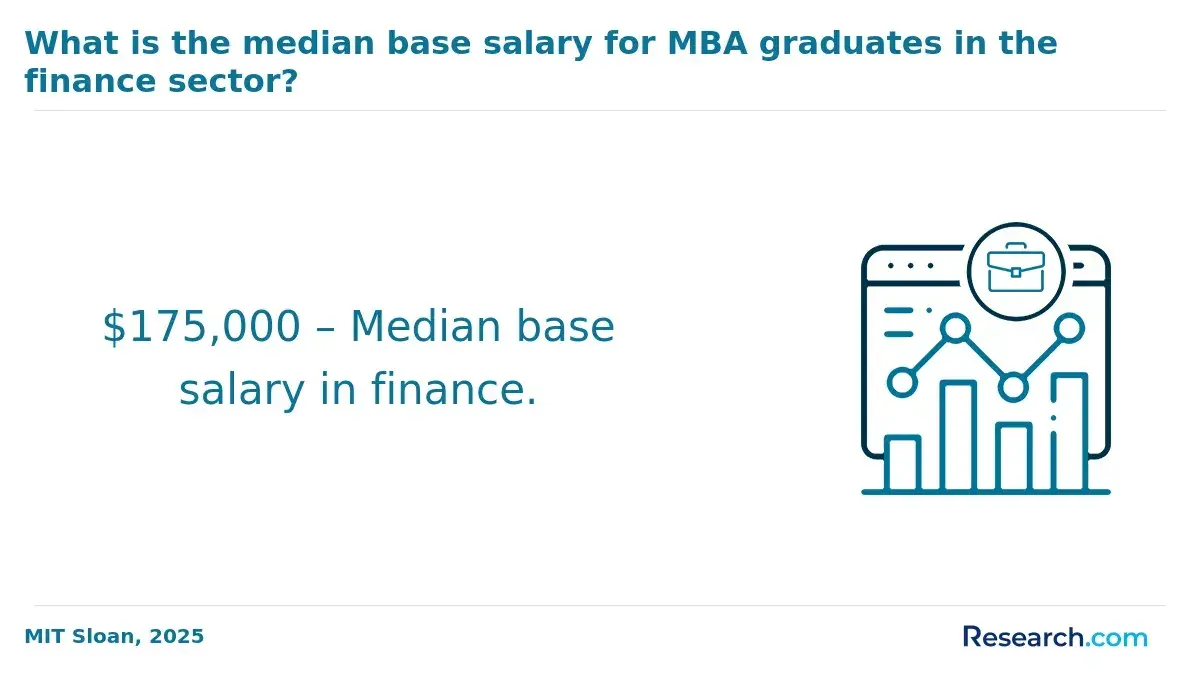
What challenges do HR professionals face in today's dynamic workplace?
HR professionals are navigating hybrid work, employee disengagement, changing technology, compliance updates, pay transparency expectations, workforce analytics, retention concerns, and the ethical use of AI. These challenges require both technical ability and strong human judgment.
Many professionals build practical HR judgment through early roles in coordination, recruiting, payroll, onboarding, or employee support. If you are starting at the entry level, learning how to become HR coordinator can help you understand the first steps into the field. From there, certifications, mentorship, graduate study, and hands-on project work can support advancement.
How can ongoing professional development boost your HR expertise?
HR knowledge becomes outdated quickly when employment laws, technology tools, workplace norms, and business conditions change. Continuing education helps HR professionals stay current and prepare for larger responsibilities.
Professional development may include certification prep, short courses, webinars, conferences, graduate certificates, leadership coaching, analytics training, employment law updates, and advanced degrees. Professionals considering graduate-level options can explore how master's in human resources careers align with leadership, consulting, and specialized HR roles.
Common Mistakes to Avoid When Choosing an HR Degree
- Choosing without checking accreditation: Always verify institutional accreditation and, when relevant, SHRM curriculum alignment.
- Looking only at tuition: Total cost includes fees, books, technology, housing, commuting, and the number of credits required.
- Ignoring transfer credit policies: A generous transfer policy can reduce both time and cost.
- Assuming online means easier: Online programs still require discipline, writing, group work, exams, and applied projects.
- Skipping internships or applied experience: HR is practice-heavy. Classroom learning is stronger when paired with workplace exposure.
- Overlooking HR technology: Graduates who understand HRIS platforms, analytics, and digital collaboration tools may be better prepared for modern HR roles.
- Expecting a degree to guarantee salary outcomes: Pay depends on role, experience, location, industry, employer size, and performance.
- Choosing a specialization too early: Students unsure of their direction may benefit from generalist coursework and internships before narrowing their focus.
Practical Steps Before Enrolling in an HR Degree Program
- Define your target role. Decide whether you want recruiting, HR generalist work, training, compensation, compliance, employee relations, analytics, or leadership.
- Compare credential levels. Choose an associate, bachelor’s, master’s, doctorate, or certificate based on your current education and career goal.
- Check accreditation. Verify the institution’s accreditation and review any HR-specific curriculum alignment.
- Calculate full cost. Include tuition, fees, books, technology, transportation, housing, and lost work time.
- Ask about internships. Prioritize programs with practical projects, employer connections, or internship support.
- Review course content. Look for employment law, HR analytics, compensation, recruiting, training, employee relations, compliance, and HR technology.
- Evaluate flexibility. Confirm whether courses are asynchronous, synchronous, accelerated, part time, or full time.
- Plan for professional development. Consider how certifications, workshops, and graduate study could fit into your long-term path.
Step into a Fulfilling Career with an HR Degree
An HR degree can be a practical route into a business career focused on people, policy, compliance, workplace culture, and organizational performance. It is most valuable when paired with internships, technology skills, business knowledge, strong communication, and a clear career direction.
Students can choose from campus-based programs, online degree programs in human resources, certificates, accelerated options, and graduate degrees. The best path is the one that fits your goals, budget, timeline, and preferred HR function while still meeting quality standards.
Key Insights
- HR is a business-critical function: Gallup reported that employee disengagement costs employers approximately $7.8 trillion in lost productivity, equal to 10% of global GDP.
- An HR degree is best for people-focused business careers: Strong candidates are comfortable with communication, compliance, conflict resolution, policy work, data, and ethical decision-making.
- Costs vary widely: In-state public university tuition may be about $11,950 per year, while out-of-state private tuition can reach a median of $43,350 per year.
- Career options are broad: HR graduates can pursue talent management, compensation and benefits, training and development, employee relations, compliance, labor relations, and HR technology roles.
- Salary potential rises with experience and responsibility: BLS reported a median annual salary of $145,750 for human resource managers in 2025, but individual outcomes depend on role, industry, location, and experience.
- Degree level should match your goal: Associate degrees can support entry-level roles, bachelor’s degrees fit many generalist and specialist jobs, master’s degrees support leadership, and doctorates fit research or academic paths.
- Accreditation and curriculum quality matter: Students should verify accreditation, review SHRM-aligned options, and look for current coursework in law, analytics, technology, and workforce strategy.
- Hands-on experience improves readiness: Internships, projects, HR simulations, and employer partnerships can make a degree more useful in the job market.
- Technology skills are no longer optional: HR professionals increasingly need HRIS, analytics, automation awareness, employee engagement tools, and digital learning systems.
References:
- College Board. (2025). *Trends in college pricing highlights*. https://research.collegeboard.org/trends/college-pricing/highlights
- DataUSA. (2025). Human Resources Management. https://datausa.io/profile/cip/human-resources-management
- Gallup. (2025). State of the Global Workplace: 2025 Report. https://www.gallup.com/workplace/349484/state-of-the-global-workplace.aspx
- Global HR Research Institute. (2025). The evolution of strategic human resources in the age of AI. https://www.ghri.org/reports/2025-strategic-hr-landscape
- Graduate Management Admission Council. (2025). GMAT Focus Edition Percentile Rankings and Score Distribution. https://www.gmac.com/gmat-other-assessments/about-the-gmat-focus-edition/exam-scores/percentile-rankings
- Hiring Lab. (2025). 2025 Internship Report: Trends and Insights. Indeed. https://www.hiringlab.org/2025/01/15/2025-internship-report/
- Robert Half. (2026). *2026 Human resources (HR) job market: In-demand roles and hiring*. https://www.roberthalf.com/us/en/insights/research/data-reveals-which-hr-roles-are-in-highest-demand
- SoFi. (2026). *What is the average cost of college tuition in 2026?* https://www.sofi.com/learn/content/average-cost-of-college-tuition/
- U.S. Bureau of Labor Statistics. (2025, April 3). Occupational Outlook Handbook: Human Resources Managers. https://www.bls.gov/ooh/management/human-resources-managers.htm
- U.S. Bureau of Labor Statistics. (2025). *Human resources specialists*. Occupational Outlook Handbook. https://www.bls.gov/ooh/business-and-financial/human-resources-specialists.htm
- U.S. Bureau of Labor Statistics. (2025). Occupational Outlook Handbook: Human Resources Specialists. U.S. Department of Labor. https://www.bls.gov/ooh/business-and-financial/human-resources-specialists.htm
- U.S. News & World Report. (2025). What is a good college GPA for grad school? https://www.usnews.com/education/best-graduate-schools/articles/what-is-a-good-college-gpa-for-grad-school
- Zippia. (2025). Human Resources Manager Salary. https://www.zippia.com/human-resources-manager-jobs/salary/
- Zippia. (2025, January 27). Human resources manager demographics and statistics in the US. https://www.zippia.com/human-resources-manager-jobs/demographics/
Other Things You Should Know About HR Degrees
Accreditation ensures that an HR program meets established quality standards, providing assurance of the educational quality and relevance to current industry needs. Accredited programs are also more likely to be recognized by employers, enhancing job prospects upon graduation.
In 2027, an HR degree can open doors to various roles including HR Generalist, Recruiter, Talent Acquisition Manager, Compensation Analyst, and Employee Relations Specialist. Graduates can also pursue positions in HRIS management or specialize in areas like diversity and inclusion, training and development, or organizational development.
In 2027, the demand for HR professionals is expected to remain strong, driven by diverse sectors emphasizing talent management and organizational development. Technological advancements and the need for strategic HR functions are increasing job opportunities in areas like HR analytics, compensation management, and employee relations.
In 2027, HR degree options include associate, bachelor's, master's, and doctoral programs. Each offers a unique depth of knowledge, from foundational principles at the associate level to advanced strategies and research opportunities at the doctoral level, catering to varying career goals.
Key skills for a career in HR include effective communication, interpersonal skills, business management skills, and technical skills. HR professionals must be able to handle sensitive issues, understand business goals, and leverage technology to manage human resources effectively.
When choosing an HR degree program, look for a dynamic curriculum that keeps up with industry changes, accreditation from recognized organizations, and opportunities for hands-on learning through internships. These factors ensure a comprehensive education and enhance career prospects.
Internships provide valuable real-world experience, expose students to various industries, and improve career prospects. They also enhance job readiness and often lead to job offers post-graduation. Internships are a key component of a well-rounded HR education.





