2027 Best Accredited Online Positive Psychology Degree Programs: Compare Tuition, Admissions, and Career Outcomes

Co-Founder and Chief Data Scientist
Choosing an online positive psychology degree is really a decision about cost, credibility, fit, and career return. The field matters because organizations, schools, healthcare teams, and coaching practices increasingly use well-being science to improve performance and resilience.
The U.S. Bureau of Labor Statistics reported a $94,310 median annual wage for psychologists in May 2024, but many positive psychology roles do not require psychologist licensure. This guide helps working adults, career changers, and psychology students compare accredited options, avoid weak programs, and choose a degree that fits their goals.
Key Things You Should Know
- Standalone online positive psychology degrees are relatively uncommon, so the best search strategy is to compare accredited positive psychology degrees, psychology degrees with positive psychology concentrations, and closely related applied psychology programs.
- Use total cost, not tuition alone: online students should compare per-credit tuition, technology fees, residency requirements, transfer-credit limits, and whether the program qualifies for federal financial aid.
- Career outcomes vary by role: a positive psychology degree may support coaching, workplace well-being, HR, training, research support, or nonprofit leadership, while licensed psychologist roles typically require a doctoral degree and state licensure.
Which Accredited Online Positive Psychology Degree Programs Offer the Best Overall Value?
The best overall value is usually not the lowest listed tuition. For positive psychology, value means the program is institutionally accredited, has a curriculum tied to evidence-based well-being science, fits your schedule, and supports a realistic career goal.
Because positive psychology is a niche field, students should compare both dedicated positive psychology programs and broader psychology programs that allow applied electives, research projects, coaching-oriented coursework, or workplace well-being specialization. The strongest option depends on whether you want a first psychology degree, a graduate credential, or a career-change pathway.
The table below summarizes common accredited online pathways and how they tend to compare for value. Use it as a decision framework, then verify current program names, tuition, and modality directly with each school before applying.
| Program pathway | Best fit | Typical value advantage | Main trade-off |
| Online bachelor's in psychology with positive psychology coursework | First-time college students, transfer students, and adults seeking a broad psychology foundation | Usually offers the widest financial aid access and the most flexible transfer-credit options | May not provide deep specialization in positive psychology until electives or capstone work |
| Online master's in positive psychology or applied positive psychology | Professionals in coaching, HR, education, leadership, wellness, or organizational development | Provides focused graduate-level training in flourishing, strengths, motivation, resilience, and assessment | May not lead to counseling or psychologist licensure by itself |
| Online master's in applied psychology, organizational psychology, or coaching psychology with positive psychology content | Students who want broader employability across business, training, consulting, or people analytics roles | Can be more recognizable to employers outside the well-being field | Positive psychology may be only part of the curriculum rather than the central focus |
| Graduate certificate in positive psychology | Degree holders who want targeted upskilling without completing another full degree | Lower time commitment than a degree and useful for testing fit before graduate study | May have less financial aid access and less labor-market weight than a degree |
If you are still deciding whether psychology is the right long-term field, compare it with other best college majors for the future. Positive psychology can be a strong fit when you want to apply behavioral science to well-being, performance, or human development rather than pursue a purely clinical path.
For most students, the strongest overall value comes from a regionally accredited online program with transparent tuition, robust advising, a capstone or applied project, and career services that understand non-licensed psychology careers. A more expensive program may be worth considering if it offers stronger faculty expertise, better alumni networks, or specialized applied learning that directly matches your goals.
What Accreditation Should Students Look for in an Online Positive Psychology Degree Program?
Accreditation is the first filter students should use. An accredited online positive psychology degree is offered by an institution recognized by an accreditor accepted by the U.S. Department of Education or the Council for Higher Education Accreditation, which affects federal aid eligibility, transferability, employer recognition, and graduate-school options.
Most positive psychology programs do not have a separate programmatic accreditor in the way nursing, social work, counseling, or teacher education programs often do. That makes institutional accreditation especially important. If a program claims to prepare students for counseling, therapy, school psychology, or licensed clinical practice, students should ask for written confirmation about state licensure alignment.
The table below explains what to verify before treating an online program as credible. These checks are especially important because positive psychology is sometimes marketed through coaching, wellness, or self-improvement language that may not always reflect academic rigor.
| Accreditation item | What it tells you | Why it matters |
| Institutional accreditation | The college or university has been reviewed for academic quality, governance, student support, and financial stability | It is usually required for federal financial aid, credit transfer, and employer confidence |
| Programmatic accreditation, if relevant | A specialized body has reviewed a specific professional program | Important for licensure-linked fields, but not typically available for standalone positive psychology degrees |
| State authorization for online learning | The school is allowed to enroll online students from your state | Some programs cannot enroll students in every state or may have restrictions tied to internships or licensure |
| Licensure disclosure | The school explains whether the program meets educational requirements for a regulated occupation | Prevents students from assuming a non-clinical positive psychology degree leads to counseling or psychologist licensure |
Before applying, students should complete a short verification process rather than relying only on marketing pages. This reduces the risk of choosing a program that looks attractive online but does not support transfer, financial aid, or career mobility.
- Search the institution in the U.S. Department of Education's accreditation database or the accreditor's official directory.
- Confirm whether the online program is offered by the same accredited institution, not an unaccredited partner or training company.
- Ask admissions staff whether the program is eligible for federal student aid and whether online students receive the same transcript designation as campus students.
- Request written licensure disclosures if you plan to work in counseling, therapy, school psychology, or any state-regulated role.
- Check whether credits can transfer into a graduate program if you may continue your education later.
A major red flag is a program that promises quick certification as a therapist, psychologist, or counselor without explaining state licensure. Positive psychology can support valuable non-clinical work, but licensure requirements are separate and must be verified state by state.
How Do Tuition Costs Compare Across Accredited Online Positive Psychology Degree Programs?
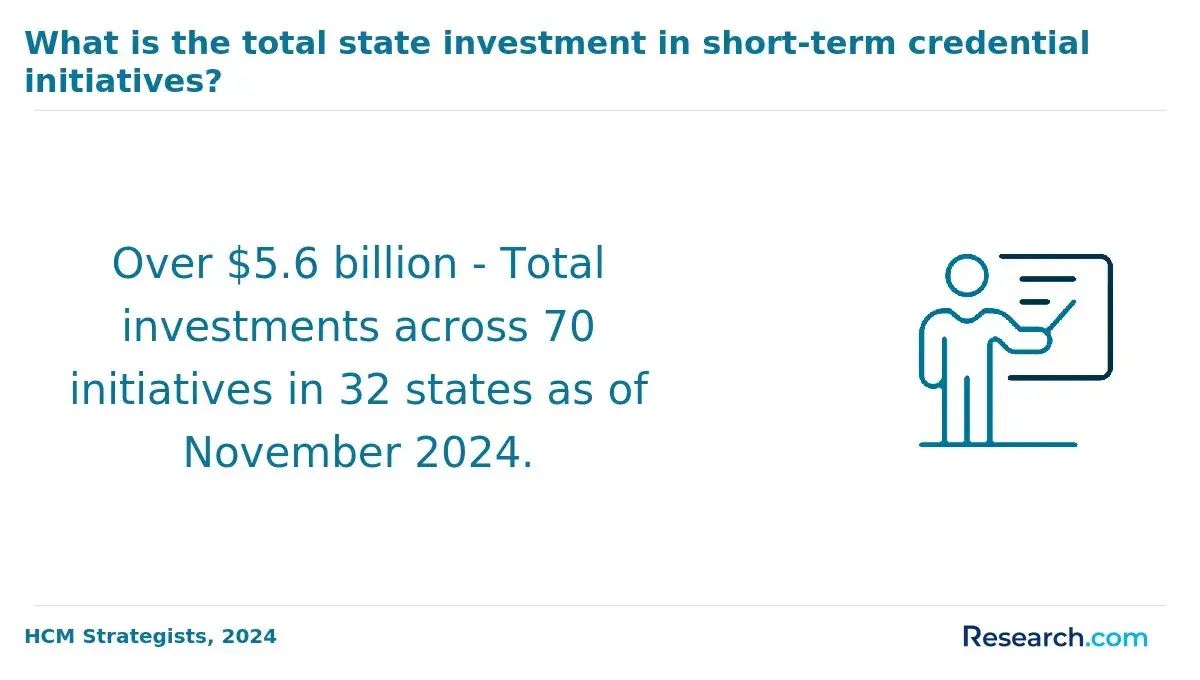
Tuition for online positive psychology programs varies widely because students may be comparing bachelor's degrees, master's degrees, and certificates. The most useful comparison is total estimated program cost after transfer credits, scholarships, employer tuition assistance, fees, and required residencies.
Public data from the College Board's 2024 pricing report shows that published tuition and fees continue to rise across higher education, which makes cost discipline especially important for students in fields where outcomes vary by role. For positive psychology students, that means avoiding debt levels that only make sense for licensed clinical careers unless the program actually supports that path.
The table below shows the main cost factors that can make two similar online programs differ substantially in real price. This is more useful than comparing advertised tuition alone.
| Cost factor | How it affects online students | What to ask before enrolling |
| Per-credit tuition | Determines the baseline cost of the degree or certificate | Is the tuition rate locked, and does it vary by residency status? |
| Program length | A 30-credit master's and a 45-credit master's can have very different total costs | How many credits are required after transfer or prior graduate coursework? |
| Online and technology fees | Can add recurring costs each term | Are online course fees included in tuition or billed separately? |
| Residency or intensive requirements | Hybrid programs may require travel, lodging, time off work, and meal costs | Are any in-person sessions required, and how often? |
| Books, assessments, and software | Positive psychology courses may use assessment tools, coaching platforms, or research software | Which materials are required, and are any included in tuition? |
| Transfer-credit policy | Generous transfer policies can reduce the number of credits you must pay for | How many credits can transfer, and do transferred courses replace major requirements? |
Students should also compare opportunity cost. A lower-tuition program that takes longer may be less attractive than a moderately priced program with year-round courses, strong transfer acceptance, and a predictable completion plan.
A practical way to compare cost is to calculate net cost per completed credential rather than per-credit tuition. The process is simple but prevents a common mistake: choosing the cheapest rate while overlooking fees, lost transfer credits, or required travel.
- Multiply tuition per credit by the number of credits you still need after transfer evaluation.
- Add mandatory fees, books, software, assessment tools, and estimated residency travel costs.
- Subtract confirmed grants, scholarships, tuition reimbursement, and tuition discounts.
- Divide the remaining cost by the number of months to completion to see the monthly investment required.
- Compare that number with your realistic earnings goal and the type of role the degree supports.
Do not assume private institutions are automatically poor values or public institutions are automatically better values. The better investment is the program that combines credible accreditation, manageable net cost, strong fit, and career relevance.
Admission to accredited online positive psychology programs ranges from open-access or transfer-friendly bachelor's pathways to selective graduate programs requiring a bachelor's degree, statement of purpose, professional experience, or academic writing samples. Selectivity should be interpreted in context: a flexible program is not necessarily low quality, and a selective program is not automatically the best fit.
At the bachelor's level, admissions usually focus on high school completion, prior college transcripts, minimum GPA standards, and transfer-credit review. At the graduate level, schools often want evidence that applicants understand positive psychology as an evidence-based academic field rather than general motivational coaching.
The table below compares typical admission expectations by credential level. Requirements vary by school, so applicants should confirm current criteria before building an application list.
| Credential level | Typical admission requirements | Best fit for | Potential concern |
| Bachelor's degree | High school diploma or equivalent, transcripts, transfer evaluation, and sometimes a minimum GPA | First-degree students and transfer students who want broad psychology preparation | Positive psychology specialization may be limited until upper-division coursework |
| Master's degree | Accredited bachelor's degree, transcripts, statement of purpose, resume, and sometimes recommendations or writing sample | Working professionals seeking applied expertise in well-being science, leadership, coaching, education, or organizational development | May not meet counseling or psychologist licensure requirements |
| Graduate certificate | Bachelor's degree or graduate standing, transcripts, and short application materials | Professionals testing the field or adding a focused credential | May carry less weight than a full graduate degree for some employers |
Students seeking faster completion should review whether the school offers short terms, rolling admissions, multiple start dates, and transfer-friendly degree maps. If speed is a priority, comparing accelerated programs online can help you understand how compressed formats work before choosing a psychology pathway.
Admissions flexibility matters most when you are balancing work, family, military service, or transfer credits. Selectivity matters more when you want faculty research mentorship, a prestigious graduate network, or a program with limited cohort seats.
Before applying, build a short admissions checklist so you do not waste application fees on programs that are unlikely to fit your background or goals.
- Confirm whether your previous credits satisfy general education, elective, or major requirements.
- Ask whether the program requires statistics, research methods, psychology prerequisites, or professional experience.
- Find out whether GRE scores are required, optional, or not accepted.
- Check whether international transcripts, military credits, or prior learning assessments are accepted.
- Ask whether admitted online students can switch between part-time and full-time enrollment.
A common mistake is assuming an easier application means weaker instruction. For adult-serving online programs, streamlined admissions may reflect a mission to serve working learners rather than a lack of academic standards.
The most flexible online positive psychology programs usually combine asynchronous coursework with predictable deadlines, multiple start dates, part-time enrollment, and accessible faculty support. Flexibility is not only about logging in at any hour; it is about whether the program can realistically fit your work schedule, family responsibilities, and learning style.
Online learning continues to be a mainstream option rather than a temporary alternative. NCES data released in 2024 showed that distance education remains a major part of U.S. higher education enrollment, which means students now have more credible online choices but also more programs to vet carefully.
The table below compares common online formats. The best choice depends on how much structure you need and whether live interaction is important for your learning.
| Format | How it works | Best fit | Watch for |
| Fully asynchronous | Students complete weekly modules without required live class meetings | Working adults, caregivers, military students, and students in different time zones | Requires strong self-management and comfort with independent learning |
| Synchronous online | Students attend live virtual sessions at scheduled times | Learners who want discussion, faculty access, and cohort connection | May be difficult for shift workers or students with unpredictable schedules |
| Hybrid or low-residency | Most coursework is online, but students attend in-person sessions or intensives | Students who value networking, experiential learning, or cohort retreats | Travel costs and time off work can increase total cost |
| Self-paced or competency-based | Students progress by demonstrating mastery rather than following a fixed weekly schedule | Highly independent learners with prior knowledge or strong time management | Not all psychology programs offer this format, and pacing expectations vary |
Flexibility should also be compared by field. For example, online psychology learners may have fewer required labs than STEM students but may need discussion participation, group projects, applied assignments, or supervised experiences. This differs from fields such as an online construction management degree, where scheduling may revolve around technical courses, estimating software, and industry-specific project work.
To choose the right format, students should look beyond "online" and ask how the program actually operates week to week. These questions reveal whether a program is manageable before you commit.
- Are live sessions required, optional, or recorded?
- How many hours per week should students expect per course?
- Are group projects required, and how are teams coordinated across time zones?
- Can students pause enrollment or reduce course load without losing progress?
- Are exams proctored, and are there fees or technology requirements?
- Does the program require fieldwork, coaching practice, research participation, or an in-person residency?
A red flag is a program that advertises maximum flexibility but will not provide sample course schedules, assignment cadence, or residency details. Real flexibility should be visible in the academic calendar, course design, and advising policies.
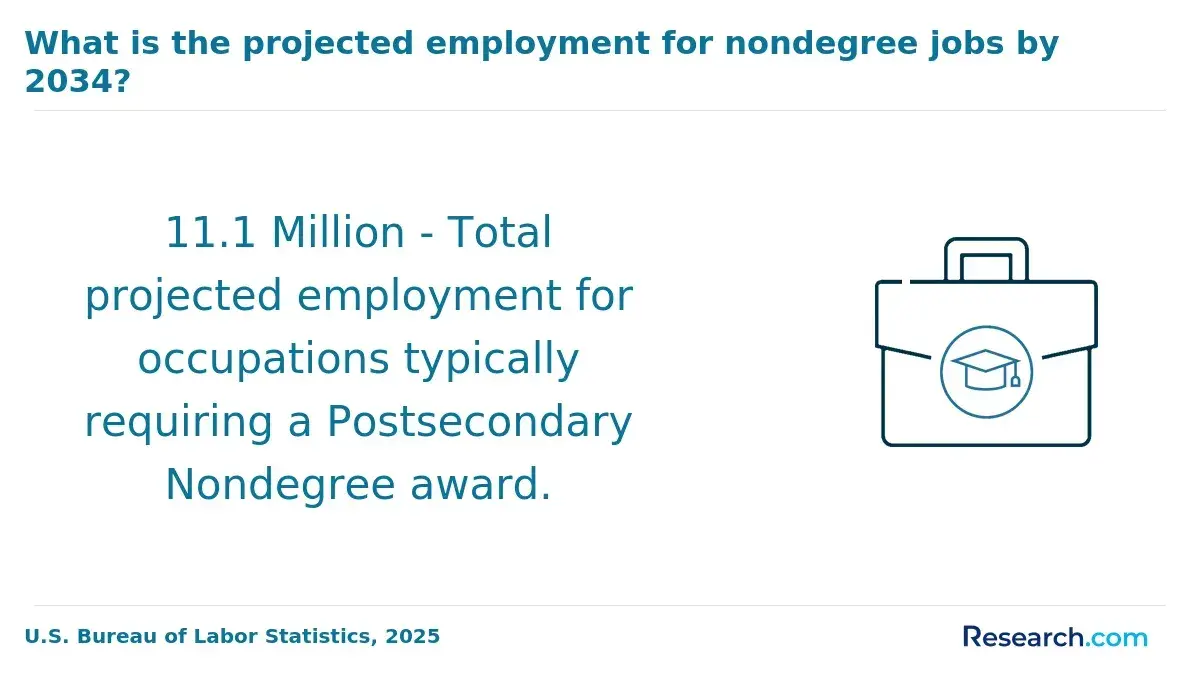
Student support services can strongly affect whether online learners finish on time. In positive psychology programs, the most valuable support usually combines academic advising, writing help, research support, career coaching, and access to faculty who understand applied well-being careers.
Online students should evaluate support before enrollment, not after they are struggling. A program may have strong curriculum but weak online infrastructure, which can make group work, research projects, or capstones harder than necessary.
The table below identifies support services that are especially useful in online positive psychology programs. These services help students turn coursework into a credible academic and career plan.
| Support service | Why it matters | What strong support looks like |
| Academic advising | Helps students choose courses, sequence requirements, and avoid delayed graduation | Assigned advisors, degree maps, proactive outreach, and transfer-credit planning |
| Writing and research support | Positive psychology coursework often includes literature reviews, evidence summaries, and applied projects | Online writing center, library access, research consultations, and citation support |
| Faculty access | Graduate students may need mentorship for capstones, applied projects, or research interests | Office hours, discussion feedback, faculty profiles, and clear response-time expectations |
| Career services | Non-clinical psychology careers require careful translation of skills into employer language | Resume reviews, job-search coaching, internship guidance, and LinkedIn or portfolio support |
| Technology support | Online learning depends on reliable platforms, video tools, and assessment access | Extended help-desk hours, orientation modules, and troubleshooting resources |
| Community and networking | Students benefit from peer connection in a field built around human development and well-being | Cohorts, virtual events, alumni panels, and student organizations |
Students should be especially cautious if a program emphasizes personal transformation but says little about academic support. Positive psychology can be personally meaningful, but a degree program should also build research literacy, ethical judgment, and practical communication skills.
Before enrolling, ask admissions or advising staff to explain exactly how online students receive help. Good programs can answer these questions clearly.
- Will I have one assigned advisor, or will I contact a general advising center?
- How quickly do instructors typically respond to online students?
- Are career services available to alumni, and for how long after graduation?
- Can online students access the same library databases as campus students?
- Does the program help students build portfolios, capstones, coaching demonstrations, or applied project examples?
Strong support services matter most for students who are returning to school after a long break, transferring credits, studying part time, or changing careers. They can also make the difference between earning a credential and using it effectively.
Financial aid options depend on the credential type and the school's eligibility. Degree-seeking students at accredited institutions generally have broader access to federal aid than students in stand-alone certificates, short courses, or non-credit coaching programs.
For graduate students, the federal Direct Unsubsidized Loan annual limit is $20,500 for eligible borrowers, which can cover part or all of many online graduate programs but also creates debt risk if borrowed without a career plan. Students should use loans as one tool, not as a substitute for comparing net price and likely role fit.
The table below summarizes common aid options for accredited online positive psychology students. Availability varies by school, enrollment status, and credential level.
| Aid option | Who may qualify | Best use | Limitation to check |
| Federal grants | Primarily eligible undergraduate students with financial need | Reducing out-of-pocket bachelor's degree costs | Usually not available for graduate students |
| Federal student loans | Eligible undergraduate and graduate students enrolled in qualifying programs | Covering tuition gaps after grants, scholarships, and employer support | Borrowing limits, interest, and repayment obligations apply |
| Institutional scholarships | Students meeting school-specific academic, need-based, military, alumni, or professional criteria | Lowering net tuition at a specific institution | May require minimum enrollment intensity or GPA renewal |
| Employer tuition assistance | Employees whose organizations support education benefits | Funding career-relevant study in HR, leadership, education, wellness, or training | May require manager approval, grade minimums, or continued employment |
| Military and veteran benefits | Eligible service members, veterans, and dependents | Reducing or covering degree costs at approved schools | Benefit rules differ by program, school, and remaining entitlement |
| Payment plans | Students who can pay term costs over time | Avoiding or reducing loan borrowing | Does not reduce total cost and may include setup fees |
Students should compare financial aid offers using net price, not the size of the award letter. A larger aid package can still be worse if most of it is loan debt.
Use a consistent process when comparing financial aid across schools. This helps you separate true discounts from financing offers.
- File the FAFSA if the program is eligible and you want to be considered for federal aid.
- Ask each school for a written cost of attendance estimate for your exact program and enrollment pace.
- Separate grants and scholarships from loans in every aid offer.
- Ask whether scholarships renew automatically or require a GPA, credit load, or new application.
- Check whether employer reimbursement is paid upfront or only after successful course completion.
- Estimate monthly loan payments before enrolling, especially if the degree does not lead to a licensed clinical role.
A common mistake is using loans to fund an expensive program without confirming whether the intended role requires a positive psychology degree. If the job can be reached through a lower-cost psychology, HR, coaching, or organizational leadership pathway, the less expensive option may offer a stronger return.
Positive psychology degrees are most commonly associated with non-clinical roles focused on well-being, motivation, resilience, strengths development, workplace culture, coaching, education, and program evaluation. They can also support further study in psychology, counseling, social work, organizational psychology, or related fields.
The career value of the degree depends heavily on credential level. A bachelor's degree may qualify students for entry-level human services, HR, wellness, or program-support roles. A master's degree may strengthen preparation for leadership, coaching, training, organizational development, or applied research roles. Licensed psychologist careers generally require a doctoral degree and state licensure, so students should not assume a positive psychology master's alone is enough for clinical practice.
The BLS reported a May 2024 median annual wage of $72,910 for human resources specialists, a role family where positive psychology skills may be relevant when paired with HR knowledge, communication skills, and workplace experience. This figure is not a promised outcome for graduates; it is a labor-market benchmark to help students evaluate whether tuition and debt are reasonable for the roles they are targeting.
The table below connects positive psychology training to realistic career directions. It focuses on role fit rather than guaranteeing employment outcomes.
| Career direction | How positive psychology may apply | Additional preparation often needed |
| Workplace well-being or employee engagement | Designing programs related to strengths, motivation, belonging, resilience, and job satisfaction | HR knowledge, analytics, facilitation, and organizational development experience |
| Coaching and leadership development | Using evidence-based goal-setting, strengths assessment, and behavior-change frameworks | Coaching practice, ethics training, supervised experience, and business development skills |
| Education and student support | Applying well-being, growth mindset, motivation, and resilience concepts in learning environments | Teaching credentials, student affairs experience, or counseling-related education depending on the role |
| Community and nonprofit programs | Supporting program design, evaluation, resilience initiatives, and strengths-based services | Grant writing, program evaluation, case management, or public health knowledge |
| Research support or evaluation | Assisting with surveys, intervention assessment, data interpretation, and literature reviews | Statistics, research methods, software skills, and graduate study for advanced roles |
| Clinical psychology or counseling pathway | Providing a foundation in human flourishing that may complement later clinical training | Accredited clinical, counseling, social work, or doctoral education plus state licensure |
Career changers should compare positive psychology with adjacent professional pathways before committing. For example, a teacher interested in communication, development, and student support might also explore the pathway from teacher to speech language pathologist, which has different licensure requirements and career outcomes.
Employers are also paying closer attention to data literacy and AI-enabled productivity. Positive psychology students who can interpret survey results, evaluate interventions, use workplace analytics responsibly, and communicate findings clearly may be better positioned than students who focus only on motivational concepts.
To improve career outcomes, students should build evidence of applied skill while enrolled. This is especially important because "positive psychology" may not appear as a standard job title.
- Create a portfolio that includes intervention designs, literature reviews, assessment summaries, workshop outlines, or program evaluation examples.
- Choose capstone topics tied to a real workplace, school, nonprofit, or coaching problem.
- Learn basic statistics, survey design, data visualization, and ethical assessment use.
- Translate coursework into employer language such as employee engagement, retention, learning design, resilience, behavior change, and program evaluation.
- Ask career services which employers have hired graduates into non-clinical psychology-related roles.
The degree is most likely to be worth it when it connects to an existing professional background or a clear target role. It may be less useful for students who want a licensed therapy career but are not planning the additional accredited clinical education required.
Online and campus-based positive psychology programs can both be academically credible when they are offered by accredited institutions. The better choice depends on learning style, schedule, networking needs, applied experiences, and total cost.
Online programs often appeal to working adults because they reduce relocation and commuting costs. Campus-based or hybrid programs may offer stronger face-to-face networking, live seminars, research lab access, or immersive cohort experiences. Neither format is automatically better; the best format is the one that supports completion and career application.
The table below compares online and campus-based formats across the decision factors that matter most to positive psychology students.
| Decision factor | Online programs | Campus-based programs |
| Schedule flexibility | Often stronger, especially with asynchronous courses and part-time pacing | Usually tied to fixed class times and campus calendars |
| Cost structure | May reduce commuting, relocation, and housing costs, but technology fees can apply | May include campus fees, commuting, parking, or relocation costs |
| Networking | Depends on virtual cohorts, faculty access, alumni events, and group projects | Often easier through in-person seminars, labs, events, and informal interaction |
| Applied learning | Can be strong when assignments connect to a student's workplace or community | May offer more direct access to campus research teams or local partnerships |
| Learning style | Best for self-directed students who can manage deadlines independently | Best for students who benefit from in-person structure and immediate interaction |
| Career services | Quality varies; strong programs provide virtual coaching and alumni access | May provide more visible on-campus recruiting and networking events |
Students should also compare psychology with other online career-focused fields. For example, paralegal online programs may offer a more direct route into legal support roles, while positive psychology is better suited for students interested in human behavior, well-being, coaching, or organizational development.
Choose online if you need flexibility, already have a professional network, or want to apply coursework directly in your current workplace. Choose campus-based or hybrid study if you value in-person faculty access, research lab participation, or intensive cohort learning enough to justify the extra logistics.
The biggest mistake is treating delivery format as the only measure of quality. Accreditation, faculty expertise, curriculum design, student support, and career relevance matter more than whether a course is delivered online or in a classroom.
How Should Students Choose the Best Accredited Online Positive Psychology Degree Program?
Students should choose an accredited online positive psychology degree by starting with their career goal and working backward. The right program for a future workplace well-being specialist may not be the right program for a future therapist, doctoral applicant, coach, educator, or HR professional.
A strong program should make its accreditation, tuition, curriculum, faculty qualifications, admissions standards, support services, and outcomes easy to find. If you must guess about cost, licensure, or completion requirements, keep comparing.
Use the following step-by-step process to make a decision that balances affordability, quality, flexibility, and long-term return.
- Define your target outcome: entry-level psychology-related work, career advancement, coaching, HR, education, organizational development, graduate study, or licensure preparation.
- Eliminate programs without recognized institutional accreditation or clear state authorization for your location.
- Compare total net cost after transfer credits, scholarships, employer assistance, fees, and residency expenses.
- Review the curriculum for research methods, ethics, assessment, applied projects, and evidence-based positive psychology content.
- Check whether the program offers the format you can actually complete, including part-time options and predictable deadlines.
- Ask for career outcome information, alumni examples, and support for non-clinical psychology careers.
- Confirm licensure limitations in writing if you are considering counseling, therapy, school psychology, or clinical practice.
- Choose the program that best matches your goal at the lowest reasonable net cost, not the one with the most persuasive marketing language.
Different students should prioritize different factors. A working HR professional may benefit most from a graduate program focused on workplace well-being and organizational change. A first-time college student may be better served by a broad psychology bachelor's degree that keeps graduate-school options open. A coach may prefer a focused graduate certificate or master's program with applied assignments, ethics, and supervised practice opportunities.
Students should also know when not to choose this path. If you want to diagnose mental health conditions, provide psychotherapy, or become a licensed psychologist, a positive psychology degree alone is usually not the correct endpoint. If you mainly want a fast credential to market a coaching business, a full degree may be more than you need unless it fits your credibility, learning, or long-term education goals.
Before applying, ask each school direct questions that reveal fit and transparency. Strong admissions teams should answer these without pressure.
- What is the total estimated cost for my exact enrollment plan?
- How many of my credits will transfer into required degree categories?
- Does the program appear differently on the transcript because it is online?
- What roles have graduates pursued, and what career support is available?
- Does the program meet any licensure requirements, or is it strictly non-clinical?
- Are there required residencies, synchronous sessions, internships, or capstones?
- How does the curriculum address ethics, research quality, diversity, and responsible use of assessments?
The best accredited online positive psychology program is the one that you can afford, complete, and clearly connect to a realistic professional goal. A thoughtful comparison now can prevent unnecessary debt and help you choose a program that supports both personal meaning and practical career value.
Other Things You Should Know About Positive Psychology
Usually not with a positive psychology degree alone. Therapy and counseling roles are regulated by state licensing boards and typically require a specific accredited clinical, counseling, psychology, social work, or marriage and family therapy pathway.
No. Positive psychology is an academic field that studies well-being, strengths, motivation, flourishing, and resilience using research methods. Life coaching is a practice area that may use positive psychology concepts, but coaching credentials and degree requirements vary widely.
Many accredited universities issue the same diploma for online and campus students, but policies vary. Ask the school whether the transcript or diploma identifies the delivery format before enrolling.
Psychology is the most direct preparation, but education, human services, business, HR, sociology, public health, and communication can also be relevant. The best major depends on whether you want to apply positive psychology in schools, workplaces, coaching, research, or community programs.
- Global Education Programs https://ippanetwork.org/what-is-positive-psychology/global-education-programs/
- 2025 Most Affordable Online Colleges for Psychology Degrees https://www.onlineu.com/most-affordable-colleges/psychology-degrees
- Master of Applied Positive Psychology | Online MAPP Program | PCOM https://www.pcom.edu/academics/programs-and-degrees/positive-psychology/
- Explore Psychology Degrees Online | Psychology.org https://www.psychology.org/online-degrees/
- 2025 Best Master’s in Positive Psychology Programs - Online, Low Cost, & Quick Options https://www.counselingpsychology.org/psychology/degrees/positive-psychology/masters/
- 2025's Most Affordable Online Master’s Degrees in Psychology https://www.onlinemastersdegrees.org/most-affordable/psychology-programs/
- 20 Top Positive Psychology Degrees & Master’s Programs https://positivepsychology.com/positive-psychology-degree/
- Positive Psychology Degree Programs and Online Schools https://www.onlinepsychologydegrees.com/specialty/positive-psychology/