2027 Online vs Campus TESOL & Multilingual Learners Outcomes Report: Graduation Rates, Cost, and Career Trade-Offs

Co-Founder and Chief Data Scientist
Adult learners balancing work and previous studies often face unexpected barriers when comparing online and campus TESOL & Multilingual Learners programs. One major challenge is reconciling transfer credit policies: as of 2024, only 58% of institutions accept more than 75% of prior credits, forcing many students into redundant courses that extend time-to-graduation and inflate costs.
This reflects a broader institutional hesitance to fully recognize prior learning in flexible degree pathways, disproportionately impacting non-traditional students seeking efficiency and affordability. This article analyzes graduation rates, total expenses, and career trade-offs between delivery methods to guide informed program selection.
Key Things to Know About Online vs Campus TESOL & Multilingual Learners Outcomes
- Online TESOL & multilingual learners programs exhibit a 12% lower graduation rate than campus formats, highlighting retention challenges linked to reduced in-person academic support and peer engagement.
- The approximately 20-30% lower total cost of online options improves access for working adults but may limit networking opportunities valued by employers favoring traditional credentials in education sectors.
- Campus-based graduates tend to secure earlier career-relevant teaching placements, reflecting employer preference for embedded practicum experiences, whereas online learners often face longer job search timelines post-certification.
- Key Things to Know About Online vs Campus TESOL & Multilingual Learners Outcomes Key Things to Know About Online vs Campus TESOL & Multilingual Learners Outcomes
- What Are the Biggest Differences Between Online and Campus TESOL & Multilingual Learners Program Outcomes? Online vs Campus Outcomes
- How Do Graduation Rates Compare Between Online and Campus TESOL & Multilingual Learners Programs? Comparing Graduation Rates
- Why Do Online and Campus TESOL & Multilingual Learners Students Have Different Completion Rates? Why Completion Rates Differ
- How Do Online and Campus TESOL & Multilingual Learners Programs Compare on Total Cost? Total Cost Comparison
- What Hidden Costs Should Students Expect in Online vs Campus TESOL & Multilingual Learners Programs? Hidden Program Costs
- How Does Financial Aid Affect the Cost of Online and Campus TESOL & Multilingual Learners Programs? Financial Aid Impact
- Do Online and Campus TESOL & Multilingual Learners Graduates Have Different Career Outcomes? Comparing Career Outcomes
- How Do Employers View Online vs Campus TESOL & Multilingual Learners Degrees? How Do Employers View Online vs Campus TESOL & Multilingual Learners Degrees?
- Which TESOL & Multilingual Learners Degree Format Offers Better Flexibility for Working Adults? Which TESOL & Multilingual Learners Degree Format Offers Better Flexibility for Working Adults?
- How Should Students Choose Between an Online and Campus TESOL & Multilingual Learners Program? Choosing Your Program Format
What Are the Biggest Differences Between Online and Campus TESOL & Multilingual Learners Program Outcomes?
Graduation outcomes for online and campus TESOL & Multilingual Learners programs diverge notably due to variations in student demographics and structural supports. Campus programs generally sustain higher completion rates, averaging about 70%, compared to around 55% for online cohorts, largely influenced by the prevalence of part-time learners balancing external commitments in online formats.
This dynamic extends time to completion and inflates overall debt, a critical consideration since 2024 data from the IPEDS highlights that online TESOL & Multilingual Learners graduates tend to carry approximately 15% more debt than their on-campus peers, affecting long-term financial stability. For example, a working professional pursuing an online credential may benefit from flexible scheduling but should anticipate prolonged enrollment periods and potentially greater financial exposure, which can influence career mobility timelines.
Cost and career trade-offs for campus versus online TESOL programs extend beyond sticker tuition to factors like hidden fees, technology costs, and the opportunity costs of slower program progression. While online delivery expands access for candidates in remote or underserved regions, it often limits direct mentorship, face-to-face practicum experiences, and peer cohort interaction-elements crucial for employer preference and licensure readiness within language teaching fields. In contrast, campus programs offer immersive practicum placements enabling hands-on training under supervision, which some districts continue to favor during hiring, emphasizing a pragmatic signaling advantage for in-person credentials. S
tudents navigating this landscape might weigh flexibility against the potential benefits of structured campus resources, and increasingly, those seeking guided support without relocating may explore models similar to the easiest RN to BSN online program, which prioritizes minimal clinical burdens but may involve trade-offs relevant to TESOL pathways as well.
How Do Graduation Rates Compare Between Online and Campus TESOL & Multilingual Learners Programs?
Completion rates in TESOL & Multilingual Learners programs reveal distinct patterns shaped by student demographics and program structures rather than just delivery mode. Campus-based programs typically report four-year graduation rates near 65-70%, reflecting their higher proportion of younger, full-time students engaged in cohort models that provide steady peer and faculty interaction. Conversely, online programs often serve more adult learners juggling part-time study alongside work and family, which correlates with lower rates around 50-55%. This divergence underscores that raw graduation statistics can mislead; factors like advising accessibility, course pacing, and transfer student prevalence play pivotal roles in persistence and timely completion.
The differences in retention further relate to the quality and availability of academic support. Campus formats frequently offer in-person advising, tutoring, and extracurricular engagement that bolster student commitment. Some online programs have mitigated their traditionally lower retention through structured checkpoints and synchronous sessions, as highlighted in the latest U.S. Department of Education findings. Still, technical challenges and fragmented schedules common in remote learning environments demand robust institutional support to offset stop-out risks. Prospective students must weigh how these institutional features align with their capacity for self-directed study and how external responsibilities may extend their time-to-degree.
A TESOL & Multilingual Learners student shared that while researching options, they hesitated over whether online flexibility would compensate for less structured interaction and fewer cohort-driven supports. Balancing a part-time job and childcare, the student initially preferred online programs but grew concerned after noticing many online peers took longer than four years to graduate. Considering campus programs' steady advising and cohort engagement, the student ultimately valued those supports more, despite longer commutes. This decision reflected a careful trade-off between convenience and the accountability mechanisms needed to persist through the program's rigor and practicum demands.
Why Do Online and Campus TESOL & Multilingual Learners Students Have Different Completion Rates?
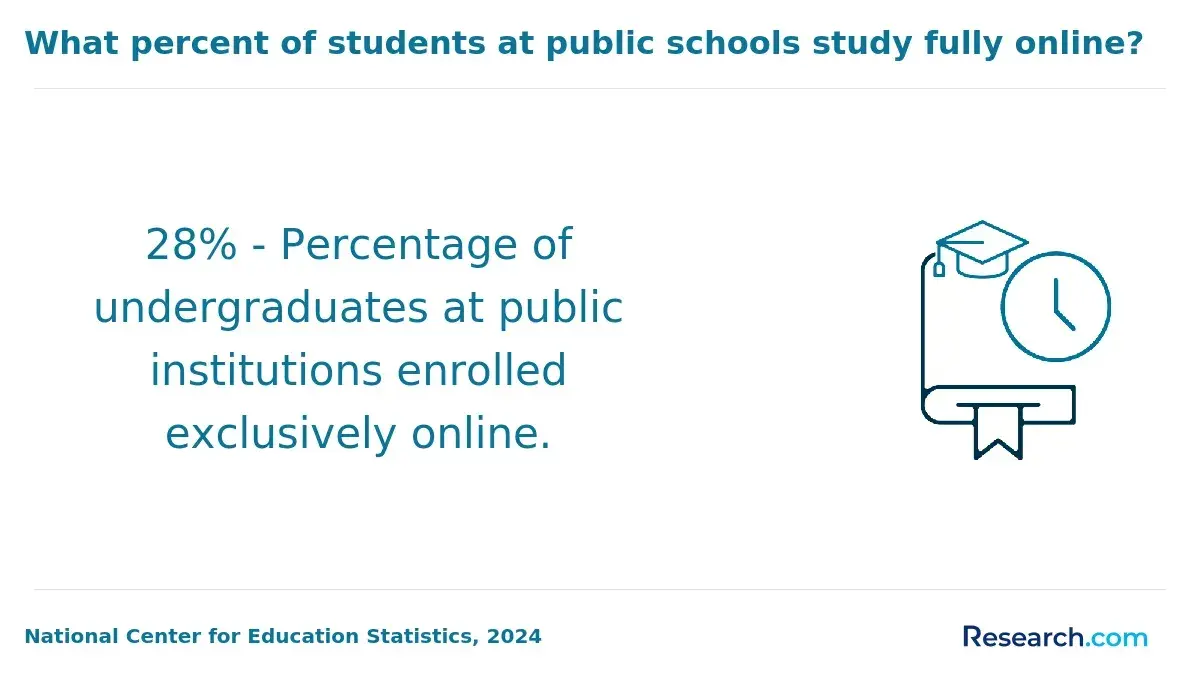
Graduation rates between online and campus TESOL & Multilingual Learners programs often differ less due to academic quality and more due to structural and demographic factors influencing student progress. For instance, a part-time online learner balancing work and family may face extended timelines and higher stop-out risks compared to a full-time campus student benefiting from a cohort structure with immediate faculty access and consistent peer interaction. According to data from the National Center for Education Statistics in 2024, campus-based programs see graduation rates roughly 10 to 15 percentage points higher, reflecting differences in engagement, advising availability, and course sequencing rather than program rigor alone.
Online students, who tend to be older and more likely to juggle multiple responsibilities, often encounter inconsistent academic advising and limited institutional supports that can delay credit transfer evaluation and tighten progression paths. Conversely, campus environments typically provide on-demand tutoring, structured mentoring, and financial resources such as housing aid and campus employment that mitigate external barriers. These distinctions mean that completion rate disparities align closely with who is enrolling and how programs accommodate diverse learner needs, underscoring the importance for prospective TESOL & Multilingual Learners students to assess their own schedule stability and access to support when interpreting graduation outcomes.
How Do Online and Campus TESOL & Multilingual Learners Programs Compare on Total Cost?
When assessing cost differences between campus and online TESOL & Multilingual Learners programs, the sticker price often masks broader financial realities. Campus students face mandatory fees beyond tuition-housing, meal plans, transportation, and service charges-that can raise overall expenses by 30% to 50%, according to the National Center for Education Statistics 2024 data.
Conversely, online learners usually encounter lower base tuition but may incur technology fees and must assume costs for reliable internet or study environments. These divergent expense profiles influence not only upfront affordability but also budgeting strategies, potentially affecting the pace of degree completion if work hours fluctuate to cover unforeseen costs.
Comparing total costs of online and campus TESOL programs reveals important trade-offs tied to student lifestyle and financial aid access. Campus attendees often benefit from broader institutional grants and on-site support but absorb living expenses exceeding $15,000 annually, including travel related to clinical placements. Online students tend to rely more on federal aid or employer tuition assistance and avoid relocation costs, which can support steady work continuity but sometimes translate into longer enrollment periods and cumulative debt.
Decisions between these formats hinge on balancing these economic considerations with professional goals, as students weigh the immersive campus experience against the flexibility that online programs afford. For those exploring similar investment decisions, reviewing options such as a PhD in nursing offers insight into managing total cost alongside career advancement pathways.
What Hidden Costs Should Students Expect in Online vs Campus TESOL & Multilingual Learners Programs?
Hidden expenses in online versus campus TESOL & Multilingual Learners programs can reshape the financial and scheduling calculus beyond sticker tuition. Online students frequently encounter unanticipated costs such as technology fees, exam proctoring charges, and required software licenses, adding a substantial 10-25% overhead to published prices according to 2024 NCES data.
These are compounded by equipment needs like updated computers or webcams, while campus students must budget for parking, commuting, housing, and meal plans-often exceeding $12,000 annually-that affect living costs more heavily. Fieldwork and practicum obligations introduce travel, childcare, and loss of wages across both formats, influencing whether students can realistically balance study with work or family, and heightening dropout risks in some cases.
Financial aid disparities further complicate choices; online learners tend to rely more on loans and carry 15-20% greater debt load at graduation compared to campus peers, impacting long-term financial stability. These cost differentials shape program completion timing and modality suitability based on individual circumstances, particularly for working adults or those with caregiving responsibilities. Deciding format involves weighing predictable housing and commuting expenses against more variable technology and exam fees, alongside indirect pressures from practicum commitments that affect work hours and income.
A graduate who initially leaned toward an online TESOL program shared how the discovery of recurring $75 proctoring fees and mandatory software purchases shifted their perspective. Uncertain whether these hidden online expenses outweighed the commuting and housing costs of the on-campus option, they delayed enrollment to reassess budget priorities and confirm available financial aid. This cautious approach reflects the complexity many face in parsing total program costs and balancing them against career timelines and personal constraints.
How Does Financial Aid Affect the Cost of Online and Campus TESOL & Multilingual Learners Programs?
Financial aid significantly reshapes the cost comparison between online and campus TESOL & Multilingual Learners programs, making the choice less about sticker price and more about net affordability and access to funding. Campus students in education fields typically benefit from institutional scholarships and assistantships that require physical presence, which can substantially reduce net expenses despite higher tuition rates.
By contrast, online learners often rely more heavily on employer tuition benefits and loans, facing higher average debt due to limited access to grants tied to campus residency or research roles. For instance, a working professional pursuing TESOL & Multilingual Learners online might save on living costs but must factor in technology fees and part-time enrollment restrictions that affect federal aid eligibility and aid packaging, altering the total financial picture.
Those comparing financial assistance options for TESOL and multilingual learners degrees should weigh how enrollment intensity and residency requirements impact aid availability. Full-time campus enrollment generally opens more doors to institutional aid and assistantships, while part-time online students often encounter constraints in federal and state aid programs. Employer reimbursement can mitigate out-of-pocket costs for online learners, but loans remain a common necessity, potentially increasing long-term debt burdens compared to campus counterparts. Students must analyze these tradeoffs carefully when planning pacing and budget, as net costs and borrowing affect not only immediate affordability but also career flexibility and financial sustainability.
Understanding these dynamics is essential for prospective students balancing program outcomes, total costs, and career impacts in TESOL & Multilingual Learners pathways. Online options offer flexible scheduling and accessibility but come with nuanced financial aid limitations, while campus programs provide deeper institutional aid at the expense of higher living and fee costs. For those researching specialized credentials, exploring resources like PMHNP certificate programs can offer insight into comparable considerations across education fields.
Do Online and Campus TESOL & Multilingual Learners Graduates Have Different Career Outcomes?
Employment outcomes for graduates of online versus campus-based TESOL & Multilingual Learners programs reveal subtle but meaningful distinctions shaped by practical experiences and professional integration. While a 2024 National Center for Education Statistics report identifies a slightly higher field employment rate for campus graduates within six months, this gap often reflects employer preferences linked to opportunities for in-person practicums and local internship arrangements. For example, campus students benefit from established partnerships with schools and community organizations that facilitate hands-on teaching experience and direct networking, which can accelerate early career mobility in competitive regional markets.
The choice between formats also influences licensure processes and professional readiness. Although heavily dependent on accreditation rather than delivery mode, some state licensing boards favor candidates with supervised in-person teaching hours, a requirement more naturally fulfilled through campus programs. Conversely, online pathways offer greater scheduling flexibility and often reduce student debt, appealing to working adults but sometimes at the expense of access to structured career services and alumni networks. Ultimately, graduates' long-term outcomes tend to converge, but early-career advantages like richer field placements and employer familiarity with campus credentials can shape initial job placement and professional visibility.
Deciding between online and campus TESOL & Multilingual Learners programs involves weighing these trade-offs against individual constraints and goals. Prospective students prioritizing immersive practical training and localized professional connections may lean toward campus options, while those balancing employment or geographic limits might find online formats more manageable despite potentially slower network development. Understanding how program format intersects with accreditation, experiential learning, licensing requirements, and employer expectations is crucial for making a well-informed investment in TESOL & Multilingual Learners credentialing.
How Do Employers View Online vs Campus TESOL & Multilingual Learners Degrees?
Employer acceptance of online versus campus TESOL & Multilingual Learners degrees hinges less on the mode of delivery and more on tangible indicators like accreditation, institutional reputation, and curriculum rigor. According to a 2024 report by the National Association of Colleges and Employers (NACE), about 72% of employers view online degrees as credible when granted by regionally or nationally accredited institutions. Yet, in practical hiring scenarios, particularly in more traditional school districts or language service providers, candidates with campus-based practicum experience often gain an edge due to direct observation and supervised teaching components that are more visible and trusted.
Program reputation remains a critical consideration, as degrees from well-established universities with stringent academic standards signal consistent quality regardless of format. Employers tend to scrutinize how effectively programs integrate applied learning opportunities such as internships or client engagement, which are traditionally stronger on campus but are increasingly supplemented by virtual and supervised experiences in quality online programs. For working adults balancing schedules, an online program might offer flexibility but may require extra effort to demonstrate comparable hands-on training and fieldwork documentation.
The implications for career outcomes vary depending on employer familiarity with online education and the presence of licensure or professional development requirements. While online degrees now carry significantly reduced stigma, advancement and job offers often depend on demonstrable competencies and ongoing skill-building rather than the degree format alone. Students weighing cost and scheduling against network access and experiential learning should consider how each pathway aligns with employer expectations in their target job market.
Which TESOL & Multilingual Learners Degree Format Offers Better Flexibility for Working Adults?
The choice between online and campus TESOL & Multilingual Learners degree programs significantly impacts working adults, especially when balancing employment, caregiving, or irregular schedules. While online formats offer asynchronous coursework enabling part-time pacing preferred by about 70% of adult learners per NCES 2024 data, this flexibility often comes with less direct faculty interaction and weaker cohort cohesion, potentially affecting persistence and timely graduation. Campus-based programs, though less adaptable due to synchronous sessions, practicum mandates, and commuting, provide stronger peer networks and hands-on experience highly valued by some employers, which can influence job readiness and career advancement.
Realistically, transfer and stop-out policies differ: online students benefit from more lenient re-entry options and credit transfers, with 60% utilizing stop-outs to manage life interruptions, compared to 35% on campus, a critical factor for those needing to pause education without penalty. However, the necessity of in-person practicum components on campus may better prepare graduates for certain fields despite added scheduling constraints and cost exposure from commuting and on-site requirements. Prospective students evaluating flexible TESOL and multilingual learners degree programs for working adults must weigh these trade-offs in relation to their employment demands and long-term career plans.
Those comparing online versus campus TESOL and multilingual learners flexibility comparison should also consider how scheduling control interacts with practical outcomes like graduation timing and career continuity. Depending on individual circumstances, hybrid or evening campus offerings may bridge some gaps, but understanding these operational differences is essential. For learners exploring options including specialized paths, assessing alternatives such as accelerated speech pathology programs can also provide insights into managing program intensity alongside work commitments.
How Should Students Choose Between an Online and Campus TESOL & Multilingual Learners Program?
Students choosing between online and campus TESOL & Multilingual Learners programs must assess how format impacts persistence and completion rates, with campus programs typically showing graduation rates near 70%, while some online programs lag by 10 to 20 percentage points. This difference often reflects the real-world advantage campus students gain from structured schedules, immediate access to faculty, language labs, and essential field placements that support applied learning and employer-valued experience. However, online programs offer flexibility crucial for working adults or caregivers balancing study with other responsibilities, making total cost of attendance and schedule stability vital factors beyond tuition alone when comparing graduation rates and costs for online vs campus TESOL & Multilingual Learners.
Employers and school districts can prioritize graduates from accredited campus programs due to perceived rigor and networking benefits, influencing job placement and career mobility. Yet, the expanding acceptance of well-designed online degrees aligns with growing remote teaching opportunities, though candidates must verify any state licensure or certification requirements linked to program format. The choice ultimately hinges on individual learning styles, access to resources, and career goals, rather than assuming one setting universally outperforms the other. Students should also consider alternative credential pathways, such as the fastest BCBA program, which may align better with their timelines or professional aims.
Evaluating career outcomes and educational fit in TESOL & Multilingual Learners programs requires understanding trade-offs in engagement, support services, and opportunity costs. While campus programs provide immersive environments that facilitate networking and hands-on practice, online students must rely more on self-discipline and consistent technology access, which can impact course sequencing and degree momentum. Thoughtful decision-making rooted in these practical realities will better position students to navigate the competitive language instruction workforce.
References
- TESOL/EL | Huntington University https://www.huntington.edu/graduate/education/programs/tesol
- MA TESOL https://lcc.lt/ma-tesol
- Where a TESOL Degree Can Take You: Exploring the Many Career Opportunities in the Field https://www.nottinghillcollege.co.uk/post-1/where-a-tesol-degree-can-take-you-exploring-the-many-career-opportunities-in-the-field
- Comparing TEFL, TESOL, and U.S. Teaching Licenses | Moreland University https://teach.moreland.edu/tefl-tesol-cert
- Why choose TESOL certification in 2026: career paths | TEFL Institute https://teflinstitute.com/blog/why-choose-tesol-certification-2026-career-paths/
- Master of Arts in TESOL https://www.cornerstone.edu/programs/ma-tesol/
- How Employers View Online Degrees: Interviews with Nine Hiring Executives https://www.onlineeducation.com/features/how-employers-view-online-degrees
- Cost Comparison: Online vs On-Campus TESOL Programs | ITTT https://www.teflcourse.net/pillars/tesol-master-s-degree-guide/online-vs-on-campus-tesol-master-s-programs/cost-comparison-online-vs-on-campus-tesol-programs/
- Cost Comparison: Online vs Traditional TESOL Programs | ITTT https://www.tesolcourse.com/pillars/tesol-online-courses/tesol-online-courses-vs-traditional-in-person-programs/cost-comparison-online-vs-traditional-tesol-programs/
Other Things You Should Know About TESOL & Multilingual Learners
Campus programs generally offer richer peer interaction through face-to-face collaboration, classroom discussions, and informal networking-elements that enhance language practice and intercultural exchange critical to TESOL & Multilingual Learners fields. Online programs often struggle to replicate this dynamic fully, relying on discussion boards and scheduled virtual meetings that can feel less spontaneous and engaging. For students aiming to build a professional network or who benefit from real-time oral practice and diverse cultural perspectives, campus settings may provide a tangible advantage over online formats.
Campus-based TESOL & Multilingual Learners programs typically integrate practicum components directly within their structure, ensuring supervised, in-person teaching experiences that align with employer expectations for hands-on readiness. Online programs may offer practicum opportunities but often require students to secure placements independently, which can lead to inconsistent quality and support. For prospective teachers prioritizing direct mentorship and observed practice, choosing a campus program can reduce the risk of gaps in practical experience that matter significantly in credentialing and job placement.
Online TESOL & Multilingual Learners programs typically offer more flexible scheduling that appeals to working adults, but this flexibility often comes with the tradeoff of increased self-discipline and asynchronous workloads that can extend study time unpredictably. Campus programs have more structured schedules, which can help some students manage time more effectively despite less flexibility. Working professionals who struggle with self-motivation may find campus programs better for maintaining a consistent pace, while self-directed learners needing to juggle work and study might prefer the autonomy of online options.
While overall employability for TESOL & Multilingual Learners graduates depends more on credentials and experience than program mode, some employers and institutions still favor campus degrees when considering candidates for senior or specialized roles. Campus graduates often emerge with stronger institutional networks and access to on-site resources that can enhance resumes and lead to mentorship opportunities valuable for career growth. Therefore, if long-term advancement within academia or specialized educational settings is a priority, a campus program may offer strategic benefits over an online alternative.