2027 TESOL & Multilingual Learners Transfer Credit Trends: How Schools Are Adapting for Adult Learners

Co-Founder and Chief Data Scientist
When a military-affiliated student enrolling in a TESOL & Multilingual Learners program discovers that only 55% of their previously earned credits will transfer, the financial and timeline implications become stark. National Student Clearinghouse data from 2024 shows transfer credit acceptance rates vary widely, reflecting institutional hesitance around non-traditional or prior learning assessments. This volatility can extend degree completion by semesters, increasing costs and disrupting career planning for adult learners balancing education with employment or service commitments. Understanding how schools adapt policies to improve credit mobility and streamline pathways is critical for students aiming to optimize transfer outcomes and advance efficiently.
This article will explore current transfer credit trends, analyze evolving acceptance practices in TESOL & Multilingual Learners programs, and guide readers in making more strategic, informed decisions about completing their degrees with minimal delays and expenses.
Key Things to Know About TESOL & Multilingual Learners Transfer Credit Trends for Adult Learners
- Expanded acceptance of military and workforce credits reflects institutions' acknowledgement of experiential learning, yet inconsistent evaluation criteria create credit-transfer unpredictability, complicating adult learners' planning and potentially extending time to degree completion.
- Increased use of technology-enabled transcript reviews streamlines transfer evaluations but often prioritizes formal coursework over informal multilingual competencies, limiting recognition of diverse skills valued by employers in TESOL & Multilingual Learners fields.
- Growth in credit-for-prior-learning policies enhances access for adult students, although tradeoffs between accelerated credit award and deeper pedagogical understanding influence employability in education roles, demanding cautious credit maximization strategies.
- Key Things to Know About TESOL & Multilingual Learners Transfer Credit Trends for Adult Learners Key Things to Know About TESOL & Multilingual Learners Transfer Credit Trends for Adult Learners
- How Are TESOL & Multilingual Learners Programs Changing Transfer Credit Policies for Adult Learners? Evolving Adult Transfer Policies
- Why Are More TESOL & Multilingual Learners Schools Accepting Credit for Prior Learning and Work Experience? Prior Learning Credit Benefits
- How Do TESOL & Multilingual Learners Colleges Evaluate and Award Transfer Credits Today? Transfer Credit Evaluation Process
- Which Alternative Credits Are Most Commonly Accepted by TESOL & Multilingual Learners Programs? Accepted Alternative Credits
- How Are TESOL & Multilingual Learners Schools Improving Transfer Pathways for Community College Students? Improved Community College Pathways
- How Can Transfer Credits Help TESOL & Multilingual Learners Students Graduate Faster? Accelerating Degree Completion
- How Much Money Can Students Save Through TESOL & Multilingual Learners Transfer Credit Opportunities? Cost Saving Through Transfers
- How Are TESOL & Multilingual Learners Programs Supporting Military Students and Workforce Learners Through Transfer Credits? How Are TESOL & Multilingual Learners Programs Supporting Military Students and Workforce Learners Through Transfer Credits?
- What Transfer Credit Innovations Are Shaping the Future of TESOL & Multilingual Learners Education? What Transfer Credit Innovations Are Shaping the Future of TESOL & Multilingual Learners Education?
- How Can Adult Learners Maximize Transfer Credits in a TESOL & Multilingual Learners Program? Maximizing Your Transfer Credits
How Are TESOL & Multilingual Learners Programs Changing Transfer Credit Policies for Adult Learners?
Colleges and universities are increasingly revising transfer credit policies within TESOL & Multilingual Learners programs to address the specific needs of adult learners, working professionals, military-affiliated students, and transfer students. This broader shift emphasizes expanding credit acceptance beyond traditional academic courses to include military training, professional certifications, and prior learning assessments, which can significantly reduce redundant coursework and shorten time to degree completion. For instance, an adult learner transferring from a community college might find their military training evaluated for credit, allowing them to bypass entry-level TESOL courses that do not align with their experience. However, institutions must balance maintaining academic standards with flexibility, leading to variability in how credits are awarded and affecting students' course sequencing and degree planning.
Data from the National Student Clearinghouse Research Center shows nearly 40% of college students transfer at least once, highlighting the increasing relevance of these policies for transfer credit acceptance trends in TESOL & Multilingual Learners education. Many programs are investing in technology to streamline transcript evaluations and formalize transfer pathways, especially in states with growing immigrant and adult learner populations. Still, challenges remain, such as exclusions of specialized TESOL coursework from transfer agreements and requirements for supplemental assessments to validate experiential learning. Prospective students comparing programs should weigh these factors closely, as credit mobility and degree affordability depend heavily on institutional eligibility rules and recognition of alternative credits, making informed academic planning essential for reducing costs and completion time. Institutions also face pressure to align curriculum collaboratively while avoiding overburdening working adults with complex portfolio requirements, even as flexible pathways increasingly open access.
For adult learners balancing career and education, the evolving policies create meaningful opportunities to accelerate degree completion, particularly when programs recognize a broader spectrum of learning experiences. Those exploring TESOL & Multilingual Learners pathways might consider programs that incorporate diverse credit pathways strategically, rather than rigid credit transfers alone, to maximize prior achievements. For example, an individual pursuing accelerated programs may leverage professional instruction credentials and workplace language proficiency documented through prior learning assessments, thereby avoiding unnecessary foundational courses. Nevertheless, students should remain aware that institutional approaches differ substantially, and navigating these policies often requires proactive advising and careful decision-making to prevent surprises in credit transfer outcomes or extended study durations.
Why Are More TESOL & Multilingual Learners Schools Accepting Credit for Prior Learning and Work Experience?
The increasing acceptance of credit for prior learning and professional experience in TESOL & Multilingual Learners programs signals a strategic response to shifting educational and labor market demands rather than mere policy leniency. Institutions recognize that accommodating transfer credits from military training, industry certifications, and work-based learning aligns academic programs with real-world competencies valued by employers. This approach supports adult learners and working professionals in reducing redundant coursework, which can shorten time to degree and lower educational costs while balancing the need to maintain curricular rigor. However, these policies require careful evaluation of prior learning's relevance and assessment quality, as inconsistent application across institutions complicates student decision-making and can impact degree-completion timelines.
A 2024 Council for Adult and Experiential Learning report highlights that adults receiving prior learning credits graduate at nearly 50% higher rates than peers without such credit, underscoring the tangible benefits of credit recognition for persistence and completion. Still, TESOL & Multilingual Learners programs often face tradeoffs, navigating institutional priorities between flexible access and academic standards. For example, employers increasingly prioritize demonstrated skills over formal credentials alone, pressuring programs to integrate nontraditional learning pathways without diluting academic quality. These dynamics influence enrollment patterns, retention strategies, and how students strategize their pathways to timely credential attainment amid varying credit acceptance policies.
One working professional returning to complete a TESOL credential found institutional credit evaluation both promising and frustrating. Having earned military training and industry certification credits, the individual initially anticipated smooth transfer recognition but encountered uncertainty due to evolving program policies and detailed documentation demands. While assessments of professional portfolios provided validation in some courses, delays in credit approvals shifted their planned graduation date. Despite these hurdles, the process ultimately affirmed skills gained outside academia, enabling a more tailored and efficient degree pathway aligned with workforce realities and personal commitments.
How Do TESOL & Multilingual Learners Colleges Evaluate and Award Transfer Credits Today?
Transfer credit evaluation in TESOL & Multilingual Learners programs has shifted from a routine administrative task to a strategic tool shaping enrollment and student progress. Institutions meticulously analyze course equivalency and accreditation status, emphasizing how transferred credits align with degree requirements and licensure standards specific to TESOL fields. For instance, students moving from community colleges must navigate not only accreditation validation but also residency and upper-division credit policies that often restrict how many foundational credits apply toward certification eligibility, influencing timelines and educational expenses.
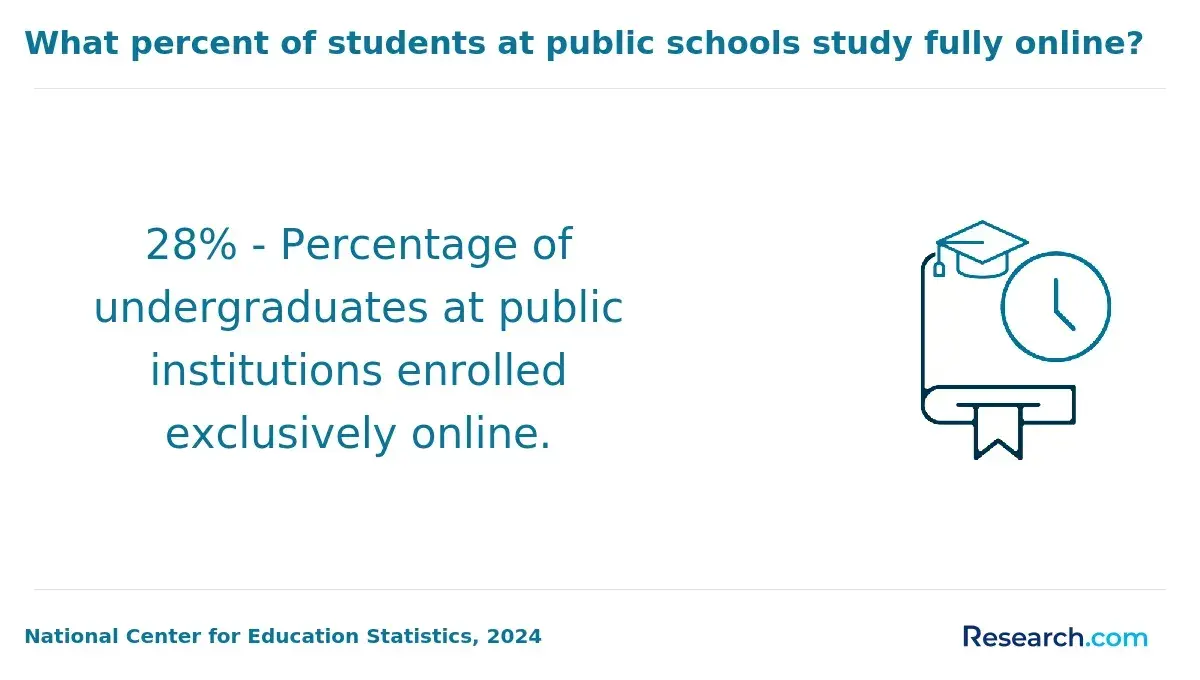
Recognition of alternative learning pathways has expanded, with many programs accepting professional certificates, military training, and portfolio assessments as part of credit evaluations. According to recent data from the National Center for Education Statistics, approximately 65% of public adult-serving institutions award credit for documented workforce and military experience, reflecting increased flexibility tailored to adult learners and military-affiliated students. Yet, while technology assists in streamlining evaluations, human judgment remains crucial to ensure transferred credits meet TESOL-specific learning outcomes, a balancing act that impacts degree completion speed and transfer student mobility across diverse academic and training backgrounds.
Which Alternative Credits Are Most Commonly Accepted by TESOL & Multilingual Learners Programs?
Alternative credit acceptance extends beyond simple transfer policy modifications and has become a strategic approach within TESOL & Multilingual Learners programs to enhance degree accessibility and accelerate completion for adult students. Many institutions weigh the applicability of credit for prior learning (CPL), military training credits endorsed by the American Council on Education, and workforce certifications through a rigorous lens, factoring in accreditation criteria, course equivalency, and program-specific residency or upper-division credit caps. For example, while about 60% of programs recognize CPL, limitations on how these credits fulfill core TESOL requirements often compel students to carefully plan which prior experiences translate effectively, balancing flexibility against ensuring crucial pedagogical competencies are met. Such constraints shape transfer credit options for TESOL & multilingual learners programs, influencing how effectively previously earned credits reduce time and cost barriers.
Standardized examinations like CLEP and DSST are common pathways for satisfying foundational prerequisites, offering adult learners cost-effective routes to avoid redundant coursework. Emerging assessment methods-such as competency-based evaluations-are less uniformly accepted but indicate growing institutional efforts to tie credit validation more closely to demonstrated skill mastery. Digital learning platforms add complexity, as acceptance varies widely depending on formal articulation agreements and institutional priorities. Given these nuances, adult learners must navigate differences in institutional transfer policies that impact affordability and timeline projections. Planning transfer strategies against this variable landscape can directly affect both academic progression and the practical realization of career objectives, especially for working professionals or veterans seeking to leverage diverse experiences while maintaining compliance with TESOL & Multilingual Learners transfer credit trends. Those considering their options should also investigate resources related to jobs with a biology degree to understand broader employability trends linked to credential recognition.
How Are TESOL & Multilingual Learners Schools Improving Transfer Pathways for Community College Students?
Improving transfer pathways has become essential for TESOL & Multilingual Learners programs due to persistent challenges in credit acceptance that extend degree completion timelines and burden students financially. According to a 2024 report from the National Student Clearinghouse Research Center, nearly 40% of community college students aiming for bachelor's degrees in language education suffer significant credit loss when transferring, underscoring the need for clearer articulation agreements and aligned course sequences. Institutions responding to this have expanded dual-admission options, centralized credit evaluations, and integrated prior learning assessments to recognize certifications and professional experience, all designed to maintain academic momentum and reduce redundant classes. However, students still face variability in credit applicability that requires careful transfer advising and strategic course selection to avoid delays common in TESOL-focused transfers.
The evolution of transfer systems often involves balancing institutional autonomy with student accessibility, as programs negotiate which credits align with specialized TESOL competencies. This tradeoff means some community college coursework may not fully satisfy requirements, compelling students to weigh the cost of retaking courses against their urgency to graduate. Transfer-friendly degree maps and transparent course equivalencies help mitigate these risks by promoting informed decision-making, though not all TESOL or multilingual learners programs have equally robust agreements. These adaptations incrementally improve educational accessibility but highlight the continued importance of personalized advising and realistic expectations regarding credit acceptance across differing universities.
A community college transfer student pursuing a TESOL & Multilingual Learners degree recently navigated a mixed transfer advising process that initially caused uncertainty about how many of their language education credits would apply to the bachelor's program. Despite a detailed articulation agreement, conflicting information from advisors on evaluation timelines created frustration and required proactive follow-ups. Ultimately, the student's prior professional certification was accepted through a prior learning assessment policy, shortening their projected graduation timeline. This experience illustrated the practical complexity students face and the value of institutional transparency combined with diligent academic planning to secure a manageable transfer pathway.
How Can Transfer Credits Help TESOL & Multilingual Learners Students Graduate Faster?
Transfer credit acceptance policies critically shape whether adult learners can realistically accelerate degree completion in TESOL & Multilingual Learners programs. Although about 60% of credits from regionally accredited institutions may transfer, their applicability to core TESOL requirements often falls short, especially as these programs demand specialized coursework in linguistics and pedagogy that may not have direct equivalents elsewhere. For example, a working adult transferring credits from a community college might still face retaking foundational courses, which delays advancement into upper-division classes and undermines expected time savings. This nuance highlights how transfer credit acceptance alone does not guarantee accelerated graduation-program-specific requirements and institutional residency policies significantly influence actual outcomes.
As transfer credit policies evolve, articulation agreements and formal transfer pathways increasingly accommodate TESOL & Multilingual Learners coursework, helping to reduce redundant classes and support degree progression. Yet, learners must navigate complex tradeoffs, such as evaluating course relevance, accreditation alignment, and the timing of credit recognition, including prior learning assessment options from workforce training or military experience. These factors impact enrollment strategies and affordability, particularly for working professionals balancing education with other responsibilities. Adult learners considering these pathways should weigh potential gaps between transferred credits and program expectations to avoid extended timelines and unexpected costs.
For those seeking to maximize transfer credits toward accelerated degree completion through transfer credits in TESOL programs, detailed academic advising becomes indispensable. Thoughtful planning helps identify which institution-specific policies will accept and apply credits toward major requirements, enabling a strategic approach to degree mapping. Additionally, exploring flexible options such as accelerated nursing programs alongside TESOL can provide insight into how accelerated pathways are expanding across fields, underscoring the importance of transfer credit policy nuances in shaping educational trajectories.
How Much Money Can Students Save Through TESOL & Multilingual Learners Transfer Credit Opportunities?
Students in TESOL & Multilingual Learners programs can experience notable financial relief by leveraging transfer credits, but the degree of savings hinges heavily on institutional transfer policies and credit evaluation procedures. For example, adult learners reducing their coursework through prior learning assessments or military training credits may shorten degree completion by six months to a year, potentially lowering tuition expenses by 15% to 30%, according to a 2024 National Student Clearinghouse Research Center report. Yet, these advantages require careful strategic planning, as residency mandates and credit transfer caps-often between 60 and 90 credits-can restrict the applicability of previously earned credits and delay graduation timelines.
Working professionals and military-affiliated students benefit particularly from articulation agreements and credit recognition that mitigate redundant coursework; however, not all institutions accept these credits uniformly. Transfer students moving from community colleges into four-year TESOL & Multilingual Learners programs face additional challenges, such as course equivalency issues and program sequencing requirements that may limit credit transferability. These factors mean that while transfer opportunities can reduce tuition and time investment, overestimating credit acceptance risks inflating both costs and study duration. Informed evaluation of institutional rules and credit applicability thus becomes essential for optimizing educational investment and completion efficiency in TESOL & Multilingual Learners fields.
How Are TESOL & Multilingual Learners Programs Supporting Military Students and Workforce Learners Through Transfer Credits?
Transfer credit policies in TESOL & Multilingual Learners programs increasingly prioritize practical recognition of military and workforce learning, yet the extent to which prior training reduces program length varies significantly by institution. Many schools now integrate Prior Learning Assessments (PLA) to evaluate experience from military language instruction, professional certifications, and apprenticeship credentials, potentially allowing students to bypass redundant coursework. However, restrictions on how much credit counts toward degree requirements often extend time to completion, particularly for adult learners balancing education with employment or service obligations. For example, a military veteran with extensive cultural communication training may find some programs grant substantial credit, while others accept only limited or no transfer credits, influencing academic planning and total educational costs.
This inconsistency remains a critical barrier despite a 2024 American Council on Education report showing over 65% of institutions award credit for military training relevant to TESOL pathways. Yet, research from the National Center for Education Statistics reveals only about 52% of military-affiliated TESOL students experience full recognition of their prior credentials, highlighting a disconnect that impacts degree completion rates and workforce readiness. As flexible course scheduling and targeted advising become more common, schools that combine these with robust transfer credit frameworks enable learners to accelerate progression and improve employability in education, interpretation, and community engagement roles. Decision-making for military and workforce learners must weigh potential credit acceptance against remaining academic requirements, navigating uneven articulation agreements and credit policies that ultimately shape time-to-degree and access to career opportunities.
What Transfer Credit Innovations Are Shaping the Future of TESOL & Multilingual Learners Education?
Transfer credit innovations are reshaping educational accessibility and completion timelines for adult learners in TESOL & Multilingual Learners programs by integrating technology-driven credit assessment for adult multilingual learners. AI-assisted transcript evaluation notably expedites credit decision-making, reducing administrative bottlenecks that historically delayed transfer approvals. However, institutions face tradeoffs in adopting these systems, including upfront technical investments and the need for staff training, which can limit short-term gains. For example, a 2024 National Center for Education Statistics report found that AI tools can speed credit transfer reviews by up to 30%, yet inconsistent state policies still complicate credit portability, affecting how easily adult learners can leverage prior coursework between schools.
Credit for prior learning (CPL) frameworks have expanded access for military-affiliated students and working professionals by recognizing relevant work and military experience as academic credit. While this offers clear efficiency in reducing time-to-degree, CPL's uneven evaluation rigor and policy fragmentation often create unpredictable outcomes for transfer students navigating different institutional standards. Competency-based education (CBE) models complement these trends by validating mastery over seat time, aligning learning with workforce demands, though they require robust credential assessment to maintain academic quality. Digital credentialing systems and streamlined transfer agreements also enhance credit mobility but must overcome challenges in interoperability and institutional commitment. Adult learners weighing these options should consider such innovations alongside established planning strategies-especially when exploring alternative pathways like accelerated FNP programs-which similarly rely on flexible credit recognition for timely degree completion.
How Can Adult Learners Maximize Transfer Credits in a TESOL & Multilingual Learners Program?
Maximizing transfer credits in a TESOL & Multilingual Learners program requires strategic navigation of institutional policies and course equivalencies, as many learners face credit caps typically between 60 to 90 semester hours. For example, an adult student transferring from a community college may preserve foundational TESOL course credits through articulation agreements but still encounter limitations on upper-division credits accepted toward degree completion. This tradeoff often demands elective substitutions or supplemental coursework, influencing course sequencing and potentially extending time to degree despite initial credit acceptance. Early, proactive transcript evaluations with dedicated transfer credit specialists are critical, as nearly 65% of adult transfer students who engage in thorough reviews achieve higher credit acceptance rates, which can significantly reduce educational costs and redundancies.
Alternative credit pathways such as credit for prior learning (CPL) and military or workforce experience recognition are increasingly important for adult TESOL & Multilingual Learners students but come with variable institutional acceptance. Effective strategies for transfer credit evaluation in TESOL & Multilingual Learners programs include meticulously documenting professional certifications and relevant training to align nontraditional credits with program standards. Degree-mapping tools combined with academic advising help clarify realistic credit transfer expectations, avoiding mismatches due to differing course emphases. This approach ensures that credit decisions support employability outcomes while preserving long-term academic flexibility. Learners considering transfer options should also explore online addiction counseling degree programs as complementary pathways in education-focused career trajectories.
References
- TESOL Master's Degree Programs – Bank Street Graduate School https://graduate.bankstreet.edu/tesol-programs/
- TESOL Today https://engiscience.com/index.php/tesol/as
- TESOL Trends: Innovations Shaping the Future of Language Teaching https://www.tesolinchina.com/h-nd-9182.html
- Multilingual Learner Program | DoWEA https://www.dodea.edu/education/student-services/multilingual-learner-program
- ELT/ESL Professional Development Archives - BridgeUniverse - TEFL Blog, News, Tips & Resources https://bridge.edu/tefl/blog/category/professional-development/
- Improving Postsecondary Pathways for Multilingual Learners of English https://www.wested.org/resource/translating-opportunity-improving-postsecondary-pathways-for-multilingual-learners-of-english/
- M.Ed. in Teaching English Learners | ACE https://ace.edu/degree-programs/masters-degrees/masters-education/master-of-education-in-teaching-english-learners/
- 5 ESL Teaching Trends Colleges Are Watching in 2026 https://www.scholaro.com/db/News/esl-teaching-trends-2026-362
- Transitioning Adult ESL Students to College https://languagemagazine.com/transitioning-adult-esl-students-to-college/
- www.degreesight.com: Verifying that you are not a robot... https://www.degreesight.com/news/transfer-credit-evaluation-the-key-to-unlocking-enrollment-growth/
Other Things You Should Know About TESOL & Multilingual Learners
Adult learners must assess whether their previous credits reflect current TESOL theories and practices, as outdated coursework can limit practical classroom readiness. Transferring older credits might reduce time spent in a program but at the cost of missing newer pedagogical methods or accreditation updates expected by employers. Prioritize programs that evaluate credits for content relevance rather than just equivalency to avoid gaps in skills essential for modern multilingual learner contexts.
Accelerated programs often emphasize practical teaching methods under compressed timelines, while traditional programs provide broader theoretical foundations. Transferring credits from accelerated paths may speed up degree completion but could result in a narrower skill set, potentially affecting employability in institutions valuing comprehensive TESOL knowledge. Adult learners should consider their career goals and employer expectations before deciding which type of credits to transfer.
Transfer credits can alter course sequencing, sometimes advancing students to higher-level classes without foundational knowledge from earlier courses, increasing workload complexity. This can challenge learners balancing education with work or family commitments. It is advisable to consult advisors to plan a manageable course load that aligns with both prior learning and program rigor, ensuring a sustainable pace toward degree completion.
Transfer credits influence not only degree timelines but also the depth of expertise graduates bring to the workforce. Inadequate credit evaluation might result in superficial skill development, which could hinder advancement in competitive language education roles or specialized settings. Adult learners should prioritize credentials that uphold rigorous academic and applied standards to ensure their degree credential translates into strong job market positioning and professional growth.