2027 Remote Work Report for TESOL & Multilingual Learners Graduates: Flexible Roles, Pay, and Hiring Trends

Co-Founder and Chief Data Scientist
Graduates specializing in TESOL & Multilingual Learners often face uncertainty when approaching the remote job market. Positions vary widely, from virtual tutoring to curriculum design, yet not all offer stable pay or clear advancement. Employers increasingly seek candidates with adaptable digital skills alongside language expertise, creating competition beyond traditional qualifications. Recent data shows nearly 40% of remote roles in education require multilingual capabilities, highlighting opportunities but also demanding flexibility in work hours and teaching platforms. This article examines the types of flexible roles available, realistic compensation levels, and the hiring trends shaping demand, guiding graduates toward informed decisions about remote career paths.
Key Points About Working Remotely for TESOL & Multilingual Learners Graduates
- Remote positions for TESOL & Multilingual Learners graduates typically include online language instructor, curriculum developer, and educational consultant roles, offering schedule flexibility but often short-term contracts that demand adaptability to shifting client or institutional needs.
- Annual salaries for remote opportunities vary between $40,000 and $60,000, influenced by experience level and type of employer, which requires graduates to assess their digital proficiency and regional market demand when evaluating job offers.
- Strong digital teaching skills and practical experience through internships or freelance projects significantly improve employability, yet competition remains intense due to a global applicant pool, resulting in variable hiring timelines and the need for proactive job search strategies.
- Key Points About Working Remotely for TESOL & Multilingual Learners Graduates Key Points About Working Remotely for TESOL & Multilingual Learners Graduates
- Are there remote work opportunities in the TESOL & Multilingual Learners industry? Remote Opportunities
- Which TESOL & Multilingual Learners niches offer remote roles? Which TESOL & Multilingual Learners niches offer remote roles?
- What entry-level TESOL & Multilingual Learners roles allow remote work? Entry-Level Roles
- What is the average salary of TESOL & Multilingual Learners graduates who are working remotely? Average Salary
- Do remote TESOL & Multilingual Learners jobs pay the same as on-site roles? Pay Comparison
- What benefits do remote TESOL & Multilingual Learners employees receive? What benefits do remote TESOL & Multilingual Learners employees receive?
- Where can TESOL & Multilingual Learners graduates look for remote jobs? Where to Find Jobs
- What do TESOL & Multilingual Learners employers look for in candidates? What do TESOL & Multilingual Learners employers look for in candidates?
- How can TESOL & Multilingual Learners graduates prepare for remote roles? Preparing for Remote Roles
- How can TESOL & Multilingual Learners graduates if remote roles are a good fit for them? How can TESOL & Multilingual Learners graduates if remote roles are a good fit for them?
Are there remote work opportunities in the TESOL & Multilingual Learners industry?
Remote and hybrid arrangements vary widely due to regional compliance laws and organizational workflows, which influence whether asynchronous tools or synchronous methods are prioritized. For example, a language school in California might offer hybrid roles leveraging AI-driven language labs, while a stricter region could emphasize on-site teaching to meet regulatory standards.
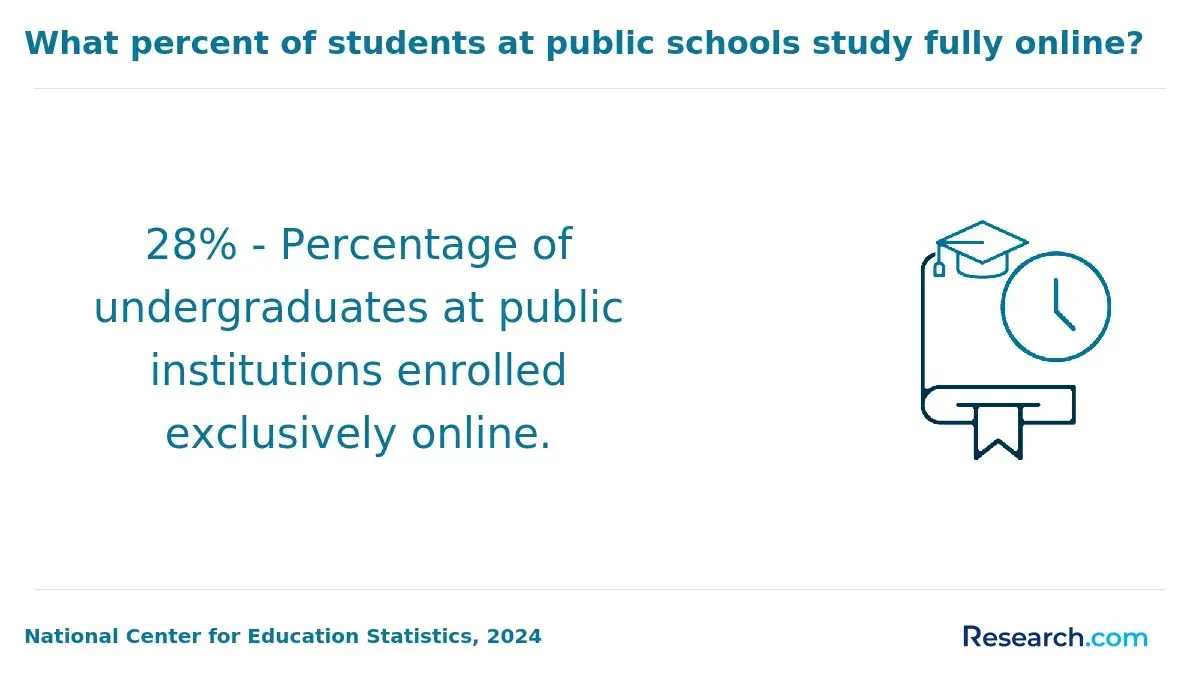
A 2024 study found that 27.8% of education employers adopted hybrid or fully remote teaching models, reflecting technology integration and policy shifts that impact TESOL roles. Graduates must balance flexibility against limited hands-on experience and often lower starting salaries offered by remote jobs.
Choosing between remote, hybrid, or on-site roles requires weighing long-term career implications, as hybrid and on-site positions typically foster stronger engagement and skill development despite reduced location freedom. These factors are essential for aligning professional goals with actual job market realities.
Which TESOL & Multilingual Learners niches offer remote roles?
Remote roles in TESOL & Multilingual Learners are predominantly available in niches where digital communication and content development intersect with language expertise. These niches leverage asynchronous workflows or global virtual interaction, making them naturally suited for flexible remote teaching job opportunities. Some areas demand real-time presence or in-person contact, limiting remote options. Below are key TESOL & Multilingual Learners niches that commonly offer remote roles.
- Online Language Instruction: Focuses on teaching English or other languages through virtual platforms. Its reliance on digital tools and cross-time-zone scheduling enables educators to work remotely while reaching a diverse, worldwide student base.
- Curriculum Development for Digital Learning: Involves creating language learning materials designed for online or hybrid classrooms. This role suits remote work as materials can be developed and reviewed asynchronously, requiring expertise in digital pedagogy and cultural adaptability.
- Language Assessment and Testing Services: Specialists design and administer language proficiency tests remotely. Standardized digital testing formats allow for secure scoring and analysis from any location, supporting consistent quality assurance without physical presence.
- Translation and Localization in Education: This niche supports multilingual learners by adapting educational content across languages and cultures. Tasks typically involve digital content editing and adaptation, making remote collaboration with clients and institutions common and practical.
- Educational Technology Support and Training: Professionals help educators integrate language learning technologies. The work involves virtual troubleshooting, workshops, and resource creation, all compatible with remote service delivery and evolving tech landscapes.
- Multilingual Learner Advocacy and Consultation: Experts advise on inclusion policies and best practices using virtual meetings and webinars. This expands reach beyond geographic limits, providing flexible, often project-based remote roles.
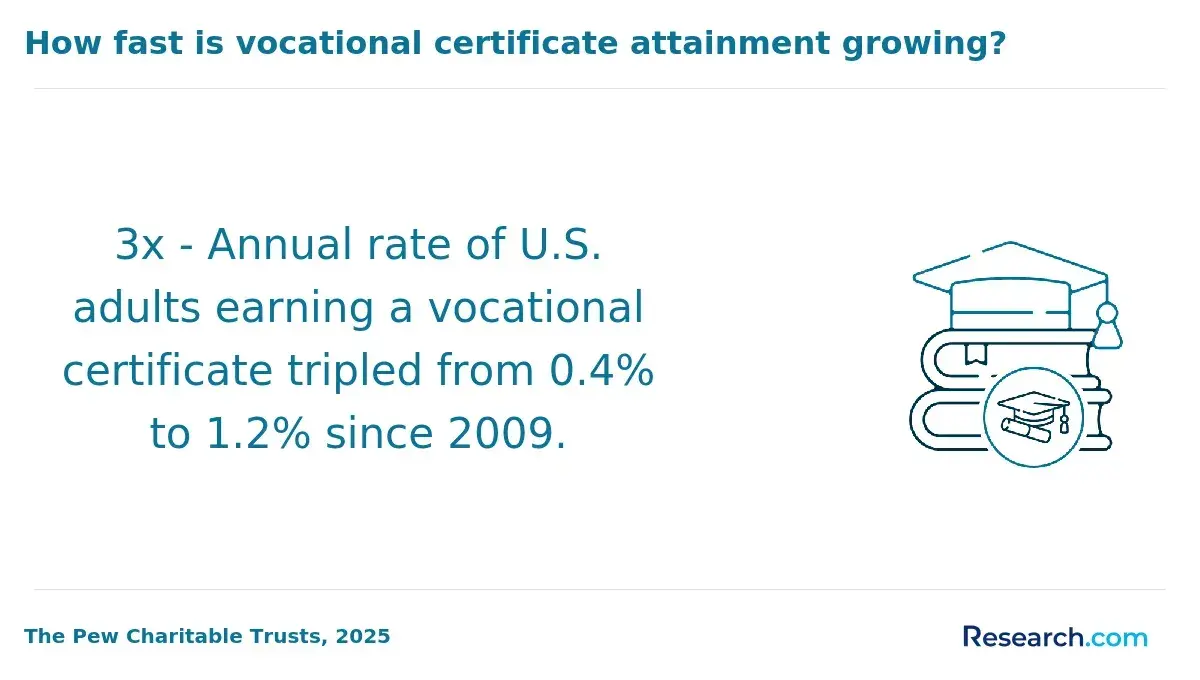
Recent studies show a 27.3% increase in remote job postings in online language instruction and curriculum development, reflecting growing demand for scalable language services as institutions emphasize flexible roles for TESOL & Multilingual Learners graduates. Understanding the dynamics of digital pedagogy and the specific needs of remote teaching job opportunities is essential. Graduates must weigh these factors alongside self-discipline and tech skills. Those considering flexible remote roles will also benefit from researching nursing programs with high acceptance rates as a comparative model of admission strategies across flexible fields (nursing programs with high acceptance rates).
What entry-level TESOL & Multilingual Learners roles allow remote work?
Remote work options for entry-level TESOL & Multilingual Learners roles are increasingly viable due to advances in digital communication and learning platforms. Graduates aiming for flexible roles must develop specific technical skills alongside teaching competencies to meet employer expectations effectively. Below is a selection of entry-level remote roles in this field and what each demands.
- Online ESL Tutor: Requires proficiency in synchronous virtual instruction using video conferencing tools like Zoom or Microsoft Teams. Responsibilities include delivering lesson plans and engaging students through digital whiteboards, making it suited for fully remote delivery.
- Curriculum Content Developer: Involves creating and adapting language learning materials for diverse audiences. Applicants need familiarity with authoring programs like Articulate or Adobe Captivate, enabling asynchronous content creation remotely.
- Language Support Specialist: Focuses on providing language accessibility and communication support within organizations. Remote work is feasible due to reliance on communication platforms and data management systems to monitor learner progress.
- Educational Technology Coordinator: Oversees integration of learning technologies, requiring knowledge of Learning Management Systems such as Canvas or Moodle. This role suits remote work because of the digital nature of managing educational tools and resources.
- Bilingual Customer Support Representative: Encompasses client interaction in multiple languages using CRM software. This position is remote-compatible as it involves handling inquiries and guiding users through digital channels.
Core responsibilities in these roles include asynchronous content development, real-time learner engagement, and use of digital tools for outcome tracking. Certification or demonstrated technology proficiency is often a baseline expectation. Entry-level remote TESOL teaching jobs for graduates increasingly demand a combination of digital literacy and pedagogical skill.
Remote TESOL-related job postings rose by 17.3% on major educational job boards, indicating growing employer preference for flexible roles. However, only about 42% of recent TESOL graduates secure fully remote positions within their first year, highlighting competitive pressures and the need for versatility. Emerging flexible remote roles for TESOL & Multilingual Learners graduates require strategic upskilling to navigate this evolving job market.
For candidates seeking cost-effective education pathways aligned with these roles, universities with no application fee can provide accessible entry points into the necessary credentialing and skills development.
What is the average salary of TESOL & Multilingual Learners graduates who are working remotely?
The average remote salary for TESOL & Multilingual Learners graduates typically ranges between $38,000 and $48,000 annually for entry-level roles. This reflects common compensation for fully remote or hybrid positions focused on language teaching and support. Entry-level pay varies notably with employer type, geographic location, and certification status, impacting how new graduates negotiate offers.
Remote pay scale trends for TESOL & Multilingual Learners professionals show that roughly 55% of beginners earn under $45,000, signaling initial salaries skew toward the lower end of this range. A teacher working remotely may find that digital fluency and cultural competency weigh heavily on starting salaries, often more so than traditional credentials alone.
Compared with related fields such as online curriculum development or remote language tutoring, which often commence near $40,000, TESOL roles display wider salary variation. The tradeoff between greater schedule flexibility and lower starting pay is clear. Graduates aiming for higher wages must consider targeted upskilling beyond their initial degree.
For those evaluating career options, researching programs like online medical assistant programs that accept financial aid may offer insights into alternative remote education roles with distinct pay scales and training pathways.
Do remote TESOL & Multilingual Learners jobs pay the same as on-site roles?
Remote TESOL and Multilingual Learners roles typically pay 7-15% less than on-site positions. This pay gap reflects geographic salary adjustments rather than uniform compensation across locations. Such differences directly affect entry-level graduates who often face tighter financial margins and less negotiating power for remote roles.
Employers frequently use localized pay bands to determine remote salaries, adjusting compensation based on the employee's cost of living rather than applying a national flat rate. For example, a new graduate teaching remotely from a lower-cost rural area may earn noticeably less than a peer in an urban setting, despite performing identical duties.
A 2024 workforce study found that 62% of education remote roles use location-adjusted salaries, emphasizing that true pay parity remains rare. Employers might offer small stipends for home-office expenses, but such perks seldom offset reduced wages.
Graduates must weigh these financial trade-offs alongside flexibility benefits. Choosing remote TESOL work means accepting potential long-term income limitations tied to geographic pay policies more than role qualifications or performance.
What benefits do remote TESOL & Multilingual Learners employees receive?
Remote TESOL & Multilingual Learners employees benefit from packages that blend core educational norms with remote work necessities, which is critical for sustaining long-term engagement. For example, a remote language instructor managing multiple time zones must rely on flexible scheduling and specialized technology allowances to maintain teaching quality and personal well-being. The benefits below represent key employer strategies to address productivity challenges and offset remote work costs.
- Paid Time Off and Healthcare: Standard offerings include paid leave and access to healthcare plans, essential for worker stability and retention in a field marked by varied contract types and funding levels.
- Professional Development Reimbursement: Employers often cover costs for certifications or skill upgrades, which directly affect employability and instructional effectiveness amid evolving TESOL standards.
- Remote Work Stipends: Approximately 63% of remote education workers receive monthly stipends averaging $75, which alleviate out-of-pocket expenses for home office setups, according to recent workforce data. This tangible support signals an awareness of hidden costs in virtual teaching roles.
- Flexible Scheduling and Wellness Programs: These perks help manage asynchronous work demands and reduce burnout risks, critical given how off-site roles require autonomy without isolation.
A TESOL Instructor shared that securing a technology allowance was initially uncertain, but it became indispensable after struggling with outdated equipment that hindered video lessons. The monthly stipend allowed her to upgrade her home office, which improved session reliability and reduced stress. She noted the difference in employer commitment compared to past roles without such support, emphasizing how these benefits shape her sense of professional value and resilience working remotely.
Where can TESOL & Multilingual Learners graduates look for remote jobs?
TESOL & Multilingual Learners graduates seeking remote roles benefit most from targeting platforms that combine broad job accessibility with education-specific listings. For example, a recent graduate aiming for flexible online teaching should consider that general sites often flood candidates with irrelevant applications, while niche platforms filter for language instruction roles requiring TESOL skills. Recognizing that 63.4% of entry-level remote job applications flow through digital talent marketplaces rather than direct employer websites reveals why graduates need to engage both curated and generalized networks strategically. The following are recommended resources to prioritize when searching for legitimate remote TESOL opportunities.
Key online platforms and networks where TESOL & Multilingual Learners graduates can find remote positions include:
- Indeed:A widely used job aggregator that compiles listings across industries including remote TESOL roles. Its broad base encourages volume applications but requires careful filtering and tailored resumes to match remote teaching specifics.
- Teach Away:A specialized education platform focused on international and remote teaching jobs. It vets postings for certified educators, connecting TESOL graduates to credible employers with a focus on flexibility and language instruction expertise.
- LinkedIn Groups:Professional communities centered on language education and TESOL provide access to contract, consulting, and curriculum development roles often unadvertised elsewhere. Active engagement here helps graduates tap insider hiring trends and network directly.
- VIPKid:An online ESL teaching platform demanding some prior experience or credentials beyond entry degrees. It offers structured remote classroom opportunities with a strong reputation for matching TESOL skills to synchronous, well-defined teaching assignments.
What do TESOL & Multilingual Learners employers look for in candidates?
Employers hiring for remote TESOL & Multilingual Learners roles look beyond traditional teaching credentials, emphasizing a critical blend of digital fluency, cultural adaptability, and evidence-based engagement strategies. For instance, a recruiter evaluating candidates for a global virtual language program prioritizes those who effectively integrate technology with pedagogy to drive measurable student progress remotely. These criteria reflect how the sector demands practical proof of competence alongside formal qualifications. The essential qualifications can be summarized as follows.
- Technical Fluency: Proficiency with learning management systems like Canvas or Blackboard is mandatory. Employers assess candidates' experience using synchronous and asynchronous communication tools such as Zoom and Google Meet, alongside skills in digital content creation software to design multimedia lessons suited for diverse remote classrooms. This competency ensures seamless virtual instruction and content delivery in a distributed environment.
- Certification and Accreditation: Specialized online teaching credentials, including TESOL-specific distance teaching certifications or Google Certified Educator status, serve as validated proof of readiness for remote education. Employers rely on these credentials to identify candidates who meet evolving standards for digital pedagogy, which enhances sustained employability in remote TESOL roles.
- Portfolio Evidence: Candidates are expected to submit specialized portfolios showcasing customized lesson plans for various linguistic backgrounds and assessments designed specifically for online delivery. These portfolios demonstrate adaptability, cultural competence, and the ability to facilitate learner autonomy, which are vital for remote teaching success.
- Student Engagement and Analytics: Demonstrable skills in tracking and analyzing student outcomes via data analytics reports are increasingly important. Employers evaluate the capacity to measure engagement and progress remotely, reinforcing pedagogical adjustments that address diverse learner needs effectively.
A recent industry analysis reveals 72% of organizations recruiting remote language instructors require demonstrable digital fluency alongside TESOL expertise, emphasizing the shift toward integrated technological skills in hiring decisions. This trend is particularly critical for those exploring hiring trends for TESOL & Multilingual Learners graduates in remote education. Graduates must also consider strategic pathways to accelerate their credentials, as shown by resources like the fastest way to become a nurse practitioner, which highlights the importance of condensed, rigorous training programs for timely career entry.
How can TESOL & Multilingual Learners graduates prepare for remote roles?
TESOL & Multilingual Learners graduates seeking remote roles must bridge traditional language education with the technical demands of virtual work. For example, an ESL instructor adapting lesson delivery to online platforms for a multinational company must master not only language pedagogy but also the tools that enable smooth digital interaction. Preparing TESOL & Multilingual Learners graduates for remote teaching involves mastering specific skills and building a demonstrable portfolio. Key areas of focus include:
- Digital Communication Proficiency: Develop fluency with platforms like Zoom, Microsoft Teams, and Google Workspace. Learning to navigate these tools enhances real-time collaboration and virtual classroom management, which are essential in remote teaching environments.
- Targeted Certification and Training: Obtain credentials in digital pedagogy, online curriculum design, or Learning Management Systems such as Canvas or Moodle. This specialized training aligns with employer expectations for remote-friendly instruction and signals adaptability to online education.
- Tech Equipment and Reliability: Invest in essential hardware like a quality headset, webcam, and stable internet connection. Reliable technology not only supports professional presentation but also reduces disruptions and enhances student engagement across time zones.
- Portfolio and Independent Projects: Create demo lesson videos, blogs on multilingual instruction, or open educational materials. This tangible output increases visibility to employers and reflects initiative and applied skills beyond formal credentials.
- Project Management Skills: Engage with software like Trello or Asana to organize tasks and deadlines. Mastery of these tools translates to efficient remote workflow and clearer communication with supervisors and peers.
Research shows graduates who focus on digital upskilling and portfolio development have a 23% higher chance of securing remote teaching positions compared to those relying only on traditional credentials. This statistic underscores how remote career skills for TESOL & Multilingual Learners professionals provide a measurable advantage by aligning skills with real-world employer demands. Understanding these preparation strategies is essential for graduates to transition successfully into flexible remote roles or explore new fields such as medical programs online that are increasingly offered in digital formats.
How can TESOL & Multilingual Learners graduates if remote roles are a good fit for them?
Deciding if remote roles suit TESOL & Multilingual Learners graduates requires evaluating personal work habits and professional demands rigorously. Remote TESOL work demands more than instructional skill; it calls for self-discipline, adaptability, and emotional resilience. For example, a graduate juggling a freelance online teaching contract with family commitments must gauge if they can maintain consistent engagement without on-site structure or support. The following criteria help clarify whether a remote path aligns with individual capacities and career goals.
- Self-Motivation and Time Management: Remote TESOL instructors must initiate and maintain their work rhythms independently. Candidates should honestly assess their ability to create schedules, meet deadlines, and sustain focus without regular supervision, as remote settings amplify the challenge of maintaining discipline.
- Technical Proficiency and Flexibility: Effective remote teaching relies on navigating diverse online platforms and troubleshooting digital issues in real time. Graduates need to evaluate their comfort with technology and willingness to continually update skills to match evolving tools.
- Communication Skills in a Virtual Context: The absence of in-person interaction requires clear, patient, and culturally sensitive messaging. Prospects should consider their ability to interpret and convey meaning accurately through screens and asynchronously, which differs markedly from classroom dynamics.
- Tolerance for Isolation and Variable Hours: Remote TESOL roles often involve working across multiple time zones and limited peer interaction. Graduates should honestly assess their emotional resilience against isolation and irregular schedules to prevent burnout and turnover risks, which are notably higher in remote teaching.
- Income Stability and Benefits Considerations: Many remote TESOL positions are contract-based, part-time, or seasonally fluctuating. Evaluating financial needs against the potential instability of gig or short-term contracts is critical to avoid unexpected income gaps.
- Alignment with Personal Career Trajectory: Remote work suits those valuing flexibility and autonomy over structured career ladders. Graduates must reflect on whether a remote career supports their long-term goals and professional growth or restricts opportunities due to reduced community and mentorship.
Recent data indicates 62.3% of TESOL employees in remote roles report moderate to high job satisfaction, illustrating that success depends heavily on matching these demanding conditions. Recognizing this balance is key to avoiding the nearly 40% who struggle with remote work challenges.
One TESOL graduate shared that deciding on remote work came after a trial period teaching online while caring for a young child. She noted, "I realized I could manage my teaching hours flexibly, but only because I had set firm boundaries and mastered the platforms deeply. The initial months were tough; I often felt isolated, but joining virtual instructor groups helped. I knew remote roles were right when I felt confident in creating routine and connection without face-to-face cues."
References
- 2025 Most Affordable Online Master's Degrees in ESL https://www.onlineu.com/most-affordable-colleges/esl-masters-degrees
- Useful Websites and Software for English Language Learners (TESOL) | American TESOL Institute's Lexical Press Blog https://americantesol.com/blogger/useful-websites-and-software-for-english-language-learners-tesol/
- COST Definition & Meaning - Merriam-Webster https://www.merriam-webster.com/dictionary/cost
- How to teach TESOL ethically in an English-dominant world https://languageonthemove.com/how-to-teach-tesol-ethically-in-an-english-dominant-world/
- Language Teaching/Teaching English to Speakers of other Languages (TESOL) https://www.bbk.ac.uk/courses/postgraduate/language-teaching-teaching-english-to-speakers-of-other-languages-tesol
- TESOLANZ | Resources https://www.tesolanz.org.nz/resources/
- Top 5 Reasons to Consider Online Teaching - World TESOL Academy https://www.worldtesolacademy.com/5-reasons-to-consider-online-english-teaching/
- TEFL and TESOL Difference: Choosing Your Best Path | TEFL Institute https://teflinstitute.com/blog/tefl-tesol-difference/
- How To Know If TEFL Is Right For You https://www.theteflacademy.com/tefl-guide/is-tefl-for-you/
- How Much Does A TESOL Course Cost? - ITT International TEFL https://internationaltefltesol.com/how-much-does-a-tesol-course-cost/
Other Things You Should Know About TESOL & Multilingual Learners
Graduates must prioritize verifying an employer's track record with remote TESOL & Multilingual Learners roles, including contract clarity, payment punctuality, and support systems. Many remote roles are freelance or project-based, with variable stability, so checking reviews and alumni experiences is critical. Opt for employers who explicitly outline workload expectations and communication protocols, as inconsistent management often leads to excessive unpaid hours and unclear performance metrics.
Remote positions frequently blur boundaries between work and personal time, often requiring TESOL & Multilingual Learners graduates to be more self-disciplined with scheduling. The absence of direct supervision means employers may expect flexibility, including irregular hours to accommodate global learners. Graduates should weigh whether they can handle this fluctuating workload, as remote roles often demand multitasking across different platforms without the support network present in traditional classroom environments.
Programs that integrate practical remote teaching tools, digital literacy, and asynchronous content delivery prepare graduates more effectively for remote roles. Graduates from programs lacking these components may find themselves less competitive, especially with employers seeking immediate productivity in virtual settings. It is advisable to prioritize programs with a strong focus on online pedagogy and real-world digital practice, as these skills reduce ramp-up time and demonstrate readiness for remote work challenges.
For remote TESOL & Multilingual Learners jobs, prioritizing a niche specialization such as business English or language assessment can differentiate candidates in a crowded market. While broad TESOL skills are valuable, employers often favor specialists who can address specific client needs remotely, especially in asynchronous or tailored learning environments. Graduates should aim to develop at least one area of expertise aligned with market demand to increase hiring potential and negotiate better compensation.