2027 TESOL & Multilingual Learners Affordability by State: Where Students Pay the Most and Least

Co-Founder and Chief Data Scientist
Choosing between a TESOL & multilingual learners program charging $8,000 in-state tuition and another demanding $22,000 out-of-state can shape a student's entire career trajectory. Beyond sticker price, the cost of living and hidden fees often eclipse advertised savings, forcing many to incur additional debt. Data from a 2024 report that out-of-state enrollment in education fields has dropped by 12%, indicating students' sensitivity to these financial tradeoffs. This trend reflects significant state-by-state differences in affordability and funding policies that directly influence access to quality TESOL & multilingual learners training. This article examines these disparities to pinpoint where students face the greatest and least financial barriers when pursuing this credential.
Key Things to Know About TESOL & Multilingual Learners Affordability by State
- States with lower published tuition often have higher cost-of-living adjustments and limited institutional financial aid, increasing total expenses and complicating budget planning for TESOL & multilingual learners students.
- In-state tuition discounts reduce direct costs but may restrict access to programs aligned with top language education employers, potentially affecting local workforce integration and job market readiness.
- Online TESOL & multilingual learners programs showing modest price gaps may delay graduation due to less structured pacing, impacting time-to-employment and cumulative borrowing relative to campus counterparts.
- Which States Have the Most Affordable TESOL & Multilingual Learners Degree Programs? Most Affordable State Programs
- Which States Have the Highest TESOL & Multilingual Learners Degree Costs? Highest State Tuition Costs
- How Much Does a TESOL & Multilingual Learners Degree Cost by State? Degree Costs by State
- Why Does TESOL & Multilingual Learners Affordability Vary So Much Between States? State Affordability Variations
- How Do In-State and Out-of-State Tuition Rates Affect TESOL & Multilingual Learners Affordability? In-State vs. Out-of-State Rates
- How Does the Cost of Living Impact Overall TESOL & Multilingual Learners Affordability by State? Living Costs and Affordability
- Which States Offer the Best Value for a TESOL & Multilingual Learners Degree? Best Value State Degrees
- What Financial Aid and Scholarship Opportunities Can Reduce TESOL & Multilingual Learners Costs? What Financial Aid and Scholarship Opportunities Can Reduce TESOL & Multilingual Learners Costs?
- Are Online TESOL & Multilingual Learners Degree Programs More Affordable Than On-Campus Options? Are Online TESOL & Multilingual Learners Degree Programs More Affordable Than On-Campus Options?
- Is a TESOL & Multilingual Learners Degree Worth the Cost Based on Career Outcomes and ROI? Degree ROI and Outcomes
Which States Have the Most Affordable TESOL & Multilingual Learners Degree Programs?
State-level variations in public funding and tuition policies critically shape the affordability of TESOL & Multilingual Learners degree programs, with in-state tuition advantages playing a decisive role in many students' financial planning. For example, enrolling in a Wyoming public institution often means significantly lower annual tuition compared to states with less robust higher education funding, altering the total cost and feasibility of completing such a degree.
These disparities reflect broader regional economic conditions; lower living costs and state investments reduce institutional reliance on tuition revenue, directly impacting how much students pay out of pocket. Consequently, prospective learners must weigh the tradeoffs between tuition savings and potential relocation expenses as part of their long-term commitment to degree completion.
Financial aid availability and residency policies further complicate affordability considerations across states offering TESOL & Multilingual Learners degrees. States like New Mexico, which supplement tuition with targeted graduate aid programs, can dramatically reduce net costs, particularly for remote learners through online options that maintain in-state tuition rates. However, students from states without these structures face higher expenses and may encounter longer timeframes to degree completion due to financial constraints.
This dynamic encourages careful comparison not only of sticker prices but also of the broader educational infrastructure, such as support services and competition among institutions. When assessing programs, students should also consider the implications for employability and practical skill acquisition, ensuring cost savings do not come at the expense of quality or relevant workforce preparation.
Affordability for TESOL & Multilingual Learners degrees must therefore be understood as a nuanced interplay of tuition rates, public funding priorities, and state policies rather than a simple ranking of cheapest options. Data from the National Center for Education Statistics highlights that while Mississippi public universities offer some of the lowest in-state tuition rates, the overall value depends on factors like financial aid access and program delivery methods, including online alternatives.
Budget-conscious students comparing in-state tuition rates for TESOL & Multilingual Learners degrees across U.S. states will find that timing, residency status, and state educational commitments significantly influence both initial costs and long-term educational value. Considering these elements alongside examples such as affordable nursing paths-like certain online MSN FNP programs-can provide useful context for decisions that balance financial limitations with career goals.
Which States Have the Highest TESOL & Multilingual Learners Degree Costs?
Higher TESOL & Multilingual Learners degree costs in states like California and New York stem from a combination of elevated living expenses, limited state funding for public institutions, and a concentration of selective, research-oriented universities. These factors drive not only tuition but also associated expenses, often doubling costs for out-of-state students due to residency policies.
For many prospective students, this means weighing whether the stronger program offerings and professional networks in such states justify the steep financial burden, especially when comparable credentials can sometimes be obtained more affordably elsewhere with less direct access to regional employers. According to 2024 data from the College Board, in-state tuition at public universities in high-cost states can exceed $15,000 annually, while private institutions often charge over twice that.
Financial aid and online study options can mitigate some expenses, but they rarely offset the full gap created by geographic and institutional pricing differences. A student's decision to attend in a higher-cost state often involves tradeoffs between immediate affordability and longer-term benefits like localized job connections or immersion in diverse multicultural communities essential for TESOL & Multilingual Learners careers. Importantly, reduced state appropriations frequently translate into price increases, complicating affordability decisions for those without residency status or sufficient financial support. These systemic disparities underscore the importance of comprehensive cost and outcome analysis rather than focusing solely on sticker price.
One recent graduate recalled grappling with the financial implications of pursuing a TESOL & Multilingual Learners degree out of state. She initially favored a prestigious program but hesitated after calculating the full living and tuition costs as a non-resident. Ultimately, she enrolled in a less expensive public university in her home state, supplementing her education with targeted online coursework to maintain program quality. While that path meant fewer local networking opportunities initially, it reduced debt burden and allowed gradual relocation when employment prospects improved. Her experience illustrates how prospective students must navigate complex layers of cost, residency rules, and educational return when choosing where to study TESOL & Multilingual Learners.
How Much Does a TESOL & Multilingual Learners Degree Cost by State?
State-level variation in the cost of a TESOL & Multilingual Learners degree critically shapes how prospective students approach their educational investments. Data from 2024 indicates public graduate tuition ranges widely-from around $7,000 annually in states like Wyoming to over $20,000 in New York-reflecting divergent state funding priorities and the mix of public versus private program offerings. This creates clear tradeoffs: for example, out-of-state students facing fees exceeding $30,000 in states with prestigious TESOL programs often must balance higher expenses against program reputation and career network opportunities, sometimes opting for more affordable in-state or online alternatives to limit debt and relocation costs.
Beyond tuition disparities, regional cost-of-living differences compound financial decisions, as states with large metropolitan areas such as California and Massachusetts impose substantially higher everyday expenses that impact total degree affordability. This dynamic means that candidates must factor geographic economic conditions alongside sticker prices, especially when evaluating long-term sustainability during multi-year programs. Additionally, the uneven availability of state-sponsored scholarships and loan forgiveness for TESOL educators further complicates budgeting, since such supports can markedly reduce net costs but are generally tied to localized policies and workforce demand.
These intersecting factors influence enrollment patterns and degree planning. Students prioritizing financial feasibility might gravitate toward states with strong public systems and lower living costs, often leveraging online program options when in-person costs are prohibitive. Ultimately, informed decision-making in TESOL & Multilingual Learners education requires weighing in-state versus out-of-state tuition differentials, institutional funding contexts, and local economic realities to minimize borrowing while maintaining access to quality preparation aligned with workforce expectations.
Why Does TESOL & Multilingual Learners Affordability Vary So Much Between States?
Differences in state investment in public higher education strongly influence TESOL & Multilingual Learners degree cost differences by state, with states like Wyoming and New Mexico offering notably lower in-state tuition due to higher per-student funding, according to 2024 National Center for Education Statistics data. These funding disparities translate into tangible effects on enrollment behavior; for example, students in high-cost states such as California often face combined challenges of elevated tuition and living expenses, pushing some to consider out-of-state or online alternatives for financial viability. Additionally, residency policies create significant cost divides. States that limit tuition subsidies to residents can deter transfer students or those relocating to pursue TESOL & Multilingual Learners programs, making program selection a strategic decision heavily influenced by residency status and anticipated net expenses.
The public-private institutional mix further complicates affordability assessments. Regions with a predominance of private institutions tend to have higher sticker prices, while states with robust public university systems generally afford more accessible tuition. Financial aid availability-especially grants targeted to multilingual educators-also affects real costs and varies by state and institution type. These affordability differences not only shape immediate access but can impact long-term planning, with learners balancing program quality, funding opportunities, and geographic cost variations. Given these complexities, budget-conscious students may find benefit in exploring flexible pathways such as the LPN accelerated program or carefully weighing in-state versus online options to manage expenses effectively.
How Do In-State and Out-of-State Tuition Rates Affect TESOL & Multilingual Learners Affordability?
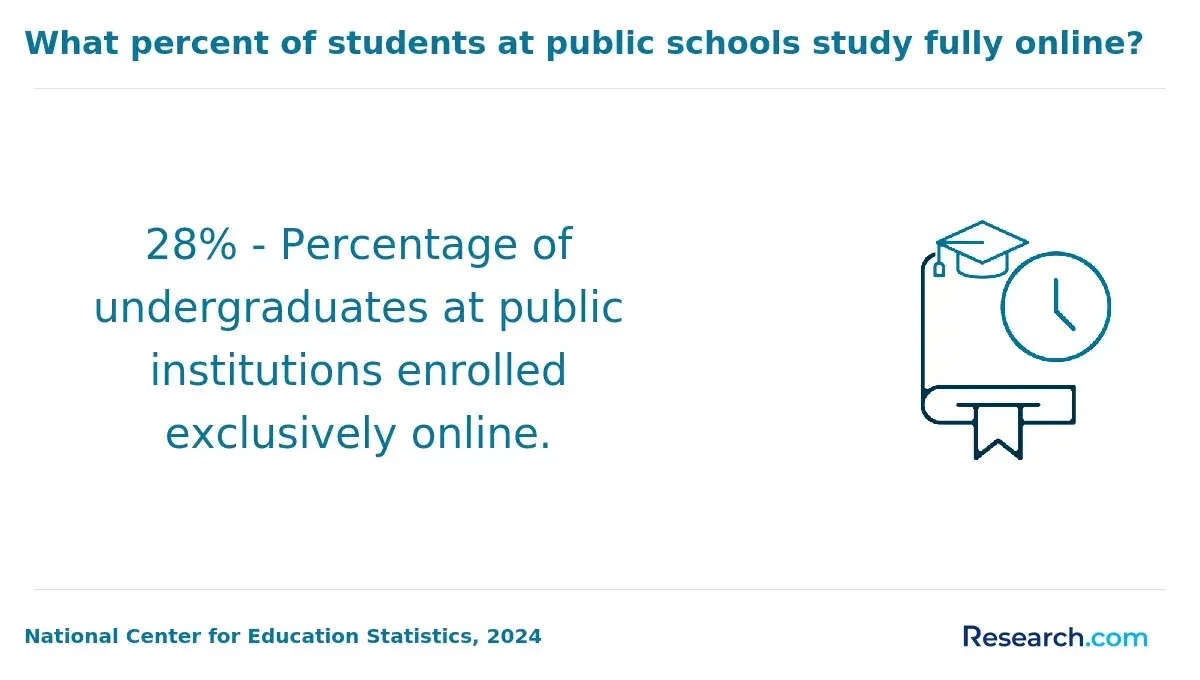
Residency-based tuition differentials create a pivotal financial divide for TESOL & Multilingual Learners students navigating program affordability, especially within public universities. According to 2024 National Center for Education Statistics data, the average annual in-state tuition at public four-year institutions sits near $11,500, while out-of-state rates commonly exceed $26,400, presenting a steep premium that often outweighs other expense categories. This gap influences not only which institution a student can reasonably consider but also affects broader financial planning, as eligibility for in-state status-typically requiring continuous physical presence and proof of financial independence-can take a year or more to establish. Additionally, students must factor in state reciprocity agreements, which can modestly reduce out-of-state costs for those near borders, although these agreements remain sporadic and limited in scope.
The widespread emergence of online TESOL & Multilingual Learners programs introduces pricing models where residency may have limited impact, yet institutional policies vary, making careful comparison essential. Private institutions, while dispensing with residency distinctions altogether, impose higher uniform tuition, thereby shifting affordability conversations toward financial aid access rather than residency status. For budget-conscious learners, the interplay of residency criteria, tuition variation, state funding patterns, and supplementary expenses shapes the decision between in-state options, regional alternatives, and online programs-each carrying unique tradeoffs in cost, access, and potential debt.
A TESOL & Multilingual Learners student who relocated for graduate study shared how uncertainty over residency reclassification complicated financial expectations. Despite plans to establish in-state status after a year, out-of-state tuition applied during their entire program, forcing a cumbersome budget recalibration. The student later reflected, "I underestimated how much the residency rules would affect my expenses and the time it took to qualify for in-state rates seemed longer than expected. That meant carving out extra funding or scaling back on resources, which made me question if attending a local program would have been more practical, even if it offered fewer course options." This experience underscores how residency nuances directly impact educational strategy and fiscal resilience in TESOL & Multilingual Learners pathways.
How Does the Cost of Living Impact Overall TESOL & Multilingual Learners Affordability by State?
The financial impact of pursuing a TESOL & Multilingual Learners degree cannot be assessed solely by tuition costs, as regional living expenses decisively shape overall affordability. Housing often accounts for nearly a third of student budgets, with states like California and Massachusetts imposing steep rental costs that significantly elevate the total expense of study. In contrast, contenders in the Midwest or Southern states face far lower accommodation prices, enabling reduced financial aid dependency and less student debt, which can be pivotal for many aspirants weighing programs across different geographies. These state-by-state living expenses impact on TESOL & Multilingual Learners education costs must inform enrollment decisions, particularly for students balancing work, commuting, or online course load adjustments.
Beyond housing, commuting and daily necessities also sway budgets considerably. Urban learners might pay more for public transit or vehicle upkeep, whereas rural students confront fuel costs but may save on parking or transit passes. Food and healthcare inflate cost profiles variably depending on local markets and access to affordable services. The Missouri Economic Research and Information Center's Cost of Living Index illustrates this disparity, showing states below the national average permit a more manageable lifestyle on similar financial aid packages. Even with competitive salaries for TESOL educators in some high-cost states, such as those reflected in the PMHNP salary data to illustrate geographic wage variation, the wage premiums often do not fully offset elevated expenses, complicating long-term financial planning for graduates pursuing teaching careers.
The cost of living and TESOL & Multilingual Learners degree affordability by state therefore shape not just immediate schooling costs but also influence strategic choices such as residency status for tuition, program modality, or part-time versus full-time attendance. Budget-conscious students should analyze how indirect living costs shift financial aid effectiveness and net out-of-pocket commitment, promoting informed decisions about where to invest time and resources in credential completion. These practical considerations clarify why tuition is only one component of a multifaceted cost equation that directly affects educational outcomes and workforce entry conditions in TESOL fields.
Which States Offer the Best Value for a TESOL & Multilingual Learners Degree?
Value comparisons for a TESOL & Multilingual Learners degree hinge on more than just tuition rates; in-state tuition eligibility, financial aid access, and actual degree completion timelines significantly affect cost-effectiveness. For instance, while Texas offers comparatively affordable public graduate tuition averaging about $10,000 annually, its advantage is amplified by strong local demand for multilingual educators, which can improve job placement prospects post-graduation. Conversely, states like Florida provide targeted financial aid programs and lower living costs, helping reduce overall debt burdens despite moderate completion rates near the national average.
Students weighing options must also recognize that states with higher sticker prices, such as California and New York, often encounter correspondingly higher costs of living and average student debt loads exceeding $40,000, complicating debt management despite institutional prestige. North Carolina illustrates how stronger public education funding can yield higher tuition but offer better salary and retention outcomes for educators in urban districts, balancing the initial expense with longer-term earning capacity. These differences underline why candidates should carefully assess residency qualifications, public versus private institution options, and program efficiency to ensure the investment aligns with personal financial circumstances and regional labor market realities.
What Financial Aid and Scholarship Opportunities Can Reduce TESOL & Multilingual Learners Costs?
Affordability of a TESOL & Multilingual Learners degree is significantly shaped by the complex interplay of federal aid, state grants, institutional scholarships, and employer tuition benefits, all contingent on strict eligibility criteria and residency rules. Over 85% of graduate education students receive financial aid, according to the National Center for Education Statistics 2024 data, but the real challenge lies in how these resources stack and renew over time. For instance, TEACH Grants offer crucial reductions for those willing to teach in underserved communities, yet students must carefully plan around teaching commitments to avoid loan conversion, illustrating the practical tradeoffs of certain aid. Geographic disparities, such as California's generous need-based state awards versus more limited support in other states, can dramatically alter long-term cost and accessibility.
Institutional scholarships and employer-sponsored benefits add critical layers of aid but often favor merit or professional experience and require active employment in relevant fields, which may exclude early-career or part-time students. Reciprocity agreements among regional institutions sometimes offer in-state tuition rates for out-of-state learners, but availability depends on alignment with specific TESOL & Multilingual Learners programs and longer-term goals. Consequently, students must evaluate not only nominal tuition rates but also how these variable aid sources interact with enrollment status and residency to manage net costs realistically. Navigating these factors with an informed, strategic approach is essential for budget-conscious candidates aiming to mitigate financial risk while meeting professional and licensing standards.
Are Online TESOL & Multilingual Learners Degree Programs More Affordable Than On-Campus Options?
The cost advantages of online TESOL and Multilingual Learners degree affordability are often contingent on multiple intersecting factors rather than tuition alone. While data from the National Center for Education Statistics shows that fully online graduate education programs generally have tuition rates 15-25% lower than comparable on-campus options within the same institution or state, these savings can be offset by out-of-pocket expenses such as home technology upgrades, reliable internet service, and specialized software fees. Additionally, state residency and institutional policies frequently impose differential pricing for online students, which may narrow or eliminate cost benefits for non-residents, complicating straightforward cost comparisons of online versus on-campus TESOL programs in the US.
Students living in high-cost urban areas benefit most from online formats by avoiding housing and commuting expenses, but this advantage is less pronounced in states with low in-state tuition or robust campus-based aid. Federal and state financial aid structures also influence net affordability, as grants and scholarships often prioritize on-campus enrollment, potentially increasing reliance on loans or employer tuition benefits for online learners. These financial nuances mean budget-conscious individuals must thoroughly evaluate program design, residency status, and support services to determine the realistic total cost of attendance and long-term educational return. Those considering how to navigate these complexities might also examine cost efficiencies in related fields, such as online BSN to MSN programs, to benchmark affordability strategies.
Is a TESOL & Multilingual Learners Degree Worth the Cost Based on Career Outcomes and ROI?
The financial value of pursuing a TESOL & Multilingual Learners degree varies widely depending on where students enroll and work. Tuition discrepancies across states can create significant tradeoffs; for example, a student attending a lower-cost program in a rural state may face fewer job openings or lower salaries upon graduation compared to one who chooses a higher-tuition program in an urban center with a more vibrant education market. Given that employment growth for relevant roles is projected at 7% nationally, according to the U.S. Bureau of Labor Statistics, regional labor demands and cost of living should weigh heavily in calculations of career outcomes and salary potential for TESOL & Multilingual Learners graduates by state.
Beyond tuition, students must consider opportunity costs such as debt accumulation and extended time to degree completion, especially as many graduates pursue additional endorsements that can delay workforce entry. Public institutions typically yield higher graduation rates and lower student debt, factors that contribute to stronger long-term ROI versus private or for-profit schools. Moreover, non-financial benefits like cultural competency and access to community roles, although valuable, complicate purely monetary evaluations. Prospective students should also explore relevant online healthcare programs and other credential pathways that might better align with their career objectives or financial constraints, especially if geographic mobility is limited.
References:
- Financial Aid for Adult Learners: Grants, Scholarships & How to Pay for College (2026 Guide) https://www.straighterline.com/blog/financial-aid-resources-adults
- Comparing TEFL, TESOL, and U.S. Teaching Licenses | Moreland University https://teach.moreland.edu/tefl-tesol-cert
- 2025 Ed.D. Programs in TESOL, ESL, and Bilingual Education https://www.eddprograms.org/schools/tesol-bilingual-education/
- Multilingual Education Degree Programs | Teaching Degrees https://www.teachingdegrees.com/programs/multilingual-education
- Financial Aid for Undergraduate International Students https://www.nafsa.org/about/about-international-education/financial-aid-undergraduate-international-students
- Top 25 Great Values: Online Master’s in TESOL Degree Programs https://www.greatvaluecolleges.net/rankings/online-masters-tesol/
- Four Things to Know About TESOL | Cornerstone University https://www.cornerstone.edu/blog-post/four-things-to-know-about-tesol/
- Options for Financing Your Education https://lesley.edu/costs-financial-aid/options-for-financing-your-education
- How Much Does A TESOL Course Cost? - ITT International TEFL https://internationaltefltesol.com/how-much-does-a-tesol-course-cost/
- Cost of living can affect student achievement, study says http://hechingerreport.org/cost-of-living-can-affect-student-achievement-study-says/
Other Things You Should Know About TESOL & Multilingual Learners
Lower tuition in some states may reflect limited institutional funding, which can translate to fewer resources like experienced faculty, practicum placements, or technology support. Though affordable options are essential, prospective students should weigh if cost savings come with tradeoffs in hands-on training or the ability to specialize in high-demand TESOL niches. States with higher tuition often have stronger state subsidies, which can bolster curriculum depth and employer connections vital for graduate employability.
Absolutely. For professionals balancing jobs or family, states with programs that support part-time study, evening classes, or hybrid formats may provide better value despite modestly higher costs. These flexible program structures can reduce income loss and allow for better integration of learning with work, ultimately enhancing practical skills over purely classroom acquisition. Prioritizing schedule adaptability can have a greater impact on successful completion and career advancement than chasing the lowest sticker price.
Employer demand for specific certifications or practical experiences varies regionally, affecting how TESOL degrees are valued. In states with diverse immigrant populations, there is often higher emphasis on bilingual competencies or multicultural education training. Students should consider if their chosen state's programs align with local workforce needs to avoid obtaining a credential that offers limited job prospects. A slightly more expensive program geared toward such employer expectations can yield better career outcomes.
Not necessarily. While some states with higher living costs correlate with prestigious programs, the overall financial burden-including housing, transportation, and daily expenses-can offset any perceived tuition advantages. Students who can access affordable programs in lower-cost states may achieve comparable educational quality with less personal debt. Prioritizing total cost of attendance over tuition alone is critical, especially when state residency rules limit financial aid or scholarships targeting local students.