2027 TESOL & Multilingual Learners Degree Oversupply or Undersupply? Student Volume vs Employer Demand

Co-Founder and Chief Data Scientist
A professional considering a career in TESOL & multilingual learners faces a critical choice: will investing in this degree lead to viable job opportunities or result in oversaturation and limited prospects? Recent 2024 data shows a 7% annual increase in TESOL program graduates nationally, contrasting with a modest 3% growth in related job openings, signaling potential oversupply. Regional disparities further complicate outcomes, as metropolitan areas report strong hiring while rural regions experience stagnant or declining demand. Skill gaps also challenge graduates, with employers prioritizing digital literacy and specialized multilingual assessments.
This article compares student output with employer needs, regional trends, and skill requirements to gauge the field's long-term sustainability versus rising competition.
Key Things to Know About TESOL & Multilingual Learners Graduate Supply and Employer Demand
- The steady rise in TESOL & multilingual learner graduates, with 15% year-over-year growth in completions by 2024, has intensified competition for entry-level roles, pressuring candidates to pursue advanced specialization or geographic flexibility.
- Employers overwhelmingly prioritize bilingual instruction and digital literacy skills, signaling a shift that existing programs must integrate or risk credential mismatches that reduce graduate employability in key public and private sectors.
- Regions with high immigrant populations report acute shortages of qualified TESOL professionals despite national graduate surpluses, underlining that timing and relocation willingness substantially influence job accessibility and career trajectory.
- Key Things to Know About TESOL & Multilingual Learners Graduate Supply and Employer Demand Key Things to Know About TESOL & Multilingual Learners Graduate Supply and Employer Demand
- Is There an Oversupply or Undersupply of TESOL & Multilingual Learners Graduates? Graduate Oversupply or Shortage
- How is TESOL & Multilingual Learners Degree Enrollment Changing? Degree Enrollment Trends
- How Many TESOL & Multilingual Learners Graduates Enter the Workforce Each Year? Annual Graduate Workforce Entry
- Does Job Growth Support the Rising Supply of TESOL & Multilingual Learners Graduates? Job Growth Versus Supply
- How Competitive is the Entry-Level Market for TESOL & Multilingual Learners Graduates? Entry-Level Market Competition
- Which Industries Have the Greatest Demand for TESOL & Multilingual Learners Graduates? Top Hiring Industries
- Where are TESOL & Multilingual Learners Graduates Most in Demand? Top Geographic Demand
- Which TESOL & Multilingual Learners Specializations and Degree Levels Face the Strongest Demand? Which TESOL & Multilingual Learners Specializations and Degree Levels Face the Strongest Demand?
- Are Employer Skill Gaps Affecting Demand for TESOL & Multilingual Learners Graduates? Are Employer Skill Gaps Affecting Demand for TESOL & Multilingual Learners Graduates?
- What is the Future Supply-and-Demand Outlook for TESOL & Multilingual Learners Graduates? Future Supply-Demand Outlook
Is There an Oversupply or Undersupply of TESOL & Multilingual Learner Graduates?
National data on the TESOL & multilingual learner graduate job market balance reveals a nuanced dynamic where overall graduate numbers slightly exceed projected job openings, especially at the bachelor's level, contributing to localized oversupply concerns. However, this aggregate perspective masks significant regional demand disparities; urban centers with expanding multilingual student populations consistently report shortages of qualified professionals, particularly those with master's degrees or specialized skills in bilingual education and digital literacy.
Enrollment growth in TESOL & multilingual learners programs can distort simple graduate-to-job comparisons, as many new graduates face stiff competition entering saturated markets without relevant experience or certification alignment. Employer expectations captured through tools like LinkedIn Workforce Insights emphasize quality and specialization over numbers, with many programs producing professionals whose credentials do not meet nuanced hiring needs or regional labor trends.
Prospective students should weigh the long-term implications of degree level and skill acquisition carefully, as navigating these complexities influences employability and career longevity, especially when competing against graduates who hold credentials tailored to evolving workforce demands. Those interested in allied fields might explore alternative pathways such as enrolling in a DNP program where supply and demand pressures differ markedly across healthcare systems.
How is TESOL & Multilingual Learners Degree Enrollment Changing?
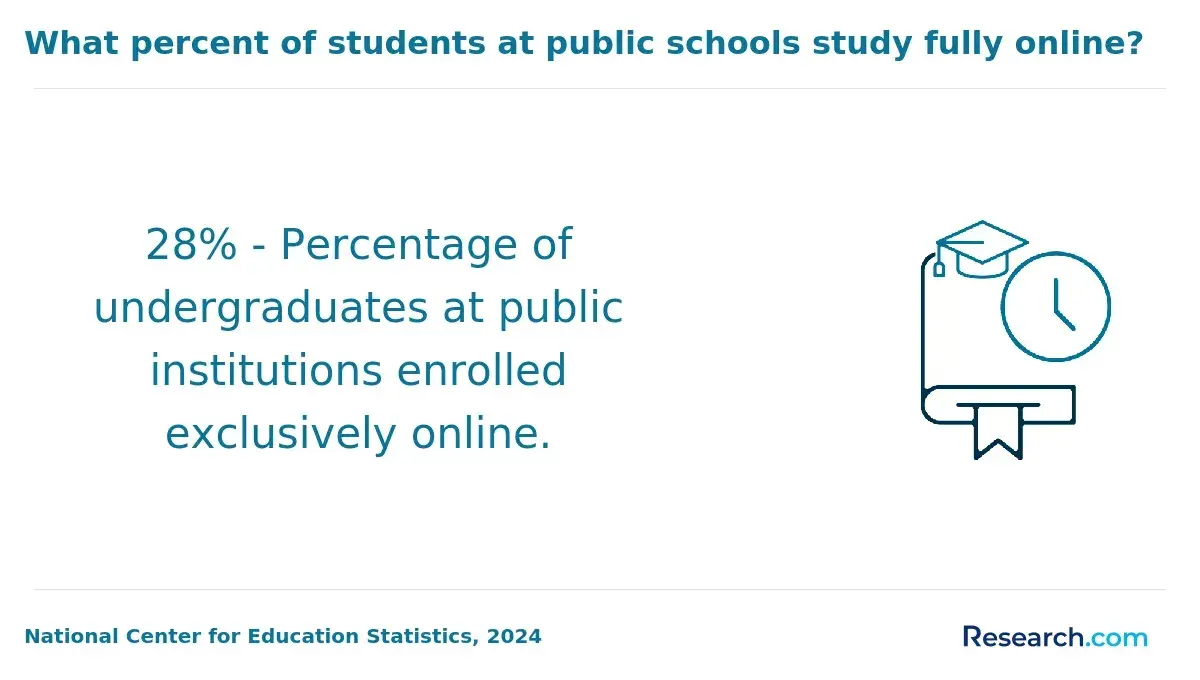
Enrollment shifts in TESOL & Multilingual Learners degree programs reflect a complex redistribution rather than straightforward growth or decline, influencing graduate competition unevenly across credential levels. Undergraduate enrollment has risen moderately according to the National Center for Education Statistics data through 2024, driven largely by expanded online offerings that boost access for working professionals and geographically dispersed students.
However, master's completions have stabilized or declined slightly, suggesting limited expansion in more specialized, higher-expertise roles. This pattern warns against interpreting rising enrollment at the bachelor's level as automatic evidence of oversupply, as tighter master's completion rates help moderate advanced candidate saturation in many regional markets.
Demographic diversification within programs—especially increasing bilingual and multilingual entrants—adds another layer of nuance, as lived language experience complements formal training and may affect employer expectations in multilingual education contexts. Credential layering, including endorsements and micro-credentials, further complicates supply forecasting by offering alternatives to traditional degrees and potentially diluting graduate volumes in some workforce niches.
Since regional labor demands vary and alternative certifications grow, national enrollment totals can mislead local employers and students about opportunity levels and competition intensity. The evolving enrollment landscape underscores the need for prospective students to assess program delivery methods, credential levels, and local labor market conditions closely.
One TESOL & multilingual learners student noted how their cohort had visibly expanded over two years thanks to new online classes, increasing peer diversity but also fueling silent debates in their program about whether growth signaled stronger job markets or simply more competition for limited teaching roles. They appreciated enhanced course flexibility but expressed uncertainty about whether decreased master's completions nationally might tighten opportunities for advanced positions or lead to credential inflation. This experience illustrates the challenge in interpreting enrollment data solely as supply or demand indicators without considering evolving program structures and regional workforce realities.
How Many TESOL & Multilingual Learners Graduates Enter the Workforce Each Year?
The annual number of graduates with TESOL & Multilingual Learners degrees offers limited insight into workforce supply-demand alignment without considering employment trajectories and labor market segmentation. Data from sources like NCES and IPEDS reveal around 8,000 to 10,000 such graduates enter the U.S. workforce yearly, but this figure includes a mix of degree levels, specialization types, and enrollment modes, including online programs.
Furthermore, not every graduate immediately targets TESOL-specific roles; employment outcome studies from state agencies show only about 60 to 70 percent transition into directly related pedagogical positions within a year, with the remainder pursuing further education, related fields such as bilingual education, or alternative career paths. Treating the raw graduate volume as a proxy for market saturation risks oversimplifying labor dynamics and can mislead policy or personal career decisions, especially given regional disparities and credentialing nuances.
Workforce demand for TESOL & multilingual learner educators varies considerably by location and employer expectations, complicating direct supply comparisons. Urban areas with multiple producing institutions may exhibit localized oversupply, influencing entry-level hiring constraints, while rural and underserved regions frequently report shortages, emphasizing geographic imbalances over national aggregates. Employers increasingly seek candidates with additional certifications or experience implementing multilingual programs, raising entry thresholds beyond degree attainment alone.
Replacement demand and job openings in K-12 and adult education environments do not always correspond with graduate output; many graduates compete unevenly across diverse roles and timelines. Consequently, understanding how these graduates fit within complex employment contexts is essential for realistic workforce planning and informed decision-making by students and professionals alike.
Does Job Growth Support the Rising Supply of TESOL & Multilingual Learner Graduates?
Projected job growth for TESOL & multilingual learners graduates, including adult literacy and high school equivalency teachers, is estimated to rise by approximately 9% through 2032, according to the U.S. Bureau of Labor Statistics. However, this growth is tempered by a substantial increase in graduate output, particularly in urban and immigrant-concentrated areas, where the influx of new professionals often exceeds the number of full-time, permanent positions available.
Many openings represent replacement demand rather than new roles, and employer preferences increasingly favor candidates with additional certifications, bilingual skills, or relevant experience, limiting entry-level opportunities and intensifying competition among graduates.
For example, a recent graduate holding a TESOL & Multilingual Learners degree in a saturated market may find greater opportunity by targeting less populous regions or diversifying skillsets rather than relying solely on degree credentials. Geographic disparities and employer expectations mean supply often outpaces demand despite positive overall job outlooks.
Additionally, growing reliance on non-traditional or adjunct roles presents tradeoffs in job security and career progression. Understanding this landscape is essential for navigating job availability and aligning qualifications strategically with areas of employer demand, rather than assuming steady degree completions guarantee stable employment prospects.
Graduates evaluating their options alongside workforce realities should also consider broader educational pathways, such as an online nutrition degree, to diversify qualifications and address shifting labor market needs. Carefully balancing regional flexibility with skill acquisition remains critical to optimizing outcomes amid the complex interplay between TESOL & Multilingual Learners degree oversupply and employer demand.
How Competitive is the Entry-Level Market for TESOL & Multilingual Learner Graduates?
The entry-level job market for TESOL & Multilingual Learners graduates in 2024 is marked by a nuanced imbalance between the supply of qualified candidates and available positions. While graduate numbers have increased steadily, employer demand remains uneven and often concentrated in select urban or diverse regions.
Many advertised roles require prior teaching experience, which restricts true entry-level hires and frequently pushes new graduates toward less stable or part-time alternatives before securing permanent jobs. This dynamic suggests competition stems from a combination of elevated graduate volumes, localized demand, and specific skill expectations rather than a simple oversupply.
Key elements shaping this competitive landscape include:
- Graduate Volume Pressure: The steady increase in master's-level TESOL & multilingual learner graduates surpasses available full-time ESL positions, intensifying applicant pools especially in common hiring markets.
- Experience Expectations: Many entry-level postings list 1-2 years of teaching or equivalent experience as a baseline, effectively filtering out fresh graduates and directing them toward substitute or support roles.
- Geographic Concentration: Employment opportunities cluster in metropolitan and linguistically diverse areas, creating fierce competition in these hubs while other regions present fewer openings.
- Language and Certification Preferences: Employers increasingly favor candidates with bilingual abilities or additional credentials, adding layers to candidate selection beyond basic TESOL qualifications.
- Part-Time and Contract Prevalence: Early-career roles often lack long-term security and full-time status, shaping expectations around compensation and career trajectory.
- Skill Mismatches:Candidates lacking competencies in educational technology integration or culturally responsive pedagogy face hurdles amid evolving employer demands.
- Market Caution in Hiring: Recent data from the National Association of Colleges and Employers indicate a steady but cautious hiring rate for TESOL roles, reflecting moderate demand without significant talent scarcity.
A recent TESOL & multilingual learner graduate shared a practical example of these challenges. After completing a master's degree, they encountered numerous job postings requiring prior experience, so their initial months involved substitute teaching while applying widely across different districts. Although they live in a major city with many opportunities, competition was stiff due to the volume of applicants and a preference for bilingual candidates.
Early interview feedback highlighted a need for better technological proficiency in virtual classrooms, leading them to pursue additional training. The graduate now considers relocating to a smaller district with fewer TESOL specialists, hoping to find a clearer path to a full-time role despite lower pay. This illustrates the tradeoffs between regional market saturation, skill development, and job security that shape entry-level outcomes in this field.
Which Industries Have the Greatest Demand for TESOL & Multilingual Learner Graduates?
Demand for TESOL & multilingual learner graduates is concentrated in industries requiring specialized language instruction combined with cultural competency. Employers prioritize candidates who balance foundational TESOL skills with sector-specific knowledge or credentials. For example, a graduate might weigh opportunities in K-12 education, where certification and steady demand coexist with competitive applicant pools, against corporate training roles, which often require business acumen or HR experience but may offer higher earning potential and advancement.
Regional labor market variations and employer size also affect hiring outcomes, making it vital for candidates to align skills with sectors offering realistic entry points and sustainable career paths. The following list identifies the industries generating the strongest employer demand for TESOL & multilingual learner graduates:
- K-12 Education: Demand stems from growing multilingual student populations nationwide, sustaining consistent needs for TESOL-certified teachers and specialists. Entry-level roles focus on classroom instruction, while advanced positions include curriculum design and instructional leadership. Employers emphasize state certification and demonstrated cultural responsiveness.
- Higher Education: Universities hire TESOL graduates as language instructors, advisors, and curriculum developers to support international and non-native English-speaking students. Roles often require advanced degrees and specialization in adult education or second language acquisition.
- Corporate Training: Multinational firms seek TESOL professionals to develop and deliver language training supporting global communication. Applicants with additional business or HR expertise generally face less competition and access professional development roles that combine language and organizational skills.
- Public Sector and Nonprofits: Agencies engaged in immigrant integration and refugee resettlement hire TESOL graduates to provide English instruction and cultural navigation. Funding limitations can affect job duration, so flexibility and interdisciplinary skills are advantageous.
- Healthcare: Increasingly, healthcare providers require TESOL-trained staff to deliver language access services critical to patient communication. Specialized certifications in medical interpreting or health communication improve employability and role advancement.
- Legal Services: Legal aid organizations need language support specialists skilled in advocacy for limited-English-proficient clients. Roles demand precision, cultural knowledge, and often interdisciplinary credentials bridging language and legal fields.
While supply remains robust, the alignment of TESOL & multilingual learners' employment demand by industry sectors varies widely. Graduates should consider how industry-specific requirements and competitive conditions influence long-term career prospects. Additionally, those contemplating further advancement might explore complementary qualifications, such as an online MBA healthcare, to diversify opportunities beyond traditional TESOL roles.
Where are TESOL & Multilingual Learner Graduates Most in Demand?
National data on demand for TESOL & multilingual learner graduates often obscures significant regional disparities driven by immigrant population concentration, state funding, and institutional presence. For example, while California and Texas show strong employer demand due to extensive public education systems and multilingual student populations, graduates entering these markets face heightened competition and higher living costs, which can limit net opportunity despite abundant job postings. Conversely, less populous states may offer fewer openings but benefit from lower competition and cost of living, suggesting a tradeoff between job density and overall career sustainability that prospective graduates must carefully weigh.
Urban centers with diverse multilingual communities and robust adult education initiatives typically sustain steadier hiring pipelines, yet they also require candidates to meet evolving credential expectations and sometimes supplemental certifications to remain competitive. Remote work possibilities in private and online language education have expanded options geographically but have not eliminated the advantages of proximity to service-rich metro areas. A 2024 labor market analysis from the U.S. Bureau of Labor Statistics highlights that employer demand heavily favors regions with immigrant influx coupled with legislative support for English learner programs, emphasizing the importance of aligning location choice with specific local industry conditions rather than headline job counts.
For graduates evaluating relocation, the decision to enter densely populated job markets must consider how saturation affects starting salaries, job stability, and professional networking opportunities. Those in oversupplied areas may face repeated job searches or the need to specialize, whereas candidates choosing smaller or mid-sized metro areas might find more consistent placement but potentially slower career progression. Navigating these dynamics requires assessing regional education pipelines, public versus private sector demand, and realistic expectations around competition to maximize the practical value of a TESOL & multilingual learners credential.
Which TESOL & Multilingual Learners Specializations and Degree Levels Face the Strongest Demand?
Employer demand within TESOL & multilingual learner specializations is notably uneven, concentrated in specific credential levels and niche skill areas rather than broadly spread. Practical teaching experience, relevant certifications, and bilingualism heavily influence hiring outcomes, especially when combined with advanced degrees. For example, a graduate with a master's focusing on K-12 bilingual education often encounters stronger job prospects than one holding a bachelor's in a less targeted specialization, particularly in districts emphasizing language inclusion and literacy development.
According to U.S. Bureau of Labor Statistics data, positions requiring K-12 ESL expertise represent some of the largest recruitment pools, underscoring demographic trends in public education. Demand hotspots also reflect regional and institutional preferences, with urban and suburban school districts favoring specialized credentials related to immigrant and refugee populations.
Emerging subfields further differentiate employability profiles. The key specializations and degree levels where employer demand is strongest include:
- K-12 Bilingual Education: Employers require educators proficient in dual language instruction and cultural responsiveness. Roles are predominantly in public schools with an emphasis on equity and inclusion, often requiring a master's degree plus certification in bilingual or ESL teaching.
- Adult Education and Literacy Development: Demand grows for specialists in adult ESL programs and literacy interventions. Candidates with master's credentials and experience in curriculum design for diverse adult learners find greater opportunities in community colleges and nonprofit agencies.
- Dual Language Program Coordination: These roles blend administrative and instructional skillsets, requiring knowledge of program management and second language acquisition theories, typically filled by master's-level candidates with teaching experience.
- Culturally Responsive Pedagogy: Increasing employer interest surrounds educators who integrate cultural competence into curriculum design, benefiting from graduate-level training aligned with equity frameworks in education.
- Technology-Enhanced Language Acquisition: Specialists combining TESOL skills with educational technology expertise serve growing needs in virtual and hybrid learning environments, especially within districts investing in digital resources.
- Doctoral-Level Research and Policy Roles: Less common in classroom settings but critical in academia, research, and government policy, doctoral graduates contribute to shaping language education frameworks and resource allocation informed by empirical studies.
Are Employer Skill Gaps Affecting Demand for TESOL & Multilingual Learner Graduates?
The persistent difficulty employers face in filling TESOL & multilingual learner roles primarily reflects a shortage of candidates with practical, industry-specific competencies rather than a sheer shortage of graduates. Employers prioritize applied experience, digital proficiency, and cultural adaptability alongside traditional TESOL knowledge. For instance, a school district in a linguistically diverse urban area may reject candidates with strong academic credentials but lacking technology integration skills or experience in bilingual classroom management. Misinterpreting this dynamic can lead to the false perception of an oversupply of TESOL & Multilingual Learners graduates, when in reality, the challenge lies in credential mismatches and incomplete skill sets.
Emerging evidence on employer skill gaps in TESOL & multilingual learners hiring reinforces that many applicants hold theoretical expertise but fall short in areas like technology fluency, intercultural communication, or curriculum development tailored to multilingual settings. This mismatch suppresses effective demand, particularly for entry-level positions where versatility and hybrid competencies are crucial. Competitive job markets, especially in metropolitan regions with many qualified graduates, accentuate this tension, driving up hiring standards beyond core TESOL certification. Consequently, graduates who augment their credentials with internships, targeted projects, or additional certifications often gain a decisive advantage.
The impact of credential mismatches on TESOL & multilingual learners' employment demand aligns with broader labor-market trends emphasizing continuous professional development and multi-skill portfolios. Prospective students and current degree holders should critically evaluate program offerings and seek opportunities to build experience with digital education tools and cultural competency. For those considering adjacent educational pathways, understanding the detailed employer expectations is equally important; for example, exploring options such as a behavioral analysis degree might complement TESOL skills in certain special education contexts, enhancing employability amid evolving workforce demands.
What is the Future Supply-and-Demand Outlook for TESOL & Multilingual Learners Graduates?
Targeted job searches consistently produce better outcomes than a high-volume, unfocused application approach, particularly for TESOL & multilingual learner graduates navigating a labor market where supply outpaces demand in many regions. For example, a recent graduate who narrows their focus to entry-level positions labeled "English language instructor" or "ESL tutor" in states with acute shortages like Texas or California is more likely to advance in the hiring process than one who applies broadly to unrelated education roles.
Tailoring resumes to mirror employer language, emphasizing bilingual abilities and cultural competence, and highlighting practical experience with multilingual learners through specific projects or internships align qualifications with employer expectations. Prioritizing industries and locations with demonstrated demand also helps allocate limited job search resources more efficiently, increasing the likelihood of interview invitations.
Job market trends for TESOL & multilingual learner graduates reveal that application timing and informed market research substantially affect hiring outcomes. Graduates who track employer needs and submit applications when job postings first appear tend to convert interviews at higher rates than those who apply late or indiscriminately. Networking within local education communities or adult education programs can augment visibility and credibility but should be supported by demonstrable job readiness rather than relying solely on connections.
Conversely, graduates who flood the job market with generic applications often face prolonged unemployment or underemployment, as employers prioritize candidates demonstrating a clear fit with specific role requirements rather than general credentials.
The future supply and demand for TESOL & multilingual learner graduates underscores the practical necessity of strategic job searches over volume-based methods. Investing effort into roles where one's skills closely match employer needs is prudent, avoiding the pitfalls of oversaturation in urban centers where competition is fierce.
Navigating this complex dynamic demands ongoing adjustment to evolving education priorities and local workforce shifts. Those considering broader educational paths might also explore related fields featuring increasing demand, such as healthcare education, where 12-month accelerated nursing programs offer distinct advantages in labor market responsiveness and employability.
References
- How TESOL Specializations Shape Better Teaching and Learning - BridgeUniverse - TEFL Blog, News, Tips & Resources https://bridge.edu/tefl/blog/academic-english-specializations/
- Languages ‘Critical’ to U.S. Employers - Language Magazine https://www.languagemagazine.com/2019/05/21/language-skills-gap-in-u-s-workforce/
- Multilingual learners in Minnesota: A survey of statewide support – MinneTESOL Journal https://minnetesoljournal.org/multilingual-learners-in-minnesota-a-survey-of-statewide-support/
- Global Recruitment Trends for English Language Teachers 2025–2030 - TESOL UK https://tesoluk.uk/global-recruitment-trends-for-english-language-teachers-2025-2030/
- ESL Job Guide - World TESOL Academy https://www.worldtesolacademy.com/blog/esl-job-guide/
- ACTFL | Making Languages Our Business https://www.actfl.org/advocacy-and-public-education/making-languages-our-business
- Why choose TESOL certification in 2026: career paths | TEFL Institute https://teflinstitute.com/blog/why-choose-tesol-certification-2026-career-paths/
- Long-Term English Learners in California https://learningpolicyinstitute.org/product/ca-long-term-english-learners-report
- What is the job market like for TESOL teachers in Europe? | ITTT TESOL & TESOL https://www.tesolcourse.com/ai/what-is-the-job-market-like-for-tesol-teachers-in-europe/
- The Future of Teaching English: ELT Trends, AI, and New Skills for Modern Teachers https://tefl-tesol-certification.com/blog/the-future-of-teaching-english-elt-trends-ai-and-new-skills-for-modern-teachers
Other Things You Should Know About TESOL & Multilingual Learners
Choosing between a highly specialized program and a broader TESOL & multilingual learners degree depends on your target job market. Specialized programs may better align with niche employer demands-such as bilingual education or adult ESL-potentially improving your employability in those areas. However, broader programs offer flexibility, useful if you anticipate shifting roles or geographic moves. Prioritize specialization only if you have a clear career path that matches that niche and employers value those credentials.
Employers often place substantial value on candidates' fieldwork and practicum experiences, especially those embedded within diverse, real-world classroom settings. Programs heavily weighted toward theory but light on applied learning tend to leave graduates less competitive. Prospective students should prioritize programs with robust practicum hours and partnerships with schools or community organizations, as these components improve readiness and signal practical competence to employers.
Programs with intensive course loads and additional certifications-such as bilingual endorsements or special education credentials-can delay entry into the workforce but often afford better career mobility and salary potential over time. Conversely, quicker programs may facilitate faster entry but limit initial job opportunities to entry-level roles. Students must balance the benefit of immediate employment against the longer-term payoff of advanced certification when selecting a path.
Yes, rising employer requirements increasingly emphasize cultural competency and digital literacy, including familiarity with online teaching platforms and multicultural communication strategies. Candidates lacking these skills may struggle to differentiate themselves despite strong TESOL fundamentals. It is advisable to seek programs that integrate these elements into their curricula to meet evolving market demands and enhance graduate versatility.