2027 TESOL & Multilingual Learners Admissions Trends Report: Acceptance Rates, GPA Expectations, and Test Policy Changes

Co-Founder and Chief Data Scientist
Admissions patterns in TESOL & Multilingual Learners programs increasingly reflect shifts in workforce demands and evolving regulatory landscapes. Rising acceptance rates and adjusted GPA expectations coincide with expanded enrollment capacity and efforts to meet accreditation and licensing requirements that emphasize practical teaching competencies.
Changes in testing policies often respond to applicant diversity and the need to evaluate language proficiency alongside academic preparedness. Such adaptations reveal how programs balance resource constraints with commitments to preparing educators capable of supporting multilingual populations.
The varying age profile of enrollees suggests a field in transition, with implications for professional accessibility and the adaptation of pedagogical models to emerging labor market and community needs.
Key Things to Know About TESOL & Multilingual Learners Admissions Trends
- Acceptance rates for TESOL & Multilingual Learners programs have tightened to about 38% nationally in 2024, reflecting increased demand and selectivity that requires applicants to differentiate via targeted experience.
- Average GPA expectations now commonly exceed 3.3, signaling that employers prioritize candidates demonstrating sustained academic rigor, which affects transfer students whose earlier grades may weigh heavily in review.
- More programs waive standardized tests, easing entry cost and access but shifting emphasis to holistic portfolio assessments, introducing timing tradeoffs due to extended evaluation periods impacting enrollment planning.
- Key Things to Know About TESOL & Multilingual Learners Admissions Trends Key Things to Know About TESOL & Multilingual Learners Admissions Trends
- What Are the Current Acceptance Rates for TESOL & Multilingual Learners Degree Programs? Current Acceptance Rates
- What Is the Average GPA of Accepted TESOL & Multilingual Learners Students? GPA Requirement
- Are SAT or ACT Scores Still Required for TESOL & Multilingual Learners Degree Programs? SAT/ACT Requirement
- How Many TESOL & Multilingual Learners Programs Have Adopted Test-Optional Admissions Policies? Test-Optional Programs
- What Non-Academic Factors Do TESOL & Multilingual Learners Admissions Committees Consider? What Non-Academic Factors Do TESOL & Multilingual Learners Admissions Committees Consider?
- Which Types of Schools Are the Most Selective for TESOL & Multilingual Learners Applicants? Which Types of Schools Are the Most Selective for TESOL & Multilingual Learners Applicants?
- How Do Admissions Standards Differ Across States and Regions? Admission Standards by State
- How Do Admissions Requirements Compare Between Online and Campus Programs? Online vs On-Campus Admissions
- Is There a Relationship Between Admissions Standards and Student Success? Admission Standards & Student Success
- How Can Students Strengthen a TESOL & Multilingual Learners Program Application? Program Application Preparation
What Are the Current Acceptance Rates for TESOL & Multilingual Learners Degree Programs?
Recent data from sources such as the U.S. Department of Education College Scorecard indicate that acceptance rates for TESOL & Multilingual Learners degree programs in the United States generally fluctuate between 40% and 70% at the master's level, reflecting moderate selectivity. Programs affiliated with highly competitive research universities tend to admit only 30% to 40% of applicants, driven by larger applicant pools and stringent GPA requirements, often above 3.0 and sometimes exceeding 3.3 in relevant coursework.
Many programs have shifted away from relying heavily on GRE scores, emphasizing academic transcripts, personal statements, and interview assessments aimed at intercultural skills and classroom readiness. In contrast, community colleges and less selective institutions frequently report acceptance rates above 70%, particularly in certificate or associate degree pathways designed for workforce entry rather than academic research progression.
The variation in acceptance rates closely aligns with institutional prestige, program capacity, and applicant demand, with public, private, and online options each presenting distinct enrollment dynamics. More selective programs prioritize strong academic records and relevant professional experience given their limited seats and emphasis on research or university-level teaching careers.
Conversely, institutions with higher acceptance rates typically focus on community-oriented outcomes and offer broader access to certification and entry-level credentials. Regional factors and differences in institutional mission further influence how programs balance accessibility with quality assurance, shaping the profile of admitted students and completion rates.
The landscape of TESOL & Multilingual Learners graduate admissions is evolving amid shifts in competitiveness and testing policies, prompting prospective students to weigh acceptance rates alongside program reputation and career relevance. Navigating this terrain requires understanding how selectivity corresponds to opportunities for advanced research, employer recognition, and teaching certification pathways.
For applicants seeking flexible credential options with minimal barriers, exploring alternatives such as a DNP program without clinical hours or less restrictive TESOL pathways can be strategic depending on career objectives and readiness levels.
What Is the Average GPA of Accepted TESOL & Multilingual Learners Students?
Recent admissions data from institutional profiles and U.S. Department of Education datasets indicate that the average GPA requirements for TESOL & Multilingual Learners programs generally fall between 3.0 and 3.7 on a 4.0 scale. This range reflects a diverse applicant pool from fields such as education, linguistics, and social sciences, aligning with typical GPA benchmarks for TESOL & Multilingual Learners admissions.
While many programs consider a GPA near 3.0 as a minimum indicator of academic readiness, more research-intensive institutions tend to admit students with averages closer to 3.5 to 3.7, demonstrating higher selectivity and academic rigor. These patterns underscore how GPA functions as both a baseline metric and a differentiator among competing applicants in this multidisciplinary field.
GPA expectations vary significantly due to factors such as institutional prestige, program focus, and modality differences between public, private, and online institutions. Programs emphasizing practitioner skill development or offering part-time flexibility often maintain lower GPA thresholds to balance academic standards with professional experience, while highly selective programs with strong research components seek applicants with more competitive academic records.
Variability in grading scales and admissions criteria complicates direct GPA comparisons but underscores the broader admissions strategy that blends academic achievement with applicant potential. These nuances reflect evolving selectivity dynamics in TESOL & Multilingual Learners admissions, revealing that GPA, while important, operates within a complex evaluative context.
The observed GPA thresholds influence applicant behavior by shaping preparation priorities and signaling program competitiveness, prompting many prospective students to strengthen portfolios beyond academic grades. A growing share of programs have relaxed minimum GPA requirements, incorporating alternatives such as standardized test waivers, which affects how candidates approach applications and selection readiness.
Transfer applicants with slightly lower GPAs may still access competitive opportunities by leveraging targeted skills and recommendations, further demonstrating that GPA is a meaningful but not exclusive admissions signal. Those exploring entry options can also consider pathways like a nursing school without entrance exam as an example of evolving admissions policies emphasizing accessibility alongside academic thresholds.
Are SAT or ACT Scores Still Required for TESOL & Multilingual Learners Degree Programs?
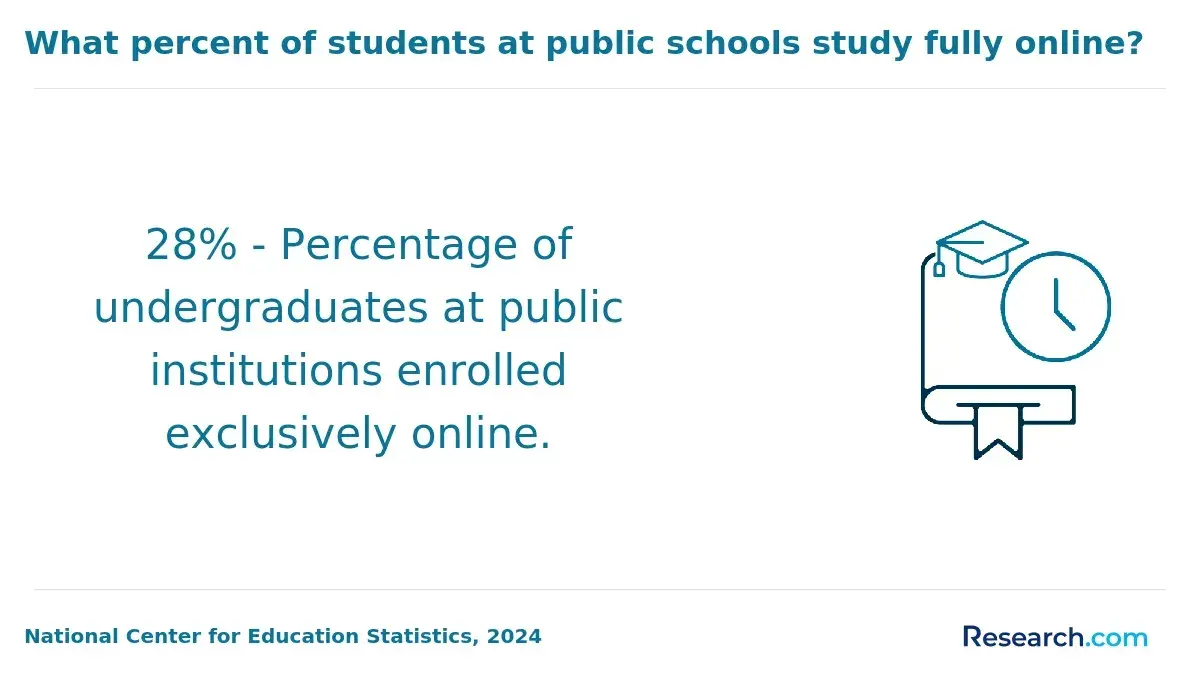
Recent data from the National Center for Education Statistics highlight a clear trend: many TESOL & Multilingual Learners degree programs have moved away from requiring SAT or ACT scores as a mandatory admissions component. Instead, a substantial portion of programs now adopt test-optional policies, integrating scores as supplementary rather than decisive factors.
This shift echoes broader graduate admissions practices that favor a holistic review emphasizing undergraduate GPA, professional experience, and qualitative materials like personal statements. However, a segment of highly selective institutions still values standardized test results to differentiate among competitive applicant pools, particularly when enrollment demand is high, though these scores rarely serve as sole admission criteria.
The evolving role of standardized tests in TESOL & Multilingual Learners admissions results from multiple intersecting factors. Equity considerations have driven many public and private institutions to reduce barriers by waiving rigid testing requirements, supporting access for transfer students and those with varied academic backgrounds. At the same time, elite programs maintain testing as a tool to preserve selectivity and institutional ranking strategies, balancing quantitative data with broader applicant narratives.
This divergence reflects a landscape where institutional priorities and applicant profiles influence how SAT and ACT scores figure into admissions decisions, underscoring the importance of understanding each program's specific approach within the shifting terrain of higher education access.
One TESOL & Multilingual Learners student recalled applying to several programs during a period of rapidly changing admissions policies. Initially planning to submit ACT scores, they hesitated as some schools announced test-optional options late in the cycle. This uncertainty delayed their application submissions while they weighed whether their scores strengthened their candidacy or if emphasizing teaching experience and academic writing samples would be more advantageous.
Ultimately, the student found relief in selecting programs where the lack of test scores did not hinder admission consideration, but the experience underscored the challenges applicants face navigating evolving criteria amid rolling admissions timelines.
How Many TESOL & Multilingual Learners Programs Have Adopted Test-Optional Admissions Policies?
Recent data from sources such as the National Center for Education Statistics and FairTest indicate that roughly 38% to 45% of graduate TESOL & Multilingual Learners programs in the United States have shifted to test-optional admissions policies as of early 2024.
This marks a significant departure from former reliance on standardized exams like the GRE or TOEFL, reflecting an evolving consensus about the limited predictive validity and accessibility challenges these tests pose. The adoption rate aligns with broader graduate-level trends where a growing number of programs have reassessed the role of testing in evaluating candidates' readiness and potential for success.
This shift toward test-optional frameworks is driven by multiple forces, foremost among them equity concerns and the practical constraints imposed by the pandemic on testing availability. Programs aim to reduce barriers that disproportionately affect non-native English speakers and underrepresented groups, while also emphasizing holistic criteria such as GPA, professional experience, and qualitative application components.
Competitive pressures and institutional priorities to diversify their cohorts further incentivize programs to offer alternative pathways, including portfolios and letters of recommendation, in place of traditional exams.
What Non-Academic Factors Do TESOL & Multilingual Learners Admissions Committees Consider?
Admissions committees for TESOL & Multilingual Learners degree programs increasingly apply holistic review processes that integrate both academic and non-academic factors. This broader evaluation seeks to identify candidates whose practical skills and personal attributes complement their academic records, reflecting readiness to succeed in diverse, multilingual educational environments.
Understanding how TESOL & Multilingual Learners admissions evaluate personal statements alongside other criteria helps clarify why non-academic elements carry significant weight in selection decisions.
- Relevant Professional Experience: Programs emphasize applicants' hands-on experience with English language learners (ELLs) or in multicultural settings, as it signals practical knowledge and adaptability crucial for classroom success. Over 65% of programs prioritize this type of experience, seeing it as a reliable predictor of a candidate's ability to engage diverse student populations beyond what GPA reveals.
- Intercultural Competence and Multilingualism: Demonstrated ability in multiple languages or meaningful cross-cultural exposure enhances candidates' effectiveness and relatability as educators. Approximately 58% of programs consider multilingual skills or living abroad valuable, recognizing these as indicators of cultural sensitivity that enrich teaching dynamics and student rapport.
- Personal Statements and Recommendation Letters: These components provide insight into applicants' motivation, commitment to social justice, and emotional intelligence—qualities that standardized metrics cannot capture. A 2024 survey found that 72% of programs assign moderate to high importance to these essays and letters in gauging alignment with TESOL's mission and the applicant's potential contribution.
- Adaptability and Resilience: Admissions increasingly value emotional intelligence and community engagement, especially as testing policies become more flexible to accommodate accessibility. These traits suggest an ability to navigate complex educational settings and support long-term career success in linguistically diverse classrooms.
- Alignment with Program Mission and Equity Goals: Understanding and commitment to equitable learning opportunities are scrutinized to select candidates likely to advance inclusive education. This contextual factor interacts closely with academic performance, balancing measurable achievement with value-driven dedication.
Incorporating these non academic admissions criteria for TESOL & Multilingual Learners programs acknowledges the multifaceted challenges teachers face. While traditional academic metrics remain relevant, non-academic factors offer critical perspective on an applicant's practical and interpersonal capacities.
For advisors and applicants navigating this evolving landscape, emphasizing these dimensions can clarify competitive admissions positioning without undervaluing academic achievement.
Those exploring parallel fields or considering advanced degrees could consult comparative data on healthcare education pathways as well, such as through analyses of healthcare PhD programs online, to understand multidisciplinary professional criteria in admissions and workforce readiness.
Which Types of Schools Are the Most Selective for TESOL & Multilingual Learners Applicants?
Admissions competitiveness for TESOL & Multilingual Learners programs varies notably across institutional types, shaped by factors such as applicant volume, program size, funding availability, and regional enrollment pressures. Selectivity in this field often reflects not just academic prestige but also institutional capacity to absorb demand and align with local workforce needs.
Understanding these nuances helps clarify why certain schools maintain stringent admission standards while others prioritize accessibility and practical training.
- Selective Private Universities: These institutions typically exhibit the highest admissions barriers for TESOL & Multilingual Learners applicants, often with acceptance rates below 30%. Their selectivity is driven by limited program capacity, substantial demand from competitive applicants, and significant emphasis on academic rigor and research credentials. Such schools leverage reputational strength to attract a concentrated pool of qualified candidates, which naturally narrows admission.
- State Flagship Universities: Flagship public universities generally balance moderately selective admissions with larger enrollment caps. GPA requirements are frequently set between 3.0 and 3.5, with increasingly flexible standardized testing policies reflecting broader test-optional trends. Their selectivity results from a mix of regional demand, state funding models, and commitment to comprehensive program offerings, placing them between elite privates and more open-access institutions.
- Regional Public Universities and Community Colleges: These schools often prioritize accessibility and workforce alignment, resulting in higher acceptance rates that can exceed 50-70%. Admissions selectivity is lower due to larger program capacities, practical training focus, and mission-driven approaches to serve local multilingual populations. This demographic and operational context means competition for seats is less intense, though curriculum relevance remains central to student outcomes.
- Small Liberal Arts Colleges: Programs at these institutions may adopt holistic admission approaches, weighing personal statements and recommendations alongside GPA and test scores. Their selectivity is less predictable, often influenced by limited program size and institutional emphasis on individualized candidate evaluation. This can moderate traditional academic thresholds, making admissions competitive in different ways than research-intensive universities.
How Do Admissions Standards Differ Across States and Regions?
Admissions standards for TESOL & Multilingual Learners degree programs exhibit significant variation across U.S. states and regions, shaped by differing institutional priorities and policy frameworks observed in 2024 reports from NCES and state university systems. Programs in densely populated, urbanized areas often set higher GPA and test score thresholds reflecting competitive local labor markets and stronger institutional selectivity.
Conversely, states with smaller or more rural populations frequently maintain broader admission criteria to address urgent workforce shortages and expand access. These disparities stem less from arbitrary policy choices and more from tailored institutional responses to demographic realities, resource allocation, and applicant pool composition.
The primary drivers of these regional differences include variations in state funding formulas that influence program capacity and selectivity, along with contrasting regional workforce demands that dictate enrollment volume needs. Areas with growing multicultural urban centers tend to support more rigorous admissions as schools can prioritize applicant academic credentials, while rural and suburban regions emphasize inclusivity and practitioner readiness to meet expanding needs.
Additionally, distinctions between public flagship universities and smaller institutions affect admission standards, where flagship programs typically uphold stricter criteria reflecting institutional mission and prestige. These factors interplay with state education policies and demographic trends, resulting in a nonuniform admissions landscape where accessibility and competitiveness shift according to local economic and educational ecosystems rather than standardized national benchmarks.
One TESOL & Multilingual Learners graduate recalled how the rolling admissions timeline complicated her application decisions. She hesitated early in the year when uncertain whether to apply to programs in more selective northeastern states with strict GPA requirements or to more accessible southern programs that accepted later applications and offered test-optional policies.
This waiting period created anxiety but also allowed her to improve her language proficiency scores and gather stronger practical experience, ultimately securing admission in a program aligned with her career goals. Her experience highlights how strategic timing and regional policy awareness can become critical factors in navigating varied application landscapes across states.
How Do Admissions Requirements Compare Between Online and Campus Programs?
Admissions requirements for online versus campus TESOL & Multilingual Learners programs show notable differences driven by distinct institutional objectives and student demographics. Data from 2024 reveals that campus-based programs generally enforce higher GPA thresholds, often around 3.0 or above, and maintain more consistent standardized testing mandates such as the GRE.
In contrast, online TESOL and Multilingual Learners admissions requirements comparison highlight that many online programs accept students with GPAs as low as 2.5 and frequently waive standardized tests, emphasizing holistic application reviews that include professional experience and letters of recommendation. These divergent standards reflect broader trends in higher education accessibility and program design.
The underlying drivers of these admissions discrepancies relate to accessibility goals and the composition of target populations. Campus programs, with their limited cohort sizes and immersive learning environments, prioritize academic preparedness to sustain rigor and interaction quality. Online programs, designed to accommodate working professionals and transfer applicants, embrace flexibility by adjusting criteria to attract diverse learners balancing employment and family commitments.
This scalability supports higher enrollment demand but introduces variation in student academic backgrounds, making institutional admissions policies a balancing act between inclusivity and program integrity. Additionally, differences in academic support and cohort engagement further shape admissions selectivity across delivery models.
These admissions patterns influence student choices and enrollment dynamics, with campus programs often perceived as more selective and potentially offering stronger early career outcomes, while online programs provide scheduling adaptability and access for non-traditional students.
Understanding such tradeoffs is essential for applicants weighing program value and alignment with their practical constraints. For those considering pathways bridging credentials, insights from related fields like RN to nurse practitioner programs may offer useful parallels in evaluating admissions policies and workforce impact within healthcare and education sectors.
Is There a Relationship Between Admissions Standards and Student Success?
Recent data from the 2024 National Education Outcomes Report indicates that stricter admissions standards, such as minimum GPA benchmarks of 3.2 or higher, are associated with a 15% increase in on-time graduation rates in TESOL & Multilingual Learners programs. These criteria correlate with improved academic performance and program retention, reflecting a solid preparation level among admitted students.
However, the impact of such admissions selectivity on long-term career success is less definitive, with many employers in ESL and multilingual education fields prioritizing practical skills, cultural competence, and adaptability over purely academic credentials. This nuanced interaction suggests the impact of admissions standards on TESOL student success is contingent on more than just academic metrics.
The relationship between TESOL program acceptance rates and graduation outcomes is further complicated by variations in student demographics, institutional resources, and academic support services. Programs with more flexible admissions policies often boost diversity, an important factor in multicultural education fields, but may require enhanced support systems to maintain retention and mastery of core competencies.
Differences in program design and graduation requirements also influence these outcomes, making admissions selectivity an incomplete predictor of overall student success. These factors collectively demonstrate why admissions criteria must be evaluated alongside institutional effectiveness and total student experience for a comprehensive understanding of program impact.
For prospective students and advisors, relying solely on admissions selectivity risks overlooking essential aspects of educational value and employability. Long-term workforce success often hinges on field experience and soft skills rather than initial academic thresholds. Such insights highlight the importance of considering practical outcomes and support environments when comparing TESOL & Multilingual Learners degree programs.
Those interested in related fields may also explore options through accredited online colleges for drug and alcohol counseling, which reflect similar trends in balancing academic standards with career readiness and accommodate diverse student profiles by adopting test-optional policies.
How Can Students Strengthen a TESOL & Multilingual Learners Program Application?
Successful TESOL & Multilingual Learners program applications emerge from a nuanced blend of academic preparation, relevant field experience, and clear evidence of alignment with program goals. Admissions committees increasingly prioritize applicants who demonstrate not only readiness but also a coherent fit with evolving program emphases.
Meeting baseline criteria is rarely sufficient in 2024, as cohorts grow more competitive and holistic review processes become standard. Applicants must present integrated evidence that signals both commitment and the potential to navigate diverse learner populations effectively.
- Prioritize a Competitive GPA: Maintaining a GPA at or above 3.3 on a 4.0 scale signals foundational academic competency. Committees often interpret this as a proxy for discipline and intellectual readiness, especially as programs face higher application volumes. GPA contextualization, explaining academic challenges, can further distinguish candidates in competitive pools.
- Demonstrate Practical Experience: Documented roles such as internships or volunteer work involving multilingual learners validate applicants' exposure to real-world educational settings. This evidence of applied skills aligns with employer expectations for adaptable educators and is weighted heavily in holistic evaluations.
- Craft Evidence-Based Personal Statements: Personal statements that articulate cultural awareness and a reflective teaching philosophy reveal an applicant's understanding of diverse linguistic contexts. Admissions committees assess these narratives for depth, authenticity, and alignment with program missions.
- Secure Strong Recommendations: Endorsements from supervisors or educators familiar with cross-linguistic competencies provide independent validation of applicant readiness. Such letters complement academic records and experiential evidence, reinforcing candidate suitability for rigorous TESOL & multilingual learners training.
- Highlight Relevant Certifications or Continuing Education: Certifications in linguistics or second-language acquisition showcase proactive professional development. This signals to programs an applicant's commitment to mastery beyond academic coursework, a factor increasingly valued in selectivity and holistic admissions trends.
References
- Lessons From Multilingual Learners to Improve Student Success https://www.wested.org/blog/insights-impact/lessons-from-multilingual-learners-to-improve-student-success/
- Colleges that Allow Self-Reporting of SAT and ACT Scores https://www.compassprep.com/self-reporting-test-scores/
- TESOL Master's Degree Programs – Bank Street Graduate School https://graduate.bankstreet.edu/tesol-programs/
- In Debt: Student Loan Burdens Among Teachers https://learningpolicyinstitute.org/product/student-loans-among-teachers-brief
- Requirements and Courses https://www.leeuniversity.edu/academics/tesol/requirements/
- TESOL https://www.msmc.edu/programs/tesol/
- List of Colleges Dropping & Reinstating ACT/SAT Requirements https://progresslearning.com/news-blog/colleges-dropping-reinstating-act-sat-requirements/
- More Colleges Are Requiring Standardized Tests – What This Means for Students Applying to Test-optional Schools — Elite Educational Institute https://eliteprep.com/blog/more-colleges-are-requiring-standardized-tests
Other Things You Should Know About TESOL & Multilingual Learners Admissions Trends
While many TESOL & multilingual learners programs report minimum GPA requirements, recent admissions trends suggest a moderate shift toward holistic review processes. However, relying solely on a borderline GPA risks weak applications since programs often seek evidence of linguistic proficiency, intercultural competence, or relevant experience to offset academic metrics. Applicants with average GPAs should prioritize strengthening other parts of their application, such as practical teaching experience or multilingual skills, as these factors can meaningfully influence admissions committees balancing diverse candidate strengths.
Dropping test requirements has lowered barriers but increased variability in how programs assess academic readiness, leading to greater emphasis on detailed resumes, writing samples, and interviews. This shift favors candidates who can demonstrate professional clarity and communicative skills outside standardized metrics but also introduces unpredictability, as evaluation criteria differ widely. Applicants should consider applying to programs whose alternative assessments align best with their strengths, rather than assuming a test-optional policy uniformly eases admission.
Transfer students benefit from carefully balancing flexibility and rigor in admissions policies. Programs with flexible policies may facilitate quicker entry but often lack consistent standards for foundational knowledge critical for advanced coursework and eventual employability. Conversely, programs maintaining strict GPA and prerequisite requirements may better prepare students for complex multilingual environments. Transfers should prioritize programs whose admissions rigor matches their readiness level to avoid underpreparedness that could undermine academic success and long-term career prospects.
Employers increasingly scrutinize the quality and consistency of TESOL & multilingual learners credentials amid evolving admissions landscapes. Programs relaxing admissions criteria or de-emphasizing testing may produce graduates with variable foundational knowledge, complicating hiring decisions for organizations seeking reliable expertise in linguistically diverse settings. For applicants, choosing programs with transparent, rigorous admissions benchmarks can signal strong preparation and reduce doubts about graduates' capabilities in high-demand multilingual education roles.