2027 TESOL & Multilingual Learners Degree Completion Rates by Format: Online, Hybrid, and Campus Programs Compared

Co-Founder and Chief Data Scientist
A prospective student considering a TESOL & Multilingual Learners degree faces a critical choice: pursue the program fully online, engage in a hybrid format, or attend classes on a traditional campus. Each path presents distinct challenges, from balancing work and family commitments to adapting to different learning environments. These factors not only affect daily logistics but can influence overall motivation and persistence toward degree completion.
Completion rates vary significantly by format, reflecting how program design and student circumstances align or clash. Understanding these differences helps clarify the practical tradeoffs of each option. This article compares online, hybrid, and campus completion rates in TESOL & Multilingual Learners programs, examines key factors influencing student success, and explores how to select the format best suited to fulfill one's educational and career objectives.
Key Things to Know About TESOL & Multilingual Learners Degree Completion Rates by Format
- Online TESOL & Multilingual Learners programs show a 15% lower completion rate than campus options, reflecting challenges in sustained engagement and self-directed learning critical for skill mastery.
- Hybrid formats combine campus interaction with online flexibility, correlating with a 10% higher completion rate over fully online paths, suggesting in-person components enhance practical application and peer support.
- A 2024 study indicates campus programs foster stronger cohort cohesion, boosting completion likelihood by reinforcing accountability and immersive cultural competence crucial for multilingual education careers.
- Key Things to Know About TESOL & Multilingual Learners Degree Completion Rates by Format Key Things to Know About TESOL & Multilingual Learners Degree Completion Rates by Format
- How Do Completion Rates Compare Across Online, Hybrid, and Campus TESOL & Multilingual Learners Programs? Completion Rate Comparison
- What Factors Have the Greatest Impact on TESOL & Multilingual Learners Degree Completion? Degree Completion Factors
- Which TESOL & Multilingual Learners Degree Format Is Hardest to Complete? Completion Difficulty
- How Does Each TESOL & Multilingual Learners Learning Format Affect Student Success? How Does Each TESOL & Multilingual Learners Learning Format Affect Student Success?
- How Does Enrollment Status Affect TESOL & Multilingual Learners Completion Rates? How Does Enrollment Status Affect TESOL & Multilingual Learners Completion Rates?
- Can Transfer Credits Improve TESOL & Multilingual Learners Degree Completion? Transfer Credits
- What Student Support Services Improve TESOL & Multilingual Learners Completion Rates? Student Support Services
- How Do TESOL & Multilingual Learners Completion Rates Affect Career Outcomes? Impact on Career Outcomes
- How Should Students Choose the Best TESOL & Multilingual Learners Learning Format? Choosing the Best Format
- What Are the Long-Term Pros and Cons of Each TESOL & Multilingual Learners Learning Format? Learning Format Pros & Cons
How Do Completion Rates Compare Across Online, Hybrid, and Campus TESOL & Multilingual Learners Programs?
Completion rates often serve as useful indicators of student outcomes but should not be mistaken for direct measures of program quality. Variations in TESOL degree completion rates by program format frequently reflect the backgrounds, commitments, and challenges faced by students enrolled in different delivery modes. For instance, students in campus programs may have more consistent access to institutional resources, while those in online settings often juggle education alongside demanding personal or professional responsibilities.
The reasons behind fluctuating success rates between online, hybrid, and campus degrees are multifaceted. Online learners typically benefit from flexibility but must balance studies with work and family, which can delay progress. Hybrid formats offer a blend of structure and accessibility that can improve engagement, while campus-based courses provide immersive experiences with direct faculty interaction and peer support. These factors-combined with enrollment intensity and availability of advising-shape outcomes, but ultimately motivation and circumstances remain critical determinants.
Prospective students should weigh completion rates alongside personal learning styles and life situations when selecting a TESOL & Multilingual Learners degree format. Those needing maximum flexibility might accept potentially lower graduation probabilities to maintain career or family commitments, whereas others might prioritize the higher completion rates often observed in campus or hybrid settings. Considering long-term career goals, students can also explore pathways such as BSN to DNP programs for related fields, ensuring their choice aligns with both practical realities and educational success.
What Factors Have the Greatest Impact on TESOL & Multilingual Learners Degree Completion?
Degree completion in TESOL & Multilingual Learners programs hinges on a complex interplay of personal circumstances, academic supports, and program structures rather than sheer motivation alone. Persistence is less about initial enthusiasm and more about sustained engagement, access to resources, and real-world compatibility. Recognizing these interacting factors helps prospective students make informed decisions that align with their unique needs and challenges. Below are key factors shaping degree completion outcomes in this field, grounded in recent evidence and practical insights.
- Student Engagement and Interaction: Active participation in coursework and meaningful interaction with instructors and peers significantly influence persistence. Students in hybrid formats, where online flexibility is balanced by some face-to-face engagement, tend to report higher motivation and lower dropout rates. Investing time in discussion groups and seeking feedback can strengthen connection and accountability.
- Institutional Support Services: Access to academic advising, tutoring, and mental health resources correlates strongly with completion rates, especially for nontraditional and working students. Institutions that provide tailored support enable learners to navigate obstacles more effectively, reducing attrition stemming from external pressures or academic difficulties.
- Financial Aid and Employer Support: Adequate financial assistance and employer-sponsored continuing education support dramatically boost retention across all delivery modes. Students juggling job responsibilities benefit most when costs are manageable and their workplace values educational advancement, permitting them to sustain enrollment through financial and practical backing.
- Program Flexibility and Scheduling: Scheduling that accommodates students' work and family commitments lessens dropout risks. Online and hybrid programs offering asynchronous options appeal to adults facing time constraints, while rigid on-campus schedules may deter those without access to reliable transportation or flexible hours.
- Social and Cohort Cohesion: Cohort camaraderie and mentorship provide critical emotional and academic encouragement, particularly in campus-based or hybrid TESOL & Multilingual Learners formats. These connections help students overcome feelings of isolation and foster resilience during challenges, which often distinguishes those who complete their degrees from those who leave.
- Alignment of Program Design with Life Circumstances: Programs that consider students' diverse backgrounds, responsibilities, and career goals enable better retention. When curricula and support reflect real-world demands, learners perceive the degree as attainable and relevant, reinforcing commitment through practical application and clearer pathways.
- Technology Access and Digital Literacy: Proficiency with digital tools and reliable internet access are essential for online learners, impacting their ability to engage fully. Students lacking these resources face higher risks of falling behind, underscoring the need to assess technical readiness and seek institutional help when necessary. Exploring options like 8 week medical billing and coding courses illustrates how shorter, focused programs can better fit busy schedules without sacrificing quality.
Which TESOL & Multilingual Learners Degree Format Is Hardest to Complete?
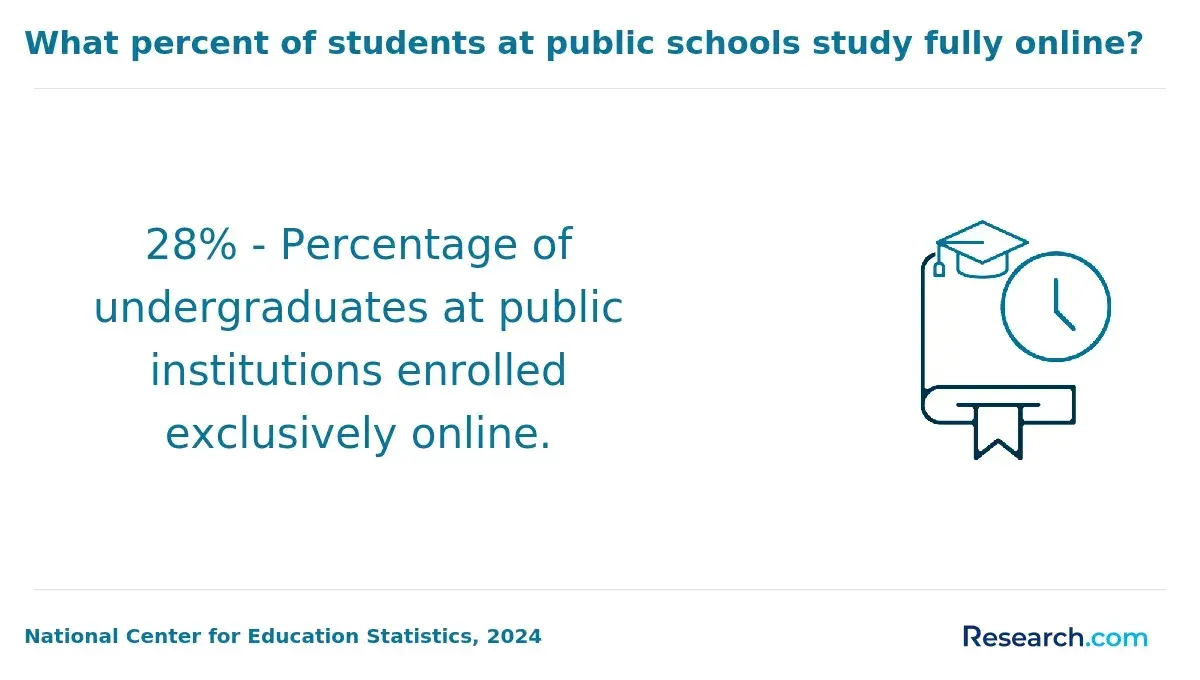
Recent 2024 data from the National Center for Education Statistics highlights that fully online TESOL & Multilingual Learners degree programs often exhibit notably lower completion rates than hybrid or campus-based formats. This disparity largely stems from the demands online students face in balancing self-directed study with personal and professional responsibilities, compounded by limited peer interaction and support. Hybrid models typically yield better retention by blending flexibility with periodic in-person accountability, although coordinating campus visits can still pose challenges. Campus programs consistently report the highest completion rates, benefiting from the immersive environment and direct access to faculty that foster timely progress and sustained motivation.
While campus degrees tend to offer the most structured support conducive to persistence, the ideal environment depends heavily on individual circumstances. For example, a student working full-time while caring for children might struggle with rigid on-campus schedules despite better completion data, whereas self-motivated learners with strong time management skills may thrive online despite higher attrition risks. The 2024 Council for Adult and Experiential Learning report emphasizes that success hinges on how well students align program demands with their personal commitments and learning preferences, rather than format alone.
One graduate recalls initially choosing an online TESOL & Multilingual Learners degree to accommodate a full workload and family, only to find the isolation daunting and motivation waning without regular face-to-face engagement. After switching to a hybrid program, the balance of virtual classes and campus workshops provided essential reminders and community interaction, which significantly improved persistence. This experience underscores that while flexibility is invaluable, the lack of structured, in-person anchor points in purely online formats can make completion more elusive for many students.
How Does Each TESOL & Multilingual Learners Learning Format Affect Student Success?
Student success in TESOL & Multilingual Learners programs hinges less on the learning format alone and more on how well that format matches a student's learning style, schedule constraints, and external obligations. For example, a working parent balancing shifts may find online sessions more manageable but risk lower completion without strong engagement. Meanwhile, those seeking structured environments with peer support might thrive in campus-based settings despite less flexibility. Recognizing these nuances clarifies why completion rates differ across formats. Below are key factors shaping academic outcomes across online, hybrid, and campus pathways.
- Flexibility versus Structure: Online learning offers unparalleled schedule flexibility, benefiting students juggling work and family. However, this comes at the cost of reduced immediate accountability, which can lead to procrastination and attrition. Campus programs provide rigid schedules that foster consistent attendance but may exclude those with complex time commitments.
- Student Engagement and Community: Campus settings create immersive communities that facilitate peer support and active advising, enhancing motivation and persistence. Hybrid formats partially replicate this dynamic through periodic in-person sessions, whereas fully online environments often lack social connection, contributing to lower retention.
- Access to Academic Support: Immediate feedback and tutoring are more accessible on campus and in hybrid courses, improving problem-solving and learning retention. Online students frequently experience delays in support response, which can hinder mastery of challenging TESOL & Multilingual Learners content.
- Technological Challenges and Digital Literacy: Online and hybrid learners must navigate platforms independently; those with lower digital skills face additional hurdles that may slow progress. Campus learners encounter fewer technical barriers, allowing focus on content mastery rather than tool management.
- Engagement with Practical Fieldwork: TESOL requires applied practice such as language teaching simulations or community interaction. Campus programs integrate these elements seamlessly, while online formats often rely on virtual substitutes that may not fully replicate hands-on experiences.
- Retention and Completion Rates: According to the National Center for Education Statistics (2024), while online TESOL & Multilingual Learners programs attract more initial enrollees, their completion rates lag behind hybrid and campus formats. Hybrid learners see improved outcomes due to a blend of flexibility and face-to-face interaction, with campus learners showing the highest persistence overall.
- Motivation Aligned with Learning Preferences: Self-directed learners can excel online if they maintain discipline, but those needing external prompts thrive better in hybrid or campus settings where accountability structures are stronger, directly impacting whether they finish their degrees on time.
How Does Enrollment Status Affect TESOL & Multilingual Learners Completion Rates?
Enrollment status is one of the most important factors influencing TESOL & Multilingual Learners degree completion, but its impact varies significantly depending on a student's personal circumstances. The decision between full-time and part-time study involves more than just course load; it reflects a balance between academic commitment and external responsibilities such as work and family. This balance ultimately affects persistence, motivation, and access to supportive resources. The following points highlight primary ways enrollment status shapes completion outcomes in these programs.
- Time Commitment and Consistency: Full-time students engage more deeply and regularly with coursework and faculty, which fosters better retention and timely progress. Those able to dedicate substantial daily hours to their studies benefit from sustained momentum, often leading to higher completion rates than part-time peers who face fragmented schedules.
- Competing Responsibilities: Part-time enrollment suits students juggling jobs, childcare, or other obligations. However, this juggling act often extends time to completion and increases dropout risk. Prospective students should realistically assess if flexible pacing compensates for added life stresses before choosing part-time study.
- Program Format Interaction: Online and hybrid formats interact differently with enrollment status. Part-time online students gain flexibility but may lack in-person engagement needed to sustain motivation. Hybrid programs provide a balance but require coordination of in-person classes, which challenges part-time learners further than their full-time counterparts.
- Access to Support Services: Campus-based full-time cohorts benefit from immediate access to advising, tutoring, and peer networks, all crucial for overcoming academic hurdles. Part-time or remote students often have delayed or limited access, making self-directed progress harder and potentially risking attrition.
- Persistence and Peer Interaction: Full-time learners frequently experience cohort-based progress, which builds accountability through peer interaction. Part-time students, especially online, may miss this community dynamic, which can diminish motivation and reduce persistence.
- Impact of Enrollment Status Data: According to a 2024 report from a leading educational data organization, full-time TESOL & Multilingual Learners students complete their degrees at a rate nearly 30% higher than part-time students, underscoring enrollment intensity as a critical predictor of graduation success.
- Real-World Scenario-Working Parents: Consider a working parent enrolled part-time in a TESOL & Multilingual Learners program online. While the flexibility accommodates their schedule, lack of structure and limited in-person interaction may cause delays in completion. By contrast, switching to full-time hybrid study might improve their engagement but requires significant logistical adjustments, highlighting a tradeoff between flexibility and structured support.
For students weighing these factors, understanding how enrollment status intersects with program format, personal obligations, and available support is essential. Those interested in related fields may also explore ultrasound tech programs as an alternative offering distinct enrollment models and completion dynamics.
Can Transfer Credits Improve TESOL & Multilingual Learners Degree Completion?
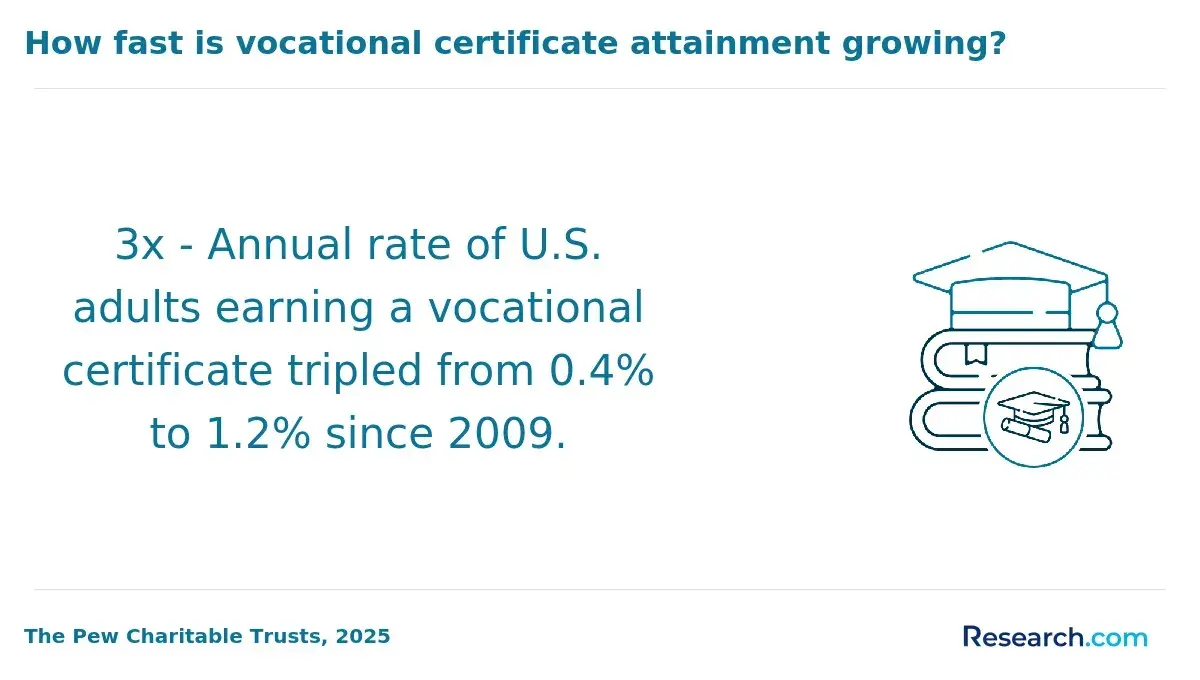
Transfer credits can meaningfully shorten the time required to complete a TESOL & Multilingual Learners degree by eliminating redundant coursework, thereby easing financial and time burdens. Recent findings from the National Student Clearinghouse Research Center (2024) indicate that students who transfer credits tend to finish their degrees approximately 18% faster than those without any prior credit. This advantage is particularly impactful for professionals juggling work or family responsibilities who seek faster entry or re-entry into the educational pipeline.
However, the actual benefit of transfer credits depends heavily on how applicable those credits are to the program's specific requirements. For example, a student with completed general education or foundational language courses may see substantial progress if those credits align closely with their new institution's criteria. Conversely, transfer credits from unrelated or non-accredited programs might offer little time savings, as core TESOL coursework and practicum elements remain mandatory.
An illustrative scenario involves a working adult who previously earned credits through community college classes and military education. If the TESOL program accepts these credits toward its degree, this learner may reduce their course load by up to a third, enabling earlier graduation and reducing tuition costs. Yet a student transferring from a campus program with heavy residency or face-to-face requirements might find fewer credits transferable due to stricter policies, extending their study timeline despite prior learning.
Students aiming to assess whether transferring credits will aid their completion timeline should first obtain an official credit evaluation from the prospective institution. Comparing how many credits remain after transfer against their intended course load clarifies realistic graduation dates. Additionally, evaluating program policies around credit transfer and required experiential components is critical, as some programs may limit credit acceptance to protect curricular quality and professional preparedness.
Ultimately, credit transfer is one influential factor among many that affect degree completion. While it can reduce duplicate studies and speed progress for many TESOL & Multilingual Learners students, success also hinges on consistent academic support, curricular engagement, and balancing practical experience with credit flexibility.
ntage
What Student Support Services Improve TESOL & Multilingual Learners Completion Rates?
Completion rates for TESOL & Multilingual Learners degrees vary significantly by program format, but targeted student support services consistently emerge as a key driver of persistence and graduation success. Data from 2024 underscores that programs integrating tailored academic, social, and wellness resources see measurable gains in student retention. These findings highlight that a one-size-fits-all approach to support rarely works; students' needs differ by whether they engage online, in hybrid settings, or on campus. The following list outlines crucial support services linked to improved outcomes across formats.
- Proactive academic advising: Timely and personalized guidance helps students navigate degree requirements and manage challenges before they escalate. The National Center for Education Statistics found that online learners with structured advising reported 15-20% higher completion rates compared to those without.
- Integrated tutoring programs: Combining synchronous and asynchronous tutoring options benefits hybrid students by balancing flexibility with direct interaction. This approach supports comprehension and engagement, especially for working adults balancing coursework and other responsibilities.
- Virtual engagement platforms: Online forums and live sessions create critical social connections that mitigate isolation, a common obstacle in remote learning. Digital engagement fosters accountability and peer support, boosting motivation through community.
- Specialized career services: On-campus programs that align advising with TESOL & Multilingual Learners employment markets help students see a clear pathway from study to work. Targeted career planning increases relevance and commitment to program completion.
- Holistic wellness resources: Access to mental health support tailored to linguistic and cultural diversity issues reduces emotional barriers, particularly for online learners who often face greater stress and fewer in-person outlets.
- Faculty mentorship: Dedicated mentors provide academic and emotional support, reinforcing a sense of belonging. Cohort-based hybrid models with active mentorship demonstrate higher graduation rates due to enhanced student engagement.
- Peer-support networks: Programs that build peer communities, especially on campus, enable students to share strategies for overcoming multilingual learning challenges. These networks cultivate resilience and reduce dropout risk.
One online TESOL & Multilingual Learners graduate recalled initial doubts about juggling family duties and coursework with limited in-person contact. However, consistent virtual check-ins from advisors and accessible mental health counseling offered a vital lifeline during stressful periods. She emphasized that without these layered supports, sustaining focus and progressing steadily toward her degree would have been far more difficult. This experience illustrates how multifaceted student services tailored to online learners' realities can turn potential obstacles into manageable challenges.
How Do TESOL & Multilingual Learners Completion Rates Affect Career Outcomes?
The completion of TESOL & Multilingual Learners degree programs plays a decisive role in career trajectories for graduates, directly affecting employment opportunities and earnings. Data from 2024 highlights that graduates who finish their bachelor's degrees in this field achieve measurable benefits, including better job placement rates and enhanced stability in education and language-related sectors. However, completion rates differ by program format, with campus settings generally demonstrating higher finish rates than online, and hybrid programs falling in between. These variations have practical consequences beyond convenience, making persistence essential for students aiming to maximize their career prospects.
Here are key ways completing a TESOL & Multilingual Learners program influences career outcomes:
- Improved job placement and employment stability: Degree completion strongly correlates with higher rates of job placement in education, language services, and international organizations. Students who persist through graduation demonstrate to employers a level of commitment that often translates into more stable and relevant employment. This outcome benefits those targeting roles requiring proof of mastery and professionalism.
- Greater access to professional certifications and leadership roles: Graduates frequently gain eligibility for specialized credentials and leadership positions that are inaccessible without a completed degree. Persistence here signals readiness for advanced responsibilities and enhances competitive positioning within educational and governmental bodies.
- Higher likelihood of graduate school enrollment and advanced specialization: Finishing the degree positively influences enrollment in graduate programs, allowing for specialized career paths and increased earning potential over time. Students focused on long-term academic and career growth especially benefit from completing their bachelor's before pursuing additional education.
- Variation in program format impacts completion and career timing: Online programs may offer flexibility but generally show lower completion rates, which can delay workforce entry or require further education later. Prospective students should weigh flexibility against structural support to ensure their chances of finishing and advancing professionally.
Research also shows individuals with completed bachelor's degrees in TESOL & Multilingual Learners see better outcomes in multilingual learners job placement after graduation. Those considering a career shift often explore options like RN to nurse practitioner programs that similarly hinge on degree completion for advancement.
How Should Students Choose the Best TESOL & Multilingual Learners Learning Format?
Choosing the best TESOL & Multilingual Learners learning format for degree completion requires weighing individual circumstances against program outcomes and retention data. A 2024 study by the National Center for Education Statistics highlights that hybrid formats tend to have slightly higher degree completion rates compared to fully online or campus-only models, largely due to their flexibility combined with periodic face-to-face engagement. Students balancing full-time work or family responsibilities often find online programs more accessible; however, this format requires strong self-discipline to avoid pitfalls like disengagement. Here are key factors to consider when selecting your learning format.
- Time Management and Self-Motivation: Online programs demand a high level of autonomy. If you struggle with procrastination or prefer scheduled interactions, campus or hybrid models may better support sustained engagement and completion.
- Access to Real-Time Support: Campus settings provide immediate access to faculty and peers, fostering stronger community ties which can boost motivation for those who thrive on direct interaction.
- Work and Life Commitments: Hybrid and online formats offer greater flexibility, essential for adult learners balancing jobs or family, enabling steady progress without sacrificing responsibilities.
- Preferred Learning Style: Reflect on whether you benefit more from face-to-face dialogue or self-directed study; this influences how well you absorb content and stay motivated through the program.
- Resource Availability: Campus programs typically provide comprehensive facilities, while online learners must ensure they have reliable technology and quiet study environments.
- Networking and Career Goals: If your career advancement depends on mentorship and professional connections, hybrid or campus formats can offer richer opportunities for collaboration and networking.
- Program Outcome Data: Consider research showing hybrid formats often yield better retention rates among nontraditional students, emphasizing the importance of choosing a format aligned with your personal and academic needs.
For students aiming to accelerate their degree pathways, programs such as the fast track ABA masters online offer models of how online flexibility can coexist with structured timelines. Ultimately, matching your profile with the right learning format is critical for completing TESOL & Multilingual Learners programs successfully and stepping confidently into your professional field.
What Are the Long-Term Pros and Cons of Each TESOL & Multilingual Learners Learning Format?
Choosing a learning format for TESOL & Multilingual Learners degree completion significantly influences long-term success and professional readiness. Research from 2024 highlights distinct benefits and challenges tied to campus, online, and hybrid options. For example, a working parent balancing family and studies may find hybrid models offer an ideal blend of flexibility and in-person support. Below are key factors to consider when comparing these learning formats over the long term.
- Community Engagement and Support: Campus programs foster stronger social connections and direct access to faculty, boosting motivation and retention. Online learners may lack informal peer interactions, making proactive engagement critical. Hybrid students benefit most when in-person sessions focus on collaboration and practice.
- Flexibility Versus Structure: Online formats provide unmatched scheduling freedom, appealing to working professionals, but may require greater self-discipline. Campus programs offer more structured timelines, which some students find essential to persistence.
- Skill Development Opportunities: Face-to-face instruction in campus and hybrid programs enhances practical language teaching skills, essential for career readiness. Purely online formats risk reduced hands-on practice unless supplemented intentionally.
- Completion and Persistence Rates: Government data from 2024 show hybrid programs typically have higher completion rates than fully online paths, while campus remains strong due to immersive engagement. Online cohorts perform better with targeted advisement support.
- Cost and Accessibility: Online studies reduce travel and relocation costs, aiding those with geographic or time constraints. Conversely, hybrids may increase travel expenses but offer a balanced experience. Campus programs can be costlier but provide rich resource access.
- Long-Term Career Networking: Campus settings enable richer alumni networks and mentoring, benefiting some long after graduation. Online students should seek virtual networking opportunities to compensate.
References
- 5 things you didn't know about language teaching | Hong Kong TESOL https://hongkongtesol.com/blog/5-things-you-didnt-know-about-language-teaching
- Language Teaching/Teaching English to Speakers of other Languages (TESOL) https://www.bbk.ac.uk/courses/postgraduate/language-teaching-teaching-english-to-speakers-of-other-languages-tesol
- How long does it typically take to complete a TEFL course? | ITTT TESOL & TESOL https://www.tesolcourse.com/ai/how-long-does-it-typically-take-to-complete-a-tefl-course/
- 140 Hour Hybrid Online/Onsite TEFL TESOL - tefl online pro https://teflonlinepro.com/140-hour-hybrid/
- Teaching English to Speakers of Other Languages (TESOL) at the Graduate Level https://catalog.rider.edu/graduate/colleges-schools/education/programs-certificates/tesol/
- Online Master’s in TESOL Programs - Teaching English to Speakers of Other Languages (ESL) https://www.onlineeducation.com/education/masters-in-tesol
- UDL Strategies Every Teacher Can Use to Support Multilingual Learners https://www.novakeducation.com/blog/udl-strategies-every-teacher-can-use-to-support-multilingual-learners
- MA TESOL Pathways https://www.vialingua.com/organizational-structure/graduate-credits.html
- SWEL Self-Study | SWEL https://www.tesolswel.org/workshops/swel-self-study/
- Programs in Teaching English to Speakers of Other Languages (TESOL) https://www.hamline.edu/academics/college-schools/education-leadership/TESOL-ABE-Programs
Other Things You Should Know About TESOL & Multilingual Learners
Yes. Online programs generally offer the greatest flexibility, which benefits those juggling teaching or other jobs, but this can also reduce accountability, risking lower completion rates without strong self-discipline. Hybrid formats provide structured in-person sessions that can foster engagement while still allowing some schedule adaptability, often supporting steady progress. Campus programs demand more fixed attendance, which may challenge working students but typically offer greater peer interaction and immediate access to faculty, potentially enhancing persistence.
Campus programs usually integrate more hands-on practicum experiences and direct peer collaboration that mirror real classroom dynamics, enhancing practical readiness. Hybrid formats can offer some of this benefit but may deliver less immersive in-person practice, possibly impacting skill development. Online cohorts often rely heavily on virtual simulations and asynchronous assignments, which may limit exposure to spontaneous classroom challenges, requiring additional effort to gain comparable practical experience post-graduation.
Employers in education increasingly recognize accredited online and hybrid degrees, but many still prioritize campus-based training, especially for roles requiring intensive in-class interaction or curriculum development. Therefore, candidates choosing online or hybrid formats should actively supplement their credentials with teaching experience or certifications that demonstrate classroom aptitude. Prioritizing a format aligned with targeted employer expectations can improve both completion motivation and career placement.
Online TESOL & Multilingual Learners programs often expect students to manage their own pacing, which can lead to procrastination or burnout if workload balance is poor. Hybrid programs impose more regular deadlines and face-to-face commitments, helping students maintain a steady workflow but restricting flexibility. Campus programs typically have the most rigid schedules and workload intensities, potentially overwhelming some but promoting disciplined study habits that support timely completion. Choosing a format should consider personal time-management strengths and outside responsibilities to optimize degree completion chances.