2027 How Employers Are Changing Hiring Criteria for TESOL & Multilingual Learners Graduates in the AI Era

Co-Founder and Chief Data Scientist
Imagine a recent TESOL & multilingual learners graduate scanning job postings only to realize that a diploma alone no longer secures interviews in an AI-accelerated market. With artificial intelligence reshaping industries, employers emphasize new criteria beyond traditional qualifications. According to the 2024 World Economic Forum Future of Jobs Report, 70% of companies plan to accelerate AI adoption, increasing demand for skills that integrate technological fluency with human-centered competencies.
This shift challenges aspiring educators and language specialists to rethink their career preparedness. Success now depends on a blend of AI literacy, adaptability, and transferable skills that prove value in dynamic work environments. This article examines how employer hiring standards for tesol & multilingual learners graduates are evolving, the rising importance of AI awareness, and practical strategies for students to maintain a competitive edge in the AI era.
Key Things to Know About the Changing Hiring Criteria for TESOL & Multilingual Learners Graduates in the AI Era
- AI integration in language education demands fluency with adaptive technologies, exposing graduates lacking these skills to reduced hiring prospects as 62% of education employers prioritize AI competency in 2024.
- Employers increasingly value transferable skills like data interpretation and ethical AI use, requiring TESOL & Multilingual Learners graduates to contextualize language instruction within AI frameworks for sustained relevance.
- Graduates demonstrating interdisciplinary expertise—combining linguistics, AI literacy, and multicultural communication—outperform peers, signaling a shift in hiring where hybrid skill sets mitigate automation risks.
- Key Things to Know About the Changing Hiring Criteria for TESOL & Multilingual Learners Graduates in the AI Era Key Things to Know About the Changing Hiring Criteria for TESOL & Multilingual Learners Graduates in the AI Era
- How Is AI Changing What Employers Look for in TESOL & Multilingual Learners Graduates? How Is AI Changing What Employers Look for in TESOL & Multilingual Learners Graduates?
- Which AI Skills Are Employers Expecting TESOL & Multilingual Learners Graduates to Have? AI Skills
- Which Human Skills Are Employers Looking for in TESOL & Multilingual Learners Graduates? Human Skills
- How Are AI Tools Changing Daily Work in TESOL & Multilingual Learners Careers? AI Workplace Tools
- How Are Employers Evaluating TESOL & Multilingual Learners Candidates Beyond Academic Credentials? Hiring Criteria
- How Are TESOL & Multilingual Learners Degree Programs Adapting to AI? AI Curriculum
- Which Industries Are Changing Hiring Expectations Most for TESOL & Multilingual Learners Graduates? AI and Industry Expectations
- How Is AI Changing Career Growth for TESOL & Multilingual Learners Professionals? AI and Career Growth
- How Should TESOL & Multilingual Learners Students Prepare for AI-Driven Hiring? Career Preparation
- How Should Students Choose a TESOL & Multilingual Learners Program for the AI Era? How Should Students Choose a TESOL & Multilingual Learners Program for the AI Era?
How Is AI Changing What Employers Look for in TESOL & Multilingual Learners Graduates?
Current employer expectations for multilingual learners in the AI era reflect a blend of technical fluency and core human skills. The U.S. Bureau of Labor Statistics highlights a rise in demand for educators familiar with adaptive learning technologies and AI-powered assessments, which require ongoing data-driven decision-making alongside cultural sensitivity and emotional intelligence. For example, a school district implementing a hybrid curriculum now values teachers who can troubleshoot AI tools while fostering effective communication across diverse classrooms. Although AI reshapes the skill set sought by employers, human judgment, empathy, and cultural competence remain irreplaceable components of effective instruction.
Given these evolving criteria, early-career professionals with TESOL & multilingual learners degrees should cultivate AI literacy and a flexible learning mindset to align with workforce trends. Engaging proactively with emerging technologies and seeking knowledge from credible sources, such as programs recognized for the most affordable online FNP programs, can inform their approach to skill development. Combining these capabilities with traditional pedagogical strengths enables graduates to thrive as educators who navigate a rapidly digitizing educational environment while maintaining the essential human elements of teaching.
Which AI Skills Are Employers Expecting TESOL & Multilingual Learners Graduates to Have?
Artificial intelligence is reshaping expectations in education-related fields, with employers placing greater emphasis on practical AI competencies alongside traditional pedagogical skills. For TESOL & multilingual learner graduates, this shift means demonstrating more than content knowledge; it requires fluency in AI tools that enhance language acquisition and learner engagement. Employers increasingly seek candidates who can integrate AI-driven technologies to personalize instruction, interpret learning analytics, and collaborate across interdisciplinary teams.
This reflects a broader workforce transformation where AI literacy is a differentiator in competitive hiring markets. Below are five key AI skills rising in importance for TESOL & multilingual learner professionals:
- Adaptive Learning Platform Proficiency: Mastery of AI-powered adaptive learning systems enables educators to tailor language instruction dynamically to individual learners' needs. Employers expect graduates to configure these platforms to optimize pacing and content relevance, enhancing student outcomes. Developing this skill involves hands-on experience with mainstream adaptive technologies and understanding data feedback loops within learning environments.
- Data Analytics for Learner Progress: The ability to analyze and interpret learner data via AI tools allows educators to identify patterns and adjust teaching strategies accordingly. Employers look for professionals who can generate informative reports that inform curriculum adjustments and personalized support. Building proficiency requires training in basic statistical concepts and familiarity with user-friendly analytics dashboards common in educational settings.
- Natural Language Processing (NLP) Applications: Familiarity with NLP tools equips graduates to utilize real-time translation, speech recognition, and interactive dialogue systems effectively. Employers value this skill for facilitating bilingual classrooms and enhancing communicative competence among multilingual learners. Gaining experience with open-source or commercial NLP applications through workshops or coursework is a practical step.
- Basic Programming and Scripting: Knowledge of programming languages like Python or R empowers educators to customize AI-driven applications and automate routine tasks. This competence supports efficient data handling and collaborative projects with instructional technologists. Prospective TESOL & multilingual learner professionals should consider targeted coding courses focused on educational technology contexts to strengthen this skill.
- AI Literacy and Ethical Use: Understanding the principles of AI, its limitations, and ethical considerations is vital as schools adopt increasingly sophisticated tools. Employers expect graduates to critically assess AI integration impacts on equity and privacy within diverse classrooms. This critical perspective can be cultivated through interdisciplinary workshops emphasizing responsible AI use alongside core instructional training.
Which Human Skills Are Employers Looking for in TESOL & Multilingual Learners Graduates?
As AI increasingly automates routine educational and administrative tasks, the demand shifts toward uniquely human skills that cannot be replicated by machines. Employers hiring graduates in TESOL & multilingual learners now prioritize capabilities that enrich interpersonal connections and adapt to complex, unpredictable classroom dynamics.
The following human skills have emerged as vital for success in an AI-influenced workplace:
- Emotional Intelligence: This skill involves recognizing one's own emotions and those of others, enabling nuanced responses to learners' cultural and emotional states. AI can assist with technical tasks but cannot replicate the trust and rapport built through empathetic communication. Developing emotional intelligence requires real-world practice in diverse settings and reflective self-awareness exercises.
- Critical Thinking and Creativity: Unlike AI's algorithm-based outputs, educators must tailor lessons innovatively to meet varied linguistic backgrounds. Creativity fosters engagement and addresses unique learning challenges. Cultivating this skill involves experimenting with pedagogical methods and reflective feedback loops.
- Cultural Empathy: Understanding and respecting students' linguistic identities and cultural backgrounds enhances inclusivity. Employers value graduates who can authentically facilitate cross-cultural communication, a skill AI lacks. Immersive experiences and intercultural dialogue are key to strengthening cultural empathy.
- Adaptive Problem-Solving: Real classroom environments require flexible strategies in response to emerging challenges. AI offers data insights but cannot navigate unpredictable social nuances. Building adaptability involves scenario-based training and collaborative problem-solving exercises.
- Collaboration and Communication: Working with multidisciplinary teams and mediating misunderstandings across cultures demands advanced interpersonal skills. Successful collaboration ensures cohesive support for multilingual learners. Role-playing and teamwork in varied groups enhance these abilities.
A recent graduate in TESOL & multilingual learners recounted a pivotal moment when an AI-generated lesson plan failed to engage a particular group of refugee students. The graduate hesitated but decided to deviate from the AI suggestions, drawing on personal cultural knowledge and empathy to adjust the curriculum mid-session. This choice resolved emerging conflicts and boosted student participation, reinforcing that human judgment remains indispensable. The graduate reflected on how this experience highlighted the limits of AI and the enduring value of emotional connection and cultural sensitivity in education.
How Are AI Tools Changing Daily Work in TESOL & Multilingual Learners Careers?
AI tools have fundamentally altered the workflow of TESOL & multilingual learner professionals by automating administrative and routine tasks, enabling practitioners to dedicate more time to personalized instruction and complex problem-solving. For example, adaptive language assessment platforms now provide instant proficiency analyses, allowing instructors to quickly tailor lessons to individual students rather than relying on manual grading or standardized testing cycles. According to a 2024 U.S. Department of Labor report, nearly 60% of educators serving multilingual populations have incorporated such AI-driven tools to fine-tune their instructional strategies in real time.
Beyond assessment, AI-powered translation and transcription technologies have significantly reduced the time TESOL professionals spend on multilingual communication and documentation, which the National Center for Education Statistics notes has decreased administrative workload by about 25%. As a result, educators are shifting toward more meaningful responsibilities such as curriculum innovation and direct student engagement. This shift necessitates familiarity with AI and digital platforms, positioning technological literacy as a vital competency alongside linguistic expertise.
Simultaneously, AI advances support data-driven decision-making by aggregating student performance metrics and recommending targeted interventions, effectively blending educational insight with technological fluency. This evolution reshapes TESOL roles into hybrid positions where professional judgment guides AI-generated outputs, demanding higher-order skills like critical thinking, ethical oversight, and collaboration in virtual environments. Recruiters increasingly seek candidates who can navigate these complex intersections of language pedagogy and AI technology, emphasizing a proactive acquisition of educational AI proficiency to remain competitive in this transforming sector.
How Are Employers Evaluating TESOL & Multilingual Learners Candidates Beyond Academic Credentials?
Employers are moving beyond traditional academic credentials to evaluate TESOL & multilingual learner candidates by focusing on tangible evidence of practical skills and real-world application. Recent data from the National Association of Colleges and Employers shows that adaptability, communication skills, teamwork, and problem-solving ability now weigh heavily in hiring decisions.
For example, a candidate who showcases an internship with experience managing online classrooms or creating culturally responsive lesson plans demonstrates a readiness to navigate diverse educational settings, which is often more valuable than academic grades alone. This approach aligns with the growing emphasis on holistic evaluation methods, where portfolios, certifications, and direct experience illustrate a candidate's capability to meet evolving job demands.
As highlighted in a 2024 survey by the U.S. Bureau of Labor Statistics and Harvard Business Publishing, AI literacy and the ability to integrate AI tools into teaching practices are increasingly vital for TESOL & multilingual learner graduates. Employers expect candidates to possess hands-on familiarity with educational technology, such as learning management systems and data-driven instructional design. This practical competence enhances a candidate's appeal by reflecting current classroom realities shaped by technological change. These hiring trends underscore why candidates must demonstrate continuous learning through professional development and interdisciplinary projects to stay competitive in the AI-enabled education sector.
From a strategic perspective, embracing this broader set of employer expectations allows graduates to better align their skills with market needs. By building expertise in intercultural communication alongside technological proficiency, TESOL & Multilingual Learners candidates can differentiate themselves effectively. For those interested in advancing their knowledge in related fields, exploring options like an MBA in healthcare may also develop complementary competencies that intersect with education and technology sectors. Ultimately, adapting to these hiring trends equips candidates to excel amid evolving demands and positions them for sustained success in diverse educational environments.
How Are TESOL & Multilingual Learners Degree Programs Adapting to AI?
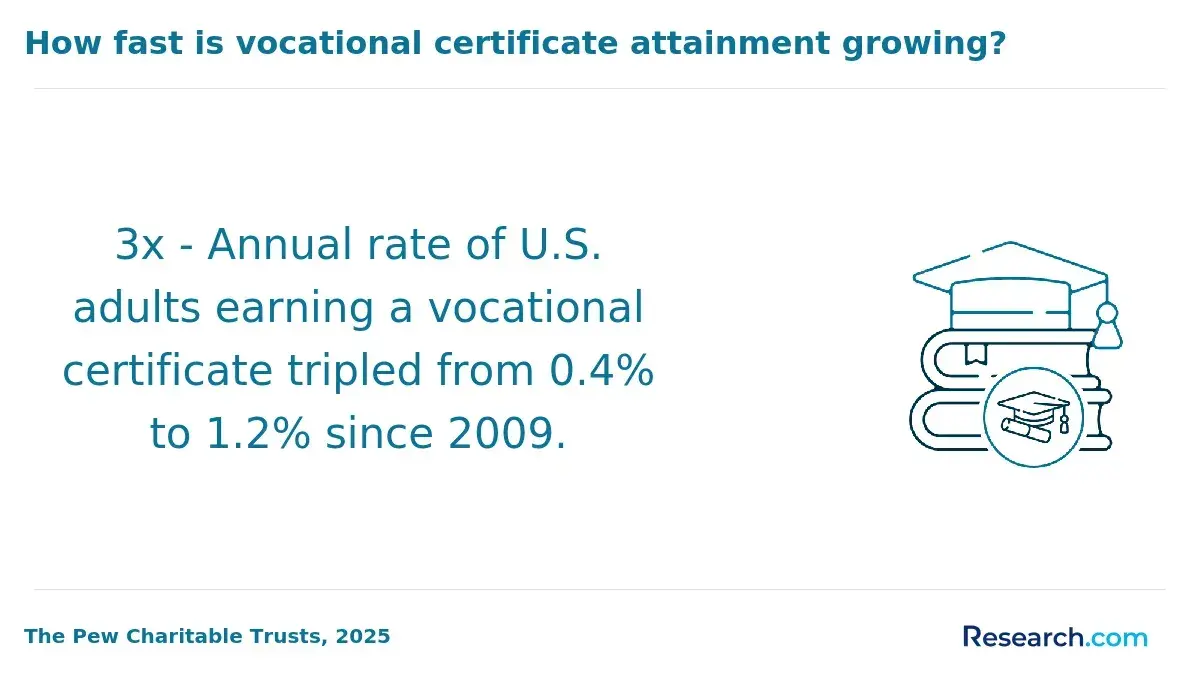
Colleges and universities are actively reshaping TESOL & multilingual learners degree programs to reflect the growing influence of artificial intelligence within education and professional language training. According to a 2024 report by the National Center for Education Statistics, over 60% of institutions offering language teaching programs have adopted AI tools such as adaptive learning platforms and automated grading systems.
This integration goes beyond technology deployment; programs are embedding data literacy, AI-driven language analytics, and digital communication skills into their curricula to equip graduates with the ability to personalize instruction and interpret learning metrics—skills increasingly sought by employers across K-12, corporate training, and digital content creation sectors.
Adapting to these demands involves more than technical skills acquisition, as programs emphasize the ethical dimensions and human-centered challenges of working with AI, including concerns around bias and privacy. For example, a future TESOL educator might use AI-powered assessments to tailor feedback for diverse learners but must also critically evaluate the fairness of algorithmic outputs.
Institutions are responding with interdisciplinary coursework, partnerships with industry, and experiential opportunities that blend pedagogical theory with AI application, preparing students to navigate evolving technologies while maintaining core language teaching expertise. These changes reflect a balancing act between deep subject mastery and rapid adaptability in a workforce that values both.
However, this evolution introduces notable tradeoffs; students face heavier workloads and the need to master complex AI-related tools alongside foundational linguistic and cultural competencies. Success increasingly depends on demonstrating critical thinking and collaboration skills that complement AI rather than compete with it—qualities that employers highlight as essential amid automation pressures.
Programs that sustain continuous curriculum assessment and lifelong learning principles position their graduates to remain relevant, yet the pace of AI innovation demands ongoing vigilance to ensure that skills taught remain practically valuable beyond graduation.
Options like fast degree programs can appeal to students who want to build relevant skills and enter the workforce sooner. For TESOL and multilingual learners, accelerated pathways may provide a quicker route to developing both language-teaching expertise and emerging AI-related competencies.
Which Industries Are Changing Hiring Expectations Most for TESOL & Multilingual Learners Graduates?
The speed and depth of artificial intelligence adoption differ significantly across sectors, influencing how employers adjust hiring standards for TESOL & Multilingual Learners graduates. Industries with heavy AI integration demand a hybrid skillset that blends language expertise with digital fluency, while others remain more focused on traditional communication abilities. A recent graduate weighing roles in education technology versus healthcare, for example, will notice striking differences in required competencies, as each sector integrates AI tools to varying extents.
Recognizing these distinctions allows students and early-career professionals to better tailor their skills and increase employability. The following industries illustrate where hiring expectations are evolving most sharply due to AI and technological innovations:
- Education Technology: The rise of AI-driven language learning platforms has shifted employer preference towards candidates who can collaborate with adaptive systems to customize instruction. Skills in data analysis related to learner progress and integrating AI feedback with human judgment are increasingly critical. TESOL & Multilingual Learners graduates must understand technology-assisted teaching to stay competitive.
- Healthcare: AI applications in patient communication, including multilingual digital assistants and real-time translation, create demand for professionals skilled in managing AI tools while navigating cultural nuances. Employers seek graduates who can enhance AI workflows and maintain empathetic cross-cultural interactions, balancing automation with human care.
- Finance and Banking: High AI adoption in compliance and customer onboarding drives a need for language specialists adept at operating AI communication platforms and ensuring ethical multilingual content delivery. According to the 2024 Deloitte Global AI Survey, demand for AI-savvy multilingual communicators in finance has grown by 40%, reflecting an urgent shift in hiring priorities.
- Customer Service: Sectors using AI chatbots and virtual assistants value TESOL & Multilingual Learners graduates who can monitor AI outputs, troubleshoot language model limitations, and enhance client-facing interactions through hybrid human-AI systems. Soft skills coupled with technical understanding are essential to manage evolving communication channels.
- Government and Public Services: As public agencies apply AI for multilingual information dissemination and citizen engagement, there is rising interest in candidates who combine linguistic expertise with digital literacy to ensure accessibility and inclusivity. Graduates familiar with AI ethics and policy implementation gain an advantage in this sector.
One TESOL & Multilingual Learners graduate recounted the challenge of choosing between a teaching role at an EdTech startup and a communication position at a hospital. Though initially drawn to education, the graduate hesitated upon realizing the healthcare role required proficiency with AI translation tools and intercultural communication strategies beyond classroom techniques.
After gaining certification in AI-supported clinical communication, the graduate found the healthcare opportunity offered both technical growth and meaningful impact. This experience underscored how nuanced and industry-specific the evolving hiring expectations are, highlighting the importance of targeted skill development rather than a one-size-fits-all approach in an AI-enhanced job market.
How Is AI Changing Career Growth for TESOL & Multilingual Learners Professionals?
The pace of AI adoption varies considerably across industries, leading to distinct shifts in employer expectations for TESOL & Multilingual Learners graduates. Sectors with high interaction between technology and education are advancing rapidly, requiring professionals to integrate AI tools into language instruction seamlessly. Other fields evolve more gradually, focusing instead on foundational digital literacy alongside core expertise. This uneven transformation reflects differences in resource availability, regulatory environments, and the degree to which AI can optimize existing workflows.
Understanding which industries are driving these changes is essential for TESOL & multilingual learners professionals aiming to stay relevant. Below are five industries where hiring criteria are notably evolving due to AI and related technologies:
- EdTech Companies: These firms lead AI integration by developing adaptive learning platforms and virtual tutors. Employers seek TESOL & multilingual learners graduates with skills in AI-driven content customization and data analytics to enhance learner engagement and outcomes.
- Higher Education: Universities are adopting AI-powered assessment tools and multilingual chatbots. Faculty and staff must demonstrate proficiency with these innovations alongside expertise in language pedagogy to meet new digital teaching standards.
- Corporate Training: The rise of AI-enabled personalized learning paths in global companies requires professionals who can blend language instruction with AI tools for employee upskilling, making digital literacy critical.
- Government and Public Services: AI facilitates automated translation and communication in multilingual environments, so candidates with knowledge of AI ethics, privacy, and language policy gain a hiring advantage.
- Healthcare Communication: Providers increasingly use AI-powered interpretation and education systems for diverse patient populations. TESOL & multilingual learners graduates must adapt by acquiring skills in AI collaboration tools to succeed in this growing sector.
These industries illustrate how AI's impact on TESOL career advancement depends not only on technology availability but also on strategic organizational priorities. For prospective students and recent graduates, developing AI competencies alongside traditional qualifications opens significant career growth opportunities for multilingual learners in the AI era. Navigating this landscape effectively sometimes feels similar in complexity to understanding the nuances behind the question, "How long does it take to become a pharmacist?" in terms of balancing domain knowledge and evolving technical skills.
How Should TESOL & Multilingual Learners Students Prepare for AI-Driven Hiring?
Preparing for AI-driven hiring requires more than completing a TESOL & Multilingual Learners degree; it demands a hybrid skill set combining technical expertise, AI literacy, and human-centered capabilities. As AI screening tools now evaluate candidates on digital competencies and adaptability, graduates must go beyond language and pedagogy alone. For instance, a recent World Economic Forum report reveals that over 60% of employers integrate AI in recruitment, shifting focus toward dynamic problem-solving and cultural intelligence—skills less tangible for algorithms to measure. Below are practical strategies to help TESOL & multilingual learner students thrive amid these evolving expectations.
- Develop Digital Literacy: Gain familiarity with AI-driven communication tools and data analytics commonly used in educational and translation contexts. This expertise improves employability by aligning with employers' preferences for candidates who can integrate technology with language teaching.
- Build Adaptability and Cultural Intelligence: Emphasize skills that enable nuanced cross-cultural communication, which AI struggles to assess. Practicing intercultural sensitivity enhances your ability to work effectively in diverse environments.
- Seek Practical AI Experience: Engage with natural language processing software or AI-supported language assessment tools through internships or projects. Hands-on experience signals readiness for tech-integrated roles in language education.
- Integrate Pedagogy with Technology: Pursue training in online course design or AI-enhanced teaching methods. According to the National Center for Education Statistics, 72% of language education employers prioritize tech-savvy candidates alongside pedagogical knowledge.
- Commit to Lifelong Learning: Stay current on emerging AI applications and evolving multilingual communication demands. The Bureau of Labor Statistics forecasts a 15% faster growth for roles combining these hybrid skills through 2030, underscoring continuous upskilling as critical.
TESOL & multilingual learners students poised to combine these strategies will better navigate AI-driven hiring trends. For those exploring educational pathways complementary to TESOL, an online sociology degree bachelors offers valuable insights into social dynamics crucial for cultural intelligence.
How Should Students Choose a TESOL & Multilingual Learners Program for the AI Era?
Choosing a TESOL & multilingual learners program today requires more than assessing reputation or tuition costs. The evolving job market demands educators who are proficient not only in language acquisition theories but also in leveraging artificial intelligence to enhance teaching and learning.
With nearly 75% of U.S. higher education institutions integrating AI literacy into their curricula, students must critically evaluate how programs incorporate AI competencies that align with employer expectations. Selecting a program that blends pedagogical rigor with AI fluency can significantly improve graduates' adaptability and marketability in a technology-driven education sector.
Below are five key factors to consider when choosing such a program:
- Integration of AI Skills: Programs should embed AI applications like natural language processing and adaptive learning within coursework and practical experiences. This foundation enables graduates to design personalized language instruction and efficiently analyze learner data, meeting contemporary classroom needs.
- Curriculum Currency and Accreditation: Look for programs accredited by recognized bodies that routinely update curricula to include AI ethics, virtual environments, and educational technology to ensure relevance in a rapidly shifting landscape.
- Hands-On Experience: Partnerships with tech-forward schools or internships provide real-world contexts for applying AI-enhanced teaching methods, a critical factor in employer hiring decisions.
- Cross-Cultural Competency: Combining AI literacy with training in multicultural communication prepares educators to support diverse learners effectively while utilizing innovative tools.
- Faculty Expertise and Resources: Instructors experienced in both TESOL and AI technologies can mentor students in emerging educational practices, backed by access to cutting-edge platforms and tools.
References
- TEFL Jobs | Find English Teaching Jobs Abroad https://www.americantesol.com/tefl-jobs.html
- The Future of Teaching English: ELT Trends, AI, and New Skills for Modern Teachers https://tefl-tesol-certification.com/blog/the-future-of-teaching-english-elt-trends-ai-and-new-skills-for-modern-teachers
- Call for Papers https://www.tesolcommunications.com/call_for_papers/
- Transforming TESOL Practice: AI as a Literacy and Learning Partner - VicTESOL https://victesol.vic.edu.au/professional-learning/transforming-tesol-practice-ai-as-a-literacy-and-learning-partner/
- Powerful AI for Language Learning: Generative Tech & Multilingual Classrooms - Sullivan foundation https://sullivanfamilycharitablefoundation.org/ai-for-language-learning/
- TESOL & AI | Teaching English with Artificial Intelligence https://americantesol.com/tesol-ai.html
- AI Is Changing Teacher Hiring. Here’s How https://www.edweek.org/leadership/ai-is-changing-teacher-hiring-heres-how/2026/04
- AI Skills—Key to Career Success | Elmhurst University Elmhurst University Blog https://www.elmhurst.edu/blog/ai-skills-key-to-career-success/
- Beyond Translation: How Language Learning Builds the Workforce Skills Employers Want Most | Avant Assessment https://www.avantassessment.com/en/blog/beyond-translation-how-language-learning-builds-the-workforce-skills-employers-want-most
- Why choose TESOL certification in 2026: career paths | TEFL Institute https://teflinstitute.com/blog/why-choose-tesol-certification-2026-career-paths/
Other Things You Should Know About TESOL & Multilingual Learners
Employers increasingly expect TESOL & Multilingual Learners graduates to demonstrate not only deep linguistic and pedagogical knowledge but also a willingness to engage with emerging AI-driven tools. However, prioritizing tech skills at the expense of foundational expertise can weaken instructional quality. Graduates should focus on maintaining strong language teaching competencies while selectively adopting technology to enhance but not replace their core instructional strategies.
Hiring managers often face tension between candidates with niche certifications in AI-assisted language instruction and those with broader multicultural communication skills. TESOL & Multilingual Learners graduates with narrowly focused credentials may be at risk if their skills do not translate well across diverse learner populations. Prioritizing versatile communicators who can adapt across contexts while integrating new tools tends to align better with employer needs in a fluctuating AI landscape.
While AI technologies automate some aspects of language learning support, cultural competency remains a non-negotiable for TESOL & Multilingual Learners roles. Employers expect graduates to mediate culturally nuanced communication that AI cannot fully replicate. This implies programs should deliberately embed cross-cultural training alongside technical tool use, as graduates missing this blend may struggle with real-world instructional challenges.
In most hiring scenarios, employers still value demonstrated classroom management and student engagement skills more heavily than AI fluency alone. Practical experience provides proof of effectiveness that technology knowledge cannot replace by itself. Therefore, TESOL & Multilingual Learners graduates should invest first in diversified teaching practice and integrate AI training incrementally, ensuring they remain adaptable without undermining their instructional credibility.