
2027 Can You Get Into an Audio & Music Program with a Low GPA? Admission Chances & Workarounds

Co-Founder and Chief Data Scientist
Students with low GPAs often face significant hurdles when applying to audio & music programs, where average admitted GPAs frequently exceed 3.0. Admission committees tend to prioritize both academic performance and demonstrated musical talent, making the process competitive. However, a low GPA does not automatically preclude acceptance, especially in programs valuing diverse skills and experiences.
Understanding realistic admission chances requires exploring alternative pathways such as portfolio strength, auditions, and relevant work experience. These workarounds can compensate for weaker academic records and highlight an applicant's potential, offering a strategic approach to gaining entry into audio & music studies despite GPA challenges.
Key Things to Know About Admission Chances Into a Audio & Music Program with a Low GPA
- Boost your portfolio with high-quality recordings or compositions to demonstrate practical skills that can offset a low GPA in audio & music programs.
- Complete relevant coursework or certifications in sound engineering, music theory, or production to show commitment and improve foundational knowledge.
- Leverage professional experience such as internships or freelance projects; 47% of audio & music programs consider industry work a significant admission factor.
What Is the Minimum GPA Required to Apply for a Audio & Music Program?
For applicants targeting an audio & music program, the minimum GPA generally ranges from 2.5 to 3.0 on a 4.0 scale. Most universities set a baseline GPA near 2.7 for admission consideration, while more competitive or specialized programs may expect higher academic standards, often around 3.2 or above.
These thresholds vary significantly depending on the selectivity of the institution and the program's reputation. Some community colleges and less selective schools accept lower GPAs, sometimes as low as 2.0, which may appeal to those searching for low GPA requirements for audio and music program acceptance.
Recent academic trends indicate some flexibility in these minimums due to shifts in enrollment patterns, especially with growing interest in creative and performing arts fields.
Applicants should understand common GPA-related rules in the admissions process. Many programs require a minimum cumulative GPA, while some emphasize GPA in performance-related coursework.
Borderline GPAs often trigger additional evaluation steps like portfolio reviews or auditions, potentially offsetting academic deficits. Strict cutoff GPAs are enforced at some schools, whereas others offer supplemental assessments to better gauge candidate potential.
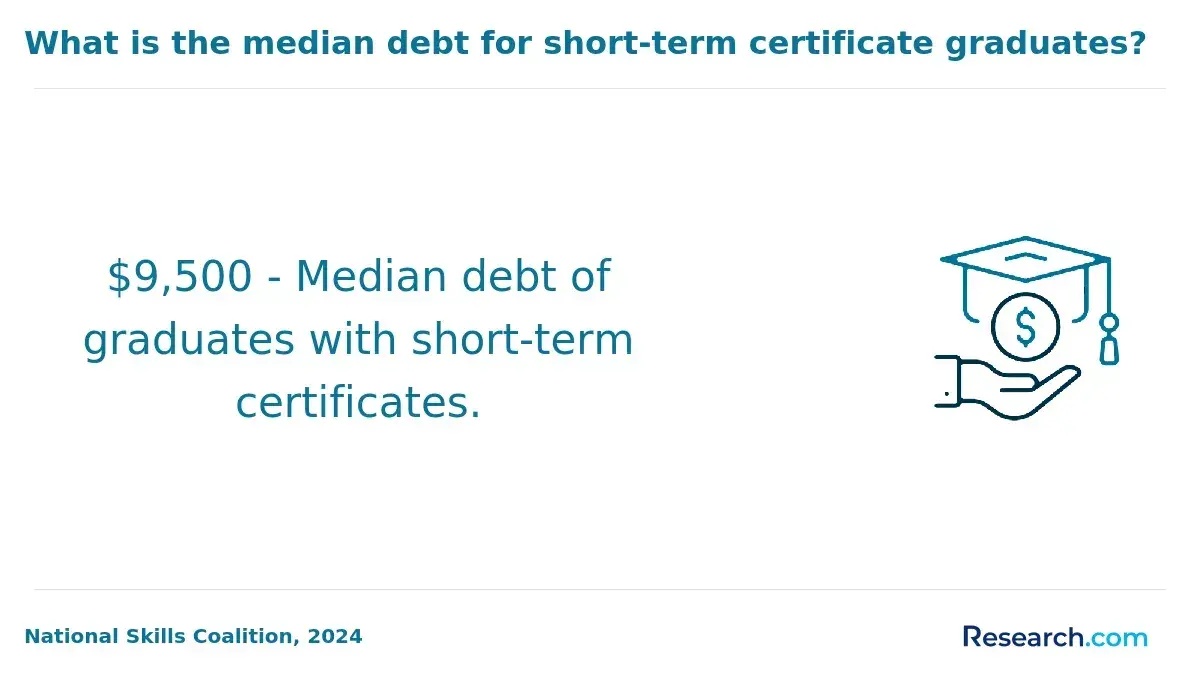
Prospective students can explore additional pathways such as 6 month certifications that pay well online to enhance their qualifications or explore alternatives to traditional admissions routes.
How Do Admissions Committees Evaluate Audio & Music Program Applicants with Low GPAs?
Achieving admission to audio and music programs often involves more than just GPA scores, especially as the audio and music program admission criteria increasingly emphasize a comprehensive review process.
While GPA remains a factor, committees assess applicants by considering various components that reflect potential beyond grades. These include:
- Coursework Rigor: Admissions committees look closely at the level of challenge in an applicant's coursework, valuing students who have pursued demanding classes related to music theory, production, or technology. Even if grades are modest, this demonstrates preparation and commitment to the discipline.
- Academic Trends: A pattern of improving grades over time signals dedication and adaptability, which may outweigh an initially low GPA. This upward trajectory suggests the student's ability to succeed in advanced studies.
- Demonstrated Interest: Involvement in music ensembles, independent projects, or composition work highlights genuine passion and developing skills in audio and music, supporting an applicant's overall profile.
According to the National Association of Schools of Music (NASM), many programs accept students below a 3.0 GPA threshold if they exhibit strong commitment and growth in related areas.
Meanwhile, institutions like colleges with open enrollment can offer alternative pathways into audio and music education.
Can Professional Experience Offset a GPA Below the Audio & Music Program's Minimum?
When academic records fall short of program minimums, substantial professional experience can sometimes enhance an application by highlighting practical abilities. Admissions committees often assess applicants' work history, portfolios, and auditions alongside GPA to gauge potential in creative fields like audio and music.
Relevant experience that strengthens an application includes:
- Leadership roles: Taking charge of music ensembles or production groups displays initiative and the ability to manage collaborative projects, traits highly valued by admissions teams.
- Industry employment or internships: Hands-on work at recording studios, radio stations, or music technology firms provides real-world insight and shows dedication to developing technical expertise.
- Technical proficiency: Demonstrating skills in sound engineering, mixing, or music software highlights specialized knowledge that academic scores alone may not reflect.
- Creative output: Original compositions, public performances, or widely circulated projects indicate artistic commitment and the ability to produce tangible results in the field.
These experiences reveal qualities like creativity, discipline, and readiness for industry challenges, often balancing out a lower GPA by evidencing an applicant's aptitude and seriousness for audio and music studies.
Submitting strong standardized test scores can help balance a less competitive GPA when applying to audio & music programs. High scores may demonstrate academic skills and preparedness, potentially increasing a candidate's appeal to admissions committees.
Key ways test scores are assessed include:
- Score thresholds: Achieving scores at or above program averages signals capability and helps offset weaker grade point averages by meeting expected academic standards.
- Subject relevance: Performance on tests focusing on quantitative and verbal reasoning is particularly important, as these areas reflect critical thinking and communication skills relevant to many music curricula.
- Percentile rankings: Comparing scores against other applicants highlights relative academic strength, with higher percentiles indicating competitive readiness beyond raw GPA.
- Consistency with academic indicators: Test results aligned with challenging coursework or other achievements provide a more balanced review of an applicant's true potential.
When academic records fall below typical program standards, additional coursework can offer a crucial way to bolster an application and signal preparedness for advanced study. This approach allows prospective students to address gaps while proving their capability in foundational topics essential to audio & music programs.
Key considerations include:
- Demonstrating Mastery: Completing prerequisite classes showcases proficiency in core subjects like music theory and audio engineering principles, convincing admissions committees of the applicant's technical readiness despite prior GPA challenges.
- Enhancing Academic Record: Earning strong grades in relevant courses can effectively raise an applicant's academic profile, offsetting earlier low marks and highlighting recent performance improvements.
- Exhibiting Commitment: Taking the initiative to enroll in and succeed at prerequisite courses reflects motivation and dedication to the field, traits often valued by decision-makers beyond numeric GPA thresholds.
One audio & music graduate shared that she initially struggled to meet minimum GPA requirements, which hovered around 2.7 at her chosen school. Motivated to enhance her chances, she strategically enrolled in foundational courses focusing on digital audio workstations and sound design.
She emphasized how these classes not only strengthened her technical knowledge but also boosted her confidence. "It was nerve-wracking at first, but steadily earning better grades gave me proof that I belonged in the program," she recalled. Thanks to these efforts, the admissions team offered her conditional acceptance, contingent on continued success.
Reflecting on that experience, she affirmed that completing prerequisites was instrumental in overcoming her academic setbacks and ultimately securing her place in the program.
Applying early to an audio & music program can offer strategic advantages, particularly for those with weaker academic records. Early applications are often considered before the regular decision period, when schools have more open seats and admissions officers may focus on a more holistic evaluation beyond GPA.
Key benefits of applying early include:
- Increased seat availability: Early applicants face less competition for available spots, which means GPA is less likely to be the sole deciding factor in admissions.
- Holistic review process: Admissions officers tend to weigh portfolios, recommendation letters, and personal statements more heavily in the early stage, highlighting strengths that compensate for a below-average GPA.
- Reduced competition: The early applicant pool is smaller, offering better visibility and higher chances of acceptance for those who might otherwise be overshadowed during regular decision.
For students exploring early application benefits for audio and music schools with below-average GPAs, data from the National Association of Schools of Music indicates acceptance rates can be up to 15% higher during early admissions.
Choosing an audio & music study path is often balanced with career goals. Applicants may want to research the highest paying masters degree options related to their field to better align their educational choices with future earnings potential.
Conditional admission offers a pathway for individuals whose academic records do not meet the usual criteria to begin studies in an audio & music program. This option exists to recognize potential while ensuring students develop the necessary skills before full enrollment.
Here are some important considerations:
- Prerequisite Coursework: Students are often required to complete foundational classes designed to strengthen core knowledge in music theory and related subjects. These courses prepare them for the rigor of the regular curriculum and help bridge gaps in understanding.
- Minimum Grade Requirements: During an initial probationary period, students must achieve specific grade thresholds, commonly a C average, in key courses. This demonstrates their ability to handle academic demands and progress successfully.
- Skills Assessment: Programs may require passing evaluations focused on music performance or theoretical competence. These assessments confirm students possess or are developing the essential talents needed for the discipline.
Such measures help programs balance access with maintaining academic standards, particularly in competitive fields where accepted GPAs generally range between 2.7 and 3.5, according to recent educational data.
Students with low GPAs who want to enter audio & music programs often seek financial support to take additional coursework or access academic resources that can help improve their academic standing. Scholarships can provide vital assistance, enabling students to afford tutoring, retake courses, or engage in preparatory studies necessary for admission into competitive programs.
While few scholarships are designed explicitly to raise GPA, several types of financial aid indirectly promote academic improvement:
- Merit-recovery scholarships: These scholarships reward students who demonstrate academic progress or potential despite prior low grades. Funds can cover expenses for retaking classes or enrolling in courses essential to meeting program GPA standards.
- Need-based grants: By reducing financial pressures, these grants allow students to focus more fully on their studies rather than work obligations, often leading to improved grades over time.
- Funding for academic support programs: Scholarships that pay for music theory workshops, private lessons, or studio time enhance core skills and academic performance necessary for audio & music degrees.
Prospective students with GPA challenges may also explore financial support options through online schools accepting financial aid, which can provide additional access points to enhance academic credentials before or during program admission.
Guidance from experienced mentors or academic advisors is especially valuable for students with low GPAs seeking admission to audio & music programs. Personalized support helps address academic weaknesses strategically while enhancing overall application strength. Its benefits include:
- Personalized Study Strategies: Mentors provide specific techniques tailored to a student's learning style, which improves retention and academic performance. These strategies make study sessions more effective and focused.
- Course Selection Guidance: Advisors assist in choosing courses that fulfill degree requirements and maximize GPA potential. This is crucial as many audio & music programs require minimum GPAs ranging from 2.5 to 3.0, so strategic course planning can boost eligibility.
- Academic Accountability: Regular goal-setting and progress monitoring encourage consistent effort and build self-discipline. Accountability motivates students to maintain steady improvement over time.
Academic advising also helps applicants navigate admission criteria and discover alternative pathways, such as portfolio submissions or audition performances, which can compensate for lower GPAs. This approach aligns with findings from the National Association for Music Education showing an increasing emphasis on demonstrated skills and commitment.
In light of evolving education trends, applicants should also explore options like international dual degree programs. Such programs offer expanded opportunities that may further support academic and professional growth in the music field.
What Graduates Say About Getting Into a Audio & Music Program with a Low GPA
- Esmee: "Getting into an audio & music degree program felt impossible with my low GPA, but persistence paid off when I found a school that valued my passion over perfect grades. The program's cost was manageable compared to others I researched, which helped ease my financial worries. Graduating opened doors to creative roles in music production, and I'm now thriving in a career I love. "
- Caroline: "I was initially skeptical about pursuing an audio & music degree because of my academic record, but the reasonable tuition fees and flexible admission policies made it doable. Reflecting back, the skills I gained have been invaluable in securing a stable job in sound engineering, proving that determination and affordable education can truly shape your future. "
- Lisa: "As someone with a low GPA, getting accepted into an audio & music degree program was challenging, yet the institution's focus on portfolio work over grades was a game-changer. The program's cost was competitive, and investing in it greatly boosted my professional opportunities, allowing me to transition smoothly into the audio industry with confidence. "
Other Things You Should Know About Audio & Music Degrees
A personal statement can significantly influence admissions by showcasing passion, creativity, and commitment. In 2027, applicants to audio & music programs should detail relevant experiences, influences, and career goals. Tailoring it to reflect overcoming challenges can help offset a low GPA.
Applicants with a low GPA can bolster their applications by highlighting strong audition tapes, compelling portfolios, or relevant industry experience. Personalized recommendation letters and well-crafted personal statements that reflect passion and dedication can also positively impact admission decisions in 2027.
A strong portfolio can significantly enhance your chances of admission to an audio & music program in 2027, even with a low GPA. It serves as tangible evidence of your talent, creativity, and commitment to the field, potentially offsetting traditional academic criteria in the eyes of admissions committees.
- Master of Music in Music Technology - Performance Technology Emphasis https://online.suu.edu/degrees/arts-communications/master-music-technology/performance/
- Top 90 Music Scholarships | December 2025 https://bold.org/scholarships/by-major/music-scholarships/
- Colleges That Accept Low GPA Scores | Find Options https://www.educationconnection.com/resources/colleges-that-accept-low-gpa/
- Scholarships https://nafme.org/student-opportunities/scholarships/
- Can a High SAT Score Compensate for a Low GPA? - Princeton Review https://www.princetonreview.sg/sat-score-compensate-for-a-low-gpa/
- Does GPA Matter for Grad School Applications? | by Dr. Philippe Barr | Medium https://medium.com/@admit-lab/does-gpa-matter-for-grad-school-applications-the-admit-lab-cf6b76a2bbd
- Admissions Committee: The Review Process https://www.ivywise.com/ivywise-knowledgebase/how-the-admissions-committee-review-process-works/
- How to Apply https://www.ualberta.ca/en/music/admissions/graduate-admissions/application-how-to.html


