2027 Is a 2-Year Audio & Music Degree Worth It: Accelerated Bachelor's ROI & Time Trade-Offs

Co-Founder and Chief Data Scientist
Choosing a 2-year accelerated audio & music degree raises concerns about balancing speed, cost, and career outcomes. Recent data shows that accelerated music programs have a 15% higher employment rate within six months compared to traditional four-year degrees. However, salary growth and long-term job stability remain uncertain for many graduates.
This article examines whether the compressed timeline genuinely benefits students financially and professionally. It explores the return on investment (ROI) and the time trade-offs involved, guiding readers to make informed decisions about pursuing accelerated audio & music education in the competitive U. S. workforce.
Key Benefits of a 2-Year Audio & Music Degree
- Accelerated 2-year audio & music degrees reduce time to workforce entry by up to 33%, enabling faster income generation compared to traditional 4-year programs.
- These programs often cost less, improving ROI by lowering debt and enabling students to invest in equipment or networking early in their careers.
- Graduates report skill acquisition focused on industry-standard software and techniques, increasing employability in recording, production, and live sound roles.
How Do 2-Year Audio & Music Programs Work?
Two-year accelerated audio and music degree programs offer an intensive, streamlined approach to obtaining relevant industry skills in a shorter time than traditional four-year degrees. These programs attract students seeking to quickly enter the workforce or advance their careers, making it crucial to understand the curriculum and workload in 2-year audio music degrees before committing. Below is a breakdown of how these programs function to support informed decision-making.
- Accelerated Pacing: Coursework is compressed into shorter terms, often 8 to 12 weeks, requiring students to maintain a faster learning rhythm and manage increased responsibilities effectively.
- Year-Round Enrollment: Many programs offer continuous enrollment across fall, spring, and summer terms, allowing students to accumulate credits faster and avoid extended breaks.
- Condensed Course Terms: With classes meeting more frequently within a given week, students engage deeply in both theory and practice during condensed sessions.
- Credit Load Expectations: Students typically take between 15 and 20 credits per term, significantly higher than traditional programs, demanding strong time management skills.
- Instructional Format: Delivery often blends in-person labs, hands-on studio work, and online lectures or tutorials, balancing technical skills with creative development.
- Assessment Methods: Evaluation relies on project-based assignments, timed exams, and portfolio reviews to measure both practical abilities and theoretical knowledge.
- Curriculum Progression: Programs start with foundational courses before advancing to specialized electives, typically culminating in capstone projects or internships that facilitate workforce entry.
Accelerated degrees can notably reduce time and tuition costs compared to traditional routes, as supported by data from the National Center for Education Statistics. For those evaluating career options, it's important to consider the demand for roles such as audio technicians and music producers, projected to grow by 8% over the next decade according to the U.S. Bureau of Labor Statistics.
Those interested in exploring alternative fast-track educational paths in healthcare may find value in a pharmacist degree, illustrating similar benefits of accelerated study. Overall, understanding the curriculum and workload in 2-year audio music degrees enables students to align their goals with the demands of this accelerated option.
What Are the Admission Requirements for a 2-Year Audio & Music Degree?
For students considering an accelerated bachelor's in audio & music, understanding the admission requirements is crucial to assess if they meet the academic and skill prerequisites needed to succeed. These programs often have specific criteria that ensure candidates are ready for the fast-paced curriculum. Below is a detailed breakdown of typical requirements that applicants can expect when exploring a 2-year audio music degree admission criteria.
- Prior Education: Most programs require a high school diploma or its equivalent as a baseline for entry, emphasizing foundational academic readiness for accelerated study.
- GPA Expectations: A minimum GPA is commonly expected, usually ranging between 2.0 and 2.5 on a 4.0 scale, to demonstrate adequate academic performance in prior schooling.
- Standardized Tests: Unlike traditional four-year degrees, SAT or ACT scores are less frequently mandatory, but some programs may still consider them as part of the overall evaluation.
- Prerequisite Courses: Foundational coursework in music theory, audio technology, or general education subjects such as English and math often forms part of the entry criteria to ensure students have essential skills.
- Demonstrated Skills: Applicants typically need to showcase experience or proficiency in music performance or audio production, frequently through portfolios, auditions, or recorded samples, reflecting their readiness for advanced study.
- Work or Internship Experience: Some programs value prior practical experience in music production or sound engineering, although this is rarely a strict requirement.
These 2-year audio music degree admission criteria are designed to support students in making informed decisions about requirements for accelerated music degree program paths that prioritize efficiency and skill readiness. Prospective students considering accelerated paths may also explore related options such as BSN to DNP programs to understand how different fields handle similar fast-track admissions processes.
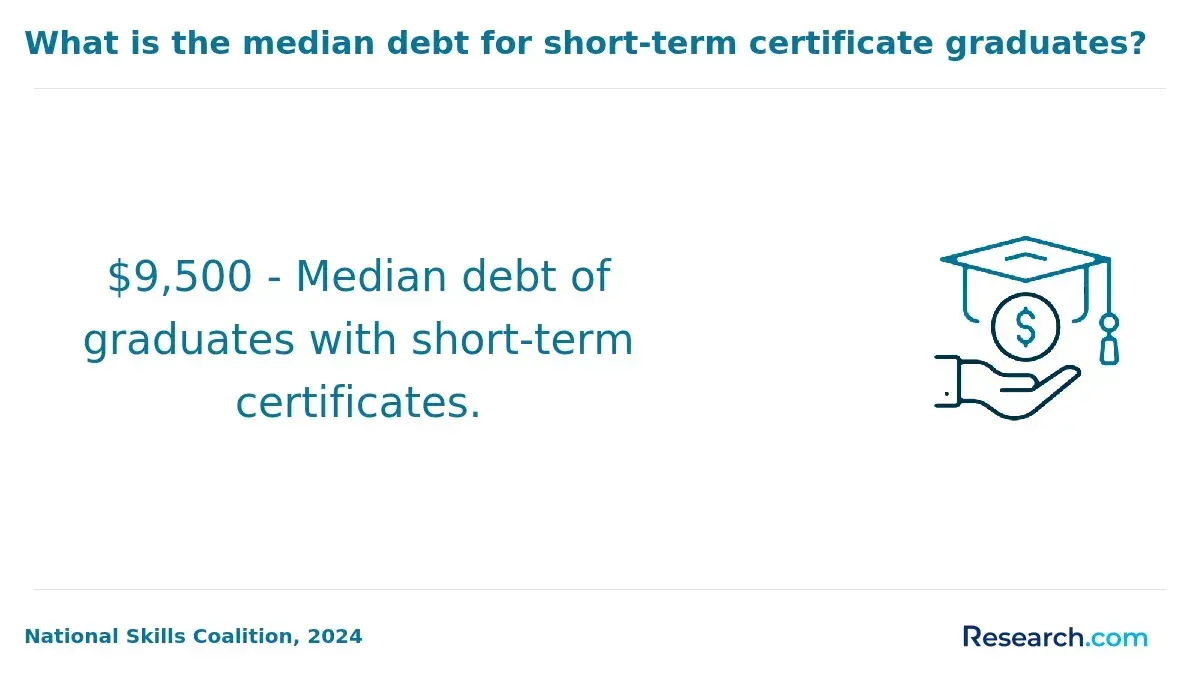
What Does a Typical Week Look Like in a 2-Year Audio & Music Program?
Grasping the typical weekly demands of an accelerated Audio & Music degree is essential for anyone aiming to balance intense study with their personal and professional life. The compressed timeframe means students must quickly adapt and maintain focus to keep up with both theoretical knowledge and hands-on practice. Here's a detailed look at the core weekly elements students can expect in such a program.
- Class sessions and lectures: Students participate in multiple focused classes each week covering technical skills like sound design, music theory, and audio production workflows, fostering a strong foundational understanding.
- Assignments and assessments: Regular projects including mixing exercises, composing pieces, and software tutorials reinforce learning. Practical exams and portfolio evaluations help measure real-world readiness.
- Collaborative group work: Weekly teamwork through recording sessions, peer reviews, or joint productions reflects industry collaboration and develops communication and problem-solving abilities.
- Independent study: Time outside of class is devoted to experimenting with equipment, refining audio tracks, and revisiting course materials, ensuring deeper skill acquisition.
- Instructor guidance: Faculty hold office hours or virtual meetings to provide personalized support and feedback, which is crucial in maintaining progress within the accelerated schedule.
- Time management: Due to the program's intensity, managing study, studio sessions, and practice requires advanced organizational skills and discipline to sustain pace without burnout.
When asked about his experience, a professional who earned his bachelor's in audio & music within two years recalled, "It felt like juggling a dozen tasks every day-sometimes I'd be mixing tracks late into the night after a full day of classes." He noted how crucial it was to prioritize assignments without losing creativity, explaining, "The pressure was real, but the deadlines pushed me to improve faster than I expected."
Despite challenges, he found the immersive environment rewarding, highlighting that "having instructors available for quick feedback made a huge difference in staying motivated and on track."
For those pursuing an accelerated audio & music degree, the format of course delivery significantly impacts flexibility, accessibility, and how effectively students manage their time. Online options can cater to busy schedules, making it easier to balance education with work or personal life. Below is an overview of key factors related to online 2-year audio & music programs.
- Fully online vs. hybrid formats: Some programs are fully online, while others blend virtual coursework with occasional in-person sessions. Hybrid models provide hands-on experiences while retaining much of the convenience offered by online learning.
- Asynchronous and synchronous learning: Many fully online courses use asynchronous lectures that students can access anytime, supporting flexible schedules. Synchronous elements like live discussions or virtual labs encourage direct interaction and practical skill development.
- Technology requirements: Reliable computers, audio interfaces, headphones, and digital audio workstations (DAWs) are essential tools. Institutions usually provide clear technology guidelines and support to ensure students can participate fully.
- Student support services: Virtual tutoring, academic advising, and tech help desks are critical to keeping students engaged and assisting them through accelerated coursework.
- Impact on pacing and engagement: Online delivery demands strong self-discipline and time management. Accelerated programs often reduce degree completion time by 1 to 2 years, offering faster workforce entry and potential tuition savings.
Knowing the total cost of a 2-year audio and music degree is essential for assessing the return on investment in an accelerated bachelor's program. Since these programs compress degree requirements into a shorter timeline, costs can differ significantly from traditional four-year degrees. Below is a detailed breakdown of expense factors that prospective students should consider when evaluating affordable accelerated audio music degree programs.
- Tuition Structure and University Fees: Accelerated programs often have higher tuition per semester due to the condensed schedule, but the total number of semesters is fewer. This can lower the overall tuition and mandatory fees compared to traditional timelines.
- Textbooks and Learning Materials: Specialized textbooks, sheet music, and supplementary learning resources necessary for audio and music studies represent an ongoing cost throughout the program.
- Technology and Lab Fees: Access to recording studios, software licenses, and high-end audio equipment usually incurs additional fees, reflecting the program's technical demands.
- Living Expenses and Pacing: The intensive nature of accelerated courses may reduce the opportunity for part-time work, raising short-term living costs despite a shorter time enrolled in school.
Accelerated degree programs in audio and music can reduce tuition by around 25% or more due to fewer total semesters, according to national education statistics. Prospective students should weigh the financial benefits against the rigorous course load and potential income during study.
Median earnings for graduates in audio-related fields hover near $50,000 annually, helping to gauge career value post-completion. For further insights on compressed degree options that could align with your goals, consider exploring the healthcare administration degree to understand similar accelerated program costs and structures.
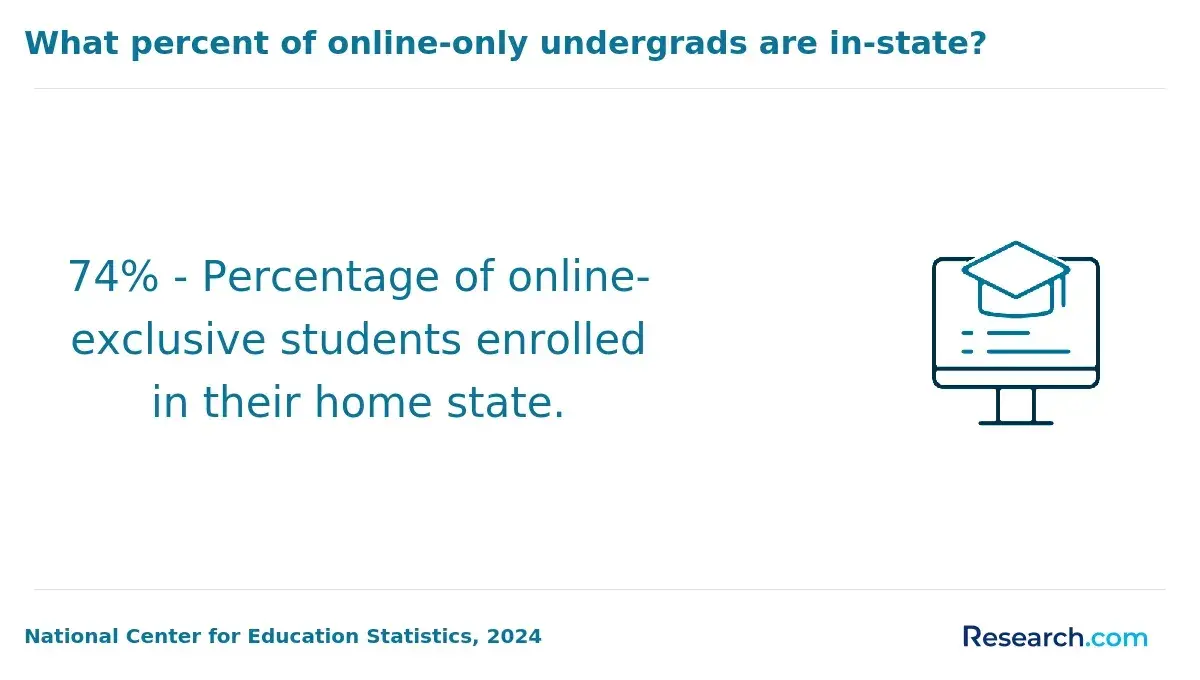
Considering financial aid is crucial for students exploring accelerated audio & music degree programs, especially since funding options can influence both affordability and educational planning. Knowing what aid is accessible and how accelerated pacing affects it helps prospective students make informed decisions. Below is a breakdown of key financial aid avenues and considerations for 2-year audio & music programs.
- Federal Student Aid Eligibility: Many accelerated programs qualify for federal aid such as Pell Grants and Subsidized or Unsubsidized Direct Loans. However, eligibility often depends on income, enrollment status, and maintaining full-time student standing during condensed semesters.
- Scholarships: Targeted scholarships are available for students pursuing audio & music studies, typically offered by arts foundations or private organizations. These can provide valuable supplemental funding, sometimes requiring auditions or portfolios.
- Grants from Arts Councils: State or regional arts councils may award grants to support creative fields, which can ease financial burdens for students committed to music and audio education.
- Employer Tuition Assistance: Students currently working might benefit from employer-sponsored tuition assistance programs. These programs help cover part or all of educational costs but generally require employment verification and sometimes course relevance.
- Institution Payment Plans: To accommodate accelerated schedules, some schools offer flexible payment plans. These arrangements can help manage tuition payments spread over shorter terms, aligning with quicker course completion.
- Impact of Accelerated Pacing on Aid: Compressed program timelines may affect when and how funds are disbursed since financial aid is usually allocated by semester or credit hour. This requires careful monitoring to ensure continuous funding support.
A professional who graduated from a 2-year accelerated bachelor's in audio & music shared insights about her financial aid journey. She explained that while the fast pace was initially intimidating, securing federal loans combined with targeted scholarships made the accelerated path financially feasible.
"It was a bit challenging navigating the timing of aid disbursements," she said, "especially because the semesters were shorter, so I had to stay on top of deadlines and maintain full-time enrollment to keep my grants."
She emphasized that early, open communication with the financial aid office was critical to avoid gaps in funding. Overall, she found the process rewarding and felt the financial aid resources available to accelerated students were instrumental in enabling her to complete the degree within two years.
Evaluating the job prospects after an accelerated music degree is crucial for prospective students aiming to maximize their investment in education and time. Career outcomes not only reflect the practical value of a 2-year audio and music degree but also guide decisions about entering the workforce quickly or pursuing further education. This overview highlights key positions and industries that graduates typically enter.
- Audio technicians and sound assistants: Many graduates start as audio technicians or sound assistants, roles that involve setting up, operating, and maintaining audio equipment for recording sessions, live performances, or broadcasts. These positions provide foundational industry experience in studios and live event settings.
- Junior music producers: Entry-level music producers often assist with digital editing, mixing, and mastering tracks, applying skills learned in accelerated programs to contribute creatively and technically to music projects.
- Live sound engineers: Graduates frequently work in live sound, managing sound quality and equipment during concerts, theater productions, or corporate events, benefiting from hands-on training in acoustics and signal flow.
- Broadcasting and multimedia roles: Opportunities also exist in podcasting, radio, and multimedia companies where sound editing and production skills are essential. Industries related to entertainment and media production continue to grow, offering a variety of roles for graduates.
- Workforce readiness through accelerated learning: The accelerated bachelor's format focuses on practical skills using industry-standard software and hardware, allowing students to enter the workforce sooner. This approach supports early-career professionals in gaining applicable experience while reducing time-to-completion and overall tuition costs.
- Career advancement pathways: With experience, graduates can transition into specialized roles such as music directors, sound designers, or audio post-production specialists. The streamlined 2-year audio and music degree career options serve as a stepping stone for broader professional growth in the audio industry.
For students comparing cost-effective choices, considering options like the cheapest online healthcare management degree can provide insight into accelerated degree benefits across fields, emphasizing the importance of balancing affordability, duration, and career outcomes.
Salary outcomes are a critical factor when evaluating the return on investment (ROI) of accelerated versus traditional degree paths in audio & music fields. Understanding how earnings compare can help students decide whether entering the workforce sooner or pursuing a longer bachelor's degree aligns better with their financial goals.
Below is a detailed comparison of these salary differences to inform prospective students considering a 2-year audio and music degree salary comparison versus traditional bachelor's degree routes.
- Early-career salaries: Graduates of 2-year programs typically start with median salaries around $40,000 to $50,000, reflecting data from media and communication-related fields. In contrast, bachelor's degree holders generally earn $60,000 or more in early career stages, highlighting a notable income gap.
- Long-term earning potential: While accelerated degrees offer faster entry into the workforce, bachelor's degree holders often experience stronger salary growth over time. Their broader qualification base opens doors to higher-paying roles and leadership in audio engineering, production, and music technology careers.
- Employer perception: Many employers consider a bachelor's degree the minimum for advanced positions, affecting promotion opportunities and salary advancements. 2-year degree holders might face limitations in climbing the career ladder within established companies.
- Career progression timelines: Graduates with traditional bachelor's degrees benefit from established degree requirements preferred by employers, enabling faster advancement. Those with accelerated qualifications may gain experience sooner but often progress at a slower pace in salary and responsibility.
- Accelerated workforce entry benefits: Entering the job market earlier allows 2-year graduates to save on tuition and living costs, and potentially accumulate valuable work experience that can partly offset lower starting salaries. This factor is essential when considering lifetime earnings and total ROI.
For individuals weighing options between degree lengths, exploring programs like the cheapest RN to BSN can offer insight into accelerated pathways in other fields, shedding light on the financial implications of condensed study formats.
Return on investment (ROI) is vital for students considering accelerated audio & music degree programs because it helps measure whether the time and money spent will lead to meaningful career and financial benefits. Evaluating key factors affecting ROI can clarify how these faster programs compare with traditional degrees. Below is a breakdown of what impacts the value of an accelerated audio & music degree the most.
- Time-to-completion: Accelerated degrees typically shorten the study period to about two years rather than four. This faster timeline allows students to enter the workforce sooner, potentially increasing lifetime earnings by reducing time spent out of employment.
- Tuition and total cost: Although per-credit tuition may be similar to standard programs, fewer semesters usually mean lower overall tuition and ancillary expenses like housing and fees. This compression can make the degree more affordable in total.
- Opportunity cost savings: By finishing earlier, students avoid paying for additional years of education and miss fewer earning opportunities. This factor depends on the speed of securing relevant employment and the alignment between the program and job market needs.
- Employment outcomes and salary growth: Long-term ROI hinges on the career prospects after graduation. While job growth in music-related fields is modest, positions like audio engineers show reasonable demand. Success often relies more on networking and practical skills than on the pace of degree completion.
- Transferability of skills: Programs that focus on adaptable technical abilities relevant to media, broadcast, gaming, and live sound enhance employability. The broader the skills learned, the better graduates can adjust to changing industry trends and job opportunities.
Choosing a two-year audio & music degree requires careful reflection on your personal and academic readiness. Consider whether you excel in fast-paced learning environments or if you benefit from a more gradual approach. Assess your daily schedule and time commitment to ensure you can handle an intensive course load.
Think about how urgently you need to enter the workforce and if completing the degree quickly aligns with your career goals. Your motivation and ability to stay organized will heavily influence your success in an accelerated program.
From a practical standpoint, shorter programs often reduce tuition and living costs, which can ease financial strain. While median salaries for audio & music professionals with bachelor's degrees can surpass $50,000 annually, returns differ by job type and location.
Investigate whether employers in your field recognize and value accelerated credentials. Also, consider if the degree supports future education or career changes to maintain flexibility down the road. Balancing these factors helps determine if an accelerated degree fits both your budget and long-term ambitions.
What Graduates Say About Their 2-Year Audio & Music Degree
- Luke: "I pursued the 2-year audio & music bachelor's degree primarily for its efficiency and professional reputation. The intensive schedule meant long days, but maintaining a structured routine kept me on track. Since graduating, this degree has validated my expertise in the studio world, providing a competitive edge that justifies the moderate cost and effort."
- Aidan: "Reflecting on my journey through the 2-year audio & music program, I realized that the accelerated pace demanded true dedication and time management. Balancing coursework with personal projects taught me discipline, and the affordable tuition helped ease financial stress. Today, I'm proud to say this degree has elevated my career in music production more than I ever expected."
- Romeo: "I chose the 2-year accelerated audio & music degree because it fit perfectly with my goal of entering the music industry quickly without sacrificing quality. Managing the intense schedule was challenging, but the smaller class sizes and focused curriculum made it rewarding. This degree has already opened doors for me as a sound engineer, and considering the average cost of attendance, it was a smart investment in my future."
Other Things You Should Know About Audio & Music Degrees
Most accelerated audio and music bachelor’s programs cap transfer credit at 60–90 semester hours, and many require at least 30 credits earned in residence. A registrar or admissions office sets the final transfer evaluation, and prior coursework must match required theory, ear training, recording, or production credits.
The accelerated nature of a 2-year audio & music degree in 2027 may present challenges for deep learning as intensive coursework could limit exploration time. However, it offers an opportunity for focused skill development through practical, immersive experiences, benefiting those aiming to quickly enter the industry.
- BA in Audio and Music Production | DkIT https://www.dkit.ie/courses/ba-in-audio-and-music-production
- Six careers you can pursue with a degree in music production - RMCAD https://www.rmcad.edu/blog/six-careers-you-can-pursue-with-a-degree-in-music-production/
- Bachelor of Creative Technology (Audio Engineering & Sound Production) | JMC Academy https://www.jmcacademy.edu.au/our-courses/audio-engineering-sound-production/bachelor-of-creative-technology-audio-engineering-and-sound-production/
- Funding for Music Students | Grants & Scholarships | ISM https://www.ism.org/advice/funding-for-students/
- Can You Get a Bachelor's Degree in 2 Years or Less? https://www.coursera.org/articles/can-you-get-a-bachelors-degree-in-2-years
- University Degree vs. OIART's Diploma: What’s the Difference? https://www.oiart.org/news/university-degree-vs-oiarts-diploma
- 25+ Music Technology Scholarships (Audio Engineering, Sound Design & Music Production) — Updated Monthly - ScholarshipsandGrants.us https://scholarshipsandgrants.us/list/major/music-technology/
- Two-year Degree Courses in the UK | GoStudyIn https://gostudyin.com/study-in-uk/study-options/two-year-degree/
- What Can You Do with a Music Degree? https://majoringinmusic.com/what-can-you-do-with-a-music-degree/
- Financial Aid - The RecW - School of Audio and Music Production https://therecw.com/financial-aid.html