2027 Best Accredited Online Web Design Bachelor's Degree Programs

Co-Founder and Chief Data Scientist
Many students eager to build careers in web design face confusion about which accredited online programs offer both quality education and industry relevance. Employers increasingly seek graduates from recognized programs-over 70% of hiring managers favor applicants with degrees from accredited institutions. However, the abundance of unaccredited or generic courses complicates informed decision-making. Finding a program that balances creative skills, technical training, and accreditation is critical for long-term success. This article reviews the best accredited online web design bachelor's degree programs available, guiding prospective students toward choices that enhance employability and professional growth in the digital design industry.
Key Points About the Best Accredited Online Web Design Bachelor's Degree Programs
- Online accredited web design bachelor's programs develop critical skills in UX/UI, responsive design, and coding languages like HTML5 and CSS3-preparing students for diverse industry roles.
- Students typically save 30-50% on tuition and living expenses compared to traditional programs, benefitting from flexible schedules and eliminating commuting costs.
- Graduates gain access to internships, remote job placements, and professional networks, supported by program partnerships with leading web development firms and tech companies.
What are the best accredited online Web Design bachelor's degree programs?
Selecting a top-tier accredited online bachelor's degree program in web design is a strategic move for students planning long-term success in this competitive and rapidly evolving field. Graduates from accredited institutions show a 15% higher employment rate within six months of graduation, highlighting the value of recognized academic programs. Below are some of the best accredited online web design bachelor's degree programs in the US, each with distinct features designed to prepare students for the industry.
- Arizona State University: This program offers a Bachelor of Science in Graphic Information Technology with a web design concentration. Accredited by regionally recognized agencies, ASU emphasizes interactive media and user experience, leveraging a proprietary learning platform that combines real-time collaboration with project-based learning.
- Full Sail University: Known for its Bachelor of Science in Web Design and Development, Full Sail provides hands-on experience with industry-relevant software. The accelerated 29-month program offers an immersive environment focusing on practical skills that align with current web design trends, backed by specialized accreditation.
- Liberty University: Liberty's Bachelor of Science in Information Technology with a Web and Mobile Programming specialization features a modular curriculum that teaches both design and programming fundamentals. Their SACSCOC accreditation ensures rigorous academic standards alongside flexible learning options.
- Savannah College of Art and Design (SCAD): SCAD's online Bachelor of Fine Arts in Interactive Design and Game Development integrates web design with interactive media and animation. Accredited by the National Association of Schools of Art and Design (NASAD), the program fosters creativity combined with technical expertise.
- Oregon State University: Offering a Bachelor of Science in Computer Science focused on human-centered design, OSU highlights user interface and experience design. Their research-driven program includes courses on accessibility and usability standards, supported by regional accreditation.
For students searching for top affordable accredited web design bachelor's degrees online, carefully choosing a program is essential to balancing cost, quality, and career opportunities. Exploring resources such as the cheapest msw programs online can offer insights into affordable, accredited programs across various fields, providing a helpful comparison point when evaluating online degrees in web design and related areas.
What accreditation standards should an online Web Design bachelor's degree program meet?
Maintaining rigorous standards for online web design bachelor's degree programs is essential to ensure that remote education meets the quality and credibility of traditional classroom learning. Currently, fewer than 150 institutions nationwide hold recognized accreditation specifically related to online design education, highlighting the selectivity of such programs. Key benchmarks guide accreditation-here are some important areas to consider:
- Regional Accreditation: This foundational accreditation verifies that a program meets broad educational quality standards set by established agencies. Students should confirm that the online web design bachelor's degree program has regional accreditation for online web design bachelor's degrees to ensure transferability of credits and recognized degree validity.
- Curriculum Relevance: Quality programs include up-to-date coursework covering core technologies like HTML, CSS, JavaScript, and user experience (UX) design principles. Industry-recognized accreditation standards for web design programs also emphasize a curriculum balanced between creative and technical skills.
- Faculty Credentials: Instructors should demonstrate academic achievements and practical experience in design or computer science fields, ensuring expert guidance tailored to both artistic nuance and technical precision.
- Student Outcomes Assessment: Accrediting bodies look for clear methods evaluating students' hands-on skills, such as project management and site development, confirming graduates' preparedness for real-world web design challenges.
- Technological Resources and Support: Adequate access to modern software and strong academic and technical assistance are vital to effective online learning environments.
Students interested in advancing their education further might explore a doctorate in leadership to enhance their skills in managing creative teams or digital projects.
How can I check the accreditation status of an online Web Design bachelor's program?
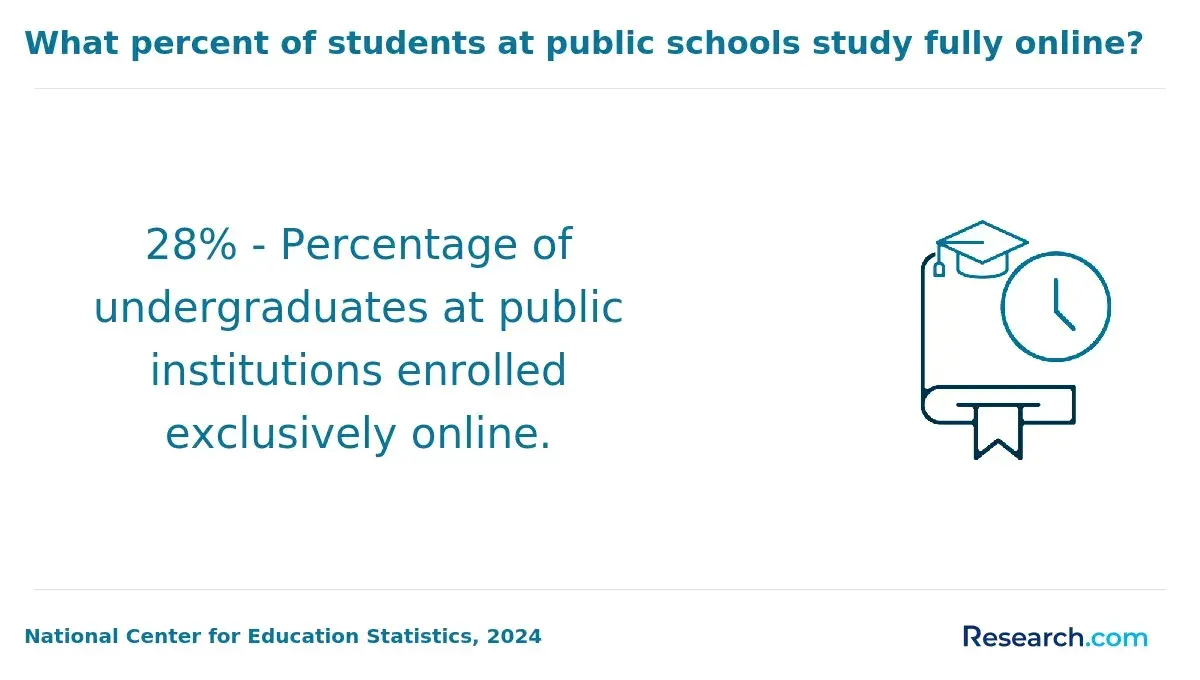
Verifying the accreditation of an online web design bachelor's program is essential because only active research confirms a school's legitimacy. About 92% of students in the U.S. enroll in regionally accredited institutions, which generally provide stronger recognition than national accreditation. To ensure your program meets quality standards, follow these key steps:
- Check Institutional Accreditation: Use the U.S. Department of Education's Database of Accredited Postsecondary Institutions and Programs (DAPIP) to verify if the college or university has recognized institutional accreditation required for financial aid and credit transfer.
- Research Programmatic Accreditation: Identify if the web design program is accredited by specialized agencies like the Accrediting Council for Continuing Education & Training (ACCET) or the Distance Education Accrediting Commission (DEAC), which focus on online education quality and relevant curriculum standards.
- Consult CHEA's Database: Cross-reference the accrediting bodies with the Council for Higher Education Accreditation (CHEA) database to confirm their legitimacy and ensure the institution's claims are valid.
- Review Curriculum Details: Examine official program descriptions and reach out to admissions staff to verify that web design courses align with industry standards and provide practical, current training.
When asked about how to check a program's accreditation, a professional who graduated from an accredited online web design bachelor's shared that the process felt overwhelming at first. He recalled spending hours navigating multiple databases and reaching out to admissions for clarity. "It wasn't just about seeing a certificate on the website-I wanted proof from trusted sources," he said. His persistence paid off, giving him confidence that his degree held real value in the job market and that his education met recognized standards.
Why is it important to check if an online Web Design bachelor's program is accredited?
Accreditation serves as the main gatekeeper for federal financial aid and the future value of an online web design bachelor's degree. Research indicates that programs without accreditation often leave students ineligible for crucial funding and limit the overall usefulness of their degree. Below are key factors to consider when choosing an accredited online web design bachelor's degree program.
- Financial Aid Eligibility: Federal student aid is generally available only for accredited programs, making this a vital consideration for affordability. Without access to these funds, many students face significant financial barriers.
- Smoother Credit Transfer: Credits earned in accredited programs transfer more reliably to other colleges or graduate schools, providing flexibility for career and educational growth.
- Employer & Graduate School Recognition: Most employers and advanced degree programs require a degree from an accredited institution to ensure quality and relevance in the fast-changing digital design industry.
- Curriculum Standards: Accreditation guarantees that web design programs meet rigorous academic and industry standards, including comprehensive training in essential tools and coding languages.
Choosing an accredited degree is essential for long-term success, just as students weigh options like pursuing a masters in social work from reputable schools in other fields.
Does the online Web Design curriculum mirror the rigor of on-campus programs?
Both online and traditional web design bachelor's degree programs offer rigorous curricula that prepare students for careers in the field, though they emphasize different learning methods. Each path covers core topics like design theory, coding, and project management, but the way students engage with materials and peers varies.
- Instructional Approach: Traditional programs often rely on in-person lectures and studio time, providing immediate feedback and hands-on collaboration. Online programs use video lessons and virtual labs, offering more flexibility but requiring self-motivation to stay on track.
- Interaction and Collaboration: On-campus students benefit from face-to-face critiques and teamwork, while online students connect through discussion forums and video calls, which can effectively simulate classroom engagement but may feel less spontaneous.
- Practical Experience: Both formats integrate real-world projects, though online learners utilize digital tools and remote resources instead of physical labs-neither approach is superior, but preferences depend on individual learning styles.
A professional who graduated from an accredited online web design bachelor's program shared that while initial self-discipline was a hurdle, the experience taught him how to manage time and seek feedback proactively. "I missed the casual hallway conversations with peers," he admitted, "but the screen-sharing sessions and hands-on assignments were just as challenging and rewarding." This balance helped him feel equally prepared for the workforce compared to friends who studied on campus.
How much does it cost to attend an accredited online Web Design bachelor's degree program?
Careful evaluation of costs versus benefits is crucial for students planning to pursue an accredited online web design bachelor's degree. Understanding all expenses-tuition, fees, and materials-helps avoid surprises and ensures financial preparedness throughout the program.
Tuition for online programs generally ranges from $200 to $600 per credit hour, influenced by whether the institution is public or private. Additional fees often include technology charges, typically $50 to $150 per semester, which cover access to online platforms and tools. Students may also encounter virtual lab fees between $100 and $300 annually and digital textbook costs averaging $100 to $250 per year. Online delivery can reduce total tuition and fees by up to 40% compared to traditional campus-based programs, due to reduced overhead costs.
These savings extend beyond tuition-students avoid many indirect costs such as commuting, housing, and campus facility fees, which can significantly raise the overall expense of an on-campus education. Factoring in these hidden savings not only clarifies the true cost difference but also assists students in making well-informed decisions about their education investments.
What financial aid options are available for Web Design students?
Exploring diverse funding sources is a critical step in reducing the overall debt burden of a web design degree. Nearly 85% of undergraduate students receive some form of financial aid, with the federal government distributing over $120 billion annually in student aid. Below are key financial supports available to online web design students that can help make education more affordable.
- Federal Student Aid: Includes Pell Grants and Direct Loans, which require completing the Free Application for Federal Student Aid (FAFSA). Pell Grants are particularly valuable since they do not require repayment and prioritize students with demonstrated financial need.
- Field-Specific Scholarships: Organizations like the Graphic Artists Guild and the International Web Association provide scholarships recognizing artistic talent and technical skills related to web design. Applicants often need to submit portfolios or show academic excellence in creative subjects.
- Work-Study Programs: These programs enable students to work part-time, sometimes within a university's design department, earning money while gaining practical experience relevant to web design careers without heavy time demands.
- Merit-Based Scholarships: Some institutions award scholarships to online web design students with high GPAs or exceptional digital design abilities. Maintaining academic standards is usually required to retain this funding.
- Private and Diversity Scholarships: Technology companies and nonprofits offer scholarships aimed at promoting diversity in STEM fields. These often target women, minorities, or first-generation college students pursuing web design degrees and require meeting demographic or academic criteria.
What are the career outcomes for graduates of online Web Design bachelor's degree programs?
The job market for graduates of online web design bachelor's degree programs is dynamic and growing, reflecting the increasing demand for skilled professionals who combine creativity with technical expertise. Employers highly value the specialized competencies and hands-on skills developed through accredited web design curricula. Here are some key career paths that graduates often pursue:
- Web Developer: Web developers create and maintain websites, ensuring they are functional and user-friendly. Online web design degree holders gain essential coding skills and knowledge of user experience, preparing them for these in-demand roles.
- UI/UX Designer: These professionals improve how users interact with websites and applications, focusing on usability and accessibility. The user-centered design principles taught in web design programs make graduates well-equipped for these positions.
- Graphic Designer: Graduates apply their visual communication skills to produce compelling digital content for websites and marketing campaigns. The blending of multimedia elements in modern design curricula aligns strongly with industry trends.
- Digital Content Manager: This role involves overseeing online content strategy and ensuring consistent branding across platforms. Project management and content structuring skills gained during web design studies are vital for success in this emerging field.
Job opportunities for online web design degree holders in the United States are robust, with labor statistics projecting employment growth in web-related fields at about 13% over the next decade. For high school graduates exploring accredited programs, you might also want to explore online schools for human services as part of educational pathways to support diverse career goals.
What is the employer perception of online Web Design graduates?
Hiring managers have grown more accepting of online web design degrees as the quality and accessibility of virtual education have improved. The historic skepticism between online and traditional degrees has lessened significantly-today, many employers focus on the skills a candidate brings rather than the format of their education. A 2023 survey by the National Association of Colleges and Employers found that 72% of employers view accredited online web design degrees as equally credible as those earned on campus.
Online web design programs often develop valuable skills that align with professional expectations, such as digital project management, independence in meeting deadlines, and proficiency with industry-standard tools like Adobe Creative Cloud and content management systems. Graduates also tend to show flexibility in learning new software quickly-an important trait in the constantly evolving web design field. Despite the growing acceptance of online degrees, hiring managers still prioritize the institution's reputation and accreditation status when validating a candidate's qualifications.
How can I choose the best accredited online Web Design bachelor's degree for my goals?
A structured selection process is essential for aligning your personal career goals with the specific strengths of an online web design bachelor's degree program. With over 40% of undergraduate students choosing online degrees primarily for flexibility, understanding what to prioritize can greatly enhance your educational experience. Consider these key factors when selecting a program:
- Portfolio Development: Look for programs that emphasize building a diverse and professional portfolio through project-based learning. This hands-on experience is crucial for showcasing your skills to future employers and clients.
- Comprehensive Curriculum: Ensure the curriculum balances technical skills like HTML, CSS, and JavaScript with creative courses covering user experience design and graphic principles. This balance prepares you for the diverse demands of modern web design roles.
- Flexibility and Support: Choose programs offering mentorship, career counseling, and networking opportunities. These supports help you stay motivated and connected, especially if balancing studies with work or family.
- Technology Access: Access to updated software and virtual labs allows you to practice with industry-standard tools and stay current with evolving technologies.
- Faculty Expertise: Experienced instructors involved in current web design trends provide valuable insights beyond textbooks, equipping you for the fast-changing digital landscape.
Careful research on how to choose the best accredited online web design bachelor's degree program can set the foundation for a successful career. For students interested in advancing beyond undergraduate studies, considering a shortest online masters degree is a strategic next step to deepen your expertise in the field.
What Graduates Say About Their Online Bachelor's in Web Design
- Jayce: "Choosing an accredited online web design bachelor's degree was important to me because I wanted a credential that employers would respect. The flexibility of the program allowed me to balance work and study without sacrificing quality. Plus, the tuition was surprisingly affordable compared to traditional on-campus options, which made a big difference for my budget."
- Kaizen: "Reflecting on my experience, the affordability and recognized accreditation of my online web design degree opened many doors. I was able to study at my own pace while gaining practical skills that directly impacted my freelance career. It's clear that investing in a legit program was essential for long-term growth in this field."
- Dominic: "Pursuing an accredited online web design bachelor's gave me the credibility and knowledge to confidently enter the tech industry. The cost was reasonable, making it accessible without saddling me with excessive debt. Most importantly, the degree boosted my professional profile, helping me secure a role at a well-known company shortly after graduation."
Other Things You Should Know About Web Design Degrees
Admission requirements typically include a high school diploma or GED, completion of a college application, and possibly submission of a portfolio. Some programs may require SAT or ACT scores. Always check specific program details for any additional prerequisites or deadlines.
A typical 2027 online web design bachelor's degree curriculum includes courses such as HTML & CSS, JavaScript, graphic and UX design, digital marketing, and project management. Advanced courses may cover web analytics, database management, and mobile app design.
Many online web design programs offer specializations such as user experience (UX) design, front-end development, or digital media. These tracks allow students to focus on specific aspects of web design that align with their career interests. Specializations help build expertise that is attractive to employers in specialized fields.
References
- University Web Design Programs: Which One Is Right for You? - Usability Geek https://usabilitygeek.com/university-web-design-programs/
- Bachelor of Science Web and Digital Design https://europe.umgc.edu/online-degrees/bachelors/web-and-digital-design
- Online Degree vs. Traditional: Choosing the Right Path https://beal.edu/online-degree-vs-traditional/
- Top 10 Best Online Bachelorâs of Web Design Degree Programs 2026 | Academic Influence https://academicinfluence.com/rankings/online-degree/best-web-design-bachelors
- Study Web Design: Bachelors, Associates & Online Degree Info https://learningpath.org/articles/Study_Web_Design_Bachelors_Associates_Online_Degree_Info.html
- Importance of Accredited Online Degree Programs | TUW https://www.tuw.edu/school-news/importance-of-accredited-online-degree-programs/
- An Online Degree in Web Design Helps Advance a Career in Technology https://www.petersons.com/blog/an-online-degree-in-web-design-helps-advance-a-career-in-technology/
- 5 Scholarships for Web Design Students https://www.graphicdesigndegreehub.com/lists/5-scholarships-for-web-design-students/
- What Can You Do with a Bachelor’s in Web and Digital Design? | UMGC https://www.umgc.edu/blog/what-can-you-do-bachelors-web-digital-design
- Best Online Bachelor Degree Programs in Web Design https://bestaccreditedcolleges.org/degrees/online-bachelors-degrees-in-web-design.html