2027 Hybrid vs Fully Online Web Design Bachelor's Degree Programs

Co-Founder and Chief Data Scientist
Facing a demanding retail job and living miles from the nearest campus, a prospective student weighs the choice between logging into classes from home or commuting weekly for in-person sessions. The tension lies between the convenience of a fully online web design bachelor's degree and the hands-on opportunities offered by a hybrid format.
With 67% of recent graduates in web-related fields attributing their job readiness to real-world project experience, how learners balance flexibility, access to collaborative environments, and networking directly impacts their educational outcomes. This article explores the key differences between hybrid and fully online web design bachelor's programs to guide readers toward the best fit for their goals and lifestyles.
Key Benefits of Hybrid vs Fully Online Web Design Bachelor's Degree Programs
- Hybrid programs offer greater learning flexibility by combining online coursework with scheduled in-person sessions, accommodating diverse student schedules better than fully online options.
- In-person interaction in hybrid formats enhances networking and collaborative skills crucial for Web Design careers, unlike fully online programs which rely solely on virtual communication.
- Balancing education with work or family is often easier in fully online programs due to asynchronous classes, whereas hybrid programs require more time management to attend on-site components.
What Is a Hybrid vs Fully Online Web Design Bachelor's Degree?
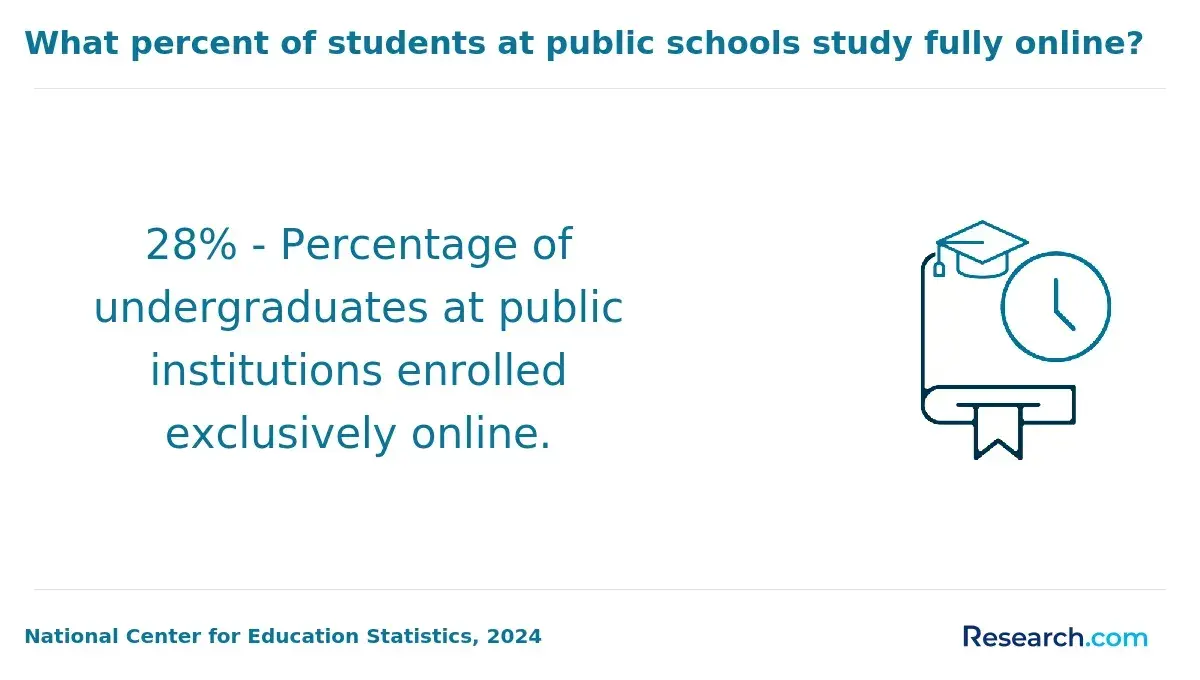
Hybrid and fully online web design bachelor's degree programs differ mainly in how courses are delivered and the level of in-person interaction they require. While hybrid formats mix on-campus and virtual learning, fully online options rely entirely on digital platforms. A 2022 report by the National Center for Education Statistics found that over 40% of undergraduates take at least some online courses, highlighting the growing preference for flexible educational models. Below is a comparison of these two pathways.
Hybrid Programs
- Course delivery combines both in-person classes and online coursework, allowing hands-on collaboration in labs or workshops.
- Scheduling often includes fixed on-campus meeting times paired with flexible online lectures.
- Students benefit from face-to-face networking with instructors and peers, which can enhance communication skills.
- This format suits learners who value direct interaction but still require some flexibility to manage outside commitments.
- Many hybrid web design bachelor degree programs focus on blending real-world project work with virtual learning tools to balance convenience and engagement.
Fully Online Programs
- All instruction is delivered through virtual platforms, providing maximum flexibility for those unable to attend campus.
- Courses typically offer asynchronous learning, letting students access materials and complete assignments on their own schedule.
- Interaction with instructors and classmates occurs via video calls, discussion boards, and collaborative online tools.
- This structure demands strong self-motivation and digital communication skills to succeed.
- Students exploring fully online web design bachelor's degree options often appreciate the convenience when balancing work, family, and education.
For more insights on flexible degree programs, prospective students can find resources on the most affordable MSW programs online, which similarly leverage hybrid and fully online formats to meet diverse student needs.
How Does a Hybrid vs Fully Online Web Design Bachelor's Degree Program Work?
Both hybrid and fully online web design bachelor's degree programs follow structured academic pathways that guide students through progressively advanced coursework and skill-building projects. While the curriculum content remains consistent, they differ in how students engage with instructors and classmates and how coursework is delivered. Recent data indicates that over 75% of higher education institutions in the U.S. now offer some form of online or hybrid learning, reflecting the significant growth of digital education platforms. Below is a closer look at the differences in flexibility and workload for web design degrees online in each format.
Hybrid Programs
- Students attend scheduled on-campus classes for hands-on labs, design studios, or collaborative workshops combined with online lectures and assignments.
- Class participation includes face-to-face sessions mixed with live or recorded online content.
- Schedules follow a fixed calendar with designated days on campus and others dedicated to remote study.
- Communication with instructors occurs via email, video calls, and in-person meetings.
- Peer interaction happens during on-campus meetings and through online forums or group projects.
Fully Online Programs
- All coursework is delivered through digital platforms, allowing students to complete their studies entirely remotely.
- Course materials including lectures, readings, and assignments are accessible online 24/7 for asynchronous learning.
- Class participation relies on video conferences, discussion boards, and virtual team collaboration.
- Scheduling is generally flexible, although some programs require attendance at scheduled online sessions.
- Communication channels include emails, messaging apps, and video calls to maintain direct contact with faculty and peers.
Students weighing hybrid vs fully online web design bachelor's degree program structure should consider these key operational differences while choosing a program that suits their lifestyle. For those researching the best bachelor degrees for future careers, the increasing availability of flexible online options offers many pathways to obtain a valuable credential.
Are Admission Requirements Different for Hybrid and Fully Online Web Design Bachelor's Degrees?
Admission standards for hybrid and fully online web design bachelor's programs share many common elements, though slight variations can depend on the institution's approach and the program's delivery model. While academic expectations tend to align, differences often appear in technical prerequisites and application procedures. The following points highlight key areas where these differences emerge.
- Technical Requirements: Fully online programs generally require proof of dependable computer access and high-speed internet to support remote learning. In contrast, hybrid programs may ask students to consider commuting or ensure availability of campus resources for in-person sessions.
- Application Materials: Some hybrid programs incorporate on-campus interviews or visits to evaluate interpersonal and communication skills, whereas fully online programs frequently conduct interviews virtually or forgo them entirely.
- Prerequisite Coursework: Hybrid curricula might demand more rigorous prerequisites in areas like digital arts or computer science to prepare students for both digital and in-person class components, while fully online programs often offer greater flexibility or foundational online preparatory courses.
- Portfolio Submission: Hybrid applicants may need to present physical portfolios or attend live reviews, whereas fully online applicants typically submit digital portfolios exclusively.
- Orientation Requirements: Hybrid formats commonly require attendance at in-person orientation sessions to familiarize students with campus services, while fully online programs offer virtual orientations and tutorials accessible remotely.
One student enrolled in a fully online web design program shared her experience navigating admissions, noting the convenience of submitting her portfolio digitally and completing interviews by video call. She appreciated the flexibility but acknowledged feeling uncertain initially about meeting technical specifications, especially reliable internet speed. "It was reassuring to have detailed virtual orientation materials that explained everything step-by-step," she reflected. While the remote process lacked the personal touch of campus visits, it allowed her to focus on preparation without travel stress, which ultimately made the application phase less daunting and more manageable.
Is the Learning Experience Better in Hybrid vs Online Web Design Bachelor's Degrees?
Hybrid bachelor's degree programs in web design combine face-to-face classroom time with online learning, offering students a balanced and interactive experience. The in-person component promotes immediate feedback, lively discussions, and collaborative workshops that foster hands-on skill development. Students also benefit from direct access to campus facilities like computer labs, libraries, and technical support, enhancing their overall educational environment. This format often encourages stronger connections between students and instructors, enriching the learning process. However, attending scheduled sessions on campus may create challenges for those with busy or inflexible timetables.
Fully online web design degrees provide substantial flexibility, allowing learners to study from anywhere and on their own schedule, which suits individuals juggling work or family responsibilities. Although they lack physical interaction, many online programs use tools such as video chats, discussion forums, and group assignments to maintain engagement and peer connection. Digital resources are widely available, but students often need to be proactive in seeking help and building virtual study networks. This mode is well-suited for self-disciplined learners who thrive in an autonomous, technology-driven environment without relying on in-person guidance.
Which Is More Flexible: Hybrid or Fully Online Web Design Bachelor's Degree?
Hybrid programs in web design bachelor's degree flexibility involve a mix of online coursework and mandatory in-person sessions, such as labs or workshops, requiring students to attend campus on scheduled dates. This format offers partial scheduling freedom, as lectures or theoretical parts may be delivered online, yet students must commit to fixed times for face-to-face learning. The combination aims to provide a balanced experience by enabling some remote learning while maintaining opportunities for direct interaction with instructors and peers.
For learners who want occasional hands-on engagement but still need some flexibility, hybrid programs can be an effective choice. However, those with unpredictable schedules might find the required campus presence restrictive compared to fully online options. Fully online web design bachelor's programs maximize flexibility by granting complete remote access to all course materials and activities, often featuring asynchronous learning.
This allows students to study at their own pace and fit coursework around work, family, or other commitments without the need to be online at specific times. According to a 2023 survey by the Online Learning Consortium, 73% of online learners prioritized flexible scheduling when selecting fully online programs over hybrid or traditional formats. Students seeking flexible learning options for web design bachelor's programs benefit greatly from this autonomy. For those interested in exploring the most efficient pathways to affordable education, reviewing the most affordable EdD programs can be insightful.
What Is the Workload for Hybrid vs Fully Online Web Design Bachelor's Degrees?
Hybrid and fully online web design bachelor's degree programs maintain comparable academic workloads but differ in how students manage their time and pacing due to course delivery methods. A 2022 study by the Online Learning Consortium found that students in hybrid courses generally dedicate 1.5 to 2 hours per week for each credit hour, a commitment similar to fully online learners, although hybrid students often have more structured schedules. These distinctions influence how students balance their studies with other responsibilities.
In hybrid web design programs, students divide their efforts between in-person class meetings and online coursework. Scheduled face-to-face sessions create consistent time blocks for direct interaction with instructors and peers, which can help establish a steady rhythm throughout the semester. Alongside these fixed commitments, students complete online assignments and projects independently, requiring effective coordination of both components. This format typically limits flexibility but supports regular progress and time management through planned class attendance.
Fully online web design bachelor's programs rely almost entirely on asynchronous learning activities. Students access recorded lectures, complete interactive exercises, and participate in virtual discussions at their convenience within given deadlines. This environment demands a high level of self-motivation and organization, as learners must independently structure their study time without scheduled meetings to provide external accountability. The workload centers on digital assignments and self-guided practice, offering maximum flexibility but requiring discipline to keep pace and avoid falling behind.
How Does Tuition Compare for Hybrid vs Online Web Design Bachelor's Degrees?
Tuition structures for hybrid and fully online web design bachelor's degree programs vary widely due to delivery format, institutional policies, credit requirements, and additional fees. Research shows that fully online programs generally cost about 10% less in tuition than hybrid programs, reflecting differences in campus resource usage and fee assessments.
- Per-Credit Costs: Fully online programs often have lower per-credit charges since they require fewer campus resources. Hybrid programs typically carry higher per-credit rates to accommodate both online and in-person instructional components.
- Technology Fees: Both formats may include technology fees to support course delivery, but hybrid students often pay extra fees for access to on-campus labs and specialized facilities, which fully online students usually avoid.
- Campus or Facility Fees: Hybrid programs tend to require payment of campus-related fees like library and student activity fees, whereas fully online programs often waive these fees entirely.
- Residency Considerations: Tuition for hybrid formats frequently varies between in-state and out-of-state students because of campus access differences. In contrast, many fully online programs charge uniform tuition regardless of residency status.
- Payment Flexibility: Fully online programs often provide more flexible payment schedules, such as monthly plans or per-term billing, helping remote students manage costs more effectively.
When I asked a graduate of a hybrid web design bachelor's degree about tuition, he shared some insightful reflections. He recalled the challenge of navigating several additional fees that felt hard to anticipate at first, especially the campus facility fees that weren't always clearly explained before enrollment. "Balancing the higher tuition with the hands-on experience was a process," he said, emphasizing how important it was to plan financially for those extra charges. Still, he appreciated that the hybrid setup allowed access to campus resources that enhanced his learning, even if the hybrid tuition was a bit steeper than a fully online alternative.
Do Employers Prefer Hybrid or Fully Online Web Design Bachelor's Degrees?
Employer perceptions of hybrid and fully online web design bachelor's degrees have changed notably as online education gained wider acceptance over the past decade. A 2023 survey by the National Association of Colleges and Employers found that nearly 70% of employers now view candidates with online degrees as equally qualified compared to those with traditional degrees. This shift reflects growing trust in remote learning and its rigor. Below is a comparison of employer views on hybrid vs online web design bachelor employer preferences.
- Learning Experience: Hybrid programs combine face-to-face interaction with online coursework, which employers often associate with better teamwork and communication skills. Fully online degrees emphasize self-discipline and technical proficiency but may lack the interpersonal exposure found in hybrid settings.
- Industry Acceptance: Tech firms and startups frequently focus more on demonstrable skills and portfolios than degree format, accepting both hybrid and fully online degrees. More traditional industries sometimes prefer hybrid programs for the perceived balance of online and in-person learning.
- Reputation and Accreditation: Both hybrid and fully online web design degrees have gained credibility when earned from reputable, regionally accredited institutions. Employers especially value degrees paired with strong professional experience.
- Geographic Influence: Preferences vary by region, with some areas showing stronger acceptance of fully online degrees, while others favor hybrid formats that imply some local campus involvement.
Choosing between hybrid and fully online formats depends on individual circumstances and career goals. Prospective students exploring flexible options may find helpful insights through resources like college programs for moms that highlight accessible web design education pathways.
Who Should Choose a Hybrid vs Fully Online Web Design Bachelor's Degree?
The decision between a hybrid and a fully online web design bachelor's degree depends greatly on individual learning preferences, schedule flexibility, and lifestyle needs. Each format offers unique strengths for students with different priorities and commitments. Considering these factors can help identify the best learning format for online web design bachelor's students.
- Interactive Learners: Students who benefit from face-to-face engagement and direct instructor feedback often thrive in hybrid programs. These learners appreciate a combination of classroom time and online flexibility that supports hands-on projects and collaboration.
- Flexible Schedulers: Those with demanding work or family responsibilities needing the ability to study anytime, anywhere usually find fully online programs more accommodating. This format allows them to balance education with other life demands effectively.
- Access to Campus Resources: Learners who want to enjoy extracurricular activities, use campus facilities, or engage socially during their studies tend to choose hybrid programs. The in-person component enhances their overall college experience.
- Self-Motivated Students: Individuals who excel with minimal supervision and are comfortable managing their own study routines may prefer fully online degrees. Their independence supports sustained progress without regular classroom interaction.
- Geographically Restricted: Students living far from institutions offering hybrid options or unable to relocate typically select fully online programs. This choice provides access to quality education without geographic limitations.
- Goal-Oriented Focus: Some students pursue specific career outcomes and may consider how educational flexibility impacts internship or job opportunities. Exploring resources such as high-paying jobs with environmental science degree can offer insight into aligned career paths after completing their web design studies.
How Can I Succeed in a Hybrid vs Fully Online Web Design Bachelor's Degree Program?
Success in hybrid and fully online web design bachelor's programs demands tailored approaches due to differences in course delivery and interaction. Hybrid students balance in-person sessions with digital learning, while fully online learners rely solely on virtual engagement. The following strategies help students excel in each format effectively.
- Class Attendance: Hybrid students should prioritize attending all campus classes to benefit from direct instructor feedback and peer collaboration, which deepens understanding of complex design principles.
- Consistent Login Schedule: Fully online learners need to set regular times for logging into classes and group activities to maintain connection and avoid feelings of isolation.
- Time Management: Both formats require disciplined scheduling, but online students especially must create strict routines using calendars and alerts since there's no physical classroom rhythm.
- Active Engagement: Hybrid learners should participate actively in both face-to-face and online discussions, whereas fully online students must use video calls, forums, and chat tools to build rapport and seek support.
- Digital Tool Proficiency: Hybrid students can enhance learning with supplemental online tutorials and design software; online-only students benefit from mastering collaboration platforms and version control to mimic studio workflows.
- Feedback Seeking: Hybrid students can obtain immediate input during in-person classes, while online students should request regular virtual meetings or email check-ins to stay on track.
What Graduates Say About Hybrid vs Fully Online Web Design Bachelor's Degree Programs
- Jayce: "Choosing a fully online web design bachelor's program allowed me the flexibility to balance my job and studies without sacrificing quality. The interactive platform made it easy to engage with instructors and peers, which really enhanced my learning despite the distance. Since graduating, I've found that the skills I developed online have made me more adaptable and confident in remote collaborative work environments."
- Kaizen: "Enrolling in a hybrid web design program was the perfect fit for me because I needed hands-on experience alongside theoretical knowledge. Navigating both in-person labs and online coursework initially felt challenging, but it gave me a deeper appreciation for time management and self-discipline. Professionally, the blend of real-world practice and flexible learning has opened doors to diverse projects and roles within the design industry."
- Dominic: "The decision to pursue a fully online web design degree was driven by my desire to continue working while finishing my education. Managing coursework at my own pace meant I could focus intensely on mastering specific design tools and programming languages. This methodical approach has directly translated into career advancement, as I'm now able to confidently tackle complex client projects with a solid foundation built through online study."
Other Things You Should Know About Web Design Degrees
Fully online web design bachelor's programs typically incorporate practical assignments and projects that simulate real-world scenarios. Many programs use interactive software, virtual labs, and portfolio development to ensure students gain hands-on experience despite not attending campus. However, the level of practical engagement can vary by institution, so prospective students should review course structures closely.
Internship opportunities are generally available to students in both hybrid and fully online web design bachelor's programs. Hybrid students may find it easier to access local internship placements due to on-campus networking, while fully online students often need to seek remote or local internships independently. Schools sometimes offer assistance with internship placement regardless of the format.
Hybrid web design programs tend to provide more direct networking opportunities through face-to-face interaction with peers, faculty, and local industry professionals. Fully online programs may offer virtual networking events, forums, and alumni connections but often require students to be more proactive about building relationships. Networking experiences depend significantly on program support and student engagement.
References
- Trying to decide on online degree program for Web Development https://www.sitepoint.com/community/t/trying-to-decide-on-online-degree-program-for-web-development/23454
- choosing a hybrid program https://collegeandtuition.com/tag/choosing-a-hybrid-program/
- Hybrid vs. fully online: how different teaching models impact satisfaction https://www.amba-bga.com/insights/hybrid-vs-fully-online-how-different-teaching-models-impact-satisfaction
- What are the benefits of a bachelor's in web design through e-learning? https://www.umu.com/ask/q11122301573854198633
- Future Of Education: Exploring Hybrid Bachelor's Degree Programs https://www.bachelorsdegreecenter.org/hybrid-bachelors-degree-programs/
- Cost of Online Education vs. Traditional Education [2025]: Comparison https://educationdata.org/cost-of-online-education-vs-traditional-education
- Hybrid Online College Models: The Future of Flexible Higher Education https://preview.bravebitsglobal.com/news/hybrid-online-college-models--the-future-of-flexible-higher-education
- The Rise of Hybrid & Online Degrees: Are They Worth It? | EdNet Consultants https://www.ednetconsultants.com/the-rise-of-hybrid-online-degrees-are-they-worth-it/
- Can International Students Attend Hybrid Courses in the US? https://www.csinow.edu/blog/can-international-students-attend-hybrid-courses-in-the-us/